Dermatoscope and Magnifiers
 Diagnostic Kits
 Vital Signs Monitors
 Stethoscopes and Accessories
 Otoscopes, Ophthalmoscopes, and Retinoscopes
 Reflex Hammers and Neurological Tools
 Scales and Measuring Devices
 Spirometers and Pulmonary Function Tests
 Electrosurgical Units and Accessories
 Cutting Instruments
 Grasping and Holding Instruments
 Hemostatic Instruments
 Specialized Surgical Sets
 Single-Use Procedure Trays and Packs
 Surgical Drapes, Gowns, and Covers
 Tissue Unifying Instruments
 Radiation Protection
 X-Ray Machines and Accessories
 Ultrasound Systems and Probes
 MRI and CT Scanners
 Radiology Consumables
 Bone Densitometers
 Fluoroscopy Equipment
 Imaging Tables and Positioning Aids
 Microscopes and Accessories
 Centrifuges and Separators
 Analyzers
 Incubators and Ovens
 Pipettes, Dispensers, and Lab Glassware
 Refrigerators, Freezers, and Storage Units
 Lab Consumables
 Sterilizers and Autoclaves for Lab Use
 Multi-Parameter Monitors
 Ventilators and Respiratory Support Devices
 Defibrillators and AEDs
 Infusion Pumps and IV Systems
 Patient Warmers and Cooling Devices
 Central Monitoring Stations
 Accessories
 Anesthesia Machines and Workstations
 Oxygen Concentrators and Delivery Systems
 Nebulizers and Inhalers
 CPAP/BiPAP Machines
 Airway Management
 Anesthesia Masks, Circuits, and Bags
 Humidifiers and Heaters
 Respiratory Therapy Accessories
 First Aid Kits and Cabinets
 Emergency Resuscitation Equipment
 Trauma Supplies
 Emergency Carts and Crash Carts
 Burn Care Products
 Bleeding Control
 Automated External Defibrillators (AEDs)
 Transport and Evacuation
 Wheelchairs and Accessories
 Walkers, Crutches, and Canes
 Prosthetics and Orthotics
 Physical Therapy Equipment
 Transfer Devices
 Bathroom Safety
 Orthopedic Traction and Tables
 Hot/Cold Therapy Packs and Units
 Beds and Mattresses
 Chairs and Stools
 Tables
 Cabinets and Storage
 Privacy Screens & Curtains
 Stands and Racks
 Linens and Textiles
 Lighting
 Autoclaves and Sterilizers
 Ultrasonic Cleaners
 Disinfectant Solutions and Wipes
 Sterilization Pouches, Wraps, and Indicators
 Instrument Trays and Containers
 UV and Ozone Disinfection Devices
 Washer Disinfectors
 Wound Care
 Gloves
 Masks and Respirators
 Catheters and Tubing
 Swabs, Applicators, and Sponges
 Incontinence Products
 Personal Protective Equipment (PPE)
 Dental Chairs and Units
 Handpieces and Burs
 Instruments
 Consumables
 Sterilization for Dental Use
 Orthodontic Supplies
 Endodontic Tools
 Slit Lamps and Tonometers
 Lensometers and Phoropters
 Ophthalmic Surgical Instruments
 Eyewear Frames and Lenses
 Contact Lens Supplies
 Vision Testing Charts and Devices
 Eye Care Consumables
 Laser Systems for Eye Care
 ENT Exam Chairs and Tables
 Endoscopes
 Audiometers and Hearing Tests
 ENT Instruments
 Nasal and Throat Packs
 Hearing Aids and Accessories
 Otology Supplies
 Fetal Dopplers and Monitors
 Delivery Beds and Tables
 Gynecological Instruments
 Neonatal Incubators and Warmers
 Breast Pumps and Accessories
 Contraceptive Devices
 Maternity Supports and Pads
 Neonatal Consumables
 Cystoscopes and Urethroscopes
 Dialysis Machines and Supplies
 Urological Catheters and Bags
 Lithotripters
 Prostate Treatment Devices
 Urinary Incontinence Products
 Kidney Stone Management Tools
 Consumables & Disposables
 EEG and EMG Machines
 Neurosurgical Instruments
 Nerve Stimulators
 Headrests and Positioning Aids
 Lumbar Puncture Kits
 Seizure Monitoring Devices
 Consumables
 Rehabilitation for Neurological Conditions
 ECG Machines and Accessories
 Holter Monitors
 Stress Test Systems
 Pacemakers and Defibrillator Accessories
 Vascular Access Devices
 Cardiac Catheters and Guidewires
 Blood Flow Meters
 Consumables
 Orthopedic Instruments
 Casts, Splints, and Padding
 Joint Replacement Supplies
 Prosthetic Limbs and Components
 Bone Grafts and Substitutes
 Traction Devices
 Orthopedic Braces and Supports
 Rehabilitation Aids for Orthopedics
 Home Oxygen Therapy
 Hospital Beds for Home Use
 Mobility Aids
 Bathroom and Daily Living Aids
 Wound Care for Home
 Monitoring Devices
 Enteral Feeding Pumps and Tubes
 Hand Sanitizers and Dispensers
 Face Shields and Goggles
 Isolation Gowns and Suits
 Biohazard Waste Containers
 Air Purifiers and HEPA Filters
 Surface Disinfectants
 Sharps Containers
 Protective Barriers
 Cardiovascular & Endurance Training
 Strength Training & Weightlifting
 Functional Training & Core Conditioning
 Physical Therapy & Rehabilitation
 Sports & Outdoor Recreation
 Gym Flooring & Facility Equipment
 Fitness Monitoring & Accessories
 Kids & Novelties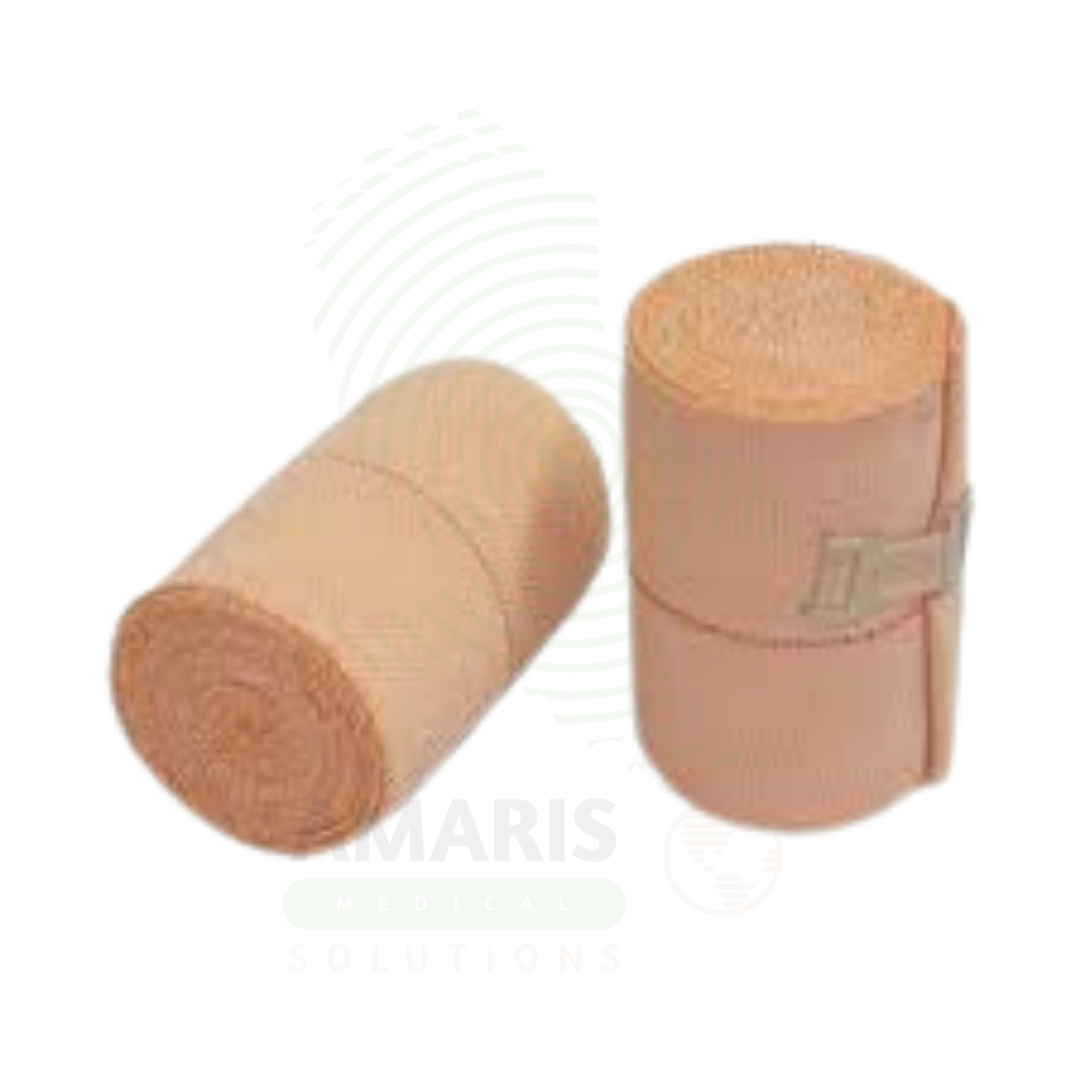
Medical Crepe
$1.00
WhatsApp Order
Medical Crepe is a lightweight, conformable, woven cotton bandage designed for securing wound dressings, providing light compression, and supporting injured joints and limbs. Featuring a characteristic crepe weave with limited stretch, this breathable bandage conforms to body contours without restricting circulation—making it ideal for wrapping around limbs, joints, and irregular surfaces. Available in widths from 5cm to 20cm and standard 4.5-meter lengths, medical crepe is a versatile, non-sterile bandage used across clinical settings. For the clinician, it provides reliable dressing retention and gentle support for sprains, strains, and soft tissue swelling. For the patient, medical crepes offer comfortable, non-irritating bandaging that allows natural movement while protecting healing tissues and reducing pain.
Description
Medical Crepe
PRIMARY CLINICAL & DIAGNOSTIC USES
1. Securement of Wound Dressings
-
Primary Use: Provides a lightweight, conformable, woven cotton bandage used to secure primary and secondary wound dressings in place without the need for adhesive tapes.
-
How it helps: For the nurse and wound care clinician, medical crepe offers a breathable, flexible bandage that conforms to body contours—holding dressings securely over joints, limbs, and irregular surfaces where adhesive tapes may fail or cause skin irritation. For the patient, medical crepe provides comfortable, non-irritating dressing retention that allows natural movement without the discomfort of adhesive removal.
2. Application of Light Compression
-
Primary Use: Wrapped with controlled tension to provide light compression for management of soft tissue swelling, sprains, strains, and venous conditions.
-
How it helps: For the clinician managing patients with ankle sprains, wrist strains, or early venous insufficiency, medical crepe delivers mild, even compression that reduces edema and provides proprioceptive support—enhancing patient comfort and promoting recovery. For the patient, this light compression helps control swelling, reduces pain, and provides a sense of stability during movement.
3. Conforming Support for Joints and Limbs
-
Primary Use: Provides flexible, conforming support for injured or weakened joints, muscles, and tendons without restricting circulation or movement.
-
How it helps: For the physical therapist and sports medicine clinician, medical crepe bandages offer adaptable support that can be wrapped around elbows, knees, ankles, and wrists—providing gentle stabilization that allows continued activity while protecting healing tissues. For the patient, this means they can maintain mobility during recovery while receiving therapeutic support that reduces pain and prevents re-injury.
4. Protection of Vulnerable Skin Areas
-
Primary Use: Wrapped around pressure points, bony prominences, and fragile skin areas to provide a protective layer against friction and shear forces.
-
How it helps: For the nurse caring for elderly or immobile patients, medical crepe applied to heels, elbows, and sacral areas provides a soft, breathable barrier that reduces friction damage from bedding and movement. For the patient, this protection reduces the risk of pressure injuries and skin tears, maintaining skin integrity during prolonged bedrest or immobilization.
SECONDARY & SUPPORTIVE USES
1. Post-Venipuncture Pressure Application: Used to hold pressure pads in place following blood draws, IV insertion, or arterial puncture procedures.
2. Securing of Catheters and Tubing: Used to wrap around and secure urinary catheters, IV lines, and drainage tubes to prevent accidental dislodgment.
3. Orthopedic Cast Padding: Used as a protective layer beneath plaster or fiberglass casts to provide cushioning and moisture absorption.
4. Splinting and Immobilization: Used to secure splints and immobilization devices in place during emergency and orthopedic care.
5. Management of Lymphoedema: Used as a component of multilayer compression bandaging for lymphoedema management.
6. Post-Operative Wrapping: Used following surgical procedures to secure dressings and provide gentle compression to reduce post-operative swelling.
7. First Aid Applications: Used in first aid for securing dressings and providing support for sprains and strains in community and home settings.
8. Pediatric Wrapping: Used for securing dressings and providing support for children with minor injuries or post-procedural needs.
9. Veterinary Medical Applications: Used in veterinary practice for securing dressings and providing support for animal patients.
10. Sports Taping Base: Used as an under-wrap beneath athletic tape to protect skin during sports taping applications.
KEY PRODUCT FEATURES
1. BASIC IDENTIFICATION ATTRIBUTES
-
Device Type: A lightweight, conformable, woven cotton bandage with crepe-like texture designed for securing dressings, providing light compression, and supporting injured joints and limbs.
-
Designation: Medical Crepe, Crepe Bandage, Conforming Bandage, Cotton Crepe Bandage, Elastic Crepe Bandage, Light Support Bandage, Dressing Retention Bandage.
-
Key Components:
o Material: Woven cotton or cotton/polyester blend.
o Weave: Crepe weave with slight stretch for conformability.
o Finish: Soft, breathable texture.
o Closure: Requires tape, clips, or self-closure depending on type.
o Packaging: Individually wrapped or bulk packaged rolls.
2. TECHNICAL & PERFORMANCE PROPERTIES
-
Material: 100% cotton or cotton/polyester blend.
-
Stretch: Limited stretch (typically 10-30%) for conformability and light compression.
-
Widths: Common widths include 5cm (2 inches), 7.5cm (3 inches), 10cm (4 inches), 15cm (6 inches), and 20cm (8 inches).
-
Lengths: Commonly 4.5 meters (5 yards) per roll.
-
Weave Type: Crepe weave with crinkled texture for stretch and conformability.
-
Breathability: High breathability allows air circulation to the skin.
-
Latex-Free: Manufactured without natural rubber latex.
-
Sterility: Non-sterile; intended for use over sterile dressings or on clean, intact skin.
3. PHYSICAL & OPERATIONAL PROPERTIES
-
Construction: Woven cotton with characteristic crinkled (crepe) texture.
-
Color: Typically white or off-white.
-
Stretch Direction: Stretchable along length of roll for conformability.
-
Reusability: Single-use intended; can be rewrapped if not soiled.
-
Washability: Not intended for washing; single patient use recommended.
-
Packaging: Rolled without applicator; applied by hand.
4. SAFETY & COMPLIANCE ATTRIBUTES
-
Regulatory Status: Class I medical device (exempt from premarket notification).
-
Non-Sterile: Not sterilized; intended for use on intact skin or over sterile dressings.
-
Latex-Free: Standard in most medical crepe bandages.
-
Biocompatibility: Materials tested for skin contact safety.
5. STORAGE & HANDLING ATTRIBUTES
-
Storage: Store in a clean, dry location at room temperature; protect from moisture, dust, and direct sunlight.
-
Shelf Life: Typically 3-5 years from date of manufacture; check expiration date before use.
-
Inspection: Inspect for damage, discoloration, or contamination before use; discard if compromised.
-
Single-Patient Use: Intended for single patient use; do not reuse on different patients to prevent cross-contamination.
6. LABORATORY & CLINICAL APPLICATIONS
-
Primary Application: Securing wound dressings, providing light compression for soft tissue injuries, and supporting joints and limbs in acute and chronic care settings.
-
Clinical Role: Essential product in hospitals, clinics, emergency departments, orthopedic practices, sports medicine facilities, long-term care facilities, and home healthcare for dressing retention, light support, and skin protection.
SAFETY HANDLING PRECAUTIONS
1. SAFETY PRECAUTIONS
-
Wrapping Tension: Apply with even, moderate tension; excessive tightness may compromise circulation; excessive looseness may not provide adequate securement.
-
Circulation Check: After wrapping extremities, assess distal circulation, sensation, and movement; loosen if signs of compromised circulation appear (pallor, cyanosis, numbness, tingling, coldness).
-
Not for High Compression: Medical crepe is not designed for high-compression applications such as deep vein thrombosis prophylaxis or severe venous insufficiency.
-
Skin Inspection: Inspect skin under bandage regularly for signs of irritation, maceration, or pressure damage.
-
Non-Sterile: Do not apply directly to open wounds without a sterile primary dressing.
-
Single-Patient Use: Discard after use on one patient; do not reuse.
-
Allergies: Confirm the patient has no allergies to cotton or other materials before use.
2. FIRST AID MEASURES
-
Compromised Circulation: If signs of circulatory compromise occur, immediately remove bandage and assess patient; reapply with less tension if appropriate.
-
Skin Irritation: If skin irritation occurs, discontinue use; clean area; consider alternative bandage material.
-
Bandage Slippage: If bandage slips or loosens during use, rewrap with appropriate tension; secure ends with tape or clips.
3. FIRE FIGHTING MEASURES
-
Flammability: Cotton bandages are combustible; may burn if exposed to flame or high heat.
-
Extinguishing Media: Use water, foam, dry chemical, or CO₂ for fire involving bandages.
-
Fire Response: In oxygen-enriched environments, bandages may ignite more readily; follow facility fire safety protocols.
Related products
Anti-Embolic Compression Stockings
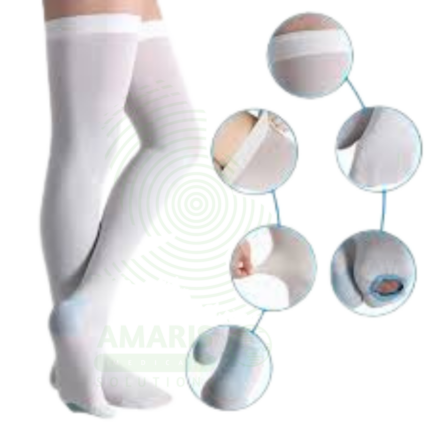
Anti-Embolic Compression Stockings are medical-grade elastic stockings designed to prevent Deep Vein Thrombosis (DVT) in non-ambulatory, surgical, or medically ill patients. By delivering graduated external pressure—tightest at the ankle and decreasing up the leg—they enhance venous blood flow and reduce stasis, a key factor in clot formation. They are a cornerstone of mechanical thromboprophylaxis in hospitals. Correct sizing based on precise leg measurements is critical for both efficacy and safety, as improper fit can lead to complications or failure of prophylaxis. Daily skin assessment and adherence to wearing guidelines are essential components of safe use.
Biopsy Needles
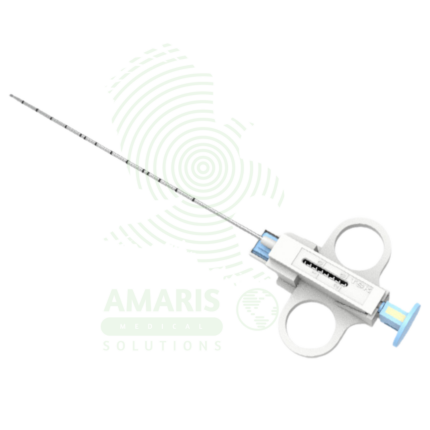
Biopsy Needles are sterile, single-use precision medical devices designed to obtain tissue or cellular specimens from internal organs, masses, and lesions for histopathological or cytological diagnosis. Available in core biopsy (automatic spring-loaded, semi-automatic, vacuum-assisted, coaxial) and fine needle aspiration configurations, with gauges ranging from 14G-27G and lengths from 6-25 cm. Core biopsy needles obtain intact tissue cores preserving histological architecture; FNA needles aspirate cellular material for cytological evaluation. Specialized variants include bone marrow biopsy needles (Jamshidi, Illinois), echogenic-tip needles for ultrasound guidance, and MRI-compatible needles (nitinol, titanium). Critical safety requirements include strict image guidance for non-palpable lesions, verification of coagulation status, adherence to single-use protocols, and immediate post-procedure monitoring for complications (hemorrhage, pneumothorax, organ injury). An indispensable tool in interventional radiology, oncology, and minimally invasive diagnosis.
Finger Cot
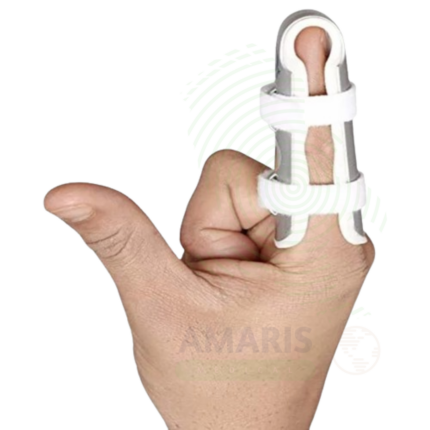
A Finger Cot is a small, finger-shaped protective covering used to protect minor finger wounds, diabetic ulcers, surgical incisions, and amputation stumps, as well as to provide barrier protection for healthcare workers and laboratory personnel. Made from latex, nitrile, vinyl, or silicone, it provides a comfortable, secure fit while protecting the finger from contamination, moisture, friction, and irritants. Available in various sizes, materials, and sterile or non-sterile versions. Latex-free options are available for individuals with latex allergy.
First Aid Kit For Sporting Places
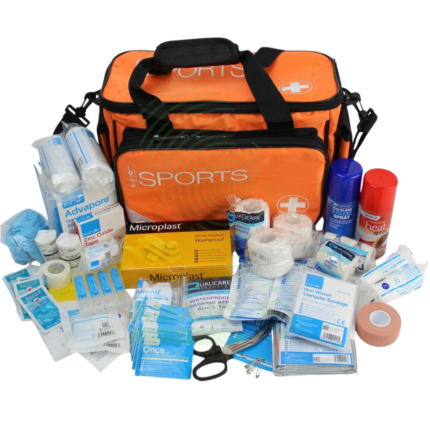
A First Aid Kit for Sporting Places is a portable, organized medical kit specifically designed for the types and frequencies of injuries encountered in athletic and sporting environments. Available in various configurations including sideline kits for team use, personal sports pouches, team travel kits, and wall-mounted cabinets for gymnasiums. Constructed from ballistic nylon, polyester, ABS plastic, or aluminum with organized interior compartments, pouches, and elastic loops for rapid access to supplies. Contains sport-specific medical supplies including wound care materials, elastic bandages, instant cold packs, splinting materials, eye wash, blister care, concussion assessment tools, and personal protective equipment. Primary clinical applications include immediate treatment of common sports injuries (sprains, strains, contusions, abrasions, lacerations), concussion assessment, bleeding control, heat illness management, eye injury care, and emergency action plan implementation. Essential equipment for athletic teams, schools, fitness centers, recreational facilities, and sporting events, providing organized, accessible medical supplies for athlete safety and injury management.
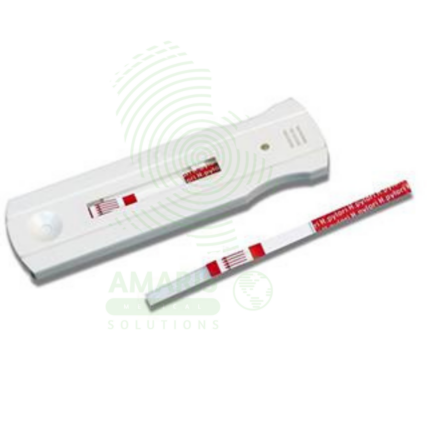
H. pylori Test Strips
H. pylori Test Strips are rapid, lateral flow immunochromatographic devices used for the qualitative detection of Helicobacter pylori antigens in human stool. As a non-invasive stool antigen test (SAT), it provides a convenient and reliable method for diagnosing active H. pylori infection and confirming eradication after therapy, with results available in under 15 minutes. Ideal for use in clinics and outpatient settings, it aids in the management of dyspepsia and peptic ulcer disease. Proper sample handling, adherence to pre-test medication restrictions, and strict biohazard precautions are essential for obtaining accurate results.
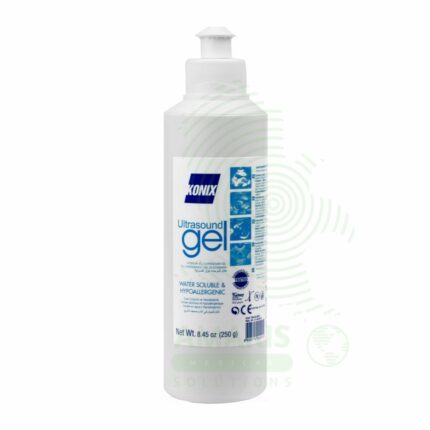
Ultrasound Gel
Ultrasound Gel is a water-based, hypoallergenic, acoustically conductive coupling medium essential for diagnostic and therapeutic ultrasound procedures. It eliminates air pockets between the transducer and skin, creating an efficient acoustic pathway for sound wave transmission and reception. Formulated to match the acoustic impedance of human tissue, it ensures high-quality imaging while providing lubrication for smooth probe movement and patient comfort. Available in standard, sterile, and hypoallergenic formulations, it is a single-use consumable critical for all ultrasound examinations. Proper storage, handling, and selection of appropriate sterile versus non-sterile formulations are essential for patient safety and image quality.
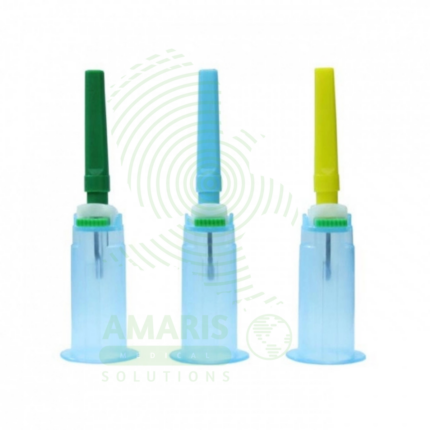
Vacutainer Needle Holder
A Vacutainer Needle Holder is a disposable plastic device (Class I/II medical device) used to securely hold double-ended blood collection needles and evacuated tubes during venipuncture, enabling safe and efficient collection of multiple blood specimens from a single venipuncture. Made from medical-grade ABS plastic or polypropylene, latex-free, approximately 12 cm length, with threaded end for needle attachment and flanged opening with flexible fingers to securely hold standard evacuated tubes (13 × 75 mm, 16 × 100 mm). Compatible with all standard double-ended needles and safety-engineered needles. Primary clinical applications include blood collection for laboratory testing (hematology, chemistry, coagulation, blood banking), multiple tube collection from single venipuncture, standardized venipuncture procedures, infection control (works with safety needles), and phlebotomy training. Critical safety precautions include single-use only (never reuse), secure needle attachment, immediate disposal of an entire unit with a needle in a sharps container, never recapping needles, and inspection for damage before use. Essential components of blood collection systems in hospitals, clinics, and laboratories.