Dermatoscope and Magnifiers
 Diagnostic Kits
 Vital Signs Monitors
 Stethoscopes and Accessories
 Otoscopes, Ophthalmoscopes, and Retinoscopes
 Reflex Hammers and Neurological Tools
 Scales and Measuring Devices
 Spirometers and Pulmonary Function Tests
 Electrosurgical Units and Accessories
 Cutting Instruments
 Grasping and Holding Instruments
 Hemostatic Instruments
 Specialized Surgical Sets
 Single-Use Procedure Trays and Packs
 Surgical Drapes, Gowns, and Covers
 Tissue Unifying Instruments
 Radiation Protection
 X-Ray Machines and Accessories
 Ultrasound Systems and Probes
 MRI and CT Scanners
 Radiology Consumables
 Bone Densitometers
 Fluoroscopy Equipment
 Imaging Tables and Positioning Aids
 Microscopes and Accessories
 Centrifuges and Separators
 Analyzers
 Incubators and Ovens
 Pipettes, Dispensers, and Lab Glassware
 Refrigerators, Freezers, and Storage Units
 Lab Consumables
 Sterilizers and Autoclaves for Lab Use
 Multi-Parameter Monitors
 Ventilators and Respiratory Support Devices
 Defibrillators and AEDs
 Infusion Pumps and IV Systems
 Patient Warmers and Cooling Devices
 Central Monitoring Stations
 Accessories
 Anesthesia Machines and Workstations
 Oxygen Concentrators and Delivery Systems
 Nebulizers and Inhalers
 CPAP/BiPAP Machines
 Airway Management
 Anesthesia Masks, Circuits, and Bags
 Humidifiers and Heaters
 Respiratory Therapy Accessories
 First Aid Kits and Cabinets
 Emergency Resuscitation Equipment
 Trauma Supplies
 Emergency Carts and Crash Carts
 Burn Care Products
 Bleeding Control
 Automated External Defibrillators (AEDs)
 Transport and Evacuation
 Wheelchairs and Accessories
 Walkers, Crutches, and Canes
 Prosthetics and Orthotics
 Physical Therapy Equipment
 Transfer Devices
 Bathroom Safety
 Orthopedic Traction and Tables
 Hot/Cold Therapy Packs and Units
 Beds and Mattresses
 Chairs and Stools
 Tables
 Cabinets and Storage
 Privacy Screens & Curtains
 Stands and Racks
 Linens and Textiles
 Lighting
 Autoclaves and Sterilizers
 Ultrasonic Cleaners
 Disinfectant Solutions and Wipes
 Sterilization Pouches, Wraps, and Indicators
 Instrument Trays and Containers
 UV and Ozone Disinfection Devices
 Washer Disinfectors
 Wound Care
 Gloves
 Masks and Respirators
 Catheters and Tubing
 Swabs, Applicators, and Sponges
 Incontinence Products
 Personal Protective Equipment (PPE)
 Dental Chairs and Units
 Handpieces and Burs
 Instruments
 Consumables
 Sterilization for Dental Use
 Orthodontic Supplies
 Endodontic Tools
 Slit Lamps and Tonometers
 Lensometers and Phoropters
 Ophthalmic Surgical Instruments
 Eyewear Frames and Lenses
 Contact Lens Supplies
 Vision Testing Charts and Devices
 Eye Care Consumables
 Laser Systems for Eye Care
 ENT Exam Chairs and Tables
 Endoscopes
 Audiometers and Hearing Tests
 ENT Instruments
 Nasal and Throat Packs
 Hearing Aids and Accessories
 Otology Supplies
 Fetal Dopplers and Monitors
 Delivery Beds and Tables
 Gynecological Instruments
 Neonatal Incubators and Warmers
 Breast Pumps and Accessories
 Contraceptive Devices
 Maternity Supports and Pads
 Neonatal Consumables
 Cystoscopes and Urethroscopes
 Dialysis Machines and Supplies
 Urological Catheters and Bags
 Lithotripters
 Prostate Treatment Devices
 Urinary Incontinence Products
 Kidney Stone Management Tools
 Consumables & Disposables
 EEG and EMG Machines
 Neurosurgical Instruments
 Nerve Stimulators
 Headrests and Positioning Aids
 Lumbar Puncture Kits
 Seizure Monitoring Devices
 Consumables
 Rehabilitation for Neurological Conditions
 ECG Machines and Accessories
 Holter Monitors
 Stress Test Systems
 Pacemakers and Defibrillator Accessories
 Vascular Access Devices
 Cardiac Catheters and Guidewires
 Blood Flow Meters
 Consumables
 Orthopedic Instruments
 Casts, Splints, and Padding
 Joint Replacement Supplies
 Prosthetic Limbs and Components
 Bone Grafts and Substitutes
 Traction Devices
 Orthopedic Braces and Supports
 Rehabilitation Aids for Orthopedics
 Home Oxygen Therapy
 Hospital Beds for Home Use
 Mobility Aids
 Bathroom and Daily Living Aids
 Wound Care for Home
 Monitoring Devices
 Enteral Feeding Pumps and Tubes
 Hand Sanitizers and Dispensers
 Face Shields and Goggles
 Isolation Gowns and Suits
 Biohazard Waste Containers
 Air Purifiers and HEPA Filters
 Surface Disinfectants
 Sharps Containers
 Protective Barriers
 Cardiovascular & Endurance Training
 Strength Training & Weightlifting
 Functional Training & Core Conditioning
 Physical Therapy & Rehabilitation
 Sports & Outdoor Recreation
 Gym Flooring & Facility Equipment
 Fitness Monitoring & Accessories
 Kids & Novelties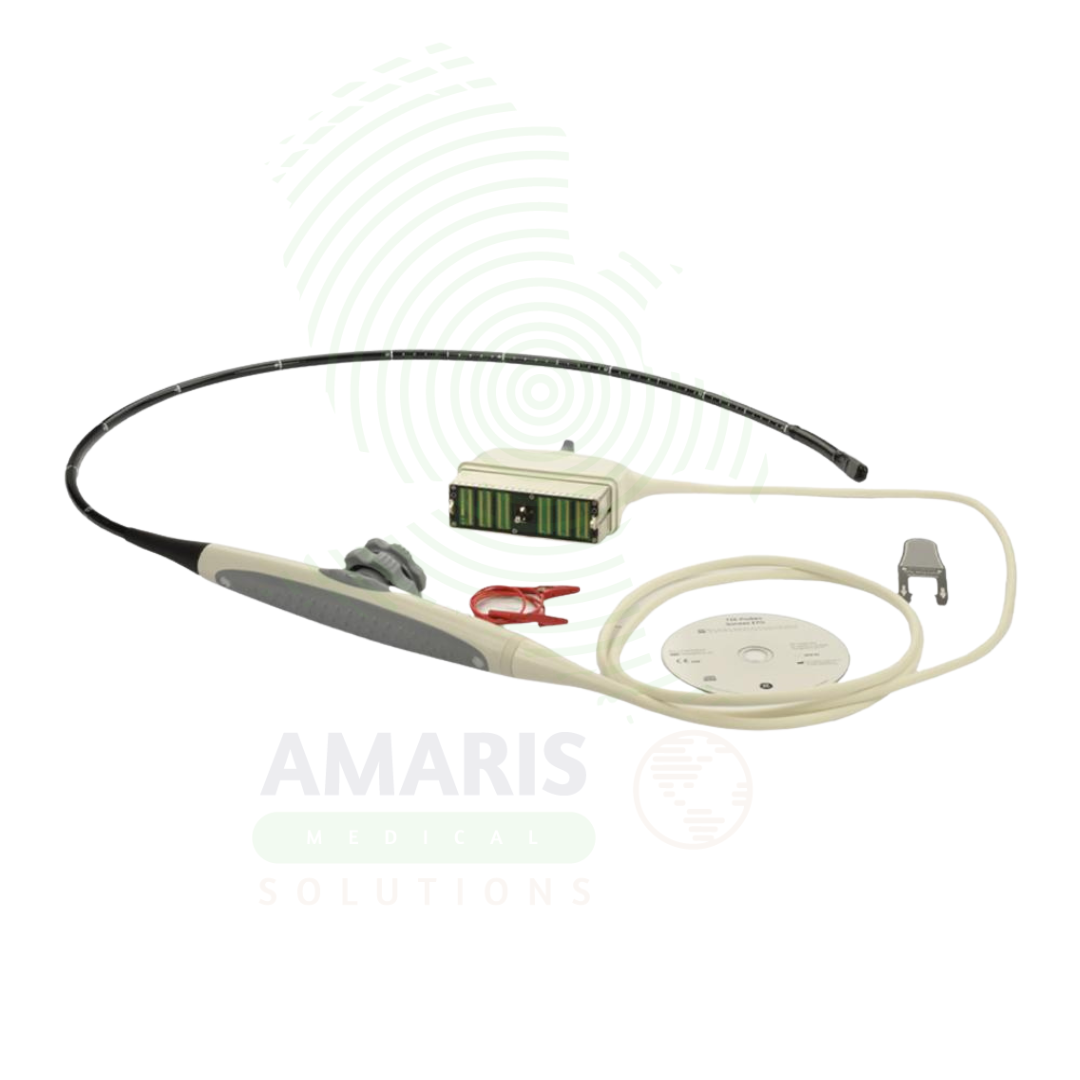
Multi-Plane Transesophageal Echocardiography (MPTEE Mini)
$1.00
WhatsApp Order
The Multi-Plane Transesophageal Echocardiography (MPTEE Mini) is a miniaturized, multiplane transesophageal echocardiography probe designed for advanced cardiac imaging in patients where standard TEE probes may be contraindicated or difficult to place. With a smaller diameter insertion tube, it enables transesophageal assessment in smaller patients, those with esophageal strictures, and critically ill patients requiring prolonged monitoring for up to 72 hours. It provides high-quality imaging for assessment of ventricular function, valvular disease, congenital heart defects, and surgical repair adequacy. Essential for cardiac intensive care units, operating rooms, and pediatric cardiology, it delivers critical diagnostic information while improving patient tolerability.
Description
Multi-Plane Transesophageal Echocardiography (MPTEE Mini)
PRIMARY CLINICAL & DIAGNTOSIC USES
1. Miniaturized Transesophageal Echocardiography for Cardiac Assessment
-
Primary Use: Provides high-resolution transesophageal echocardiography using a miniaturized, multiplane probe designed for patients where standard TEE probes may be contraindicated or difficult to place. The smaller probe diameter allows for insertion in patients with esophageal strictures, smaller body habitus, or those requiring prolonged monitoring.
-
How it helps: For the cardiologist, echocardiographer, and cardiac intensivist, the MPTEE Mini offers advanced cardiac imaging capabilities in a smaller form factor—enabling detailed assessment of cardiac structure, valvular function, and hemodynamics in patients who may not tolerate standard-sized probes. For the patient with complex cardiac conditions or anatomical limitations, the miniaturized probe provides access to critical diagnostic information that might otherwise be unavailable.
2. Prolonged Hemodynamic Monitoring in Critical Care
-
Primary Use: Designed for extended monitoring in intensive care settings, the probe can remain in place for up to 72 hours, providing continuous assessment of cardiac function, volume status, and response to therapeutic interventions in critically ill patients.
-
How it helps: For the intensivist and critical care team, the MPTEE Mini enables continuous, real-time assessment of cardiac function without repeated probe insertion—tracking left and right ventricular function, assessing volume status, and guiding fluid resuscitation and vasopressor therapy. For the critically ill patient with hemodynamic instability, this continuous monitoring allows for precise, targeted interventions that improve outcomes.
3. Diagnosis of Right Ventricular Failure
-
Primary Use: Provides detailed imaging of the right ventricle, which is often poorly visualized with transthoracic echocardiography. The miniaturized probe enables accurate diagnosis of right ventricular dysfunction, a critical determinant of outcomes in cardiac surgery, pulmonary hypertension, and shock states.
-
How it helps: For the cardiac anesthesiologist and intensivist, the MPTEE Mini provides the imaging quality needed to accurately assess right ventricular size, function, and pressure overload—guiding management of right ventricular failure that might otherwise go undetected. For the patient with pulmonary hypertension, post-cardiotomy shock, or acute right ventricular failure, accurate diagnosis enables timely intervention that can be life-saving.
4. Pediatric and Congenital Heart Disease Applications
-
Primary Use: The miniaturized design is particularly valuable for imaging in infants and children, where standard TEE probes may be too large. The probe provides high-quality imaging for assessment of congenital heart defects, post-surgical repair evaluation, and intraoperative guidance.
-
How it helps: For the pediatric cardiologist and congenital heart surgeon, the MPTEE Mini provides the imaging quality needed to assess complex congenital anatomy in smaller patients—guiding surgical repair, evaluating post-operative results, and monitoring hemodynamics. For the infant or child with congenital heart disease, the smaller probe size means access to transesophageal imaging that might otherwise be unsafe or impossible.
5. Intraoperative Guidance for Cardiac Surgery
-
Primary Use: Used during cardiac surgical procedures to assess the adequacy of surgical repair, evaluate valve function, and guide de-airing before weaning from cardiopulmonary bypass. The miniaturized probe allows for continuous monitoring without interference with the surgical field.
-
How it helps: For the cardiac surgeon and anesthesiologist, the MPTEE Mini provides real-time feedback during cardiac surgery—confirming valve repair adequacy, assessing ventricular function after bypass, and detecting residual lesions before chest closure. For the patient undergoing cardiac surgery, intraoperative echocardiography ensures that surgical repairs are optimal before leaving the operating room, reducing the need for reoperation.
SECONDARY & SUPPORTIVE USES
1. Transcatheter Structural Heart Interventions: Used to guide transcatheter aortic valve replacement, mitral valve repair, left atrial appendage closure, and other structural heart procedures where high-quality imaging is essential.
2. Hemodynamic Assessment in Shock: Provides continuous assessment of cardiac function, volume status, and response to vasoactive medications in patients with cardiogenic, distributive, or hypovolemic shock.
3. Detection of Endocarditis Complications: Identifies vegetations, abscesses, and valvular perforations in patients with suspected infective endocarditis where transthoracic imaging is inconclusive.
4. Assessment of Prosthetic Valve Function: Evaluates prosthetic valve function, detects obstruction, regurgitation, or paravalvular leak in patients with mechanical or bioprosthetic valves.
5. Congenital Heart Disease Monitoring: Used for serial assessment of patients with congenital heart disease throughout their lifespan, particularly when transthoracic windows are inadequate.
6. Research Applications: Used in clinical research protocols investigating hemodynamics, ventricular function, and response to novel therapies in critically ill populations.
KEY PRODUCT FEATURES
1. BASIC IDENTIFICATION ATTRIBUTES
-
Device Type: A miniaturized, multiplane transesophageal echocardiography probe designed for advanced cardiac imaging in patients with smaller anatomy or requiring prolonged monitoring.
-
Designation: MPTEE Mini, Miniaturized Transesophageal Echocardiography Probe, Micro-TEE Probe, Pediatric TEE Probe.
-
Key Components:
-
Miniaturized Insertion Tube: Smaller diameter shaft (approximately 5-6 mm) for improved patient tolerability.
-
Multiplane Transducer: Piezoelectric crystal array capable of multi-plane imaging (0-180°).
-
Articulating Tip: Flexible tip for controlled movement within the esophagus and stomach.
-
Ergonomic Handle: Control knobs for tip manipulation and image plane adjustment.
-
Cable Assembly: Shielded cable connecting probe to ultrasound system.
-
2. TECHNICAL & PERFORMANCE PROPERTIES
-
Probe Diameter: Approximately 5-6 mm, significantly smaller than standard adult TEE probes.
-
Imaging Capability: Multiplane imaging with full 0-180° rotational capability.
-
Frequency Range: High-frequency imaging optimized for detailed cardiac assessment.
-
Image Quality: Comparable diagnostic accuracy to standard pediatric TEE probes, with some studies showing equivalent sensitivity for detecting cardiac abnormalities.
-
Durability: Designed for extended use with proper handling; reusable with appropriate sterilization between patients.
-
Sterilization: Requires high-level disinfection or sterilization between uses; compatible with liquid chemical sterilants.
3. PHYSICAL & OPERATIONAL PROPERTIES
-
Construction: Flexible insertion tube with reinforced shaft for durability.
-
Controls: Ergonomic handle with dual control knobs for tip flexion (anterior-posterior and lateral).
-
Probe Identification: Integrated chip for automatic probe recognition and configuration.
-
Compatibility: Designed for use with specific ultrasound system platforms.
4. SAFETY & COMPLIANCE ATTRIBUTES
-
Regulatory Status: Class II medical device; FDA cleared and NMPA registered.
-
Electrical Safety: Compliant with medical electrical equipment standards.
-
Biocompatibility: Materials safe for esophageal placement.
-
Sterility: Non-sterile packaging; must be sterilized before each use.
-
Contraindications: Esophageal pathology, recent esophageal surgery, coagulopathy, esophageal varices.
5. STORAGE & HANDLING ATTRIBUTES
-
Storage: Store in protective case when not in use; avoid kinking or bending the insertion tube.
-
Cleaning: Thorough cleaning immediately after use; enzymatic cleaner recommended.
-
Sterilization: High-level disinfection or liquid chemical sterilization per facility protocol.
-
Inspection: Regular inspection for cracks, damage, or fluid ingress; leak testing required before each use.
6. LABORATORY & CLINICAL APPLICATIONS
-
Primary Application: Transesophageal echocardiography for cardiac assessment in patients with smaller anatomy, critical illness requiring prolonged monitoring, and congenital heart disease.
-
Clinical Role: Essential equipment in cardiac intensive care units, operating rooms, catheterization laboratories, and pediatric cardiology.
SAFETY HANDLING PRECAUTIONS
1. SAFETY PRECAUTIONS
-
Contraindications: Do not use in patients with known esophageal pathology, recent esophageal surgery, esophageal varices, or coagulopathy.
-
Leak Testing: Perform leak test before each use to ensure probe integrity.
-
Insertion Technique: Insert with care; use gentle pressure; do not force if resistance is encountered.
-
Monitoring: Monitor patients for signs of esophageal injury, bleeding, or arrhythmia during and after procedure.
-
Sterility: Ensure probe is properly sterilized before each use to prevent infection transmission.
2. FIRST AID MEASURES
-
Esophageal Injury: If esophageal injury is suspected, discontinue use immediately; consult gastroenterology for evaluation.
-
Bleeding: If bleeding occurs, remove probe; apply pressure if accessible; consult appropriate specialist.
-
Arrhythmia: If significant arrhythmia develops during probe manipulation, withdraw probe; monitor patient.
3. FIRE FIGHTING MEASURES
-
Flammability: Plastic components are combustible; cable may burn.
-
Extinguishing Media: Use CO₂ or dry chemical extinguisher for electrical fires.
Related products
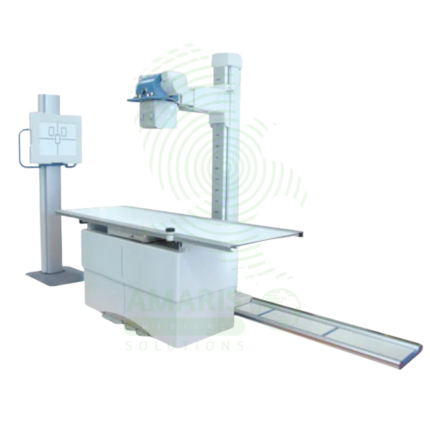
Analogue Fixed X-ray Machine
An Analogue Fixed X-ray Machine is a permanent installation X-ray system using traditional film cassettes for general radiography in radiology departments and imaging centers. Featuring ceiling-mounted tube assemblies, tilting tables, and wall stands, it provides essential diagnostic imaging for skeletal, chest, abdominal, and extremity examinations using film technology. Film cassettes are processed in darkroom facilities, producing permanent physical images for patient records and consultation. Used in facilities without digital radiography, as backup for digital systems, and in resource-limited settings.
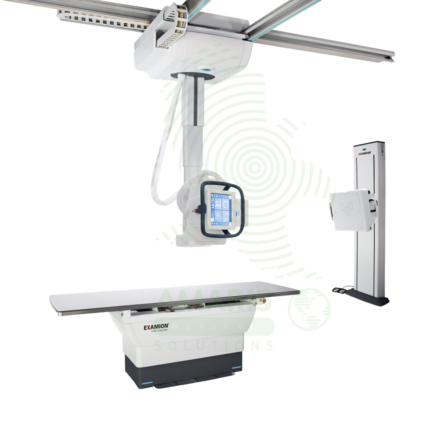
Digital Ceiling X-ray
A Digital Ceiling X-ray is a ceiling-mounted digital radiography system for general diagnostic imaging of the skeletal, chest, abdominal, and extremity anatomy. The ceiling-mounted tube assembly provides full room coverage for flexible patient positioning, while digital flat panel detectors produce immediate high-resolution images for rapid diagnosis. Integrated with PACS and RIS, it supports efficient digital workflow from image acquisition to interpretation. Used in radiology departments, emergency rooms, and outpatient imaging centers.
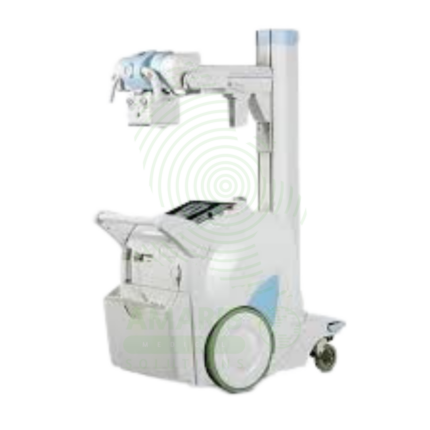
Digital Mobile X-ray
A Digital Mobile X-ray is a battery-powered, portable digital radiography system designed for bedside imaging in intensive care units, neonatal intensive care units, emergency departments, and operating rooms. The mobile unit enables high-quality chest, abdominal, and extremity imaging at the patient's bedside, eliminating the risks associated with transporting critically ill patients. Wireless digital detectors provide immediate image capture and transmission to PACS, supporting rapid diagnosis and treatment decisions.
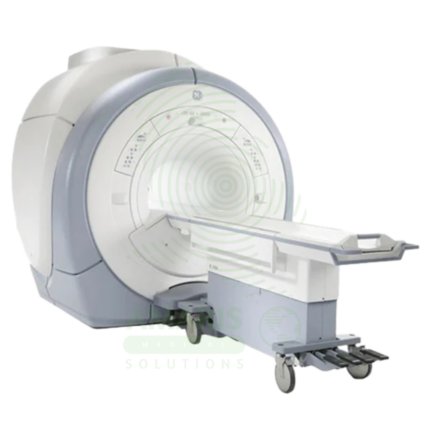
Magnetic Resonance Imaging
Magnetic Resonance Imaging (MRI) is a non-invasive diagnostic imaging modality that uses powerful magnetic fields and radiofrequency waves to produce detailed images of soft tissues, organs, and internal structures without ionizing radiation. It is the gold standard for imaging the brain, spinal cord, joints, muscles, and ligaments, and is essential for neurological, musculoskeletal, oncologic, and cardiovascular diagnosis. MRI provides exceptional soft tissue contrast, enabling precise anatomical characterization, tumor staging, and treatment planning. Strict safety protocols for ferromagnetic screening and contrast administration are essential for patient safety.
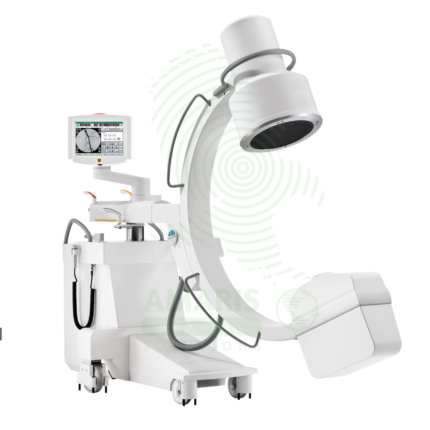
Mobile C-arm Surgical System
A Mobile C-arm Surgical System is a portable fluoroscopic imaging device used for real-time intraoperative guidance during orthopedic, spinal, vascular, and pain management procedures. The C-shaped arm allows flexible positioning around the patient, providing AP, lateral, and oblique views to verify instrument placement, fracture reduction, and device deployment. Essential for minimally invasive surgery, it enables surgeons to achieve precision and accuracy while reducing operative time and improving patient outcomes.
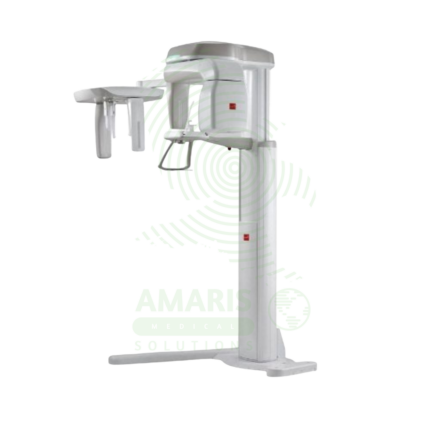
Panoramic X-ray Dental Machine
A Panoramic X-ray Dental Machine is a rotating extraoral radiographic system that produces a single, broad 2D image of the entire jaws, teeth, TMJs, and sinuses. By focusing on a curved "focal trough," it provides an efficient screening tool for wisdom teeth evaluation, orthodontic planning, and detecting large jaw pathologies. While offering a valuable overview with a relatively low radiation dose, its diagnostic utility is entirely dependent on precise patient positioning to avoid blurring and distortion. It is a cornerstone of modern dental diagnostic imaging, serving as a crucial first step in comprehensive oral assessment and treatment planning.
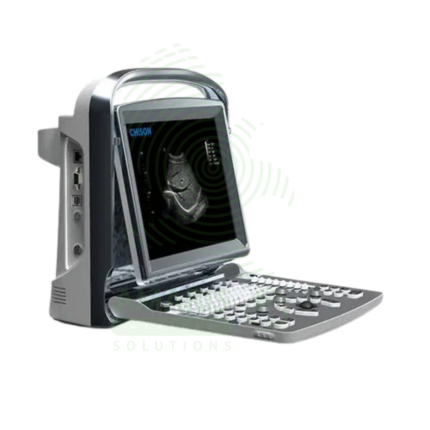
Portable Ultrasound Machine
A Portable Ultrasound Machine is a compact, battery-powered imaging device designed for point-of-care use, bringing diagnostic capability directly to the patient's bedside. It is essential for rapid triage in emergency and critical care settings, procedural guidance, and basic examinations in clinics and remote locations. While offering core imaging modes like B-mode and Color Doppler in a lightweight, durable package, its effective use requires clinician training to recognize both its diagnostic value and its limitations compared to comprehensive departmental systems. Proper cleaning, battery management, and data security are paramount for its safe and effective deployment.