Dermatoscope and Magnifiers
 Diagnostic Kits
 Vital Signs Monitors
 Stethoscopes and Accessories
 Otoscopes, Ophthalmoscopes, and Retinoscopes
 Reflex Hammers and Neurological Tools
 Scales and Measuring Devices
 Spirometers and Pulmonary Function Tests
 Electrosurgical Units and Accessories
 Cutting Instruments
 Grasping and Holding Instruments
 Hemostatic Instruments
 Specialized Surgical Sets
 Single-Use Procedure Trays and Packs
 Surgical Drapes, Gowns, and Covers
 Tissue Unifying Instruments
 Radiation Protection
 X-Ray Machines and Accessories
 Ultrasound Systems and Probes
 MRI and CT Scanners
 Radiology Consumables
 Bone Densitometers
 Fluoroscopy Equipment
 Imaging Tables and Positioning Aids
 Microscopes and Accessories
 Centrifuges and Separators
 Analyzers
 Incubators and Ovens
 Pipettes, Dispensers, and Lab Glassware
 Refrigerators, Freezers, and Storage Units
 Lab Consumables
 Sterilizers and Autoclaves for Lab Use
 Multi-Parameter Monitors
 Ventilators and Respiratory Support Devices
 Defibrillators and AEDs
 Infusion Pumps and IV Systems
 Patient Warmers and Cooling Devices
 Central Monitoring Stations
 Accessories
 Anesthesia Machines and Workstations
 Oxygen Concentrators and Delivery Systems
 Nebulizers and Inhalers
 CPAP/BiPAP Machines
 Airway Management
 Anesthesia Masks, Circuits, and Bags
 Humidifiers and Heaters
 Respiratory Therapy Accessories
 First Aid Kits and Cabinets
 Emergency Resuscitation Equipment
 Trauma Supplies
 Emergency Carts and Crash Carts
 Burn Care Products
 Bleeding Control
 Automated External Defibrillators (AEDs)
 Transport and Evacuation
 Wheelchairs and Accessories
 Walkers, Crutches, and Canes
 Prosthetics and Orthotics
 Physical Therapy Equipment
 Transfer Devices
 Bathroom Safety
 Orthopedic Traction and Tables
 Hot/Cold Therapy Packs and Units
 Beds and Mattresses
 Chairs and Stools
 Tables
 Cabinets and Storage
 Privacy Screens & Curtains
 Stands and Racks
 Linens and Textiles
 Lighting
 Autoclaves and Sterilizers
 Ultrasonic Cleaners
 Disinfectant Solutions and Wipes
 Sterilization Pouches, Wraps, and Indicators
 Instrument Trays and Containers
 UV and Ozone Disinfection Devices
 Washer Disinfectors
 Wound Care
 Gloves
 Masks and Respirators
 Catheters and Tubing
 Swabs, Applicators, and Sponges
 Incontinence Products
 Personal Protective Equipment (PPE)
 Dental Chairs and Units
 Handpieces and Burs
 Instruments
 Consumables
 Sterilization for Dental Use
 Orthodontic Supplies
 Endodontic Tools
 Slit Lamps and Tonometers
 Lensometers and Phoropters
 Ophthalmic Surgical Instruments
 Eyewear Frames and Lenses
 Contact Lens Supplies
 Vision Testing Charts and Devices
 Eye Care Consumables
 Laser Systems for Eye Care
 ENT Exam Chairs and Tables
 Endoscopes
 Audiometers and Hearing Tests
 ENT Instruments
 Nasal and Throat Packs
 Hearing Aids and Accessories
 Otology Supplies
 Fetal Dopplers and Monitors
 Delivery Beds and Tables
 Gynecological Instruments
 Neonatal Incubators and Warmers
 Breast Pumps and Accessories
 Contraceptive Devices
 Maternity Supports and Pads
 Neonatal Consumables
 Cystoscopes and Urethroscopes
 Dialysis Machines and Supplies
 Urological Catheters and Bags
 Lithotripters
 Prostate Treatment Devices
 Urinary Incontinence Products
 Kidney Stone Management Tools
 Consumables & Disposables
 EEG and EMG Machines
 Neurosurgical Instruments
 Nerve Stimulators
 Headrests and Positioning Aids
 Lumbar Puncture Kits
 Seizure Monitoring Devices
 Consumables
 Rehabilitation for Neurological Conditions
 ECG Machines and Accessories
 Holter Monitors
 Stress Test Systems
 Pacemakers and Defibrillator Accessories
 Vascular Access Devices
 Cardiac Catheters and Guidewires
 Blood Flow Meters
 Consumables
 Orthopedic Instruments
 Casts, Splints, and Padding
 Joint Replacement Supplies
 Prosthetic Limbs and Components
 Bone Grafts and Substitutes
 Traction Devices
 Orthopedic Braces and Supports
 Rehabilitation Aids for Orthopedics
 Home Oxygen Therapy
 Hospital Beds for Home Use
 Mobility Aids
 Bathroom and Daily Living Aids
 Wound Care for Home
 Monitoring Devices
 Enteral Feeding Pumps and Tubes
 Hand Sanitizers and Dispensers
 Face Shields and Goggles
 Isolation Gowns and Suits
 Biohazard Waste Containers
 Air Purifiers and HEPA Filters
 Surface Disinfectants
 Sharps Containers
 Protective Barriers
 Cardiovascular & Endurance Training
 Strength Training & Weightlifting
 Functional Training & Core Conditioning
 Physical Therapy & Rehabilitation
 Sports & Outdoor Recreation
 Gym Flooring & Facility Equipment
 Fitness Monitoring & Accessories
 Kids & Novelties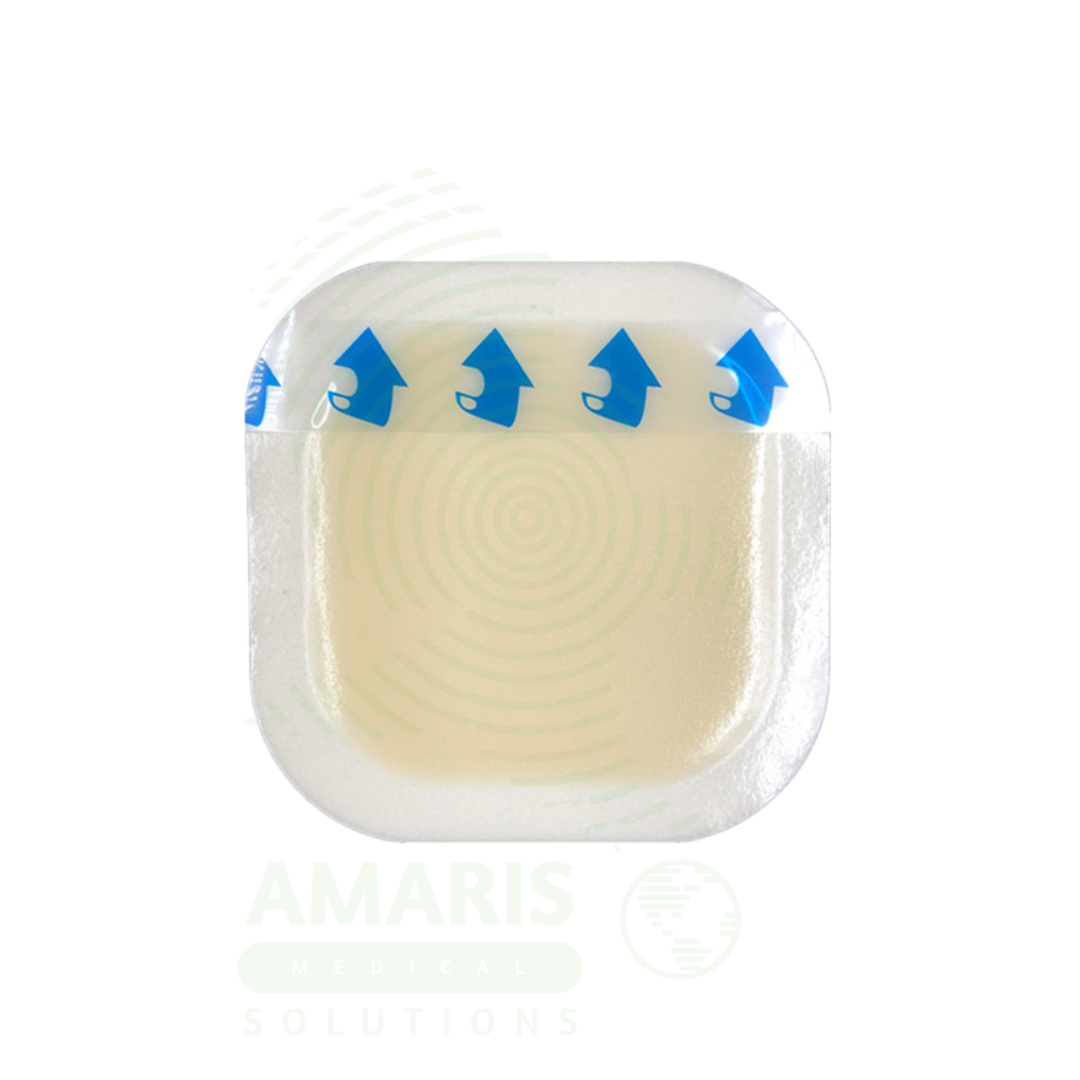
Normal Hydrocolloid Dressing (With Border)
WhatsApp Order
A Normal Hydrocolloid Dressing (With Border) is a sterile, self-adhesive wound dressing consisting of a hydrocolloid matrix (containing gel-forming agents such as sodium carboxymethylcellulose, pectin, and gelatin) applied to a waterproof yet breathable polyurethane backing, with an extended hypoallergenic adhesive border for secure fixation . Specifically indicated for light to moderately exuding wounds, this dressing is used for the management of pressure ulcers (Stage II-IV), venous leg ulcers, diabetic foot ulcers, superficial burns (first and second degree), donor sites, post-operative surgical wounds, abrasions, and traumatic wounds .
Upon contact with wound exudate, the hydrocolloid particles absorb fluid and swell, forming a cohesive, opaque gel that maintains a moist microenvironment over the wound bed. This moist environment prevents desiccation of epidermal cells, facilitates autolytic debridement, supports granulation tissue formation, and prevents the dressing from adhering to the wound, significantly reducing pain during dressing changes and minimizing trauma to newly formed tissue . The bordered, self-adhesive design eliminates the need for secondary taping, and special shapes (square, rectangular, concave for heels/elbows, and sacral for the coccyx) are available for secure fixation on challenging anatomical locations .
The dressing remains in place for up to 7 days depending on exudate levels, reducing the frequency of dressing changes, lowering material costs, and minimising disturbance to the healing wound . The waterproof outer layer allows patients to shower and bathe without removing the dressing, and the dressing can be cut to size for irregular wounds . For the clinician, this dressing offers a proven, cost-effective, and versatile solution for managing a wide range of chronic and acute wounds through established moist wound healing principles. For the patient, it provides secure, comfortable, waterproof protection, reduced pain during dressing changes, and the convenience of extended wear, supporting uninterrupted daily activities and promoting faster, cosmetically favourable healing.
Description
Normal Hydrocolloid Dressing (With Border)
PRIMARY CLINICAL & DIAGNOSTIC USES
1. Management of Light to Moderately Exuding Chronic and Acute Wounds
-
Primary Use: Provides a sterile, self-adhesive hydrocolloid wound dressing with an extended adhesive border that ensures secure fixation, indicated for the management of light to moderately exuding wounds including pressure ulcers (Stage I-IV), leg ulcers, diabetic foot ulcers, superficial burns, abrasions, donor sites, and post-operative wounds .
-
How it helps: For the wound care clinician and nurse, the bordered design with an integrated hypoallergenic adhesive border eliminates the need for secondary taping, reducing application time while ensuring a secure seal, even on challenging anatomical locations . The dressing can remain in place for up to 7 days, minimizing disruption to the healing process and reducing nursing workload . For the patient, the secure border provides confidence that the dressing will stay in place during daily activities, reducing anxiety about leakage or displacement.
2. Maintenance of Moist Wound Healing Environment
-
Primary Use: Upon contact with wound exudate, the hydrocolloid particles (sodium carboxymethylcellulose, pectin, gelatin) absorb fluid and swell, forming a cohesive, opaque gel that maintains a moist microenvironment over the wound bed .
-
How it helps: For the clinician, research has demonstrated that moist wound healing conditions prevent desiccation of epidermal cells, allowing unobstructed migration across the wound surface and stimulating granulation tissue formation and autolytic debridement. For the patient, the moist environment prevents scab formation and dressing adherence to the wound bed, significantly reducing pain during dressing changes and minimizing trauma to newly formed tissue .
3. Protection Against Bacterial Contamination and External Fluids
-
Primary Use: The semi-permeable polyurethane foam or film backing is waterproof and provides an effective barrier against external contaminants, including dirt, water, and bacteria, while remaining breathable to allow moisture vapor transmission .
-
How it helps: For the infection control practitioner and clinician, this dual-action barrier reduces the risk of secondary wound infection by sealing the wound from environmental pathogens while preventing maceration of the periwound skin through balanced moisture management. For the patient, the waterproof nature allows for normal showering and bathing without removing the dressing, maintaining both hygiene and the healing environment without disruption to daily life .
4. Autolytic Debridement of Necrotic Tissue and Slough
-
Primary Use: The hydrocolloid’s moisture-retentive properties facilitate autolytic debridement, where the body’s own enzymes and moisture soften and liquefy necrotic tissue and slough, which are then absorbed into the gel-forming matrix .
-
How it helps: For the wound care specialist, autolytic debridement offers a selective, painless, and non-invasive method of wound bed preparation that preserves viable tissue, making it particularly suitable for patients unable to tolerate sharp debridement or those in palliative care. The bordered design ensures that the dressing remains sealed throughout this process, containing moisture and preventing malodor. For the patient, this natural debridement method avoids the pain associated with mechanical debridement and reduces the need for frequent, costly surgical interventions.
SECONDARY & SUPPORTIVE USES
1. Management of Pressure Ulcers (Stage II-IV): Used for the management of partial to full-thickness pressure ulcers with light to moderate exudate, providing cushioning and protection for sacral, heel, and other bony prominence areas . Sacral-shaped bordered dressings are available specifically for the coccyx area .
2. Management of Venous Leg Ulcers: Applied to venous insufficiency ulcers as part of comprehensive compression therapy, offering moisture management and protection in a low-profile format that can be worn under compression bandages .
3. Management of Diabetic Foot Ulcers: Indicated for the management of diabetic foot ulcers with light to moderate exudate, protecting the wound from contamination while maintaining a moist healing environment; extra-thin versions (5 x 5 cm) are specifically available for diabetic foot applications .
4. Management of Superficial Partial-Thickness Burns and Donor Sites: Applied to first and second-degree burns, the hydrocolloid dressing absorbs exudate, cushions the wound, and reduces pain by protecting exposed nerve endings; also used on skin graft donor sites to promote rapid re-epithelialization .
5. Management of Post-Operative and Surgical Wounds: Used on clean, closed surgical incisions and post-operative wounds, providing a protective, absorbent barrier during the early healing phase .
6. Management of Skin Abrasions, Lacerations, and Traumatic Wounds: Applied to minor cuts, abrasions, and traumatic wounds, offering effective protection and promoting faster healing through moist wound therapy .
7. Management of Blisters and Skin Breakdown from Friction: Applied to friction blisters and areas of superficial skin breakdown from rubbing or pressure (e.g., from footwear), providing cushioning and protection while absorbing fluid .
8. Protection of High-Friction and Difficult-to-Dress Body Areas: Concave-shaped bordered dressings are available specifically for heels, elbows, and other awkward areas, providing a secure fit without additional taping . Sacral-shaped dressings are designed for the coccyx to prevent edge lift on this curved surface .
9. Extended Wear Time for Uninterrupted Healing: Designed for extended wear, allowing the dressing to remain in place for up to 7 days depending on wound type, exudate level, and clinical assessment, significantly reducing the frequency of dressing changes, lowering nursing time, reducing material costs, and minimizing trauma to the wound bed .
10. Cushioning and Protection for Wounds: The gel formed upon exudate absorption provides a soft, cushioning layer over the wound bed, which helps protect the wound from external pressure and shear forces .
11. Home Healthcare and Patient Self-Care: Extended wear time and waterproof properties make these dressings ideal for use in home healthcare settings where frequent dressing changes by visiting nurses may be impractical, empowering patients and caregivers to manage wounds independently .
12. Post-Procedure Wound Care after Minor Dermatological Surgery: Used after minor dermatological or outpatient procedures where low to moderate exudate is present, providing a simple, doff-and-discard solution for patients .
13. Ready-to-Use Convenience: The bordered, self-adhesive design is easy to apply and remove, making it a convenient option for healthcare professionals and patients alike . The dressing can also be cut to size while maintaining the seal, providing flexibility for irregular wound shapes .
14. Latex-Free Formulation: Manufactured without natural rubber latex in most formulations to accommodate patients with latex allergy .
KEY PRODUCT FEATURES
1. BASIC IDENTIFICATION ATTRIBUTES
-
Device Type: A sterile, self-adhesive, bordered hydrocolloid wound dressing consisting of a hydrocolloid matrix (containing gel-forming agents) applied to a semi-permeable polyurethane foam or film backing, with an extended adhesive border for secure fixation .
-
Designation: Bordered Hydrocolloid Dressing, Hydrocolloid Dressing with Border, Self-Adhesive Hydrocolloid Dressing, ConvaTec DuoDERM CGF Border, Kliniderm Hydro Border, Suprasorb H Border, Hartmann Hydrocoll Border .
-
Key Components:
o Hydrocolloid Matrix (Absorbent Layer): The gel-forming layer composed of absorbent particles such as sodium carboxymethylcellulose (CMC), pectin, and gelatin dispersed in an adhesive base. This layer absorbs wound fluid and transforms into a soft, opaque gel .
o Semi-Permeable Backing: A polyurethane (PU) foam or film outer layer that is waterproof yet breathable, allowing moisture vapor transmission while providing a barrier against external contaminants, bacteria, and water .
o Adhesive Border: A hypoallergenic, pressure-sensitive adhesive (often synthetic rubber and resins) border that extends beyond the central hydrocolloid pad. This border provides secure fixation to intact periwound skin without the need for additional tape .
o Beveled Edge: The border often features a bevelled or pressed, thin edge design that minimizes rolling and edge lift, extending wear time even in high-friction areas .
o Release Liner: A protective silicone-coated paper or film that covers the adhesive surface before application and is removed prior to use.
2. TECHNICAL & PERFORMANCE PROPERTIES
-
Primary Mechanism: Exudate absorption and gel formation (moist wound healing); physical barrier against contamination; autolytic debridement facilitation; pain reduction through non-adherent gel layer .
-
Absorption Capacity: Designed for light to moderately exuding wounds; strongly absorbent hydrocolloid layer binds exudate and tissue debris, forming a gel that conforms to the wound structure .
-
Moisture Vapor Transmission Rate (MVTR): The polyurethane backing allows balanced moisture vapor transmission, enabling the exchange of water vapor and oxygen while preventing external contamination and maceration of periwound skin .
-
Adhesion: The extended adhesive border provides secure fixation to intact periwound skin; hypoallergenic formulation designed for sensitive skin; border may be foam-backed for challenging areas .
-
Wear Time: Designed to remain in place for up to 7 days depending on wound type, exudate level, and clinical assessment. Change when the gel bubble (opaque area) reaches the size of the wound, when exudate leakage is observed, or as clinically indicated .
-
Waterproof/Water-Resistant: The polyurethane outer layer provides a waterproof barrier, allowing patients to shower and bathe without removing the dressing .
-
Conformability: Flexible and conformable design moulds to body contours, making it suitable for application over joints, heels, elbows, and other high-movement or curved areas . Special concave shapes are available for heels and elbows .
-
Sterility: Sterile; gamma sterilised (Cobalt-60) or ethylene oxide sterilised; supplied in individually sealed pouches to maintain sterility until point of use .
-
Cutability: The dressing may be cut to size while maintaining an intact seal, allowing for flexibility in fitting irregular wound shapes .
-
Single-Use: Intended for single patient use only; discard after removal.
-
Latex-Free: Manufactured without natural rubber latex in most formulations to accommodate patients with latex allergy .
-
HCPCS Code: A6238 (for bordered hydrocolloid dressings) .
3. PHYSICAL & OPERATIONAL PROPERTIES
-
Construction: Multi-layer composite: outer polyurethane film or foam backing bonded to an inner hydrocolloid matrix (absorbent/adhesive layer), with an extended adhesive border that is separate from or integrated with the backing. The central pad contains the hydrocolloid matrix; the border is the adhesive extension .
-
Appearance: Opaque, beige, or skin-toned wafer; becomes translucent or white/cloudy as the hydrocolloid absorbs exudate and forms gel .
-
Border Type: With Border. The border is an adhesive extension beyond the central pad. Some versions feature a foam backing for the border .
-
Special Shapes: Available in various shapes for specific anatomical locations: square, rectangular, concave (for heels/elbows), and sacral (triangular or butterfly shape for coccyx) .
-
Sizes: Available in a wide range of sizes, from small (2.5" x 2.5" / 6.4 cm x 6.4 cm) to large (6" x 7" / 15 cm x 18 cm), including 5 x 5 cm, 7.5 x 7.5 cm, 10 x 10 cm, 14 x 14 cm, 15 x 15 cm, and 20 x 20 cm .
-
Adhesion Type: Medical-grade pressure-sensitive adhesive (hypoallergenic) that provides secure fixation for extended wear while allowing atraumatic removal without damaging surrounding healthy skin .
-
Flexibility: The dressing conforms to body contours, making it suitable for application over joints, heels, elbows, and other high-movement areas .
-
Application: Remove protective liners, center the pad over the wound ensuring overlap of intact skin by 2-3 cm, smooth from centre outward, and press edges (border) onto healthy skin .
-
Removal: Gently peel back the dressing from the edge, supporting the surrounding skin; if removal is difficult, moisten with sterile saline to loosen .
-
Disposal: Discard after single use as clinical waste per facility protocol.
4. SAFETY & COMPLIANCE ATTRIBUTES
-
Regulatory Status: Class I or Class IIa medical device depending on indications and claims; requires regulatory registration per country .
-
Quality Standards: Complies with international wound care standards; manufactured under quality management systems (ISO 13485). CE marked for European market .
-
FDA Compliance: Compliant with FDA Quality System Regulations for medical device manufacturers; FDA registered products available .
-
Biocompatibility: Manufactured with skin-friendly, hypoallergenic, non-irritating materials; the hydrocolloid matrix is free from common sensitizers .
-
Sterility Assurance: Sterility assured unless package is opened, torn, or damaged; gamma sterilised (Cobalt-60) .
-
Latex-Free: Manufactured without natural rubber latex to accommodate patients with latex allergies .
-
DEHP-Free: Not made with DEHP .
5. STORAGE & HANDLING ATTRIBUTES
-
Storage: Store in a cool, dry place at room temperature (below 25°C / 77°F recommended). Avoid exposure to direct sunlight, extreme heat, or humidity, which can degrade the adhesive and hydrocolloid matrix .
-
Shelf Life: Typically 2 to 3 years from the date of manufacture when stored in the original, unopened packaging .
-
Sterility Maintenance: Do not use if the individual pouch is opened, torn, wet, or damaged.
-
Inspection: Inspect the dressing for damage or drying before use; discard if the hydrocolloid matrix feels stiff or brittle.
-
Application Preparation: Ensure periwound/peristomal skin is clean, dry, and free of oils, lotions, or ointments before application to ensure proper adhesion. Warm the dressing with body heat before applying in cool environments to enhance adhesive bonding .
6. LABORATORY & CLINICAL APPLICATIONS
-
Primary Application: Management of light to moderately exuding partial to full-thickness wounds, including pressure ulcers (Stage II-IV), venous leg ulcers, diabetic foot ulcers, donor sites, superficial burns (first and second degree), post-operative wounds, abrasions, and traumatic wounds, through exudate absorption, provision of a moist wound healing environment, and protection from external contaminants .
-
Clinical Role: Essential wound care product in hospitals, wound care centers, long-term care facilities, home healthcare, outpatient clinics, and nursing homes for the management of chronic and acute wounds requiring moist wound healing .
SAFETY HANDLING PRECAUTIONS
1. SAFETY PRECAUTIONS
-
Contraindications - Infected Wounds: Do not use on clinically infected wounds (signs of infection include increasing pain, redness, swelling, heat, purulent discharge, foul odour). Patients with infected wounds require appropriate medical evaluation and antimicrobial therapy .
-
Contraindications - Heavy Exudate or Active Bleeding: Do not use on wounds with heavy exudate or active bleeding, as the dressing may become saturated quickly, leading to leakage and maceration of surrounding skin .
-
Contraindications - Deep Cavity Wounds: Not intended for use on deep cavity wounds, tunneling wounds, or wounds with exposed tendon or bone where the dressing cannot contact the entire wound bed .
-
Contraindications - Third-Degree Burns: Do not use on full-thickness (third-degree) burns without appropriate medical supervision.
-
Contraindications - Known Allergy: Do not use on patients with known hypersensitivity to hydrocolloid components or adhesive materials .
-
Skin Preparation: The periwound/peristomal skin must be clean, completely dry, and free of lotions, oils, or ointments before application to ensure proper adhesion and prevent skin breakdown .
-
Selection: Select a dressing size that overlaps the wound margins by 2-3 cm (approximately 1 inch) to ensure the adhesive border adheres to intact skin, not the wound bed .
-
Monitor for Leakage: Change the dressing immediately if any exudate is observed leaking from under the dressing to prevent skin maceration and infection .
-
Monitor for Maceration: Inspect the periwound skin at each dressing change for signs of maceration (softening, whitening, wrinkling of skin), which may indicate that the dressing is saturated or that an alternative dressing with higher absorbency is needed .
-
Dressing Saturation: Change the dressing when the gel bubble reaches the size of the wound or when the dressing is saturated, approximately 70% full of wound exudate .
-
Max Wear Time: The maximum wear time for a single application should not exceed 7 days unless clinically indicated .
-
Adhesive Allergy: Patients with known adhesive sensitivities should use with caution; discontinue use if signs of allergic contact dermatitis (rash, itching, blistering, spreading redness) occur.
-
Diabetes and Circulatory Conditions: Patients with diabetes or poor circulation should use under clinical guidance and monitor wounds closely .
-
Do Not Reuse: This is a single-use device; do not attempt to wash, resterilize, or reapply a used dressing .
2. FIRST AID MEASURES
-
Adhesive Reaction: If signs of an allergic reaction (rash, severe itching, blistering, redness spreading beyond the dressing area) occur, remove the dressing immediately, gently cleanse the skin with mild soap and water, discontinue use of that product, and consult a clinician .
-
Periwound Maceration: If the skin surrounding the wound appears white, soft, or wrinkled (maceration), remove the dressing, allow the skin to dry, reconsider dressing selection (size, absorbency) and change frequency. Consult a wound care specialist.
-
Dressing Adhesion to Wound Bed: If the dressing adheres to the wound bed (uncommon with modern hydrocolloid formulations), do not forcibly remove. Moisten the dressing with sterile saline or water and allow it to loosen before gentle removal to prevent trauma to healing tissue .
-
Signs of Infection: If the wound becomes increasingly red, swollen, warm to the touch, or produces purulent or foul-smelling discharge, remove the dressing, cleanse the wound, and seek medical evaluation, as this may indicate wound infection requiring antimicrobial therapy .
-
Exudate Leakage: If exudate leaks from under the dressing, remove immediately, cleanse the wound and periwound skin, dry thoroughly, and reapply a new, appropriately sized dressing. Consider a more absorbent dressing if exudate levels are higher than expected.
3. FIRE FIGHTING MEASURES
-
Flammability: The polyurethane backing and hydrocolloid matrix are combustible but present no special fire hazard beyond typical disposable medical products.
-
Extinguishing Media: Use water, foam, CO₂, or dry chemical for fires involving combustible material.
-
Fire Response: Follow facility fire safety protocols for disposal of burning medical waste.
Related products
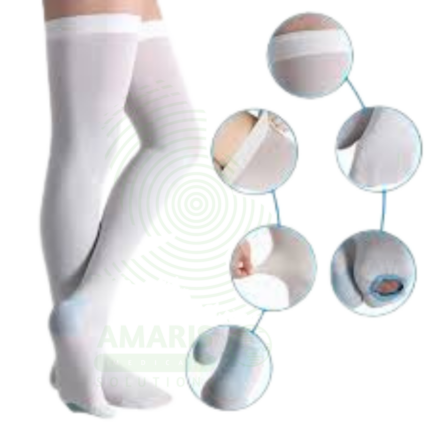
Anti-Embolic Compression Stockings
Anti-Embolic Compression Stockings are medical-grade elastic stockings designed to prevent Deep Vein Thrombosis (DVT) in non-ambulatory, surgical, or medically ill patients. By delivering graduated external pressure—tightest at the ankle and decreasing up the leg—they enhance venous blood flow and reduce stasis, a key factor in clot formation. They are a cornerstone of mechanical thromboprophylaxis in hospitals. Correct sizing based on precise leg measurements is critical for both efficacy and safety, as improper fit can lead to complications or failure of prophylaxis. Daily skin assessment and adherence to wearing guidelines are essential components of safe use.
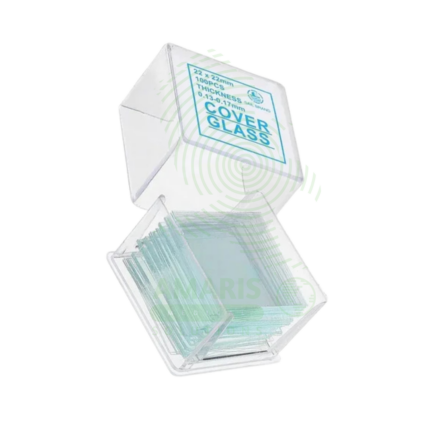
Cover Glass
Cover Glass (coverslips) are thin, transparent glass or plastic squares (e.g., 18×18 mm, 22×22 mm) or rectangles (22×30 mm, 24×50 mm) used to cover specimens on microscope slides for microscopic examination. Available in thickness No. 1 (0.13-0.16 mm) and No. 1.5 (0.16-0.19 mm) for optimal microscopy. Made from optical glass with high light transmission (>90%), refractive index 1.52 matching immersion oil. Packaged in boxes of 100-1000, interleaved with paper to prevent scratching. Primary clinical applications include covering blood films for manual differential counts and malaria diagnosis, wet mount preparations of urine sediment and vaginal secretions, histopathology and cytology slides, Gram-stained bacterial smears, semen analysis, KOH preparations for fungal elements, and India ink preparations for Cryptococcus. Critical safety precautions include handling with forceps (sharp edges), disposing of broken coverslips in sharps containers, avoiding fingerprints on optical surface, and proper disposal of biohazard-contaminated coverslips. Essential consumable in every clinical laboratory performing microscopy.
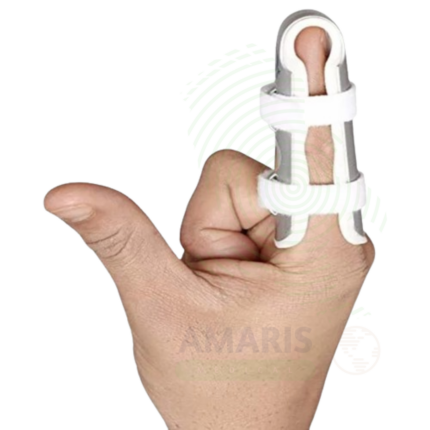
Finger Cot
A Finger Cot is a small, finger-shaped protective covering used to protect minor finger wounds, diabetic ulcers, surgical incisions, and amputation stumps, as well as to provide barrier protection for healthcare workers and laboratory personnel. Made from latex, nitrile, vinyl, or silicone, it provides a comfortable, secure fit while protecting the finger from contamination, moisture, friction, and irritants. Available in various sizes, materials, and sterile or non-sterile versions. Latex-free options are available for individuals with latex allergy.
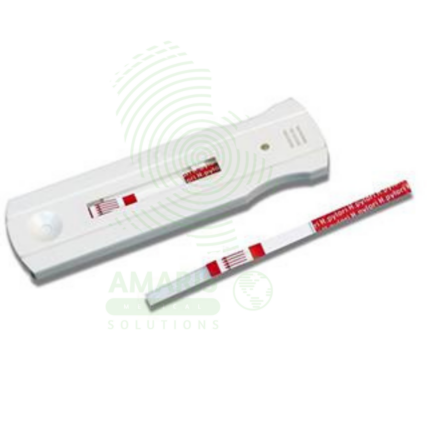
H. pylori Test Strips
H. pylori Test Strips are rapid, lateral flow immunochromatographic devices used for the qualitative detection of Helicobacter pylori antigens in human stool. As a non-invasive stool antigen test (SAT), it provides a convenient and reliable method for diagnosing active H. pylori infection and confirming eradication after therapy, with results available in under 15 minutes. Ideal for use in clinics and outpatient settings, it aids in the management of dyspepsia and peptic ulcer disease. Proper sample handling, adherence to pre-test medication restrictions, and strict biohazard precautions are essential for obtaining accurate results.
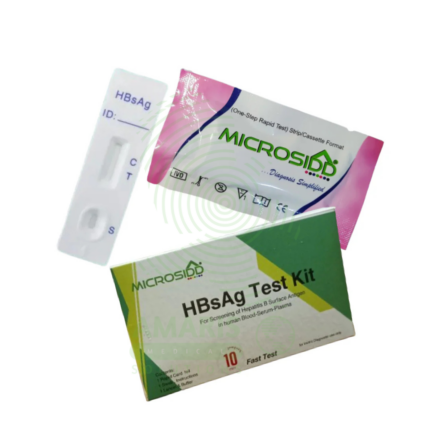
Hepatitis B Test Kit
The Hepatitis B Test Kit is an in vitro diagnostic device for the detection of Hepatitis B virus markers in human blood samples, available in rapid, ELISA, and molecular formats. It detects specific antigens (HBsAg) and antibodies (anti-HBc, anti-HBs) to diagnose acute and chronic infection, monitor treatment response, screen blood donations, and determine immunity status. With high sensitivity (>98%) and specificity (>99%), it provides results in 15 minutes to 4 hours depending on format. Essential applications include prenatal screening to prevent mother-to-child transmission, evaluation of acute hepatitis, pre-immunosuppression screening, and occupational health testing. All patient samples must be handled with universal precautions, and testing must include appropriate quality controls.
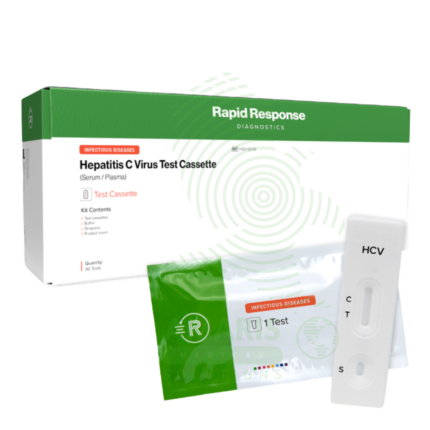
Hepatitis C Test Kit
The Hepatitis C Test Kit is an in vitro diagnostic device for the detection of Hepatitis C virus antibodies or RNA in human blood, serum, or plasma samples. Available in rapid, laboratory immunoassay, and molecular formats, it screens for HCV infection, confirms active infection with RNA testing, and monitors treatment response. With high sensitivity and specificity exceeding 99%, it is essential for identifying infected individuals, linking them to curative direct-acting antiviral therapy, and confirming cure. Essential applications include risk-based screening of high-risk populations, birth cohort screening of baby boomers, evaluation of acute hepatitis, management of occupational exposures, and monitoring of antiviral therapy that can cure over 95% of infections. All patient samples must be handled with universal precautions, and positive antibody results require confirmatory testing.
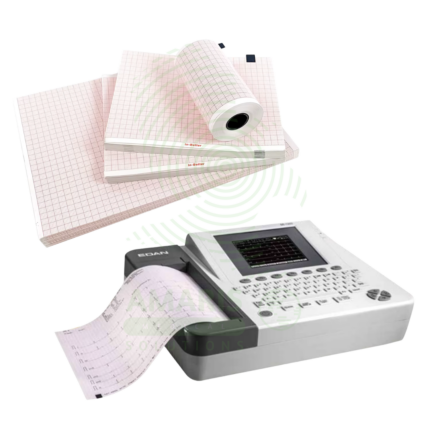
Thermal Printing Paper Roll
Thermal Printing Paper Roll is a heat-sensitive recording medium used with medical monitoring and diagnostic equipment including ECG machines, fetal monitors, ultrasound printers, and telemetry systems. The paper produces high-contrast, permanent images of physiological waveforms and data when passed over the printer's thermal head. Available in various widths, lengths, and grid patterns to match specific device requirements, it is an essential consumable for creating hard copy records for patient charts, consultation, and legal documentation. Proper storage away from light, heat, and moisture is essential to preserve image quality. BPA-free and archival-grade options are available for specific applications.