Dermatoscope and Magnifiers
 Diagnostic Kits
 Vital Signs Monitors
 Stethoscopes and Accessories
 Otoscopes, Ophthalmoscopes, and Retinoscopes
 Reflex Hammers and Neurological Tools
 Scales and Measuring Devices
 Spirometers and Pulmonary Function Tests
 Electrosurgical Units and Accessories
 Cutting Instruments
 Grasping and Holding Instruments
 Hemostatic Instruments
 Specialized Surgical Sets
 Single-Use Procedure Trays and Packs
 Surgical Drapes, Gowns, and Covers
 Tissue Unifying Instruments
 Radiation Protection
 X-Ray Machines and Accessories
 Ultrasound Systems and Probes
 MRI and CT Scanners
 Radiology Consumables
 Bone Densitometers
 Fluoroscopy Equipment
 Imaging Tables and Positioning Aids
 Microscopes and Accessories
 Centrifuges and Separators
 Analyzers
 Incubators and Ovens
 Pipettes, Dispensers, and Lab Glassware
 Refrigerators, Freezers, and Storage Units
 Lab Consumables
 Sterilizers and Autoclaves for Lab Use
 Multi-Parameter Monitors
 Ventilators and Respiratory Support Devices
 Defibrillators and AEDs
 Infusion Pumps and IV Systems
 Patient Warmers and Cooling Devices
 Central Monitoring Stations
 Accessories
 Anesthesia Machines and Workstations
 Oxygen Concentrators and Delivery Systems
 Nebulizers and Inhalers
 CPAP/BiPAP Machines
 Airway Management
 Anesthesia Masks, Circuits, and Bags
 Humidifiers and Heaters
 Respiratory Therapy Accessories
 First Aid Kits and Cabinets
 Emergency Resuscitation Equipment
 Trauma Supplies
 Emergency Carts and Crash Carts
 Burn Care Products
 Bleeding Control
 Automated External Defibrillators (AEDs)
 Transport and Evacuation
 Wheelchairs and Accessories
 Walkers, Crutches, and Canes
 Prosthetics and Orthotics
 Physical Therapy Equipment
 Transfer Devices
 Bathroom Safety
 Orthopedic Traction and Tables
 Hot/Cold Therapy Packs and Units
 Beds and Mattresses
 Chairs and Stools
 Tables
 Cabinets and Storage
 Privacy Screens & Curtains
 Stands and Racks
 Linens and Textiles
 Lighting
 Autoclaves and Sterilizers
 Ultrasonic Cleaners
 Disinfectant Solutions and Wipes
 Sterilization Pouches, Wraps, and Indicators
 Instrument Trays and Containers
 UV and Ozone Disinfection Devices
 Washer Disinfectors
 Wound Care
 Gloves
 Masks and Respirators
 Catheters and Tubing
 Swabs, Applicators, and Sponges
 Incontinence Products
 Personal Protective Equipment (PPE)
 Dental Chairs and Units
 Handpieces and Burs
 Instruments
 Consumables
 Sterilization for Dental Use
 Orthodontic Supplies
 Endodontic Tools
 Slit Lamps and Tonometers
 Lensometers and Phoropters
 Ophthalmic Surgical Instruments
 Eyewear Frames and Lenses
 Contact Lens Supplies
 Vision Testing Charts and Devices
 Eye Care Consumables
 Laser Systems for Eye Care
 ENT Exam Chairs and Tables
 Endoscopes
 Audiometers and Hearing Tests
 ENT Instruments
 Nasal and Throat Packs
 Hearing Aids and Accessories
 Otology Supplies
 Fetal Dopplers and Monitors
 Delivery Beds and Tables
 Gynecological Instruments
 Neonatal Incubators and Warmers
 Breast Pumps and Accessories
 Contraceptive Devices
 Maternity Supports and Pads
 Neonatal Consumables
 Cystoscopes and Urethroscopes
 Dialysis Machines and Supplies
 Urological Catheters and Bags
 Lithotripters
 Prostate Treatment Devices
 Urinary Incontinence Products
 Kidney Stone Management Tools
 Consumables & Disposables
 EEG and EMG Machines
 Neurosurgical Instruments
 Nerve Stimulators
 Headrests and Positioning Aids
 Lumbar Puncture Kits
 Seizure Monitoring Devices
 Consumables
 Rehabilitation for Neurological Conditions
 ECG Machines and Accessories
 Holter Monitors
 Stress Test Systems
 Pacemakers and Defibrillator Accessories
 Vascular Access Devices
 Cardiac Catheters and Guidewires
 Blood Flow Meters
 Consumables
 Orthopedic Instruments
 Casts, Splints, and Padding
 Joint Replacement Supplies
 Prosthetic Limbs and Components
 Bone Grafts and Substitutes
 Traction Devices
 Orthopedic Braces and Supports
 Rehabilitation Aids for Orthopedics
 Home Oxygen Therapy
 Hospital Beds for Home Use
 Mobility Aids
 Bathroom and Daily Living Aids
 Wound Care for Home
 Monitoring Devices
 Enteral Feeding Pumps and Tubes
 Hand Sanitizers and Dispensers
 Face Shields and Goggles
 Isolation Gowns and Suits
 Biohazard Waste Containers
 Air Purifiers and HEPA Filters
 Surface Disinfectants
 Sharps Containers
 Protective Barriers
 Cardiovascular & Endurance Training
 Strength Training & Weightlifting
 Functional Training & Core Conditioning
 Physical Therapy & Rehabilitation
 Sports & Outdoor Recreation
 Gym Flooring & Facility Equipment
 Fitness Monitoring & Accessories
 Kids & Novelties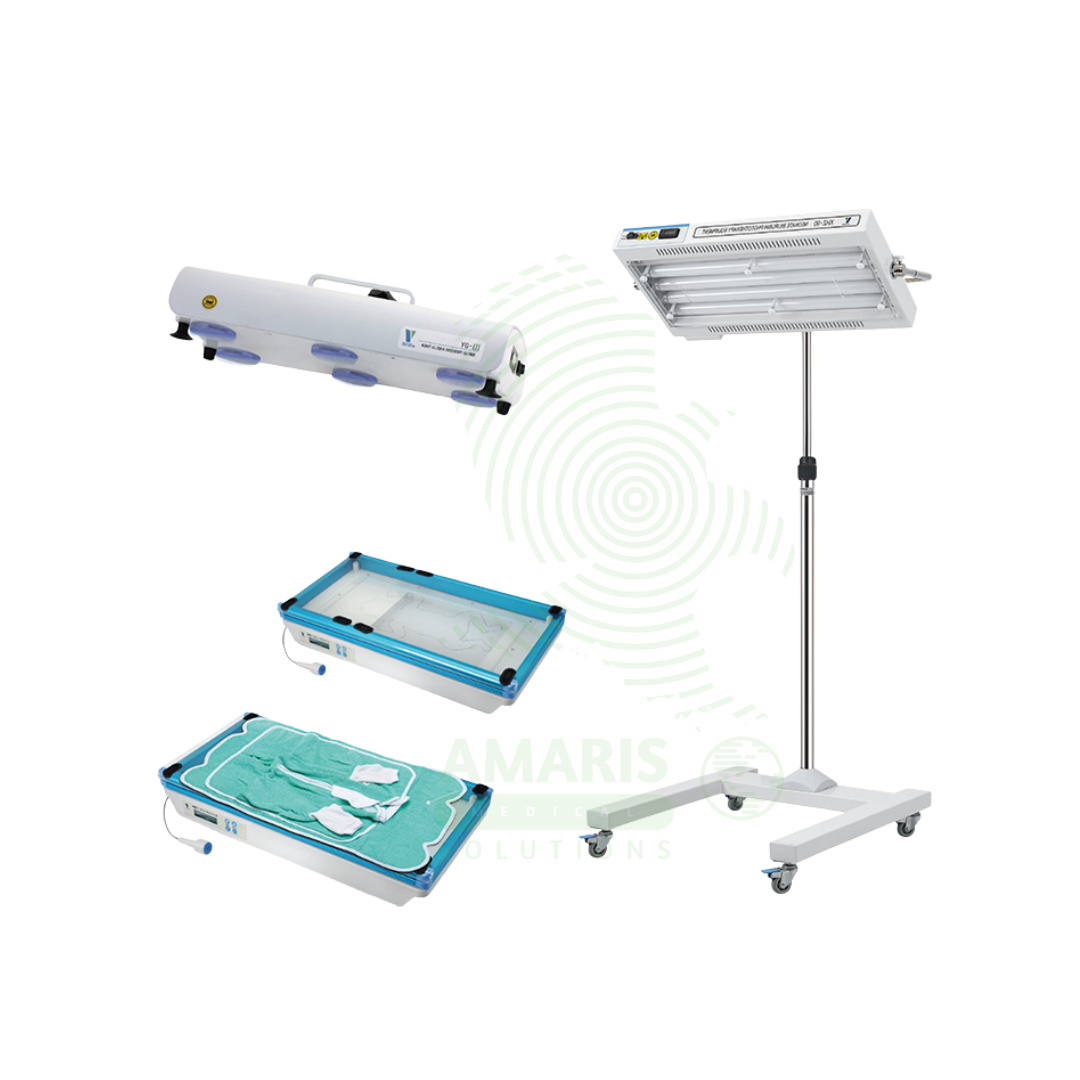
Neonatal Jaundice Treatment Device
$1.00
WhatsApp Order
A Neonatal Jaundice Treatment Device (phototherapy unit) is a Class II medical device that delivers therapeutic blue light (450-470 nm) to treat hyperbilirubinemia in newborns, preventing bilirubin-induced neurological damage (kernicterus). Available as overhead units (mobile stands with LED or fluorescent lamps), fiberoptic systems (Biliblanket) with illuminated pads placed against the infant’s skin, and combination systems for intensive therapy. Irradiance ranges from 10-50+ µW/cm²/nm at treatment distance. LED units offer specific wavelength output, minimal heat, long life (10,000-50,000 hours), and energy efficiency. Treatment indications follow AAP hour-specific nomograms based on gestational age, birth weight, postnatal age, and risk factors. Essential safety requirements include opaque eye shields to protect neonatal retinas, temperature monitoring to prevent hyperthermia, hydration maintenance, and regular irradiance verification. Used in hospital NICUs, newborn nurseries, and (select devices) home care settings for mild jaundice. Critical for preventing permanent neurological sequelae of untreated severe neonatal jaundice.
Description
Neonatal Jaundice Treatment Device
PRIMARY CLINICAL & DIAGNOSTIC USES
1. Phototherapy for Neonatal Hyperbilirubinemia
-
Primary Use: Delivers therapeutic light (typically in the blue spectrum, 430-490 nm) to convert bilirubin into water-soluble isomers that can be excreted without conjugation.
-
How it helps: For the neonatologist and pediatrician, it provides a non-invasive, highly effective tool to lower bilirubin levels by simply “rearranging” the molecule so the baby’s immature liver doesn’t have to process it. For the jaundiced newborn, this light acts like a key—transforming toxic, fat-soluble bilirubin into a harmless, water-soluble form that can be peed out, clearing the yellow color from their skin and protecting their developing brain.
2. Prevention of Kernicterus and Bilirubin-Induced Neurological Damage
-
Primary Use: Prevents accumulation of neurotoxic unconjugated bilirubin in the basal ganglia and brainstem, avoiding permanent neurological sequelae.
-
How it helps: For the clinical team, it is their primary weapon against one of the most preventable catastrophic outcomes in neonatology—permanent brain damage from untreated jaundice. For the infant and their future, timely phototherapy means protection against lifelong disabilities including hearing loss, movement disorders, and intellectual impairment, allowing them to reach their full developmental potential.
3. Management of Hemolytic Disease of the Newborn
-
Primary Use: Used in neonates with isoimmunization (ABO or Rh incompatibility), G6PD deficiency, or other hemolytic conditions causing rapid bilirubin rise.
-
How it helps: For the neonatologist managing these high-risk infants, intensive phototherapy buys critical time—slowing the rise of bilirubin while preparing for exchange transfusion if needed. For the baby whose blood type is incompatible with their mother’s, or who lacks critical enzymes, this aggressive light therapy can sometimes eliminate the need for a risky exchange transfusion entirely, or at least stabilize them until definitive treatment is ready.
4. Treatment of Breastfeeding-Associated Jaundice
-
Primary Use: Addresses exaggerated physiological jaundice in breastfed infants due to inadequate milk intake or breast milk factors.
-
How it helps: For the lactation consultant and pediatrician, it provides a medical bridge while they work on the root cause—improving feeding efficiency and milk transfer. For the breastfed infant, phototherapy keeps bilirubin levels safe while mother and baby work together to establish effective nursing, allowing breastfeeding to continue successfully without interruption for medical intervention.
5. Management of Preterm Infant Jaundice
-
Primary Use: Premature infants have immature hepatic conjugation and are at higher risk for severe hyperbilirubinemia at lower bilirubin levels.
-
How it helps: For the NICU team caring for preemies, phototherapy is initiated at much lower thresholds than in term babies, recognizing their extreme vulnerability. For the premature infant, whose liver is weeks or months away from functioning properly, early and intensive light therapy compensates for their immaturity, protecting their developing brain while they grow strong enough to handle bilirubin on their own.
6. Post-Exchange Transfusion Phototherapy
-
Primary Use: Following exchange transfusion, phototherapy is continued to prevent rebound hyperbilirubinemia and maintain safe bilirubin levels during recovery.
-
How it helps: For the neonatologist who has just performed an exchange transfusion, continued phototherapy ensures the baby doesn’t rebound to dangerous levels as bilirubin from tissues re-enters the bloodstream. For the infant who has undergone this major procedure, the lights provide a protective safety net during the vulnerable recovery period, allowing the team to monitor safely without rushing to repeat the exchange.
7. Home-Based Phototherapy for Mild to Moderate Jaundice
-
Primary Use: Some devices are designed for home use under medical supervision, allowing infants with stable jaundice to receive treatment at home.
-
How it helps: For the discharge planner and visiting nurse, home phototherapy reduces hospital length of stay and frees up NICU beds for sicker infants. For parents eager to bring their baby home, a home device means their newborn can receive necessary treatment while sleeping in their own nursery, feeding on demand, and bonding with family—without the stress and separation of prolonged hospitalization.
SECONDARY & SUPPORTIVE USES
1. Research and Clinical Studies: For the neonatal researcher, it enables investigation into bilirubin metabolism, optimal light wavelengths, and long-term outcomes of treated infants. For future generations of newborns, this research translates into more effective, safer phototherapy protocols.
2. Teaching and Training: For the neonatology educator, it is essential equipment for teaching the next generation of providers about jaundice management. For the trainee—whether medical student, resident, or nurse—hands-on experience with phototherapy devices builds competence in recognizing and treating one of the most common conditions in newborn medicine.
3. Quality Assurance Programs: For the hospital quality improvement team, standardized use of phototherapy devices helps track outcomes and reduce the incidence of severe hyperbilirubinemia. For every infant born in that hospital, these quality initiatives mean consistent, evidence-based care that protects them from preventable harm.
KEY PRODUCT FEATURES
1. BASIC IDENTIFICATION ATTRIBUTES
-
Product Type: Medical device delivering therapeutic light (typically blue spectrum) for treatment of neonatal hyperbilirubinemia.
-
Common Names: Phototherapy Unit, Neonatal Jaundice Treatment Device, Billi Light, Phototherapy Lamp, Biliblanket, Fiberoptic Phototherapy System, LED Phototherapy Unit.
-
Types of Phototherapy Devices:
-
Conventional Phototherapy: Fluorescent or LED lamps positioned above the infant (overhead units).
-
Intensive Phototherapy: Higher irradiance units (≥30 µW/cm²/nm) for rapid bilirubin reduction.
-
Fiberoptic Phototherapy (Biliblanket): Light emitted through a fiberoptic pad placed directly against an infant's skin; allows continued skin-to-skin contact and breastfeeding during treatment.
-
LED Phototherapy: Light-emitting diode arrays with specific blue wavelengths (450-470 nm optimal) for efficient bilirubin reduction with minimal heat.
-
Multi-Light Systems: Combination of overhead and fiberoptic units for maximal irradiance.
-
-
Light Source Types:
-
LED (Light-Emitting Diode): Most common modern source; specific blue wavelengths (450-470 nm); long life, minimal heat, energy efficient.
-
Fluorescent (Special Blue): Traditional source; broader spectrum; generates more heat; shorter lamp life.
-
Halogen/Tungsten: Older technology; less efficient; high heat output; largely obsolete.
-
Fiberoptic: Light generated remotely and transmitted through fiber optic cable to illuminated pad.
-
-
Spectral Output: Peak wavelength typically 450-470 nm (blue spectrum optimal for bilirubin absorption).
-
Irradiance: Measured in µW/cm²/nm at skin level (typical range: 10-50+ µW/cm²/nm).
-
Treatment Surface Area: Size of illuminated area (varies by device type).
2. TECHNICAL & PERFORMANCE PROPERTIES
-
Peak Wavelength: 450-470 nm (optimal for bilirubin absorption). Narrow spectrum LEDs provide targeted therapy with minimal unnecessary light.
-
Irradiance Output: 10-50+ µW/cm²/nm at specified distance (intensive units ≥30 µW/cm²/nm).
-
Spectral Width: Half-peak bandwidth typically 20-40 nm (narrower is more efficient).
-
Treatment Area Coverage: Overhead units: 30-60 cm × 20-40 cm; Fiberoptic pads: 10-25 cm × 15-30 cm.
-
Irradiance Uniformity: ±20% variation across treatment areas (meets international standards).
-
Warm-Up Time: LED units: instant; Fluorescent: 1-5 minutes.
-
Lamp Life: LED: 10,000-50,000 hours; Fluorescent: 1,000-2,000 hours.
-
Heat Output: LED: minimal; Fluorescent: significant (requires ventilation).
-
Timer: Built-in hour meter for tracking lamp life and treatment duration.
-
Alarms: Some units include alarms for fan failure, lamp failure, or excessive temperature.
-
Adjustability: Height adjustment for overhead units; flexible positioning arms.
3. PHYSICAL & OPERATIONAL PROPERTIES
-
Overhead Phototherapy Units:
-
Configuration: Mobile stand with adjustable height arm and lamp head.
-
Lamp Head: Contains LED array or fluorescent lamps with reflector.
-
Controls: On/off, timer, irradiance settings (if adjustable).
-
Dimensions (Head): 30-60 cm × 20-40 cm.
-
Height Range: Adjustable from 100-180 cm from floor.
-
Casters: Locking casters for mobility and stability.
-
-
Fiberoptic Phototherapy Systems (Biliblanket):
-
Light Source Console: Generates light; contains lamp and cooling fan.
-
Fiberoptic Cable: Flexible cable transmitting light to pad.
-
**Illuminated Pad/Pad: Flexible, washable pad emitting light; placed against infant's skin.
-
Console Dimensions: 20-30 cm × 15-25 cm × 10-20 cm.
-
Pad Dimensions: 10-25 cm × 15-30 cm.
-
Weight: 3-8 kg (console).
-
-
LED Phototherapy Units:
-
Configuration: Mobile or fixed; may be overhead or under-bed (bassinet) type.
-
LED Array: Multiple high-intensity LEDs with specific wavelength.
-
Cooling: Passive or fan-cooled; minimal heat output.
-
Controls: Digital display, timer, irradiance adjustment.
-
-
Material: Medical-grade plastic housing; easy-clean surfaces.
-
Power Requirements: 100-240 VAC, 50/60 Hz.
-
Certifications: Complies with relevant medical device standards (IEC 60601-2-50 for phototherapy equipment).
4. SAFETY & COMPLIANCE ATTRIBUTES
-
Regulatory Status: Class II medical device requiring FDA 510(k) clearance; CE marked.
-
Clinical Standards: Complies with IEC 60601-2-50 (particular requirements for infant phototherapy equipment).
-
Optical Safety: UV emission must be minimal (<0.001 mW/cm²); blue light exposure within safe limits for neonatal retina (AAP guidelines).
-
Thermal Safety: Surface temperatures limited to prevent burns; overheating protection.
-
Electrical Safety: Compliant with IEC 60601-1 for medical electrical equipment.
-
Mechanical Safety: Stable base prevents tipping; secure cord management.
-
Irradiance Measurement: Built-in or accessory irradiance meter for verifying treatment dose.
-
Lamp Life Indicator: Hour meter or timer to track lamp replacement needs.
-
Eye Protection: Infants require eye shields (opaque patches) to protect retinas from intense light during treatment.
-
Skin Protection: Monitor for skin rash, hyperthermia, or dehydration during prolonged treatment.
-
Quality Management: Manufactured under ISO 13485 certified processes.
5. STORAGE & HANDLING ATTRIBUTES
-
Storage: Store in a clean, dry environment; protect from dust and physical damage.
-
Cleaning: Wipe with EPA-registered hospital disinfectant between patients; follow manufacturer instructions for fiberoptic pads (some are machine washable).
-
Lamp Replacement: Replace lamps per manufacturer schedule (hour meter tracks usage); use only specified lamps.
-
Filter Cleaning: Clean or replace air intake filters regularly to prevent overheating.
-
Fiberoptic Pad Care: Inspect for damage (dark spots, cracks); clean per manufacturer; replace if damaged.
-
Irradiance Verification: Regularly verify output with calibrated irradiance meter (per hospital protocol).
-
Calibration: Annual calibration verification recommended for irradiance measurement devices.
-
Inspection: Before each use, check for damaged cords, loose connections, cracked housings, and proper lamp operation.
-
Eye Shields: Ensure appropriate infant eye shields are available and in good condition.
6. LABORATORY & CLINICAL APPLICATIONS
-
Primary Application: Treatment of neonatal hyperbilirubinemia (jaundice) to prevent bilirubin-induced neurological damage.
-
Indications for Phototherapy (AAP Guidelines):
-
Thresholds based on: Gestational age, birth weight, postnatal age (hours), and risk factors (hemolysis, sepsis, asphyxia, acidosis).
-
Hour-Specific Nomograms: Treatment initiated when total serum bilirubin exceeds age-specific threshold (AAP nomogram).
-
Risk Assessment: Higher-risk infants (hemolytic disease, preterm, sick) treated at lower bilirubin levels.
-
-
Phototherapy Techniques:
-
Conventional: Single overhead unit; irradiance 8-12 µW/cm²/nm.
-
Intensive: Multiple units or high-intensity LED; irradiance ≥30 µW/cm²/nm; for rapid bilirubin reduction.
-
Double/Triple Phototherapy: Multiple units (overhead + fiberoptic) for maximum intensity.
-
Fiberoptic: Allows continued skin-to-skin contact and breastfeeding; may be used alone for mild jaundice or combined with overhead for intensive treatment.
-
-
Treatment Monitoring:
-
Serum Bilirubin: Measured every 4-24 hours depending on severity and response.
-
Irradiance Measurement: Verify output at skin level with calibrated meter.
-
Infant Monitoring: Temperature, hydration status, skin integrity, stool output.
-
Duration: Continue until bilirubin falls to safe level (typically 2-4 mg/dL below treatment threshold).
-
-
Eye Protection: Apply opaque eye shields immediately upon starting phototherapy; monitor for proper positioning; remove for feeds and care (reapply).
-
Supportive Care: Ensure adequate hydration (may increase insensible water loss); monitor for loose stools; maintain thermoregulation.
SAFETY HANDLING PRECAUTIONS
1. SAFETY PRECAUTIONS
-
Eye Protection (MOST IMPORTANT): Always cover an infant's eyes with opaque shields during phototherapy. Ensure shields do not occlude nares. Check positioning frequently. Remove for feeding and parental bonding (reapply immediately).
-
Temperature Monitoring: Phototherapy can increase body temperature; monitor infant temperature regularly. Adjust incubator temperature or remove clothing as needed.
-
Hydration: Increased insensible water loss may occur; ensure adequate fluid intake; monitor urine output and weight.
-
Skin Integrity: Check skin under eye shields and phototherapy area for irritation or rash.
-
Lamp Distance: Maintain manufacturer-recommended distance from infant to achieve target irradiance while preventing overheating.
-
Irradiance Verification: Regularly measure output with calibrated meter; document readings.
-
Lamp Replacement: Replace lamps at recommended intervals; output decreases over time.
-
Electrical Safety: Keep cords away from water; use hospital-grade outlets; ensure proper grounding.
-
Parent Education: Explain purpose of treatment, need for eye protection, and importance of monitoring.
-
Contraindications: Direct hyperbilirubinemia (conjugated bilirubin elevation) is not treated with phototherapy (may cause bronze baby syndrome).
2. FIRST AID MEASURES
-
Eye Shield Displacement: Immediately reposition; ensure proper coverage; check eyes for irritation.
-
Overheating/Hyperthermia: Stop phototherapy; remove excess clothing; monitor temperature; notify physician.
-
Skin Rash/Irritation: Assess; may require modification of treatment (fiberoptic alternative); notify physician.
-
Lamp Failure: Replace lamp; have backup unit available; continue treatment with alternative device.
-
Power Failure: Use backup power source; have emergency protocol.
3. FIRE FIGHTING MEASURES
-
Flammability: Plastic components are combustible; electrical components pose fire risk.
-
Extinguishing Media: For electrical fire, use CO₂ or dry chemical (Class C) extinguisher.
-
Power Off: Disconnect power if safe to do so.
-
Evacuation: Evacuate infant if fire risk; follow NICU fire evacuation protocols.
Related products
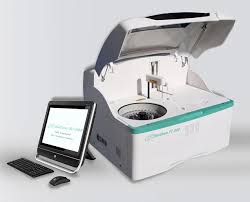
BioChem FC-200 Automated Chemistry Analyzer
The BioChem FC-200 Automated Chemistry Analyzer is a fully automated, random access benchtop clinical chemistry analyzer designed for mid-volume laboratories in emerging healthcare markets including district hospitals, regional reference laboratories, and facilities transitioning from semi-automated methods . Operating at up to 240 tests per hour with random access capability and STAT priority function , this open reagent system delivers photometric analysis using 8 interference filters (340-670nm) and disposable cuvette technology (81 cuvettes, 9 strips of 9) that eliminates washing maintenance and cross-contamination concerns .
The analyzer features 40 sample positions, 40 refrigerated reagent positions with continuous 24-hour cooling , sample volume 3-45µL , reaction volume 180-500µL , and independent mechanical mixing . The optical system includes a 12V 20W halogen lamp with 5mm optical path length, absorbance range 0.0-3.5Abs, and resolution 0.0001Abs . Temperature control maintains 37°C (±0.1°C) stability . Calibration modes include factor, linear (one-point, multi-point), and non-linear (Logistic-Log 4P/5P, Exponential 5P, Polynomial 5P, Parabola, Spline) . Quality control features Levey-Jennings charting with Westgard multi-rules .
The system connects to an external PC (Windows XP or higher) via RS-232 or RS-232-to-USB with bi-directional LIS interface for electronic medical record integration . Languages include English, Spanish, Russian, and Ukrainian . Power requirements are 220VAC, 50/60Hz, 1500VA . The unit measures 810 x 1150 mm (W x H) and weighs 145 kg . Water consumption is ≤3 liters/hour .
For the clinical laboratory scientist and pathologist in district hospitals, the BioChem FC-200 delivers accurate measurement of liver function (ALT, AST, ALP, GGT, bilirubin, total protein, albumin), renal function (urea, creatinine, uric acid), lipid profiles (total cholesterol, triglycerides, HDL, LDL, VLDL), cardiac biomarkers (CK, CK-MB, LDH), diabetes markers (glucose), inflammatory markers (CRP, RF, immunoglobulins), and iron studies (iron, TIBC, ferritin). For the patient, rapid, high-volume chemistry results enable early diagnosis of hepatitis, cirrhosis, chronic kidney disease, diabetes, hyperlipidemia, pancreatitis, and myocardial infarction—guiding appropriate medical therapy and preventing disease progression and complications, particularly in emerging healthcare markets where laboratory automation was previously unavailable .
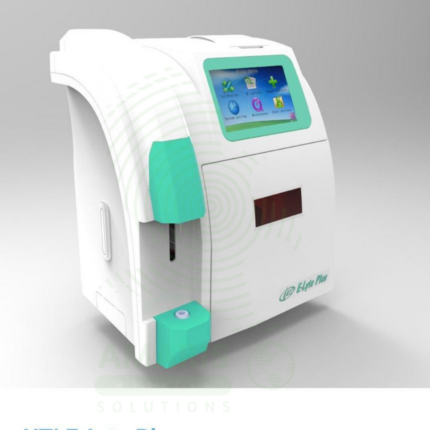
E-lyte Plus Advanced Electrolyte Analyzer
The E-lyte Plus Advanced Electrolyte Analyzer is a fully automated, microprocessor-controlled benchtop electrolyte analyzer that uses Ion Selective Electrode (ISE) technology for simultaneous measurement of potassium (K+), sodium (Na+), chloride (Cl-), ionized calcium (Ca++), pH, and lithium (Li+) in whole blood, serum, plasma, and urine samples . With up to six electrodes installed simultaneously, test times of 30-40 seconds, and an optional 21-position autosampler, the system delivers rapid, high-throughput electrolyte profiling in emergency, critical care, and routine laboratory settings .
The system features a 7-inch color LCD touchscreen with user-friendly interface, fast-access menus, and real-time result review . Quality control includes automatic ISE calibration, 3-level QC with Levey-Jennings charting, and automatic QC correction . The analyzer stores 8,000 test results, includes an integrated thermal printer, offers RS-232 connectivity for LIS integration, and supports optional barcode reader for sample ID entry .
For the emergency physician and critical care specialist, the E-lyte Plus provides rapid (30-40 second) sodium, potassium, chloride, and ionized calcium results essential for diagnosing life-threatening electrolyte disturbances—hyponatremia (seizures, coma), hyperkalemia (cardiac arrest), hypocalcemia (tetany, laryngospasm), and acid-base disorders via anion gap calculation. For the psychiatrist, lithium measurement enables therapeutic drug monitoring for bipolar disorder patients, preventing lithium toxicity (tremor, seizures, coma) while ensuring therapeutic efficacy. For the nephrologist and endocrinologist, comprehensive electrolyte panels support diagnosis of adrenal insufficiency (Addison's disease: hyponatremia, hyperkalemia), hyperaldosteronism (Conn's syndrome: hypokalemia), and primary hyperparathyroidism (hypercalcemia). For the patient, accurate, stat electrolyte results guide life-saving interventions—electrolyte replacement for dehydration, insulin and bicarbonate for diabetic ketoacidosis, dialysis for severe hyperkalemia, and calcium and calcitriol for post-thyroidectomy hypocalcemia—preventing fatal arrhythmias, seizures, coma, and respiratory failure.
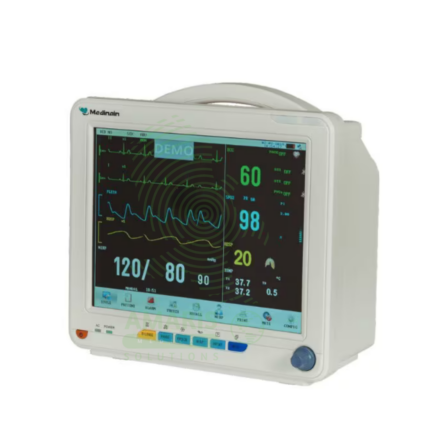
ECG Machine
An ECG Machine is a Class II medical device that records and displays the electrical activity of the heart through surface electrodes, producing an electrocardiogram for diagnosis of cardiac conditions. Standard diagnostic machines record 12 simultaneous leads (3 limb, 6 precordial, 1 ground) with frequency response 0.05-150 Hz, sampling rate 500-1,000 Hz, and high-resolution (5-10 µV) signal acquisition. Features include color touchscreen display, thermal array printer, computerized interpretation algorithms, internal memory (50-500+ ECGs), and network connectivity for EMR integration. Lead wires (AHA or IEC color coding) connect to disposable adhesive electrodes. Portable models (5-15 kg) with rechargeable batteries enable bedside and mobile use; cart-mounted units provide full diagnostic capability. Primary clinical applications include diagnosis of arrhythmias (AF, VT, bradycardia), detection of myocardial ischemia/infarction (STEMI, NSTEMI), evaluation of chest pain, preoperative cardiac risk assessment, monitoring electrolyte imbalances, assessment of chamber enlargement, and drug effect/toxicity monitoring. Essential diagnostic equipment in emergency departments, cardiology clinics, ICUs, operating rooms, and primary care settings worldwide.
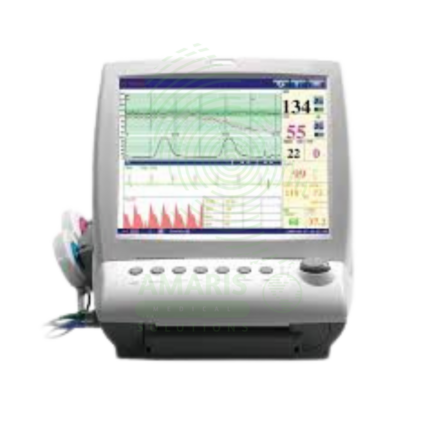
Fetal & Maternal Monitor
A Fetal & Maternal Monitor is an electronic monitoring system that simultaneously records fetal heart rate (via external ultrasound or internal scalp electrode), uterine contractions (via external tocodynamometer or intrauterine pressure catheter), and maternal vital signs (blood pressure, heart rate, oxygen saturation). Used for antepartum and intrapartum fetal assessment, non-stress tests, contraction stress tests, and monitoring of high-risk pregnancies including gestational diabetes, hypertensive disorders, and multiple gestations. Features high-resolution display, continuous paper recording, alarm systems for fetal distress, and data storage for medical records. External monitoring is non-invasive for routine use; internal monitoring provides more accurate data but requires ruptured membranes and cervical dilation. Class II medical device requiring FDA clearance and qualified interpretation of fetal heart rate patterns. Essential for assessing fetal well-being and guiding obstetric interventions.
Fetoheart Sonic Aid Doppler (clinic/hospital use)
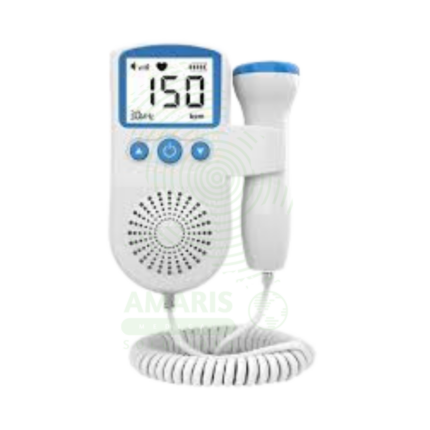
A Fetoheart Sonic Aid Doppler (Fetal Doppler) is a Class II medical ultrasound device (2-3 MHz probe) for real-time detection and audible/visual display of fetal heart rate in clinical obstetric settings from 10-12 weeks gestation. Features include handheld or tabletop console, waterproof probe, digital heart rate display (30-240 bpm), amplified speaker, headphone jack, and rechargeable battery or AC power operation. Continuous wave or pulsed wave Doppler technology with auto-correlation signal processing rejects maternal artifact. Primary clinical applications include fetal heart rate detection and monitoring during routine prenatal visits, confirmation of fetal viability in first trimester, intermittent fetal monitoring during labor, non-stress test administration, multiple gestation assessment, fetal presentation determination, and post-procedure confirmation (amniocentesis, CVS, ECV). Critical safety considerations include following ALARA principle (minimum necessary exposure), appropriate ultrasound gel use, probe pressure avoidance, infection control (probe cleaning between patients), differentiation of fetal from maternal signals, and interpretation by qualified providers. Essential equipment in outpatient obstetric clinics, hospital labor and delivery units, and prenatal care settings.
Infant Hanging Scale
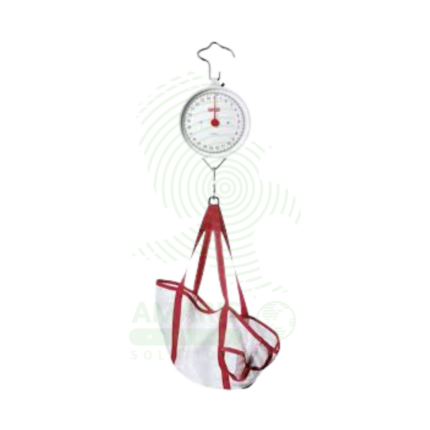
An Infant Hanging Scale is a Class II medical device (mechanical spring/balance or digital load cell) designed for accurate weight measurement of neonates and infants up to 2-3 years (capacity 10-25 kg, accuracy ±5-10 g) using a suspended sling or pan. Features include soft, washable fabric sling with head support and leg openings, tare function to zero out sling weight, mechanical dial or backlit digital display, hold function for active infants, test-weighing mode for breastfeeding assessment (digital models), and portable carrying case. Primary clinical applications include newborn weight monitoring in hospital nurseries (detecting excessive weight loss), NICU daily weights (tracking growth, calculating fluids), breastfeeding adequacy assessment (test-weighing), pediatric outpatient and well-child visits, home healthcare and visiting nurse services, malnutrition screening in developing world, and research studies requiring precise infant weights. Critical safety considerations include secure hanging from sturdy support (never ceiling tiles), thorough sling inspection before each use, proper infant positioning with head support, tare verification with sling attached, never leaving infants unattended, and strict infection control with clean sling per patient. Essential equipment for accurate infant growth monitoring and nutritional assessment in all healthcare settings serving pediatric populations.
Infant T-Piece Resuscitator
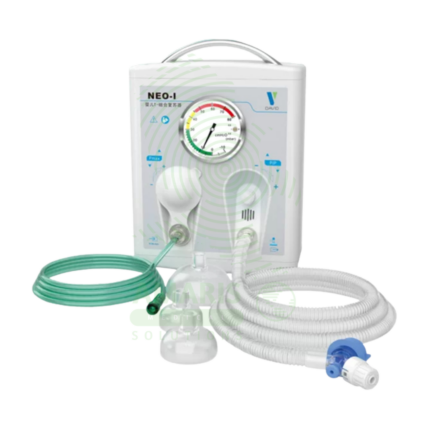
An Infant T-piece Resuscitator is a Class II medical device designed for neonatal resuscitation and controlled positive pressure ventilation, delivering precise, consistent peak inspiratory pressures (PIP) and positive end-expiratory pressure (PEEP) as recommended by Neonatal Resuscitation Program (NRP) guidelines. The T-piece assembly connects to compressed air/oxygen source (5-15 L/min) with adjustable PIP (10-40 cmH₂O) and PEEP (0-10 cmH₂O) controls, built-in pressure manometer, and pressure relief valve (30-40 cmH₂O). Operator occludes port to deliver breaths (typically 40-60/min), with consistent pressures maintained regardless of technique. Essential advantages over bag-valve-mask devices include operator-independent pressure delivery, ability to provide PEEP (critical for preterm lung protection), reduced risk of barotrauma, and hands-free PEEP allowing two-handed mask seal. Primary clinical applications include delivery room resuscitation, stabilization of extremely preterm infants (<1,000 g), CPAP/PEEP delivery, meconium aspiration management, and neonatal transport ventilation. Critical safety considerations include verifying gas supply (5-15 L/min), monitoring manometer pressures, ensuring proper mask seal, observing chest rise, and titrating FiO2 to SpO2 targets. Indispensable resuscitation equipment in every delivery room, NICU, and neonatal transport setting worldwide.