Dermatoscope and Magnifiers
 Diagnostic Kits
 Vital Signs Monitors
 Stethoscopes and Accessories
 Otoscopes, Ophthalmoscopes, and Retinoscopes
 Reflex Hammers and Neurological Tools
 Scales and Measuring Devices
 Spirometers and Pulmonary Function Tests
 Electrosurgical Units and Accessories
 Cutting Instruments
 Grasping and Holding Instruments
 Hemostatic Instruments
 Specialized Surgical Sets
 Single-Use Procedure Trays and Packs
 Surgical Drapes, Gowns, and Covers
 Tissue Unifying Instruments
 Radiation Protection
 X-Ray Machines and Accessories
 Ultrasound Systems and Probes
 MRI and CT Scanners
 Radiology Consumables
 Bone Densitometers
 Fluoroscopy Equipment
 Imaging Tables and Positioning Aids
 Microscopes and Accessories
 Centrifuges and Separators
 Analyzers
 Incubators and Ovens
 Pipettes, Dispensers, and Lab Glassware
 Refrigerators, Freezers, and Storage Units
 Lab Consumables
 Sterilizers and Autoclaves for Lab Use
 Multi-Parameter Monitors
 Ventilators and Respiratory Support Devices
 Defibrillators and AEDs
 Infusion Pumps and IV Systems
 Patient Warmers and Cooling Devices
 Central Monitoring Stations
 Accessories
 Anesthesia Machines and Workstations
 Oxygen Concentrators and Delivery Systems
 Nebulizers and Inhalers
 CPAP/BiPAP Machines
 Airway Management
 Anesthesia Masks, Circuits, and Bags
 Humidifiers and Heaters
 Respiratory Therapy Accessories
 First Aid Kits and Cabinets
 Emergency Resuscitation Equipment
 Trauma Supplies
 Emergency Carts and Crash Carts
 Burn Care Products
 Bleeding Control
 Automated External Defibrillators (AEDs)
 Transport and Evacuation
 Wheelchairs and Accessories
 Walkers, Crutches, and Canes
 Prosthetics and Orthotics
 Physical Therapy Equipment
 Transfer Devices
 Bathroom Safety
 Orthopedic Traction and Tables
 Hot/Cold Therapy Packs and Units
 Beds and Mattresses
 Chairs and Stools
 Tables
 Cabinets and Storage
 Privacy Screens & Curtains
 Stands and Racks
 Linens and Textiles
 Lighting
 Autoclaves and Sterilizers
 Ultrasonic Cleaners
 Disinfectant Solutions and Wipes
 Sterilization Pouches, Wraps, and Indicators
 Instrument Trays and Containers
 UV and Ozone Disinfection Devices
 Washer Disinfectors
 Wound Care
 Gloves
 Masks and Respirators
 Catheters and Tubing
 Swabs, Applicators, and Sponges
 Incontinence Products
 Personal Protective Equipment (PPE)
 Dental Chairs and Units
 Handpieces and Burs
 Instruments
 Consumables
 Sterilization for Dental Use
 Orthodontic Supplies
 Endodontic Tools
 Slit Lamps and Tonometers
 Lensometers and Phoropters
 Ophthalmic Surgical Instruments
 Eyewear Frames and Lenses
 Contact Lens Supplies
 Vision Testing Charts and Devices
 Eye Care Consumables
 Laser Systems for Eye Care
 ENT Exam Chairs and Tables
 Endoscopes
 Audiometers and Hearing Tests
 ENT Instruments
 Nasal and Throat Packs
 Hearing Aids and Accessories
 Otology Supplies
 Fetal Dopplers and Monitors
 Delivery Beds and Tables
 Gynecological Instruments
 Neonatal Incubators and Warmers
 Breast Pumps and Accessories
 Contraceptive Devices
 Maternity Supports and Pads
 Neonatal Consumables
 Cystoscopes and Urethroscopes
 Dialysis Machines and Supplies
 Urological Catheters and Bags
 Lithotripters
 Prostate Treatment Devices
 Urinary Incontinence Products
 Kidney Stone Management Tools
 Consumables & Disposables
 EEG and EMG Machines
 Neurosurgical Instruments
 Nerve Stimulators
 Headrests and Positioning Aids
 Lumbar Puncture Kits
 Seizure Monitoring Devices
 Consumables
 Rehabilitation for Neurological Conditions
 ECG Machines and Accessories
 Holter Monitors
 Stress Test Systems
 Pacemakers and Defibrillator Accessories
 Vascular Access Devices
 Cardiac Catheters and Guidewires
 Blood Flow Meters
 Consumables
 Orthopedic Instruments
 Casts, Splints, and Padding
 Joint Replacement Supplies
 Prosthetic Limbs and Components
 Bone Grafts and Substitutes
 Traction Devices
 Orthopedic Braces and Supports
 Rehabilitation Aids for Orthopedics
 Home Oxygen Therapy
 Hospital Beds for Home Use
 Mobility Aids
 Bathroom and Daily Living Aids
 Wound Care for Home
 Monitoring Devices
 Enteral Feeding Pumps and Tubes
 Hand Sanitizers and Dispensers
 Face Shields and Goggles
 Isolation Gowns and Suits
 Biohazard Waste Containers
 Air Purifiers and HEPA Filters
 Surface Disinfectants
 Sharps Containers
 Protective Barriers
 Cardiovascular & Endurance Training
 Strength Training & Weightlifting
 Functional Training & Core Conditioning
 Physical Therapy & Rehabilitation
 Sports & Outdoor Recreation
 Gym Flooring & Facility Equipment
 Fitness Monitoring & Accessories
 Kids & Novelties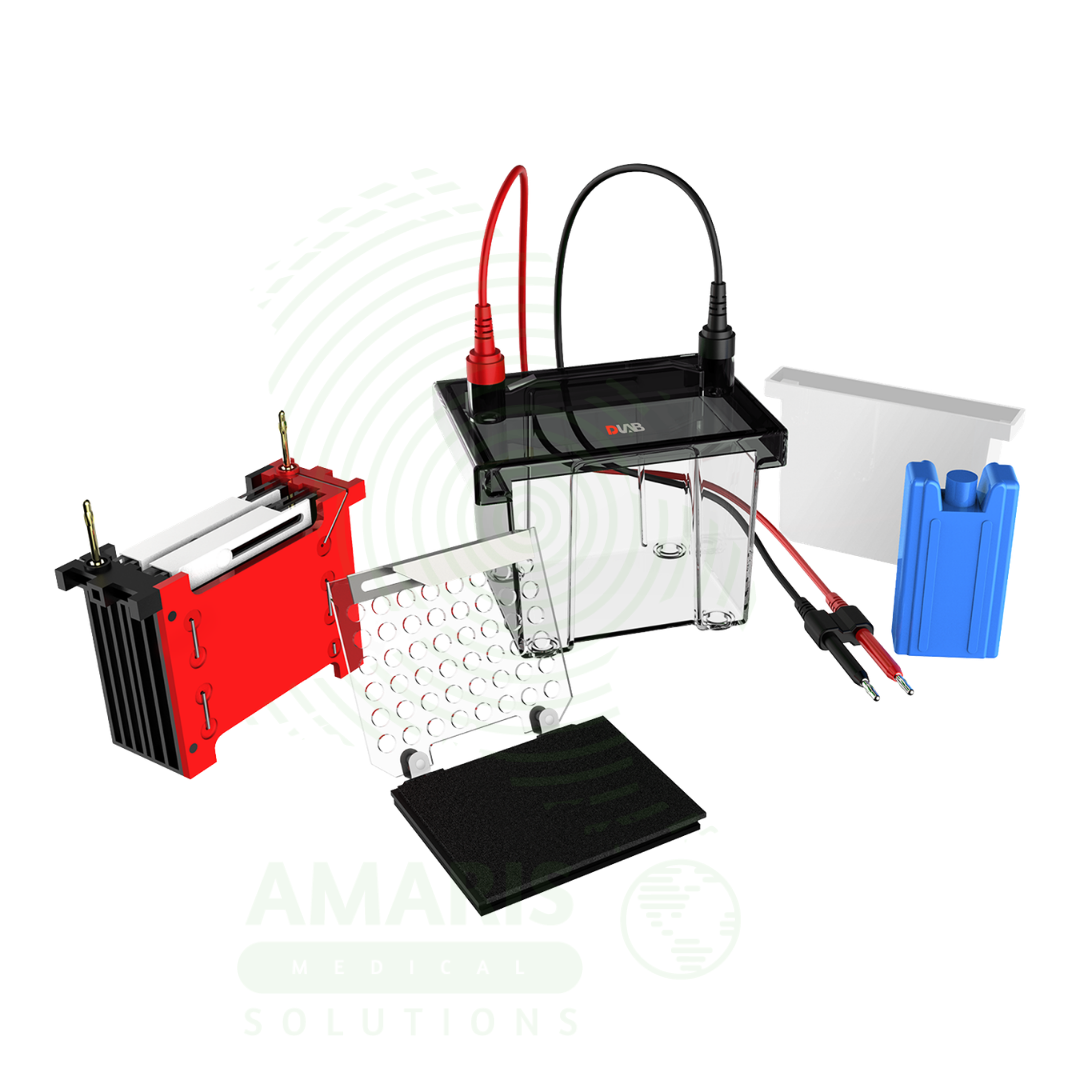

Transfer electrophoresis tank (DL-ZY02)
WhatsApp Order
The DL-ZY02 Transfer Electrophoresis Tank is a compact, high-performance electroblotting (wet transfer) system designed for the rapid and reliable transfer of proteins and nucleic acids from polyacrylamide or agarose gels onto membranes for Western, Southern, and Northern blotting . Manufactured from highly transparent, impact-resistant polycarbonate with a 99.99% pure platinum electrode system spaced 4 cm apart, it generates a powerful field to ensure efficient transfer while integrated cooling prevents protein denaturation .
For the clinical immunologist and molecular biologist, this system is essential for confirmatory diagnostic testing (e.g., HIV Western Blot), transferring disease-specific proteins or nucleic acids to membranes for subsequent antibody or probe detection . Its dual-gel capacity (transferring two 83 × 73 mm gels simultaneously) and user-friendly open cassette design with a bubble roller increase throughput and ensure high-quality, artifact-free results .
Featuring robust polycarbonate construction, a leak-proof design, and safety features to prevent incorrect polarity connection, the DL-ZY02 is a durable and safe instrument for clinical and research laboratories . Compatible with DL-MINI01 and DL-MINI04 vertical electrophoresis systems, it serves as the critical second step in the Western blot workflow, supporting the characterization and diagnosis of proteins in applications ranging from infectious disease confirmation to biomarker discovery and pharmaceutical quality control .
Description
Transfer Electrophoresis tank (DL-ZY02)
PRIMARY CLINICAL & DIAGNOSTIC USES
1. Western Blot Protein Transfer for Confirmatory Diagnostic Testing
-
Primary Use: Provides a specialized electroblotting (transfer) tank designed for the rapid and high-quality wet transfer of proteins from polyacrylamide gels (SDS-PAGE) onto PVDF or nitrocellulose membranes for Western blotting and confirmatory diagnostic testing .
-
How it helps: For the clinical immunologist and laboratory scientist, the DL-ZY02 enables the efficient transfer of proteins separated by gel electrophoresis onto a solid membrane, allowing for the subsequent detection of specific disease-related antibodies or antigens. For the patient, this technology is essential for confirmatory testing of HIV, Lyme disease, and autoimmune conditions (like lupus), where detecting specific antibodies confirms the diagnosis and guides treatment.
2. Nucleic Acid Transfer for Southern and Northern Blotting
-
Primary Use: Facilitates the transfer of DNA (Southern Blot) and RNA (Northern Blot) fragments from agarose gels to membranes for hybridization-based detection of specific genetic sequences and gene expression analysis .
-
How it helps: For the molecular geneticist, this tank supports the critical step of transferring nucleic acids from a gel to a membrane, enabling subsequent probing with labeled DNA/RNA sequences. For the patient, this application is crucial for diagnosing inherited genetic disorders (such as Duchenne muscular dystrophy), detecting gene rearrangements in cancer, and analyzing gene expression patterns that guide personalized medicine.
3. High-Performance Protein Transfer with Powerful Electric Field
-
Primary Use: Utilizes an optimized electrode spacing of exactly 4 cm between the platinum electrodes. This close proximity generates a strong, focused electric field, ensuring fast and complete transfer of small proteins and high-molecular-weight targets .
-
How it helps: For the laboratory scientist, the high field strength ensures that proteins are efficiently eluted from the gel and captured on the membrane, minimizing incomplete transfer and reducing the risk of false-negative results. For the patient, a more efficient transfer means more sensitive and reliable Western blot results, which is critical for detecting low-level antibodies in early-stage infections or confirming the presence of disease-specific biomarkers.
4. Simultaneous Dual-Gel Processing for Increased Laboratory Throughput
-
Primary Use: Capable of transferring two mini-gels (83 × 73 mm each) simultaneously, effectively doubling the throughput of Western blot workflows in clinical and research laboratories .
-
How it helps: For the laboratory manager and clinical scientist, the dual-gel capacity allows two patient samples or control runs to be processed concurrently—significantly reducing turnaround time, increasing sample throughput, and improving laboratory efficiency. For the patient, faster processing of diagnostic samples means receiving confirmatory test results more quickly, enabling earlier clinical decision-making and treatment initiation.
5. Integrated Thermal Management for Consistent Transfer Results
-
Primary Use: Features a built-in ice box (white ice cooling unit) and optional blue cooling units to rapidly absorb the heat generated during electrophoresis, preventing protein denaturation and ensuring consistent transfer quality .
-
How it helps: For the laboratory scientist, the integrated cooling system dissipates the heat produced by the high current, protecting heat-labile proteins and preventing membrane distortion, which ensures sharp, distinct bands. For the patient, consistent thermal management ensures that the transfer process does not degrade samples, leading to reproducible and accurate diagnostic results, reducing the need for repeat testing.
SECONDARY & SUPPORTIVE USES
1. Chemiluminescent and Colorimetric Detection Preparation: Used for transferring proteins onto membranes that will be subsequently probed with antibodies for chemiluminescent or colorimetric detection in infectious disease testing (HIV, Hepatitis, Lyme) .
2. Quality Control of Biopharmaceuticals: Supports Western blot analysis for purity, identity, and in monoclonal antibody and therapeutic protein manufacturing .
3. Detection of Autoantibodies in Autoimmune Diseases: Used in immunoblotting assays for the diagnosis of autoimmune conditions such as Systemic Lupus Erythematosus and Myositis .
4. Prion Detection and Research: Supports the transfer of prion proteins for research and diagnostic confirmation of Transmissible Spongiform Encephalopathies .
5. Monitoring Antibody Responses in Vaccination Trials: Used in research to assess the antibody response generated by candidate vaccines in clinical trials .
6. Detection of Allergen-Specific IgE: Used in immunoblotting for component-resolved diagnosis (CRD) of food and respiratory allergies .
7. Biomarker Discovery and Validation: Used for transferring proteins from 2D gels for mass spectrometry identification of novel disease biomarkers in cancer, cardiovascular disease, and neurology .
8. Epitope Mapping and Protein Interaction Studies: Used to transfer proteins for far-Western blotting to study protein-protein interactions in receptor signaling pathways .
9. Histone Modification Analysis: Supports the transfer of histones for the detection of epigenetic modifications in cancer research .
10. Lipoprotein and Apolipoprotein Analysis: Used for the transfer of lipoproteins for research into cardiovascular disease risk factors .
11. Glycoprotein Detection: Used to transfer glycoproteins for subsequent detection with lectin-based probes or specific antibodies to study protein glycosylation patterns in diseases like cancer and rheumatoid arthritis .
12. Detection of Fibrinogen and Coagulation Factors: Supports research into coagulation disorders and thrombophilia .
13. Quality Control of Viral Antigens: Used in the manufacturing process of viral antigens for diagnostic kits (e.g., COVID-19 antigen tests) to ensure batch-to-batch consistency .
14. Veterinary Diagnostic Confirmatory Testing: Supports confirmatory Western blot testing for animal diseases such as Equine Infectious Anemia (EIA) and Feline Immunodeficiency Virus (FIV) .
15. Food Authenticity and Allergen Testing: Used to detect food allergens (e.g., peanut, milk, egg proteins) or to verify species authenticity in processed meat and fish products .
KEY PRODUCT FEATURES
1. BASIC IDENTIFICATION ATTRIBUTES
-
Device Type: A compact, high-performance wet transfer electrophoresis tank (blotting system) used for the electrotransfer (electroblotting) of proteins and nucleic acids from gels to membranes for Western, Southern, and Northern blotting .
-
Designation: Mini Transfer Electrophoresis Tank, Electroblotting System, Wet Transfer Tank, Western Blot Transfer Cell, Protein Transfer Tank .
-
Key Components:
• Tank Body: High-impact, highly transparent polycarbonate for real-time monitoring, formed via injection molding to ensure a leak-proof seal .
• Platinum Electrodes: 99.99% pure platinum wire positioned 4 cm apart to generate a strong, efficient electric field .
• Transfer Core Assembly: Includes the electrode assembly and safety interconnects .
• Gel Holder Cassettes: Open-style cassettes (2 units) to hold the gel and membrane "sandwich" .
• Sponge Pads: High-quality foam pads (4 units) to create uniform pressure across the gel-membrane sandwich .
• Cooling System: Built-in ice box (white) and optional blue cooling units to manage heat during the transfer process .
• Bubble Roller: A special roller tool included to remove air bubbles from the gel-membrane sandwich, preventing transfer artifacts .
2. TECHNICAL & PERFORMANCE PROPERTIES
-
Transfer Area: 110 × 90 mm .
• Gel Compatibility: Designed for 83 × 73 mm mini-gels (compatible with DL-MINI01 and DL-MINI04 electrophoresis systems) .
• Capacity: Capable of transferring up to 2 gels (83 × 73 mm) simultaneously .
• Electrode Spacing: Optimal 4 cm distance between electrodes to generate a powerful electric field .
• Electrode Material: 99.99% high-purity platinum (Pt), diameter Φ0.25mm, for superior conductivity, corrosion resistance, and longevity .
• Construction Material: Highly transparent, durable polycarbonate (PC), resistant to common laboratory chemicals .
• Safety Features: Polarity reversal prevention design on the upper cover; leak-proof injection-molded tank .
• Dimensions (W×D×H): Approximately 160 × 150 × 115 mm .
• Weight: Approximately 1.0 – 1.3 kg .
3. PHYSICAL & OPERATIONAL PROPERTIES
-
Construction: Robust, leak-proof design manufactured via a single-injection molding process to ensure high impact resistance and durability .
• Electrode Quality: 99.99% high-purity platinum electrodes (Φ0.25mm) offer exceptional conductivity, corrosion resistance, and anti-aging properties .
• Thermal Management: Includes a built-in white ice box and can accommodate two blue cooling units for efficient heat absorption, preventing protein degradation and membrane distortion .
• Safety Design: A "limit function" on the upper cover prevents the polarity from being reversed when plugging in the power supply .
• Gel Holder Cassette: An open, user-friendly cassette design allows for easy assembly of the gel-membrane sandwich and includes a bubble roller for removing entrapped air .
• Compatibility: Specifically designed to work seamlessly with the DL-Mini01 and DL-Mini04 vertical electrophoresis tanks, creating a complete mini gel system .
• Portability: Compact, benchtop design with a small footprint for routine laboratory use.
4. SAFETY & COMPLIANCE ATTRIBUTES
-
Regulatory Status: Medical laboratory equipment for in vitro diagnostic (IVD) use .
• Safe Operation: The upper cover is designed with safety features to prevent electrical hazards and misuse .
• Electrical Safety: Designed for safe low-voltage operation when used with a standard electrophoresis power supply .
• Material Safety: High-strength, non-toxic polycarbonate material for the tank body .
5. STORAGE & HANDLING ATTRIBUTES
-
Storage: Store on a clean, dry benchtop. The tank should be clean and completely dry before storage.
• Cleaning: Rinse thoroughly with distilled water after each use. The polycarbonate tank is chemically resistant but avoid harsh organics unless validated .
• Cooling Unit Care: Freeze the ice box and/or blue cooling units thoroughly before use. Clean and dry after each use to prevent mold. The built-in ice box rapidly absorbs heat generated during transfer .
• Sponge Pad Care: Inspect pads for salt deposits after use; rinse thoroughly in distilled water and squeeze dry. Replace if they become degraded or torn.
• Platinum Electrode Care: Handle with care. Avoid bending or physically damaging the platinum wire. Clean residual buffer salts by rinsing with distilled water; do not scratch the metal surface.
6. LABORATORY & CLINICAL APPLICATIONS
-
Primary Application: Wet electrotransfer (electroblotting) of proteins and nucleic acids for Western blotting, Southern blotting, Northern blotting, and other immunodetection methods in clinical diagnostic, pharmaceutical, and research laboratories .
• Clinical Diagnosis: Confirmatory diagnostic testing for infectious diseases (HIV, Lyme disease), autoimmune disorders (lupus, myositis), and genetic conditions via immunoblotting and nucleic acid hybridization .
SAFETY HANDLING PRECAUTIONS
1. SAFETY PRECAUTIONS
-
Proper Connection: Ensure the electrodes are correctly connected to the power supply output; the upper cover has a polarity safety design, but always double-check before starting the run .
• Buffer Levels: Ensure the transfer tank is filled with the appropriate volume of cold transfer buffer to completely submerge the gel cassette and maintain a consistent electrical circuit.
• Temperature Control: Always use the included ice box and/or blue cooling units to manage the heat generated during the run. High heat can cause transfer failure or membrane damage and is essential for clinical accuracy .
• Air Bubble Management: Use the supplied bubble roller to gently remove all air bubbles between the gel and the membrane before assembling the cassette. Bubbles create "hot spots" and prevent protein transfer, affecting diagnostic band patterns .
• Membrane Handling: Wear clean gloves when handling membranes (PVDF, Nitrocellulose) to avoid contaminating them with proteins or oils from skin.
• Open Cover Hazards: The transfer process uses electrical current. Do not open the lid or touch the buffer while the system is active to avoid electric shock.
• Training: Only trained laboratory personnel should operate the DL-ZY02 for clinical diagnostic applications.
2. FIRST AID MEASURES
-
Buffer Spill: If Transfer Buffer (which contains methanol) spills on skin, wash off immediately with copious amounts of water to prevent irritation . If spilled in the eyes, flush with water for 15 minutes and seek medical attention.
• Electrical Shock: In the rare event of a malfunction causing a shock, disconnect the power supply immediately. Seek medical attention for any electrical injury.
• Glass Breakage: If the polycarbonate tank should crack or break (which is rare due to its impact resistance), carefully collect all fragments and dispose of them. Inspect electrodes for damage.
3. FIRE FIGHTING MEASURES
-
Flammability: The polycarbonate tank and plastic components are combustible. Transfer buffer contains methanol, which is flammable.
• Extinguishing Media: Use carbon dioxide, dry chemical, or alcohol-resistant foam for fires involving buffer.
• Fire Response: Disconnect the power supply. Use appropriate extinguishing media for the electrical components or flammable liquids.
Related products
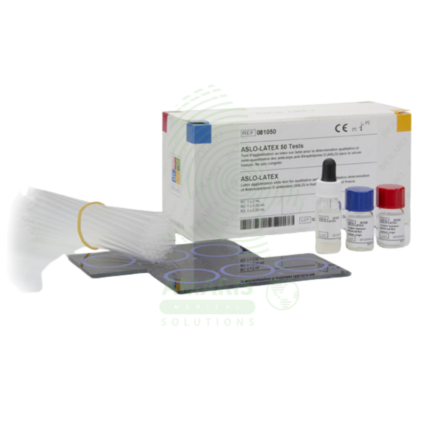
Anti-Streptol Olysin O Titer (ASOT)
Anti-Streptol Olysin O Titer (ASOT) is a quantitative or semi-quantitative serological test (latex agglutination, turbidimetry, nephelometry, or ELISA) for detecting antibodies against streptolysin O, an exotoxin produced by Group A Streptococcus. Elevated or rising titers indicate recent streptococcal infection and are essential for diagnosing post-streptococcal sequelae including acute rheumatic fever (Jones criteria) and post-streptococcal glomerulonephritis. The test requires serum samples; acute and convalescent (2-4 weeks apart) with fourfold rise confirms recent infection. Reference range typically <200-250 Todd units/mL (adults), varies by age and population. Primary clinical applications include diagnosis of Group A streptococcal infections, acute rheumatic fever evaluation, post-streptococcal glomerulonephritis diagnosis, differentiation of acute vs. past infection, evaluation of unexplained arthritis or carditis, pediatric inflammatory conditions (PANDAS), and monitoring disease activity in rheumatic fever. Critical safety precautions include proper timing of acute and convalescent samples, awareness of false negatives/positives, clinical correlation for diagnosis, and standard biohazard precautions. Essential test for rheumatology, nephrology, cardiology, and infectious disease practice.
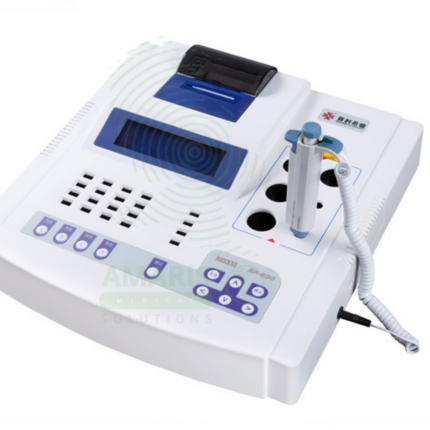
Coagulation Analyzer
A Coagulation Analyzer is a compact, automated instrument designed for performing essential tests that evaluate the blood's clotting ability. It accurately measures key parameters such as Prothrombin Time (PT/INR), Activated Partial Thromboplastin Time (aPTT), Thrombin Time, and Fibrinogen, which are critical for monitoring anticoagulant therapy (warfarin, heparin), diagnosing bleeding disorders, and assessing surgical risk. With its photometric detection and user-friendly operation, it delivers reliable results for small to medium-volume laboratories, clinics, and hospital wards. Its role in ensuring safe and effective patient management in thrombosis and hemostasis makes it a vital tool in clinical diagnostics.
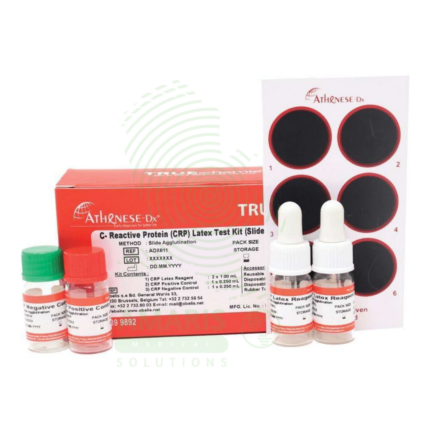
CRP Test Kit
CRP Test Kit (C-Reactive Protein) is a quantitative or semi-quantitative immunoassay (latex agglutination, turbidimetry, nephelometry, ELISA, or rapid immunochromatographic) for detecting C-reactive protein in blood, an acute-phase reactant produced in response to inflammation. Rapid rise within 6-12 hours, peaks at 24-48 hours, half-life 19 hours. Normal <5-10 mg/L; mild elevation 10-100 mg/L (viral infections, autoimmune flares); moderate 100-200 mg/L (bacterial infections); marked >200 mg/L (sepsis, major trauma). High-sensitivity CRP (hs-CRP) detects 0.1-10 mg/L for cardiovascular risk stratification (<1 mg/L low risk, 1-3 mg/L moderate, >3 mg/L high). Primary clinical applications include detection and monitoring of inflammation, diagnosis and management of infections (differentiating bacterial from viral), assessment of autoimmune disease activity, post-surgical monitoring for complications, cardiovascular risk screening (hs-CRP), monitoring rheumatic fever and inflammatory conditions, and neonatal sepsis evaluation. Critical safety precautions include proper sample handling (universal precautions), quality control verification, awareness of non-specific elevation, prozone phenomenon in very high concentrations, and clinical correlation for interpretation. Essential test for evaluating inflammation across all medical specialties.
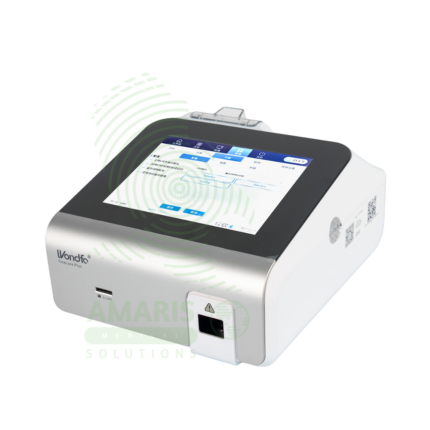
Finecare Analyzer
The Finecare Analyzer is a Class II medical device (FDA-cleared, CE-marked) fluorescence immunoassay system manufactured by Wondfo Biotech for quantitative detection of cardiac markers (troponin I, CK-MB, myoglobin), inflammatory markers (CRP, procalcitonin), thyroid hormones (TSH, FT3, FT4), diabetes markers (HbA1c), reproductive hormones (LH, FSH, prolactin), tumor markers (AFP, CEA, PSA), and infectious disease markers. Features include time-resolved fluorescence technology, color touchscreen interface, built-in printer (select models), USB/Ethernet connectivity, and internal rechargeable battery for portable use. Test time 3-15 minutes, sample volume 50-100 µL (whole blood, serum, plasma). Primary clinical applications include rapid diagnosis of acute myocardial infarction in chest pain patients, early detection of sepsis and bacterial infections, thyroid disorder diagnosis and monitoring, long-term glycemic control assessment in diabetes, fertility and reproductive health evaluation, cancer screening and surveillance, and infectious disease testing in endemic and clinical settings. Critical safety precautions include proper test cartridge storage (2-8°C), regular quality control, biohazard safety protocols, and operator training. Essential point-of-care testing system for hospitals, clinics, and remote healthcare facilities requiring rapid, quantitative results.
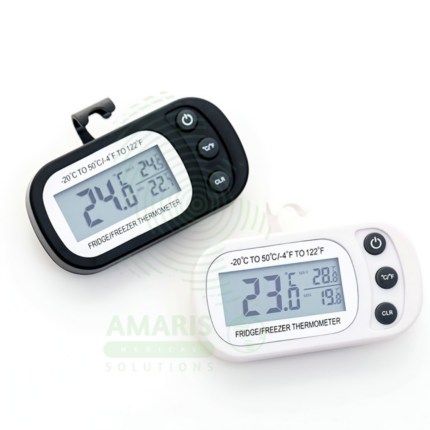
Fridge Thermometer
A Fridge Thermometer is a precision temperature monitoring device designed for continuous use inside medical and laboratory refrigerators and freezers. Its primary role is to safeguard the potency of vaccines, medications, and biological samples by ensuring storage temperatures remain within a critical specified range (e.g., +2°C to +8°C). Available in analog or digital formats, accurate models with memory functions are essential for compliance with cold chain protocols, requiring daily monitoring, logging, and regular calibration. It is a fundamental quality control tool in pharmacies, clinics, immunization centers, and laboratories.
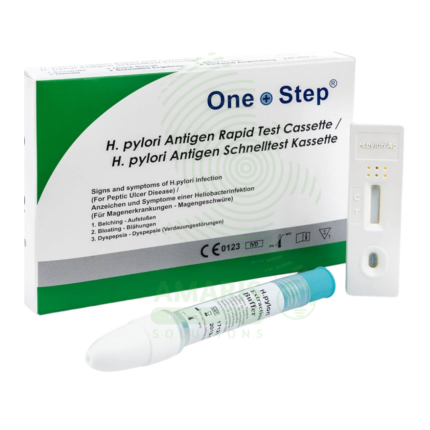
H.pylori test kits (Antigen)
H.pylori test kits (Antigen) are Class II medical devices (FDA-cleared/CE-marked) for rapid immunochromatographic or enzyme immunoassay detection of Helicobacter pylori antigens in stool specimens, enabling non-invasive diagnosis of active infection and post-treatment eradication confirmation. Test principles use monoclonal or polyclonal antibodies specific to H. pylori antigens, producing visible results in 10-20 minutes (rapid tests) or 1-2 hours (EIA). Sensitivity 90-98%, specificity 92-99% compared to gold standard methods. Primary clinical applications include rapid diagnosis of H. pylori infection in patients with dyspepsia, initial screening in uncomplicated dyspepsia (test-and-treat strategy), confirmation of active infection before therapy, post-treatment eradication confirmation (4-6 weeks after therapy), pediatric testing (preferred non-invasive method), screening in high-risk populations (family history of gastric cancer), and monitoring in patients with peptic ulcer disease or MALT lymphoma. Critical safety precautions include mandatory washout period (4 weeks off antibiotics, 2 weeks off PPIs) to avoid false negatives, proper specimen handling (universal precautions), refrigerated storage of kits (2-30°C), quality control verification, and disposal as biohazardous waste. Essential non-invasive tool for H. pylori management in gastroenterology and primary care.
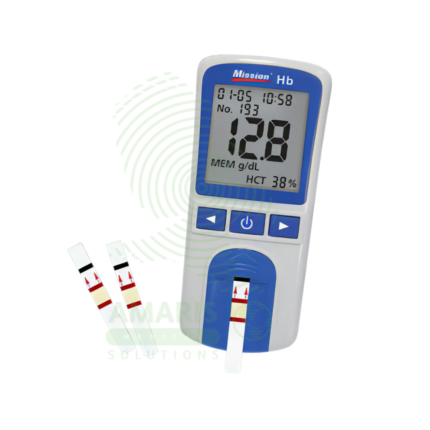
Hemoglobin Meter
A Hemoglobin Meter is a Class II medical device (FDA-cleared, CE-marked) for quantitative point-of-care measurement of hemoglobin concentration in capillary or venous blood, providing results in 5-60 seconds from a 5-20 µL sample. The meter uses photometric, electrochemical, or conductivity technology to measure hemoglobin, with accuracy ±0.3-0.5 g/dL compared to reference methods. Features include backlit LCD display, memory storage for 100-1000 results, USB/Bluetooth connectivity for data transfer, and compatibility with single-use disposable cuvettes or test strips. Primary clinical applications include anemia screening and diagnosis (WHO criteria), preoperative assessment and surgical planning, antenatal care and maternal health monitoring, malaria-endemic region screening, chronic disease management (CKD, IBD, cancer), nutritional assessment and intervention programs, and blood donor screening. Critical safety precautions include single-use lancets, proper hand hygiene, correct sample application, quality control with control solutions, proper cuvette storage (protect from heat, light, humidity), and never using expired cuvettes. Essential point-of-care device for hemoglobin testing in hospitals, clinics, community health programs, and blood donation centers.