Dermatoscope and Magnifiers
 Diagnostic Kits
 Vital Signs Monitors
 Stethoscopes and Accessories
 Otoscopes, Ophthalmoscopes, and Retinoscopes
 Reflex Hammers and Neurological Tools
 Scales and Measuring Devices
 Spirometers and Pulmonary Function Tests
 Electrosurgical Units and Accessories
 Cutting Instruments
 Grasping and Holding Instruments
 Hemostatic Instruments
 Specialized Surgical Sets
 Single-Use Procedure Trays and Packs
 Surgical Drapes, Gowns, and Covers
 Tissue Unifying Instruments
 Radiation Protection
 X-Ray Machines and Accessories
 Ultrasound Systems and Probes
 MRI and CT Scanners
 Radiology Consumables
 Bone Densitometers
 Fluoroscopy Equipment
 Imaging Tables and Positioning Aids
 Microscopes and Accessories
 Centrifuges and Separators
 Analyzers
 Incubators and Ovens
 Pipettes, Dispensers, and Lab Glassware
 Refrigerators, Freezers, and Storage Units
 Lab Consumables
 Sterilizers and Autoclaves for Lab Use
 Multi-Parameter Monitors
 Ventilators and Respiratory Support Devices
 Defibrillators and AEDs
 Infusion Pumps and IV Systems
 Patient Warmers and Cooling Devices
 Central Monitoring Stations
 Accessories
 Anesthesia Machines and Workstations
 Oxygen Concentrators and Delivery Systems
 Nebulizers and Inhalers
 CPAP/BiPAP Machines
 Airway Management
 Anesthesia Masks, Circuits, and Bags
 Humidifiers and Heaters
 Respiratory Therapy Accessories
 First Aid Kits and Cabinets
 Emergency Resuscitation Equipment
 Trauma Supplies
 Emergency Carts and Crash Carts
 Burn Care Products
 Bleeding Control
 Automated External Defibrillators (AEDs)
 Transport and Evacuation
 Wheelchairs and Accessories
 Walkers, Crutches, and Canes
 Prosthetics and Orthotics
 Physical Therapy Equipment
 Transfer Devices
 Bathroom Safety
 Orthopedic Traction and Tables
 Hot/Cold Therapy Packs and Units
 Beds and Mattresses
 Chairs and Stools
 Tables
 Cabinets and Storage
 Privacy Screens & Curtains
 Stands and Racks
 Linens and Textiles
 Lighting
 Autoclaves and Sterilizers
 Ultrasonic Cleaners
 Disinfectant Solutions and Wipes
 Sterilization Pouches, Wraps, and Indicators
 Instrument Trays and Containers
 UV and Ozone Disinfection Devices
 Washer Disinfectors
 Wound Care
 Gloves
 Masks and Respirators
 Catheters and Tubing
 Swabs, Applicators, and Sponges
 Incontinence Products
 Personal Protective Equipment (PPE)
 Dental Chairs and Units
 Handpieces and Burs
 Instruments
 Consumables
 Sterilization for Dental Use
 Orthodontic Supplies
 Endodontic Tools
 Slit Lamps and Tonometers
 Lensometers and Phoropters
 Ophthalmic Surgical Instruments
 Eyewear Frames and Lenses
 Contact Lens Supplies
 Vision Testing Charts and Devices
 Eye Care Consumables
 Laser Systems for Eye Care
 ENT Exam Chairs and Tables
 Endoscopes
 Audiometers and Hearing Tests
 ENT Instruments
 Nasal and Throat Packs
 Hearing Aids and Accessories
 Otology Supplies
 Fetal Dopplers and Monitors
 Delivery Beds and Tables
 Gynecological Instruments
 Neonatal Incubators and Warmers
 Breast Pumps and Accessories
 Contraceptive Devices
 Maternity Supports and Pads
 Neonatal Consumables
 Cystoscopes and Urethroscopes
 Dialysis Machines and Supplies
 Urological Catheters and Bags
 Lithotripters
 Prostate Treatment Devices
 Urinary Incontinence Products
 Kidney Stone Management Tools
 Consumables & Disposables
 EEG and EMG Machines
 Neurosurgical Instruments
 Nerve Stimulators
 Headrests and Positioning Aids
 Lumbar Puncture Kits
 Seizure Monitoring Devices
 Consumables
 Rehabilitation for Neurological Conditions
 ECG Machines and Accessories
 Holter Monitors
 Stress Test Systems
 Pacemakers and Defibrillator Accessories
 Vascular Access Devices
 Cardiac Catheters and Guidewires
 Blood Flow Meters
 Consumables
 Orthopedic Instruments
 Casts, Splints, and Padding
 Joint Replacement Supplies
 Prosthetic Limbs and Components
 Bone Grafts and Substitutes
 Traction Devices
 Orthopedic Braces and Supports
 Rehabilitation Aids for Orthopedics
 Home Oxygen Therapy
 Hospital Beds for Home Use
 Mobility Aids
 Bathroom and Daily Living Aids
 Wound Care for Home
 Monitoring Devices
 Enteral Feeding Pumps and Tubes
 Hand Sanitizers and Dispensers
 Face Shields and Goggles
 Isolation Gowns and Suits
 Biohazard Waste Containers
 Air Purifiers and HEPA Filters
 Surface Disinfectants
 Sharps Containers
 Protective Barriers
 Cardiovascular & Endurance Training
 Strength Training & Weightlifting
 Functional Training & Core Conditioning
 Physical Therapy & Rehabilitation
 Sports & Outdoor Recreation
 Gym Flooring & Facility Equipment
 Fitness Monitoring & Accessories
 Kids & Novelties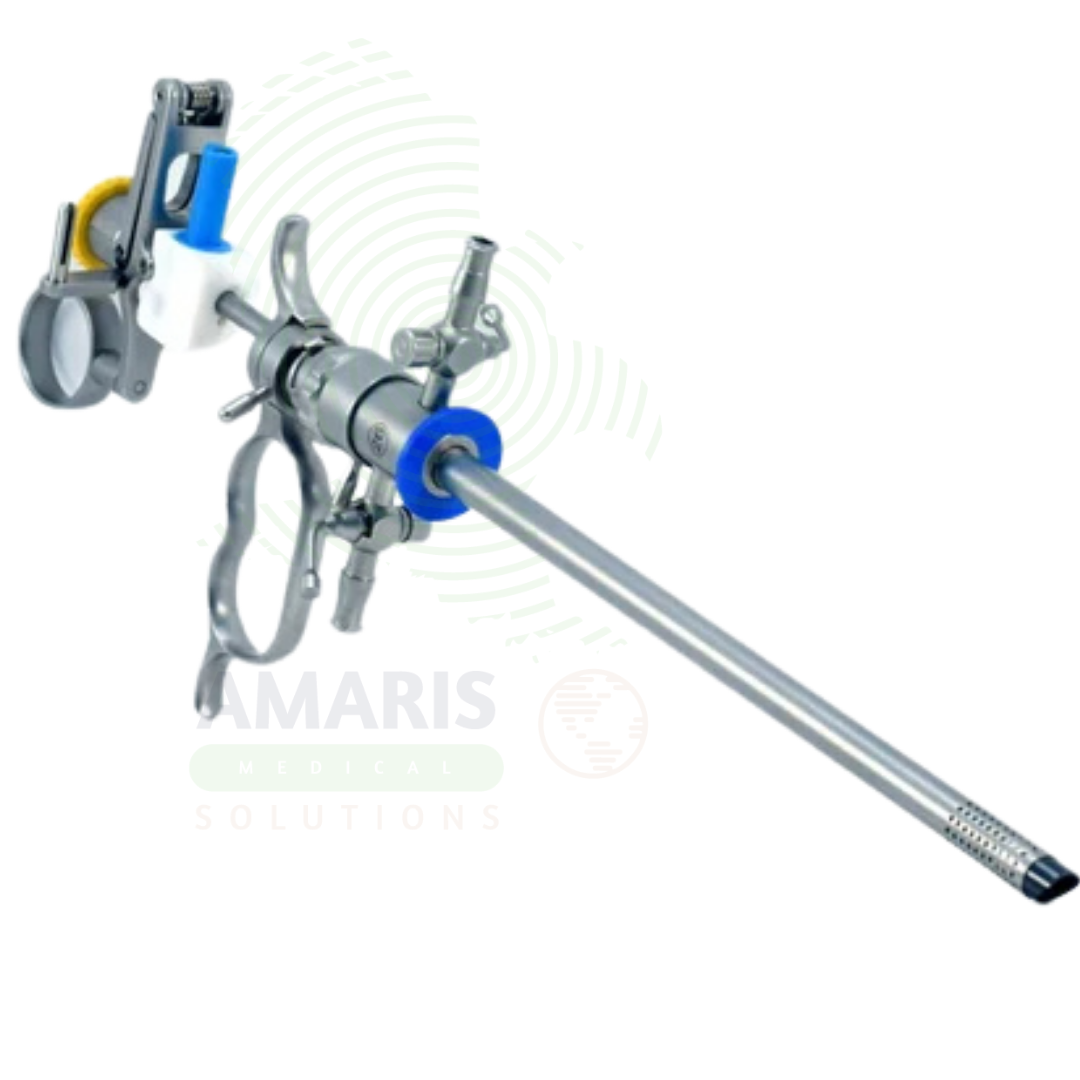
Resectoscope
WhatsApp Order
A Resectoscope is a specialized endoscopic instrument used for transurethral resection of the prostate, bladder tumors, and endometrium. Combining a telescope, working element, and resecting loop, it enables precise cutting and coagulation of tissue under direct visualization. Essential in urology for benign prostatic hyperplasia and bladder cancer treatment, and in gynecology for endometrial resection, it provides minimally invasive treatment with rapid recovery and preservation of organ function.
Description
Resectoscope
PRIMARY CLINICAL & DIAGNOSTIC USES
1. Transurethral Resection of the Prostate
-
Primary Use: Provides a combined visualization and resection system for transurethral resection of the prostate, the classic surgical treatment for benign prostatic hyperplasia. The resectoscope allows the surgeon to visualize the prostate and resect obstructive tissue using a wire loop with electrosurgical current.
-
How it helps: For the urologist, the resectoscope provides the means to remove obstructive prostate tissue through the urethra—eliminating the need for open surgery, reducing hospital stay, and allowing rapid return to normal activities. For the aging man whose quality of life is diminished by frequent urination, weak stream, and nighttime awakening, TURP offers durable relief and return to normal voiding function.
2. Transurethral Resection of Bladder Tumor
-
Primary Use: Used for transurethral resection of bladder tumors, the standard procedure for the diagnosis, staging, and therapeutic resection of bladder tumors. The resectoscope enables complete visualization of the bladder and precise resection of tumor tissue.
-
How it helps: For the urologic oncologist, the resectoscope allows simultaneous visualization and resection of bladder tumors—cutting away abnormal tissue while cauterizing the base, providing tissue for pathological staging, and treating the disease in a single procedure. For the patient with bladder cancer, TURBT offers both diagnosis and initial treatment through a minimally invasive approach, with rapid recovery and preservation of bladder function.
3. Transurethral Incision of the Prostate
-
Primary Use: Used for transurethral incision of the prostate, a less invasive alternative to TURP for patients with smaller prostates. The resectoscope creates incisions in the prostate to relieve obstruction while preserving more tissue.
-
How it helps: For the urologist managing patients with moderate prostatic obstruction, TUIP provides effective relief with fewer side effects and shorter recovery than traditional TURP. For the patient, this means less risk of retrograde ejaculation and faster return to normal activities.
4. Endometrial Resection and Ablation
-
Primary Use: Used in gynecology for transcervical resection of the endometrium and submucous fibroids. The resectoscope provides visualization and resection capability for treatment of abnormal uterine bleeding and fibroids.
-
How it helps: For the gynecologist, the resectoscope offers a minimally invasive alternative to hysterectomy for treatment of menorrhagia and submucous fibroids—preserving the uterus and allowing rapid recovery. For the patient with heavy menstrual bleeding, endometrial resection provides relief while avoiding major surgery and preserving fertility when appropriate.
5. Urethral Stricture Incision
-
Primary Use: Used for direct visualization and incision of urethral strictures using a cold knife or laser through the resectoscope. This minimally invasive approach treats urethral narrowing without open surgery.
-
How it helps: For the urologist, resectoscopic stricture incision offers a minimally invasive treatment for urethral strictures—restoring urinary flow without the morbidity of open urethroplasty. For the patient, this means rapid recovery and preservation of erectile function.
SECONDARY & SUPPORTIVE USES
1. Bladder Neck Incision: Incision of bladder neck contracture following prostate surgery.
2. Ureteral Meatotomy: Incision of stenotic ureteral meatus.
3. Prostatic Stent Placement: Placement of temporary or permanent stents under direct visualization.
4. Laser Prostate Surgery: Resectoscope compatible with laser fibers for holmium laser enucleation of the prostate.
5. Bipolar Resection: Modern resectoscopes with bipolar technology for safer resection with normal saline irrigation.
6. Office-Based Procedures: Smaller resectoscopes for office-based diagnostic and therapeutic procedures.
KEY PRODUCT FEATURES
1. BASIC IDENTIFICATION ATTRIBUTES
-
Device Type: A specialized endoscopic instrument combining a telescope, working element, and resecting loop for transurethral resection procedures.
-
Designation: Resectoscope, TURP Set, TURBT Set, Transurethral Resectoscope.
-
Key Components:
-
Telescope: Rod lens system with angled optics (typically 12°, 30°, or 70°).
-
Working Element: Mechanism for advancing and retracting the resecting loop.
-
Resecting Loop: Wire loop for cutting and coagulating tissue.
-
Sheath: Outer tube with inflow/outflow channels for irrigation.
-
Light Source: Fiberoptic or LED illumination.
-
Electrosurgical Generator: Provides cutting and coagulation current.
-
2. TECHNICAL & PERFORMANCE PROPERTIES
-
Sheath Diameter: 24-28 French for standard resectoscopes.
-
Telescope Diameter: 4 mm.
-
Viewing Angle: 12°, 30°, or 70° optics.
-
Resecting Loop: Monopolar or bipolar; various loop sizes.
-
Irrigation: Continuous flow for clear visualization.
-
Electrosurgery: Cutting and coagulation modes.
3. PHYSICAL & OPERATIONAL PROPERTIES
-
Construction: Precision-machined stainless steel.
-
Ergonomics: Designed for single-handed operation.
-
Sterilization: Steam autoclave compatible.
-
Portability: Fixed in operating room setup.
4. SAFETY & COMPLIANCE ATTRIBUTES
-
Regulatory Status: Class II medical device regulated by FDA.
-
Biocompatibility: Materials safe for intraurethral and intravesical use.
-
Electrical Safety: Compliant for use with electrosurgical generators.
-
Fluid Management: Systems to prevent fluid overload (TUR syndrome).
5. STORAGE & HANDLING ATTRIBUTES
-
Storage: Store in protective cases; protect lenses from damage.
-
Cleaning: Thorough cleaning after each use; ultrasonic cleaning recommended.
-
Sterilization: Steam autoclave per manufacturer instructions.
-
Inspection: Inspect for lens damage, loop integrity, and insulation defects.
6. LABORATORY & CLINICAL APPLICATIONS
-
Primary Application: Transurethral resection of prostate, bladder tumors, and endometrium.
-
Clinical Role: Essential in urology and gynecology for minimally invasive resection procedures.
SAFETY HANDLING PRECAUTIONS
1. SAFETY PRECAUTIONS
-
Fluid Management: Monitor fluid deficit to prevent TUR syndrome (hyponatremia, fluid overload).
-
Electrosurgical Safety: Use appropriate grounding pad; monitor for stray current.
-
Loop Integrity: Inspect resecting loop for damage before use.
-
Irrigation: Maintain continuous flow for clear visualization and cooling.
-
Anticoagulation: Assess bleeding risk before procedure.
2. FIRST AID MEASURES
-
TUR Syndrome: If signs of fluid overload (nausea, confusion, bradycardia), stop procedure; administer diuretics; monitor electrolytes.
-
Capsular Perforation: If perforation occurs, stop procedure; assess for extravasation; convert to open if needed.
-
Bleeding: If significant bleeding occurs, cauterize; may require transfusion or conversion.
3. FIRE FIGHTING MEASURES
-
Flammability: Metal components are non-flammable; plastic parts may burn.
-
Extinguishing Media: Use water, foam, or CO₂ as appropriate for surrounding materials.
Related products
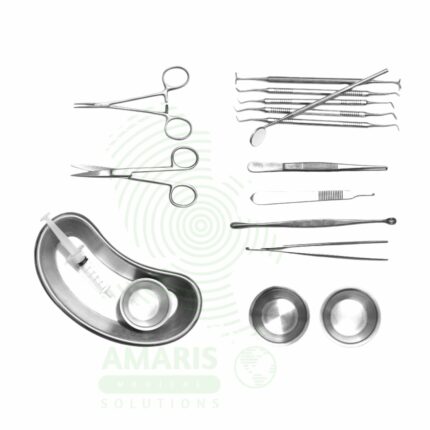
Caesarean Section Set
A Caesarean Section Set is a sterile instrument tray containing all instruments required for Caesarean delivery, including instruments for abdominal incision, uterine incision, fetal delivery, placental removal, and multi-layer closure. Essential for labor and delivery units and obstetric operating rooms, the set ensures that all necessary instruments are sterile, organized, and immediately available for safe and efficient surgical delivery. Proper instrument counting, sterile technique, and careful tissue handling are critical for optimal maternal and neonatal outcomes.
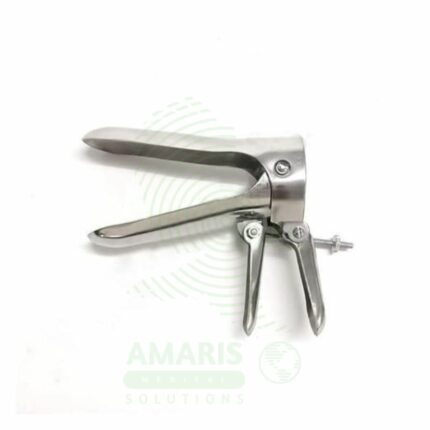
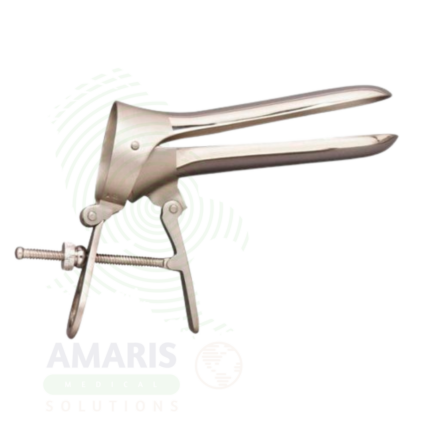
Cusco Speculum
A Cusco speculum is a hinged, bivalve instrument used to separate the vaginal walls for examination of the vagina and cervix. It is the standard tool for performing Pap smears, visual diagnostics, and various gynecological procedures. Available in reusable metal or single-use plastic forms and in multiple sizes, its self-retaining lock allows for hands-free operation. Safe and effective use requires gentle insertion with lubrication, selection of the correct size, careful unlocking before removal, and strict adherence to high-level disinfection or sterilization protocols for reusable models. It is an indispensable instrument in women's health care.
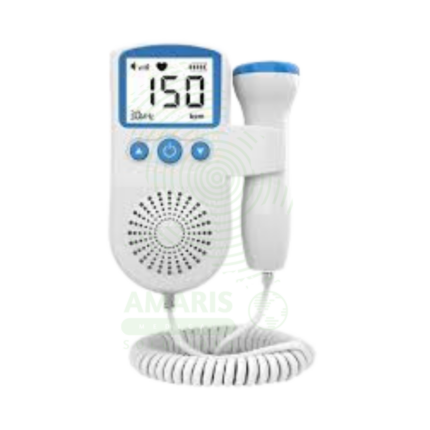
Fetoheart Sonic Aid Doppler (clinic/hospital use)
A Fetoheart Sonic Aid Doppler (Fetal Doppler) is a Class II medical ultrasound device (2-3 MHz probe) for real-time detection and audible/visual display of fetal heart rate in clinical obstetric settings from 10-12 weeks gestation. Features include handheld or tabletop console, waterproof probe, digital heart rate display (30-240 bpm), amplified speaker, headphone jack, and rechargeable battery or AC power operation. Continuous wave or pulsed wave Doppler technology with auto-correlation signal processing rejects maternal artifact. Primary clinical applications include fetal heart rate detection and monitoring during routine prenatal visits, confirmation of fetal viability in first trimester, intermittent fetal monitoring during labor, non-stress test administration, multiple gestation assessment, fetal presentation determination, and post-procedure confirmation (amniocentesis, CVS, ECV). Critical safety considerations include following ALARA principle (minimum necessary exposure), appropriate ultrasound gel use, probe pressure avoidance, infection control (probe cleaning between patients), differentiation of fetal from maternal signals, and interpretation by qualified providers. Essential equipment in outpatient obstetric clinics, hospital labor and delivery units, and prenatal care settings.
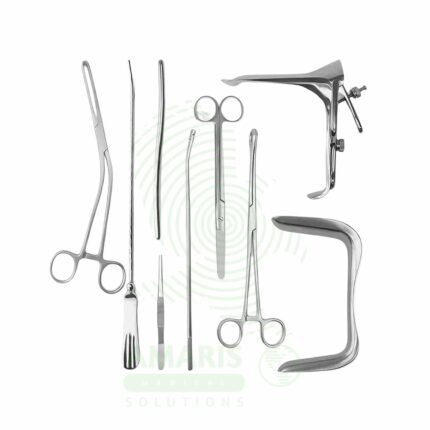
Gynecological Set
A Gynecological Set is a sterile instrument tray containing instruments for gynecologic examinations, diagnostic procedures, and minor surgical interventions. The set includes vaginal speculums, cervical biopsy forceps, endocervical curettes, tenaculum, uterine sound, and supporting instruments. Used in gynecology clinics, women's health centers, and office-based procedure suites, it supports routine examinations, cervical cancer screening, IUD services, and diagnostic sampling. Proper sterile technique and careful tissue handling are essential for safe and effective patient care.
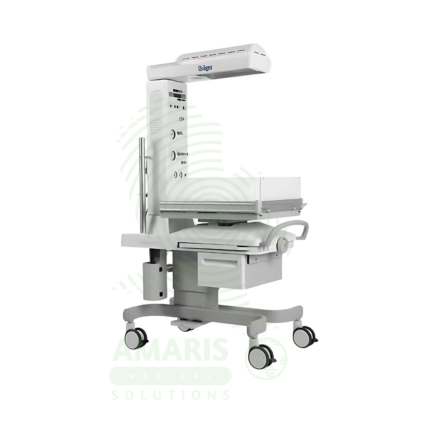
Infant radiant warmer (resuscitaire)
An Infant Radiant Warmer (Resuscitaire) is an open-bassinet, overhead radiant heating system designed for neonatal thermoregulation and resuscitation. It provides servo-controlled infrared warmth to maintain infant body temperature during the critical transition from intrauterine to extrauterine life. The integrated resuscitation platform features built-in oxygen and air sources, suction apparatus, cardiorespiratory monitoring, and storage for resuscitation equipment, ensuring all necessary tools are immediately accessible during newborn stabilization. Essential equipment for every delivery room and neonatal intensive care unit, the radiant warmer supports thermoregulation, resuscitation, and ongoing care while allowing unrestricted access to the infant. Proper temperature probe placement, pre-warming, and alarm response are critical for safe operation.
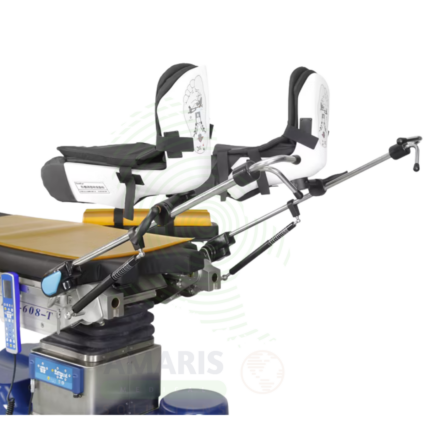
Multi-functional Stirrups
Multi-functional Stirrups are adjustable leg supports used for positioning patients in lithotomy position for gynecologic, urologic, obstetric, and colorectal procedures. Featuring adjustable height, abduction, and rotation, they provide customized positioning for patient comfort and optimal clinician access. Secure locking mechanisms, pressure-reducing padding, and compatibility with standard examination and operating tables make them essential accessories for women's health, urology, and colorectal surgery.
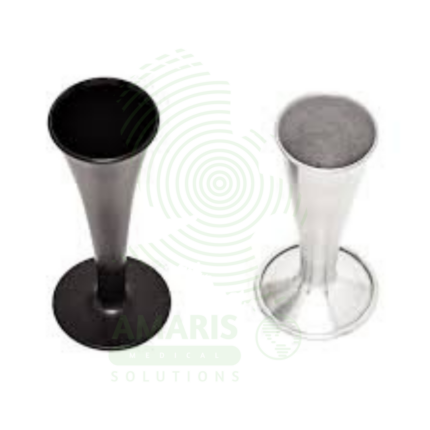
Pinnard Fetoscope (plastic/metal)
A Pinnard Fetoscope (Pinard horn) is a mechanical acoustic horn (150-200 mm length, 40-60 mm bell) for auscultation of fetal heart sounds through the maternal abdomen, available in traditional metal (stainless steel/chrome-plated, 150-300g, autoclavable, durable, requires warming) and modern plastic (medical-grade polymer, 30-80g, lightweight, unbreakable, economical, not autoclavable) versions. The flared bell collects fetal heart sounds, concentrating them through the tapered horn to the single earpiece for mechanical amplification (10-20 dB). Primary clinical applications include intermittent fetal heart rate monitoring during prenatal care and labor in low-risk pregnancies, confirming fetal viability, determining fetal presentation and position through point of maximal intensity, monitoring multiple gestations, and providing non-interventive fetal assessment in natural childbirth, home birth, and resource-limited settings. Class I medical device. Requires significant practitioner training and experience; reliable after 18-20 weeks gestation; limited by maternal obesity, anterior placenta, and ambient noise. Critical safety considerations include infection control (metal autoclavable, plastic chemical disinfection only), gentle abdominal pressure, maternal positioning, and recognition that Pinnard is not a replacement for electronic monitoring in high-risk pregnancies.