Dermatoscope and Magnifiers
 Diagnostic Kits
 Vital Signs Monitors
 Stethoscopes and Accessories
 Otoscopes, Ophthalmoscopes, and Retinoscopes
 Reflex Hammers and Neurological Tools
 Scales and Measuring Devices
 Spirometers and Pulmonary Function Tests
 Electrosurgical Units and Accessories
 Cutting Instruments
 Grasping and Holding Instruments
 Hemostatic Instruments
 Specialized Surgical Sets
 Single-Use Procedure Trays and Packs
 Surgical Drapes, Gowns, and Covers
 Tissue Unifying Instruments
 Radiation Protection
 X-Ray Machines and Accessories
 Ultrasound Systems and Probes
 MRI and CT Scanners
 Radiology Consumables
 Bone Densitometers
 Fluoroscopy Equipment
 Imaging Tables and Positioning Aids
 Microscopes and Accessories
 Centrifuges and Separators
 Analyzers
 Incubators and Ovens
 Pipettes, Dispensers, and Lab Glassware
 Refrigerators, Freezers, and Storage Units
 Lab Consumables
 Sterilizers and Autoclaves for Lab Use
 Multi-Parameter Monitors
 Ventilators and Respiratory Support Devices
 Defibrillators and AEDs
 Infusion Pumps and IV Systems
 Patient Warmers and Cooling Devices
 Central Monitoring Stations
 Accessories
 Anesthesia Machines and Workstations
 Oxygen Concentrators and Delivery Systems
 Nebulizers and Inhalers
 CPAP/BiPAP Machines
 Airway Management
 Anesthesia Masks, Circuits, and Bags
 Humidifiers and Heaters
 Respiratory Therapy Accessories
 First Aid Kits and Cabinets
 Emergency Resuscitation Equipment
 Trauma Supplies
 Emergency Carts and Crash Carts
 Burn Care Products
 Bleeding Control
 Automated External Defibrillators (AEDs)
 Transport and Evacuation
 Wheelchairs and Accessories
 Walkers, Crutches, and Canes
 Prosthetics and Orthotics
 Physical Therapy Equipment
 Transfer Devices
 Bathroom Safety
 Orthopedic Traction and Tables
 Hot/Cold Therapy Packs and Units
 Beds and Mattresses
 Chairs and Stools
 Tables
 Cabinets and Storage
 Privacy Screens & Curtains
 Stands and Racks
 Linens and Textiles
 Lighting
 Autoclaves and Sterilizers
 Ultrasonic Cleaners
 Disinfectant Solutions and Wipes
 Sterilization Pouches, Wraps, and Indicators
 Instrument Trays and Containers
 UV and Ozone Disinfection Devices
 Washer Disinfectors
 Wound Care
 Gloves
 Masks and Respirators
 Catheters and Tubing
 Swabs, Applicators, and Sponges
 Incontinence Products
 Personal Protective Equipment (PPE)
 Dental Chairs and Units
 Handpieces and Burs
 Instruments
 Consumables
 Sterilization for Dental Use
 Orthodontic Supplies
 Endodontic Tools
 Slit Lamps and Tonometers
 Lensometers and Phoropters
 Ophthalmic Surgical Instruments
 Eyewear Frames and Lenses
 Contact Lens Supplies
 Vision Testing Charts and Devices
 Eye Care Consumables
 Laser Systems for Eye Care
 ENT Exam Chairs and Tables
 Endoscopes
 Audiometers and Hearing Tests
 ENT Instruments
 Nasal and Throat Packs
 Hearing Aids and Accessories
 Otology Supplies
 Fetal Dopplers and Monitors
 Delivery Beds and Tables
 Gynecological Instruments
 Neonatal Incubators and Warmers
 Breast Pumps and Accessories
 Contraceptive Devices
 Maternity Supports and Pads
 Neonatal Consumables
 Cystoscopes and Urethroscopes
 Dialysis Machines and Supplies
 Urological Catheters and Bags
 Lithotripters
 Prostate Treatment Devices
 Urinary Incontinence Products
 Kidney Stone Management Tools
 Consumables & Disposables
 EEG and EMG Machines
 Neurosurgical Instruments
 Nerve Stimulators
 Headrests and Positioning Aids
 Lumbar Puncture Kits
 Seizure Monitoring Devices
 Consumables
 Rehabilitation for Neurological Conditions
 ECG Machines and Accessories
 Holter Monitors
 Stress Test Systems
 Pacemakers and Defibrillator Accessories
 Vascular Access Devices
 Cardiac Catheters and Guidewires
 Blood Flow Meters
 Consumables
 Orthopedic Instruments
 Casts, Splints, and Padding
 Joint Replacement Supplies
 Prosthetic Limbs and Components
 Bone Grafts and Substitutes
 Traction Devices
 Orthopedic Braces and Supports
 Rehabilitation Aids for Orthopedics
 Home Oxygen Therapy
 Hospital Beds for Home Use
 Mobility Aids
 Bathroom and Daily Living Aids
 Wound Care for Home
 Monitoring Devices
 Enteral Feeding Pumps and Tubes
 Hand Sanitizers and Dispensers
 Face Shields and Goggles
 Isolation Gowns and Suits
 Biohazard Waste Containers
 Air Purifiers and HEPA Filters
 Surface Disinfectants
 Sharps Containers
 Protective Barriers
 Cardiovascular & Endurance Training
 Strength Training & Weightlifting
 Functional Training & Core Conditioning
 Physical Therapy & Rehabilitation
 Sports & Outdoor Recreation
 Gym Flooring & Facility Equipment
 Fitness Monitoring & Accessories
 Kids & Novelties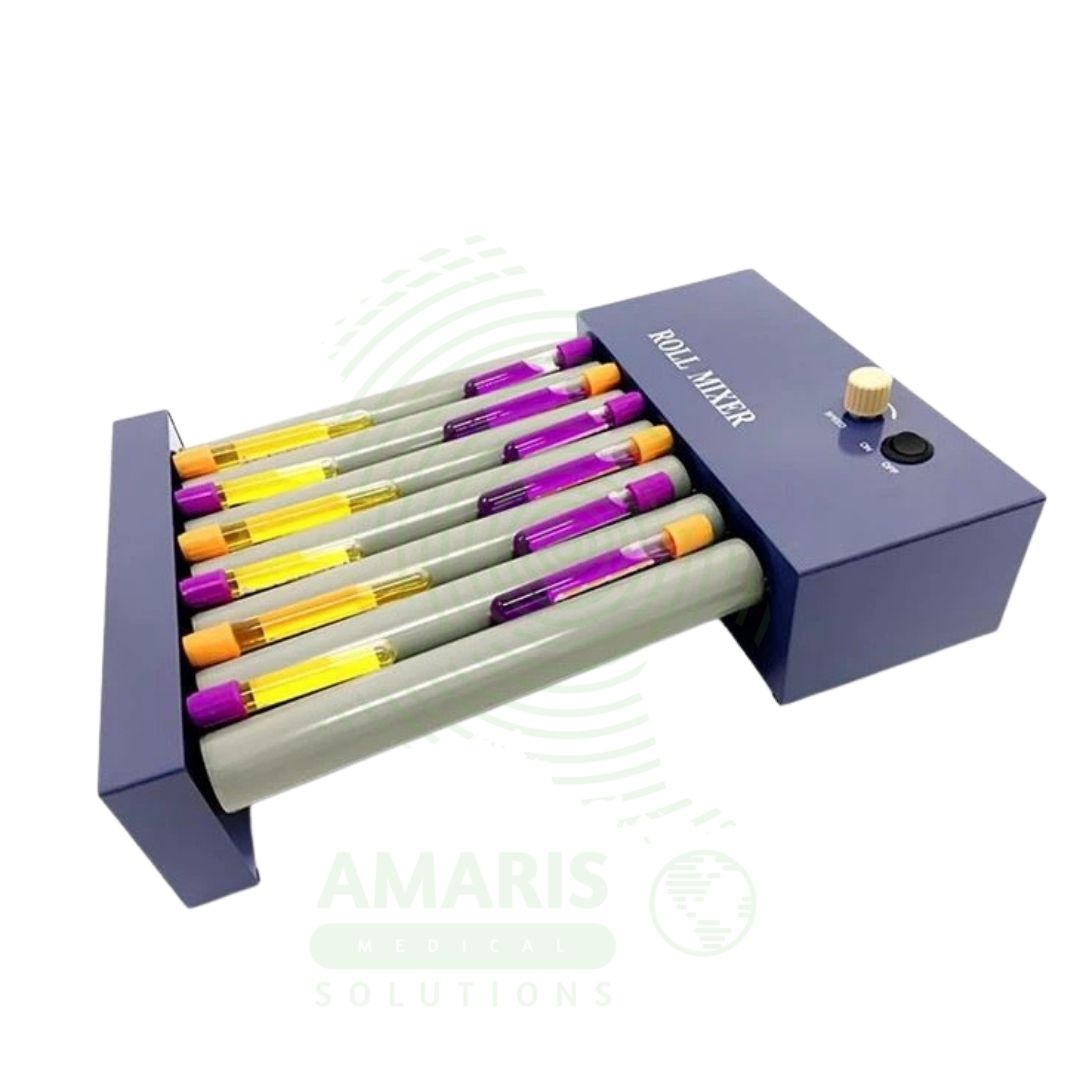
Roller Mixer
WhatsApp Order
A Roller Mixer is a laboratory instrument that provides continuous, gentle, end-over-end agitation of samples in tubes or bottles. Its primary clinical function is to prevent clotting in anticoagulated blood samples and to ensure consistent mixing for coagulation studies and immunoassays. Featuring adjustable speed and timer controls, it is designed for quiet, reliable, and continuous operation. Key to its safe and effective use is ensuring tubes are properly sealed, loading is balanced, and any spills are cleaned promptly to prevent contamination. It is a fundamental tool for maintaining pre-analytical sample integrity in clinical and research laboratories.
Description
Roller Mixer
PRIMARY CLINICAL & DIAGNOSTIC USES
1. Gentle Mixing of Blood Samples
-
Primary Use: Provides continuous, gentle agitation of whole blood samples to prevent clotting in collection tubes that contain anticoagulants, critical for maintaining the integrity of blood cells for hematological analysis and molecular testing.
-
How it helps: For the hematology laboratory scientist and phlebotomy team, the roller mixer ensures that blood samples arriving for Complete Blood Counts, flow cytometry, or molecular testing remain perfectly mixed—red cells uniformly suspended, white cells evenly distributed, platelets ready for accurate counting. For the patient whose anemia monitoring, infection evaluation, or cancer treatment depends on accurate blood counts, the roller mixer working behind the scenes ensures that the sample reaching the analyzer reflects the true composition of their circulating blood.
2. Coagulation Studies
-
Primary Use: Ensures consistent and gentle mixing of blood with anticoagulant in citrate tubes prior to centrifugation for coagulation tests, preventing platelet activation and clotting which would invalidate results.
-
How it helps: For the coagulation laboratory specialist, gentle roller mixing is essential for preserving the delicate balance of clotting factors and platelets—preventing the activation that would cause false results in PT/INR and aPTT testing. For the patient on warfarin whose daily dose depends on INR results, or the patient being evaluated for unexplained bleeding, proper mixing ensures that their coagulation results accurately reflect their clotting status, guiding treatment decisions with confidence.
3. Continuous Mixing of Reagents and Samples
-
Primary Use: In immunoassay and serology work, provides continuous, low-speed mixing of samples with reagents during incubation periods to enhance antigen-antibody binding in tests such as ELISA or chemiluminescence immunoassays.
-
How it helps: For the immunology and serology laboratory scientist, roller mixing during incubation ensures that every antibody meets every antigen, that binding reaches equilibrium, and that results are consistent and reproducible. For the patient whose infectious disease diagnosis, autoimmune disease monitoring, or hormone level assessment depends on immunoassay results, thorough mixing ensures that their test reflects true antibody-antigen interaction, not incomplete binding.
4. Cell Culture and Hybridoma Techniques
-
Primary Use: Provides gentle, continuous agitation for suspension cell cultures, hybridoma production, or for mixing cells during transfection procedures, promoting nutrient and gas exchange without damaging delicate cells.
-
How it helps: For the cell biologist and bioprocess technician, the roller mixer creates an environment where cells can thrive in suspension—gently tumbling to access nutrients and oxygen, exchanging gases, and dividing without the shear forces that would damage them. For future patients who will benefit from monoclonal antibodies, cell-based therapies, or recombinant proteins produced in these cultures, the roller mixer’s gentle agitation contributes to the efficient production of life-saving biologics.
SECONDARY & SUPPORTIVE USES
1. Staining Procedures: In histology and cytology laboratories, roller mixers provide gentle agitation for slides or tubes during staining protocols, ensuring even reagent coverage and consistent staining quality. For the pathologist interpreting tissue sections and the patient whose diagnosis depends on accurate pathology, uniform staining ensures that cellular details are clearly visible and diagnostic features are not missed.
2. Microbiology: For mixing broth cultures or samples during certain incubation steps, roller mixers provide gentle, continuous agitation that promotes microbial growth without disrupting sensitive organisms. For the microbiologist isolating pathogens and the patient whose infection diagnosis depends on culture results, consistent mixing ensures optimal growth conditions.
3. Protein and Nucleic Acid Blotting: During membrane blocking or antibody incubation steps in Western, Southern, or Northern blotting, roller mixers ensure even coverage of reagents across the entire membrane surface. For the researcher studying protein expression or gene expression, and for the future clinical applications of this research, even reagent distribution ensures that blots are interpretable and results are reproducible.
4. General Laboratory Mixing: For any application requiring continuous, low-shear blending of liquids—preparing standards, reconstituting lyophilized controls, or degassing solutions—the roller mixer provides reliable, hands-free agitation. For the laboratory technician preparing daily reagents and the quality assurance professional monitoring test performance, consistent mixing ensures that standards are uniform and controls are reliable.
KEY PRODUCT FEATURES
1. BASIC IDENTIFICATION ATTRIBUTES
-
Device Type: A motorized device that rotates samples around a horizontal axis using rollers, providing continuous, gentle, end-over-end mixing.
-
Designation: Also known as a tube roller, blood tube mixer, or rotator.
-
Core Components:
-
Roller Assembly: A set of parallel, rotating rollers (typically 4 to 20) that grip and rotate tubes. Rollers are often made of soft silicone or rubber to provide grip without excessive pressure.
-
Motor and Drive System: Provides quiet, consistent rotation.
-
Speed Control: Adjustable rotation speed, typically in rotations per minute (RPM).
-
Timer: Often includes a digital timer to set mixing duration from minutes to hours, or continuous operation.
-
Tilt Angle (on some models): The entire roller assembly can be tilted to optimize mixing for different tube sizes or volumes.
-
-
Common Configurations:
-
Benchtop Roller Mixers: Compact units for routine lab use.
-
Microtube Roller Mixers: Designed for small tubes (e.g., 0.5mL, 1.5mL, 2.0mL microcentrifuge tubes).
-
Bottle/Rack Rollers: Larger units capable of holding bottles, flasks, or tube racks.
-
2. TECHNICAL & PERFORMANCE PROPERTIES
-
Speed Range: Typically adjustable from 5 to 100 RPM, allowing for very gentle to moderate agitation.
-
Roller Capacity and Spacing: Determines the number and diameter of tubes that can be accommodated (e.g., 10-16mm rollers for standard blood collection tubes).
-
Torque: Must provide enough power to rotate a full load of tubes without stalling.
-
Noise Level: Important for laboratory environments; modern mixers are very quiet.
3. PHYSICAL & OPERATIONAL PROPERTIES
-
Footprint: Compact benchtop design.
-
Durability: Designed for continuous, long-term operation.
4. SAFETY & COMPLIANCE ATTRIBUTES
-
Regulatory Status: Generally considered a Class I laboratory instrument.
-
Electrical Safety: Should comply with laboratory equipment safety standards.
-
Stability: Must have a non-slip base to prevent "walking" during operation.
5. STORAGE & HANDLING ATTRIBUTES
-
Storage: Store in a clean, dry location on the benchtop or in a cabinet.
-
Cleaning: Wipe down the external surfaces and rollers regularly with a damp cloth and mild disinfectant. Ensure no liquid enters the motor housing.
-
Loading: Ensure tubes are securely placed between the rollers. Do not overload or force tubes that are too large, as this can strain the motor or damage the rollers.
6. LABORATORY & CLINICAL APPLICATIONS
-
Primary Application: An essential piece of equipment in clinical hematology, coagulation, blood bank, and immunology/serology laboratories. Also a staple in research laboratories for cell culture and biochemistry.
-
Clinical Role: Ensures pre-analytical sample integrity for critical tests by providing standardized, gentle mixing, which is a key quality control step to prevent erroneous results due to clotting or uneven reagent interaction.
SAFETY HANDLING PRECAUTIONS
1. SAFETY PRECAUTIONS
-
Secure Lid/Cap: Ensure all sample tubes have secure caps or stoppers before placing them on the mixer to prevent leakage and contamination.
-
Balanced Loading: Distribute tubes evenly across the rollers to ensure smooth operation and prevent excessive wear on one side of the motor.
-
Avoid Overloading: Do not exceed the manufacturer's stated capacity for tube size or number.
-
Biohazard Awareness: If mixing potentially infectious samples, ensure the integrity of the primary container. Clean any spills immediately according to biohazard protocols.
-
Electrical Safety: Keep away from water or excessive moisture. Unplug for cleaning.
2. FIRST AID MEASURES
-
Sample Leakage/Spill: Stop the mixer. Wearing appropriate PPE (gloves, lab coat), remove the contaminated tube. Decontaminate the affected rollers and area according to laboratory spill protocol for the material involved (e.g., bleach for blood).
-
Mechanical Malfunction: If the mixer smokes, sparks, or makes grinding noises, unplug it immediately and remove it from service for inspection.
3. FIRE FIGHTING MEASURES
-
Flammability: Plastic and electrical components are combustible.
-
Extinguishing Media: For an electrical fire, unplug and use a CO2 extinguisher.
Related products
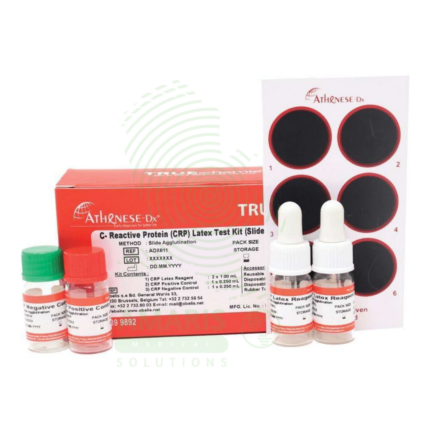
CRP Test Kit
CRP Test Kit (C-Reactive Protein) is a quantitative or semi-quantitative immunoassay (latex agglutination, turbidimetry, nephelometry, ELISA, or rapid immunochromatographic) for detecting C-reactive protein in blood, an acute-phase reactant produced in response to inflammation. Rapid rise within 6-12 hours, peaks at 24-48 hours, half-life 19 hours. Normal <5-10 mg/L; mild elevation 10-100 mg/L (viral infections, autoimmune flares); moderate 100-200 mg/L (bacterial infections); marked >200 mg/L (sepsis, major trauma). High-sensitivity CRP (hs-CRP) detects 0.1-10 mg/L for cardiovascular risk stratification (<1 mg/L low risk, 1-3 mg/L moderate, >3 mg/L high). Primary clinical applications include detection and monitoring of inflammation, diagnosis and management of infections (differentiating bacterial from viral), assessment of autoimmune disease activity, post-surgical monitoring for complications, cardiovascular risk screening (hs-CRP), monitoring rheumatic fever and inflammatory conditions, and neonatal sepsis evaluation. Critical safety precautions include proper sample handling (universal precautions), quality control verification, awareness of non-specific elevation, prozone phenomenon in very high concentrations, and clinical correlation for interpretation. Essential test for evaluating inflammation across all medical specialties.
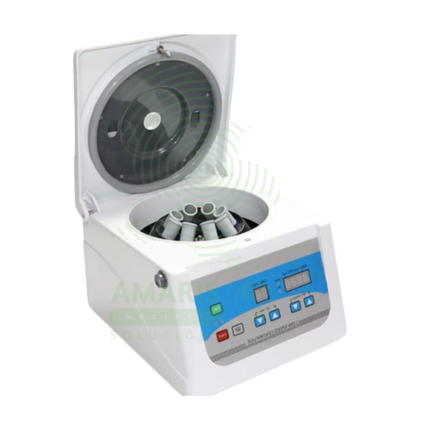
Electric Centrifuge
An Electric Centrifuge is a Class I medical device that uses rapid rotation to separate fluids of different densities, essential in clinical laboratories for processing blood, urine, and other biological specimens. Available in benchtop, refrigerated, microcentrifuge, hematocrit, and high-speed models with fixed-angle, swinging-bucket, or vertical rotors. Speed range 1,000-30,000+ RPM with RCF up to 65,000+ x g. Features include brushless induction motor, digital controls, imbalance detection, lid lock safety, and programmable protocols. Primary clinical applications include separation of serum/plasma for chemistry and hematology testing, urine sediment analysis for microscopy, platelet-rich plasma (PRP) preparation for regenerative medicine, concentration of bacteria for microbiology, cytology fluid analysis, blood banking, and molecular biology sample processing. Critical safety precautions include proper balancing of loads (weight matching), use of sealed rotors for biohazardous samples, regular rotor inspection for corrosion or cracks, never exceeding maximum rated speed, and never opening lid during operation. Essential equipment in clinical, research, and teaching laboratories.
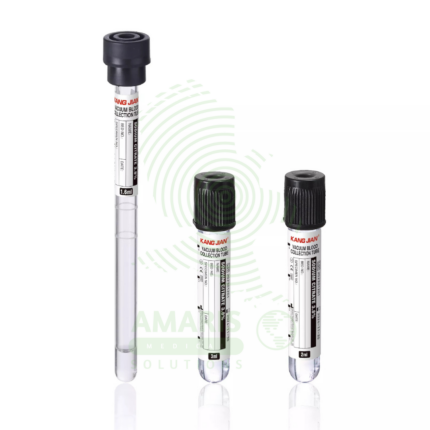
ESR Tubes Glass
ESR Tubes Glass are specialized glass tubes (300 mm length, 2.55 mm bore diameter, graduated 0-200 mm in 1 mm intervals) meeting ICSH and CLSI Westergren specifications for measuring erythrocyte sedimentation rate, a non-specific marker of inflammation. Used with citrated or diluted EDTA blood, filled to exactly 200 mm, placed vertically in Westergren stand, and read at 60 minutes. Primary clinical applications include determination of ESR for diagnosing and monitoring inflammatory conditions (infections, autoimmune disorders, malignancies), monitoring disease activity in rheumatoid arthritis, assessment of temporal arteritis and polymyalgia rheumatica, evaluation of infection and inflammatory response, screening for occult inflammatory conditions, and monitoring chronic inflammatory diseases (SLE, IBD, vasculitis). Critical safety precautions include handling glass tubes carefully to avoid breakage (sharps hazard), proper disposal in sharps containers as biohazardous waste, ensuring vertical alignment and constant temperature (18-25°C), reading at exactly 60 minutes, and avoiding air bubbles and vibration. Essential consumable for reference Westergren ESR testing in clinical laboratories.
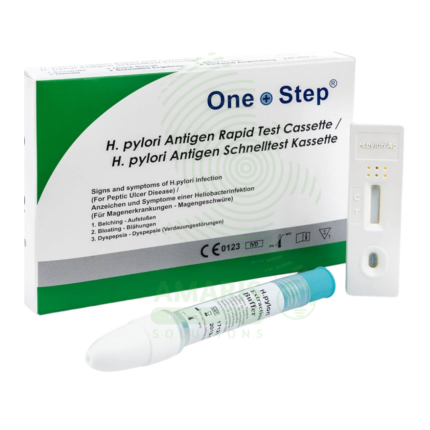
H.pylori test kits (Antigen)
H.pylori test kits (Antigen) are Class II medical devices (FDA-cleared/CE-marked) for rapid immunochromatographic or enzyme immunoassay detection of Helicobacter pylori antigens in stool specimens, enabling non-invasive diagnosis of active infection and post-treatment eradication confirmation. Test principles use monoclonal or polyclonal antibodies specific to H. pylori antigens, producing visible results in 10-20 minutes (rapid tests) or 1-2 hours (EIA). Sensitivity 90-98%, specificity 92-99% compared to gold standard methods. Primary clinical applications include rapid diagnosis of H. pylori infection in patients with dyspepsia, initial screening in uncomplicated dyspepsia (test-and-treat strategy), confirmation of active infection before therapy, post-treatment eradication confirmation (4-6 weeks after therapy), pediatric testing (preferred non-invasive method), screening in high-risk populations (family history of gastric cancer), and monitoring in patients with peptic ulcer disease or MALT lymphoma. Critical safety precautions include mandatory washout period (4 weeks off antibiotics, 2 weeks off PPIs) to avoid false negatives, proper specimen handling (universal precautions), refrigerated storage of kits (2-30°C), quality control verification, and disposal as biohazardous waste. Essential non-invasive tool for H. pylori management in gastroenterology and primary care.
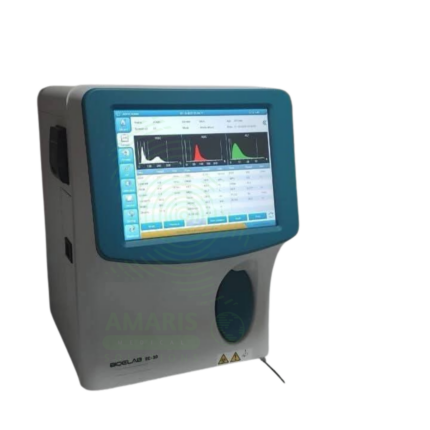
Hematology Analyzer
A Hematology Analyzer is a compact, automated benchtop analyzer designed to perform Complete Blood Counts (CBC) with a 3-part white blood cell differential. Utilizing impedance and photometric methods, it delivers rapid, precise results for red blood cells, white blood cells, platelets, and key indices from a small blood sample. Ideal for physician offices, small clinics, and satellite laboratories, it enables in-house hematology testing with walk-away operation. Its automated flagging system highlights abnormal results that require further manual smear review. As a core instrument for initial hematological screening, it combines efficiency with essential diagnostic capability for routine patient management.
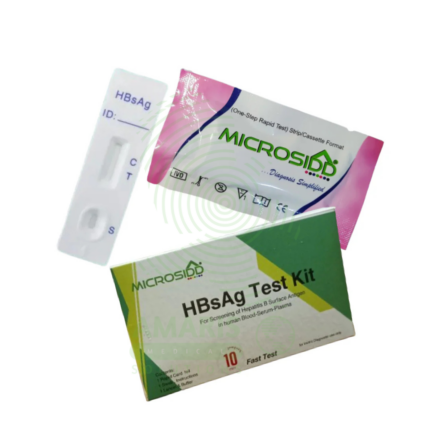
Hepatitis B Test Kit
The Hepatitis B Test Kit is an in vitro diagnostic device for the detection of Hepatitis B virus markers in human blood samples, available in rapid, ELISA, and molecular formats. It detects specific antigens (HBsAg) and antibodies (anti-HBc, anti-HBs) to diagnose acute and chronic infection, monitor treatment response, screen blood donations, and determine immunity status. With high sensitivity (>98%) and specificity (>99%), it provides results in 15 minutes to 4 hours depending on format. Essential applications include prenatal screening to prevent mother-to-child transmission, evaluation of acute hepatitis, pre-immunosuppression screening, and occupational health testing. All patient samples must be handled with universal precautions, and testing must include appropriate quality controls.
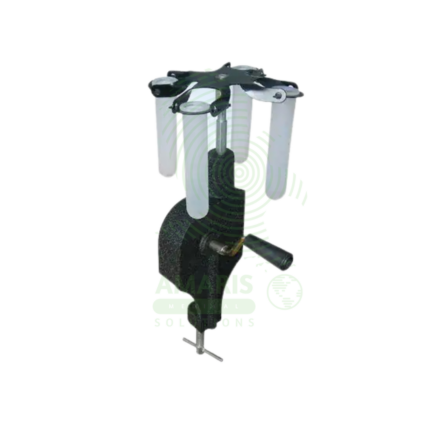
Manual Centrifuge
A Manual Centrifuge (hand-powered) is a non-electric mechanical device for separating fluids based on density, designed for use in field clinics, remote health posts, and developing world settings where electricity is unavailable or unreliable. Operated by hand crank, pull-cord, or foot pedal, achieving speeds of 1,000-4,000 RPM and RCF up to 1,500 x g. Accepts standard blood collection tubes (2-5 mL), microhematocrit tubes, and small centrifuge tubes. Primary clinical applications include separation of serum/plasma for basic diagnostic testing, urine sediment concentration for microscopy, microhematocrit determination for anemia screening, concentration of parasites for malaria and other vector-borne disease diagnosis, field epidemiology and outbreak investigation, veterinary medicine in rural settings, and teaching in resource-limited institutions. Critical safety precautions include meticulous balancing of tubes by weight (absolutely essential), never exceeding maximum rated speed, using appropriate PPE (no aerosol containment), regular inspection of gears and rotor for wear, and proper training of operators. Essential equipment for basic laboratory capabilities in low-resource and field settings.