Dermatoscope and Magnifiers
 Diagnostic Kits
 Vital Signs Monitors
 Stethoscopes and Accessories
 Otoscopes, Ophthalmoscopes, and Retinoscopes
 Reflex Hammers and Neurological Tools
 Scales and Measuring Devices
 Spirometers and Pulmonary Function Tests
 Electrosurgical Units and Accessories
 Cutting Instruments
 Grasping and Holding Instruments
 Hemostatic Instruments
 Specialized Surgical Sets
 Single-Use Procedure Trays and Packs
 Surgical Drapes, Gowns, and Covers
 Tissue Unifying Instruments
 Radiation Protection
 X-Ray Machines and Accessories
 Ultrasound Systems and Probes
 MRI and CT Scanners
 Radiology Consumables
 Bone Densitometers
 Fluoroscopy Equipment
 Imaging Tables and Positioning Aids
 Microscopes and Accessories
 Centrifuges and Separators
 Analyzers
 Incubators and Ovens
 Pipettes, Dispensers, and Lab Glassware
 Refrigerators, Freezers, and Storage Units
 Lab Consumables
 Sterilizers and Autoclaves for Lab Use
 Multi-Parameter Monitors
 Ventilators and Respiratory Support Devices
 Defibrillators and AEDs
 Infusion Pumps and IV Systems
 Patient Warmers and Cooling Devices
 Central Monitoring Stations
 Accessories
 Anesthesia Machines and Workstations
 Oxygen Concentrators and Delivery Systems
 Nebulizers and Inhalers
 CPAP/BiPAP Machines
 Airway Management
 Anesthesia Masks, Circuits, and Bags
 Humidifiers and Heaters
 Respiratory Therapy Accessories
 First Aid Kits and Cabinets
 Emergency Resuscitation Equipment
 Trauma Supplies
 Emergency Carts and Crash Carts
 Burn Care Products
 Bleeding Control
 Automated External Defibrillators (AEDs)
 Transport and Evacuation
 Wheelchairs and Accessories
 Walkers, Crutches, and Canes
 Prosthetics and Orthotics
 Physical Therapy Equipment
 Transfer Devices
 Bathroom Safety
 Orthopedic Traction and Tables
 Hot/Cold Therapy Packs and Units
 Beds and Mattresses
 Chairs and Stools
 Tables
 Cabinets and Storage
 Privacy Screens & Curtains
 Stands and Racks
 Linens and Textiles
 Lighting
 Autoclaves and Sterilizers
 Ultrasonic Cleaners
 Disinfectant Solutions and Wipes
 Sterilization Pouches, Wraps, and Indicators
 Instrument Trays and Containers
 UV and Ozone Disinfection Devices
 Washer Disinfectors
 Wound Care
 Gloves
 Masks and Respirators
 Catheters and Tubing
 Swabs, Applicators, and Sponges
 Incontinence Products
 Personal Protective Equipment (PPE)
 Dental Chairs and Units
 Handpieces and Burs
 Instruments
 Consumables
 Sterilization for Dental Use
 Orthodontic Supplies
 Endodontic Tools
 Slit Lamps and Tonometers
 Lensometers and Phoropters
 Ophthalmic Surgical Instruments
 Eyewear Frames and Lenses
 Contact Lens Supplies
 Vision Testing Charts and Devices
 Eye Care Consumables
 Laser Systems for Eye Care
 ENT Exam Chairs and Tables
 Endoscopes
 Audiometers and Hearing Tests
 ENT Instruments
 Nasal and Throat Packs
 Hearing Aids and Accessories
 Otology Supplies
 Fetal Dopplers and Monitors
 Delivery Beds and Tables
 Gynecological Instruments
 Neonatal Incubators and Warmers
 Breast Pumps and Accessories
 Contraceptive Devices
 Maternity Supports and Pads
 Neonatal Consumables
 Cystoscopes and Urethroscopes
 Dialysis Machines and Supplies
 Urological Catheters and Bags
 Lithotripters
 Prostate Treatment Devices
 Urinary Incontinence Products
 Kidney Stone Management Tools
 Consumables & Disposables
 EEG and EMG Machines
 Neurosurgical Instruments
 Nerve Stimulators
 Headrests and Positioning Aids
 Lumbar Puncture Kits
 Seizure Monitoring Devices
 Consumables
 Rehabilitation for Neurological Conditions
 ECG Machines and Accessories
 Holter Monitors
 Stress Test Systems
 Pacemakers and Defibrillator Accessories
 Vascular Access Devices
 Cardiac Catheters and Guidewires
 Blood Flow Meters
 Consumables
 Orthopedic Instruments
 Casts, Splints, and Padding
 Joint Replacement Supplies
 Prosthetic Limbs and Components
 Bone Grafts and Substitutes
 Traction Devices
 Orthopedic Braces and Supports
 Rehabilitation Aids for Orthopedics
 Home Oxygen Therapy
 Hospital Beds for Home Use
 Mobility Aids
 Bathroom and Daily Living Aids
 Wound Care for Home
 Monitoring Devices
 Enteral Feeding Pumps and Tubes
 Hand Sanitizers and Dispensers
 Face Shields and Goggles
 Isolation Gowns and Suits
 Biohazard Waste Containers
 Air Purifiers and HEPA Filters
 Surface Disinfectants
 Sharps Containers
 Protective Barriers
 Cardiovascular & Endurance Training
 Strength Training & Weightlifting
 Functional Training & Core Conditioning
 Physical Therapy & Rehabilitation
 Sports & Outdoor Recreation
 Gym Flooring & Facility Equipment
 Fitness Monitoring & Accessories
 Kids & Novelties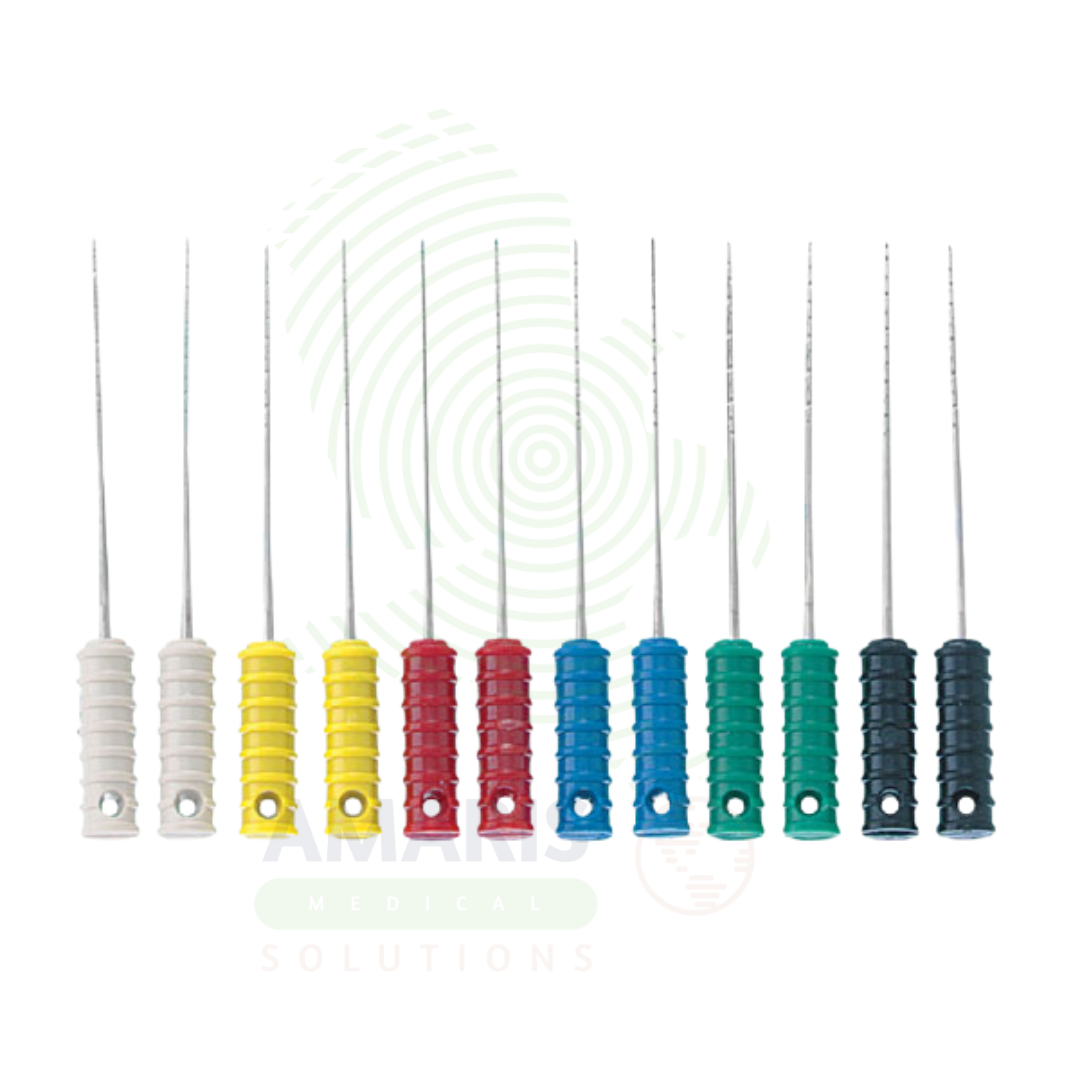
Endodontic Files, Broaches, & Points
$1.00
WhatsApp Order
Endodontic Files, Broaches, & Points are the essential single-use instruments and materials for root canal therapy. Files (hand and rotary) clean and shape the intricate root canal system, while broaches remove pulp tissue. Gutta-percha points are then used with sealer to permanently obturate (fill) the canal, sealing it against infection. Made from stainless steel or flexible Nickel-Titanium, their use demands precision to avoid complications like instrument separation or canal perforation. Mandatory single-use and disposal, along with strict adherence to aseptic technique under rubber dam isolation, are fundamental to safe and effective endodontic treatment.
Description
Endodontic Files, Broaches, & Points
PRIMARY CLINICAL & DIAGNOSTIC USES
1. Cleaning and Shaping of Root Canals
-
Primary Use: Mechanically debrides, enlarges, and shapes the root canal system during root canal therapy, using files in a precise sequence to remove infected pulp tissue, bacteria, and dentin debris, creating a tapered, smooth channel for obturation.
-
How it helps: For the endodontist and general dentist, the systematic use of files transforms a complex, contaminated canal into a clean, predictable space that can be sealed effectively. For the patient, this means thorough debridement of infected tissue and a properly shaped canal that supports long-term treatment success.
2. Removal of Pulp Tissue (Pulpectomy)
-
Primary Use: Barbed broaches are specifically designed to engage and remove the soft, intact pulp tissue from the canal in vital pulp extirpation procedures.
-
How it helps: For the clinician, barbed broaches provide an efficient means of removing bulk pulp tissue before shaping—reducing the organic load that must be managed during canal preparation. For the patient, this allows for more complete removal of inflamed or necrotic pulp tissue, contributing to successful outcomes.
3. Obturation (Filling) of Root Canals
-
Primary Use: Gutta-percha points, used in conjunction with a sealer, are the standard material for permanently filling and sealing the cleaned and shaped root canal space in three dimensions, preventing re-infection.
-
How it helps: For the endodontist, gutta-percha points provide a biocompatible, dimensionally stable, and easily manipulated material for achieving a fluid-tight seal. For the patient, a well-obturated canal prevents bacterial ingress and ensures the long-term success of the root canal treatment.
4. Patency and Canal Exploration
-
Primary Use: Small hand files are used initially to establish patency, determine canal length, and explore canal anatomy, including locating additional canals.
-
How it helps: For the clinician, small files allow for safe exploration of the canal system, identifying anatomical complexities and ensuring that all canals are located and treated. For the patient, this thorough exploration ensures that no canals are missed, reducing the risk of persistent infection and treatment failure.
5. Disinfection and Delivery of Irrigants
-
Primary Use: While not delivering irrigants themselves, the mechanical action of files and the space they create allow irrigating solutions to circulate and disinfect the entire canal system.
-
How it helps: For the endodontist, proper canal shaping facilitates effective irrigation—allowing disinfectants to reach the apical third and lateral canals. For the patient, this ensures that microorganisms are eliminated, promoting healing and preventing post-treatment infection.
6. Sequential Instrumentation for Apical Preparation
-
Primary Use: Files are used in a progressive sequence to achieve the desired apical size and taper, ensuring adequate cleaning of the apical third while maintaining the integrity of the apical constriction.
-
How it helps: For the clinician, sequential instrumentation provides controlled, predictable enlargement of the apical portion of the canal. For the patient, this contributes to complete debridement of the apical region—the area most commonly associated with endodontic failure.
7. Rotary Nickel-Titanium Instrumentation
-
Primary Use: Rotary nickel-titanium files offer enhanced flexibility, cutting efficiency, and shape memory, allowing for faster, more predictable canal preparation with reduced risk of transportation or ledging.
-
How it helps: For the endodontist, rotary systems improve efficiency and reduce operator fatigue while maintaining canal anatomy. For the patient, this means shorter treatment times and canals that are prepared with greater precision.
8. Hand File Tactile Feedback
-
Primary Use: Stainless steel hand files provide superior tactile feedback, allowing the clinician to feel canal anatomy, detect calcifications, and navigate complex curvatures.
-
How it helps: For the clinician, hand files offer unmatched sensory feedback for negotiating difficult anatomy and verifying canal smoothness. For the patient, this enhances safety by allowing the clinician to detect subtle anatomical variations that could otherwise lead to procedural errors.
9. Barbed Broach Design for Tissue Entrapment
-
Primary Use: The barbs on broaches are designed to engage and entrap pulp tissue for removal, providing efficient extirpation of vital pulp tissue.
-
How it helps: For the clinician, barbed broaches provide an effective means of removing bulk tissue before shaping—reducing the organic load that must be managed during instrumentation. For the patient, this contributes to more thorough debridement of the canal system.
10. Gutta-Percha Point Sizing and Taper
-
Primary Use: Gutta-percha points are manufactured in sizes and tapers that correspond to the final prepared canal shape, allowing for optimal fit and seal.
-
How it helps: For the endodontist, matched-taper gutta-percha points ensure that the obturation material precisely fits the prepared canal space. For the patient, this contributes to a dense, homogeneous fill that effectively seals the canal.
11. Standardization of Instrumentation Systems
-
Primary Use: Endodontic files are manufactured to ISO standards with consistent tip diameters, tapers, and length markings, allowing for predictable, reproducible instrumentation sequences.
-
How it helps: For the clinician, standardized instruments allow for reliable, evidence-based instrumentation protocols. For the patient, this ensures consistent quality of care across different providers and treatment scenarios.
12. Color-Coded Handles for Size Identification
-
Primary Use: Files feature color-coded handles corresponding to ISO size standards, allowing for rapid identification during instrumentation sequences.
-
How it helps: For the clinician, color coding streamlines instrument selection and reduces the risk of size errors. For the patient, this contributes to efficient, accurate treatment.
SECONDARY & SUPPORTIVE USES
1. Retreatment of Failed Root Canals: Specialized retreatment files are used to remove old gutta-percha and sealer from a canal during non-surgical endodontic retreatment. For the endodontist, these instruments provide efficient removal of existing obturation materials; for the patient, this offers the opportunity to save a tooth that would otherwise be extracted.
2. Removal of Separated Instruments: Specialized systems and files are used to remove fragments of instruments that have broken inside a root canal. For the clinician, these techniques provide options for managing this procedural complication; for the patient, this allows for completion of root canal treatment without surgical intervention.
3. Creating Post Space: After obturation, some gutta-percha is removed with heated instruments or rotary files to create space for a post that will support a core and crown. For the restorative dentist, this creates a foundation for crown fabrication; for the patient, this enables the tooth to be restored and retained as a functional unit.
4. Surgical Endodontics: In root-end surgery, ultrasonic retrotips are used to prepare a small cavity at the root tip for a retrograde filling. For the endodontist, these instruments allow for precise preparation of the root end; for the patient, this offers a surgical option for treating teeth with persistent apical periodontitis.
5. Canal Location and Orifice Enlargement: Larger files are used to locate canal orifices and enlarge the coronal portion of the canal to improve access and visibility. For the clinician, this facilitates subsequent instrumentation; for the patient, this contributes to more efficient treatment.
6. Removal of Calcific Deposits: Small, stiff files are used to penetrate and remove calcific deposits that obstruct canal orifices. For the endodontist, this allows for treatment of calcified canals; for the patient, this enables root canal treatment on teeth that might otherwise be deemed non-restorable.
7. Root Canal Length Determination: Files with rubber stops are used with radiographs or electronic apex locators to determine working length. For the clinician, this establishes the correct instrumentation endpoint; for the patient, this ensures that cleaning and shaping are confined to the canal space, preserving apical tissues.
8. Master Cone Fit Verification: The final gutta-percha point is radiographed to verify its fit before obturation. For the endodontist, this confirms that the selected point matches the prepared canal; for the patient, this ensures optimal fit and seal of the final obturation.
KEY PRODUCT FEATURES
1. BASIC IDENTIFICATION ATTRIBUTES
-
Type: A collection of fine, disposable metal instruments and filling materials used in root canal treatment.
-
Designation: Endodontic Instruments and Obturation Materials.
-
Common Variants:
-
Files (for cleaning/shaping):
-
Hand Files: K-files (tight spirals for cutting), Hedstrom files (aggressive cutting, pull stroke), K-Flexofiles (flexible).
-
Rotary Files: Engine-driven NiTi (Nickel-Titanium) files (e.g., ProTaper, WaveOne, Reciproc). Designed for continuous or reciprocating rotation in a slow-speed handpiece.
-
Profile/Design: Varies by taper (conicity) and tip size (ISO standardized from 08 to 140).
-
-
Broaches: Barbed Broaches (smooth shaft with sharp, angled barbs for removing pulp).
-
Points (for filling):
-
Gutta-Percha Points: Standardized (matching file sizes) or non-standardized cones of gutta-percha (a natural polymer).
-
Paper Points: Absorbent paper cones used to dry the canal before obturation.
-
Master Point: The primary gutta-percha point that fits the prepared canal.
-
Accessory Points: Smaller points used to fill lateral spaces.
-
-
2. TECHNICAL & PERFORMANCE PROPERTIES
-
Material:
-
Files/Broaches: Traditionally stainless steel. Modern rotary files are made of superelastic Nickel-Titanium (NiTi) alloy, which allows them to flex and follow curved canals without ledging or transporting.
-
Gutta-Percha: A biocompatible, thermoplastic polymer derived from trees, often combined with zinc oxide and other fillers.
-
-
Design Features:
-
Flutes: The cutting edges/spirals along the file.
-
Pitch: Distance between flutes.
-
Helical Angle: Angle of the flutes.
-
Core Diameter and Taper: Determines stiffness and cutting efficiency.
-
-
Sterility: All items are supplied sterile and are for single-use only.
3. PHYSICAL & OPERATIONAL PROPERTIES
-
Handles: Hand files have color-coded plastic handles (ISO color code) for quick size identification. Rotary files attach to a specific motor handpiece.
-
Flexibility: Critical for navigating curved canals. NiTi files are far more flexible than stainless steel.
-
Fragility: Endodontic files, especially fine sizes and NiTi rotaries, are fragile and can separate (break) if stressed beyond their elastic limit (e.g., over-torqued, used in dry canal, or reused).
4. SAFETY & COMPLIANCE ATTRIBUTES
-
Regulatory Status: Class II medical devices (critical devices entering sterile body space).
-
Single-Use Mandate: Must not be resterilized or reused. Reuse compromises sterility and significantly increases the risk of instrument fracture due to metal fatigue.
-
Sharps: All are considered sharps and must be disposed of in a puncture-resistant sharps container.
5. STORAGE & HANDLING ATTRIBUTES
-
Storage: Keep in original, sterile packaging until ready for use.
-
Disposal: Discard all files, broaches, and unused points that have entered the operative field as clinical sharps waste.
-
Shelf Life: Sterility is date-dependent.
6. LABORATORY & CLINICAL APPLICATIONS
-
Primary Application: The core instrument set and materials used in every root canal procedure performed by endodontists and general dentists.
-
Technique-Sensitive: Requires extensive training and skill to use correctly and safely.
SAFETY HANDLING PRECAUTIONS
1. SAFETY PRECAUTIONS
-
Instrument Separation (File Breakage): The most significant mechanical complication. Prevention: Use new, single-use files. Do not force or over-rotate files, especially in narrow or curved canals. Use copious irrigation. Use a glide path with small hand files before using rotary files.
-
Canal Perforation or Ledging: Caused by incorrect file manipulation. Use pre-operative radiographs to understand anatomy, use files with stops, and maintain canal patency with small files.
-
Extrusion of Debris or Material: Avoid pushing debris or filling material (gutta-percha, sealer) beyond the root apex, which can cause post-operative inflammation or pain. Accurate working length determination is essential.
-
Aerosol and Splatter: Use rubber dam isolation (mandatory) to protect the airway and control irrigants.
-
Needlestick with Barbed Broach: Handle with extreme care; the barbs are very sharp.
2. FIRST AID MEASURES
-
Instrument Separation: If a file breaks, remain calm. Inform the patient. Attempt to bypass or retrieve the fragment if possible. If not, the case may require referral to an endodontist or surgical intervention. The prognosis depends on location and remaining cleanliness.
-
Perforation: Identify and seal immediately with an appropriate material (e.g., MTA). Prognosis depends on size and location.
-
Needlestick Injury: Follow standard sharps injury protocol.
3. FIRE FIGHTING MEASURES
-
Flammability: Plastic handles and packaging are combustible.
-
Extinguishing Media: Use water, foam, or CO₂.
Related products

Chlorhexidine Mouthwash
Chlorhexidine Mouthwash is a potent, substantive antimicrobial oral rinse containing chlorhexidine gluconate (typically 0.12% or 0.2%). It is the gold-standard chemical agent for controlling plaque biofilm and gingival inflammation, prescribed for short-term therapeutic use following oral surgery, in the treatment of periodontitis, for patients with physical limitations, and in ICU protocols to prevent pneumonia. Its key property is substantivity—binding to oral tissues for prolonged effect. Major precautions include avoiding use immediately after toothpaste, limiting duration to prevent tooth staining, and never swallowing the solution.
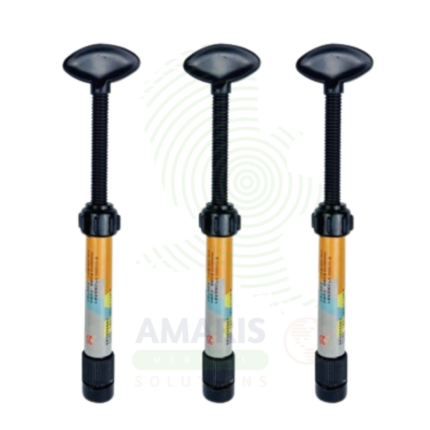
Composite Filling Materials
Composite Filling Materials are tooth-colored, light-cured resin-based materials used for direct dental restorations. They are the standard of care for treating cavities, repairing fractures, and performing cosmetic enhancements due to their excellent aesthetics, adhesive properties, and durability. Available in various viscosities and formulations (hybrid, nano, bulk-fill), their successful use is highly technique-sensitive, requiring impeccable moisture control, strict adherence to adhesive bonding protocols, and proper incremental placement and curing. They have largely replaced dental amalgam for most applications, offering a strong, durable, and esthetic solution that conserves tooth structure.
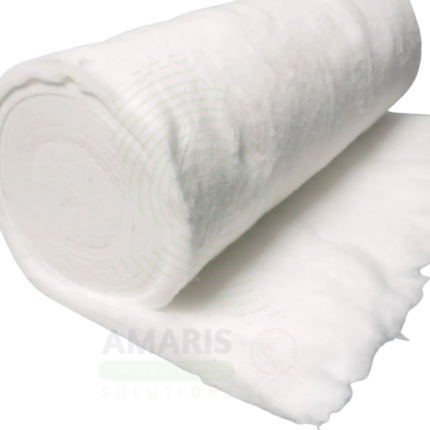
Cotton Rolls
Cotton Rolls are sterile or non-sterile, single-use cylinders of 100% purified, highly absorbent cotton, most commonly used in dentistry for moisture control and oral isolation. Placed in the buccal vestibule or sublingually, they absorb saliva and blood, creating a dry operative field essential for adhesive restorations, impressions, and minor surgical procedures. Standard dimensions are 1.5 inches in length and 0.5 inches in diameter, with jumbo, pediatric, tapered, and banded variants available. Critical performance properties include high absorbency (20-25x fluid weight), wet strength, and low-linting. Sterile rolls are required for surgical procedures contacting open wounds. Strict single-use protocol and careful count/retrieval are mandatory to prevent aspiration hazards. An indispensable, high-volume consumable in dental practice.
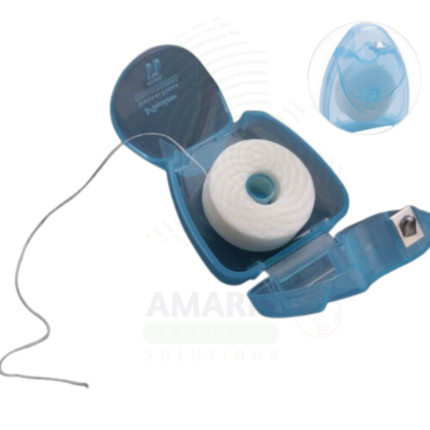
Dental Floss
Dental Floss is a thin, strong filament—available in materials like nylon or PTFE and forms such as waxed, unwaxed, or tape—designed specifically for the mechanical removal of dental plaque biofilm and debris from between teeth (interdental spaces) and below the gumline. Its daily use is a critical, evidence-based practice for preventing interdental tooth decay (caries) and gum disease (gingivitis and periodontitis), forming an indispensable part of a complete oral hygiene routine. Proper technique is essential to avoid gum injury and ensure effective cleaning.
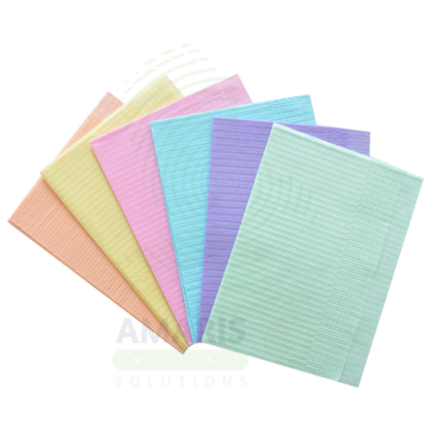
Dental Napkins
Dental Napkins are sterile or non-sterile, disposable absorbent pads (typically 2"x2") made of non-woven cellulose or gauze. They are a fundamental consumable in dentistry used primarily for intraoral isolation and moisture control. By absorbing saliva, water, and blood, they keep the operative field dry, enhance visibility, protect soft tissues, and significantly improve patient comfort during procedures. Their secure placement and strict single-use protocol are critical for safety and infection prevention.
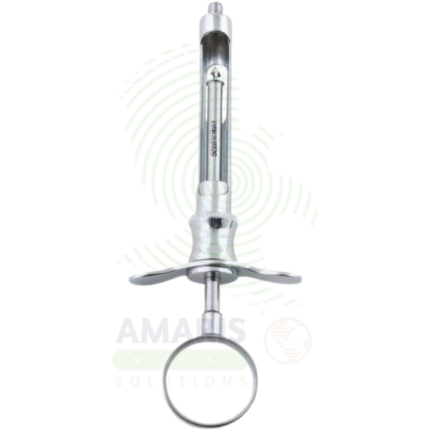
Local Anesthetic Cartridges
Local Anesthetic Cartridges are single-use, sterile glass cylinders containing a pre-measured dose of local anesthetic solution, primarily used in dentistry to induce painless numbness for procedures. Combining an anesthetic agent (e.g., Lidocaine, Articaine) with a vasoconstrictor (typically epinephrine) to prolong effect and enhance safety, they are loaded into a dental syringe for precise administration. Their safe use is paramount, requiring careful patient medical screening, mandatory aspiration before injection to avoid intravascular placement, and adherence to maximum dosage limits based on patient weight. They are the cornerstone of pain control in modern dental practice.
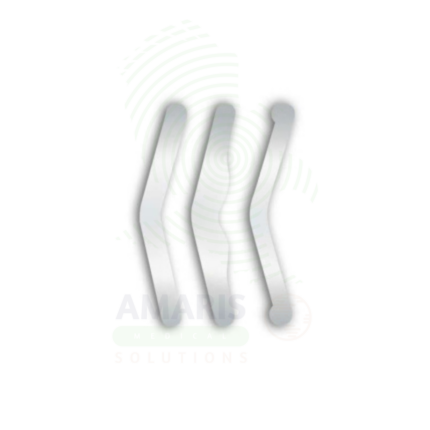
Matrix Bands
Matrix Bands are thin, flexible strips (metal or clear plastic) used in dentistry to create a temporary artificial wall for a missing tooth surface during the placement of direct amalgam or composite restorations. They are essential for confining the restorative material, preventing gingival overhangs, and establishing the correct proximal contour and contact with the adjacent tooth. Used with a retainer (like a Tofflemire) or a sectional matrix system and a wedge, they are a fundamental component of precise, anatomically correct restorative dentistry. Metal bands are reusable, while clear bands for composites are single-use, allowing light transmission for curing.