Dermatoscope and Magnifiers
 Diagnostic Kits
 Vital Signs Monitors
 Stethoscopes and Accessories
 Otoscopes, Ophthalmoscopes, and Retinoscopes
 Reflex Hammers and Neurological Tools
 Scales and Measuring Devices
 Spirometers and Pulmonary Function Tests
 Electrosurgical Units and Accessories
 Cutting Instruments
 Grasping and Holding Instruments
 Hemostatic Instruments
 Specialized Surgical Sets
 Single-Use Procedure Trays and Packs
 Surgical Drapes, Gowns, and Covers
 Tissue Unifying Instruments
 Radiation Protection
 X-Ray Machines and Accessories
 Ultrasound Systems and Probes
 MRI and CT Scanners
 Radiology Consumables
 Bone Densitometers
 Fluoroscopy Equipment
 Imaging Tables and Positioning Aids
 Microscopes and Accessories
 Centrifuges and Separators
 Analyzers
 Incubators and Ovens
 Pipettes, Dispensers, and Lab Glassware
 Refrigerators, Freezers, and Storage Units
 Lab Consumables
 Sterilizers and Autoclaves for Lab Use
 Multi-Parameter Monitors
 Ventilators and Respiratory Support Devices
 Defibrillators and AEDs
 Infusion Pumps and IV Systems
 Patient Warmers and Cooling Devices
 Central Monitoring Stations
 Accessories
 Anesthesia Machines and Workstations
 Oxygen Concentrators and Delivery Systems
 Nebulizers and Inhalers
 CPAP/BiPAP Machines
 Airway Management
 Anesthesia Masks, Circuits, and Bags
 Humidifiers and Heaters
 Respiratory Therapy Accessories
 First Aid Kits and Cabinets
 Emergency Resuscitation Equipment
 Trauma Supplies
 Emergency Carts and Crash Carts
 Burn Care Products
 Bleeding Control
 Automated External Defibrillators (AEDs)
 Transport and Evacuation
 Wheelchairs and Accessories
 Walkers, Crutches, and Canes
 Prosthetics and Orthotics
 Physical Therapy Equipment
 Transfer Devices
 Bathroom Safety
 Orthopedic Traction and Tables
 Hot/Cold Therapy Packs and Units
 Beds and Mattresses
 Chairs and Stools
 Tables
 Cabinets and Storage
 Privacy Screens & Curtains
 Stands and Racks
 Linens and Textiles
 Lighting
 Autoclaves and Sterilizers
 Ultrasonic Cleaners
 Disinfectant Solutions and Wipes
 Sterilization Pouches, Wraps, and Indicators
 Instrument Trays and Containers
 UV and Ozone Disinfection Devices
 Washer Disinfectors
 Wound Care
 Gloves
 Masks and Respirators
 Catheters and Tubing
 Swabs, Applicators, and Sponges
 Incontinence Products
 Personal Protective Equipment (PPE)
 Dental Chairs and Units
 Handpieces and Burs
 Instruments
 Consumables
 Sterilization for Dental Use
 Orthodontic Supplies
 Endodontic Tools
 Slit Lamps and Tonometers
 Lensometers and Phoropters
 Ophthalmic Surgical Instruments
 Eyewear Frames and Lenses
 Contact Lens Supplies
 Vision Testing Charts and Devices
 Eye Care Consumables
 Laser Systems for Eye Care
 ENT Exam Chairs and Tables
 Endoscopes
 Audiometers and Hearing Tests
 ENT Instruments
 Nasal and Throat Packs
 Hearing Aids and Accessories
 Otology Supplies
 Fetal Dopplers and Monitors
 Delivery Beds and Tables
 Gynecological Instruments
 Neonatal Incubators and Warmers
 Breast Pumps and Accessories
 Contraceptive Devices
 Maternity Supports and Pads
 Neonatal Consumables
 Cystoscopes and Urethroscopes
 Dialysis Machines and Supplies
 Urological Catheters and Bags
 Lithotripters
 Prostate Treatment Devices
 Urinary Incontinence Products
 Kidney Stone Management Tools
 Consumables & Disposables
 EEG and EMG Machines
 Neurosurgical Instruments
 Nerve Stimulators
 Headrests and Positioning Aids
 Lumbar Puncture Kits
 Seizure Monitoring Devices
 Consumables
 Rehabilitation for Neurological Conditions
 ECG Machines and Accessories
 Holter Monitors
 Stress Test Systems
 Pacemakers and Defibrillator Accessories
 Vascular Access Devices
 Cardiac Catheters and Guidewires
 Blood Flow Meters
 Consumables
 Orthopedic Instruments
 Casts, Splints, and Padding
 Joint Replacement Supplies
 Prosthetic Limbs and Components
 Bone Grafts and Substitutes
 Traction Devices
 Orthopedic Braces and Supports
 Rehabilitation Aids for Orthopedics
 Home Oxygen Therapy
 Hospital Beds for Home Use
 Mobility Aids
 Bathroom and Daily Living Aids
 Wound Care for Home
 Monitoring Devices
 Enteral Feeding Pumps and Tubes
 Hand Sanitizers and Dispensers
 Face Shields and Goggles
 Isolation Gowns and Suits
 Biohazard Waste Containers
 Air Purifiers and HEPA Filters
 Surface Disinfectants
 Sharps Containers
 Protective Barriers
 Cardiovascular & Endurance Training
 Strength Training & Weightlifting
 Functional Training & Core Conditioning
 Physical Therapy & Rehabilitation
 Sports & Outdoor Recreation
 Gym Flooring & Facility Equipment
 Fitness Monitoring & Accessories
 Kids & Novelties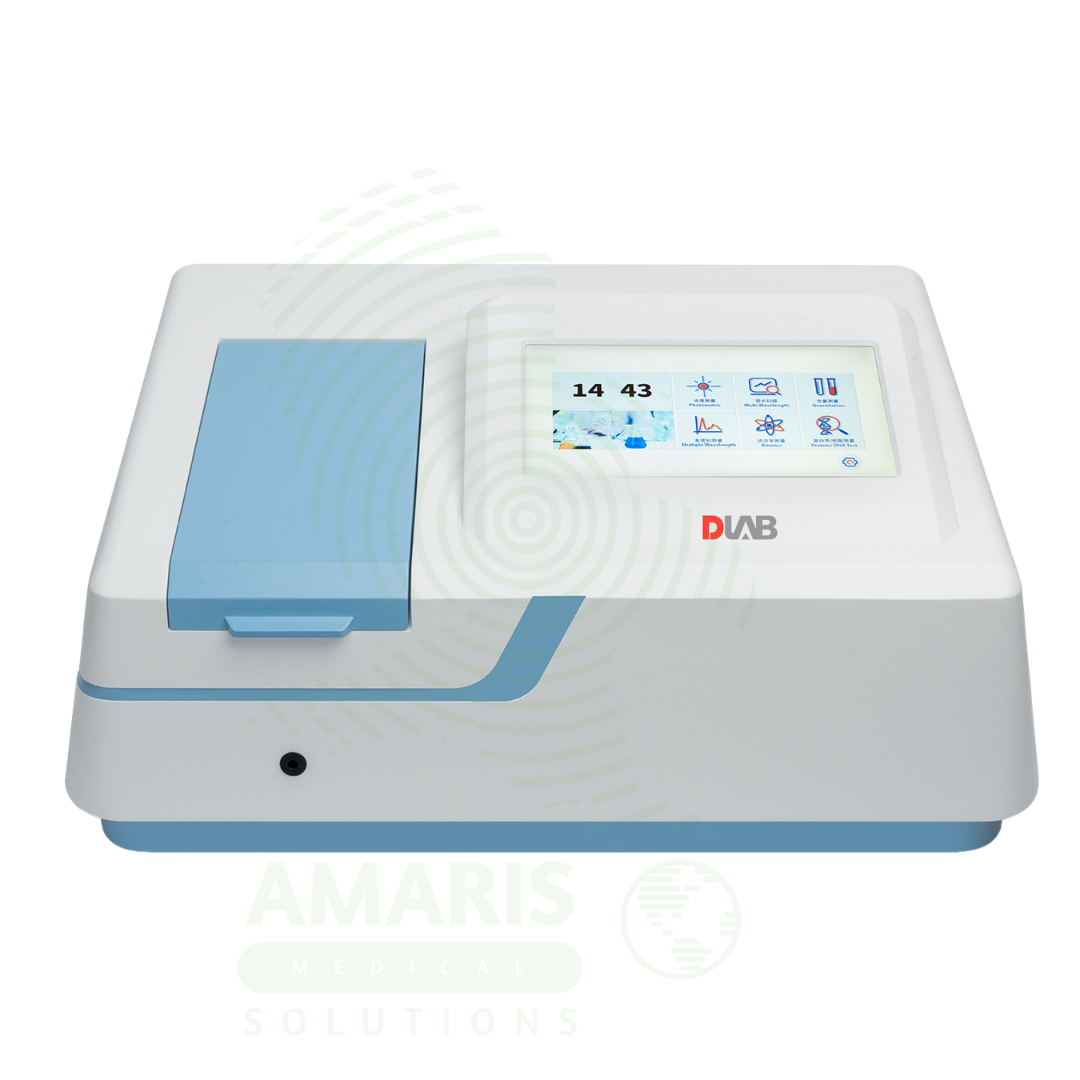

Touch Screen UV-Vis Spectrophotometer
WhatsApp Order
The Touch Screen UV-Vis Spectrophotometer is a high performance single beam benchtop instrument engineered for accurate, reproducible analysis of nucleic acids, proteins, clinical chemistry analytes, enzymes, and pharmaceutical compounds in clinical diagnostics, molecular biology, pharmaceutical quality control, and research laboratories. Covering a wavelength range of 190–1100 nm with a holographic grating monochromator and digital photodiode detector, this spectrophotometer provides the analytical versatility required for routine and specialized laboratory workflows, including nucleic acid purity assessment, enzyme kinetics, clinical chemistry, and ELISA detection.
Every Touch Screen UV-Vis Spectrophotometer is factory calibrated and supplied with a calibration certificate, delivering exceptional transmittance accuracy of ±0.3% T and low stray light of ≤0.03% T at 220 nm and 360 nm. The instrument’s noise level of ±0.0002 A at 500 nm ensures reliable, low drift measurements for endpoint and kinetic assays. A 10.1 inch high resolution color capacitive touch screen with 1024×600 resolution provides an intuitive graphical user interface for easy operation without requiring a computer.
Key user-focused features include standalone operation with all measurement modes accessible directly from the touch screen, including photometric measurement, quantitative analysis with standard curves, wavelength scanning, multi-wavelength measurement, kinetics analysis, and DNA/protein absorbance ratio measurement. Large capacity data storage saves various data types and spectra, and the instrument maintains data after power failure with automatic hold function. The included computer control software package enables advanced data analysis and instrument control. A wide range of optional accessories expands the instrument’s capabilities for specialized applications.
For the clinical laboratory scientist, molecular biologist, and pharmaceutical quality control analyst, the Touch Screen UV-Vis Spectrophotometer delivers the accuracy, stability, and versatility required for DNA/RNA purity assessment with 260/280 and 260/230 ratios, protein quantification, enzyme kinetic assays, routine clinical chemistry testing, and ELISA endpoint detection. For the patient, reliable, traceable spectrophotometric analysis ensures that diagnostic results are accurate and reproducible, directly supporting effective clinical decision making, appropriate treatment selection, and confident disease monitoring.
Description
Touch Screen UV-Vis Spectrophotometer
PRIMARY CLINICAL & DIAGNOSTIC USES
1. Nucleic Acid Quantification and Purity Assessment for Molecular Diagnostics
Primary Use: Provides a single-beam UV-Vis spectrophotometer with a 10.1 inch high resolution color touch screen, a holographic grating monochromator, and a digital photodiode detector, used for the accurate quantification and purity assessment of DNA, RNA, and oligonucleotides in clinical molecular diagnostics, including infectious disease testing, oncology biomarker analysis, and genetic screening workflows.
How it helps: For the molecular diagnostics scientist and clinical laboratory technologist, the touch screen spectrophotometer measures absorbance at 260 nm for nucleic acid concentration and automatically calculates 260/280 and 260/230 purity ratios, ensuring that extracted DNA or RNA meets stringent quality standards for downstream PCR, qPCR, or next generation sequencing. The instrument’s stray light of ≤0.03% T at 220 nm and 360 nm and low noise of ±0.0002 A at 500 nm deliver exceptional accuracy and precision. For the patient, precise nucleic acid quantification and purity confirmation directly support accurate detection of HIV, hepatitis, COVID-19, cancer associated mutations, and inherited genetic disorders, reducing the risk of false negatives caused by contaminated or degraded samples.
2. Enzymatic Activity and Kinetic Monitoring for Clinical Enzyme Assays
Primary Use: Performs built-in kinetics analysis mode for real time monitoring of absorbance changes during enzymatic reactions, used for the clinical determination of enzyme activities including alanine aminotransferase, aspartate aminotransferase, alkaline phosphatase, gamma-glutamyl transferase, lactate dehydrogenase, and creatine kinase in patient serum samples.
How it helps: For the clinical chemistry laboratory scientist, the touch screen spectrophotometer’s kinetics mode tracks absorbance changes at specific wavelengths over time and automatically calculates enzyme reaction rates in units per liter. The newly designed wavelength drive mechanism improves wavelength accuracy and repeatability while reducing operational noise. For the patient undergoing liver function testing, cardiac enzyme panels, or metabolic disorder screening, accurate enzyme activity results directly guide diagnosis of hepatitis, myocardial infarction, liver disease, and other conditions, as well as monitoring of disease progression and treatment response.
3. Clinical Chemistry Analysis for Routine Patient Sample Testing
Primary Use: Used for the quantitative analysis of blood and serum components including glucose, total cholesterol, triglycerides, total protein, albumin, total bilirubin, direct bilirubin, creatinine, and uric acid, using photometric measurement mode with standard curve quantification, all executable directly on the instrument without a computer.
How it helps: For the clinical chemistry technologist, the touch screen spectrophotometer independently performs photometric measurement and quantitative analysis using standard curves on the host instrument. The powerful data storage function saves various types of data and spectra, and the instrument maintains data after power failure with a hold function. For the patient, reliable measurements of blood glucose, lipid panels, kidney function markers, and liver enzymes support routine health screening, chronic disease management for diabetes, hyperlipidemia, and chronic kidney disease, and acute care diagnostics, enabling timely clinical interventions.
4. ELISA Endpoint Detection for Clinical Immunology
Primary Use: Serves as a detection platform for enzyme linked immunosorbent assay (ELISA) in clinical immunology, measuring the absorbance of final colored products at wavelengths such as 450 nm, 492 nm, and 650 nm, with multi-wavelength measurement mode for simultaneous analysis at multiple wavelengths.
How it helps: For the clinical immunology technologist, the touch screen spectrophotometer’s multi-wavelength testing function completes absorbance measurements at several wavelengths in a single operation, rapidly calculating the concentration of target analytes. The instrument uses a digital photodiode detector with low stray light and low noise, ensuring high within-run and between-run consistency for high throughput immunoassays. For the patient, accurate ELISA endpoint detection supports reliable diagnosis of infectious diseases, autoimmune disorders, and allergies, helping clinicians develop appropriate treatment plans.
SECONDARY & SUPPORTIVE USES
1. Ultra-micro nucleic acid and protein measurement (with optional accessory): When equipped with an ultra-micro cuvette or micro-volume sample holder, measures nucleic acid and protein concentrations directly from as little as 0.5 μL to 2 μL of sample without dilution, particularly suitable for precious or limited volume clinical specimens.
2. Drug dissolution testing for pharmaceutical quality control: Quantifies drug release from solid dosage forms such as tablets and capsules in dissolution media, monitoring drug concentration over time using wavelength scanning mode, meeting GMP compliance requirements for pharmaceutical QC laboratories.
3. Bacterial growth density measurement in clinical microbiology: Measures optical density at 600 nm (OD600) of bacterial and yeast cultures to monitor microbial growth kinetics, optimize harvest timing, determine minimum inhibitory concentrations, and perform antimicrobial susceptibility testing.
4. Bilirubin and hemoglobin measurement in neonatal screening: Quantifies total and direct bilirubin levels in neonatal serum for jaundice screening and severity assessment, and measures hemoglobin for anemia screening in newborn and pediatric populations.
5. Water quality testing for clinical utilities: Monitors water quality parameters including residual chlorine, nitrate, nitrite, and total organic carbon in purified water used in clinical laboratories, dialysis centers, and pharmacy compounding areas, using appropriate colorimetric reagent kits.
6. Therapeutic drug monitoring: Quantifies concentrations of narrow therapeutic window drugs in patient serum or plasma, including antiepileptics such as phenytoin and valproic acid, immunosuppressants such as cyclosporine and tacrolimus, and certain antibiotics such as vancomycin and gentamicin, using standard curve quantification methods.
7. Veterinary diagnostic sample analysis: Performs the same range of clinical chemistry assays, protein quantification, nucleic acid purity assessment, and enzyme activity determination for veterinary patient samples in animal health diagnostic laboratories and veterinary teaching hospitals.
8. Traditional Chinese medicine and herbal product quality control: Detects the content of active ingredients such as total flavonoids, total polyphenols, and total saponins in herbal extracts during research and production of traditional Chinese medicines, using absorbance measurements at specific wavelengths.
9. Pharmaceutical raw material testing: Quantifies the concentration of active pharmaceutical ingredients and excipients during incoming raw material quality control in GMP laboratories, ensuring all batches meet specification before use in drug manufacturing for colorimetric assays.
10. Food safety and nutritional analysis: Quantifies caffeine, total polyphenols, vitamin C, nitrites, nitrates, and synthetic food colorants in food and beverage samples for food safety testing and nutritional labeling compliance analysis.
11. Academic research and teaching: Serves as an intuitive teaching tool for students learning spectrophotometric analysis techniques in clinical laboratory science, biochemistry, and molecular biology courses, with a graphical user interface that visually demonstrates the principles of spectrum scanning, quantitative analysis, and kinetics monitoring.
KEY PRODUCT FEATURES
1. BASIC IDENTIFICATION ATTRIBUTES
-
Device Type: A single-beam UV-Vis spectrophotometer with a 10.1 inch high resolution color capacitive touch screen, a holographic grating monochromator, and a digital photodiode detector.
-
Designation: Touch Screen UV-Vis Spectrophotometer, SP-UV2101, SP-UV2102, SP-UV3101, DLAB Touch Screen UV-Vis Spectrophotometer.
-
Key Components:
-
10.1 inch large color touch screen with 1024×600 resolution
-
High quality imported deuterium lamp (UV source) and tungsten lamp (visible source)
-
Holographic grating monochromator and digital photodiode detector
-
Single beam (single beam ratio detection) optical system
-
Standard USB data interface
-
Computer control software package for instrument operation and data analysis
-
Optional accessories including automatic cuvette holder, film sample holder, test tube cuvette holder, temperature controlled cuvette holder, integrating sphere, reflection accessory, and variable path length sample holder
-
2. TECHNICAL & PERFORMANCE PROPERTIES
-
Optical system: Single beam (single beam ratio detection), CT ratio beam ratio detection system
-
Spectral bandwidth: 2.0 nm
-
Wavelength range: 190–1100 nm, covering full UV and visible spectrum
-
Wavelength accuracy: ±0.1 nm at 656.1 nm calibration point; ±0.3 nm over full 190–1100 nm range
-
Wavelength repeatability: ≤0.1 nm
-
Scanning speed: Multiple adjustable speeds including high, medium, and low for different experimental needs
-
Photometric range: -0.3 to 3.0 A (absorbance), 0 to 200% T (transmittance), 0 to 9999 C (concentration)
-
Transmittance accuracy: ±0.3% T over 0–100% T range; equivalent to ±0.002 A at 0–0.5 A and ±0.003 A at 0.5–1.0 A
-
Transmittance repeatability: 0.15% T over 0–100% T range; equivalent to ±0.001 A at 0–0.5 A and ±0.0015 A at 0.5–1.0 A
-
Baseline flatness: ±0.0015 A
-
Stray light: ≤0.03% T at 220 nm and 360 nm
-
Noise: ±0.0002 A at 500 nm (after proper warm-up)
-
Photometric modes: Transmittance, absorbance, concentration, and energy modes selectable
-
Standalone measurement modes: Photometric measurement, quantitative analysis (standard curve), wavelength scanning, multi-wavelength measurement, kinetics analysis, and DNA/protein absorbance ratio measurement
-
Data interface: Standard USB port for external PC connection, data export, and printing
3. PHYSICAL & OPERATIONAL PROPERTIES
-
Construction: Durable benchtop enclosure with stable, vibration-dampening base for precise optical measurements
-
Display: 10.1 inch high resolution color capacitive touch screen with 1024×600 resolution, intuitive graphical user interface for easy operation
-
Operation: Fully standalone operation with all measurement functions executable directly from the touch screen; no PC required for routine use
-
User interface: Icon driven touch screen interface with simple, intuitive navigation; all functions accessible without complex menu navigation
-
Data management: Large capacity data storage for various data types and spectra; data retained after power failure with automatic hold function
-
Software compatibility: Includes computer control software package for advanced data analysis, instrument control, and spectral processing
-
Portability: Standard benchtop unit designed for permanent installation in clinical or research laboratory
-
Maintenance: Deuterium and tungsten lamps are user-replaceable; lamp lifetime approximately 2000 hours each
-
Included accessories: Standard glass and quartz cuvettes (10 mm path length), power cord, dust cover, operating manual, and calibration certificate
4. SAFETY & COMPLIANCE ATTRIBUTES
-
Regulatory Status: General laboratory equipment for in vitro diagnostic use; manufactured under ISO 9001 and ISO 13485 quality management systems
-
UV Radiation Safety: Deuterium lamp emits UV radiation; sample compartment cover must remain closed during operation
-
Lamp Safety: Tungsten and deuterium lamps operate at high temperatures; allow cooling before handling
-
Electrical Safety: Compliant with IEC 61010-1 for laboratory electrical equipment; grounded power cord; built-in overload protection
-
Chemical Safety: Sample compartment and cuvette holder designed to contain minor spills; exterior surfaces chemical-resistant to common laboratory reagents
-
Data Integrity: Data retained after power failure with automatic hold function
-
Quality Compliance: Factory calibrated and supplied with calibration certificate; recommended periodic recalibration
5. STORAGE & HANDLING ATTRIBUTES
-
Storage: Store in a clean, dry, dust-free environment at 15–30°C and ≤80% relative humidity (non-condensing); cover instrument with dust cover when not in use
-
Installation: Place on a stable, vibration-free benchtop away from air vents, windows, direct sunlight, and high-traffic areas; allow at least 10 cm clearance on all sides for ventilation
-
Warm-up procedure: Turn on instrument and allow sufficient warm-up time before performing critical clinical measurements to achieve specified stability and noise specifications
-
Cleaning: Wipe exterior surfaces with a soft, lint-free cloth slightly dampened with 70% isopropyl alcohol or mild detergent solution; do not spray liquids directly onto the instrument; clean sample compartment after each use
-
Cuvette handling: Use only clean, scratch-free, optically transparent cuvettes; quartz cuvettes required for UV measurements below 340 nm; glass cuvettes suitable for visible measurements above 340 nm; handle cuvettes by frosted sides or upper rim to avoid fingerprints
-
Lamp maintenance: Tungsten and deuterium lamps have approximately 2000 hour lifetime; replace lamps when intensity falls below acceptable levels; allow lamps to cool completely before replacement; use only manufacturer-specified replacement lamps
-
Touch screen care: Clean touch screen with soft, dry, lint-free cloth; do not use abrasive cleaners or sharp objects on the screen surface
-
Software installation: Install provided computer control software on compatible PC for advanced data analysis and instrument control functions
6. LABORATORY & CLINICAL APPLICATIONS
-
Primary Application: Quantitative and qualitative UV-Vis spectrophotometric analysis of nucleic acids, proteins, clinical chemistry analytes, enzymes, and pharmaceutical compounds in clinical diagnostics, molecular biology, pharmaceutical quality control, and research laboratories.
-
Clinical Role: An essential instrument for clinical diagnostic laboratories, molecular diagnostics labs, hospital clinical chemistry departments, immunology laboratories, pharmaceutical QC facilities, and research institutions. Critical for patient sample analysis including DNA/RNA purity and concentration, protein quantification, enzyme activities, metabolite levels, therapeutic drug monitoring, and ELISA detection where accurate, reproducible, and traceable spectrophotometric measurement is mandatory for diagnosis, disease monitoring, treatment guidance, and regulatory compliance.
SAFETY HANDLING PRECAUTIONS
1. SAFETY PRECAUTIONS
-
UV Radiation Hazard: The deuterium lamp emits UV radiation. Always keep the sample compartment cover completely closed during operation. Never insert fingers or objects into the sample compartment while the instrument is powered on.
-
Electrical Safety: Do not operate the instrument with wet hands. Disconnect the power cord before cleaning, servicing, or replacing lamps. Use only the supplied grounded power cord and ensure proper grounding.
-
Hot Surface Hazard: Tungsten and deuterium lamps become extremely hot during operation. Allow lamps to cool for at least 30 minutes before handling or replacement.
-
Chemical Hazard: Handle all reagents, standards, control materials, and patient samples according to laboratory safety protocols and applicable Safety Data Sheets. Wear appropriate personal protective equipment including nitrile gloves, laboratory coat, and safety glasses or face shield.
-
Biohazard Hazard: Patient samples may contain infectious agents. Follow all institutional biosafety guidelines. Use leak-proof cuvettes for biohazardous samples. Decontaminate sample compartment after each use with appropriate disinfectant.
-
Cuvette Safety: Handle glass and quartz cuvettes with care; breakage can cause cuts. Discard broken cuvettes in appropriate sharps container. Do not use cuvettes with chips or cracks.
-
Sample Containment: Ensure cuvettes are properly seated in the sample holder to prevent tipping or spillage. For hazardous samples, use sealed cuvettes with caps.
-
Training Requirement: Only trained laboratory personnel with appropriate technical background in spectrophotometry and clinical laboratory procedures should operate the touch screen UV-Vis spectrophotometer for clinical diagnostic applications.
2. FIRST AID MEASURES
-
UV Exposure to Eyes: If the sample compartment cover is opened during operation or UV exposure is suspected, close the cover immediately. Rest eyes and seek ophthalmologic evaluation if symptoms develop including eye pain, redness, photophobia, tearing, or blurred vision.
-
Burn from Hot Lamp: If contact with a hot lamp or lamp housing occurs, cool the burn area with cool running water for 15 minutes. Do not apply ice directly. Seek medical attention for large area burns, deep burns, or burns causing blistering.
-
Chemical Splash to Eyes: Flush eyes immediately with copious amounts of clean water or sterile saline for at least 15 minutes. Remove contact lenses if easily removable. Seek immediate medical attention.
-
Chemical Splash to Skin: Wash contaminated skin with soap and water thoroughly for at least 5 minutes. Remove contaminated clothing. Seek medical evaluation if irritation or chemical burns develop.
-
Sharps Injury (Broken Cuvette): Wash wound thoroughly with soap and warm water for 15 minutes. Allow wound to bleed freely. Apply antiseptic and cover with sterile bandage. If cuvette contained patient biological material, follow facility's exposure management protocol for bloodborne pathogens.
-
Electrical Shock: Disconnect power at circuit breaker before attempting to assist victim. Do not touch victim until power is disconnected. Call emergency medical services immediately. Seek medical evaluation for all electrical shock victims.
3. FIRE FIGHTING MEASURES
-
Flammability: The instrument's plastic housing, internal cables, and electronic components are combustible. Tungsten lamp operates at high temperature and can ignite nearby flammable materials.
-
Extinguishing Media: Use carbon dioxide (CO₂) or dry chemical (ABC) extinguisher for electrical fires. Do not use water directly on the instrument.
-
Fire Response: Primary fire hazard is flammable reagents and solvents being used or measured. In case of fire, disconnect power if safe to do so. Evacuate area. Use appropriate extinguisher. Do not attempt to extinguish large or rapidly spreading fires.
-
Special Protective Equipment for Firefighters: Firefighters should wear self-contained breathing apparatus and full structural firefighting gear, as combustion products may include toxic fumes from burning plastics and electronics.
Related products
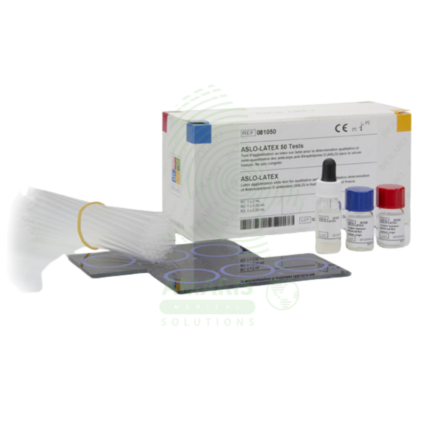
Anti-Streptol Olysin O Titer (ASOT)
Anti-Streptol Olysin O Titer (ASOT) is a quantitative or semi-quantitative serological test (latex agglutination, turbidimetry, nephelometry, or ELISA) for detecting antibodies against streptolysin O, an exotoxin produced by Group A Streptococcus. Elevated or rising titers indicate recent streptococcal infection and are essential for diagnosing post-streptococcal sequelae including acute rheumatic fever (Jones criteria) and post-streptococcal glomerulonephritis. The test requires serum samples; acute and convalescent (2-4 weeks apart) with fourfold rise confirms recent infection. Reference range typically <200-250 Todd units/mL (adults), varies by age and population. Primary clinical applications include diagnosis of Group A streptococcal infections, acute rheumatic fever evaluation, post-streptococcal glomerulonephritis diagnosis, differentiation of acute vs. past infection, evaluation of unexplained arthritis or carditis, pediatric inflammatory conditions (PANDAS), and monitoring disease activity in rheumatic fever. Critical safety precautions include proper timing of acute and convalescent samples, awareness of false negatives/positives, clinical correlation for diagnosis, and standard biohazard precautions. Essential test for rheumatology, nephrology, cardiology, and infectious disease practice.
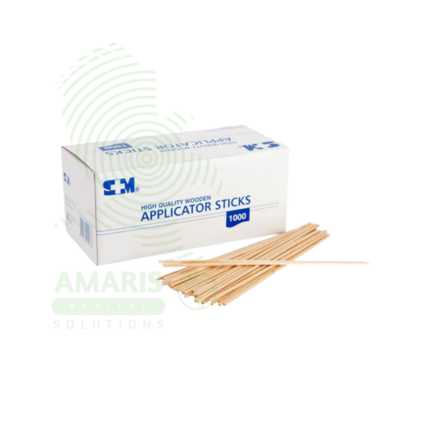
Applicator Sticks
Applicator Sticks are single-use medical devices with absorbent tips (cotton, rayon, flocked polyester) on wood, plastic, or paper shafts for collecting clinical specimens (throat, nasal, wound, cervical, urethral, rectal) for microbiological culture, rapid testing, and molecular diagnostics. Sterile individually wrapped or non-sterile bulk formats. Flocked swabs provide >90% specimen release for PCR testing. Primary applications include specimen collection for infection diagnosis, wound care and antiseptic application, gynecological sampling (Pap smears, STI testing), eye/ear specimen collection, laboratory slide preparation, and forensic evidence collection. Critical precautions include single-use only, sterile technique, proper collection method, and biohazard disposal. Essential consumable in all clinical settings.
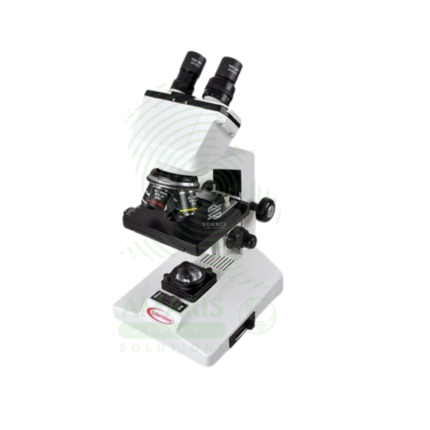
Binocular Microscope
A Binocular Microscope is a high-precision, compound optical instrument fundamental to clinical diagnostics. Featuring dual eyepieces for comfortable viewing and a suite of parfocal objective lenses (4x, 10x, 40x, 100x oil), it provides magnifications from 40x to 1000x. Its integrated LED illumination, mechanical stage, and Abbe condenser enable the detailed examination of stained blood films, tissue sections, microbiological specimens, and cytological preparations. As the primary tool for pathologists and laboratory scientists, it is indispensable for definitive diagnoses in hematology, histopathology, microbiology, and urinalysis, demanding skilled operation and meticulous maintenance for optimal performance.
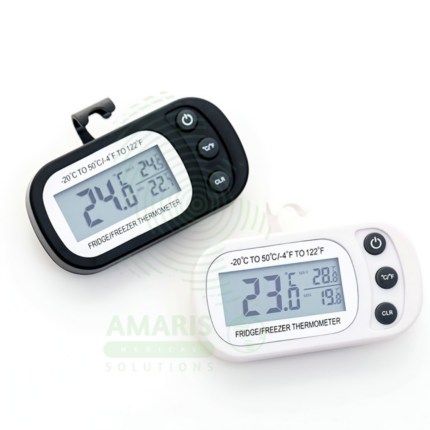
Fridge Thermometer
A Fridge Thermometer is a precision temperature monitoring device designed for continuous use inside medical and laboratory refrigerators and freezers. Its primary role is to safeguard the potency of vaccines, medications, and biological samples by ensuring storage temperatures remain within a critical specified range (e.g., +2°C to +8°C). Available in analog or digital formats, accurate models with memory functions are essential for compliance with cold chain protocols, requiring daily monitoring, logging, and regular calibration. It is a fundamental quality control tool in pharmacies, clinics, immunization centers, and laboratories.
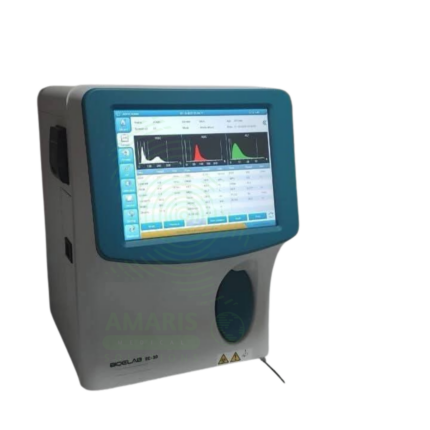
Hematology Analyzer
A Hematology Analyzer is a compact, automated benchtop analyzer designed to perform Complete Blood Counts (CBC) with a 3-part white blood cell differential. Utilizing impedance and photometric methods, it delivers rapid, precise results for red blood cells, white blood cells, platelets, and key indices from a small blood sample. Ideal for physician offices, small clinics, and satellite laboratories, it enables in-house hematology testing with walk-away operation. Its automated flagging system highlights abnormal results that require further manual smear review. As a core instrument for initial hematological screening, it combines efficiency with essential diagnostic capability for routine patient management.
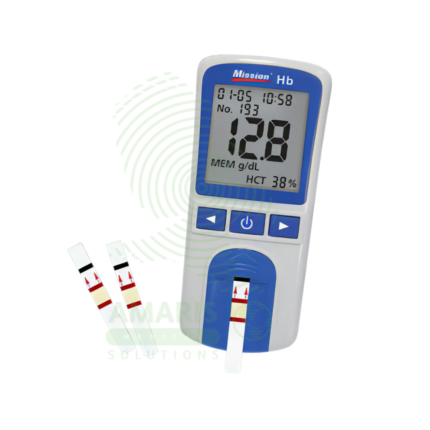
Hemoglobin Meter
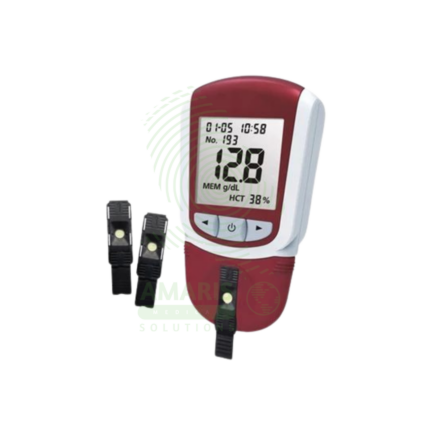
A Hemoglobin Meter is a Class II medical device (FDA-cleared, CE-marked) for quantitative point-of-care measurement of hemoglobin concentration in capillary or venous blood, providing results in 5-60 seconds from a 5-20 µL sample. The meter uses photometric, electrochemical, or conductivity technology to measure hemoglobin, with accuracy ±0.3-0.5 g/dL compared to reference methods. Features include backlit LCD display, memory storage for 100-1000 results, USB/Bluetooth connectivity for data transfer, and compatibility with single-use disposable cuvettes or test strips. Primary clinical applications include anemia screening and diagnosis (WHO criteria), preoperative assessment and surgical planning, antenatal care and maternal health monitoring, malaria-endemic region screening, chronic disease management (CKD, IBD, cancer), nutritional assessment and intervention programs, and blood donor screening. Critical safety precautions include single-use lancets, proper hand hygiene, correct sample application, quality control with control solutions, proper cuvette storage (protect from heat, light, humidity), and never using expired cuvettes. Essential point-of-care device for hemoglobin testing in hospitals, clinics, community health programs, and blood donation centers.
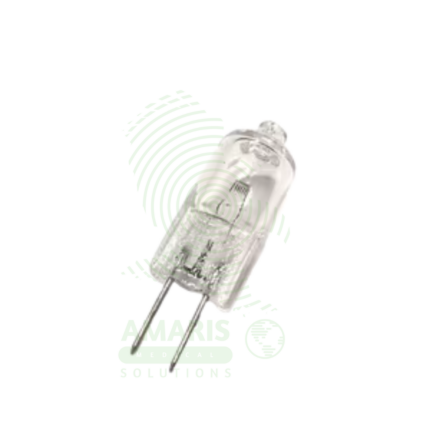
Microscope Bulb
A Microscope Bulb is a specialized halogen or LED lamp that serves as the essential illumination source for clinical and laboratory microscopes. Providing the bright, stable, and color-corrected light required for diagnostic visualization of specimens, it is a critical consumable component. Its technical specifications—voltage, wattage, base type, and filament alignment—must precisely match the microscope model. Proper handling (using gloves to avoid oil contamination) and adherence to safety protocols (allowing cooling, disconnecting power) are crucial for safe replacement and optimal bulb lifespan. Maintaining spares is vital to prevent operational downtime in diagnostic laboratories.