Dermatoscope and Magnifiers
 Diagnostic Kits
 Vital Signs Monitors
 Stethoscopes and Accessories
 Otoscopes, Ophthalmoscopes, and Retinoscopes
 Reflex Hammers and Neurological Tools
 Scales and Measuring Devices
 Spirometers and Pulmonary Function Tests
 Electrosurgical Units and Accessories
 Cutting Instruments
 Grasping and Holding Instruments
 Hemostatic Instruments
 Specialized Surgical Sets
 Single-Use Procedure Trays and Packs
 Surgical Drapes, Gowns, and Covers
 Tissue Unifying Instruments
 Radiation Protection
 X-Ray Machines and Accessories
 Ultrasound Systems and Probes
 MRI and CT Scanners
 Radiology Consumables
 Bone Densitometers
 Fluoroscopy Equipment
 Imaging Tables and Positioning Aids
 Microscopes and Accessories
 Centrifuges and Separators
 Analyzers
 Incubators and Ovens
 Pipettes, Dispensers, and Lab Glassware
 Refrigerators, Freezers, and Storage Units
 Lab Consumables
 Sterilizers and Autoclaves for Lab Use
 Multi-Parameter Monitors
 Ventilators and Respiratory Support Devices
 Defibrillators and AEDs
 Infusion Pumps and IV Systems
 Patient Warmers and Cooling Devices
 Central Monitoring Stations
 Accessories
 Anesthesia Machines and Workstations
 Oxygen Concentrators and Delivery Systems
 Nebulizers and Inhalers
 CPAP/BiPAP Machines
 Airway Management
 Anesthesia Masks, Circuits, and Bags
 Humidifiers and Heaters
 Respiratory Therapy Accessories
 First Aid Kits and Cabinets
 Emergency Resuscitation Equipment
 Trauma Supplies
 Emergency Carts and Crash Carts
 Burn Care Products
 Bleeding Control
 Automated External Defibrillators (AEDs)
 Transport and Evacuation
 Wheelchairs and Accessories
 Walkers, Crutches, and Canes
 Prosthetics and Orthotics
 Physical Therapy Equipment
 Transfer Devices
 Bathroom Safety
 Orthopedic Traction and Tables
 Hot/Cold Therapy Packs and Units
 Beds and Mattresses
 Chairs and Stools
 Tables
 Cabinets and Storage
 Privacy Screens & Curtains
 Stands and Racks
 Linens and Textiles
 Lighting
 Autoclaves and Sterilizers
 Ultrasonic Cleaners
 Disinfectant Solutions and Wipes
 Sterilization Pouches, Wraps, and Indicators
 Instrument Trays and Containers
 UV and Ozone Disinfection Devices
 Washer Disinfectors
 Wound Care
 Gloves
 Masks and Respirators
 Catheters and Tubing
 Swabs, Applicators, and Sponges
 Incontinence Products
 Personal Protective Equipment (PPE)
 Dental Chairs and Units
 Handpieces and Burs
 Instruments
 Consumables
 Sterilization for Dental Use
 Orthodontic Supplies
 Endodontic Tools
 Slit Lamps and Tonometers
 Lensometers and Phoropters
 Ophthalmic Surgical Instruments
 Eyewear Frames and Lenses
 Contact Lens Supplies
 Vision Testing Charts and Devices
 Eye Care Consumables
 Laser Systems for Eye Care
 ENT Exam Chairs and Tables
 Endoscopes
 Audiometers and Hearing Tests
 ENT Instruments
 Nasal and Throat Packs
 Hearing Aids and Accessories
 Otology Supplies
 Fetal Dopplers and Monitors
 Delivery Beds and Tables
 Gynecological Instruments
 Neonatal Incubators and Warmers
 Breast Pumps and Accessories
 Contraceptive Devices
 Maternity Supports and Pads
 Neonatal Consumables
 Cystoscopes and Urethroscopes
 Dialysis Machines and Supplies
 Urological Catheters and Bags
 Lithotripters
 Prostate Treatment Devices
 Urinary Incontinence Products
 Kidney Stone Management Tools
 Consumables & Disposables
 EEG and EMG Machines
 Neurosurgical Instruments
 Nerve Stimulators
 Headrests and Positioning Aids
 Lumbar Puncture Kits
 Seizure Monitoring Devices
 Consumables
 Rehabilitation for Neurological Conditions
 ECG Machines and Accessories
 Holter Monitors
 Stress Test Systems
 Pacemakers and Defibrillator Accessories
 Vascular Access Devices
 Cardiac Catheters and Guidewires
 Blood Flow Meters
 Consumables
 Orthopedic Instruments
 Casts, Splints, and Padding
 Joint Replacement Supplies
 Prosthetic Limbs and Components
 Bone Grafts and Substitutes
 Traction Devices
 Orthopedic Braces and Supports
 Rehabilitation Aids for Orthopedics
 Home Oxygen Therapy
 Hospital Beds for Home Use
 Mobility Aids
 Bathroom and Daily Living Aids
 Wound Care for Home
 Monitoring Devices
 Enteral Feeding Pumps and Tubes
 Hand Sanitizers and Dispensers
 Face Shields and Goggles
 Isolation Gowns and Suits
 Biohazard Waste Containers
 Air Purifiers and HEPA Filters
 Surface Disinfectants
 Sharps Containers
 Protective Barriers
 Cardiovascular & Endurance Training
 Strength Training & Weightlifting
 Functional Training & Core Conditioning
 Physical Therapy & Rehabilitation
 Sports & Outdoor Recreation
 Gym Flooring & Facility Equipment
 Fitness Monitoring & Accessories
 Kids & Novelties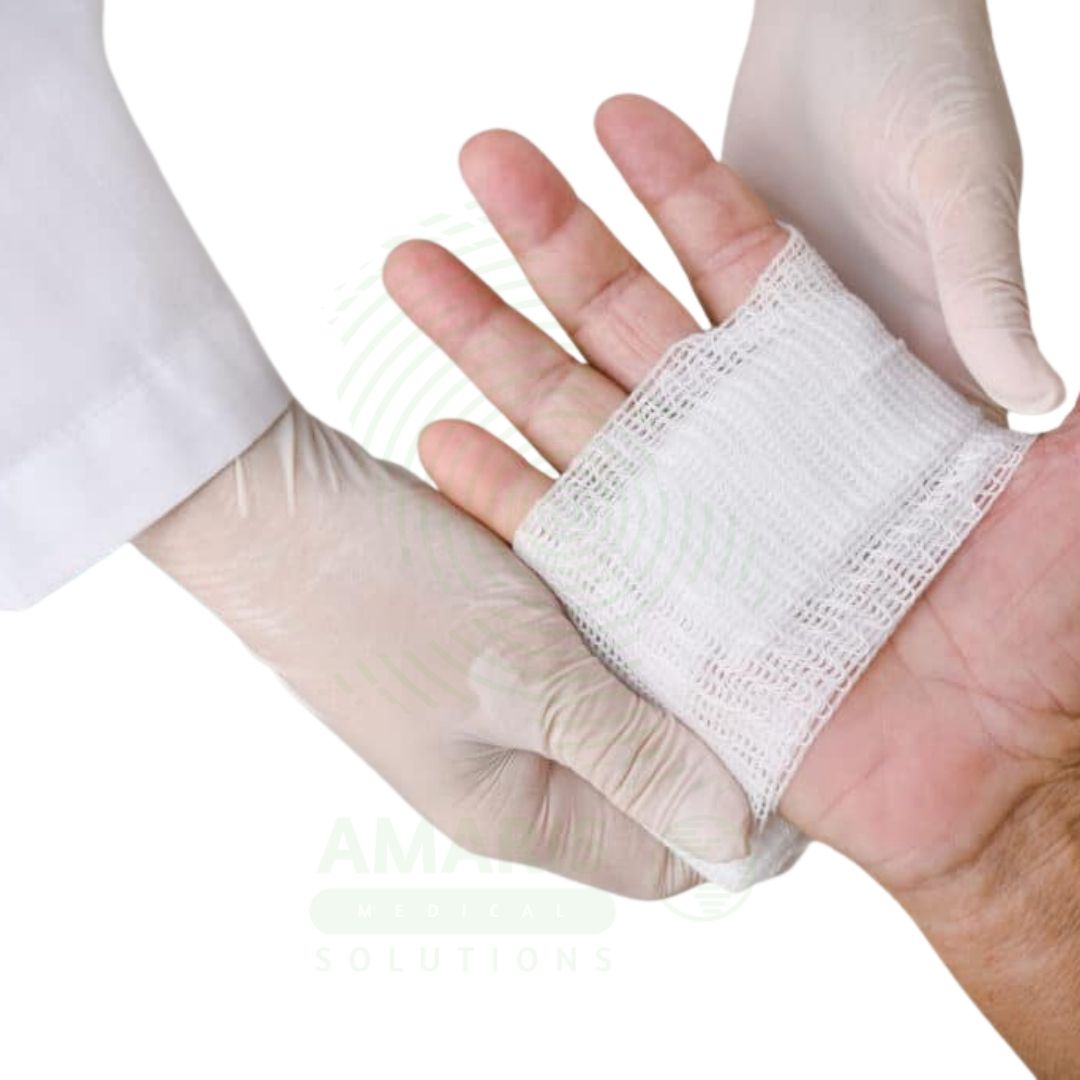
Wound Care Dressings
$1.00
WhatsApp Order
Wound Care Dressings are sterile or clean medical products applied directly to wounds to protect them, manage exudate, and promote an optimal moist healing environment. They are not a single product but a category encompassing various technologies—including films, hydrocolloids, foams, alginates, hydrogels, and antimicrobial versions—each designed for specific wound conditions (dry, wet, infected, necrotic). Correct selection based on a thorough wound assessment is the most critical factor for effective treatment. They are fundamental consumables used in every healthcare setting for managing acute injuries, surgical incisions, and chronic wounds like pressure injuries and leg ulcers.
Description
Wound Care Dressings
PRIMARY CLINICAL & DIAGNOSTIC USES
1. Primary Wound Protection & Coverage
-
Primary Use: Provides a protective barrier over an open wound to shield it from external contamination, bacteria, physical trauma, and debris, thereby preventing infection and promoting a healing environment.
-
How it helps: For the wound care nurse and clinician, selecting the right dressing creates a controlled environment where healing can proceed without interruption from outside threats. For the patient with a surgical incision, diabetic ulcer, or traumatic wound, the dressing is their daily shield—keeping bacteria out, protecting the fragile new tissue forming beneath, and providing peace of mind that their wound is covered and safe.
2. Moist Wound Healing Management
-
Primary Use: Modern dressings are engineered to maintain an optimal moist wound bed—neither too dry nor too wet—which accelerates healing, reduces pain, and minimizes scar formation compared to dry healing.
-
How it helps: For the wound care specialist, moist wound healing represents a fundamental shift in understanding—cells migrate and multiply faster in a moist environment, speeding closure. For the patient, a dressing that maintains optimal moisture means less pain during dressing changes (no pulling on dry tissue), faster healing times, and ultimately, a better cosmetic outcome with less scarring.
3. Exudate (Fluid) Management
-
Primary Use: Different dressing types are specifically designed to absorb and retain varying amounts of wound drainage, preventing maceration of surrounding healthy skin and managing odor.
-
How it helps: For the clinician managing a draining wound, matching dressing absorbency to exudate level is critical—too little absorbency and the wound macerates, too much and the wound bed dries out. For the patient with a heavily draining venous leg ulcer or post-surgical wound, the right absorbent dressing means fewer changes, less odor, and protection of the healthy skin around the wound from becoming soft and damaged.
4. Debridement
-
Primary Use: Certain advanced dressings facilitate the gentle removal of non-viable tissue from the wound bed, which is essential for healing to progress.
-
How it helps: For the wound care team, dressings that provide autolytic debridement offer a gentle, selective way to remove dead tissue without damaging healthy surrounding skin. For the patient, this means non-viable tissue is slowly and painlessly liquefied and removed with each dressing change, clearing the way for healthy granulation tissue to form and healing to proceed.
5. Infection Control & Antimicrobial Action
-
Primary Use: Dressings impregnated with antimicrobial agents are used to reduce bacterial load in critically colonized or locally infected wounds, helping to control infection and prevent its spread.
-
How it helps: For the clinician concerned about wound infection, antimicrobial dressings deliver active agents directly to the site of bacterial colonization, achieving high local concentrations without systemic side effects. For the patient with a wound at risk of infection—or one that’s already showing signs of critical colonization—these dressings provide targeted antimicrobial action, potentially avoiding the need for oral or intravenous antibiotics.
SECONDARY & SUPPORTIVE USES
1. Hemostasis: For the clinician managing a bleeding wound, alginate and some foam dressings have inherent blood-stopping properties that can control minor bleeding. For the patient with a wound that oozes or bleeds easily, these dressings help achieve hemostasis while providing the moisture balance needed for healing.
2. Pressure Offloading & Protection: For the nurse preventing pressure injuries in bed-bound patients, specialized dressings protect fragile skin and offload pressure on bony prominences like heels and the sacrum. For the immobilized patient, these dressings reduce the friction and pressure that lead to devastating bedsores, maintaining skin integrity during prolonged recovery.
3. Bridging & Filling: For the clinician managing a cavity wound, dressings that can fill dead space prevent pocketing of exudate and promote healing from the base upward. For the patient with a deep pressure injury or surgical wound with undermining, proper filling dressings ensure that healing occurs throughout the wound, not just at the surface, preventing abscess formation and incomplete closure.
4. Skin Graft & Donor Site Protection: For the surgeon and wound care team, non-adherent dressings and silicone meshes secure and protect delicate skin grafts and donor sites, creating an ideal environment for epithelialization. For the patient who has undergone skin grafting, a dressing that won’t adhere to the fragile new tissue means graft survival is maximized, and the agony of dressing changes is minimized.
KEY PRODUCT FEATURES
1. BASIC IDENTIFICATION ATTRIBUTES
-
Device Type: A sterile or clean, single-use medical device applied topically to a wound. They are consumable products, not equipment.
-
Classification by Technology/Material: Dressings are defined by their primary interactive material and mechanism of action.
-
Core Dressing Types & Indications:
-
Film Dressings: Thin, transparent, adhesive polyurethane sheets. Allow monitoring. For low-exudate wounds, IV sites, and as secondary dressings.
-
Hydrocolloid Dressings: Gel-forming polymers (e.g., pectin, gelatin) on a waterproof backing. Provide autolytic debridement and absorption for low-to-moderate exudate (e.g., Stage II pressure injuries).
-
Foam Dressings: Polyurethane or silicone foam layers. Highly absorbent for moderate-to-heavy exudate. Protect from trauma. Can be non-adhesive or adhesive.
-
Alginate Dressings: Derived from seaweed (calcium alginate). Form a gel upon contact with exudate. For moderate-to-heavy, wet, bleeding wounds (e.g., cavity wounds). Require a secondary dressing.
-
Hydrofiber Dressings: Sodium carboxymethylcellulose fibers that form a gel. Similar to alginate but with higher integrity, for moderate-to-heavy exudate.
-
Hydrogel Dressings: Water- or glycerin-based amorphous gels or sheets. Donate moisture to dry, necrotic, or sloughy wounds to promote autolytic debridement and rehydrate.
-
Silicone Dressings: Non-adherent contact layers or adhesive sheets. Protect fragile peri-wound skin, reduce pain on removal, and prevent trauma to new epithelium.
-
Antimicrobial Dressings: Any of the above types impregnated with an antimicrobial agent (Silver, Iodine, PHMB, Honey).
-
2. TECHNICAL & PERFORMANCE PROPERTIES
-
Moisture Vapor Transmission Rate (MVTR): The rate at which moisture passes through the dressing film. Determines breathability and ability to manage exudate without drying out.
-
Absorptive Capacity: The volume of exudate a dressing can retain, measured per unit area (e.g., g/100cm²/24h). Critical for matching the dressing to the wound's exudate level.
-
Adhesiveness: The strength of adhesion to skin. Can be aggressive, gentle, or non-adherent. Must be appropriate for the patient's skin integrity and frequency of changes.
-
Conformability: The ability of the dressing to mold to body contours (e.g., heels, elbows) for a secure seal and effective coverage.
3. PHYSICAL & OPERATIONAL PROPERTIES
-
Presentation: Supplied sterile in individual peel-open pouches. Available in a wide variety of shapes, sizes, and thicknesses.
-
Application Frequency: Varies by product and wound status, from daily changes (for infected wounds) to remaining in place for up to 7 days (e.g., hydrocolloids, some foams).
4. SAFETY & COMPLIANCE ATTRIBUTES
-
Regulatory Status: Most are Class I medical devices; antimicrobial and some advanced dressings may be Class IIa/b.
-
Sterility: Supplied sterile for acute wounds, surgical sites, or breaches in skin integrity. Some for chronic care may be clean but not sterile.
-
Biocompatibility: Must be non-toxic, non-sensitizing, and safe for prolonged contact with wound tissue.
-
Latex-Free: Universal standard.
5. STORAGE & HANDLING ATTRIBUTES
-
Storage: Store in a cool, dry place in original packaging. Protect from extreme temperatures and direct sunlight.
-
Handling: Use aseptic/no-touch technique when applying to sterile wounds. For clean technique, ensure hands are washed and surfaces are clean.
-
Disposal: After use, dispose as clinical/biological waste, considering any potential infection risk.
6. LABORATORY & CLINICAL APPLICATIONS
-
Primary Application: The essential consumable for implementing modern wound care principles across all settings: hospitals, clinics, community nursing, and home care.
-
Clinical Role: The selection of the correct dressing type based on wound assessment (e.g., tissue type, exudate level, infection status, location) is a critical clinical decision that directly impacts healing outcomes.
SAFETY HANDLING PRECAUTIONS
1. SAFETY PRECAUTIONS
-
Allergy & Sensitivity: Check for patient allergies to dressing components (e.g., adhesives, acrylics, silver, iodine).
-
Proper Selection: The most common error is using the wrong dressing for the wound condition (e.g., a hydrocolloid on a heavily exuding wound leads to maceration). Continual wound reassessment is mandatory.
-
Infection Monitoring: No dressing can treat a spreading or systemic infection. Signs of increasing infection (e.g., cellulitis, fever) require systemic antibiotics and medical review, not just a dressing change.
-
Peri-Wound Skin Protection: Protect healthy skin from moisture and adhesive trauma. Use skin barrier wipes or films as needed.
-
Change Frequency: Adhere to manufacturer guidelines and clinical indicators for changing (e.g., "strike-through" of exudate, loss of integrity, scheduled time).
2. FIRST AID MEASURES
-
Allergic Reaction: If skin redness, itching, or blistering occurs under the dressing, remove it gently, cleanse the area, and apply an alternative non-allergenic product.
-
Wound Deterioration: If the wound shows increased pain, size, exudate, or necrotic tissue, discontinue the current dressing type. Reassess the wound and select a more appropriate product based on the new clinical picture. Seek professional advice if unclear.
-
Adhesive Trauma: If removal causes skin tearing, use a medical adhesive remover for gentle release. Consider switching to a non-adherent or silicone-border dressing.
3. FIRE FIGHTING MEASURES
-
Flammability: Most dressing materials (foams, films, fabrics) are combustible.
-
Extinguishing Media: Use appropriate media (water, foam, CO2) for the fire's primary fuel source. Burning dressings will produce toxic fumes.
Related products
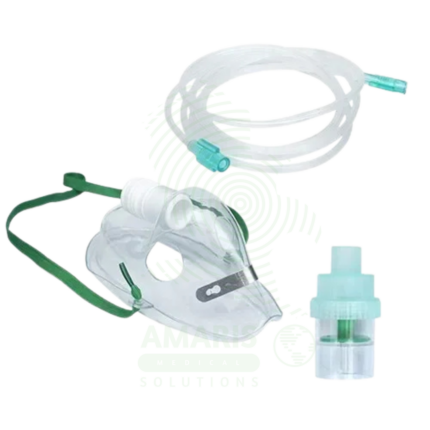
Adult & Pediatric Nebulizer Kit
An Adult & Pediatric Nebulizer Kit is a complete set of patient-contact components required for aerosol medication delivery, including a nebulizer cup, connecting tubing, and both an adult mouthpiece and a pediatric mask (or universal fit). Designed for use with a compressor, it provides the delivery circuit for treating asthma, COPD, and other respiratory conditions. Available in disposable (single-patient-use) formats for infection control in clinics or reusable formats for home care, its proper use, coupled with rigorous cleaning for reusable kits, is essential for effective therapy and preventing respiratory infections. The kit's universal connectors ensure compatibility with standard compressors.
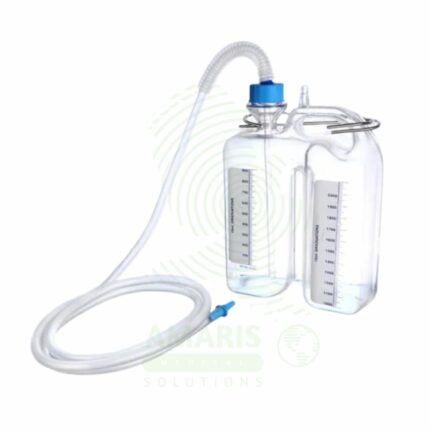
Chest Bottle
A Chest Bottle (Underwater Seal Drainage System) is a three-chamber disposable device used to drain air and fluid from the pleural space via a chest tube. Its critical component is a water seal chamber that acts as a one-way valve, preventing air from re-entering the chest while allowing drainage. It is used to treat pneumothorax, hemothorax, and pleural effusions, and is mandatory post-thoracic surgery. The system must always be kept upright and below the patient's chest level. It provides essential clinical information through tidaling in the water seal (indicating tube patency and lung expansion) and bubbling (indicating an air leak), making it both a therapeutic and diagnostic tool.
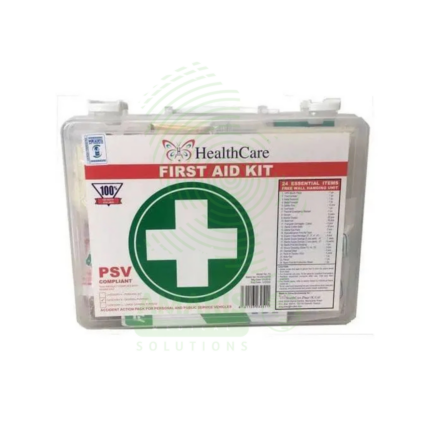
First Aid Kit
A First Aid Kit is an organized collection of medical supplies and equipment for providing initial care in emergency situations, available in various sizes and configurations for home, workplace, vehicle, travel, and specialized applications. Kits range from personal pouches (0.5-2 L) to comprehensive workplace cabinets (5-35 L) with soft-sided bags, hard cases, or wall-mounted containers. Contents are typically organized to meet regional standards (ANSI/ISEA Z308.1, CSA Z1220, BS 8599, DIN 13157/13169) and include wound care supplies (bandages, gauze, tape), antiseptics, burn care, eye care, emergency items (CPR mask, cold packs, foil blanket), instruments (scissors, tweezers), and PPE (gloves). Class A kits provide minimum supplies for low-hazard workplaces; Class B kits offer expanded quantities for high-hazard environments. Primary clinical applications include immediate treatment of minor injuries (cuts, abrasions, burns, sprains), bleeding control, wound care, fracture immobilization, and emergency assessment. Essential safety equipment for every home, workplace, vehicle, and public facility, providing critical medical supplies until professional care arrives.
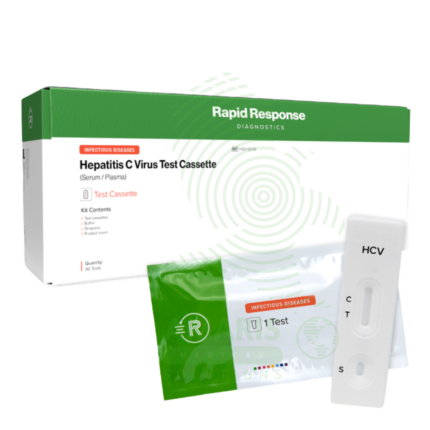
Hepatitis C Test Kit
The Hepatitis C Test Kit is an in vitro diagnostic device for the detection of Hepatitis C virus antibodies or RNA in human blood, serum, or plasma samples. Available in rapid, laboratory immunoassay, and molecular formats, it screens for HCV infection, confirms active infection with RNA testing, and monitors treatment response. With high sensitivity and specificity exceeding 99%, it is essential for identifying infected individuals, linking them to curative direct-acting antiviral therapy, and confirming cure. Essential applications include risk-based screening of high-risk populations, birth cohort screening of baby boomers, evaluation of acute hepatitis, management of occupational exposures, and monitoring of antiviral therapy that can cure over 95% of infections. All patient samples must be handled with universal precautions, and positive antibody results require confirmatory testing.
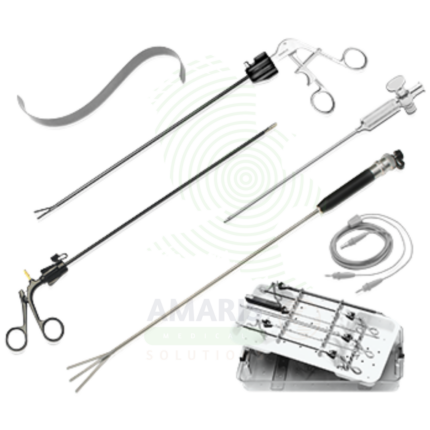
Laparoscopic Accessories
Laparoscopic accessories encompass a range of ancillary equipment and supplies essential for minimally invasive surgery, including cleaning brushes, sterilization containers, insufflation tubing, instrument storage systems, and single-use protective covers. These accessories support instrument care, procedural efficiency, and infection control, ensuring that laparoscopic instruments remain in optimal condition and that procedures run smoothly. Essential for operating rooms, sterile processing departments, and surgical suites.
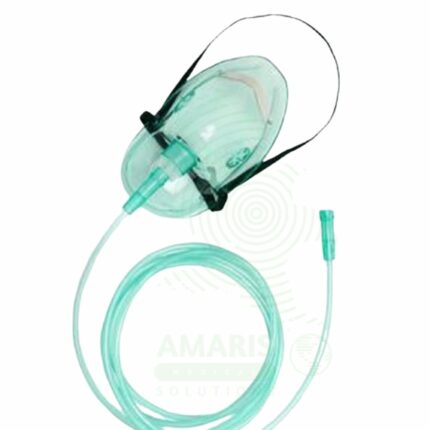
Oxygen Mask (Adult/Infant/Paediatric)
An Oxygen Mask is a disposable, single-use interface used to deliver supplemental oxygen from a medical gas supply to a patient's airways. Available in types for specific clinical needs—Simple Mask for low-flow therapy, Venturi Mask for precise FiO2 control (especially in COPD), and Non-Rebreather Mask for emergency high-flow delivery—and in sizes for adults, children, and infants. Correct selection and application, including ensuring the proper oxygen flow rate for the mask type, are essential for effective therapy and patient safety. Adherence to strict fire safety protocols is non-negotiable due to the combustion risk posed by enriched oxygen environments.
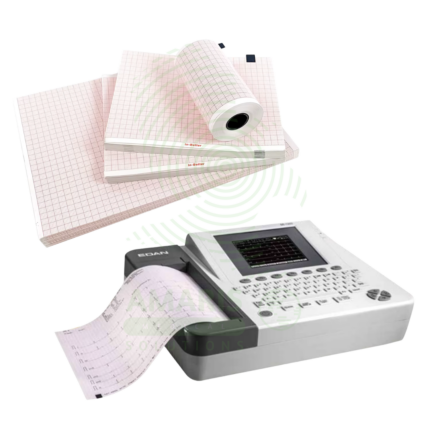
Thermal Printing Paper Roll
Thermal Printing Paper Roll is a heat-sensitive recording medium used with medical monitoring and diagnostic equipment including ECG machines, fetal monitors, ultrasound printers, and telemetry systems. The paper produces high-contrast, permanent images of physiological waveforms and data when passed over the printer's thermal head. Available in various widths, lengths, and grid patterns to match specific device requirements, it is an essential consumable for creating hard copy records for patient charts, consultation, and legal documentation. Proper storage away from light, heat, and moisture is essential to preserve image quality. BPA-free and archival-grade options are available for specific applications.