Dermatoscope and Magnifiers
 Diagnostic Kits
 Vital Signs Monitors
 Stethoscopes and Accessories
 Otoscopes, Ophthalmoscopes, and Retinoscopes
 Reflex Hammers and Neurological Tools
 Scales and Measuring Devices
 Spirometers and Pulmonary Function Tests
 Electrosurgical Units and Accessories
 Cutting Instruments
 Grasping and Holding Instruments
 Hemostatic Instruments
 Specialized Surgical Sets
 Single-Use Procedure Trays and Packs
 Surgical Drapes, Gowns, and Covers
 Tissue Unifying Instruments
 Radiation Protection
 X-Ray Machines and Accessories
 Ultrasound Systems and Probes
 MRI and CT Scanners
 Radiology Consumables
 Bone Densitometers
 Fluoroscopy Equipment
 Imaging Tables and Positioning Aids
 Microscopes and Accessories
 Centrifuges and Separators
 Analyzers
 Incubators and Ovens
 Pipettes, Dispensers, and Lab Glassware
 Refrigerators, Freezers, and Storage Units
 Lab Consumables
 Sterilizers and Autoclaves for Lab Use
 Multi-Parameter Monitors
 Ventilators and Respiratory Support Devices
 Defibrillators and AEDs
 Infusion Pumps and IV Systems
 Patient Warmers and Cooling Devices
 Central Monitoring Stations
 Accessories
 Anesthesia Machines and Workstations
 Oxygen Concentrators and Delivery Systems
 Nebulizers and Inhalers
 CPAP/BiPAP Machines
 Airway Management
 Anesthesia Masks, Circuits, and Bags
 Humidifiers and Heaters
 Respiratory Therapy Accessories
 First Aid Kits and Cabinets
 Emergency Resuscitation Equipment
 Trauma Supplies
 Emergency Carts and Crash Carts
 Burn Care Products
 Bleeding Control
 Automated External Defibrillators (AEDs)
 Transport and Evacuation
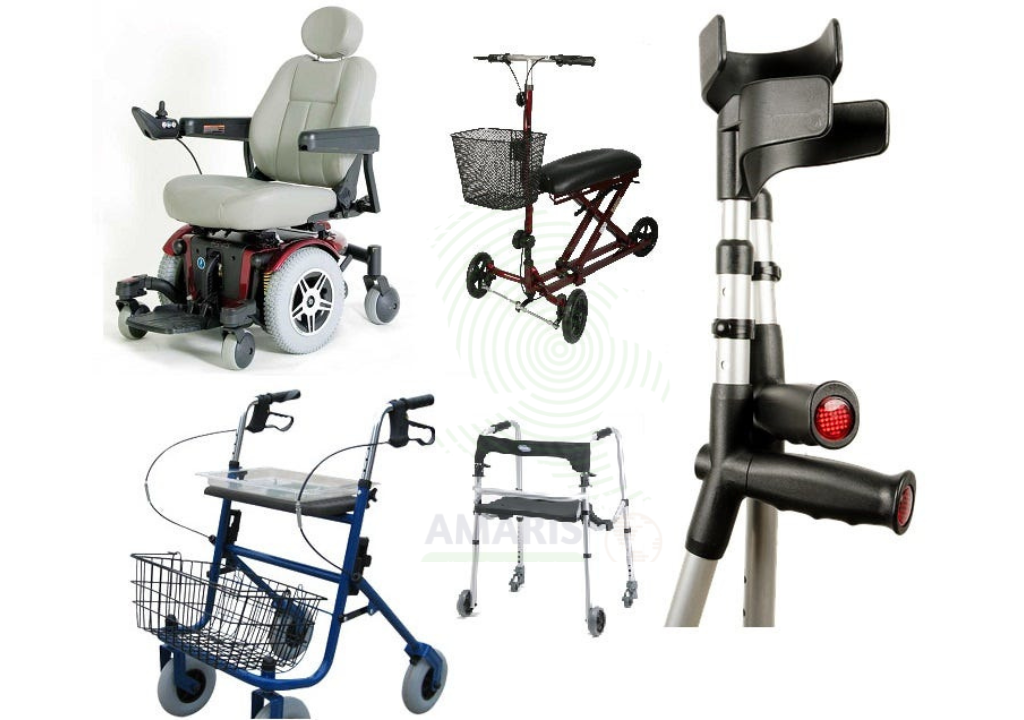
 Wheelchairs and Accessories
 Walkers, Crutches, and Canes
 Prosthetics and Orthotics
 Physical Therapy Equipment
 Transfer Devices
 Bathroom Safety
 Orthopedic Traction and Tables
 Hot/Cold Therapy Packs and Units
 Beds and Mattresses
 Chairs and Stools
 Tables
 Cabinets and Storage
 Privacy Screens & Curtains
 Stands and Racks
 Linens and Textiles
 Lighting
 Autoclaves and Sterilizers
 Ultrasonic Cleaners
 Disinfectant Solutions and Wipes
 Sterilization Pouches, Wraps, and Indicators
 Instrument Trays and Containers
 UV and Ozone Disinfection Devices
 Washer Disinfectors
 Wound Care
 Gloves
 Masks and Respirators
 Catheters and Tubing
 Swabs, Applicators, and Sponges
 Incontinence Products
 Personal Protective Equipment (PPE)
 Dental Chairs and Units
 Handpieces and Burs
 Instruments
 Consumables
 Sterilization for Dental Use
 Orthodontic Supplies
 Endodontic Tools
 Slit Lamps and Tonometers
 Lensometers and Phoropters
 Ophthalmic Surgical Instruments
 Eyewear Frames and Lenses
 Contact Lens Supplies
 Vision Testing Charts and Devices
 Eye Care Consumables
 Laser Systems for Eye Care
 ENT Exam Chairs and Tables
 Endoscopes
 Audiometers and Hearing Tests
 ENT Instruments
 Nasal and Throat Packs
 Hearing Aids and Accessories
 Otology Supplies
 Fetal Dopplers and Monitors
 Delivery Beds and Tables
 Gynecological Instruments
 Neonatal Incubators and Warmers
 Breast Pumps and Accessories
 Contraceptive Devices
 Maternity Supports and Pads
 Neonatal Consumables
 Cystoscopes and Urethroscopes
 Dialysis Machines and Supplies
 Urological Catheters and Bags
 Lithotripters
 Prostate Treatment Devices
 Urinary Incontinence Products
 Kidney Stone Management Tools
 Consumables & Disposables
 EEG and EMG Machines
 Neurosurgical Instruments
 Nerve Stimulators
 Headrests and Positioning Aids
 Lumbar Puncture Kits
 Seizure Monitoring Devices
 Consumables
 Rehabilitation for Neurological Conditions
 ECG Machines and Accessories
 Holter Monitors
 Stress Test Systems
 Pacemakers and Defibrillator Accessories
 Vascular Access Devices
 Cardiac Catheters and Guidewires
 Blood Flow Meters
 Consumables
 Orthopedic Instruments
 Casts, Splints, and Padding
 Joint Replacement Supplies
 Prosthetic Limbs and Components
 Bone Grafts and Substitutes
 Traction Devices
 Orthopedic Braces and Supports
 Rehabilitation Aids for Orthopedics
 Home Oxygen Therapy
 Hospital Beds for Home Use
 Mobility Aids
 Bathroom and Daily Living Aids
 Wound Care for Home
 Monitoring Devices
 Enteral Feeding Pumps and Tubes
 Hand Sanitizers and Dispensers
 Face Shields and Goggles
 Isolation Gowns and Suits
 Biohazard Waste Containers
 Air Purifiers and HEPA Filters
 Surface Disinfectants
 Sharps Containers
 Protective Barriers
 Cardiovascular & Endurance Training
 Strength Training & Weightlifting
 Functional Training & Core Conditioning
 Physical Therapy & Rehabilitation
 Sports & Outdoor Recreation
 Gym Flooring & Facility Equipment
 Fitness Monitoring & Accessories
 Kids & Novelties
🌬️🏥 Top Respiratory Devices Every Clinic Should Have

Breathing difficulties can develop suddenly, making respiratory care equipment an important part of any modern clinic. From routine consultations to emergency situations, healthcare professionals need reliable tools to assess breathing, monitor oxygen levels, and provide appropriate respiratory support.
A well-equipped clinic should therefore have a selection of respiratory devices that can support patients across different ages and medical conditions. Having the right equipment readily available can improve response times, support accurate assessment, and enhance the overall quality of patient care 💙.
One of the most essential devices is the pulse oximeter. This compact device measures oxygen saturation in the blood and pulse rate, providing healthcare professionals with quick information about a patient’s oxygen status.
Pulse oximeters are useful during routine assessments, respiratory consultations, emergency evaluations, and monitoring of patients who require closer observation. Their small size also makes them convenient for use in consultation rooms, treatment areas, ambulances, and outreach services.
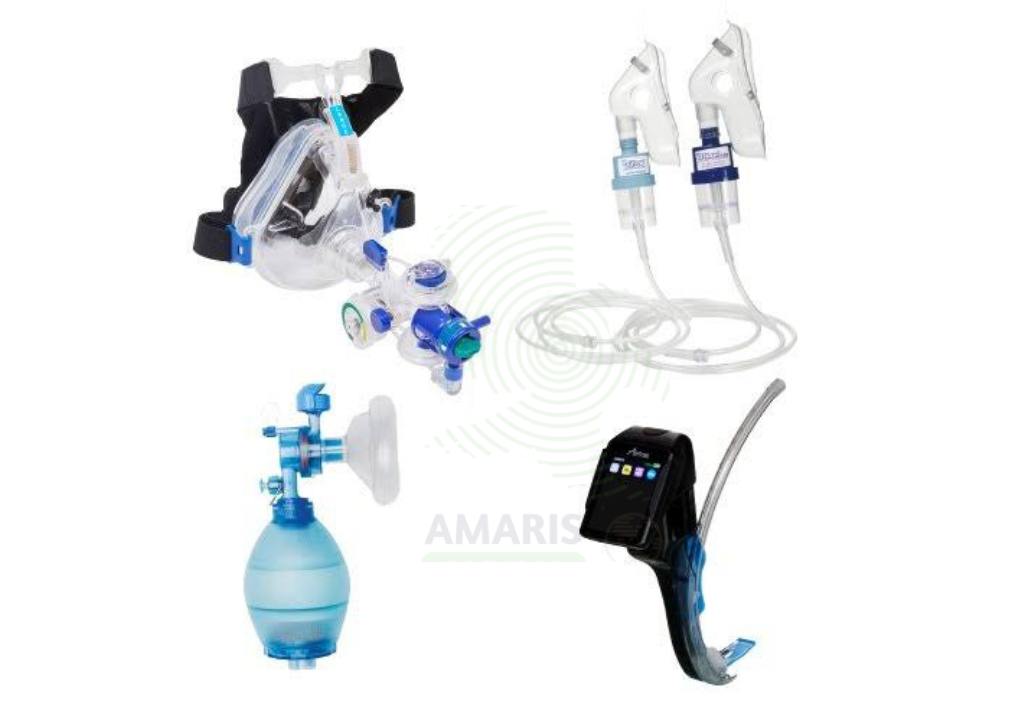
Another important device is the nebulizer. Nebulizers convert prescribed liquid medication into a fine mist that can be inhaled through a mouthpiece or mask. They are commonly used for patients who require certain inhaled medications as part of their treatment plan.
Clinics may choose from compressor, mesh, or other types of nebulizers depending on their needs. Having a reliable nebulizer available can be particularly useful when caring for patients who have difficulty using certain inhalers 🌬️.
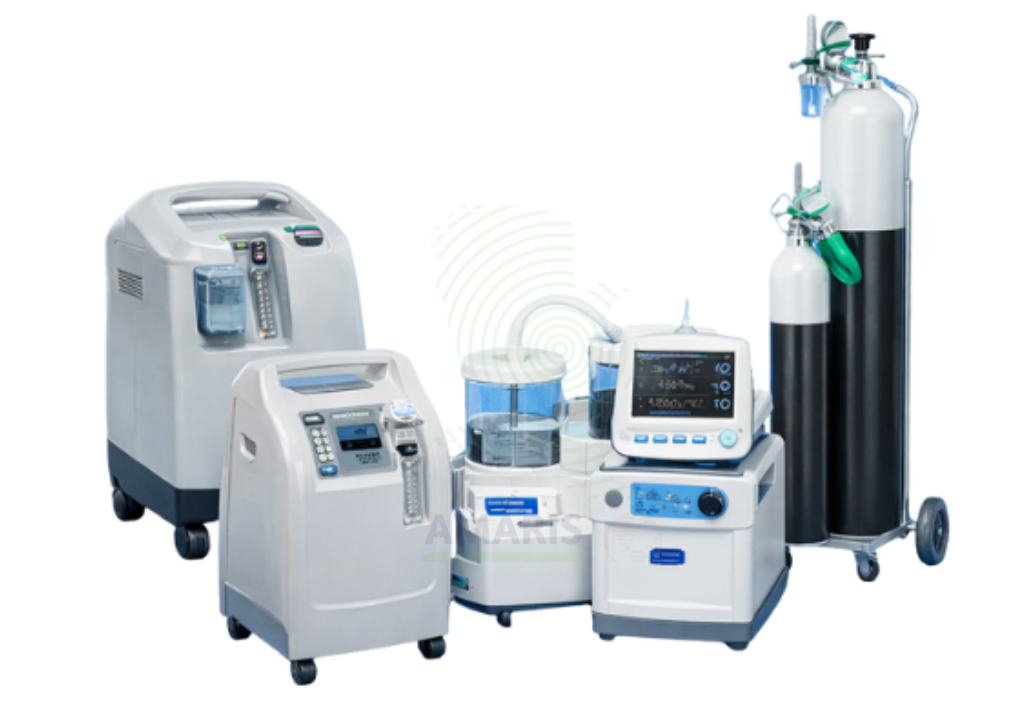
Oxygen concentrators are another valuable addition to respiratory care. These devices draw air from the surrounding environment, separate nitrogen from oxygen, and deliver oxygen-rich air to the patient through appropriate oxygen-delivery accessories.
Unlike oxygen cylinders, concentrators generate oxygen continuously while connected to a suitable power source. They can therefore be useful in clinics where patients require supplemental oxygen according to professional medical guidance.
For situations requiring immediate oxygen support, clinics may also need oxygen cylinders and oxygen delivery systems. Oxygen masks, nasal cannulas, tubing, and related accessories help healthcare professionals administer oxygen appropriately.
Having these supplies organized and readily accessible is especially important in emergency situations where delays can affect patient care 🚑.
A suction machine is another important respiratory-care device. Suction equipment can help remove secretions, mucus, or other fluids from the airway when a patient is unable to clear them effectively.
Portable suction machines can be particularly useful in emergency rooms, treatment areas, ambulances, and other clinical environments. Proper training and appropriate clinical protocols are essential when operating suction equipment.
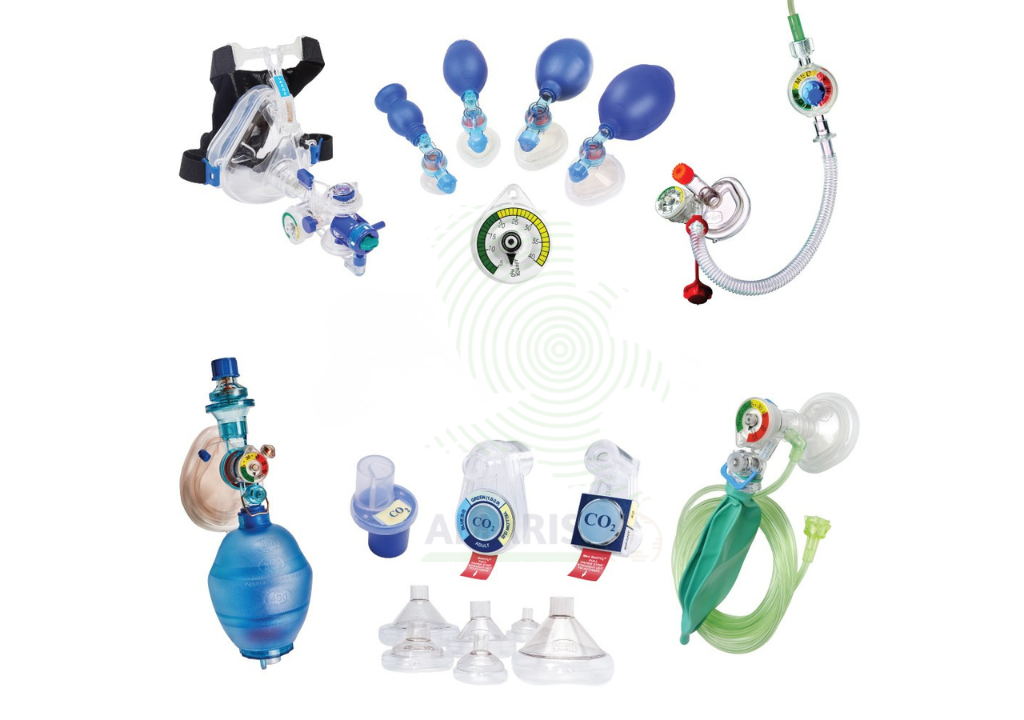
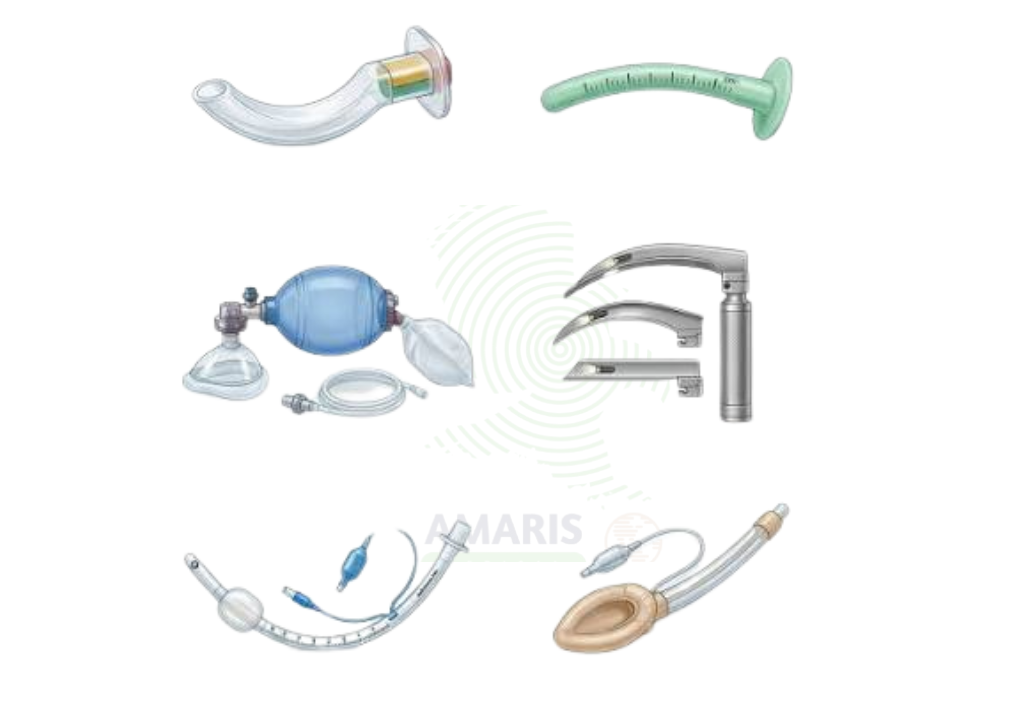
Clinics may also benefit from having resuscitation equipment, including Ambu bags and appropriately sized masks. Manual resuscitators can be used by trained healthcare professionals to provide assisted ventilation when a patient is not breathing adequately.
Because respiratory emergencies can occur unexpectedly, resuscitation equipment should be easily accessible, regularly inspected, and maintained in ready-to-use condition 🛡️.
For clinics providing more advanced respiratory assessment, a spirometer can be a valuable diagnostic tool. Spirometry measures aspects of lung function and can help healthcare professionals assess conditions affecting airflow and breathing.
It may be used as part of the evaluation of patients with suspected or known respiratory conditions. Results should always be interpreted by appropriately trained healthcare professionals alongside the patient’s history and clinical examination.
A multi-parameter patient monitor can also play an important role in respiratory care. Depending on the model, it can continuously monitor oxygen saturation, respiratory rate, heart rate, blood pressure, temperature, and other vital parameters.
This is especially useful when a patient requires closer observation. Instead of checking individual measurements separately, healthcare professionals can view multiple vital signs on one screen and receive alerts when readings reach configured limits 📊.
For pediatric and neonatal services, clinics may require specialized respiratory equipment designed for smaller patients. Appropriately sized masks, oxygen-delivery accessories, nebulizers, and resuscitation equipment are essential because children and newborns have different clinical and equipment requirements.
Selecting equipment that is appropriate for the patient population served by the clinic is therefore extremely important.
Beyond purchasing equipment, maintenance and staff training should be a priority. Respiratory devices may be required during emergencies, so equipment that has not been tested or maintained properly may not perform as expected.
Clinics should establish regular inspection schedules, check batteries and power supplies, clean reusable components appropriately, and follow manufacturer recommendations. Healthcare workers should also receive training on correct operation and infection prevention procedures 🧼.
The ideal respiratory equipment setup will vary depending on the clinic’s size, specialties, patient population, and level of care. A small outpatient clinic may require basic respiratory assessment and emergency equipment, while a larger facility may need advanced diagnostic and respiratory-support systems.
🔚 Final Thoughts
Respiratory devices are essential components of a well-equipped modern clinic. From pulse oximeters and nebulizers to oxygen concentrators, suction machines, spirometers, patient monitors, and resuscitation equipment, each device serves an important purpose in respiratory assessment and patient care.
Investing in reliable respiratory equipment ensures healthcare professionals are better prepared to respond to breathing-related concerns, provide appropriate treatment, and monitor patients effectively. With quality equipment, proper maintenance, and trained staff, clinics can create a safer and more responsive environment for every patient 🌟💙.