Dermatoscope and Magnifiers
 Diagnostic Kits
 Vital Signs Monitors
 Stethoscopes and Accessories
 Otoscopes, Ophthalmoscopes, and Retinoscopes
 Reflex Hammers and Neurological Tools
 Scales and Measuring Devices
 Spirometers and Pulmonary Function Tests
 Electrosurgical Units and Accessories
 Cutting Instruments
 Grasping and Holding Instruments
 Hemostatic Instruments
 Specialized Surgical Sets
 Single-Use Procedure Trays and Packs
 Surgical Drapes, Gowns, and Covers
 Tissue Unifying Instruments
 Radiation Protection
 X-Ray Machines and Accessories
 Ultrasound Systems and Probes
 MRI and CT Scanners
 Radiology Consumables
 Bone Densitometers
 Fluoroscopy Equipment
 Imaging Tables and Positioning Aids
 Microscopes and Accessories
 Centrifuges and Separators
 Analyzers
 Incubators and Ovens
 Pipettes, Dispensers, and Lab Glassware
 Refrigerators, Freezers, and Storage Units
 Lab Consumables
 Sterilizers and Autoclaves for Lab Use
 Multi-Parameter Monitors
 Ventilators and Respiratory Support Devices
 Defibrillators and AEDs
 Infusion Pumps and IV Systems
 Patient Warmers and Cooling Devices
 Central Monitoring Stations
 Accessories
 Anesthesia Machines and Workstations
 Oxygen Concentrators and Delivery Systems
 Nebulizers and Inhalers
 CPAP/BiPAP Machines
 Airway Management
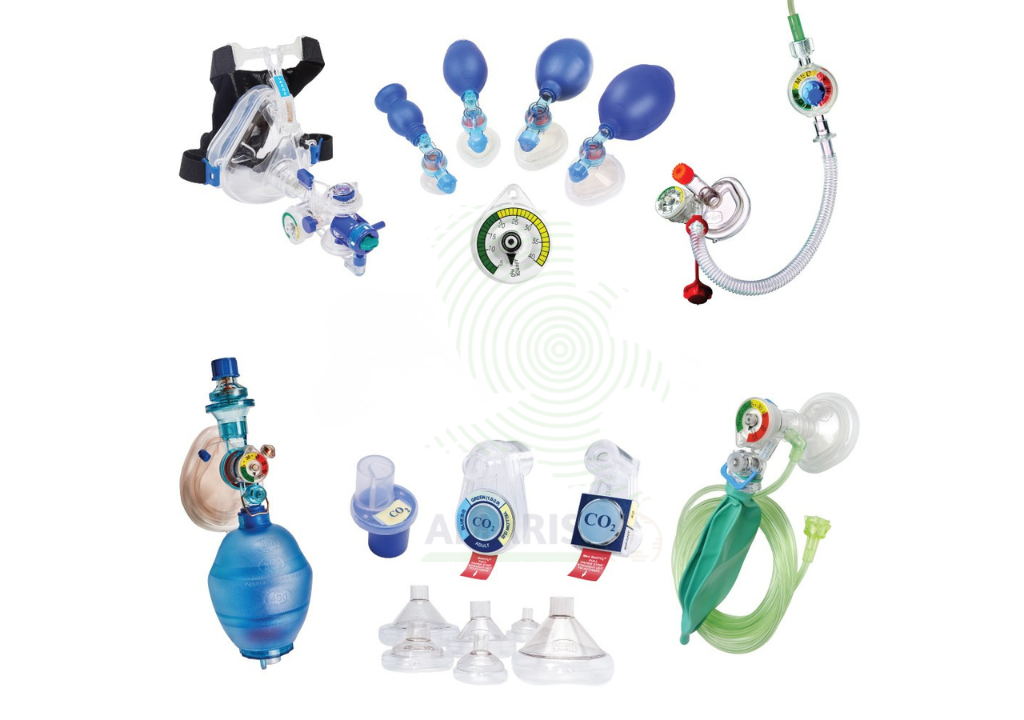
 Anesthesia Masks, Circuits, and Bags
 Humidifiers and Heaters
 Respiratory Therapy Accessories
 First Aid Kits and Cabinets
 Emergency Resuscitation Equipment
 Trauma Supplies
 Emergency Carts and Crash Carts
 Burn Care Products
 Bleeding Control
 Automated External Defibrillators (AEDs)
 Transport and Evacuation
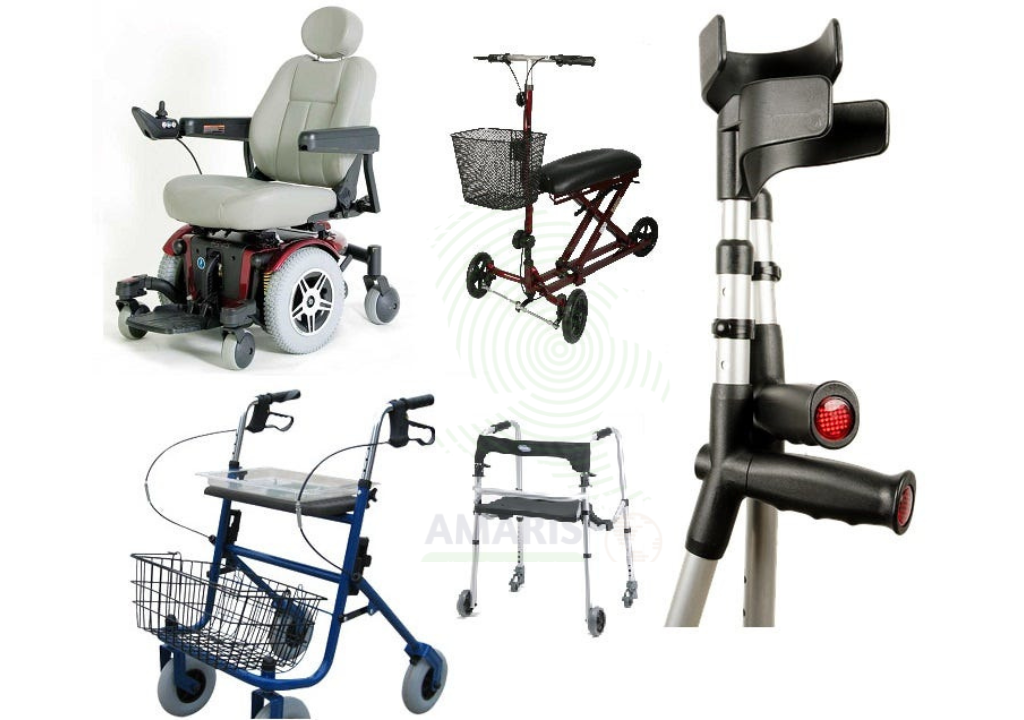
 Wheelchairs and Accessories
 Walkers, Crutches, and Canes
 Prosthetics and Orthotics
 Physical Therapy Equipment
 Transfer Devices
 Bathroom Safety
 Orthopedic Traction and Tables
 Hot/Cold Therapy Packs and Units
 Beds and Mattresses
 Chairs and Stools
 Tables
 Cabinets and Storage
 Privacy Screens & Curtains
 Stands and Racks
 Linens and Textiles
 Lighting
 Autoclaves and Sterilizers
 Ultrasonic Cleaners
 Disinfectant Solutions and Wipes
 Sterilization Pouches, Wraps, and Indicators
 Instrument Trays and Containers
 UV and Ozone Disinfection Devices
 Washer Disinfectors
 Wound Care
 Gloves
 Masks and Respirators
 Catheters and Tubing
 Swabs, Applicators, and Sponges
 Incontinence Products
 Personal Protective Equipment (PPE)
 Dental Chairs and Units
 Handpieces and Burs
 Instruments
 Consumables
 Sterilization for Dental Use
 Orthodontic Supplies
 Endodontic Tools
 Slit Lamps and Tonometers
 Lensometers and Phoropters
 Ophthalmic Surgical Instruments
 Eyewear Frames and Lenses
 Contact Lens Supplies
 Vision Testing Charts and Devices
 Eye Care Consumables
 Laser Systems for Eye Care
 ENT Exam Chairs and Tables
 Endoscopes
 Audiometers and Hearing Tests
 ENT Instruments
 Nasal and Throat Packs
 Hearing Aids and Accessories
 Otology Supplies
 Fetal Dopplers and Monitors
 Delivery Beds and Tables
 Gynecological Instruments
 Neonatal Incubators and Warmers
 Breast Pumps and Accessories
 Contraceptive Devices
 Maternity Supports and Pads
 Neonatal Consumables
 Cystoscopes and Urethroscopes
 Dialysis Machines and Supplies
 Urological Catheters and Bags
 Lithotripters
 Prostate Treatment Devices
 Urinary Incontinence Products
 Kidney Stone Management Tools
 Consumables & Disposables
 EEG and EMG Machines
 Neurosurgical Instruments
 Nerve Stimulators
 Headrests and Positioning Aids
 Lumbar Puncture Kits
 Seizure Monitoring Devices
 Consumables
 Rehabilitation for Neurological Conditions
 ECG Machines and Accessories
 Holter Monitors
 Stress Test Systems
 Pacemakers and Defibrillator Accessories
 Vascular Access Devices
 Cardiac Catheters and Guidewires
 Blood Flow Meters
 Consumables
 Orthopedic Instruments
 Casts, Splints, and Padding
 Joint Replacement Supplies
 Prosthetic Limbs and Components
 Bone Grafts and Substitutes
 Traction Devices
 Orthopedic Braces and Supports
 Rehabilitation Aids for Orthopedics
 Home Oxygen Therapy
 Hospital Beds for Home Use
 Mobility Aids
 Bathroom and Daily Living Aids
 Wound Care for Home
 Monitoring Devices
 Enteral Feeding Pumps and Tubes
 Hand Sanitizers and Dispensers
 Face Shields and Goggles
 Isolation Gowns and Suits
 Biohazard Waste Containers
 Air Purifiers and HEPA Filters
 Surface Disinfectants
 Sharps Containers
 Protective Barriers
 Cardiovascular & Endurance Training
 Strength Training & Weightlifting
 Functional Training & Core Conditioning
 Physical Therapy & Rehabilitation
 Sports & Outdoor Recreation
 Gym Flooring & Facility Equipment
 Fitness Monitoring & Accessories
 Kids & Novelties
🌬️💙 How Respiratory Equipment Supports Better Patient Outcomes

Breathing is one of the most basic functions of the human body, yet respiratory problems can quickly become serious when patients cannot breathe effectively or maintain adequate oxygen levels. From clinics and hospitals to emergency departments and home-care settings, respiratory equipment provides healthcare professionals with essential tools for assessment, monitoring, and treatment.
Modern respiratory devices are designed to make respiratory care more accessible, efficient, and responsive. When combined with professional medical assessment and appropriate treatment, they can contribute significantly to better patient outcomes 🏥.
One of the simplest but most valuable respiratory devices is the pulse oximeter. This small device measures oxygen saturation and pulse rate, giving healthcare professionals a quick indication of a patient’s oxygen status.
Pulse oximeters can be used during routine examinations, emergency assessments, post-operative monitoring, and respiratory consultations. Because they are portable and easy to use, they are also valuable in community healthcare and appropriate home-monitoring situations.
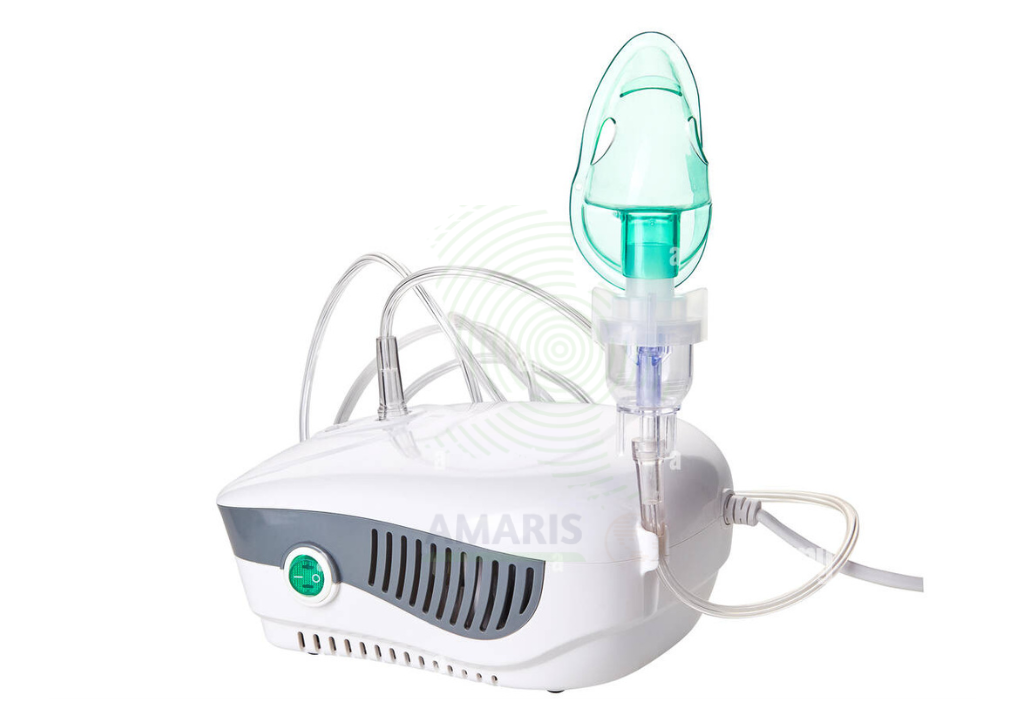
Another important device is the nebulizer. Nebulizers convert prescribed liquid medication into a fine mist that patients inhale through a mask or mouthpiece. This allows certain medications to be delivered directly into the airways.
Nebulizers can be useful for patients who have difficulty using certain inhalers correctly or when a healthcare professional determines that nebulized medication is appropriate. Compressor and mesh nebulizers provide different options depending on the clinical environment and patient requirements 🌬️.
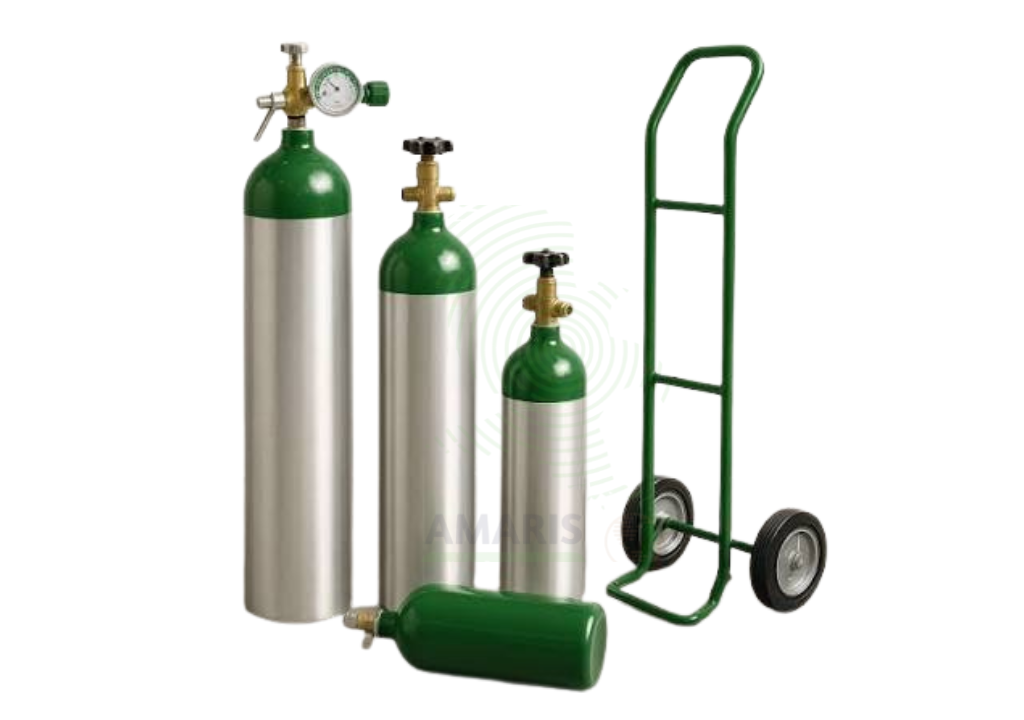
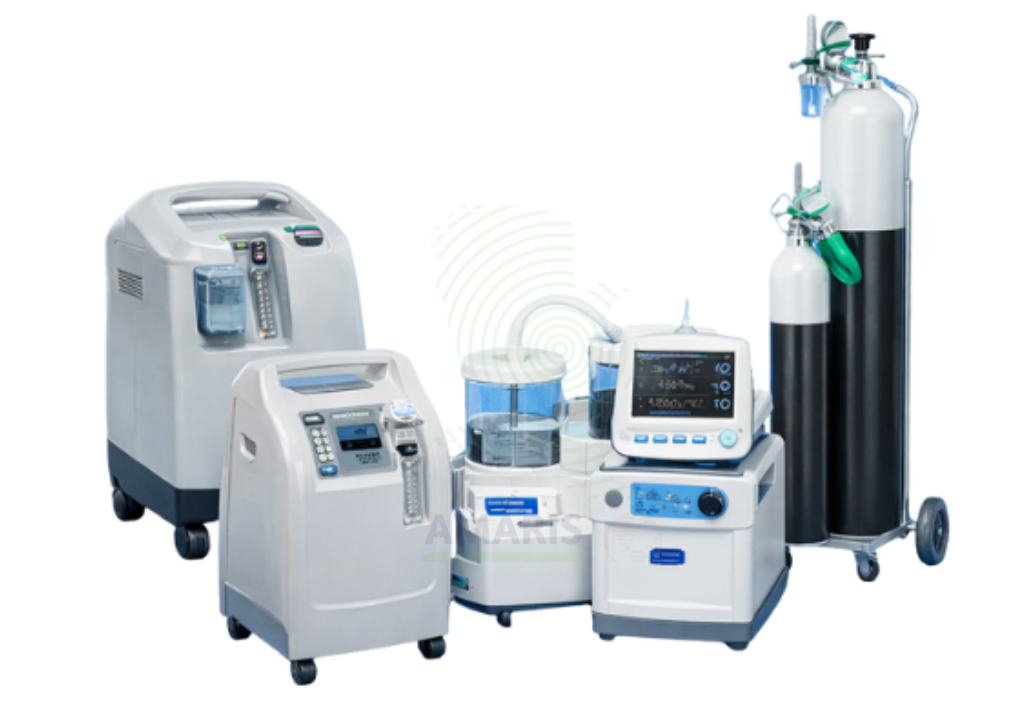
Oxygen concentrators also play a significant role in respiratory care. These devices extract oxygen from surrounding air and deliver oxygen-enriched air to patients who have been prescribed supplemental oxygen.
They can support respiratory care in healthcare facilities and appropriate home-care situations. Their ability to continuously generate oxygen while connected to a suitable power supply makes them a practical option for many settings.
In emergency situations, access to oxygen-delivery equipment can be particularly important. Oxygen masks, nasal cannulas, tubing, and related accessories allow healthcare professionals to administer supplemental oxygen according to the patient’s clinical needs.
Having these supplies readily available can help healthcare teams respond more efficiently when a patient experiences respiratory distress 🚑.
Suction machines provide another form of respiratory support. Some patients may struggle to clear mucus or other secretions from their airways. Suction equipment can assist trained healthcare professionals in removing these secretions when clinically indicated.
This can be particularly important in emergency care, post-operative settings, critical care, and certain home-care situations.
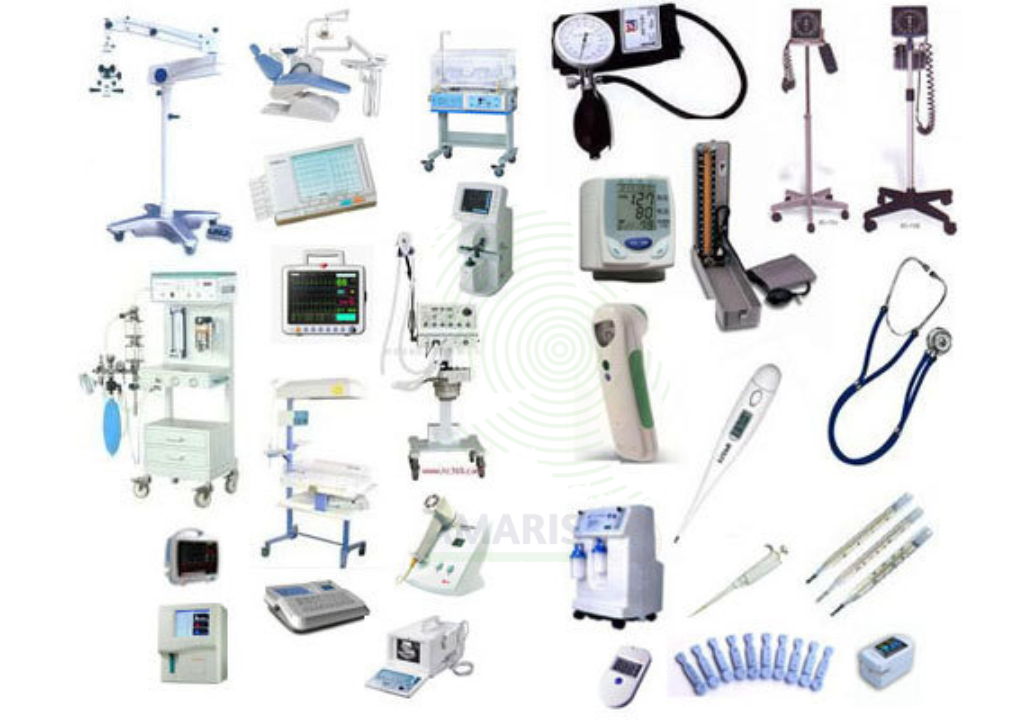
Respiratory equipment also supports continuous patient monitoring. Multi-parameter patient monitors can display oxygen saturation, respiratory rate, heart rate, blood pressure, and other vital signs simultaneously.
Continuous monitoring provides healthcare professionals with a clearer picture of how a patient’s condition is changing. If important measurements move outside configured limits, alarms can alert the clinical team so that the patient can be assessed promptly 📊.
For patients requiring more detailed respiratory assessment, spirometers can provide valuable information about lung function. Spirometry measures aspects of airflow and lung capacity and can form part of the evaluation of certain respiratory conditions.
By providing measurable information about lung function, respiratory diagnostic equipment can support clinical assessment and help healthcare professionals develop appropriate management plans.
Respiratory equipment is also essential in emergency preparedness. Ambu bags and appropriately sized masks can be used by trained professionals to provide manual ventilation when a patient is not breathing adequately.
Because respiratory emergencies can happen unexpectedly, equipment such as manual resuscitators, oxygen systems, suction devices, and patient monitors should be accessible and regularly checked. Preparation can make a significant difference when rapid intervention is required 🛡️.
Another important contribution of respiratory equipment is its role in home healthcare. Portable oxygen concentrators, pulse oximeters, and certain nebulizers allow appropriate respiratory care to extend beyond traditional healthcare facilities.
This can provide greater convenience for patients who have been instructed by healthcare professionals to continue specific treatments or monitoring at home. However, home equipment should always be used according to professional guidance.
The effectiveness of respiratory equipment depends heavily on quality, maintenance, and correct use. Even advanced equipment cannot deliver reliable results if it is poorly maintained or operated incorrectly.
Healthcare facilities should follow manufacturer recommendations for cleaning, servicing, calibration where applicable, and component replacement. Staff should also receive appropriate training to ensure devices are used safely and correctly.
Infection prevention is particularly important with respiratory devices because many components come into contact with the patient’s airway or respiratory secretions. Proper cleaning, disinfection, and replacement of disposable components can help reduce contamination risks 🧼.
Modern respiratory technology continues to evolve. Smaller devices, improved sensors, quieter nebulizers, digital monitoring systems, and increasingly portable solutions are making respiratory care more flexible.
These developments are especially valuable as healthcare systems expand home-based care, outpatient services, community medicine, and remote patient monitoring.
Ultimately, equipment is only one part of successful respiratory care. The best outcomes come from combining reliable technology with accurate assessment, appropriate treatment, trained healthcare professionals, patient education, and continuous monitoring.
🔚 Final Thoughts
Respiratory equipment supports better patient outcomes by helping healthcare professionals assess breathing, monitor oxygen levels, deliver prescribed treatments, provide oxygen support, manage airway secretions, and respond to emergencies.
From a simple pulse oximeter to an advanced patient monitor, every device can contribute to safer and more responsive respiratory care when used appropriately. Investing in quality respiratory equipment is therefore an important step toward improving patient safety, supporting timely intervention, and strengthening healthcare delivery 🌟💙.