Dermatoscope and Magnifiers
 Diagnostic Kits
 Vital Signs Monitors
 Stethoscopes and Accessories
 Otoscopes, Ophthalmoscopes, and Retinoscopes
 Reflex Hammers and Neurological Tools
 Scales and Measuring Devices
 Spirometers and Pulmonary Function Tests
 Electrosurgical Units and Accessories
 Cutting Instruments
 Grasping and Holding Instruments
 Hemostatic Instruments
 Specialized Surgical Sets
 Single-Use Procedure Trays and Packs
 Surgical Drapes, Gowns, and Covers
 Tissue Unifying Instruments
 Radiation Protection
 X-Ray Machines and Accessories
 Ultrasound Systems and Probes
 MRI and CT Scanners
 Radiology Consumables
 Bone Densitometers
 Fluoroscopy Equipment
 Imaging Tables and Positioning Aids
 Microscopes and Accessories
 Centrifuges and Separators
 Analyzers
 Incubators and Ovens
 Pipettes, Dispensers, and Lab Glassware
 Refrigerators, Freezers, and Storage Units
 Lab Consumables
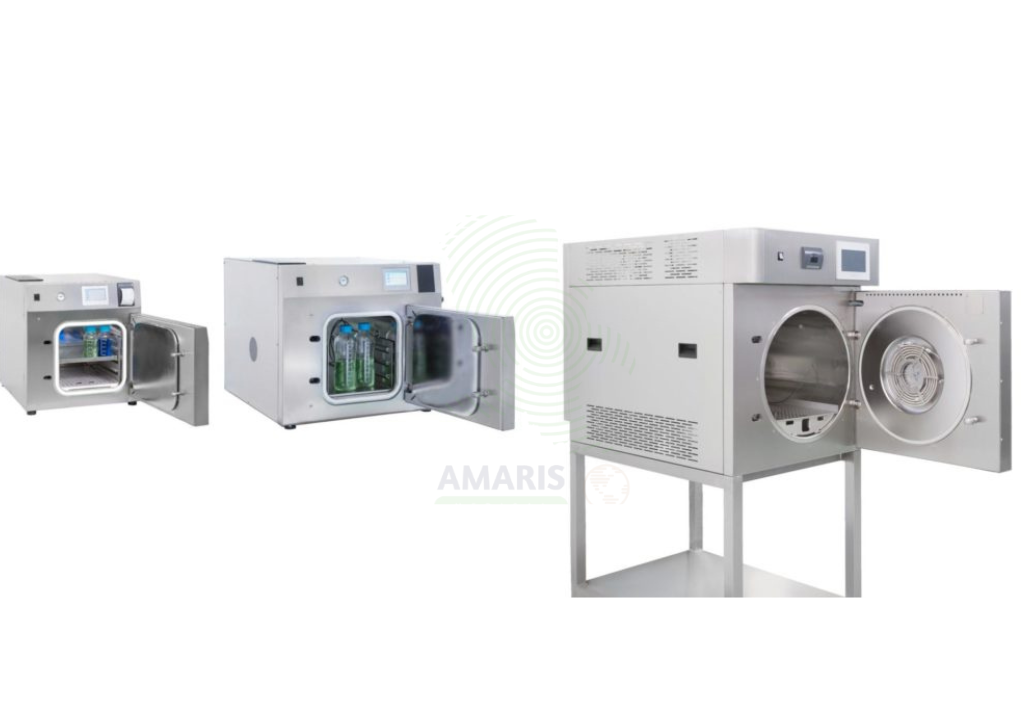
 Sterilizers and Autoclaves for Lab Use
 Multi-Parameter Monitors
 Ventilators and Respiratory Support Devices
 Defibrillators and AEDs
 Infusion Pumps and IV Systems
 Patient Warmers and Cooling Devices
 Central Monitoring Stations
 Accessories
 Anesthesia Machines and Workstations
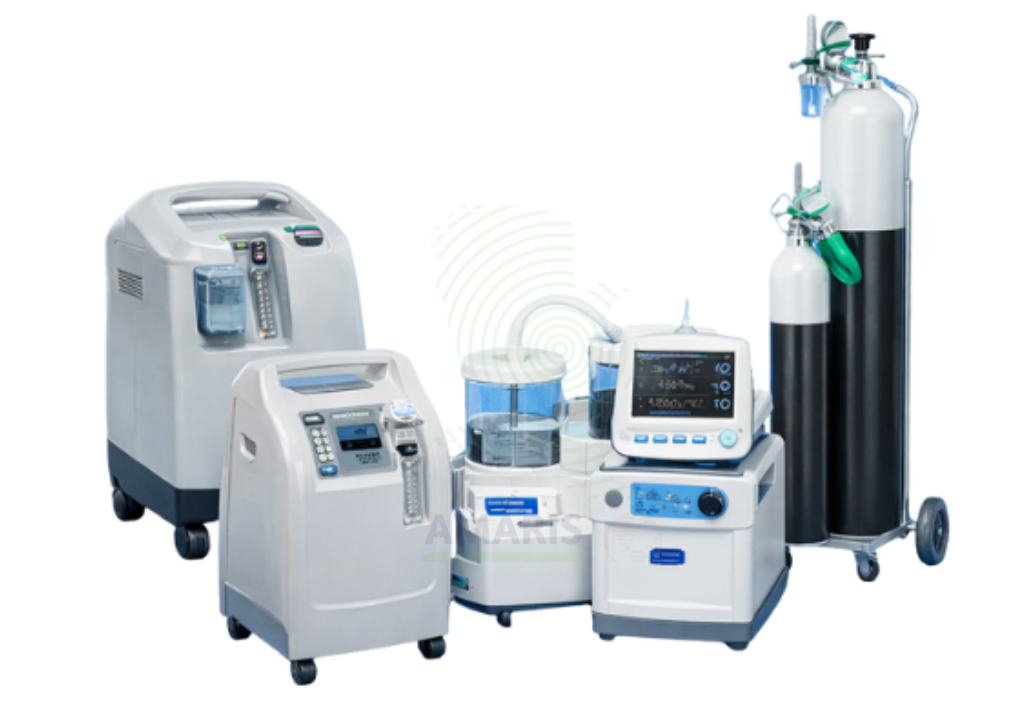
 Oxygen Concentrators and Delivery Systems
 Nebulizers and Inhalers
 CPAP/BiPAP Machines
 Airway Management
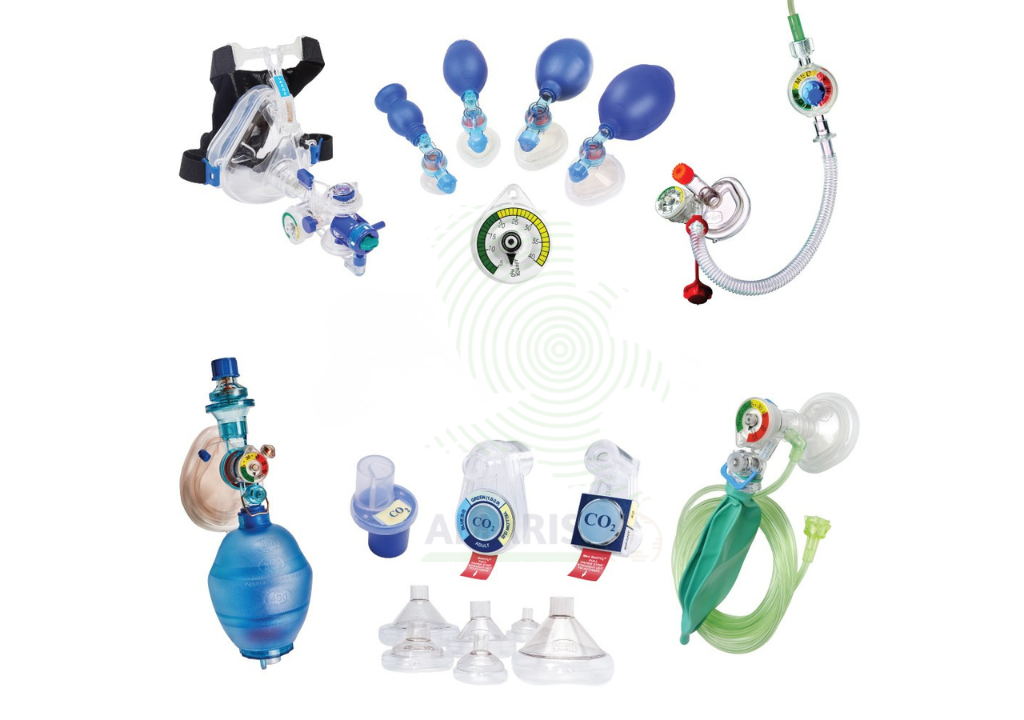
 Anesthesia Masks, Circuits, and Bags
 Humidifiers and Heaters
 Respiratory Therapy Accessories
 First Aid Kits and Cabinets
 Emergency Resuscitation Equipment
 Trauma Supplies
 Emergency Carts and Crash Carts
 Burn Care Products
 Bleeding Control
 Automated External Defibrillators (AEDs)
 Transport and Evacuation
 Wheelchairs and Accessories
 Walkers, Crutches, and Canes
 Prosthetics and Orthotics
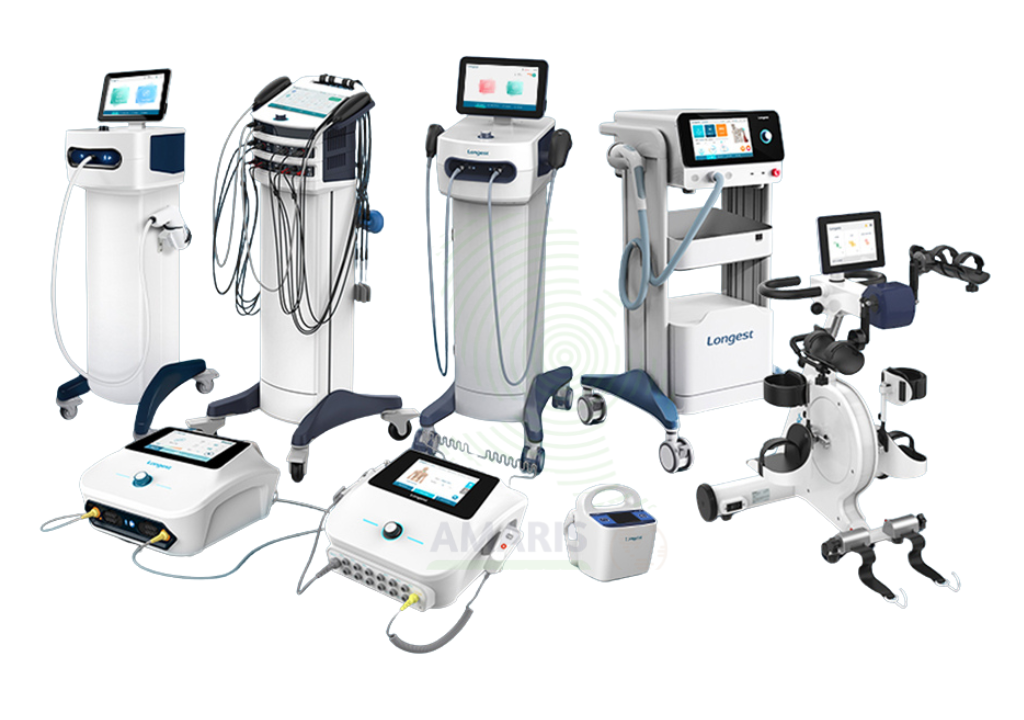
 Physical Therapy Equipment
 Transfer Devices
 Bathroom Safety
 Orthopedic Traction and Tables
 Hot/Cold Therapy Packs and Units
 Beds and Mattresses
 Chairs and Stools
 Tables
 Cabinets and Storage
 Privacy Screens & Curtains
 Stands and Racks
 Linens and Textiles
 Lighting
 Autoclaves and Sterilizers
 Ultrasonic Cleaners
 Disinfectant Solutions and Wipes
 Sterilization Pouches, Wraps, and Indicators
 Instrument Trays and Containers
 UV and Ozone Disinfection Devices
 Washer Disinfectors
 Wound Care
 Gloves
 Masks and Respirators
 Catheters and Tubing
 Swabs, Applicators, and Sponges
 Incontinence Products
 Personal Protective Equipment (PPE)
 Dental Chairs and Units
 Handpieces and Burs
 Instruments
 Consumables
 Sterilization for Dental Use
 Orthodontic Supplies
 Endodontic Tools
 Slit Lamps and Tonometers
 Lensometers and Phoropters
 Ophthalmic Surgical Instruments
 Eyewear Frames and Lenses
 Contact Lens Supplies
 Vision Testing Charts and Devices
 Eye Care Consumables
 Laser Systems for Eye Care
 ENT Exam Chairs and Tables
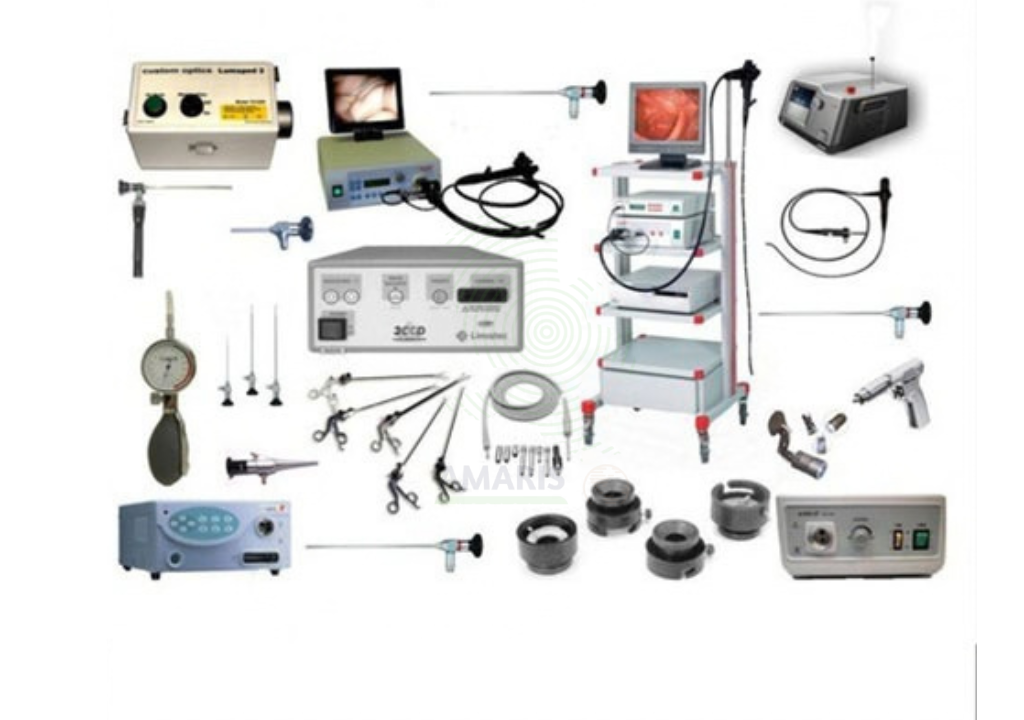
 Endoscopes
 Audiometers and Hearing Tests
 ENT Instruments
 Nasal and Throat Packs
 Hearing Aids and Accessories
 Otology Supplies
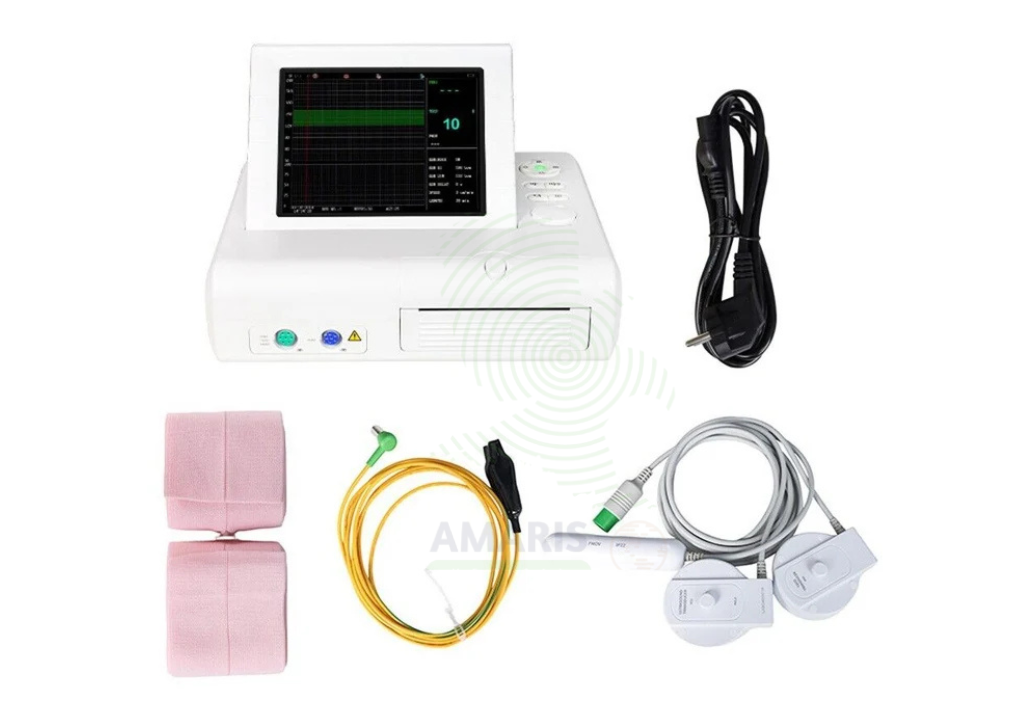
 Fetal Dopplers and Monitors
 Delivery Beds and Tables
 Gynecological Instruments
 Neonatal Incubators and Warmers
 Breast Pumps and Accessories
 Contraceptive Devices
 Maternity Supports and Pads
 Neonatal Consumables
 Cystoscopes and Urethroscopes
 Dialysis Machines and Supplies
 Urological Catheters and Bags
 Lithotripters
 Prostate Treatment Devices
 Urinary Incontinence Products
 Kidney Stone Management Tools
 Consumables & Disposables
 EEG and EMG Machines
 Neurosurgical Instruments
 Nerve Stimulators
 Headrests and Positioning Aids
 Lumbar Puncture Kits
 Seizure Monitoring Devices
 Consumables
 Rehabilitation for Neurological Conditions
 ECG Machines and Accessories
 Holter Monitors
 Stress Test Systems
 Pacemakers and Defibrillator Accessories
 Vascular Access Devices
 Cardiac Catheters and Guidewires
 Blood Flow Meters
 Consumables
 Orthopedic Instruments
 Casts, Splints, and Padding
 Joint Replacement Supplies
 Prosthetic Limbs and Components
 Bone Grafts and Substitutes
 Traction Devices
 Orthopedic Braces and Supports
 Rehabilitation Aids for Orthopedics
 Home Oxygen Therapy
 Hospital Beds for Home Use
 Mobility Aids
 Bathroom and Daily Living Aids
 Wound Care for Home
 Monitoring Devices
 Enteral Feeding Pumps and Tubes
 Hand Sanitizers and Dispensers
 Face Shields and Goggles
 Isolation Gowns and Suits
 Biohazard Waste Containers
 Air Purifiers and HEPA Filters
 Surface Disinfectants
 Sharps Containers
 Protective Barriers
 Cardiovascular & Endurance Training
 Strength Training & Weightlifting
 Functional Training & Core Conditioning
 Physical Therapy & Rehabilitation
 Sports & Outdoor Recreation
 Gym Flooring & Facility Equipment
 Fitness Monitoring & Accessories
 Kids & Novelties
🚶♀️⚙️ The Science Behind Better Mobility Equipment

Mobility is an essential part of everyday life. Walking, standing, moving between rooms, and performing simple daily activities all depend on balance, strength, coordination, and physical stability. When illness, injury, disability, or age-related changes affect these abilities, mobility equipment can provide the support needed to move more safely and confidently.
But modern mobility equipment is about much more than simply adding wheels, handles, or support. Behind every well-designed wheelchair, walker, brace, or mobility aid is a combination of ergonomics, biomechanics, materials science, and user-centered design. These principles help create equipment that is safer, more comfortable, durable, and easier to use 🏥💙.
One of the most important principles behind mobility equipment is biomechanics. Biomechanics examines how the human body moves and how forces affect muscles, joints, and bones. Mobility equipment is designed with these movements in mind.
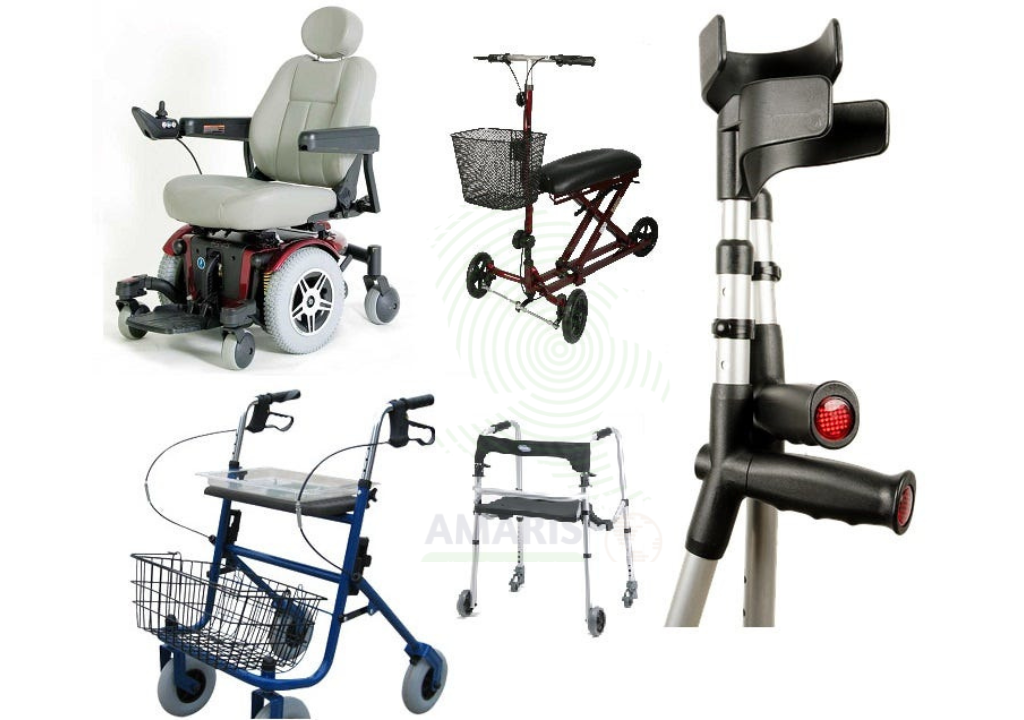
For example, a walker provides additional points of contact with the ground, increasing stability while a person moves. A properly designed wheelchair distributes the user’s weight across its supporting surfaces while allowing controlled movement. Understanding how the body interacts with equipment helps manufacturers develop solutions that provide appropriate support without unnecessarily restricting movement.
Balance and stability are also critical. When a person has difficulty maintaining balance, even a small change in body position can increase the risk of falling. Mobility aids are therefore designed to create a stable base of support.
Walkers, walking frames, and rollators typically provide multiple contact points with the ground, helping users maintain greater stability while standing or walking. Wheelchairs use carefully positioned wheels and frames to provide stability while allowing users to maneuver effectively 🚶♂️.
Another important factor is ergonomics. Ergonomics focuses on designing products around the needs and capabilities of the person using them. Handles, seats, armrests, footrests, and controls should be positioned in ways that promote comfort and ease of use.
For example, a walking aid with an appropriately positioned handle can help reduce unnecessary strain on the user’s wrists and shoulders. Adjustable features allow equipment to be adapted to different body sizes and individual requirements.
Comfort is especially important for people who use mobility equipment for extended periods. Wheelchair cushions, supportive backrests, ergonomic handles, and properly designed seating surfaces can help improve the user experience while supporting appropriate posture.
Materials science also plays a major role in modern mobility equipment. Manufacturers need materials that are strong enough to support users while remaining as lightweight as possible.
Aluminum alloys, steel, reinforced plastics, and advanced composite materials may be used in different mobility products depending on their intended purpose. Lightweight materials can make equipment easier to transport and maneuver, while durable construction helps ensure long-term reliability 💪.
Wheel and tire design is another area where engineering makes a significant difference. Different environments require different wheel characteristics. Indoor mobility equipment may prioritize smooth maneuverability, while outdoor equipment may require larger wheels and improved traction.


The design of brakes is equally important. Rollators and wheelchairs may include braking systems that allow users or caregivers to control movement and secure the equipment when stationary. Reliable brakes are essential for preventing unintended movement and improving overall safety.
Modern mobility equipment also increasingly incorporates adjustability. Not every user has the same height, strength, body proportions, or mobility requirements. Adjustable seat heights, handles, footrests, armrests, and back supports allow equipment to be customized to individual needs.
This customization can improve comfort and usability while helping healthcare professionals select equipment that better matches a patient’s mobility goals.
For patients recovering from injuries or undergoing rehabilitation, mobility equipment can also support gradual progression. A person may initially require significant assistance but become more independent as strength and balance improve.
A healthcare professional can recommend different mobility solutions at different stages of recovery. For example, a patient may progress from a more supportive walking aid to a less restrictive device as their abilities improve.
Technology is also changing the future of mobility equipment. Modern powered wheelchairs, electric mobility devices, smart sensors, and digital monitoring systems are introducing new possibilities for users with more complex mobility needs.
Some emerging technologies can collect information about movement, monitor equipment performance, or provide enhanced control systems. These innovations are helping make mobility solutions increasingly personalized and responsive 🌍.
However, better technology does not automatically mean better mobility. The most effective equipment is the equipment that matches the user’s needs, environment, and level of ability. A device that works well for one person may not be appropriate for another.
This is why professional assessment is so important. Healthcare professionals such as physiotherapists, occupational therapists, and rehabilitation specialists can evaluate a person’s mobility and recommend appropriate equipment. Proper fitting and training can also help users operate mobility aids safely.
Regular maintenance is another important part of mobility equipment performance. Wheels, brakes, frames, cushions, and adjustable components should be inspected regularly. Keeping equipment clean and addressing damaged parts promptly can help maintain safety and extend its useful life 🛠️.
🔚 Final Thoughts
The science behind better mobility equipment combines biomechanics, ergonomics, engineering, materials science, and human-centered design. Every handle, wheel, frame, cushion, and adjustment mechanism serves a purpose: helping people move more safely, comfortably, and independently.
As technology continues to advance, mobility equipment will become increasingly adaptable and innovative. But at its core, the goal remains the same—to support people in moving through their daily lives with greater confidence, dignity, and independence 💙.