Dermatoscope and Magnifiers
 Diagnostic Kits
 Vital Signs Monitors
 Stethoscopes and Accessories
 Otoscopes, Ophthalmoscopes, and Retinoscopes
 Reflex Hammers and Neurological Tools
 Scales and Measuring Devices
 Spirometers and Pulmonary Function Tests
 Electrosurgical Units and Accessories
 Cutting Instruments
 Grasping and Holding Instruments
 Hemostatic Instruments
 Specialized Surgical Sets
 Single-Use Procedure Trays and Packs
 Surgical Drapes, Gowns, and Covers
 Tissue Unifying Instruments
 Radiation Protection
 X-Ray Machines and Accessories
 Ultrasound Systems and Probes
 MRI and CT Scanners
 Radiology Consumables
 Bone Densitometers
 Fluoroscopy Equipment
 Imaging Tables and Positioning Aids
 Microscopes and Accessories
 Centrifuges and Separators
 Analyzers
 Incubators and Ovens
 Pipettes, Dispensers, and Lab Glassware
 Refrigerators, Freezers, and Storage Units
 Lab Consumables
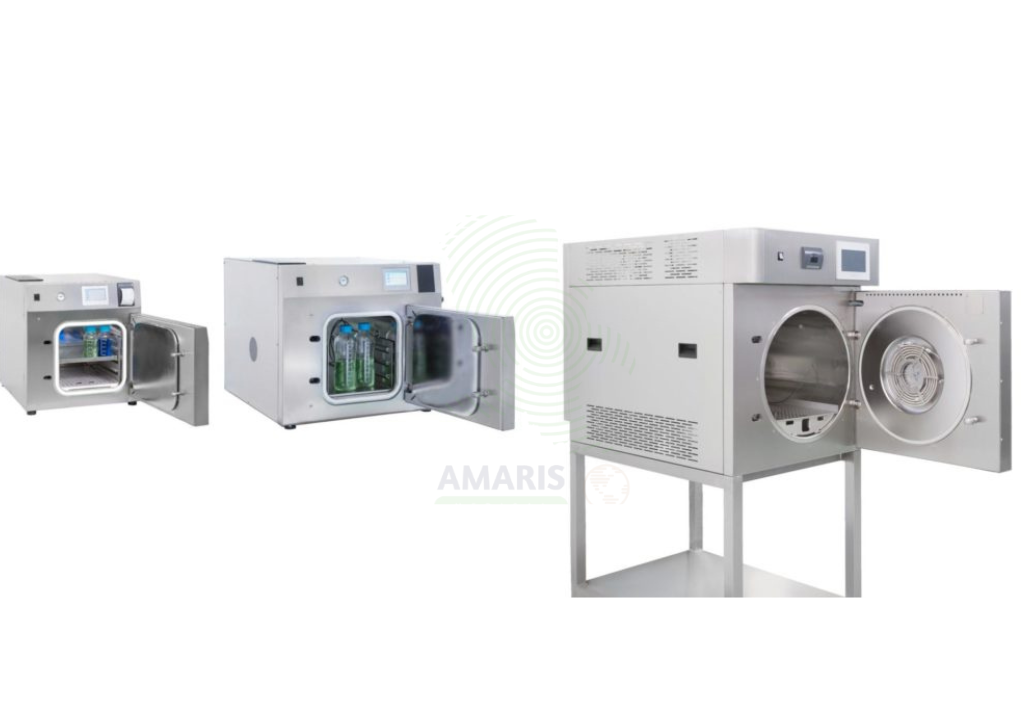
 Sterilizers and Autoclaves for Lab Use
 Multi-Parameter Monitors
 Ventilators and Respiratory Support Devices
 Defibrillators and AEDs
 Infusion Pumps and IV Systems
 Patient Warmers and Cooling Devices
 Central Monitoring Stations
 Accessories
 Anesthesia Machines and Workstations
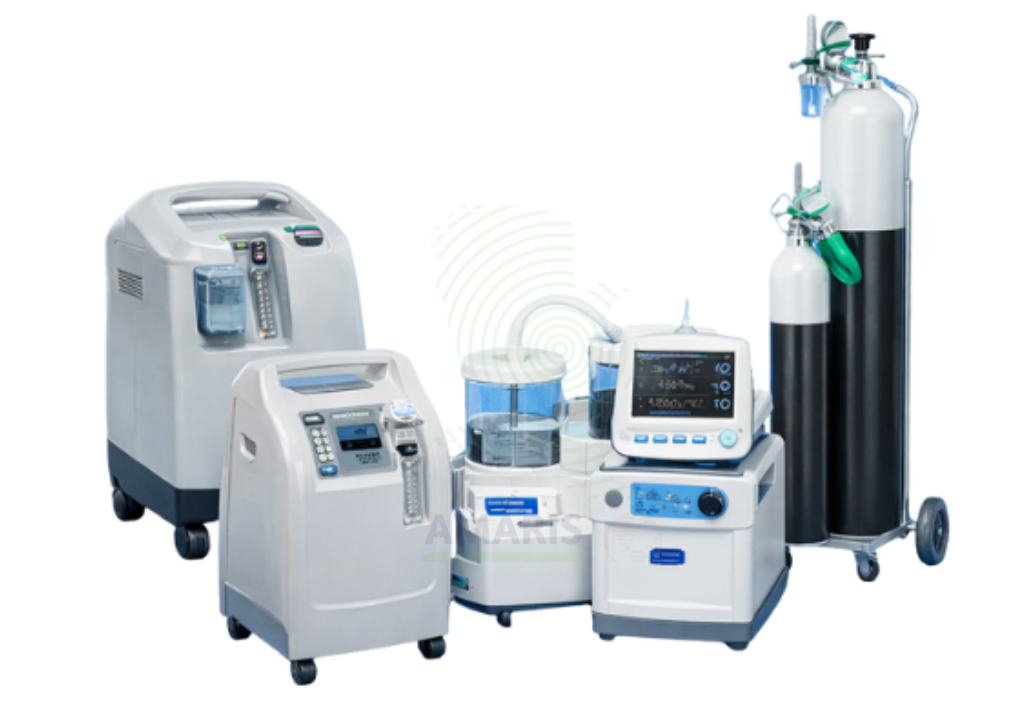
 Oxygen Concentrators and Delivery Systems
 Nebulizers and Inhalers
 CPAP/BiPAP Machines
 Airway Management
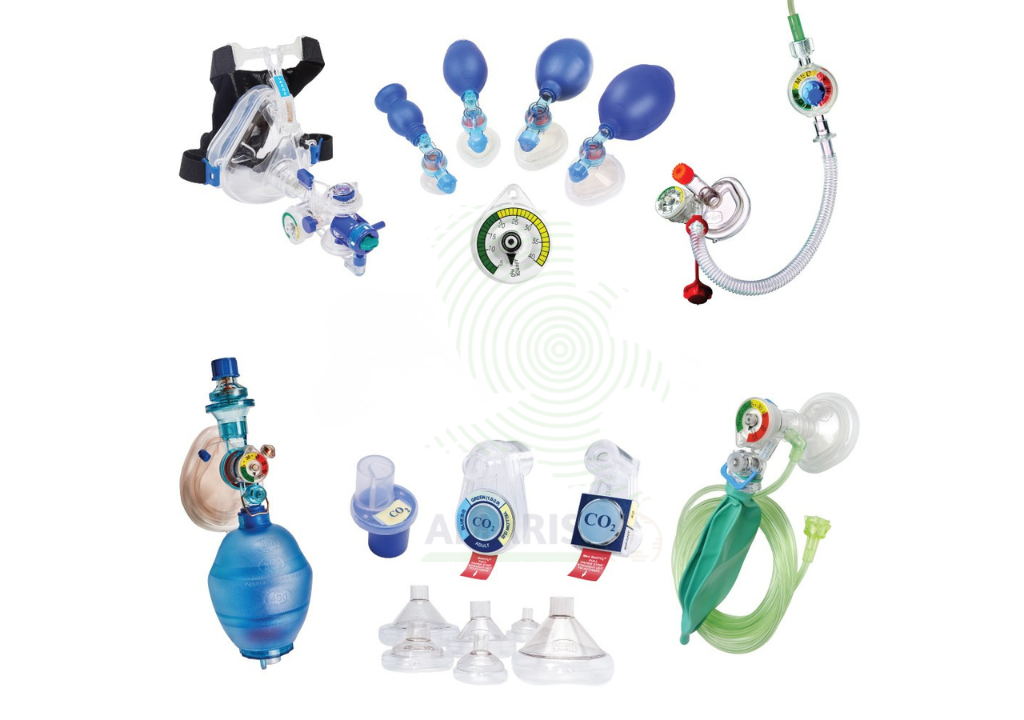
 Anesthesia Masks, Circuits, and Bags
 Humidifiers and Heaters
 Respiratory Therapy Accessories
 First Aid Kits and Cabinets
 Emergency Resuscitation Equipment
 Trauma Supplies
 Emergency Carts and Crash Carts
 Burn Care Products
 Bleeding Control
 Automated External Defibrillators (AEDs)
 Transport and Evacuation
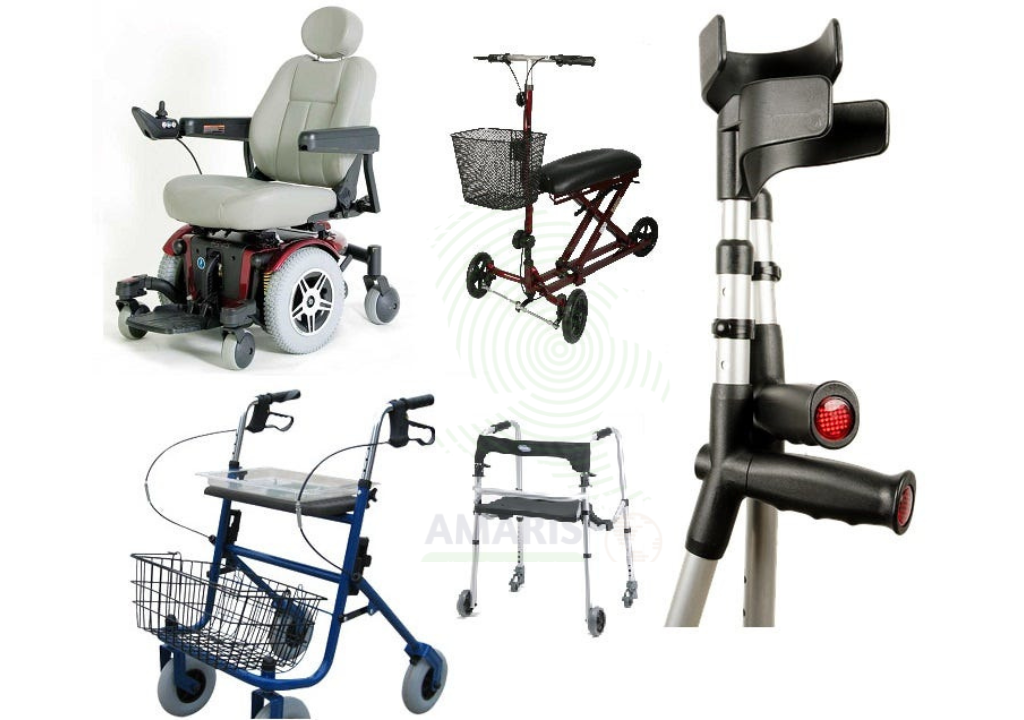
 Wheelchairs and Accessories
 Walkers, Crutches, and Canes
 Prosthetics and Orthotics
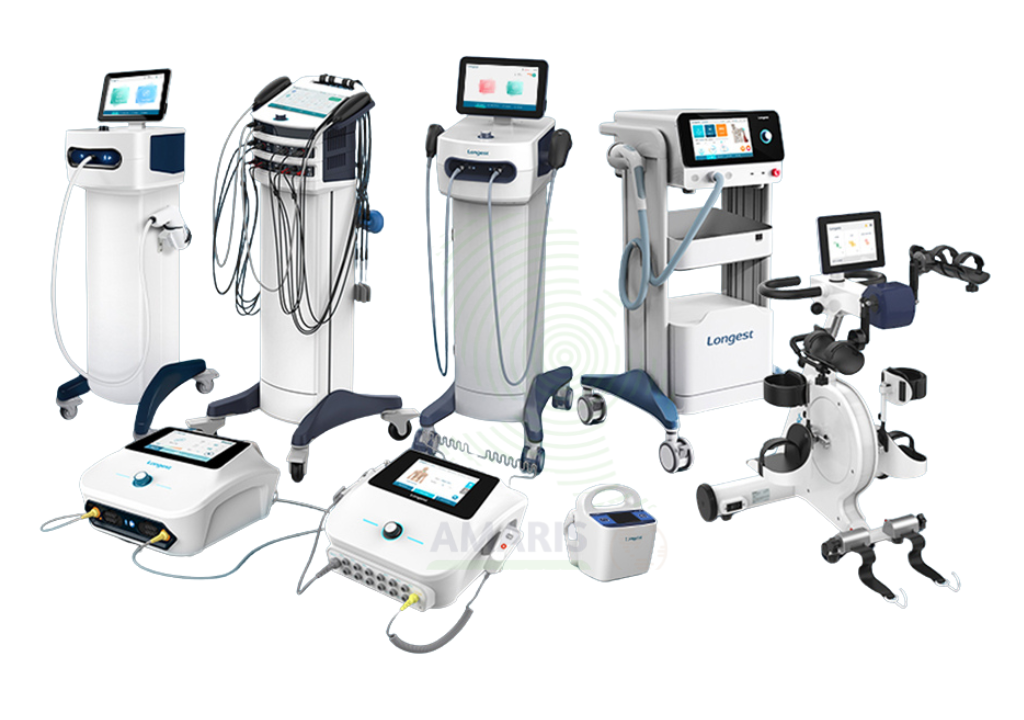
 Physical Therapy Equipment
 Transfer Devices
 Bathroom Safety
 Orthopedic Traction and Tables
 Hot/Cold Therapy Packs and Units
 Beds and Mattresses
 Chairs and Stools
 Tables
 Cabinets and Storage
 Privacy Screens & Curtains
 Stands and Racks
 Linens and Textiles
 Lighting
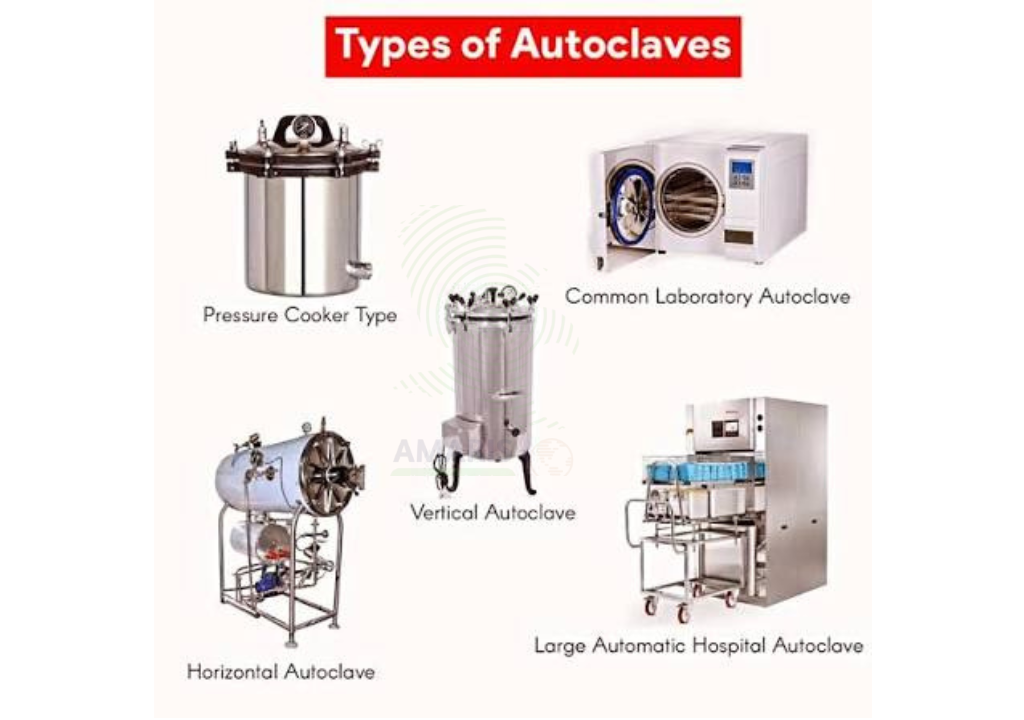
 Autoclaves and Sterilizers
 Ultrasonic Cleaners
 Disinfectant Solutions and Wipes
 Sterilization Pouches, Wraps, and Indicators
 Instrument Trays and Containers
 UV and Ozone Disinfection Devices
 Washer Disinfectors
 Wound Care
 Gloves
 Masks and Respirators
 Catheters and Tubing
 Swabs, Applicators, and Sponges
 Incontinence Products
 Personal Protective Equipment (PPE)
 Dental Chairs and Units
 Handpieces and Burs
 Instruments
 Consumables
 Sterilization for Dental Use
 Orthodontic Supplies
 Endodontic Tools
 Slit Lamps and Tonometers
 Lensometers and Phoropters
 Ophthalmic Surgical Instruments
 Eyewear Frames and Lenses
 Contact Lens Supplies
 Vision Testing Charts and Devices
 Eye Care Consumables
 Laser Systems for Eye Care
 ENT Exam Chairs and Tables
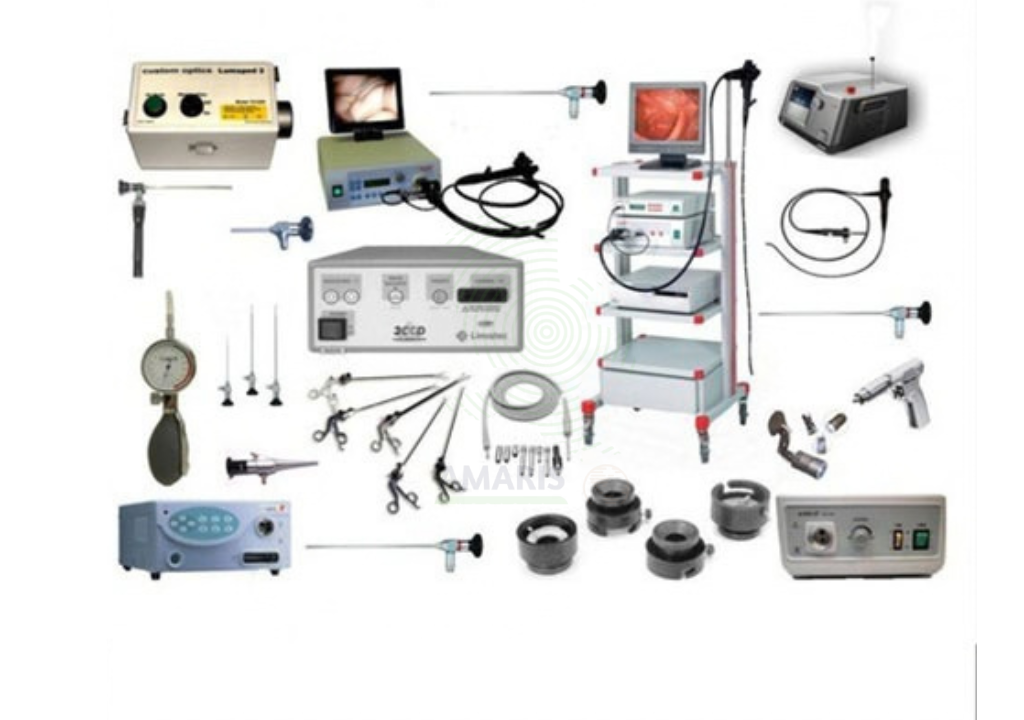
 Endoscopes
 Audiometers and Hearing Tests
 ENT Instruments
 Nasal and Throat Packs
 Hearing Aids and Accessories
 Otology Supplies
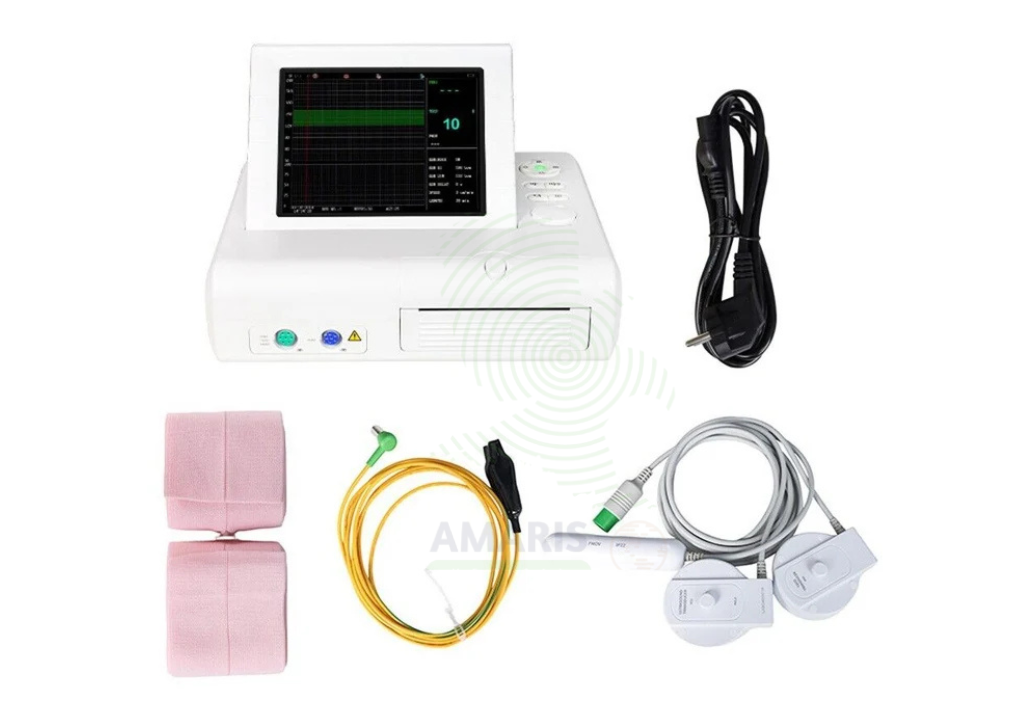
 Fetal Dopplers and Monitors
 Delivery Beds and Tables
 Gynecological Instruments
 Neonatal Incubators and Warmers
 Breast Pumps and Accessories
 Contraceptive Devices
 Maternity Supports and Pads
 Neonatal Consumables
 Cystoscopes and Urethroscopes
 Dialysis Machines and Supplies
 Urological Catheters and Bags
 Lithotripters
 Prostate Treatment Devices
 Urinary Incontinence Products
 Kidney Stone Management Tools
 Consumables & Disposables
 EEG and EMG Machines
 Neurosurgical Instruments
 Nerve Stimulators
 Headrests and Positioning Aids
 Lumbar Puncture Kits
 Seizure Monitoring Devices
 Consumables
 Rehabilitation for Neurological Conditions
 ECG Machines and Accessories
 Holter Monitors
 Stress Test Systems
 Pacemakers and Defibrillator Accessories
 Vascular Access Devices
 Cardiac Catheters and Guidewires
 Blood Flow Meters
 Consumables
 Orthopedic Instruments
 Casts, Splints, and Padding
 Joint Replacement Supplies
 Prosthetic Limbs and Components
 Bone Grafts and Substitutes
 Traction Devices
 Orthopedic Braces and Supports
 Rehabilitation Aids for Orthopedics
 Home Oxygen Therapy
 Hospital Beds for Home Use
 Mobility Aids
 Bathroom and Daily Living Aids
 Wound Care for Home
 Monitoring Devices
 Enteral Feeding Pumps and Tubes
 Hand Sanitizers and Dispensers
 Face Shields and Goggles
 Isolation Gowns and Suits
 Biohazard Waste Containers
 Air Purifiers and HEPA Filters
 Surface Disinfectants
 Sharps Containers
 Protective Barriers
 Cardiovascular & Endurance Training
 Strength Training & Weightlifting
 Functional Training & Core Conditioning
 Physical Therapy & Rehabilitation
 Sports & Outdoor Recreation
 Gym Flooring & Facility Equipment
 Fitness Monitoring & Accessories
 Kids & Novelties
🤖🔬 AI in Medical Diagnostics: How Intelligent Technology Is Changing Laboratory Work

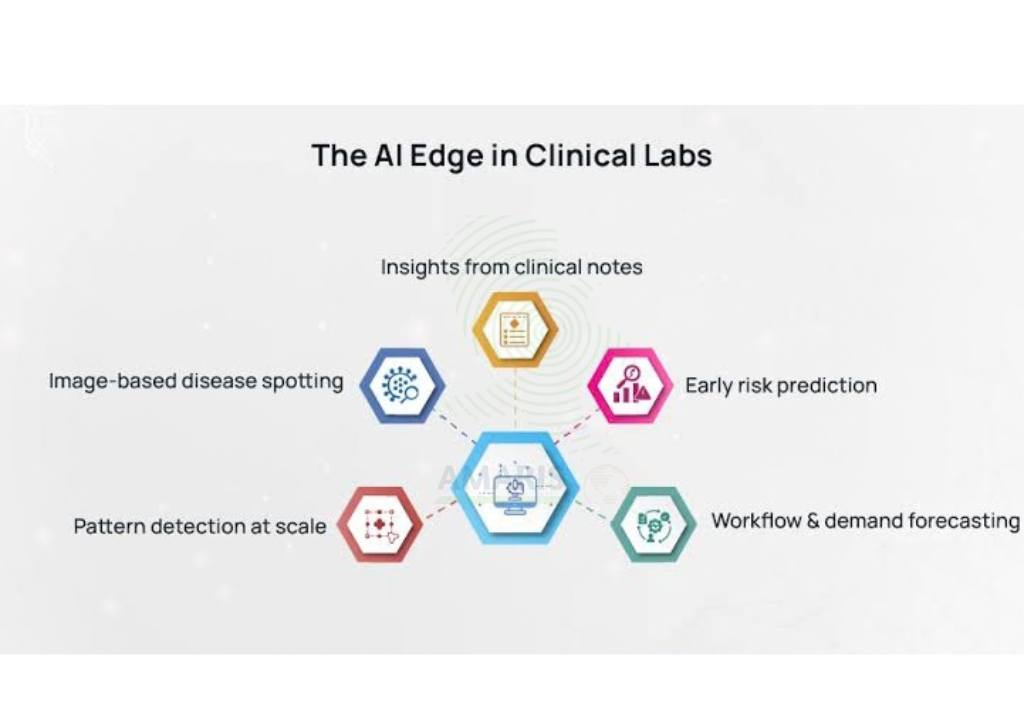
Artificial intelligence, commonly known as AI, is becoming an increasingly important part of modern healthcare. 🏥 From medical imaging to laboratory testing, intelligent technologies are helping healthcare professionals process information, identify patterns, and improve workflows. In 2026, AI is no longer just a futuristic concept—it is becoming part of the conversation around how hospitals and laboratories can deliver faster and more efficient diagnostic services.
Medical laboratories handle enormous amounts of information every day. 🧪 Blood samples, chemistry results, hematology measurements, microbiology findings, and other diagnostic data all need to be processed accurately. AI can help analyze large datasets and identify patterns that may require further attention from trained professionals.
One of the most promising applications of AI is supporting laboratory automation. 🤖 Modern automated analyzers can process large numbers of samples with limited manual intervention. When intelligent software is combined with laboratory automation, systems can assist with tasks such as identifying unusual results, prioritizing certain samples, and monitoring workflow.
AI can also support medical image analysis. 🔎 In areas such as pathology and medical imaging, computer systems can be trained to recognize patterns in images. These technologies may assist specialists by highlighting areas that require closer examination.
Importantly, AI does not mean that laboratory professionals become unnecessary. 👩🔬👨🔬 Instead, intelligent systems are designed to support their work. Laboratory scientists and clinicians still need to review information, understand the patient’s clinical context, validate results where appropriate, and make professional judgments.
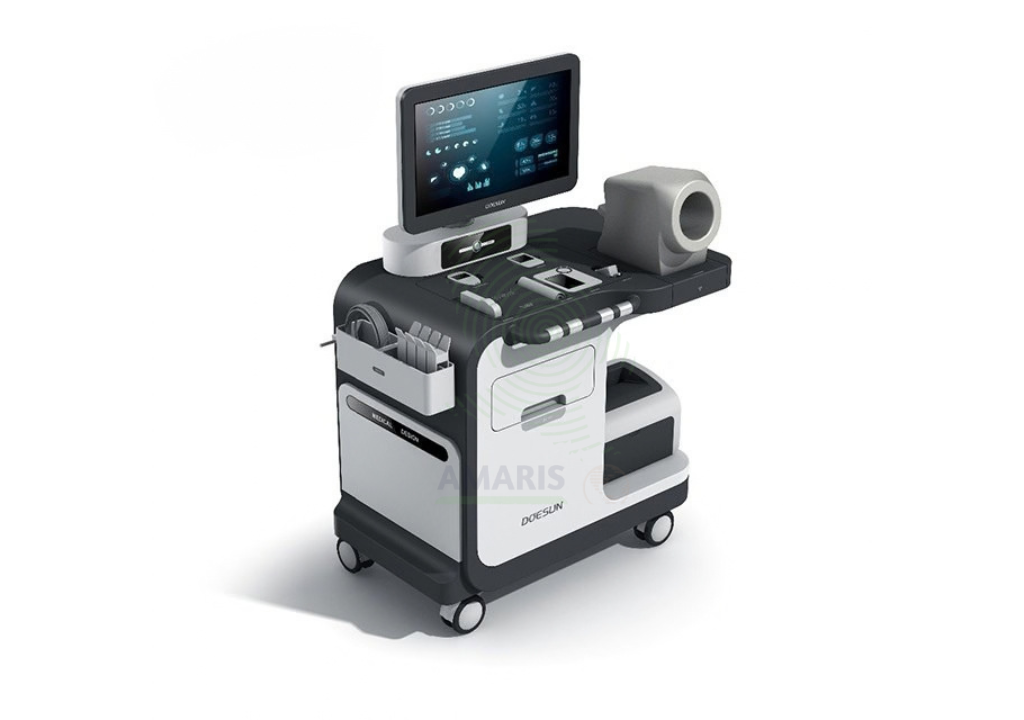
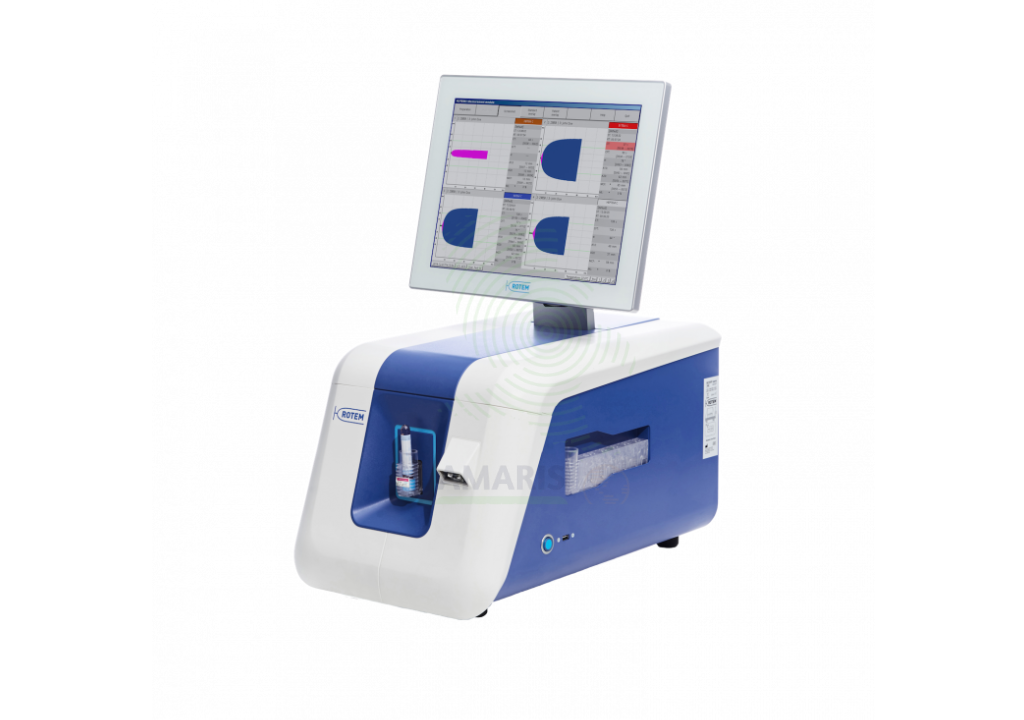
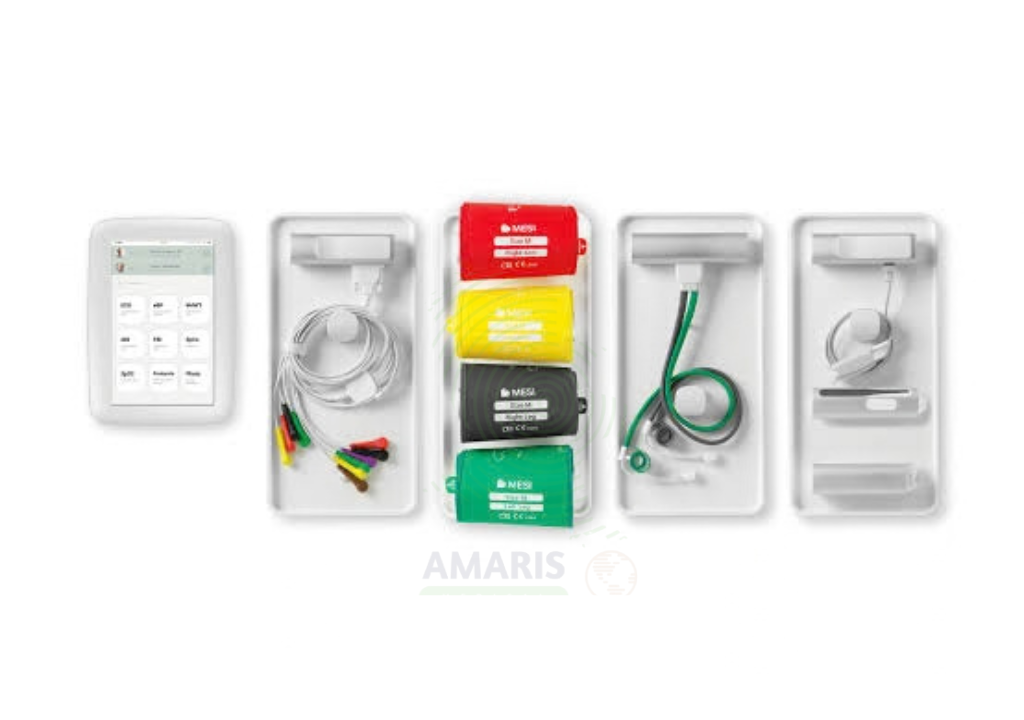
Another advantage of intelligent technology is its potential to improve workflow efficiency. ⏱️ Busy laboratories may process hundreds or thousands of samples, and managing this workload efficiently is essential. Automated systems can help reduce repetitive tasks and allow staff to focus more attention on activities that require human expertise.
AI can also contribute to quality control and error detection. 📊 Laboratory testing involves many stages, from sample collection and preparation to analysis and reporting. Intelligent systems can potentially identify unusual patterns or inconsistencies that deserve investigation.
For healthcare facilities in Kenya, these developments present interesting opportunities. 🇰🇪 As hospitals and diagnostic laboratories continue to expand their services, technology can help them manage growing workloads while supporting more organized laboratory processes.
However, implementing AI successfully requires more than simply purchasing advanced equipment. ⚙️ Healthcare facilities need appropriate infrastructure, reliable electricity and connectivity, trained staff, suitable software, data management systems, and technical support.
Data quality is also extremely important. 💻 AI systems depend on the information used to train, operate, and evaluate them. Poor-quality, incomplete, or inappropriate data can affect how an AI system performs. Healthcare organizations therefore need strong data governance and appropriate safeguards when working with patient information.
Privacy and cybersecurity are equally important. 🔐 Medical information is highly sensitive, and healthcare facilities must take appropriate measures to protect patient data when using digital and connected technologies.
Another consideration is the cost of implementation. 💰 Advanced AI-enabled systems may require significant investment in equipment, software, training, maintenance, and infrastructure. For hospitals and laboratories in Kenya and other developing healthcare markets, choosing technology that addresses a genuine clinical or operational need is essential.
AI is also becoming increasingly connected with laboratory information systems and digital healthcare platforms. 🌐 Better connectivity can allow diagnostic information to move more efficiently between laboratory systems and other parts of a healthcare facility, helping create more integrated workflows.
The future could bring even greater levels of automation. 🚀 Laboratories may increasingly use intelligent systems to assist with sample tracking, instrument management, quality monitoring, result analysis, and workflow optimization.
Yet the most effective future of AI in healthcare is likely to be a partnership between technology and people. 🤝 Machines can process information rapidly, but healthcare professionals provide clinical knowledge, experience, context, communication, and accountability.
For laboratories, the goal should not simply be to adopt AI because it is a popular technology. Instead, healthcare providers should ask practical questions: What problem will the technology solve? Can staff use it effectively? Is the system reliable? How will it be maintained? Can it integrate with existing equipment? And what support will be available after installation?
🔚 Final Thoughts
AI is changing the way healthcare professionals think about medical diagnostics. 🤖🩺 From laboratory automation and image analysis to quality monitoring and workflow management, intelligent technologies are creating new possibilities for hospitals and laboratories.
For Kenya and the global healthcare sector, the opportunity is to adopt AI responsibly and practically—combining modern technology with skilled professionals, reliable equipment, strong quality systems, and appropriate data protection. 🌍🇰🇪
The laboratory of the future may be more automated and intelligent, but its most important resource will remain the people who know how to use technology to deliver better healthcare. 🔬❤️