Dermatoscope and Magnifiers
 Diagnostic Kits
 Vital Signs Monitors
 Stethoscopes and Accessories
 Otoscopes, Ophthalmoscopes, and Retinoscopes
 Reflex Hammers and Neurological Tools
 Scales and Measuring Devices
 Spirometers and Pulmonary Function Tests
 Electrosurgical Units and Accessories
 Cutting Instruments
 Grasping and Holding Instruments
 Hemostatic Instruments
 Specialized Surgical Sets
 Single-Use Procedure Trays and Packs
 Surgical Drapes, Gowns, and Covers
 Tissue Unifying Instruments
 Radiation Protection
 X-Ray Machines and Accessories
 Ultrasound Systems and Probes
 MRI and CT Scanners
 Radiology Consumables
 Bone Densitometers
 Fluoroscopy Equipment
 Imaging Tables and Positioning Aids
 Microscopes and Accessories
 Centrifuges and Separators
 Analyzers
 Incubators and Ovens
 Pipettes, Dispensers, and Lab Glassware
 Refrigerators, Freezers, and Storage Units
 Lab Consumables
 Sterilizers and Autoclaves for Lab Use
 Multi-Parameter Monitors
 Ventilators and Respiratory Support Devices
 Defibrillators and AEDs
 Infusion Pumps and IV Systems
 Patient Warmers and Cooling Devices
 Central Monitoring Stations
 Accessories
 Anesthesia Machines and Workstations
 Oxygen Concentrators and Delivery Systems
 Nebulizers and Inhalers
 CPAP/BiPAP Machines
 Airway Management
 Anesthesia Masks, Circuits, and Bags
 Humidifiers and Heaters
 Respiratory Therapy Accessories
 First Aid Kits and Cabinets
 Emergency Resuscitation Equipment
 Trauma Supplies
 Emergency Carts and Crash Carts
 Burn Care Products
 Bleeding Control
 Automated External Defibrillators (AEDs)
 Transport and Evacuation
 Wheelchairs and Accessories
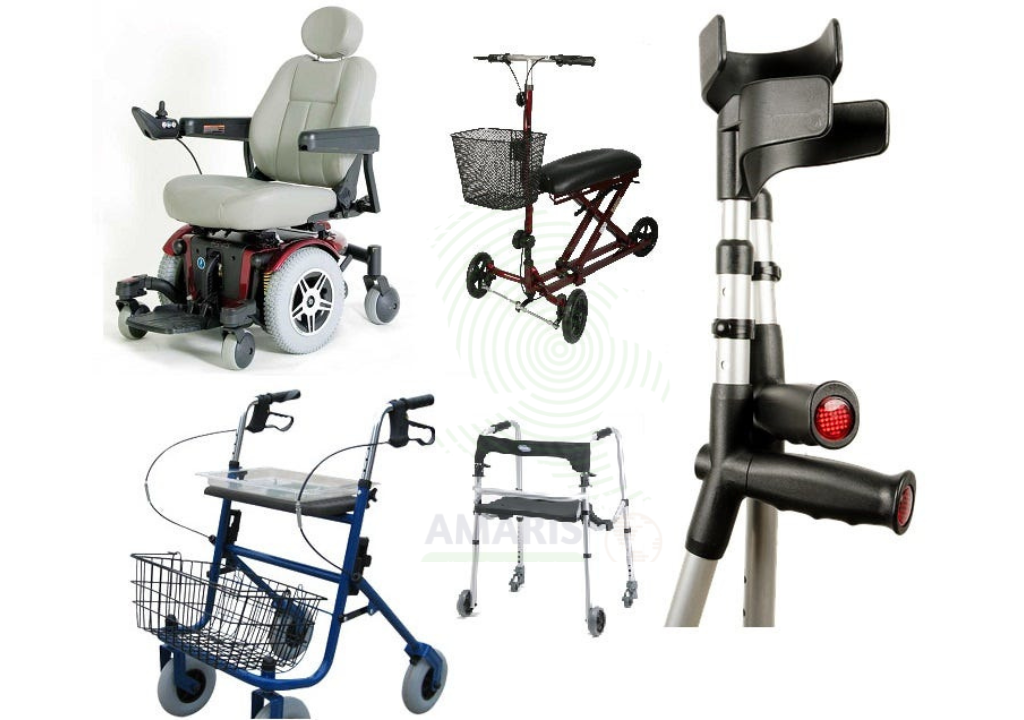
 Walkers, Crutches, and Canes
 Prosthetics and Orthotics
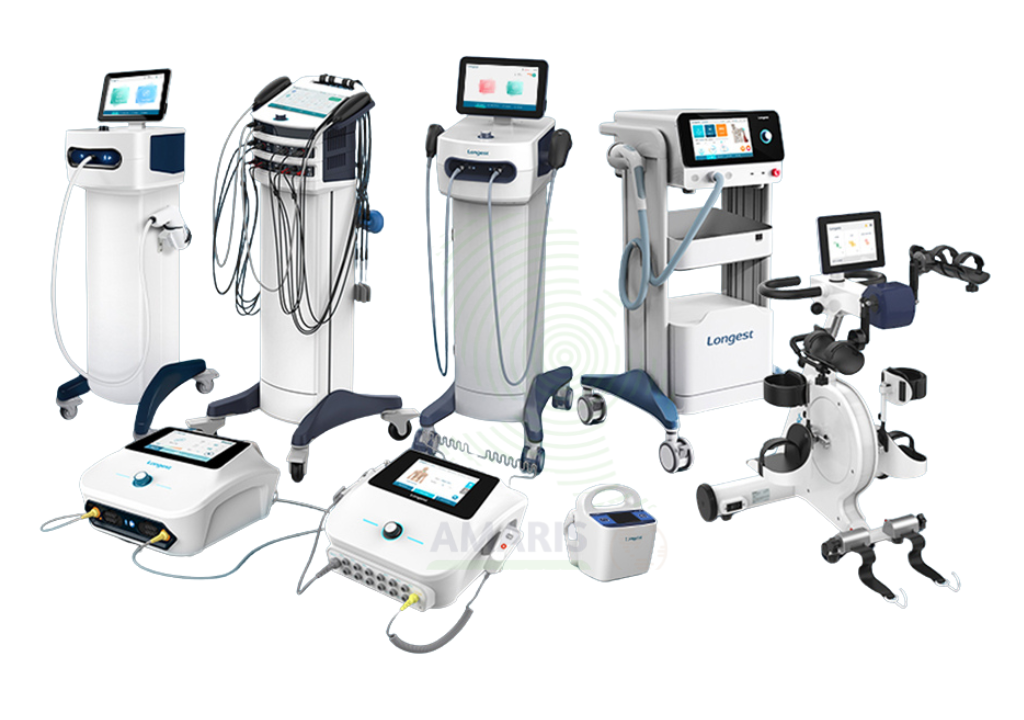
 Physical Therapy Equipment
 Transfer Devices
 Bathroom Safety
 Orthopedic Traction and Tables
 Hot/Cold Therapy Packs and Units
 Beds and Mattresses
 Chairs and Stools
 Tables
 Cabinets and Storage
 Privacy Screens & Curtains
 Stands and Racks
 Linens and Textiles
 Lighting
 Autoclaves and Sterilizers
 Ultrasonic Cleaners
 Disinfectant Solutions and Wipes
 Sterilization Pouches, Wraps, and Indicators
 Instrument Trays and Containers
 UV and Ozone Disinfection Devices
 Washer Disinfectors
 Wound Care
 Gloves
 Masks and Respirators
 Catheters and Tubing
 Swabs, Applicators, and Sponges
 Incontinence Products
 Personal Protective Equipment (PPE)
 Dental Chairs and Units
 Handpieces and Burs
 Instruments
 Consumables
 Sterilization for Dental Use
 Orthodontic Supplies
 Endodontic Tools
 Slit Lamps and Tonometers
 Lensometers and Phoropters
 Ophthalmic Surgical Instruments
 Eyewear Frames and Lenses
 Contact Lens Supplies
 Vision Testing Charts and Devices
 Eye Care Consumables
 Laser Systems for Eye Care
 ENT Exam Chairs and Tables
 Endoscopes
 Audiometers and Hearing Tests
 ENT Instruments
 Nasal and Throat Packs
 Hearing Aids and Accessories
 Otology Supplies
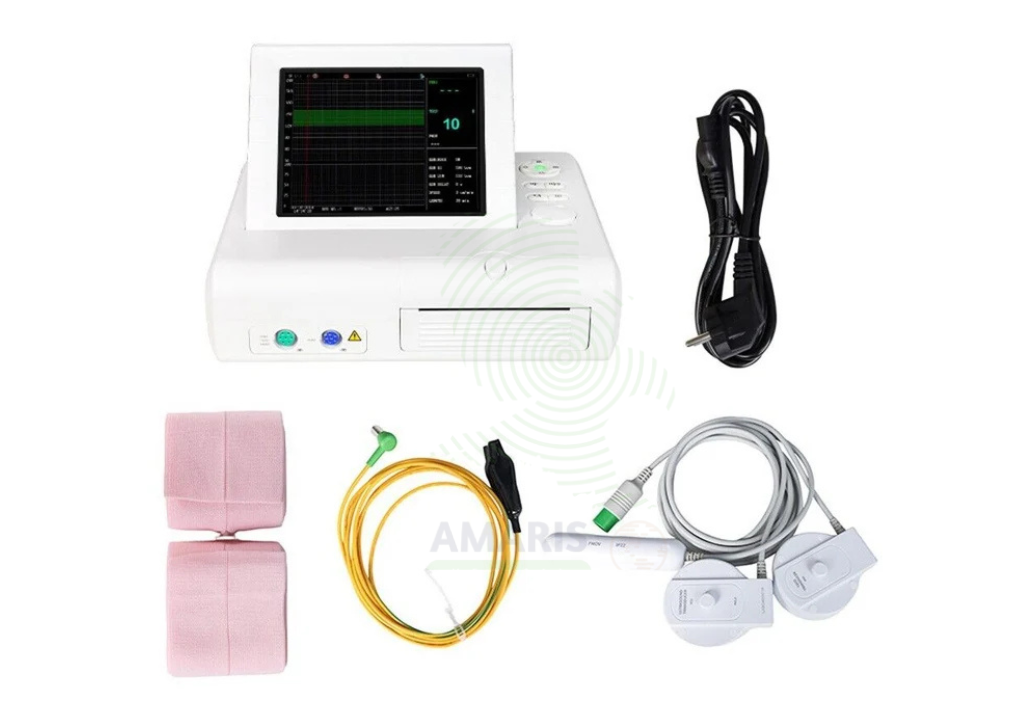
 Fetal Dopplers and Monitors
 Delivery Beds and Tables
 Gynecological Instruments
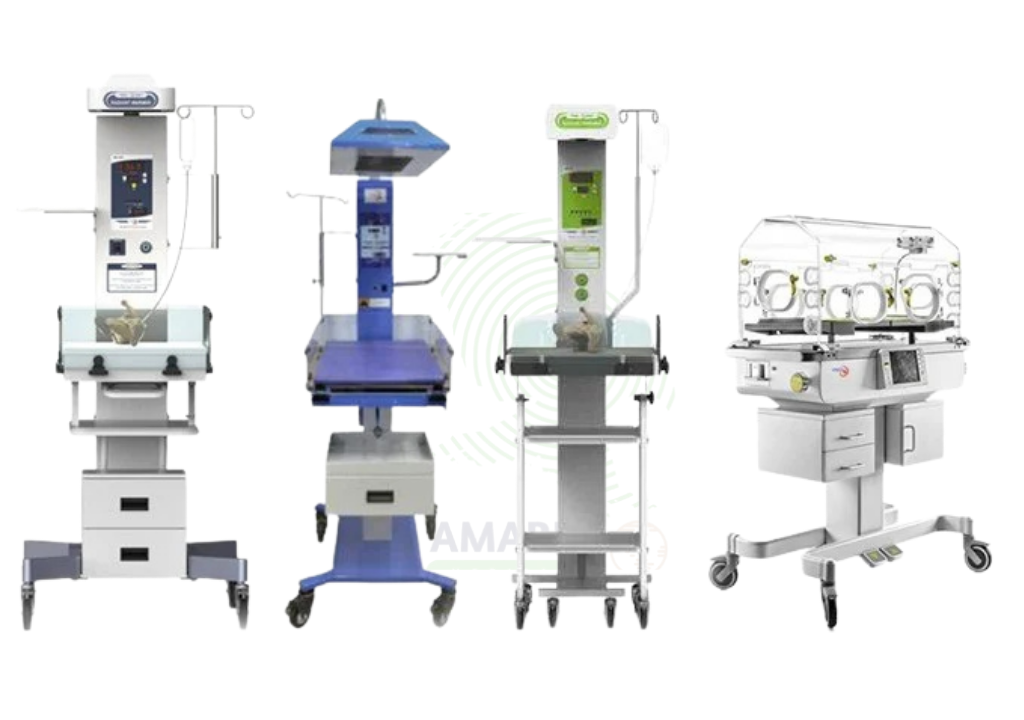
 Neonatal Incubators and Warmers
 Breast Pumps and Accessories
 Contraceptive Devices
 Maternity Supports and Pads
 Neonatal Consumables
 Cystoscopes and Urethroscopes
 Dialysis Machines and Supplies
 Urological Catheters and Bags
 Lithotripters
 Prostate Treatment Devices
 Urinary Incontinence Products
 Kidney Stone Management Tools
 Consumables & Disposables
 EEG and EMG Machines
 Neurosurgical Instruments
 Nerve Stimulators
 Headrests and Positioning Aids
 Lumbar Puncture Kits
 Seizure Monitoring Devices
 Consumables
 Rehabilitation for Neurological Conditions
 ECG Machines and Accessories
 Holter Monitors
 Stress Test Systems
 Pacemakers and Defibrillator Accessories
 Vascular Access Devices
 Cardiac Catheters and Guidewires
 Blood Flow Meters
 Consumables
 Orthopedic Instruments
 Casts, Splints, and Padding
 Joint Replacement Supplies
 Prosthetic Limbs and Components
 Bone Grafts and Substitutes
 Traction Devices
 Orthopedic Braces and Supports
 Rehabilitation Aids for Orthopedics
 Home Oxygen Therapy
 Hospital Beds for Home Use
 Mobility Aids
 Bathroom and Daily Living Aids
 Wound Care for Home
 Monitoring Devices
 Enteral Feeding Pumps and Tubes
 Hand Sanitizers and Dispensers
 Face Shields and Goggles
 Isolation Gowns and Suits
 Biohazard Waste Containers
 Air Purifiers and HEPA Filters
 Surface Disinfectants
 Sharps Containers
 Protective Barriers
 Cardiovascular & Endurance Training
 Strength Training & Weightlifting
 Functional Training & Core Conditioning
 Physical Therapy & Rehabilitation
 Sports & Outdoor Recreation
 Gym Flooring & Facility Equipment
 Fitness Monitoring & Accessories
 Kids & Novelties
👶💓 Fetal Dopplers vs Fetal Monitors: Understanding the Difference

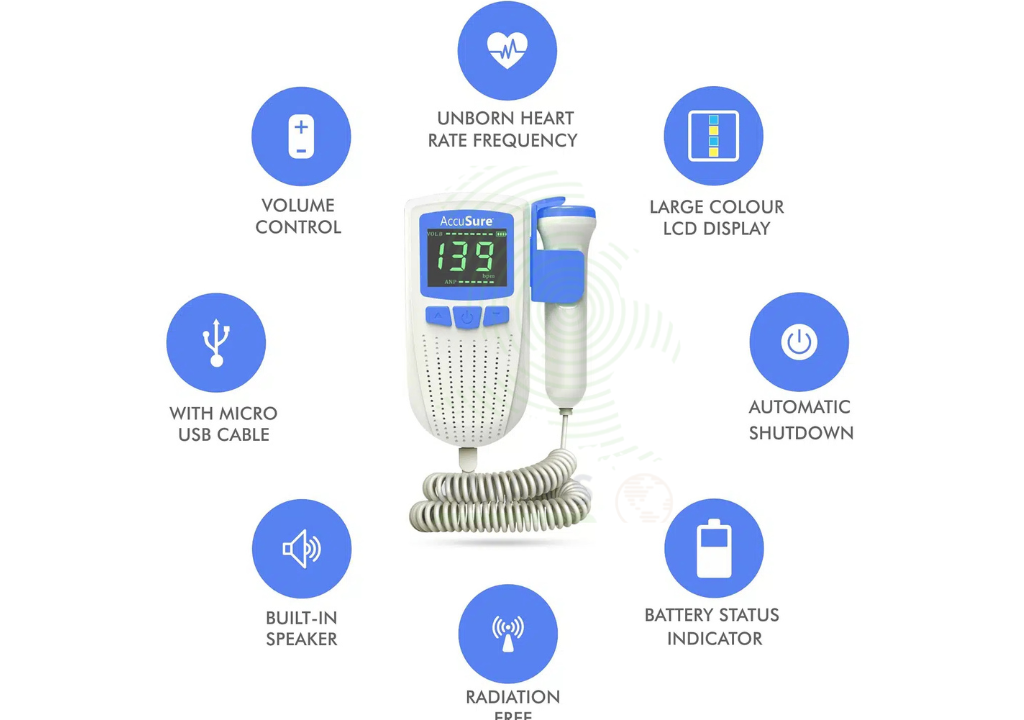
Monitoring a baby’s health during pregnancy is one of the most important aspects of prenatal care. Advances in medical technology have made it easier for healthcare providers to assess fetal well-being and ensure both mother and baby remain healthy throughout pregnancy. Two commonly used devices for this purpose are Fetal Dopplers and Fetal Monitors. While both are designed to evaluate fetal heart activity, they serve different functions and are used in different clinical situations 🏥.
Understanding the differences between these devices can help expectant parents and healthcare professionals appreciate their unique roles in maternal care.
🧠 What is a Fetal Doppler?
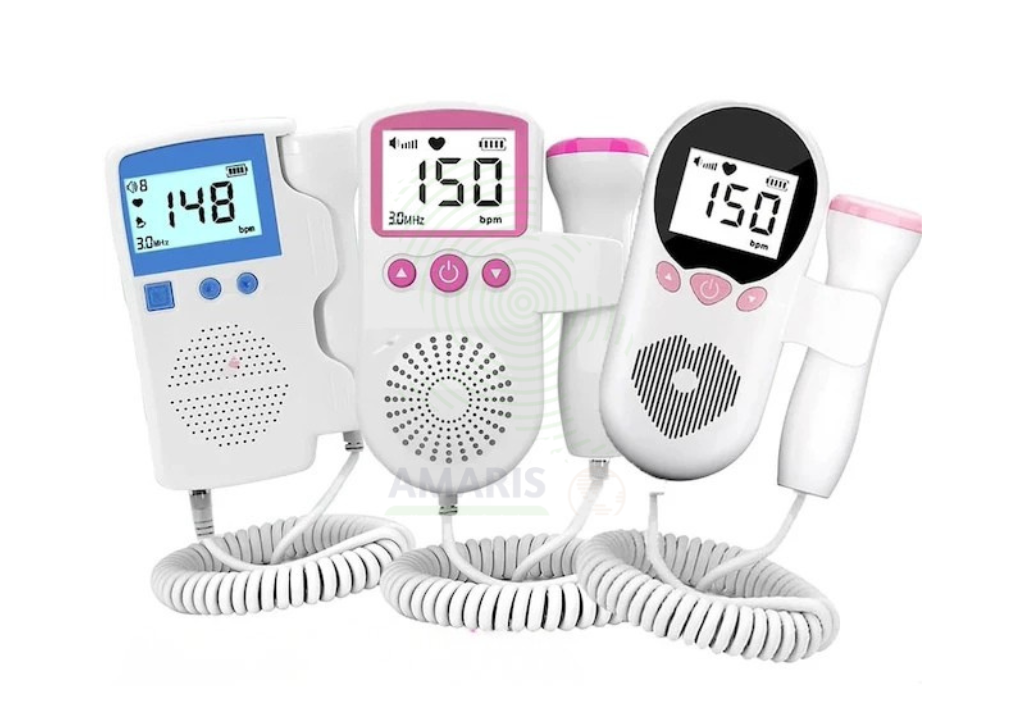
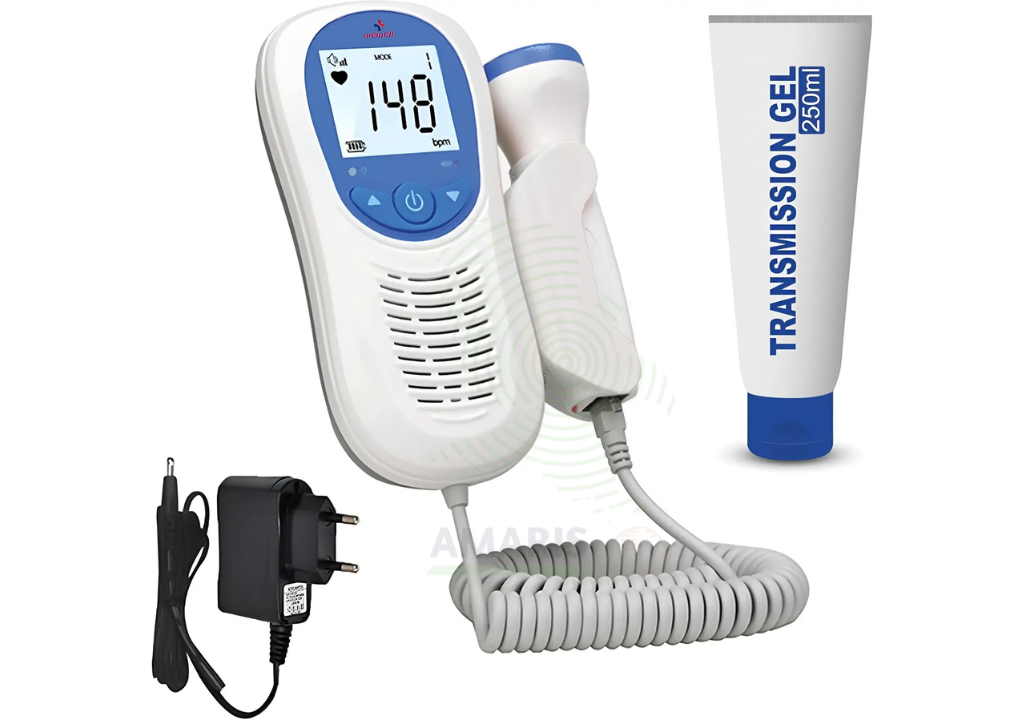
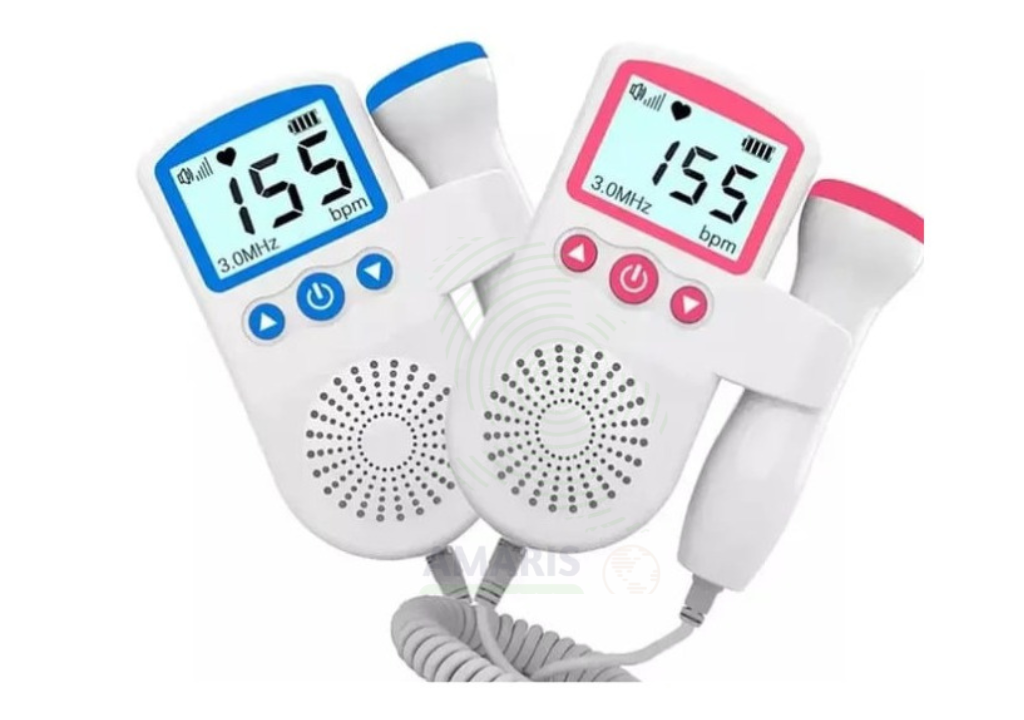
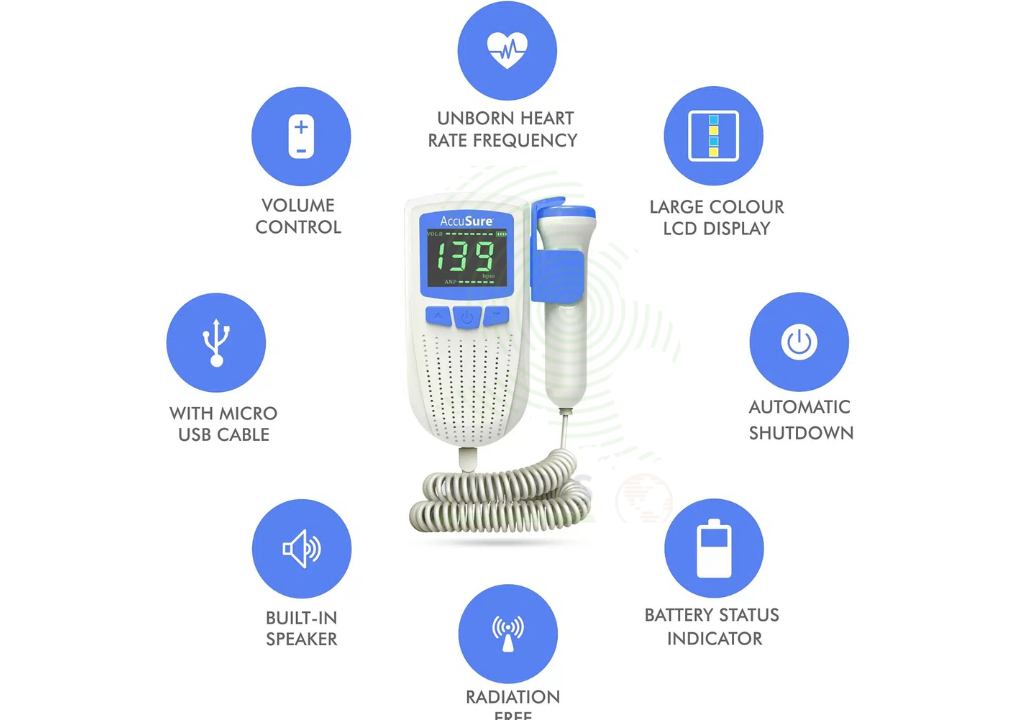
A fetal doppler is a handheld ultrasound device used to detect and amplify a baby’s heartbeat during pregnancy. It works by sending harmless ultrasound waves through the mother’s abdomen and capturing the movement of the fetal heart.
The heartbeat is then converted into audible sound, allowing healthcare providers and parents to hear it clearly. Many fetal dopplers also display the baby’s heart rate digitally.
Fetal dopplers are commonly used during routine prenatal check-ups and are valued for their portability, ease of use, and ability to provide quick reassurance about fetal well-being 😊.
⚙️ What is a Fetal Monitor?
A fetal monitor is a more advanced system designed to continuously track the baby’s heart rate and, in many cases, uterine contractions. Unlike a fetal doppler, which provides a brief assessment, fetal monitors offer ongoing observation and detailed data collection.
These devices are frequently used during labor and delivery, high-risk pregnancies, and situations where close monitoring is required. The information is displayed on a screen and can often be recorded for further review by healthcare professionals.
Fetal monitors provide a more comprehensive picture of how the baby is responding during pregnancy and childbirth.
🚑 Key Differences Between Fetal Dopplers and Fetal Monitors
Although both devices assess fetal heart activity, their primary purposes differ significantly.
A fetal doppler is mainly used for:
- Routine prenatal examinations
- Quick heartbeat detection
- Short-term monitoring
- Portable assessments
A fetal monitor is typically used for:
- Continuous heart rate monitoring
- Labor and delivery observation
- High-risk pregnancy management
- Tracking uterine contractions
The fetal doppler offers convenience and simplicity, while the fetal monitor provides more detailed and continuous clinical information.
💪 Benefits of Fetal Dopplers
Fetal dopplers are popular because they are compact, affordable, and easy to use. They allow healthcare providers to quickly confirm fetal heart activity during routine visits.
Benefits include:
- Portable design
- Fast heartbeat detection
- Non-invasive operation
- Easy clinical use
- Patient reassurance
For many expectant parents, hearing their baby’s heartbeat can be an exciting and reassuring experience 💙.
🌟 Benefits of Fetal Monitors
Fetal monitors offer a higher level of monitoring and are especially valuable during labor and high-risk pregnancies.
Advantages include:
- Continuous fetal assessment
- Monitoring of contractions
- Real-time data analysis
- Early detection of fetal distress
- Enhanced clinical decision-making
These capabilities help healthcare providers respond quickly if any concerns arise during pregnancy or childbirth.
🛡️ Choosing the Right Device
The choice between a fetal doppler and a fetal monitor depends on the clinical situation. For routine prenatal visits, a fetal doppler is often sufficient to assess fetal heart activity.
However, when ongoing observation is needed—such as during labor, complicated pregnancies, or situations involving potential risks—a fetal monitor becomes the preferred option.
Both devices play essential roles in maternal healthcare and work together to support safe pregnancy management and positive birth outcomes.
🔚 Final Thoughts
While fetal dopplers and fetal monitors both focus on monitoring fetal heart activity, they are designed for different levels of assessment. Fetal dopplers provide quick and convenient heartbeat detection, while fetal monitors offer comprehensive and continuous monitoring during critical stages of pregnancy and childbirth 👶✨.
Together, these technologies help healthcare professionals provide better prenatal care, improve patient confidence, and support healthier outcomes for mothers and babies alike.