Dermatoscope and Magnifiers
 Diagnostic Kits
 Vital Signs Monitors
 Stethoscopes and Accessories
 Otoscopes, Ophthalmoscopes, and Retinoscopes
 Reflex Hammers and Neurological Tools
 Scales and Measuring Devices
 Spirometers and Pulmonary Function Tests
 Electrosurgical Units and Accessories
 Cutting Instruments
 Grasping and Holding Instruments
 Hemostatic Instruments
 Specialized Surgical Sets
 Single-Use Procedure Trays and Packs
 Surgical Drapes, Gowns, and Covers
 Tissue Unifying Instruments
 Radiation Protection
 X-Ray Machines and Accessories
 Ultrasound Systems and Probes
 MRI and CT Scanners
 Radiology Consumables
 Bone Densitometers
 Fluoroscopy Equipment
 Imaging Tables and Positioning Aids
 Microscopes and Accessories
 Centrifuges and Separators
 Analyzers
 Incubators and Ovens
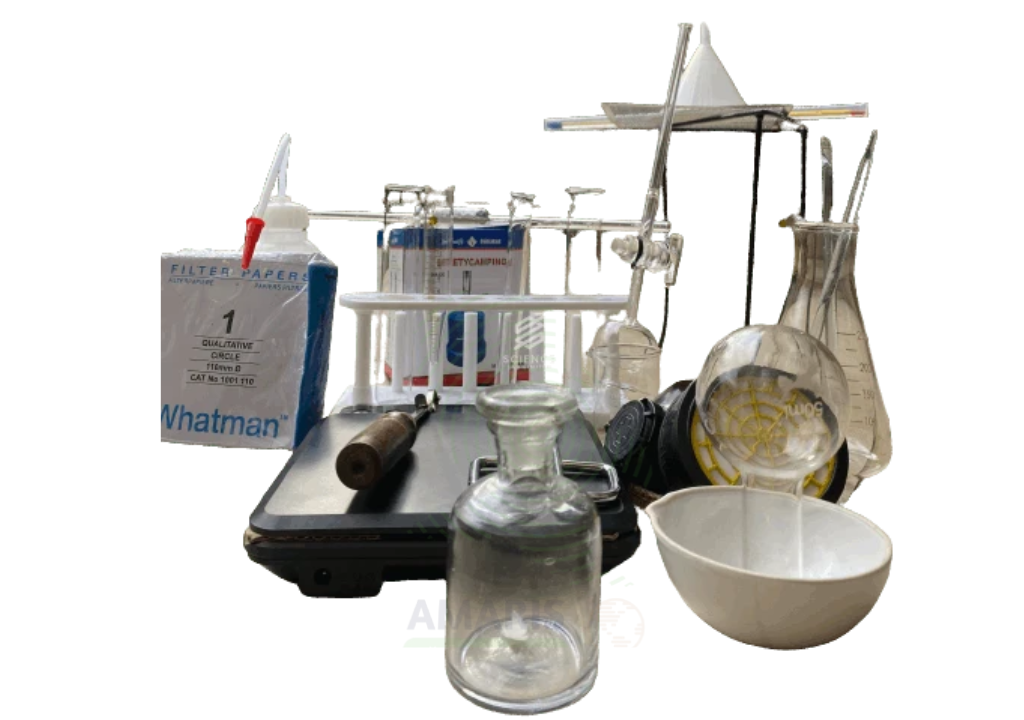
 Pipettes, Dispensers, and Lab Glassware
 Refrigerators, Freezers, and Storage Units
 Lab Consumables
 Sterilizers and Autoclaves for Lab Use
 Multi-Parameter Monitors
 Ventilators and Respiratory Support Devices
 Defibrillators and AEDs
 Infusion Pumps and IV Systems
 Patient Warmers and Cooling Devices
 Central Monitoring Stations
 Accessories
 Anesthesia Machines and Workstations
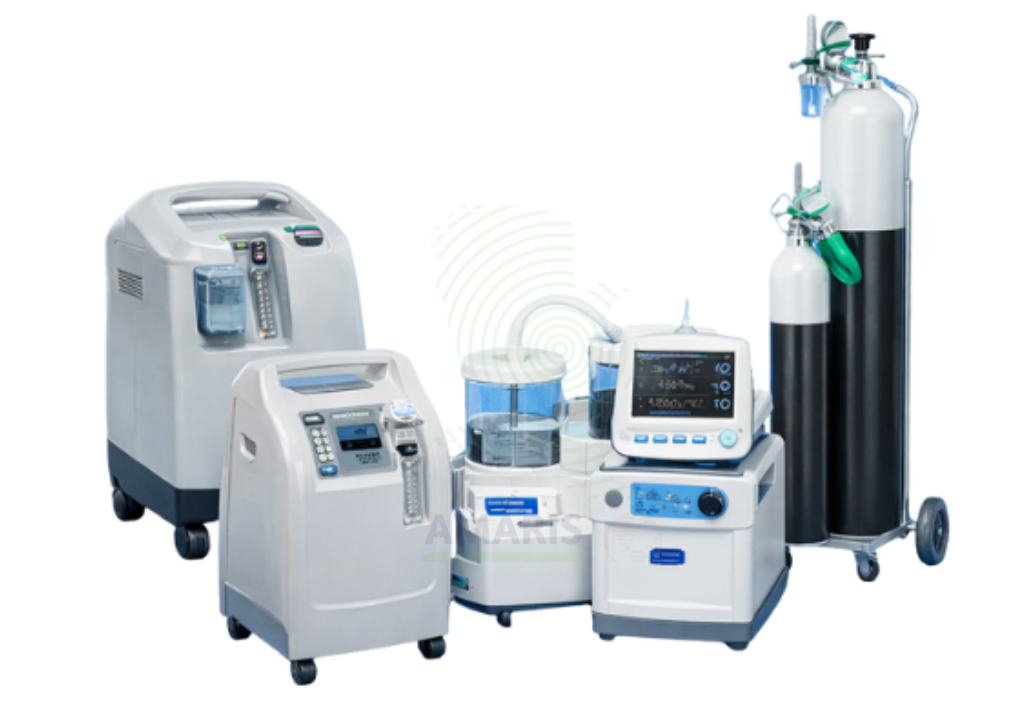
 Oxygen Concentrators and Delivery Systems
 Nebulizers and Inhalers
 CPAP/BiPAP Machines
 Airway Management
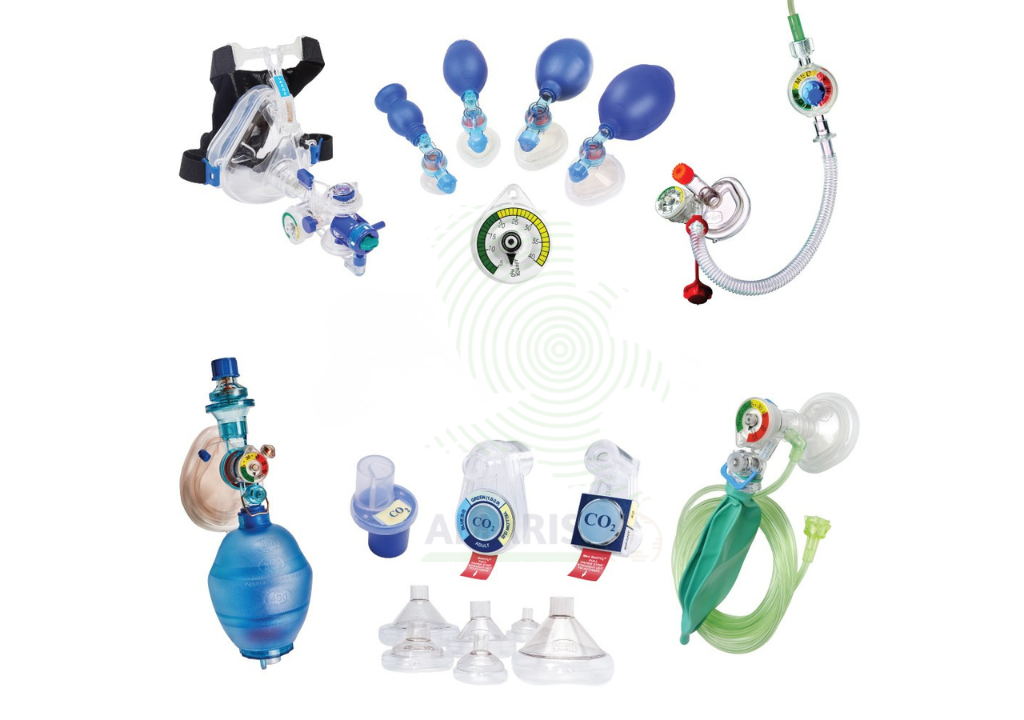
 Anesthesia Masks, Circuits, and Bags
 Humidifiers and Heaters
 Respiratory Therapy Accessories
 First Aid Kits and Cabinets
 Emergency Resuscitation Equipment
 Trauma Supplies
 Emergency Carts and Crash Carts
 Burn Care Products
 Bleeding Control
 Automated External Defibrillators (AEDs)
 Transport and Evacuation
 Wheelchairs and Accessories
 Walkers, Crutches, and Canes
 Prosthetics and Orthotics
 Physical Therapy Equipment
 Transfer Devices
 Bathroom Safety
 Orthopedic Traction and Tables
 Hot/Cold Therapy Packs and Units
 Beds and Mattresses
 Chairs and Stools
 Tables
 Cabinets and Storage
 Privacy Screens & Curtains
 Stands and Racks
 Linens and Textiles
 Lighting
 Autoclaves and Sterilizers
 Ultrasonic Cleaners
 Disinfectant Solutions and Wipes
 Sterilization Pouches, Wraps, and Indicators
 Instrument Trays and Containers
 UV and Ozone Disinfection Devices
 Washer Disinfectors
 Wound Care
 Gloves
 Masks and Respirators
 Catheters and Tubing
 Swabs, Applicators, and Sponges
 Incontinence Products
 Personal Protective Equipment (PPE)
 Dental Chairs and Units
 Handpieces and Burs
 Instruments
 Consumables
 Sterilization for Dental Use
 Orthodontic Supplies
 Endodontic Tools
 Slit Lamps and Tonometers
 Lensometers and Phoropters
 Ophthalmic Surgical Instruments
 Eyewear Frames and Lenses
 Contact Lens Supplies
 Vision Testing Charts and Devices
 Eye Care Consumables
 Laser Systems for Eye Care
 ENT Exam Chairs and Tables
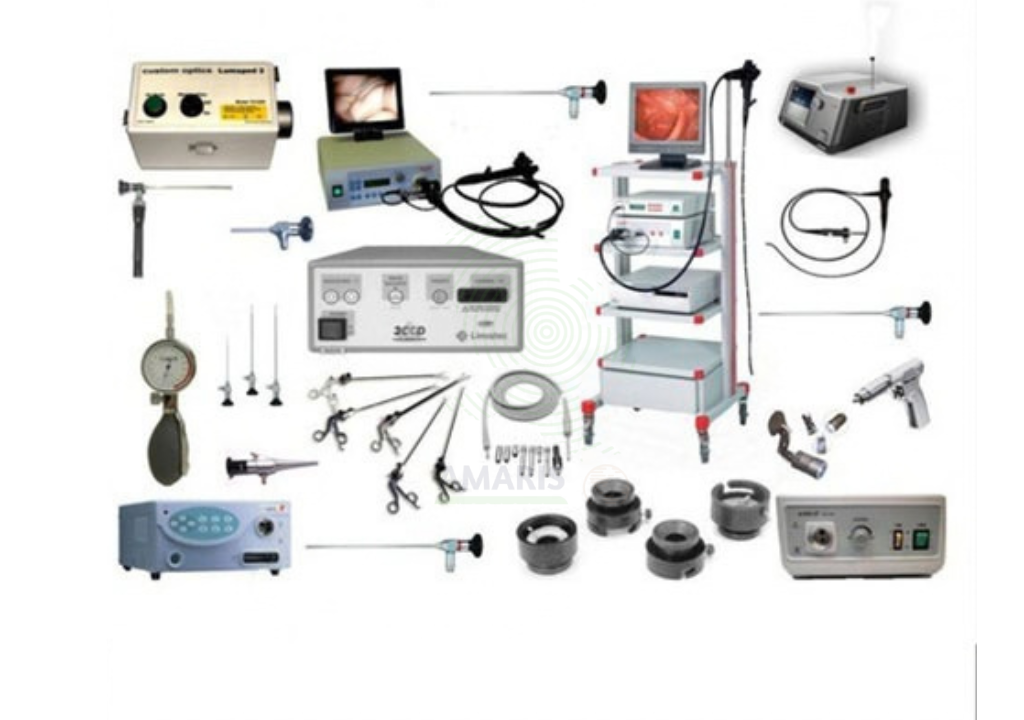
 Endoscopes
 Audiometers and Hearing Tests
 ENT Instruments
 Nasal and Throat Packs
 Hearing Aids and Accessories
 Otology Supplies
 Fetal Dopplers and Monitors
 Delivery Beds and Tables
 Gynecological Instruments
 Neonatal Incubators and Warmers
 Breast Pumps and Accessories
 Contraceptive Devices
 Maternity Supports and Pads
 Neonatal Consumables
 Cystoscopes and Urethroscopes
 Dialysis Machines and Supplies
 Urological Catheters and Bags
 Lithotripters
 Prostate Treatment Devices
 Urinary Incontinence Products
 Kidney Stone Management Tools
 Consumables & Disposables
 EEG and EMG Machines
 Neurosurgical Instruments
 Nerve Stimulators
 Headrests and Positioning Aids
 Lumbar Puncture Kits
 Seizure Monitoring Devices
 Consumables
 Rehabilitation for Neurological Conditions
 ECG Machines and Accessories
 Holter Monitors
 Stress Test Systems
 Pacemakers and Defibrillator Accessories
 Vascular Access Devices
 Cardiac Catheters and Guidewires
 Blood Flow Meters
 Consumables
 Orthopedic Instruments
 Casts, Splints, and Padding
 Joint Replacement Supplies
 Prosthetic Limbs and Components
 Bone Grafts and Substitutes
 Traction Devices
 Orthopedic Braces and Supports
 Rehabilitation Aids for Orthopedics
 Home Oxygen Therapy
 Hospital Beds for Home Use
 Mobility Aids
 Bathroom and Daily Living Aids
 Wound Care for Home
 Monitoring Devices
 Enteral Feeding Pumps and Tubes
 Hand Sanitizers and Dispensers
 Face Shields and Goggles
 Isolation Gowns and Suits
 Biohazard Waste Containers
 Air Purifiers and HEPA Filters
 Surface Disinfectants
 Sharps Containers
 Protective Barriers
 Cardiovascular & Endurance Training
 Strength Training & Weightlifting
 Functional Training & Core Conditioning
 Physical Therapy & Rehabilitation
 Sports & Outdoor Recreation
 Gym Flooring & Facility Equipment
 Fitness Monitoring & Accessories
 Kids & Novelties
🧪⚠️ 5 Laboratory Equipment Mistakes That Can Affect Test Accuracy

Accurate laboratory results are the backbone of quality healthcare. Every diagnosis, treatment plan, and patient monitoring decision depends on reliable test results produced by laboratory equipment. Even the most advanced analyzers can deliver inaccurate results if they are not used or maintained correctly. Small mistakes in equipment handling or maintenance can lead to delayed diagnoses, unnecessary repeat tests, and compromised patient care.
Fortunately, many of these issues are preventable. By understanding the most common laboratory equipment mistakes, healthcare facilities can improve accuracy, increase efficiency, and ensure dependable diagnostic results every day 💙.
🧠 1. Skipping Routine Maintenance
One of the most common mistakes laboratories make is neglecting routine equipment maintenance. Clinical chemistry analyzers, hematology analyzers, centrifuges, and other laboratory instruments require regular servicing to perform at their best.
Without scheduled inspections, cleaning, and replacement of worn components, equipment performance may gradually decline. This can lead to inaccurate readings, unexpected breakdowns, and costly interruptions to laboratory operations.
Following the manufacturer’s recommended maintenance schedule helps keep equipment reliable and extends its lifespan.
⚙️ 2. Ignoring Calibration Requirements
Calibration ensures that laboratory equipment produces accurate and consistent measurements. Over time, instruments can drift from their original settings, affecting test precision.
Failing to calibrate analyzers regularly may result in incorrect patient results and unreliable diagnoses. Routine calibration, combined with quality control testing, helps maintain confidence in laboratory data and ensures equipment continues to meet performance standards.
Proper calibration is especially important for equipment that performs high-volume or highly sensitive testing.
🚑 3. Improper Sample Handling
Even the best laboratory equipment cannot compensate for poorly handled samples. Incorrect labeling, contamination, delayed processing, or improper storage can all affect test accuracy before a sample even reaches the analyzer.
Laboratories should establish clear protocols for sample collection, transportation, storage, and preparation. Proper sample handling protects specimen integrity and helps ensure reliable test outcomes.
Training staff on correct specimen management is just as important as investing in high-quality laboratory equipment.
💪 4. Using Expired or Poor-Quality Reagents
Laboratory analyzers rely on reagents to perform accurate chemical and biological testing. Using expired, contaminated, or improperly stored reagents can produce inconsistent or misleading results.
To maintain testing quality, laboratories should:
- Check expiration dates regularly
- Store reagents according to manufacturer guidelines
- Monitor inventory carefully
- Replace damaged or contaminated supplies promptly
Consistent reagent quality is essential for maintaining accurate laboratory performance and reducing repeat testing.
🌟 5. Inadequate Staff Training
Advanced laboratory equipment is only as effective as the professionals operating it. Without proper training, users may select incorrect testing procedures, misinterpret error messages, or overlook routine maintenance requirements.
Regular staff training ensures laboratory personnel remain up to date with equipment operation, troubleshooting, quality control procedures, and safety protocols. Well-trained teams are better equipped to identify potential issues before they affect patient results.
Continuous education also helps laboratories adapt to new technologies and maintain high standards of diagnostic excellence.
🔚 Final Thoughts
Reliable laboratory results depend on more than advanced technology—they also require proper maintenance, accurate calibration, careful sample handling, quality reagents, and skilled laboratory professionals. Avoiding these common mistakes helps laboratories deliver faster, more accurate results while improving patient safety and clinical decision-making 🌍.
By combining high-quality laboratory equipment with strong quality assurance practices, healthcare facilities can maintain the accuracy and reliability that modern medicine depends on every day.