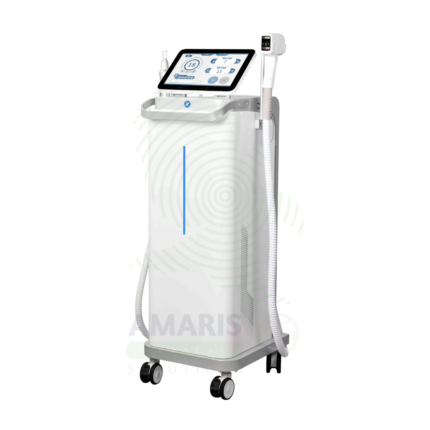
Dermatoscope and Magnifiers
 Diagnostic Kits
 Vital Signs Monitors
 Stethoscopes and Accessories
 Otoscopes, Ophthalmoscopes, and Retinoscopes
 Reflex Hammers and Neurological Tools
 Scales and Measuring Devices
 Spirometers and Pulmonary Function Tests
 Electrosurgical Units and Accessories
 Cutting Instruments
 Grasping and Holding Instruments
 Hemostatic Instruments
 Specialized Surgical Sets
 Single-Use Procedure Trays and Packs
 Surgical Drapes, Gowns, and Covers
 Tissue Unifying Instruments
 Radiation Protection
 X-Ray Machines and Accessories
 Ultrasound Systems and Probes
 MRI and CT Scanners
 Radiology Consumables
 Bone Densitometers
 Fluoroscopy Equipment
 Imaging Tables and Positioning Aids
 Microscopes and Accessories
 Centrifuges and Separators
 Analyzers
 Incubators and Ovens
 Pipettes, Dispensers, and Lab Glassware
 Refrigerators, Freezers, and Storage Units
 Lab Consumables
 Sterilizers and Autoclaves for Lab Use
 Multi-Parameter Monitors
 Ventilators and Respiratory Support Devices
 Defibrillators and AEDs
 Infusion Pumps and IV Systems
 Patient Warmers and Cooling Devices
 Central Monitoring Stations
 Accessories
 Anesthesia Machines and Workstations
 Oxygen Concentrators and Delivery Systems
 Nebulizers and Inhalers
 CPAP/BiPAP Machines
 Airway Management
 Anesthesia Masks, Circuits, and Bags
 Humidifiers and Heaters
 Respiratory Therapy Accessories
 First Aid Kits and Cabinets
 Emergency Resuscitation Equipment
 Trauma Supplies
 Emergency Carts and Crash Carts
 Burn Care Products
 Bleeding Control
 Automated External Defibrillators (AEDs)
 Transport and Evacuation
 Wheelchairs and Accessories
 Walkers, Crutches, and Canes
 Prosthetics and Orthotics
 Physical Therapy Equipment
 Transfer Devices
 Bathroom Safety
 Orthopedic Traction and Tables
 Hot/Cold Therapy Packs and Units
 Beds and Mattresses
 Chairs and Stools
 Tables
 Cabinets and Storage
 Privacy Screens & Curtains
 Stands and Racks
 Linens and Textiles
 Lighting
 Autoclaves and Sterilizers
 Ultrasonic Cleaners
 Disinfectant Solutions and Wipes
 Sterilization Pouches, Wraps, and Indicators
 Instrument Trays and Containers
 UV and Ozone Disinfection Devices
 Washer Disinfectors
 Wound Care
 Gloves
 Masks and Respirators
 Catheters and Tubing
 Swabs, Applicators, and Sponges
 Incontinence Products
 Personal Protective Equipment (PPE)
 Dental Chairs and Units
 Handpieces and Burs
 Instruments
 Consumables
 Sterilization for Dental Use
 Orthodontic Supplies
 Endodontic Tools
 Slit Lamps and Tonometers
 Lensometers and Phoropters
 Ophthalmic Surgical Instruments
 Eyewear Frames and Lenses
 Contact Lens Supplies
 Vision Testing Charts and Devices
 Eye Care Consumables
 Laser Systems for Eye Care
 ENT Exam Chairs and Tables
 Endoscopes
 Audiometers and Hearing Tests
 ENT Instruments
 Nasal and Throat Packs
 Hearing Aids and Accessories
 Otology Supplies
 Fetal Dopplers and Monitors
 Delivery Beds and Tables
 Gynecological Instruments
 Neonatal Incubators and Warmers
 Breast Pumps and Accessories
 Contraceptive Devices
 Maternity Supports and Pads
 Neonatal Consumables
 Cystoscopes and Urethroscopes
 Dialysis Machines and Supplies
 Urological Catheters and Bags
 Lithotripters
 Prostate Treatment Devices
 Urinary Incontinence Products
 Kidney Stone Management Tools
 Consumables & Disposables
 EEG and EMG Machines
 Neurosurgical Instruments
 Nerve Stimulators
 Headrests and Positioning Aids
 Lumbar Puncture Kits
 Seizure Monitoring Devices
 Consumables
 Rehabilitation for Neurological Conditions
 ECG Machines and Accessories
 Holter Monitors
 Stress Test Systems
 Pacemakers and Defibrillator Accessories
 Vascular Access Devices
 Cardiac Catheters and Guidewires
 Blood Flow Meters
 Consumables
 Orthopedic Instruments
 Casts, Splints, and Padding
 Joint Replacement Supplies
 Prosthetic Limbs and Components
 Bone Grafts and Substitutes
 Traction Devices
 Orthopedic Braces and Supports
 Rehabilitation Aids for Orthopedics
 Home Oxygen Therapy
 Hospital Beds for Home Use
 Mobility Aids
 Bathroom and Daily Living Aids
 Wound Care for Home
 Monitoring Devices
 Enteral Feeding Pumps and Tubes
 Hand Sanitizers and Dispensers
 Face Shields and Goggles
 Isolation Gowns and Suits
 Biohazard Waste Containers
 Air Purifiers and HEPA Filters
 Surface Disinfectants
 Sharps Containers
 Protective Barriers
 Cardiovascular & Endurance Training
 Strength Training & Weightlifting
 Functional Training & Core Conditioning
 Physical Therapy & Rehabilitation
 Sports & Outdoor Recreation
 Gym Flooring & Facility Equipment
 Fitness Monitoring & Accessories
 Kids & Novelties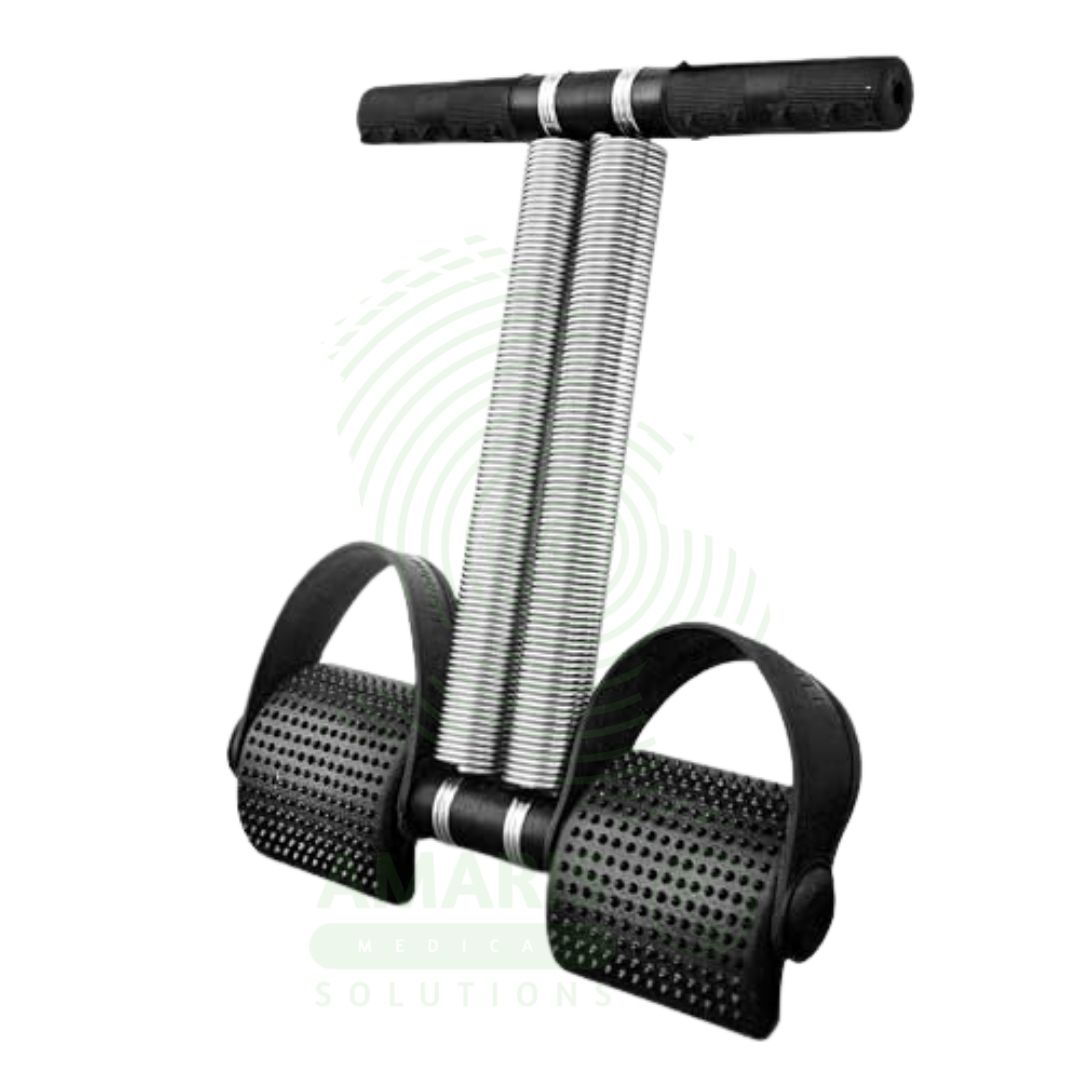
Tummy Trimmer
$1.00
WhatsApp Order
A Tummy Trimmer is a portable core strengthening device designed for abdominal conditioning and core stabilization exercises. The adjustable resistance system allows users to perform controlled crunch and twisting movements to engage the rectus abdominis, obliques, and transverse abdominis muscles. Used in home fitness, physical therapy, and rehabilitation settings, it supports core strengthening for improved posture, spinal stability, and functional movement. Patients with recent surgery, back conditions, or pregnancy should consult a healthcare provider before use. Proper form and gradual progression are essential for safe and effective use.
Description
Tummy Trimmer
PRIMARY CLINICAL & DIAGNOSTIC USES
1. Core Strengthening and Abdominal Conditioning
-
Primary Use: Provides resistance-based exercise for strengthening the abdominal muscles, including the rectus abdominis, transverse abdominis, and internal and external obliques. The device uses spring resistance or elastic bands to create tension during crunching and twisting movements.
-
How it helps: For the physical therapist and fitness professional, the tummy trimmer offers a portable, adjustable tool for core strengthening—allowing patients to perform targeted abdominal exercises with controlled resistance, building the muscle strength needed for spinal stability and functional movement. For the patient recovering from deconditioning or seeking to improve core strength, the tummy trimmer provides a simple, effective way to engage abdominal muscles and build a stable foundation for daily activities.
2. Postural Support and Spinal Stabilization
-
Primary Use: Strengthening the core musculature supports proper spinal alignment and posture. A strong core reduces the load on the lumbar spine, which can help alleviate mechanical low back pain and improve overall postural control.
-
How it helps: For the physical therapist and chiropractor, core strengthening is a cornerstone of back pain management—the tummy trimmer provides a tool for patients to build the abdominal strength needed to support the lumbar spine and maintain proper posture during sitting, standing, and lifting. For the patient with chronic low back pain, developing core strength can reduce pain, improve function, and prevent recurrent injury.
3. Rehabilitation Following Abdominal Surgery
-
Primary Use: Used in the later stages of recovery following abdominal surgeries to gradually rebuild core strength. The adjustable resistance allows for progressive loading as healing tissues tolerate increased demands, with appropriate medical clearance.
-
How it helps: For the physical therapist and post-operative rehabilitation team, the tummy trimmer provides a progressive tool for rebuilding core strength after abdominal procedures—starting with gentle resistance and advancing as the patient’s surgical site heals and strength returns. For the patient recovering from abdominal surgery, regaining core strength is essential for returning to normal activities, lifting, and functional independence.
4. Lumbar Spine Stabilization for Chronic Back Pain
-
Primary Use: Strengthening the core musculature creates a natural stabilizing corset around the lumbar spine, reducing excessive motion and providing support that can alleviate mechanical back pain. This is particularly beneficial for patients with lumbar instability or degenerative disc disease.
-
How it helps: For the spine specialist and physical therapist, core stabilization exercises are essential for managing chronic low back pain—the tummy trimmer provides a simple, repeatable method for patients to engage and strengthen the muscles that support the spine. For the patient with chronic back pain, a stronger core means less strain on the spine during daily activities and reduced pain over time.
5. Weight Management and Body Composition Support
-
Primary Use: As part of a comprehensive exercise program, core strengthening exercises contribute to overall physical activity, caloric expenditure, and body composition improvement when combined with proper nutrition and cardiovascular exercise.
-
How it helps: For the fitness professional and weight management specialist, the tummy trimmer provides a convenient tool for incorporating resistance training into a weight loss program—building lean muscle mass that supports metabolic health while targeting the abdominal region. For the individual working toward weight loss goals, core strengthening exercises complement cardiovascular activity and dietary changes.
SECONDARY & SUPPORTIVE USES
1. Home Exercise Program Compliance: The compact, portable design makes the tummy trimmer suitable for prescribed home exercise programs, allowing patients to maintain core strengthening routines between therapy visits.
2. Preventive Conditioning: Used by fitness-conscious individuals to maintain core strength, improve posture, and reduce risk of back injury during daily activities and recreational sports.
3. Sports Performance Enhancement: Athletes use core strengthening exercises to improve stability, power transfer, and injury prevention across various sports.
4. Pilates and Yoga Complement: Can be incorporated into Pilates and yoga routines to add resistance to traditional core exercises.
5. Geriatric Core Maintenance: Low-resistance options suitable for older adults seeking to maintain core strength and postural stability for fall prevention.
6. Postnatal Core Rehabilitation: Used under professional supervision to gradually rebuild core strength following childbirth, particularly for diastasis recti rehabilitation protocols.
KEY PRODUCT FEATURES
1. BASIC IDENTIFICATION ATTRIBUTES
-
Product Type: A portable core strengthening device consisting of a padded headrest and handles connected by elastic or spring resistance.
-
Designation: Tummy Trimmer, Ab Wheel, Core Trainer, Abdominal Exerciser, Core Strengthening Device.
-
Key Components:
-
Padded Headrest: Contoured foam pad that supports the neck and head during exercises.
-
Resistance Bands: Elastic bands or springs that provide adjustable resistance during movement.
-
Grip Handles: Ergonomic handles for secure grip during exercise.
-
Frame: Lightweight metal or high-strength plastic construction.
-
2. TECHNICAL & PERFORMANCE PROPERTIES
-
Resistance Level: Adjustable; typically ranges from beginner to advanced resistance settings.
-
Range of Motion: Designed for controlled crunch and twisting movements.
-
Portability: Lightweight, compact design for home use and travel.
-
Durability: Constructed for repeated use with quality materials.
3. PHYSICAL & OPERATIONAL PROPERTIES
-
Construction: Metal frame with foam padding; elastic resistance bands.
-
Portability: Collapsible or foldable design for storage.
-
Weight: Lightweight for easy transport.
-
Assembly: Minimal assembly required; ready for use.
4. SAFETY & COMPLIANCE ATTRIBUTES
-
Weight Capacity: Typically supports up to 250-300 lbs.
-
Material Safety: Non-toxic foam; latex-free options available.
-
Stability: Non-slip base design.
5. STORAGE & HANDLING ATTRIBUTES
-
Storage: Store in a clean, dry location; fold for compact storage.
-
Cleaning: Wipe with damp cloth; air dry.
6. LABORATORY & CLINICAL APPLICATIONS
-
Primary Application: Core strengthening and abdominal conditioning in home, gym, and rehabilitation settings.
-
Clinical Role: Adjunct to formal physical therapy for core stabilization; home exercise equipment for continued conditioning.
SAFETY HANDLING PRECAUTIONS
1. SAFETY PRECAUTIONS
-
Medical Clearance: Patients with recent abdominal surgery, hernia, back injury, or pregnancy should consult a physician before use.
-
Proper Form: Maintain proper spinal alignment; avoid neck strain by keeping head and neck relaxed on pad.
-
Gradual Progression: Start with low resistance; increase gradually as strength improves.
-
Pain Response: Discontinue if sharp pain occurs; mild muscle fatigue expected.
-
Back Conditions: Patients with disc herniation, spinal stenosis, or severe osteoarthritis should exercise under professional supervision.
-
Pregnancy: Not recommended during pregnancy without specific medical approval.
-
Hydration: Maintain adequate hydration during exercise.
2. FIRST AID MEASURES
-
Muscle Strain: If muscle strain occurs, rest, ice, and gentle stretching.
-
Back Pain: Discontinue use if back pain develops; assess form; consult professional if pain persists.
-
Skin Irritation: If foam causes skin irritation, discontinue use.
3. FIRE FIGHTING MEASURES
-
Flammability: Foam and fabric components are combustible.
-
Extinguishing Media: Use water, foam, or CO₂ as appropriate for surrounding materials.
Related products
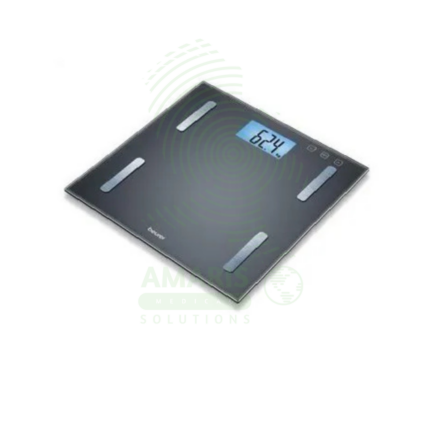
Digital weight scale with BMI calculator
A Digital Weight Scale with BMI Calculator is a Class I medical device (for health monitoring) combining precision strain gauge technology (four sensors, accuracy ±0.1-0.3 kg) with automatic BMI calculation based on user-entered height. Features include tempered glass, stainless steel, or ABS plastic platform (30-35 cm square), backlit LCD display showing weight and BMI, multiple user profiles (2-10 users) with height storage, memory for historical readings, auto-recognition on select models, Bluetooth connectivity for app integration, and weight capacity 150-200 kg (330-440 lbs) standard. Primary clinical applications include home-based BMI monitoring for weight management, hypertension and cardiovascular risk assessment, diabetes management and metabolic health, obesity screening and weight loss programs, bariatric surgery pre- and post-operative monitoring, geriatric nutritional status monitoring (detecting malnutrition), and pediatric/adolescent growth tracking. Critical safety considerations include accurate height entry for each user (essential for valid BMI), correct user profile selection, use on hard level surfaces (not carpet), glass platform inspection for cracks, staying within weight capacity, and understanding that BMI is a screening tool requiring healthcare provider interpretation. Essential home health device for individuals managing weight-related health conditions.
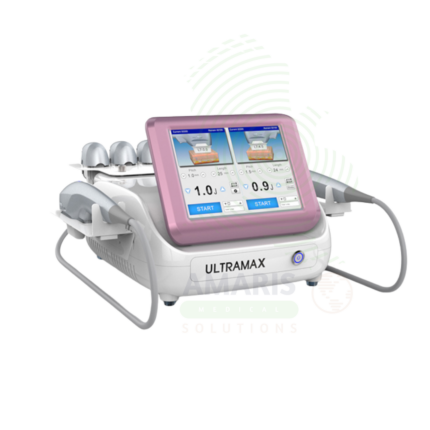
Hifuslim Slimming Machine
A Hifuslim Slimming Machine is a non-invasive body contouring device that uses high-intensity focused ultrasound to selectively destroy fat cells and stimulate collagen production for skin tightening. The focused ultrasound energy targets subcutaneous fat at precise depths, providing measurable fat reduction and improved skin elasticity without surgery. FDA-cleared for dermatological use, it offers patients a non-surgical alternative to liposuction for reducing stubborn fat deposits resistant to diet and exercise.
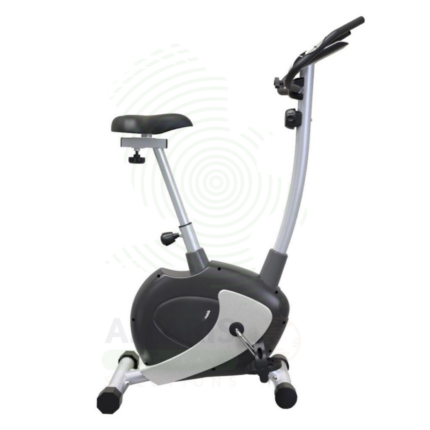
Magnetic Bike
A Magnetic Bike is a stationary bicycle utilizing magnetic resistance technology for smooth, quiet, low-maintenance operation, designed for cardiovascular conditioning and rehabilitation in clinical and home settings. Unlike friction-based resistance systems, magnetic resistance uses magnets positioned near a flywheel to create eddy current resistance without physical contact—eliminating friction pad wear, providing consistent resistance across all levels, and enabling whisper-quiet operation suitable for home use and clinical environments. Available in upright and recumbent configurations, the magnetic bike offers joint-friendly, non-weight-bearing exercise that strengthens quadriceps, hamstrings, gluteals, and calf muscles while improving cardiovascular fitness. For the physical therapist and rehabilitation specialist, the magnetic bike provides precise, repeatable resistance levels for therapeutic exercise prescription, with recumbent models accommodating patients with balance impairment, low back pain, or difficulty mounting standard upright bikes. For the patient recovering from total knee replacement, ACL reconstruction, osteoarthritis, or cardiac event, the magnetic bike enables safe, progressive strengthening and conditioning that improves function, reduces pain, and supports return to independent living. Digital consoles with heart rate monitoring and pre-programmed exercise protocols allow for objective progress tracking and telehealth integration.
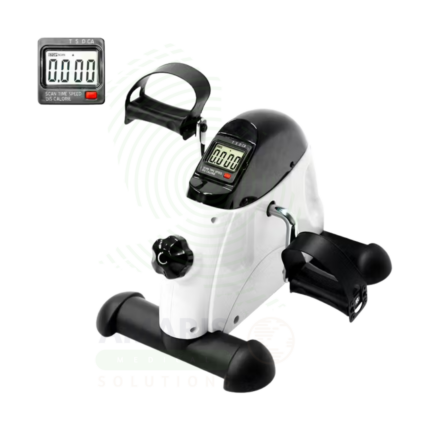
Mini Bike
A Mini Bike is a compact, portable pedal exerciser designed for seated lower extremity cycling and tabletop upper extremity cycling for passive, active-assisted, or active exercise in rehabilitation and home settings. Unlike traditional stationary bikes that require standing or transferring to a specialized seat, the mini bike places the pedal unit on the floor in front of the user for leg exercise, or on a tabletop for arm exercise, allowing patients with severe deconditioning, lower extremity weakness, neurological impairment, or upper limb pathology to initiate therapeutic movement safely from their own chair or bed. Adjustable magnetic or friction resistance allows for progressive strengthening, while forward and backward pedaling engages different muscle groups. For the physical therapist and occupational therapist, the mini bike provides an accessible entry point to rehabilitation for patients who cannot yet tolerate upright exercise—including those recovering from stroke, spinal cord injury, joint replacement, cardiac surgery, or critical illness. For the patient with limited mobility, regular mini bike use maintains joint range of motion, activates the calf muscle pump to reduce edema, prevents deconditioning, restores upper extremity function, and supports functional recovery—all while remaining safely seated.
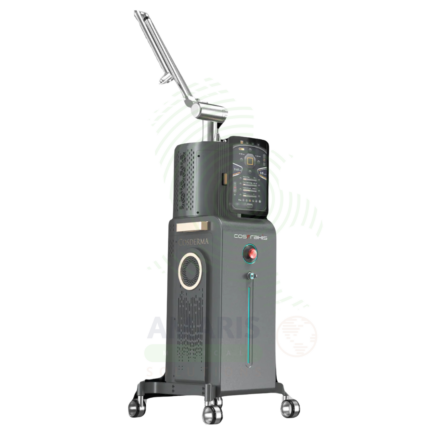
RF Tube Fractional CO₂ Laser Machine
An RF Tube Fractional CO₂ Laser Machine is a fractional carbon dioxide laser system used for skin resurfacing, treatment of deep wrinkles, acne scars, photodamage, and skin tightening. The fractional technology creates microscopic columns of thermal injury while preserving surrounding healthy tissue, allowing for significant improvement with manageable downtime. The gold standard for skin resurfacing, it provides dramatic results for patients with moderate to severe skin concerns.
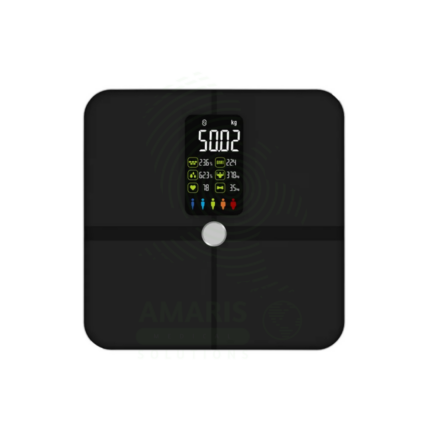
Smart Weighting Scale With Bluetooth
A Smart Weighting Scale With Bluetooth is a digital body weight scale with integrated wireless technology that transmits weight measurements from home to smartphones and healthcare platforms for remote patient monitoring. Features four high-precision strain gauge sensors providing accuracy ±0.1-0.3 kg, tempered glass or reinforced plastic platform with 180-400 lb capacity, backlit LCD display, and Bluetooth 4.0-5.0 LE connectivity. Advanced models include bioelectrical impedance analysis (BIA) for body composition (body fat, muscle mass, bone mass, hydration, visceral fat). Primary clinical applications include remote weight monitoring in heart failure management (early fluid overload detection), obesity and weight management programs, bariatric surgery pre/post-operative monitoring, chronic kidney disease fluid management, pregnancy weight gain tracking, telehealth programs, and medication-induced weight change surveillance. Class I medical device (weight function); Class II if body composition claims made. Critical safety considerations include weight capacity limits, platform integrity inspection, proper surface placement (hard, level), standardized weighing conditions, BIA contraindications (pacemakers, ICDs, pregnancy), and rapid weight gain recognition in heart failure patients.
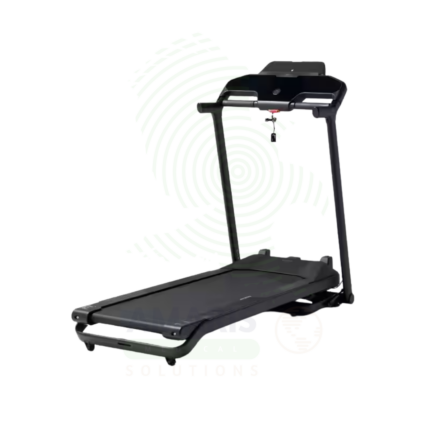
Treadmill
A Treadmill is a motorized walking or running surface with adjustable speed and incline used for cardiovascular exercise, diagnostic stress testing, gait analysis, and rehabilitation in clinical and fitness settings. For the cardiologist, the treadmill enables controlled, progressive exercise tolerance tests to evaluate cardiac function, diagnose coronary artery disease, and assess exercise-induced arrhythmias. For the physical therapist, the treadmill provides a controlled environment for gait analysis and walking retraining following stroke, spinal cord injury, joint replacement, or lower extremity amputation. For the cardiac and pulmonary rehabilitation specialist, the treadmill is the primary aerobic exercise modality for improving cardiovascular fitness, exercise capacity, and functional independence following myocardial infarction, bypass surgery, or COPD diagnosis. Available in diagnostic models with ECG integration, rehabilitation models with extended handrails and low step-on height, and conditioning models for fitness and wellness, treadmills feature shock-absorbing decks to reduce joint impact, heart rate monitoring for exercise prescription, and emergency stop systems for patient safety. For the patient with cardiovascular disease, diabetes, obesity, or mobility impairment, regular treadmill exercise improves functional capacity, reduces symptoms, supports weight management, and decreases mortality risk.