Dermatoscope and Magnifiers
 Diagnostic Kits
 Vital Signs Monitors
 Stethoscopes and Accessories
 Otoscopes, Ophthalmoscopes, and Retinoscopes
 Reflex Hammers and Neurological Tools
 Scales and Measuring Devices
 Spirometers and Pulmonary Function Tests
 Electrosurgical Units and Accessories
 Cutting Instruments
 Grasping and Holding Instruments
 Hemostatic Instruments
 Specialized Surgical Sets
 Single-Use Procedure Trays and Packs
 Surgical Drapes, Gowns, and Covers
 Tissue Unifying Instruments
 Radiation Protection
 X-Ray Machines and Accessories
 Ultrasound Systems and Probes
 MRI and CT Scanners
 Radiology Consumables
 Bone Densitometers
 Fluoroscopy Equipment
 Imaging Tables and Positioning Aids
 Microscopes and Accessories
 Centrifuges and Separators
 Analyzers
 Incubators and Ovens
 Pipettes, Dispensers, and Lab Glassware
 Refrigerators, Freezers, and Storage Units
 Lab Consumables
 Sterilizers and Autoclaves for Lab Use
 Multi-Parameter Monitors
 Ventilators and Respiratory Support Devices
 Defibrillators and AEDs
 Infusion Pumps and IV Systems
 Patient Warmers and Cooling Devices
 Central Monitoring Stations
 Accessories
 Anesthesia Machines and Workstations
 Oxygen Concentrators and Delivery Systems
 Nebulizers and Inhalers
 CPAP/BiPAP Machines
 Airway Management
 Anesthesia Masks, Circuits, and Bags
 Humidifiers and Heaters
 Respiratory Therapy Accessories
 First Aid Kits and Cabinets
 Emergency Resuscitation Equipment
 Trauma Supplies
 Emergency Carts and Crash Carts
 Burn Care Products
 Bleeding Control
 Automated External Defibrillators (AEDs)
 Transport and Evacuation
 Wheelchairs and Accessories
 Walkers, Crutches, and Canes
 Prosthetics and Orthotics
 Physical Therapy Equipment
 Transfer Devices
 Bathroom Safety
 Orthopedic Traction and Tables
 Hot/Cold Therapy Packs and Units
 Beds and Mattresses
 Chairs and Stools
 Tables
 Cabinets and Storage
 Privacy Screens & Curtains
 Stands and Racks
 Linens and Textiles
 Lighting
 Autoclaves and Sterilizers
 Ultrasonic Cleaners
 Disinfectant Solutions and Wipes
 Sterilization Pouches, Wraps, and Indicators
 Instrument Trays and Containers
 UV and Ozone Disinfection Devices
 Washer Disinfectors
 Wound Care
 Gloves
 Masks and Respirators
 Catheters and Tubing
 Swabs, Applicators, and Sponges
 Incontinence Products
 Personal Protective Equipment (PPE)
 Dental Chairs and Units
 Handpieces and Burs
 Instruments
 Consumables
 Sterilization for Dental Use
 Orthodontic Supplies
 Endodontic Tools
 Slit Lamps and Tonometers
 Lensometers and Phoropters
 Ophthalmic Surgical Instruments
 Eyewear Frames and Lenses
 Contact Lens Supplies
 Vision Testing Charts and Devices
 Eye Care Consumables
 Laser Systems for Eye Care
 ENT Exam Chairs and Tables
 Endoscopes
 Audiometers and Hearing Tests
 ENT Instruments
 Nasal and Throat Packs
 Hearing Aids and Accessories
 Otology Supplies
 Fetal Dopplers and Monitors
 Delivery Beds and Tables
 Gynecological Instruments
 Neonatal Incubators and Warmers
 Breast Pumps and Accessories
 Contraceptive Devices
 Maternity Supports and Pads
 Neonatal Consumables
 Cystoscopes and Urethroscopes
 Dialysis Machines and Supplies
 Urological Catheters and Bags
 Lithotripters
 Prostate Treatment Devices
 Urinary Incontinence Products
 Kidney Stone Management Tools
 Consumables & Disposables
 EEG and EMG Machines
 Neurosurgical Instruments
 Nerve Stimulators
 Headrests and Positioning Aids
 Lumbar Puncture Kits
 Seizure Monitoring Devices
 Consumables
 Rehabilitation for Neurological Conditions
 ECG Machines and Accessories
 Holter Monitors
 Stress Test Systems
 Pacemakers and Defibrillator Accessories
 Vascular Access Devices
 Cardiac Catheters and Guidewires
 Blood Flow Meters
 Consumables
 Orthopedic Instruments
 Casts, Splints, and Padding
 Joint Replacement Supplies
 Prosthetic Limbs and Components
 Bone Grafts and Substitutes
 Traction Devices
 Orthopedic Braces and Supports
 Rehabilitation Aids for Orthopedics
 Home Oxygen Therapy
 Hospital Beds for Home Use
 Mobility Aids
 Bathroom and Daily Living Aids
 Wound Care for Home
 Monitoring Devices
 Enteral Feeding Pumps and Tubes
 Hand Sanitizers and Dispensers
 Face Shields and Goggles
 Isolation Gowns and Suits
 Biohazard Waste Containers
 Air Purifiers and HEPA Filters
 Surface Disinfectants
 Sharps Containers
 Protective Barriers
 Cardiovascular & Endurance Training
 Strength Training & Weightlifting
 Functional Training & Core Conditioning
 Physical Therapy & Rehabilitation
 Sports & Outdoor Recreation
 Gym Flooring & Facility Equipment
 Fitness Monitoring & Accessories
 Kids & Novelties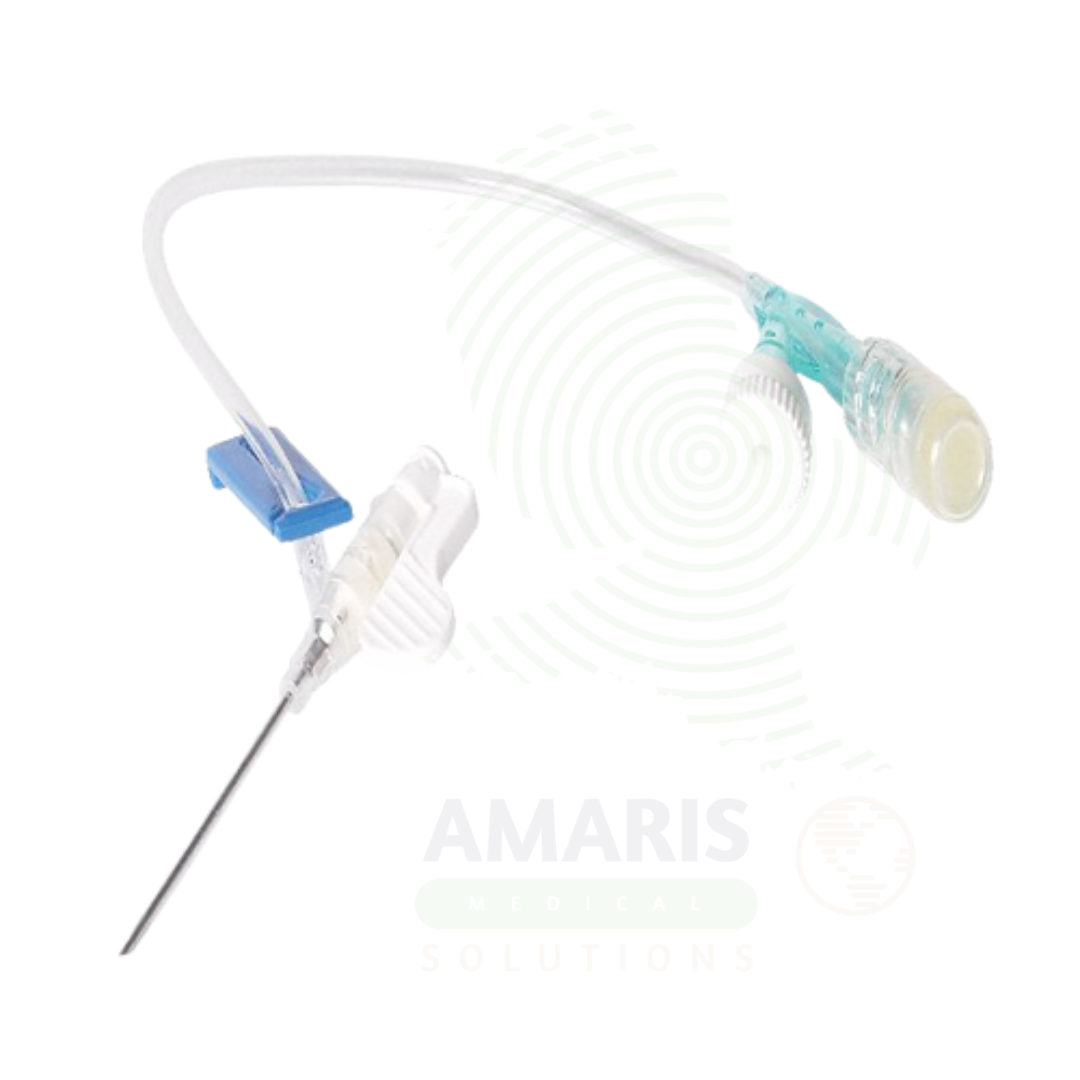
IV Cannulas & Tubing
$1.00
WhatsApp Order
IV Cannulas & Tubing are sterile, single-use medical devices that together constitute the complete peripheral intravenous access and delivery system. The IV cannula (peripheral intravenous catheter) is a flexible catheter mounted over a hollow introducer needle, inserted into a peripheral vein to establish vascular access for fluid, medication, and blood product administration. Available in gauges 14G-26G, with material options including FEP/Teflon® and polyurethane, and featuring passive or active sharps safety mechanisms. IV tubing (administration sets) is a flexible conduit connecting the fluid container to the cannula, incorporating drip chambers, flow regulators, injection ports, and needleless connectors. Available in macro-drip, micro-drip, filtered, light-protective, and non-PVC variants. Strict aseptic insertion technique, immediate sharps disposal, routine site assessment, and adherence to single-use protocols are essential to prevent phlebitis, bloodstream infection, and needlestick injury.
Description
IV Cannulas & Tubing
PRIMARY CLINICAL & DIAGNOSTIC USES
1. Peripheral Intravenous Access for Fluid and Medication Administration
-
Primary Use: Establishes and maintains a peripheral venous access point for the delivery of intravenous fluids, blood products, electrolytes, and parenteral medications, providing a direct route into the bloodstream for rapid systemic distribution.
-
How it helps: For the nurse, physician, and paramedic, the IV cannula is the gateway to the vascular system—a small plastic catheter that transforms a peripheral vein into a direct line for delivering life-saving fluids, medications, and blood products. For the patient, an IV line means that when they need medications urgently, when they cannot take oral fluids, or when they require blood transfusion, there is already a secure route in place, avoiding repeated needle sticks and ensuring rapid treatment.
2. Continuous or Intermittent Infusion Therapy
-
Primary Use: Enables prolonged or repeated administration of IV solutions and medications over hours to days without repeated venipuncture, with the indwelling cannula allowing for secure attachment to IV tubing and administration sets.
-
How it helps: For the hospitalized patient requiring multiple doses of antibiotics, continuous hydration, or prolonged medication infusions, the IV cannula eliminates the need for a new needle stick with every dose—providing a single access point that remains in place for the duration of therapy. For the nurse, this means fewer venipunctures, less patient discomfort, and more reliable medication administration.
3. Emergency Resuscitation and Volume Expansion
-
Primary Use: Critical for rapid, high-volume fluid resuscitation in patients with hypovolemia, hemorrhage, sepsis, or burns, with large-gauge cannulas permitting the high flow rates necessary for emergency stabilization.
-
How it helps: For the emergency physician and trauma team, large-bore IV cannulas are lifelines in the crashing patient—allowing rapid infusion of blood products in hemorrhagic shock, liters of crystalloid in septic shock, and immediate administration of life-saving medications when every second counts. For the critically ill or injured patient, these large IV lines mean that resuscitation can begin immediately, replacing lost volume and supporting blood pressure until definitive care is available.
4. Administration of Irritant or Vesicant Medications
-
Primary Use: Provides secure venous access for medications that are damaging to subcutaneous tissues if extravasation occurs, including certain chemotherapy agents, vasopressors, concentrated electrolytes, and total parenteral nutrition.
-
How it helps: For the oncology nurse and intensive care provider, a properly placed and well-functioning IV cannula is essential for administering drugs that can cause severe tissue damage if they leak into surrounding tissues—ensuring that these potent medications are delivered directly into the bloodstream where they belong. For the patient receiving chemotherapy or potent vasopressors, a secure IV line means these critical medications can be administered safely, without the devastating complications of extravasation.
5. Blood Sampling
-
Primary Use: Integrated systems allow for blood collection through the cannula at the time of insertion or during therapy without the need for separate venipunctures, reducing patient discomfort and needle exposures.
-
How it helps: For the patient requiring frequent blood draws, an IV cannula that allows blood sampling means fewer needle sticks, less pain, and preserved veins for future access. For the nurse and phlebotomist, the ability to draw blood through an existing line streamlines care and reduces the risk of needlestick injuries.
6. Intravenous Tubing as Conduit System
-
Primary Use: IV tubing connects the fluid container to the vascular access device, creating a sterile, closed system that delivers fluid via gravity or electronic infusion pump, including essential components such as drip chambers, flow regulators, injection ports, and needleless connectors.
-
How it helps: For the clinician managing IV therapy, the tubing set is the critical link between the fluid bag and the patient—providing a sterile pathway, precise flow control, and access ports for additional medications without breaking the sterile system. For the patient, properly functioning IV tubing means their therapy is delivered accurately, safely, and without interruption.
SECONDARY & SUPPORTIVE USES
1. Central Venous Pressure Monitoring: When connected to appropriate monitoring systems, specific IV tubing configurations enable measurement of central venous pressure in critically ill patients. For the intensivist managing fluid status, CVP monitoring guides resuscitation decisions.
2. Contrast Media Injection for Diagnostic Imaging: Power-injectable cannulas and specialized tubing are used for rapid, high-pressure delivery of iodinated contrast media during CT, MRI, and angiography procedures. For the patient undergoing contrast imaging, a power-injectable line ensures optimal image quality.
3. Intraoperative Fluid Management: Essential in surgical settings for maintaining intravascular volume, administering anesthetic agents, and providing rapid access for blood transfusion during procedures with anticipated blood loss. For the surgical patient, reliable IV access is fundamental to safe anesthesia and surgery.
4. Pediatric and Neonatal Access: Specialized small-gauge cannulas and low-volume extension sets enable secure IV access in the delicate veins of infants and children. For the smallest patients, appropriately sized IV equipment means necessary treatment with minimal trauma.
5. Patient-Controlled Analgesia: Dedicated IV tubing with anti-siphon valves and Luer-lock connections is used with PCA pumps, allowing patients to self-administer prescribed doses of analgesic medication. For the patient in pain, PCA provides immediate relief without waiting for nurse administration.
6. Home Infusion Therapy: Enables patients to receive IV antibiotics, hydration, parenteral nutrition, or other therapies in outpatient and home settings. For the patient who can go home with IV therapy, hospital stays are shorter and quality of life improves.
7. Intraosseous Access Transition: In emergency settings, IO access may be established initially, with IV tubing connected directly to IO needles for fluid and medication administration until peripheral or central IV access is obtained. For the patient in extremis, IO access provides a bridge to definitive IV access.
KEY PRODUCT FEATURES
1. BASIC IDENTIFICATION ATTRIBUTES
-
Product Type (Cannula): A sterile, single-use, flexible or semi-rigid catheter inserted into a peripheral vein, mounted over a hollow introducer needle.
-
Product Type (Tubing): A sterile, single-use flexible conduit connecting the IV fluid container to the vascular access device.
-
Designation (Cannula): Defined by gauge size, length, material, and construction type (with/without injection port, with/without wings, integrated extension set).
-
Designation (Tubing): Defined by number of ports, drip chamber type, priming volume, tubing length, and special features (filtered, non-PVC, light-protected, etc.).
-
Core Components (Cannula):
-
Catheter: Flexible tube that remains in the vein. Made of fluorinated ethylene propylene (FEP/Teflon®), polyurethane (PUR), or Vialon™.
-
Introducer Needle: Hollow, beveled stainless steel needle used to pierce skin and vein, over which the catheter is threaded.
-
Flashback Chamber: Transparent chamber indicating successful venipuncture by visualization of blood return.
-
Hub: Plastic base with Luer connection for attaching tubing, syringes, or caps.
-
Wings (optional): Flexible lateral extensions for securement and taping.
-
Injection Port (optional): Integrated Y-site or side port for medication administration without disconnecting main line.
-
-
Core Components (Tubing):
-
Spike/Bottle Adapter: Pierces the IV fluid container's port.
-
Drip Chamber: Transparent chamber allowing visualization of flow rate (macro-drip: 10-20 drops/mL; micro-drip: 60 drops/mL).
-
Tubing: Flexible PVC or non-PVC material.
-
Flow Regulator: Roller clamp, pinch clamp, or electronic pump-compatible segment.
-
Injection Ports (Y-sites): Multiple self-sealing ports along the tubing for secondary medication administration.
-
Needleless Connector: Distal end interface that attaches to the cannula hub, designed to prevent needlestick injuries.
-
Backcheck Valve: Prevents retrograde flow of fluid or blood up the secondary line.
-
2. TECHNICAL & PERFORMANCE PROPERTIES
-
Gauge Size (Cannula): Diameter of the catheter, inversely related to gauge number. Range: 14G (largest, trauma/OR) to 26G (smallest, neonates). Common: 20G (adult general), 22G (pediatric/elderly), 18G (trauma/surgery), 24G (neonates/ fragile veins).
-
Flow Rate (Cannula): Volume of fluid that can pass through the catheter per unit time, directly related to gauge and length. A 14G cannula delivers ~330 mL/min; 20G delivers ~65 mL/min; 22G delivers ~35 mL/min.
-
Catheter Material Properties:
-
FEP/Teflon®: Stiffer, maintains patency well, less thrombogenic, lower cost.
-
Polyurethane (PUR): Softer, becomes more flexible at body temperature, less phlebitis risk, better for difficult veins.
-
Vialon™: Biomaterial that softens in the vein, reduces complications, extended dwell time.
-
-
Radiopacity: Catheter material is impregnated with barium sulfate or other radiopaque substances to permit visualization on X-ray, confirming placement and detecting retained fragments.
-
Tubing Flow Rate Capacity: Standard tubing delivers up to 250 mL/hour; high-flow tubing for trauma/resuscitation delivers up to 500+ mL/minute.
-
Priming Volume (Tubing): The volume of fluid required to fill the tubing set from spike to distal connector. Ranges from 10-30 mL for standard sets; low-priming sets (5-10 mL) for pediatrics.
-
Drip Chamber Calibration: Macro-drip (10-20 drops/mL) for general adult use; micro-drip (60 drops/mL) for precise, low-volume pediatric or critical care infusions.
-
Filter Inclusion: Some tubing sets incorporate in-line filters (0.2 micron) for particulate removal, air elimination, or bacterial retention (e.g., for TPN, chemotherapy).
3. PHYSICAL & OPERATIONAL PROPERTIES
-
Cannula Length: Typically 25-48 mm (1-1.85 inches). Longer catheters (6-8 cm) for deep veins or difficult access; shorter catheters for superficial veins.
-
Securement Features: Winged hubs allow for taping or manufactured with integrated stabilization devices to reduce dislodgement and micromotion.
-
Transparency: Catheter material is transparent or translucent, permitting visualization of blood flashback and assessment of catheter patency.
-
Tubing Length: Standard length 100-110 inches (250-280 cm). Extension sets available in 6-30 inch lengths for specific applications (e.g., MRI-compatible, neonatal).
-
DEHP-Free/Non-PVC: Increasing shift toward DEHP-free and non-PVC materials to reduce leaching of plasticizers into infusates, particularly for neonatal, pediatric, and oncology populations.
-
Light-Protective Tubing: Amber or opaque tubing for light-sensitive medications (e.g., nitroglycerin, sodium nitroprusside, certain chemotherapy agents).
-
Burette Set: Specialized tubing with a calibrated chamber (100-150 mL) for precise measurement and controlled delivery of fluids, primarily used in pediatrics.
4. SAFETY & COMPLIANCE ATTRIBUTES
-
Regulatory Standards (Cannula):
-
ISO 10555: Sterile, single-use intravascular catheters.
-
ISO 7864: Sterile hypodermic needles (for introducer needle).
-
FDA 510(k) Clearance: Required for US marketing.
-
CE Marking: Required for European market.
-
-
Regulatory Standards (Tubing):
-
ISO 8536: Infusion equipment for medical use.
-
ISO 80369: Small-bore connectors for fluids (prevents misconnections).
-
USP <788>: Particulate matter in injections (tubing must not shed particulates).
-
-
Needlestick Safety (Cannula): Most modern IV cannulas feature passive or active safety mechanisms that shield the introducer needle immediately upon withdrawal, preventing sharps injuries. Compliance with Needlestick Safety and Prevention Act (US) and EU Directive 2010/32/EU.
-
Needleless Connectors (Tubing): Distal ends feature split-septum or mechanical valve needleless connectors to eliminate open needle access points, reducing sharps hazards and contamination risk.
-
Sterility: Terminal sterilization via ethylene oxide (EtO) or gamma irradiation. Sterility assurance level (SAL) of 10⁻⁶.
-
Biocompatibility: All blood-contact and tissue-contact materials must meet ISO 10993 standards for cytotoxicity, sensitization, irritation, systemic toxicity, and hemocompatibility.
-
Latex-Free: All components must be manufactured without natural rubber latex.
-
Non-Pyrogenic: Certified free of endotoxins.
-
DEHP Compliance: Must meet regional restrictions on phthalate content (e.g., California Proposition 65, EU Medical Device Regulation).
5. STORAGE & HANDLING ATTRIBUTES
-
Storage: Store in original, unopened packaging in a cool, dry environment. Protect from extreme temperatures, direct sunlight, moisture, and physical damage.
-
Shelf Life: Typically 3-5 years from date of manufacture. Expiration date printed on each package. Do not use it after expiration; sterility and material integrity cannot be guaranteed.
-
Package Inspection: Before use, inspect packaging for any signs of compromise: tears, punctures, moisture ingress, or damage to sterile barrier. Do not use it if integrity is questionable.
-
Single-Use Protocol (Cannula): IV cannulas are strictly single-use devices for a single insertion attempt. If insertion fails, a new sterile cannula must be used. Never reinsert a used or partially withdrawn cannula.
-
Single-Use Protocol (Tubing): IV tubing is strictly single-use and must be replaced per facility protocol (typically every 72-96 hours), immediately upon suspected contamination, after administration of blood/blood products, or per manufacturer guidelines. Continuous sets for lipid-containing TPN are typically changed every 24 hours.
-
Storage of Primed Tubing: Primed IV tubing should be used promptly. Prolonged storage of primed, disconnected tubing creates infection risk and is not recommended.
6. LABORATORY & CLINICAL APPLICATIONS
-
Primary Application: Peripheral IV cannulas and administration tubing constitute the fundamental vascular access and delivery system for the vast majority of hospitalized patients requiring intravenous therapy. They are the first-line vascular access device for most indications.
-
Selection Criteria (Cannula):
-
Patient age and vein condition: Determines gauge and length.
-
Therapy type: High-volume/rapid infusion requires a large gauge; irritant medications may require specific materials.
-
Anticipated dwell time: Extended dwell may favor polyurethane materials.
-
Access difficulty: Longer catheters for deeper veins.
-
-
Selection Criteria (Tubing):
-
Infusion method: Gravity vs. pump-controlled.
-
Patient population: Pediatric requires micro-drip/low-priming sets.
-
Medication characteristics: Light-sensitive, non-PVC compatible, filtered requirements.
-
Number of concurrent infusions: Determines number of ports/Y-sites needed.
-
-
Dwell Time: Peripheral IV cannulas are typically replaced every 72-96 hours in adults unless clinically indicated otherwise. Pediatric dwell times may be longer if the site is healthy.
SAFETY HANDLING PRECAUTIONS
1. SAFETY PRECAUTIONS
-
Aseptic Technique (Most Important): Strict aseptic non-touch technique (ANTT) must be used during insertion. Skin antisepsis with >0.5% chlorhexidine in 70% alcohol or 2% chlorhexidine gluconate, applied with friction for 30 seconds, allowed to dry completely (30 seconds). Sterile gloves and sterile drapes are recommended, particularly for difficult access or immunocompromised patients.
-
Sharps Safety (Cannula): Activate safety mechanism immediately upon needle withdrawal. Never re-sheath the introducer needle. Discard needle directly into sharps container. Never pass an exposed contaminated needle to another person.
-
Secure and Stabilize: Cannula must be secured with sterile, transparent semi-permeable dressing to allow visualization of insertion site. Document date of insertion. Stabilization devices reduce dislodgement and phlebitis risk.
-
Site Assessment: Visually inspect and palpate through dressing every 4 hours (ward) or hourly (critical care) for signs of complications: redness, swelling, warmth, tenderness, palpable cord, purulence, or patient-reported pain/burning. Remove immediately if any complication suspected.
-
Flushing Protocol: Flush with preservative-free 0.9% sodium chloride before and after medication administration, and periodically to assess patency. Use single-dose ampules or prefilled syringes; never use multi-dose vials for multiple patients.
-
Tubing Management: Label tubing with date and time of initiation. Do not allow tubing to contact floor. Keep injection ports clean; scrub the hub with 70% alcohol for 15 seconds before each access. Close clamps before connecting/disconnecting.
-
Prevention of Misconnections: Ensure Luer connectors are compatible and intended for IV use. Never force a connection. Oral/enteral syringes and tubing should never be compatible with IV connectors (ISO 80369 compliance).
-
Extravasation Precautions: For vesicant medications, verify IV placement with blood return before administration, administer via running IV line, and monitor closely. Stop immediately if signs of extravasation occur.
-
Air Embolism Prevention: Prime tubing completely to remove all air. Use air-eliminating filters for central lines. Ensure all connections are secure. Close clamps when changing tubing or containers.
2. FIRST AID MEASURES
-
Needlestick Injury (Introducer Needle): Immediately wash the affected area vigorously with soap and water. Do not squeeze or suck the wound. Report the incident immediately to supervisor/occupational health. Follow institutional post-exposure prophylaxis (PEP) protocols for bloodborne pathogen exposure (HIV, HBV, HCV). Complete incident documentation.
-
Catheter Fragment Embolization: If a catheter is sheared off and retained in the vasculature, do not attempt to retrieve it manually. Apply tourniquet proximal to the site if visible, immobilize the extremity, and transport the patient immediately to interventional radiology or vascular surgery for percutaneous or surgical retrieval.
-
Extravasation Injury: Stop infusion immediately, aspirate residual medication from the cannula, remove cannula, elevate extremity, apply warm or cold compress as indicated by the specific medication, and consult extravasation protocol. Notify provider; document and photograph the site. Specific antidotes may be required (e.g., hyaluronidase, phentolamine).
-
Phlebitis/Thrombophlebitis: Remove cannula immediately. Apply warm compress. Monitor for signs of infection. Mild cases resolve with removal; severe or infected cases may require systemic antibiotics or anticoagulation.
-
Catheter-Related Bloodstream Infection (CRBSI): Signs include fever, chills, hypotension, and insertion site purulence in a patient with an indwelling IV. Remove cannula immediately and culture tip. Initiate empiric antibiotics per facility protocol. Blood cultures from peripheral vein and through catheter may be indicated.
-
Anaphylactic Reaction (rare, e.g., chlorhexidine allergy): Signs include urticaria, angioedema, wheezing, stridor, hypotension. Stop procedure, maintain airway, administer epinephrine IM, call emergency response team.
3. FIRE FIGHTING MEASURES
-
Flammability: Plastic components (polyurethane, FEP, PVC, polycarbonate) are combustible. Stainless steel introducer needles are non-combustible.
-
Extinguishing Media: Use water, foam, CO₂, or dry chemical powder as appropriate for the surrounding fire. Burning plastic produces toxic smoke; use self-contained breathing apparatus (SCBA) in enclosed spaces.
-
Sharps in Fire: If sharps containers are involved in fire, do not attempt to retrieve them. Evacuate area and notify emergency responders of hazardous medical waste presence.
Related products
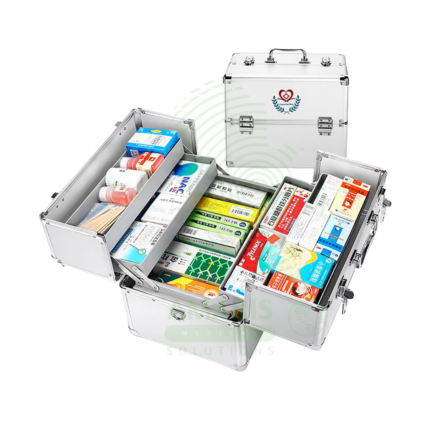
Aluminium First Aid Kit For Ambulance
An Aluminium First Aid Kit for Ambulance is a heavy-duty, weather-resistant storage case specifically designed for organizing, protecting, and securing medical supplies in emergency medical service vehicles. Constructed from 1.2-2.0 mm aluminium alloy with reinforced corners, durable latches, and rubber gaskets (IP54-IP67 rated), these cases protect contents from vibration, impact, moisture, and temperature extremes during emergency response. Available in various configurations including single compartment, multi-drawer, and clear-lid models with customizable interior dividers, elastic straps, and pouches. Designed to meet ambulance equipment mounting standards (KKK-A-1822, NFPA 1917, CEN 1789) with proper installation to withstand collision forces. Primary clinical applications include organized storage of airway management devices, bleeding control supplies, wound care materials, diagnostic equipment, emergency medications, IV supplies, splinting equipment, PPE, and obstetric supplies for BLS, ALS, and CCT ambulance services. Critical safety considerations include proper vehicle mounting to prevent projectile hazards, secure latching during transport, regular inventory management, expiration date monitoring, and decontamination after biohazard exposure. Essential equipment for organized, efficient, and safe emergency medical response.
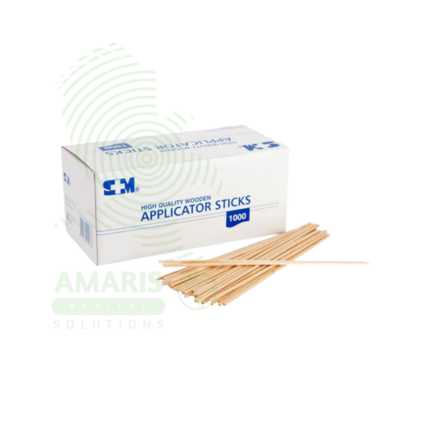
Applicator Sticks
Applicator Sticks are single-use medical devices with absorbent tips (cotton, rayon, flocked polyester) on wood, plastic, or paper shafts for collecting clinical specimens (throat, nasal, wound, cervical, urethral, rectal) for microbiological culture, rapid testing, and molecular diagnostics. Sterile individually wrapped or non-sterile bulk formats. Flocked swabs provide >90% specimen release for PCR testing. Primary applications include specimen collection for infection diagnosis, wound care and antiseptic application, gynecological sampling (Pap smears, STI testing), eye/ear specimen collection, laboratory slide preparation, and forensic evidence collection. Critical precautions include single-use only, sterile technique, proper collection method, and biohazard disposal. Essential consumable in all clinical settings.
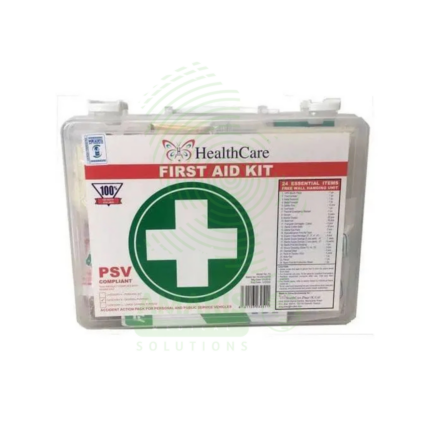
First Aid Kit
A First Aid Kit is an organized collection of medical supplies and equipment for providing initial care in emergency situations, available in various sizes and configurations for home, workplace, vehicle, travel, and specialized applications. Kits range from personal pouches (0.5-2 L) to comprehensive workplace cabinets (5-35 L) with soft-sided bags, hard cases, or wall-mounted containers. Contents are typically organized to meet regional standards (ANSI/ISEA Z308.1, CSA Z1220, BS 8599, DIN 13157/13169) and include wound care supplies (bandages, gauze, tape), antiseptics, burn care, eye care, emergency items (CPR mask, cold packs, foil blanket), instruments (scissors, tweezers), and PPE (gloves). Class A kits provide minimum supplies for low-hazard workplaces; Class B kits offer expanded quantities for high-hazard environments. Primary clinical applications include immediate treatment of minor injuries (cuts, abrasions, burns, sprains), bleeding control, wound care, fracture immobilization, and emergency assessment. Essential safety equipment for every home, workplace, vehicle, and public facility, providing critical medical supplies until professional care arrives.
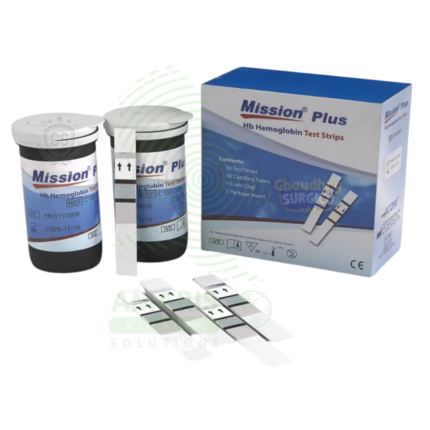
Mission plus strips
Mission Plus Strips are single-use, disposable electrochemical test strips (ISO 15197:2013 compliant) designed exclusively for use with Mission Plus glucose meters to measure capillary blood glucose from 0.5-1.0 µL samples in 5-7 seconds. Each strip contains glucose oxidase or glucose dehydrogenase reagents that generate electrical current proportional to glucose concentration (20-600 mg/dL range). Packaging options include multi-strip vials (25-100 strips) with desiccant for daily use or individually foil-wrapped strips for travel. Strips feature no-coding automatic calibration, hematocrit compensation (20-60%), and interference resistance. Primary clinical applications include daily blood glucose testing for Type 1, Type 2, and gestational diabetes management, hypoglycemia and hyperglycemia detection, pre- and post-meal glucose assessment, and hospital point-of-care testing. Critical safety precautions include single-use only, immediate vial closure after strip removal to prevent humidity damage, storage at 2-30°C away from bathrooms and temperature extremes, never using expired strips, proper hand hygiene before testing, and disposal in sharps containers. Essential consumable for diabetes self-management when used with Mission Plus meters.
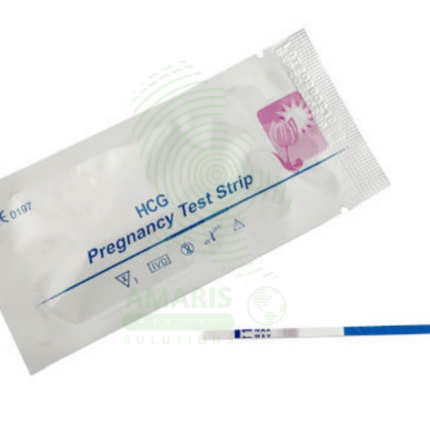
Pregnancy Test Strips
Pregnancy Test Strips are simple, dip-style lateral flow devices designed for the rapid, qualitative detection of human chorionic gonadotropin (hCG) in urine to indicate pregnancy. As the most fundamental format of home pregnancy tests, they offer high sensitivity (often from 10 mIU/mL), affordability, and a quick result within 3-5 minutes. Their ease of use makes them a widely accessible first step in pregnancy detection for personal use and clinical screening. A visible test line, even if faint, is a positive result, though confirmation with a healthcare provider is always recommended.
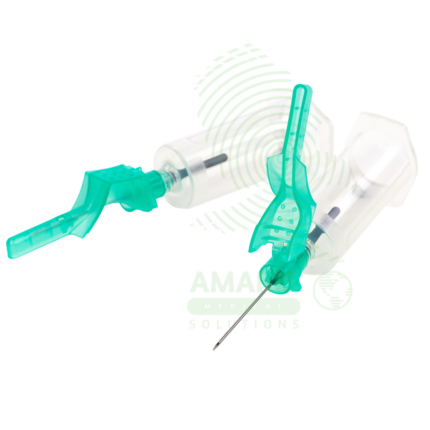
SAFE SERIES Blood Collection Needles
The SAFE SERIES (AM-SAFE) by Beijing Precil (Mindray subsidiary) is a comprehensive line of safety-engineered blood collection devices designed to prevent accidental needlestick injuries in healthcare workers. The series includes venous blood collection needles (AM-SAFE-V), standard safety needles (AM-SAFE1), winged infusion sets/butterfly needles (AM-SAFE2), high-gauge thin-wall needles for fragile veins (AM-SAFE3), premium coated needles for enhanced patient comfort (AM-GOLD), and nurse-friendly one-handed safety variants (AM-NURSE). All devices incorporate integral safety mechanisms that shield the contaminated needle immediately after withdrawal, complying with OSHA Needlestick Safety and Prevention Act requirements. Available in various gauges (18G-25G) and configurations for routine venipuncture, difficult vein access, pediatric/geriatric patients, and frequent blood draws. Sterile, single-use, latex-free, and color-coded for easy gauge identification. Essential safety devices for blood collection in hospitals, clinics, laboratories, and home healthcare settings.
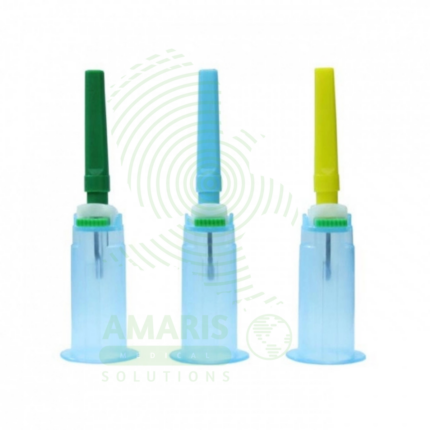
Vacutainer Needle Holder
A Vacutainer Needle Holder is a disposable plastic device (Class I/II medical device) used to securely hold double-ended blood collection needles and evacuated tubes during venipuncture, enabling safe and efficient collection of multiple blood specimens from a single venipuncture. Made from medical-grade ABS plastic or polypropylene, latex-free, approximately 12 cm length, with threaded end for needle attachment and flanged opening with flexible fingers to securely hold standard evacuated tubes (13 × 75 mm, 16 × 100 mm). Compatible with all standard double-ended needles and safety-engineered needles. Primary clinical applications include blood collection for laboratory testing (hematology, chemistry, coagulation, blood banking), multiple tube collection from single venipuncture, standardized venipuncture procedures, infection control (works with safety needles), and phlebotomy training. Critical safety precautions include single-use only (never reuse), secure needle attachment, immediate disposal of an entire unit with a needle in a sharps container, never recapping needles, and inspection for damage before use. Essential components of blood collection systems in hospitals, clinics, and laboratories.