Dermatoscope and Magnifiers
 Diagnostic Kits
 Vital Signs Monitors
 Stethoscopes and Accessories
 Otoscopes, Ophthalmoscopes, and Retinoscopes
 Reflex Hammers and Neurological Tools
 Scales and Measuring Devices
 Spirometers and Pulmonary Function Tests
 Electrosurgical Units and Accessories
 Cutting Instruments
 Grasping and Holding Instruments
 Hemostatic Instruments
 Specialized Surgical Sets
 Single-Use Procedure Trays and Packs
 Surgical Drapes, Gowns, and Covers
 Tissue Unifying Instruments
 Radiation Protection
 X-Ray Machines and Accessories
 Ultrasound Systems and Probes
 MRI and CT Scanners
 Radiology Consumables
 Bone Densitometers
 Fluoroscopy Equipment
 Imaging Tables and Positioning Aids
 Microscopes and Accessories
 Centrifuges and Separators
 Analyzers
 Incubators and Ovens
 Pipettes, Dispensers, and Lab Glassware
 Refrigerators, Freezers, and Storage Units
 Lab Consumables
 Sterilizers and Autoclaves for Lab Use
 Multi-Parameter Monitors
 Ventilators and Respiratory Support Devices
 Defibrillators and AEDs
 Infusion Pumps and IV Systems
 Patient Warmers and Cooling Devices
 Central Monitoring Stations
 Accessories
 Anesthesia Machines and Workstations
 Oxygen Concentrators and Delivery Systems
 Nebulizers and Inhalers
 CPAP/BiPAP Machines
 Airway Management
 Anesthesia Masks, Circuits, and Bags
 Humidifiers and Heaters
 Respiratory Therapy Accessories
 First Aid Kits and Cabinets
 Emergency Resuscitation Equipment
 Trauma Supplies
 Emergency Carts and Crash Carts
 Burn Care Products
 Bleeding Control
 Automated External Defibrillators (AEDs)
 Transport and Evacuation
 Wheelchairs and Accessories
 Walkers, Crutches, and Canes
 Prosthetics and Orthotics
 Physical Therapy Equipment
 Transfer Devices
 Bathroom Safety
 Orthopedic Traction and Tables
 Hot/Cold Therapy Packs and Units
 Beds and Mattresses
 Chairs and Stools
 Tables
 Cabinets and Storage
 Privacy Screens & Curtains
 Stands and Racks
 Linens and Textiles
 Lighting
 Autoclaves and Sterilizers
 Ultrasonic Cleaners
 Disinfectant Solutions and Wipes
 Sterilization Pouches, Wraps, and Indicators
 Instrument Trays and Containers
 UV and Ozone Disinfection Devices
 Washer Disinfectors
 Wound Care
 Gloves
 Masks and Respirators
 Catheters and Tubing
 Swabs, Applicators, and Sponges
 Incontinence Products
 Personal Protective Equipment (PPE)
 Dental Chairs and Units
 Handpieces and Burs
 Instruments
 Consumables
 Sterilization for Dental Use
 Orthodontic Supplies
 Endodontic Tools
 Slit Lamps and Tonometers
 Lensometers and Phoropters
 Ophthalmic Surgical Instruments
 Eyewear Frames and Lenses
 Contact Lens Supplies
 Vision Testing Charts and Devices
 Eye Care Consumables
 Laser Systems for Eye Care
 ENT Exam Chairs and Tables
 Endoscopes
 Audiometers and Hearing Tests
 ENT Instruments
 Nasal and Throat Packs
 Hearing Aids and Accessories
 Otology Supplies
 Fetal Dopplers and Monitors
 Delivery Beds and Tables
 Gynecological Instruments
 Neonatal Incubators and Warmers
 Breast Pumps and Accessories
 Contraceptive Devices
 Maternity Supports and Pads
 Neonatal Consumables
 Cystoscopes and Urethroscopes
 Dialysis Machines and Supplies
 Urological Catheters and Bags
 Lithotripters
 Prostate Treatment Devices
 Urinary Incontinence Products
 Kidney Stone Management Tools
 Consumables & Disposables
 EEG and EMG Machines
 Neurosurgical Instruments
 Nerve Stimulators
 Headrests and Positioning Aids
 Lumbar Puncture Kits
 Seizure Monitoring Devices
 Consumables
 Rehabilitation for Neurological Conditions
 ECG Machines and Accessories
 Holter Monitors
 Stress Test Systems
 Pacemakers and Defibrillator Accessories
 Vascular Access Devices
 Cardiac Catheters and Guidewires
 Blood Flow Meters
 Consumables
 Orthopedic Instruments
 Casts, Splints, and Padding
 Joint Replacement Supplies
 Prosthetic Limbs and Components
 Bone Grafts and Substitutes
 Traction Devices
 Orthopedic Braces and Supports
 Rehabilitation Aids for Orthopedics
 Home Oxygen Therapy
 Hospital Beds for Home Use
 Mobility Aids
 Bathroom and Daily Living Aids
 Wound Care for Home
 Monitoring Devices
 Enteral Feeding Pumps and Tubes
 Hand Sanitizers and Dispensers
 Face Shields and Goggles
 Isolation Gowns and Suits
 Biohazard Waste Containers
 Air Purifiers and HEPA Filters
 Surface Disinfectants
 Sharps Containers
 Protective Barriers
 Cardiovascular & Endurance Training
 Strength Training & Weightlifting
 Functional Training & Core Conditioning
 Physical Therapy & Rehabilitation
 Sports & Outdoor Recreation
 Gym Flooring & Facility Equipment
 Fitness Monitoring & Accessories
 Kids & Novelties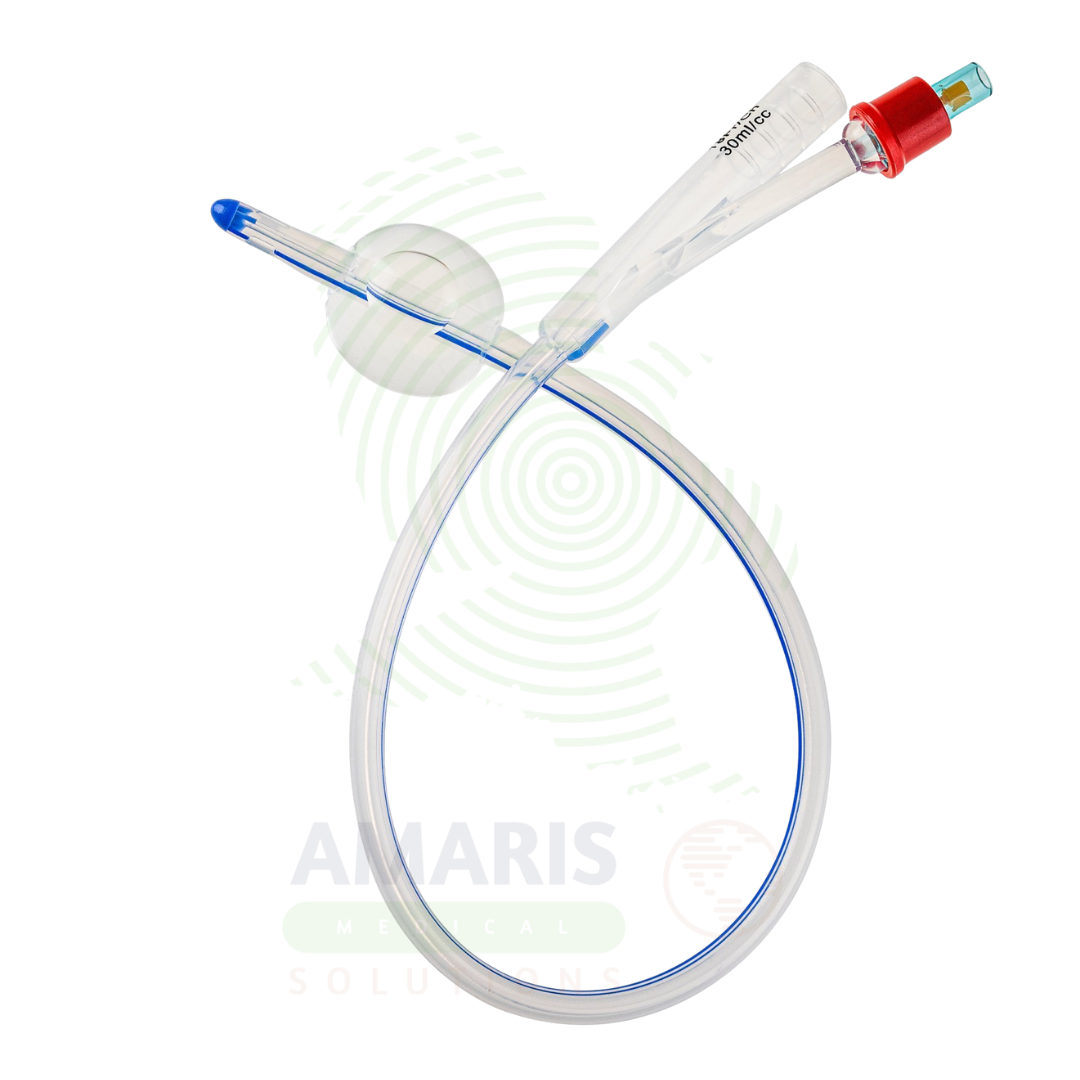
Silicone Urinary Catheters
$1.00
WhatsApp Order
Silicone Urinary Catheters are sterile, single-use, latex-free indwelling (Foley) catheters manufactured from 100% medical-grade silicone. They are indicated for patients requiring short- or long-term bladder drainage, particularly those with latex allergy, anticipated extended indwelling time (>7 days), or history of rapid catheter encrustation and blockage. Compared to latex and silicone-coated latex catheters, 100% silicone offers superior biocompatibility, enhanced resistance to biofilm formation and mineral encrustation, a larger internal lumen for improved flow, and complete absence of latex proteins. Available in French sizes 6 Fr-30 Fr with various tip configurations (straight, Coude, three-way irrigation) and balloon volumes (5-50 mL). Strict aseptic insertion technique, daily site care, maintenance of closed drainage, and prompt removal when no longer indicated are essential to prevent catheter-associated urinary tract infection (CAUTI) and urethral trauma.
Description
Silicone Urinary Catheters
PRIMARY CLINICAL & DIAGNOSTIC USES
1. Relief of Urinary Retention
-
Primary Use: Drains urine from the urinary bladder in patients who are unable to void spontaneously due to mechanical obstruction, neurogenic bladder, or post-operative urinary retention following surgery or anesthesia.
-
How it helps: For the urologist, emergency physician, and bedside nurse, the silicone urinary catheter provides immediate relief for the patient in acute urinary retention—draining the bladder that has become painfully distended, preventing the kidney damage that results from chronic obstruction, and providing a pathway for urine when the natural route is blocked. For the patient unable to urinate, catheterization means immediate relief from excruciating bladder pain and prevention of long-term damage to kidney function.
2. Continuous Bladder Drainage in Critically Ill Patients
-
Primary Use: Indwelling urinary catheters are essential in intensive care units for accurate monitoring of urine output as a key indicator of hemodynamic stability, renal function, and response to fluid resuscitation or vasopressor therapy in critically ill patients.
-
How it helps: For the intensivist and critical care nurse managing a patient in shock, the urinary catheter provides a continuous window into kidney function—every milliliter of urine output measured tells them whether the kidneys are being adequately perfused, whether fluid resuscitation is working, and whether the patient is responding to treatment. For the critically ill patient, accurate urine output monitoring guides life-saving decisions about fluids, pressors, and other interventions.
3. Management of Urinary Incontinence
-
Primary Use: Used for patients with severe, intractable urinary incontinence when other management strategies have failed or are not feasible, particularly in patients with pressure ulcers or wounds where moisture control is critical for healing.
-
How it helps: For the wound care nurse and long-term care provider, a urinary catheter can be essential for protecting sacral pressure ulcers from contamination with urine—keeping the wound dry, preventing maceration, and allowing healing to proceed. For the patient with a stage 4 pressure ulcer, a catheter means their wound is protected from the moisture and bacteria that would otherwise prevent healing.
4. Prevention of Urinary Retention During Prolonged Immobilization
-
Primary Use: Indicated for patients requiring extended immobilization due to unstable spinal fractures, complex pelvic fractures, or during prolonged surgical procedures where voluntary voiding is not possible.
-
How it helps: For the orthopedic and trauma team managing a patient with unstable fractures, an indwelling catheter ensures that the patient does not develop urinary retention while immobilized—preventing bladder distension, reducing the risk of urinary tract infection from repeated straight catheterization, and allowing for uninterrupted traction and positioning. For the patient in skeletal traction or spinal immobilization, a catheter means one less problem to worry about during recovery.
5. Bladder Irrigation and Instillation
-
Primary Use: Provides a conduit for continuous or intermittent bladder irrigation to remove blood clots, debris, or mucous following urological surgery, and for instillation of therapeutic agents directly into the bladder.
-
How it helps: For the urologist managing a patient after prostate surgery, a three-way irrigation catheter allows for continuous bladder irrigation that washes out blood clots before they can form painful obstructions—maintaining catheter patency and preventing the emergency of acute urinary retention from clot formation. For the patient with superficial bladder cancer, instillation of chemotherapy directly into the bladder through a catheter delivers treatment to the tumor site while avoiding systemic side effects.
6. Urodynamic Studies
-
Primary Use: Specialized catheters are used to measure bladder pressure, capacity, and voiding function during urodynamic testing to diagnose voiding dysfunction and incontinence subtypes.
-
How it helps: For the urologist and continence specialist evaluating a patient with complex voiding symptoms, urodynamic catheters provide precise measurements of bladder function during filling and emptying—distinguishing between bladder outlet obstruction, detrusor overactivity, and impaired contractility. For the patient with unexplained incontinence or retention, urodynamic testing provides the answers that guide targeted treatment.
7. Retrograde Urethrography and Cystography
-
Primary Use: Used to instill contrast media for radiographic imaging of the urethra and bladder to diagnose strictures, diverticula, fistulas, or trauma.
-
How it helps: For the urologist evaluating a patient with suspected urethral injury or stricture, a catheter used for contrast instillation provides the imaging needed to visualize the problem—revealing the exact location and length of a stricture, demonstrating a fistula between bladder and vagina, or confirming urethral disruption after trauma. For the patient, accurate imaging guides surgical planning and improves outcomes.
SECONDARY & SUPPORTIVE USES
1. Protection of Fresh Urethral and Bladder Surgical Repairs: Following urethroplasty, bladder neck reconstruction, or hypospadias repair, an indwelling catheter serves as a stent to maintain patency and divert urine away from the healing surgical site. For the patient undergoing reconstructive surgery, the catheter protects the repair during critical healing.
2. Bladder Emptying in End-of-Life Care: Used in palliative care to manage urinary retention or overflow incontinence, improving comfort and quality of life for terminally ill patients. For the dying patient, a catheter prevents the discomfort of a distended bladder and reduces the burden of incontinence on caregivers.
3. Specimen Collection: Provides a sterile, uncontaminated urine specimen for diagnostic testing when a clean-catch specimen cannot be obtained or is unreliable. For the patient unable to provide a clean specimen, a catheterized sample ensures accurate culture results.
4. Measurement of Post-Void Residual Volume: Inserted and immediately removed following voiding to accurately measure residual urine volume when non-invasive bladder scanning is unavailable. For the patient with suspected incomplete emptying, this measurement guides diagnosis and treatment.
5. Temporary Diversion Following Pelvic Trauma: Used in the acute management of pelvic fractures with suspected urethral injury to provide bladder drainage and monitor for hematuria. For the trauma patient, a catheter allows for monitoring of bleeding and ensures urine output is measured.
6. Delivery of Stem Cells or Gene Therapy: Emerging applications include using urinary catheters as delivery vehicles for intravesical instillation of cell-based or gene therapies for bladder dysfunction. For the patient enrolled in research, investigational therapies delivered via catheter may offer new treatment options.
KEY PRODUCT FEATURES
1. BASIC IDENTIFICATION ATTRIBUTES
-
Product Type: A sterile, flexible, single-use or intermittent-use tubular medical device inserted into the urinary bladder via the urethra for drainage of urine.
-
Designation: Defined by balloon size, French (Fr) gauge, tip style, number of lumens, and material composition.
-
Core Material - Silicone:
-
100% Silicone: High-purity, medical-grade polydimethylsiloxane. Thermally stable, biologically inert, non-allergenic.
-
Silicone-Coated Latex: Latex core with silicone elastomer coating; not applicable here as product specifies "Silicone" (assumed 100% silicone).
-
-
Core Components:
-
Catheter Shaft: Flexible tube containing drainage and inflation lumens.
-
Tip: Proximal end that enters the bladder. Styles: straight (Robinson), curved (Coude/Tiemann), could tip, whistle tip, two-way, three-way.
-
Eyelet(s): Openings at the tip through which urine enters the drainage lumen.
-
Retention Balloon: Inflatable cuff near the tip (typically 5-30 mL capacity) that is filled with sterile water after insertion to retain the catheter in the bladder.
-
Inflation Valve: Self-sealing valve at the distal end for balloon inflation/deflation.
-
Drainage Funnel: Distal connector for attachment to urine drainage bag or collection device.
-
-
Lumen Configuration:
-
2-Way Catheter: One lumen for balloon inflation, one lumen for urine drainage. Standard for general use.
-
3-Way Catheter: Two lumens (balloon inflation + irrigation inflow) and one drainage lumen. Used for continuous bladder irrigation (CBI) following urological surgery.
-
2. TECHNICAL & PERFORMANCE PROPERTIES
-
French Gauge (Fr): Circumference in millimeters, approximates outer diameter. 1 Fr = 0.33 mm diameter. Range: 6 Fr (pediatric) to 30 Fr (adult, hematuria). Common adult sizes: 14 Fr, 16 Fr, 18 Fr.
-
Balloon Size: Typical volumes: 5 mL (pediatric), 10-30 mL (adult standard), 30-50 mL (post-prostatectomy hemostasis). Silicone catheters often require larger balloon fill volumes due to higher water permeability.
-
Tensile Strength: Silicone has lower tensile strength than latex; shaft is more susceptible to kinking and rupture under traction. Requires careful handling.
-
Coefficient of Friction: Silicone has higher surface friction than coated latex; requires adequate lubrication (sterile, water-soluble, single-use lubricant) for atraumatic insertion.
-
Drainage Flow Rate: Proportional to internal lumen diameter. Silicone catheters have thinner walls than latex of the same French size, providing larger internal lumen and superior flow rates.
-
Encrustation Resistance: Silicone is significantly more resistant to biofilm formation and mineral encrustation (struvite, hydroxyapatite) compared to latex or silicone-coated latex, resulting in longer indwelling times and reduced catheter blockage.
-
Biostability: Silicone does not undergo oxidative degradation or hydrolysis in vivo; maintains physical properties over extended indwelling periods (up to 12 weeks).
-
Radiopacity: Silicone is inherently radiolucent; radiopaque stripe or barium sulfate impregnation is incorporated for radiographic visualization.
3. PHYSICAL & OPERATIONAL PROPERTIES
-
Silicone-Specific Properties:
-
Thermal Stability: Stable across a wide temperature range; autoclavable.
-
Hydrophobicity: Naturally water-repellent surface; contributes to friction but reduces bacterial adhesion compared to hydrophilic materials.
-
Permeability: Silicone is gas-permeable and slightly water-permeable; balloon deflation occurs gradually over weeks; requires monitoring of balloon volume.
-
Softness: Softer durometer than latex; improved patient comfort but increased risk of collapse under negative pressure (aspiration) or kinking.
-
-
Tip Styles:
-
Straight (Coude): Standard straight tip; suitable for most patients.
-
Coude/Tiemann: Curved tip with reduced lateral eyelet; designed to navigate an enlarged lateral lobe of the prostate or urethral stricture.
-
Whistle Tip: Terminal and lateral eyelets; used when maximal drainage is required (e.g., hematuria with clots).
-
Three-Way Irrigation Tip: Separate irrigation lumen inlet for continuous bladder irrigation.
-
-
Color Coding: Industry-standard color coding by French size (not universal but common): 14Fr - orange, 16Fr - green, 18Fr - red, 20Fr - yellow, 22Fr - blue, 24Fr - black.
-
Packaging: Individually wrapped in sterile, peel-open tray or pouch. May include a pre-filled sterile water syringe for balloon inflation, lubricant, and drainage bag in the procedure kit.
4. SAFETY & COMPLIANCE ATTRIBUTES
-
Regulatory Standards:
-
ISO 20696: Sterile, single-use urethral catheters.
-
ASTM F623: Performance and safety requirements for Foley catheters.
-
FDA 510(k) Clearance: Required for US marketing.
-
CE Marking: Required for European market.
-
USP <87>, <88>: Biological reactivity tests, in vivo and in vitro.
-
-
Biocompatibility:
-
Medical-grade silicone is one of the most biocompatible materials available.
-
Non-cytotoxic, non-sensitizing, non-irritating.
-
Does not support bacterial growth as readily as latex.
-
Meets ISO 10993 standards.
-
-
Latex-Free: ✅ 100% LATEX-FREE. Critical advantage of 100% silicone catheters. Eliminates risk of Type I immediate hypersensitivity reactions in patients with latex allergy. Mandatory for latex-free healthcare environments and for patients with spina bifida, healthcare workers, and others at high risk for latex sensitization.
-
Phthalate-Free: Silicone contains no phthalate plasticizers; avoids DEHP exposure concerns associated with PVC devices.
-
Sterility: Terminal sterilization via ethylene oxide (EtO). Sterility assurance level (SAL) of 10⁻⁶. Sterile unless packaging is compromised or expired.
-
Non-Pyrogenic: Certified free of endotoxins.
5. STORAGE & HANDLING ATTRIBUTES
-
Storage: Store in original, unopened packaging in a cool, dry environment. Protect from direct sunlight, UV radiation, extreme temperatures, ozone, and sharp objects that may puncture packaging.
-
Shelf Life: Typically 3-5 years from date of manufacture. Expiration date printed on each package. Do not use it after expiration; material integrity and sterility cannot be guaranteed.
-
Package Inspection: Before use, inspect packaging for any signs of compromise: tears, punctures, moisture ingress, or damage to sterile barrier. Do not use it if integrity is questionable.
-
Temperature Sensitivity: Silicone catheters stored in extremely cold conditions may become temporarily stiff; allow to warm to room temperature before insertion to restore flexibility.
-
Single-Use Protocol: Urinary catheters are strictly single-use devices. Never reuse a urinary catheter. Reuse is associated with:
-
Loss of sterility and risk of catheter-associated urinary tract infection (CAUTI).
-
Biofilm formation and cross-contamination.
-
Material degradation and balloon failure.
-
Urethral trauma from degraded surfaces.
-
-
Intermittent Catheters: Some silicone catheters are designed for clean intermittent self-catheterization (CISC) and are single-use only. Do not wash and reuse.
6. LABORATORY & CLINICAL APPLICATIONS
-
Primary Application: Indwelling (Foley) urinary catheterization for continuous bladder drainage in hospitalized, surgical, and long-term care patients requiring urinary output monitoring or management of retention/incontinence.
-
Material Selection Rationale - 100% Silicone:
-
Latex Allergy: Non-negotiable indication. Mandatory for patients with known or suspected latex allergy.
-
Long-Term Indwelling (>7 days): Superior encrustation resistance and biocompatibility reduce blockage and CAUTI risk compared to latex.
-
Hematuria with Clots: Larger internal lumen accommodates clot passage better than latex of equivalent French size.
-
History of Frequent Catheter Blockage: Silicone's resistance to mineral encrustation prolongs catheter life in "blockers."
-
-
Indications for Silicone Over Hydrogel-Coated Latex:
-
Latex allergy.
-
Anticipated indwell time >2-4 weeks.
-
Known rapid encrustation.
-
Patient preference for softer material.
-
-
Indications Against Silicone:
-
Patients require frequent aspiration or negative pressure (silicone may collapse).
-
Extreme traction requirements (silicone lower tensile strength).
-
-
Catheter-Associated Urinary Tract Infection (CAUTI) Prevention: Silicone catheters are not inherently infection-preventing, but their resistance to biofilm formation and reduced encrustation contribute to lower infection risk compared to latex over extended dwell times. No catheter eliminates CAUTI risk.
SAFETY HANDLING PRECAUTIONS
1. SAFETY PRECAUTIONS
-
Aseptic Technique During Insertion (Most Important): Strict aseptic technique is mandatory. Perform hand hygiene. Don sterile gloves. Cleanse the urethral meatus with appropriate antiseptic solution. Use sterile, single-use lubricant. Maintain sterility of the catheter throughout the procedure. CAUTI is directly linked to insertion technique and maintenance protocols.
-
Gentle Insertion: Silicone has higher friction than coated latex. Use a generous amount of sterile, water-soluble lubricant. Never force the catheter. If resistance is encountered, especially at the prostate, do not use excessive force. Consider a Coude tip catheter or urology consultation. Forced insertion causes urethral trauma, false passages, and strictures.
-
Balloon Inflation Verification: Advance the catheter fully to the hub of the drainage funnel before balloon inflation. Inflate the balloon slowly with the exact volume of sterile water specified on the catheter (do not overinflate or underinflate). If the patient experiences pain during inflation, stop immediately, deflate, and advance further; the balloon may be in the prostatic urethra.
-
Balloon Deflation Before Removal: Never attempt to remove an indwelling catheter with the balloon inflated. Use a syringe to withdraw all sterile water from the inflation valve. If the balloon does not deflate, do not cut the inflation valve; consult urology. Do not cut the catheter shaft for deflation unless specifically trained; the balloon may not collapse and the severed fragment may migrate.
-
Secure and Drainage: Secure catheter to the thigh or lower abdomen (male) with appropriate stabilization device to prevent traction and meatal erosion. Ensure the drainage bag is positioned below the level of the bladder at all times. Keep drainage bags off the floor. Do not allow kinking or looping of tubing.
-
Maintain Closed Drainage System: Do not disconnect the catheter from the drainage bag unless absolutely necessary (e.g., irrigation, changing bag). Each disconnection increases infection risk. Use a sampling port for specimen collection; do not disconnect the bag.
-
Daily Meatal Hygiene: Perform daily meatal cleansing with soap and water; antiseptic solutions are not routinely recommended. Do not apply powders or creams containing talc or petroleum-based products to silicone (may degrade material).
-
Monitor for Complications: Assess daily for fever, suprapubic pain, flank pain, hematuria, leakage around catheter, or change in urine character (cloudy, foul odor). These may indicate CAUTI, obstruction, or catheter malfunction.
-
Limit Indwelling Duration: Remove catheter as soon as clinically indicated. Each additional day of catheterization increases CAUTI risk by 3-7%. Implement nurse-initiated catheter removal protocols where appropriate.
2. FIRST AID MEASURES
-
Catheter-Related Trauma (Urethral Injury): If significant bleeding, pain, or inability to void occurs following insertion or attempted insertion, do not re-instrument. Apply gentle suprapubic pressure, monitor vital signs, and obtain immediate urology consultation. May require temporary suprapubic catheterization.
-
Failure to Deflate Balloon: Attempt deflation with a syringe and gentle aspiration. If unsuccessful, a urologist may pass a guidewire through the inflation lumen to rupture the balloon, or perform ultrasound-guided percutaneous balloon puncture. Do not cut the inflation valve unless specifically trained and emergency access to the bladder is established.
-
Catheter Encrustation/Blockage: If urine output ceases or slows significantly with palpable bladder, suspect blockage. Attempt gentle irrigation with 30-50 mL sterile normal saline using a syringe (catheter tip or via irrigation port). If unable to restore flow, replace the catheter. Do not use excessive force during irrigation.
-
Paraphimosis: In uncircumcised males, failure to reduce the foreskin after catheter insertion can cause paraphimosis (painful swelling of the glans with retracted foreskin). This is a urologic emergency. Apply gentle compression to reduce edema and manually reduce the foreskin. If unsuccessful, obtain immediate urology consultation.
-
Catheter-Associated Urinary Tract Infection (CAUTI): Signs include fever, chills, suprapubic tenderness, leukocytosis. Obtain urine specimens via sampling port (not from drainage bag) for culture and sensitivity. Initiate empiric antibiotics per facility protocol and local susceptibility data. Remove or replace catheter; do not treat through an indwelling catheter unless absolutely necessary.
3. FIRE FIGHTING MEASURES
-
Flammability: Silicone is combustible. Burns with a hot, clean flame, producing silicon dioxide, carbon dioxide, and water vapor. Minimal toxic off-gassing compared to PVC or latex.
-
Extinguishing Media: Use water, foam, CO₂, or dry chemical powder as appropriate for the surrounding fire
Related products
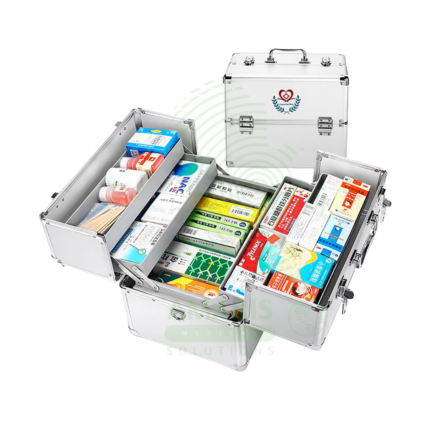
Aluminium First Aid Kit For Ambulance
An Aluminium First Aid Kit for Ambulance is a heavy-duty, weather-resistant storage case specifically designed for organizing, protecting, and securing medical supplies in emergency medical service vehicles. Constructed from 1.2-2.0 mm aluminium alloy with reinforced corners, durable latches, and rubber gaskets (IP54-IP67 rated), these cases protect contents from vibration, impact, moisture, and temperature extremes during emergency response. Available in various configurations including single compartment, multi-drawer, and clear-lid models with customizable interior dividers, elastic straps, and pouches. Designed to meet ambulance equipment mounting standards (KKK-A-1822, NFPA 1917, CEN 1789) with proper installation to withstand collision forces. Primary clinical applications include organized storage of airway management devices, bleeding control supplies, wound care materials, diagnostic equipment, emergency medications, IV supplies, splinting equipment, PPE, and obstetric supplies for BLS, ALS, and CCT ambulance services. Critical safety considerations include proper vehicle mounting to prevent projectile hazards, secure latching during transport, regular inventory management, expiration date monitoring, and decontamination after biohazard exposure. Essential equipment for organized, efficient, and safe emergency medical response.
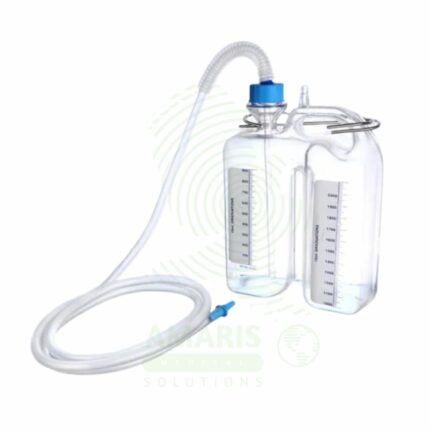
Chest Bottle
A Chest Bottle (Underwater Seal Drainage System) is a three-chamber disposable device used to drain air and fluid from the pleural space via a chest tube. Its critical component is a water seal chamber that acts as a one-way valve, preventing air from re-entering the chest while allowing drainage. It is used to treat pneumothorax, hemothorax, and pleural effusions, and is mandatory post-thoracic surgery. The system must always be kept upright and below the patient's chest level. It provides essential clinical information through tidaling in the water seal (indicating tube patency and lung expansion) and bubbling (indicating an air leak), making it both a therapeutic and diagnostic tool.
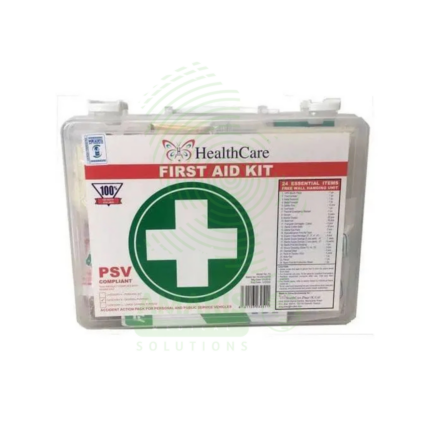
First Aid Kit
A First Aid Kit is an organized collection of medical supplies and equipment for providing initial care in emergency situations, available in various sizes and configurations for home, workplace, vehicle, travel, and specialized applications. Kits range from personal pouches (0.5-2 L) to comprehensive workplace cabinets (5-35 L) with soft-sided bags, hard cases, or wall-mounted containers. Contents are typically organized to meet regional standards (ANSI/ISEA Z308.1, CSA Z1220, BS 8599, DIN 13157/13169) and include wound care supplies (bandages, gauze, tape), antiseptics, burn care, eye care, emergency items (CPR mask, cold packs, foil blanket), instruments (scissors, tweezers), and PPE (gloves). Class A kits provide minimum supplies for low-hazard workplaces; Class B kits offer expanded quantities for high-hazard environments. Primary clinical applications include immediate treatment of minor injuries (cuts, abrasions, burns, sprains), bleeding control, wound care, fracture immobilization, and emergency assessment. Essential safety equipment for every home, workplace, vehicle, and public facility, providing critical medical supplies until professional care arrives.
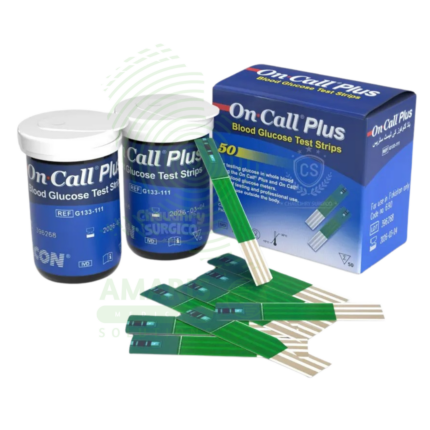
On Call Blood Sugar Strips
On Call Blood Sugar Strips are single-use, disposable electrochemical test strips (ISO 15197:2013 compliant) designed exclusively for use with On Call glucose meters to measure capillary blood glucose from 0.5-1.0 µL samples in 5-7 seconds. Each strip contains glucose oxidase or glucose dehydrogenase reagents that generate electrical current proportional to glucose concentration (20-600 mg/dL range). Packaging options include multi-strip vials (25-100 strips) with desiccant for daily use or individually foil-wrapped strips for travel. Strips feature no-coding automatic calibration, hematocrit compensation (20-60%), and interference resistance. Primary clinical applications include daily blood glucose testing for Type 1, Type 2, and gestational diabetes management, hypoglycemia and hyperglycemia detection, pre- and post-meal glucose assessment, and hospital point-of-care testing. Critical safety precautions include single-use only, immediate vial closure after strip removal to prevent humidity damage, storage at 2-30°C away from bathrooms and temperature extremes, never using expired strips, proper hand hygiene before testing, and disposal in sharps containers. Essential consumable for diabetes self-management when used with On Call meters.
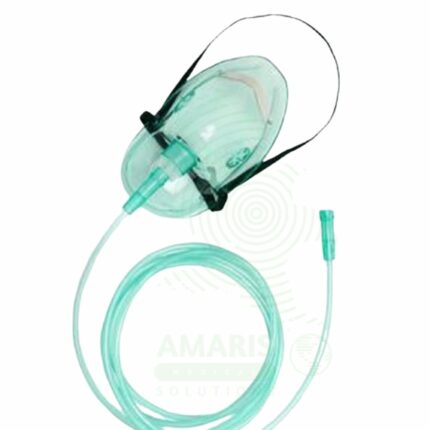
Oxygen Mask (Adult/Infant/Paediatric)
An Oxygen Mask is a disposable, single-use interface used to deliver supplemental oxygen from a medical gas supply to a patient's airways. Available in types for specific clinical needs—Simple Mask for low-flow therapy, Venturi Mask for precise FiO2 control (especially in COPD), and Non-Rebreather Mask for emergency high-flow delivery—and in sizes for adults, children, and infants. Correct selection and application, including ensuring the proper oxygen flow rate for the mask type, are essential for effective therapy and patient safety. Adherence to strict fire safety protocols is non-negotiable due to the combustion risk posed by enriched oxygen environments.
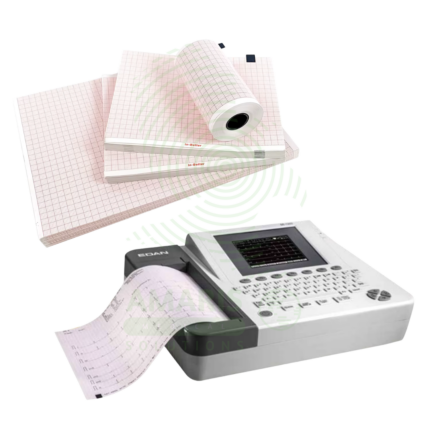
Thermal Printing Paper Roll
Thermal Printing Paper Roll is a heat-sensitive recording medium used with medical monitoring and diagnostic equipment including ECG machines, fetal monitors, ultrasound printers, and telemetry systems. The paper produces high-contrast, permanent images of physiological waveforms and data when passed over the printer's thermal head. Available in various widths, lengths, and grid patterns to match specific device requirements, it is an essential consumable for creating hard copy records for patient charts, consultation, and legal documentation. Proper storage away from light, heat, and moisture is essential to preserve image quality. BPA-free and archival-grade options are available for specific applications.
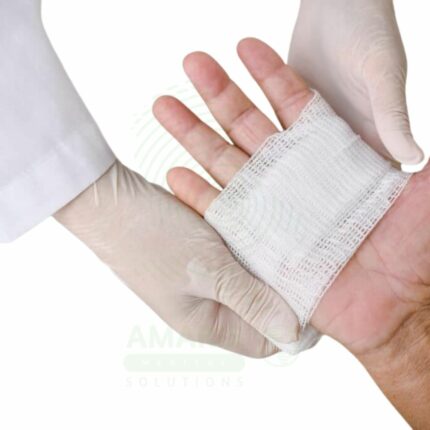
Wound Care Dressings
Wound Care Dressings are sterile or clean medical products applied directly to wounds to protect them, manage exudate, and promote an optimal moist healing environment. They are not a single product but a category encompassing various technologies—including films, hydrocolloids, foams, alginates, hydrogels, and antimicrobial versions—each designed for specific wound conditions (dry, wet, infected, necrotic). Correct selection based on a thorough wound assessment is the most critical factor for effective treatment. They are fundamental consumables used in every healthcare setting for managing acute injuries, surgical incisions, and chronic wounds like pressure injuries and leg ulcers.