Dermatoscope and Magnifiers
 Diagnostic Kits
 Vital Signs Monitors
 Stethoscopes and Accessories
 Otoscopes, Ophthalmoscopes, and Retinoscopes
 Reflex Hammers and Neurological Tools
 Scales and Measuring Devices
 Spirometers and Pulmonary Function Tests
 Electrosurgical Units and Accessories
 Cutting Instruments
 Grasping and Holding Instruments
 Hemostatic Instruments
 Specialized Surgical Sets
 Single-Use Procedure Trays and Packs
 Surgical Drapes, Gowns, and Covers
 Tissue Unifying Instruments
 Radiation Protection
 X-Ray Machines and Accessories
 Ultrasound Systems and Probes
 MRI and CT Scanners
 Radiology Consumables
 Bone Densitometers
 Fluoroscopy Equipment
 Imaging Tables and Positioning Aids
 Microscopes and Accessories
 Centrifuges and Separators
 Analyzers
 Incubators and Ovens
 Pipettes, Dispensers, and Lab Glassware
 Refrigerators, Freezers, and Storage Units
 Lab Consumables
 Sterilizers and Autoclaves for Lab Use
 Multi-Parameter Monitors
 Ventilators and Respiratory Support Devices
 Defibrillators and AEDs
 Infusion Pumps and IV Systems
 Patient Warmers and Cooling Devices
 Central Monitoring Stations
 Accessories
 Anesthesia Machines and Workstations
 Oxygen Concentrators and Delivery Systems
 Nebulizers and Inhalers
 CPAP/BiPAP Machines
 Airway Management
 Anesthesia Masks, Circuits, and Bags
 Humidifiers and Heaters
 Respiratory Therapy Accessories
 First Aid Kits and Cabinets
 Emergency Resuscitation Equipment
 Trauma Supplies
 Emergency Carts and Crash Carts
 Burn Care Products
 Bleeding Control
 Automated External Defibrillators (AEDs)
 Transport and Evacuation
 Wheelchairs and Accessories
 Walkers, Crutches, and Canes
 Prosthetics and Orthotics
 Physical Therapy Equipment
 Transfer Devices
 Bathroom Safety
 Orthopedic Traction and Tables
 Hot/Cold Therapy Packs and Units
 Beds and Mattresses
 Chairs and Stools
 Tables
 Cabinets and Storage
 Privacy Screens & Curtains
 Stands and Racks
 Linens and Textiles
 Lighting
 Autoclaves and Sterilizers
 Ultrasonic Cleaners
 Disinfectant Solutions and Wipes
 Sterilization Pouches, Wraps, and Indicators
 Instrument Trays and Containers
 UV and Ozone Disinfection Devices
 Washer Disinfectors
 Wound Care
 Gloves
 Masks and Respirators
 Catheters and Tubing
 Swabs, Applicators, and Sponges
 Incontinence Products
 Personal Protective Equipment (PPE)
 Dental Chairs and Units
 Handpieces and Burs
 Instruments
 Consumables
 Sterilization for Dental Use
 Orthodontic Supplies
 Endodontic Tools
 Slit Lamps and Tonometers
 Lensometers and Phoropters
 Ophthalmic Surgical Instruments
 Eyewear Frames and Lenses
 Contact Lens Supplies
 Vision Testing Charts and Devices
 Eye Care Consumables
 Laser Systems for Eye Care
 ENT Exam Chairs and Tables
 Endoscopes
 Audiometers and Hearing Tests
 ENT Instruments
 Nasal and Throat Packs
 Hearing Aids and Accessories
 Otology Supplies
 Fetal Dopplers and Monitors
 Delivery Beds and Tables
 Gynecological Instruments
 Neonatal Incubators and Warmers
 Breast Pumps and Accessories
 Contraceptive Devices
 Maternity Supports and Pads
 Neonatal Consumables
 Cystoscopes and Urethroscopes
 Dialysis Machines and Supplies
 Urological Catheters and Bags
 Lithotripters
 Prostate Treatment Devices
 Urinary Incontinence Products
 Kidney Stone Management Tools
 Consumables & Disposables
 EEG and EMG Machines
 Neurosurgical Instruments
 Nerve Stimulators
 Headrests and Positioning Aids
 Lumbar Puncture Kits
 Seizure Monitoring Devices
 Consumables
 Rehabilitation for Neurological Conditions
 ECG Machines and Accessories
 Holter Monitors
 Stress Test Systems
 Pacemakers and Defibrillator Accessories
 Vascular Access Devices
 Cardiac Catheters and Guidewires
 Blood Flow Meters
 Consumables
 Orthopedic Instruments
 Casts, Splints, and Padding
 Joint Replacement Supplies
 Prosthetic Limbs and Components
 Bone Grafts and Substitutes
 Traction Devices
 Orthopedic Braces and Supports
 Rehabilitation Aids for Orthopedics
 Home Oxygen Therapy
 Hospital Beds for Home Use
 Mobility Aids
 Bathroom and Daily Living Aids
 Wound Care for Home
 Monitoring Devices
 Enteral Feeding Pumps and Tubes
 Hand Sanitizers and Dispensers
 Face Shields and Goggles
 Isolation Gowns and Suits
 Biohazard Waste Containers
 Air Purifiers and HEPA Filters
 Surface Disinfectants
 Sharps Containers
 Protective Barriers
 Cardiovascular & Endurance Training
 Strength Training & Weightlifting
 Functional Training & Core Conditioning
 Physical Therapy & Rehabilitation
 Sports & Outdoor Recreation
 Gym Flooring & Facility Equipment
 Fitness Monitoring & Accessories
 Kids & Novelties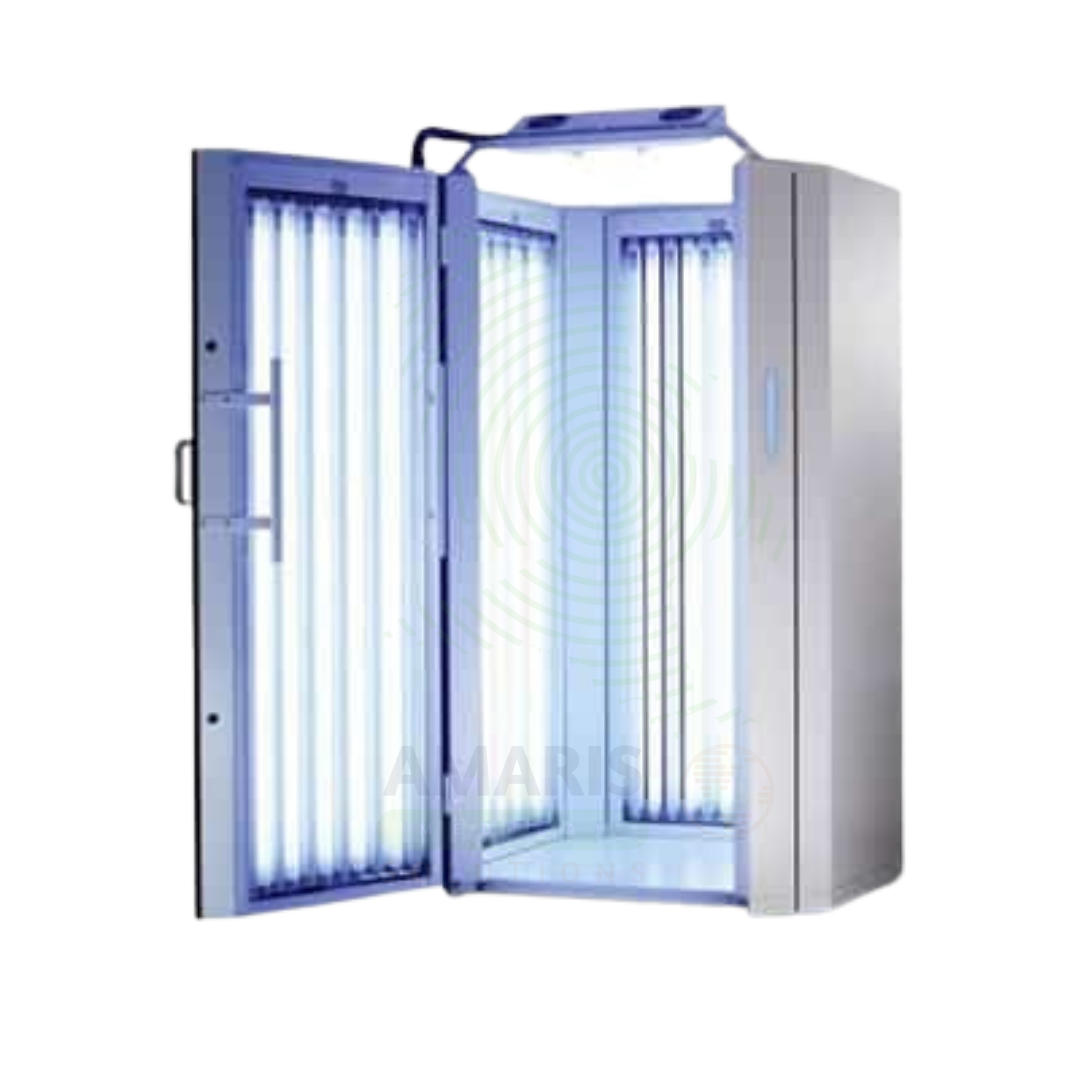
UV Phototherapy
$1.00
WhatsApp Order
UV Phototherapy delivers controlled ultraviolet radiation for treatment of psoriasis, eczema, vitiligo, cutaneous T-cell lymphoma, and pruritus. Narrowband UVB (311-313 nm) is the most common modality, offering effective treatment with minimal systemic side effects. Full-body cabinets, handheld units, and targeted devices allow treatment of localized or widespread disease. Regular phototherapy can achieve significant disease clearance, improve quality of life, and reduce reliance on systemic medications.
Description
UV Phototherapy
PRIMARY CLINICAL & DIAGNOSTIC USES
1. Treatment of Psoriasis
-
Primary Use: Delivers controlled ultraviolet radiation (UVB, narrowband UVB, or PUVA) to reduce inflammation and slow the rapid growth of skin cells characteristic of psoriasis. Narrowband UVB (311-313 nm) is the most commonly used modality for widespread plaque psoriasis.
-
How it helps: For the dermatologist, UV phototherapy provides a highly effective, non-systemic treatment option for patients with moderate to severe psoriasis—reducing the need for systemic medications with their associated side effects. For the patient, regular phototherapy can achieve significant clearance of psoriatic plaques without the risks of immunosuppressive drugs.
2. Treatment of Eczema and Atopic Dermatitis
-
Primary Use: UV phototherapy reduces inflammation, pruritus, and skin thickening associated with atopic dermatitis and other forms of eczema. Narrowband UVB is effective for chronic, widespread eczema that has not responded to topical treatments.
-
How it helps: For the dermatologist managing patients with chronic eczema, phototherapy offers a safe, effective option for patients who have failed topical therapies—reducing the need for systemic immunosuppressants. For the patient, this means relief from intense itching and skin inflammation without the long-term risks of oral medications.
3. Treatment of Vitiligo
-
Primary Use: Narrowband UVB phototherapy stimulates melanocyte proliferation and migration, leading to repigmentation of depigmented patches in vitiligo. Treatment is typically combined with topical corticosteroids or calcineurin inhibitors for enhanced results.
-
How it helps: For the dermatologist, phototherapy is the first-line treatment for widespread vitiligo, offering the best chance for repigmentation without systemic side effects. For the patient with vitiligo, consistent phototherapy can lead to significant repigmentation, improving appearance and quality of life.
4. Treatment of Mycosis Fungoides (Cutaneous T-cell Lymphoma)
-
Primary Use: PUVA (psoralen plus UVA) and narrowband UVB are used to treat early-stage mycosis fungoides, the most common form of cutaneous T-cell lymphoma. UV phototherapy targets malignant T-cells in the skin while sparing systemic treatment.
-
How it helps: For the dermatologist and oncologist, phototherapy provides an effective, skin-directed treatment for early-stage cutaneous lymphoma—potentially avoiding or delaying the need for systemic chemotherapy. For the patient, this means effective disease control with fewer systemic side effects.
5. Treatment of Pruritus and Other Inflammatory Skin Conditions
-
Primary Use: UV phototherapy effectively treats pruritus associated with chronic kidney disease (uremic pruritus), polycythemia vera, and other systemic conditions. It also benefits patients with lichen planus, pityriasis rosea, and other inflammatory dermatoses.
-
How it helps: For the clinician, phototherapy offers a non-pharmacologic option for managing severe itching in patients who may have contraindications to antipruritic medications. For the patient, relief from chronic pruritus significantly improves sleep, mood, and overall quality of life.
SECONDARY & SUPPORTIVE USES
1. Treatment of Morphea and Scleroderma: UV phototherapy for localized scleroderma.
2. Treatment of Cutaneous Graft-Versus-Host Disease: UV phototherapy for skin manifestations of GVHD.
3. Treatment of Polymorphous Light Eruption: UV hardening for photosensitive disorders.
4. Treatment of Prurigo Nodularis: Reduction of nodules and itching.
5. Treatment of Palmoplantar Pustulosis: UV phototherapy for pustular psoriasis of hands and feet.
6. Treatment of Alopecia Areata: Limited evidence; used as adjunct therapy.
KEY PRODUCT FEATURES
1. BASIC IDENTIFICATION ATTRIBUTES
-
Device Type: A phototherapy system that delivers controlled ultraviolet radiation for treatment of dermatologic conditions.
-
Designation: UV Phototherapy, Narrowband UVB, PUVA, Ultraviolet Phototherapy, Phototherapy Unit.
-
Types:
-
Narrowband UVB: 311-313 nm wavelength; most common for psoriasis and eczema.
-
Broadband UVB: 290-320 nm; less commonly used due to higher risk of burning.
-
PUVA: Psoralen plus UVA (320-400 nm); used for more severe conditions.
-
UVA1: 340-400 nm; for scleroderma, atopic dermatitis, and cutaneous T-cell lymphoma.
-
-
Key Components:
-
Lamp Array: Fluorescent tubes or LED emitters.
-
Control Unit: Timer, dose calculation, and treatment parameters.
-
Cabinets: Full-body units, handheld units, or targeted units.
-
UV Meter: For dose calibration.
-
Eye Protection: UV-blocking goggles for patient safety.
-
Safety Interlocks: Door and position sensors.
-
2. TECHNICAL & PERFORMANCE PROPERTIES
-
Wavelength: 311-313 nm (narrowband UVB); 320-400 nm (UVA).
-
Treatment Frequency: 2-3 times per week.
-
Dosing: Measured in mJ/cm² or J/cm².
-
Treatment Duration: Minutes per session depending on dose.
-
Maximum Dose: Determined by skin type and treatment response.
-
Lamp Life: 500-1000 hours depending on type.
3. PHYSICAL & OPERATIONAL PROPERTIES
-
Configuration: Full-body cabinets, handheld units, or targeted units.
-
Portability: Stationary or mobile depending on model.
-
Controls: Digital interface with dose calculation and patient records.
-
Safety: Emergency shut-off, door interlocks, UV-blocking viewing windows.
4. SAFETY & COMPLIANCE ATTRIBUTES
-
Regulatory Status: Class II medical device regulated by FDA.
-
Eye Protection: UV-blocking goggles required for patient and operator.
-
Skin Protection: Shield non-treated areas; use genital protection.
-
Contraindications: History of skin cancer, photosensitivity disorders, certain medications (photosensitizing).
-
Adverse Effects: Erythema (sunburn), pruritus, xerosis, photoaging, increased skin cancer risk with long-term use.
-
Safety Standards: Compliant with medical device safety standards.
5. STORAGE & HANDLING ATTRIBUTES
-
Storage: Stored in the treatment room; protect lamps from damage.
-
Cleaning: Clean lamp surfaces and cabinets per manufacturer guidelines.
-
Maintenance: Regular lamp calibration; record lamp hours; replace bulbs at end of life.
-
Calibration: UV meter calibration per manufacturer schedule.
6. LABORATORY & CLINICAL APPLICATIONS
-
Primary Application: Treatment of psoriasis, eczema, vitiligo, cutaneous T-cell lymphoma, and pruritus.
-
Clinical Role: Used in dermatology practices, phototherapy centers, and hospital outpatient departments.
SAFETY HANDLING PRECAUTIONS
1. SAFETY PRECAUTIONS
-
Eye Protection: Patients must wear UV-blocking goggles during all exposures.
-
Skin Assessment: Assess skin type and history of photosensitivity before treatment.
-
Medication Review: Review for photosensitizing medications.
-
Dose Titration: Start with sub-erythemogenic dose; increase gradually based on tolerance.
-
Treatment Interruption: Reduce dose after missed treatments to prevent burning.
-
Skin Cancer Surveillance: Monitor for skin cancer in long-term phototherapy patients.
2. FIRST AID MEASURES
-
Burn: If erythema is severe or blistering occurs, discontinue treatment; apply cool compresses; topical corticosteroids; seek medical attention if severe.
-
Eye Exposure: If UV exposure occurs without protection, assess for symptoms; refer to ophthalmology if needed.
3. FIRE FIGHTING MEASURES
-
Flammability: Electrical components may pose fire risk.
-
Extinguishing Media: For electrical fire, use CO₂ or dry chemical extinguisher.
Related products
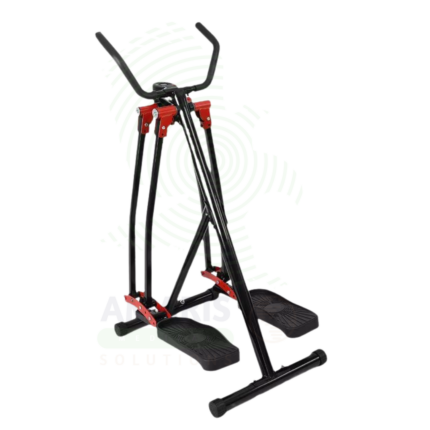
Air Walker & Stepper
An Air Walker & Stepper is a compact exercise machine with independent foot platforms that simulate walking or stepping motion using air resistance or hydraulic resistance for low-impact cardiovascular conditioning and lower extremity strengthening. The independent foot platforms require coordinated weight shifting and balance control, challenging proprioceptive systems while providing a smooth, controlled stepping motion that minimizes stress on the knees, hips, and ankles. For the physical therapist and exercise physiologist, the air walker and stepper enables safe cardiovascular conditioning for patients with osteoarthritis, joint replacement recovery, or lower extremity injuries who cannot tolerate high-impact activities like walking or jogging. Progressive resistance training strengthens quadriceps, hamstrings, gluteals, and calf muscles while improving dynamic balance and coordination. Available with fixed handlebars for stability or moving arms for upper body engagement, the device accommodates patients across functional levels—from frail elderly with balance impairment to athletes recovering from injury. For the patient with arthritis, post-surgical restrictions, or neurological conditions affecting gait, regular use improves cardiovascular fitness, lower extremity strength, balance confidence, and functional mobility.
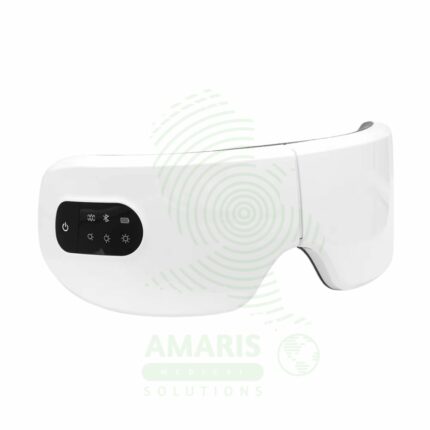
Electric Ophthalmic Massager
An Electric Ophthalmic Massager is a therapeutic device that provides pneumatic compression, vibration, and heat therapy to the periorbital region for relief of digital eye strain, tension headaches, and visual fatigue. The ergonomic design targets acupressure points around the eyes while multiple massage modes and adjustable intensity levels allow for customized treatment. Used as a non-pharmacological adjunct for managing eye strain from prolonged screen use, the device also promotes relaxation and may support circulation. Patients with glaucoma, retinal detachment, recent eye surgery, or other eye conditions should consult an ophthalmologist before use. Proper duration and intensity settings are essential for safe and effective use.
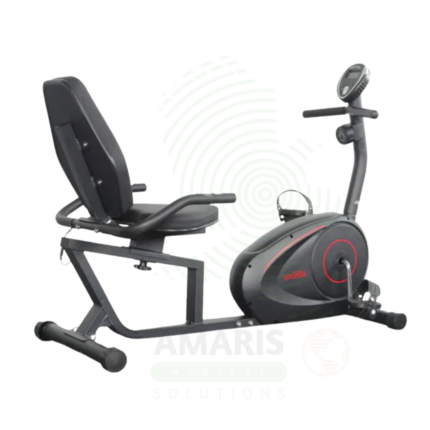
Lazy Bike
A Lazy Bike is a compact, portable seated pedal exerciser designed for passive, active-assisted, or active lower extremity cycling while the user remains seated in a standard chair, wheelchair, or recliner. Unlike traditional stationary bikes that require standing, balancing, or transferring to a specialized seat, the lazy bike places the pedal unit on the floor in front of the user, allowing patients with severe deconditioning, lower extremity weakness, neurological impairment, or post-operative restrictions to initiate lower extremity movement safely from their own chair. Adjustable magnetic or friction resistance allows for progressive strengthening, while forward and backward pedaling engages different muscle groups. For the physical therapist and rehabilitation specialist, the lazy bike provides an accessible entry point to lower extremity rehabilitation for patients who cannot yet tolerate upright exercise, including those recovering from stroke, spinal cord injury, joint replacement, cardiac surgery, or critical illness. For the patient with limited mobility, regular lazy bike use maintains joint range of motion, activates the calf muscle pump to reduce edema, prevents deconditioning, and supports functional recovery—all while remaining safely seated in their own chair.
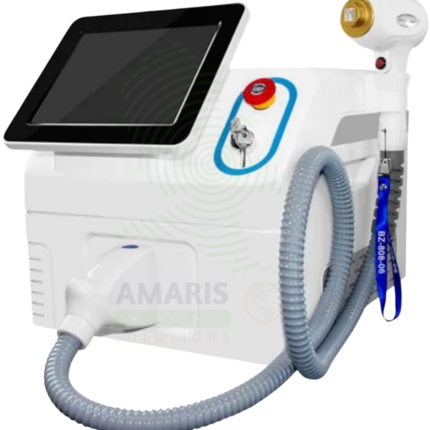
Portable Diode Laser Hair Removal Machine
A Portable Diode Laser Hair Removal Machine is a compact, mobile laser system using diode technology (800-810 nm) for permanent hair reduction on the face and body. Effective for a wide range of skin types (Fitzpatrick I-VI), it features integrated cooling for patient comfort and adjustable treatment parameters for customized care. Portable design allows for use in multiple treatment rooms or mobile services, making it ideal for dermatology practices, medical spas, and aesthetic clinics.
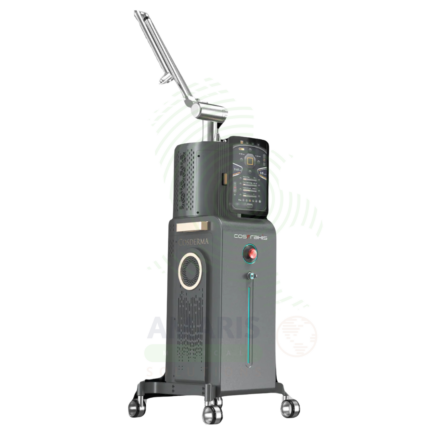
RF Tube Fractional CO₂ Laser Machine
An RF Tube Fractional CO₂ Laser Machine is a fractional carbon dioxide laser system used for skin resurfacing, treatment of deep wrinkles, acne scars, photodamage, and skin tightening. The fractional technology creates microscopic columns of thermal injury while preserving surrounding healthy tissue, allowing for significant improvement with manageable downtime. The gold standard for skin resurfacing, it provides dramatic results for patients with moderate to severe skin concerns.
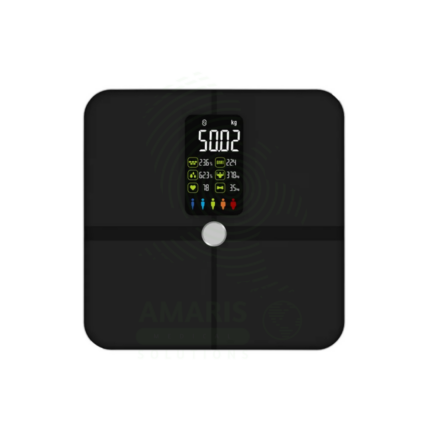
Smart Weighting Scale With Bluetooth
A Smart Weighting Scale With Bluetooth is a digital body weight scale with integrated wireless technology that transmits weight measurements from home to smartphones and healthcare platforms for remote patient monitoring. Features four high-precision strain gauge sensors providing accuracy ±0.1-0.3 kg, tempered glass or reinforced plastic platform with 180-400 lb capacity, backlit LCD display, and Bluetooth 4.0-5.0 LE connectivity. Advanced models include bioelectrical impedance analysis (BIA) for body composition (body fat, muscle mass, bone mass, hydration, visceral fat). Primary clinical applications include remote weight monitoring in heart failure management (early fluid overload detection), obesity and weight management programs, bariatric surgery pre/post-operative monitoring, chronic kidney disease fluid management, pregnancy weight gain tracking, telehealth programs, and medication-induced weight change surveillance. Class I medical device (weight function); Class II if body composition claims made. Critical safety considerations include weight capacity limits, platform integrity inspection, proper surface placement (hard, level), standardized weighing conditions, BIA contraindications (pacemakers, ICDs, pregnancy), and rapid weight gain recognition in heart failure patients.
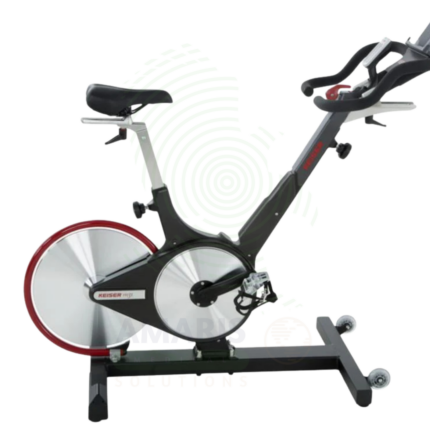
Spin Bike
A Spin Bike is a heavy-flywheel stationary bicycle designed for high-intensity interval training, cardiovascular conditioning, and lower extremity strengthening in clinical rehabilitation and fitness settings. Featuring a heavy flywheel (typically 40-60 pounds) that creates smooth, continuous momentum, adjustable friction or magnetic resistance for progressive loading, and multi-position handlebars with a racing-style seat, the spin bike enables high-caloric expenditure exercise that improves VO₂ max, stroke volume, and muscular endurance. The closed-chain, non-weight-bearing mechanics allow patients with knee, hip, or ankle arthritis, post-surgical restrictions, or weight-bearing limitations to achieve high-intensity cardiovascular and strengthening benefits without joint impact. For the physical therapist and sports medicine clinician, the spin bike supports rehabilitation following ACL reconstruction, total knee replacement, and patellofemoral pain syndrome, while providing forced-rate training protocols for Parkinson's disease and reciprocal movement retraining for stroke patients. For the patient with cardiovascular disease, obesity, or metabolic syndrome, regular spin bike exercise improves cardiac function, supports weight management, and enhances insulin sensitivity. Built on a heavy-gauge steel frame with emergency braking and leveling stabilizers, the spin bike provides a stable, safe platform for high-intensity exercise across diverse patient populations.