Dermatoscope and Magnifiers
 Diagnostic Kits
 Vital Signs Monitors
 Stethoscopes and Accessories
 Otoscopes, Ophthalmoscopes, and Retinoscopes
 Reflex Hammers and Neurological Tools
 Scales and Measuring Devices
 Spirometers and Pulmonary Function Tests
 Electrosurgical Units and Accessories
 Cutting Instruments
 Grasping and Holding Instruments
 Hemostatic Instruments
 Specialized Surgical Sets
 Single-Use Procedure Trays and Packs
 Surgical Drapes, Gowns, and Covers
 Tissue Unifying Instruments
 Radiation Protection
 X-Ray Machines and Accessories
 Ultrasound Systems and Probes
 MRI and CT Scanners
 Radiology Consumables
 Bone Densitometers
 Fluoroscopy Equipment
 Imaging Tables and Positioning Aids
 Microscopes and Accessories
 Centrifuges and Separators
 Analyzers
 Incubators and Ovens
 Pipettes, Dispensers, and Lab Glassware
 Refrigerators, Freezers, and Storage Units
 Lab Consumables
 Sterilizers and Autoclaves for Lab Use
 Multi-Parameter Monitors
 Ventilators and Respiratory Support Devices
 Defibrillators and AEDs
 Infusion Pumps and IV Systems
 Patient Warmers and Cooling Devices
 Central Monitoring Stations
 Accessories
 Anesthesia Machines and Workstations
 Oxygen Concentrators and Delivery Systems
 Nebulizers and Inhalers
 CPAP/BiPAP Machines
 Airway Management
 Anesthesia Masks, Circuits, and Bags
 Humidifiers and Heaters
 Respiratory Therapy Accessories
 First Aid Kits and Cabinets
 Emergency Resuscitation Equipment
 Trauma Supplies
 Emergency Carts and Crash Carts
 Burn Care Products
 Bleeding Control
 Automated External Defibrillators (AEDs)
 Transport and Evacuation
 Wheelchairs and Accessories
 Walkers, Crutches, and Canes
 Prosthetics and Orthotics
 Physical Therapy Equipment
 Transfer Devices
 Bathroom Safety
 Orthopedic Traction and Tables
 Hot/Cold Therapy Packs and Units
 Beds and Mattresses
 Chairs and Stools
 Tables
 Cabinets and Storage
 Privacy Screens & Curtains
 Stands and Racks
 Linens and Textiles
 Lighting
 Autoclaves and Sterilizers
 Ultrasonic Cleaners
 Disinfectant Solutions and Wipes
 Sterilization Pouches, Wraps, and Indicators
 Instrument Trays and Containers
 UV and Ozone Disinfection Devices
 Washer Disinfectors
 Wound Care
 Gloves
 Masks and Respirators
 Catheters and Tubing
 Swabs, Applicators, and Sponges
 Incontinence Products
 Personal Protective Equipment (PPE)
 Dental Chairs and Units
 Handpieces and Burs
 Instruments
 Consumables
 Sterilization for Dental Use
 Orthodontic Supplies
 Endodontic Tools
 Slit Lamps and Tonometers
 Lensometers and Phoropters
 Ophthalmic Surgical Instruments
 Eyewear Frames and Lenses
 Contact Lens Supplies
 Vision Testing Charts and Devices
 Eye Care Consumables
 Laser Systems for Eye Care
 ENT Exam Chairs and Tables
 Endoscopes
 Audiometers and Hearing Tests
 ENT Instruments
 Nasal and Throat Packs
 Hearing Aids and Accessories
 Otology Supplies
 Fetal Dopplers and Monitors
 Delivery Beds and Tables
 Gynecological Instruments
 Neonatal Incubators and Warmers
 Breast Pumps and Accessories
 Contraceptive Devices
 Maternity Supports and Pads
 Neonatal Consumables
 Cystoscopes and Urethroscopes
 Dialysis Machines and Supplies
 Urological Catheters and Bags
 Lithotripters
 Prostate Treatment Devices
 Urinary Incontinence Products
 Kidney Stone Management Tools
 Consumables & Disposables
 EEG and EMG Machines
 Neurosurgical Instruments
 Nerve Stimulators
 Headrests and Positioning Aids
 Lumbar Puncture Kits
 Seizure Monitoring Devices
 Consumables
 Rehabilitation for Neurological Conditions
 ECG Machines and Accessories
 Holter Monitors
 Stress Test Systems
 Pacemakers and Defibrillator Accessories
 Vascular Access Devices
 Cardiac Catheters and Guidewires
 Blood Flow Meters
 Consumables
 Orthopedic Instruments
 Casts, Splints, and Padding
 Joint Replacement Supplies
 Prosthetic Limbs and Components
 Bone Grafts and Substitutes
 Traction Devices
 Orthopedic Braces and Supports
 Rehabilitation Aids for Orthopedics
 Home Oxygen Therapy
 Hospital Beds for Home Use
 Mobility Aids
 Bathroom and Daily Living Aids
 Wound Care for Home
 Monitoring Devices
 Enteral Feeding Pumps and Tubes
 Hand Sanitizers and Dispensers
 Face Shields and Goggles
 Isolation Gowns and Suits
 Biohazard Waste Containers
 Air Purifiers and HEPA Filters
 Surface Disinfectants
 Sharps Containers
 Protective Barriers
 Cardiovascular & Endurance Training
 Strength Training & Weightlifting
 Functional Training & Core Conditioning
 Physical Therapy & Rehabilitation
 Sports & Outdoor Recreation
 Gym Flooring & Facility Equipment
 Fitness Monitoring & Accessories
 Kids & Novelties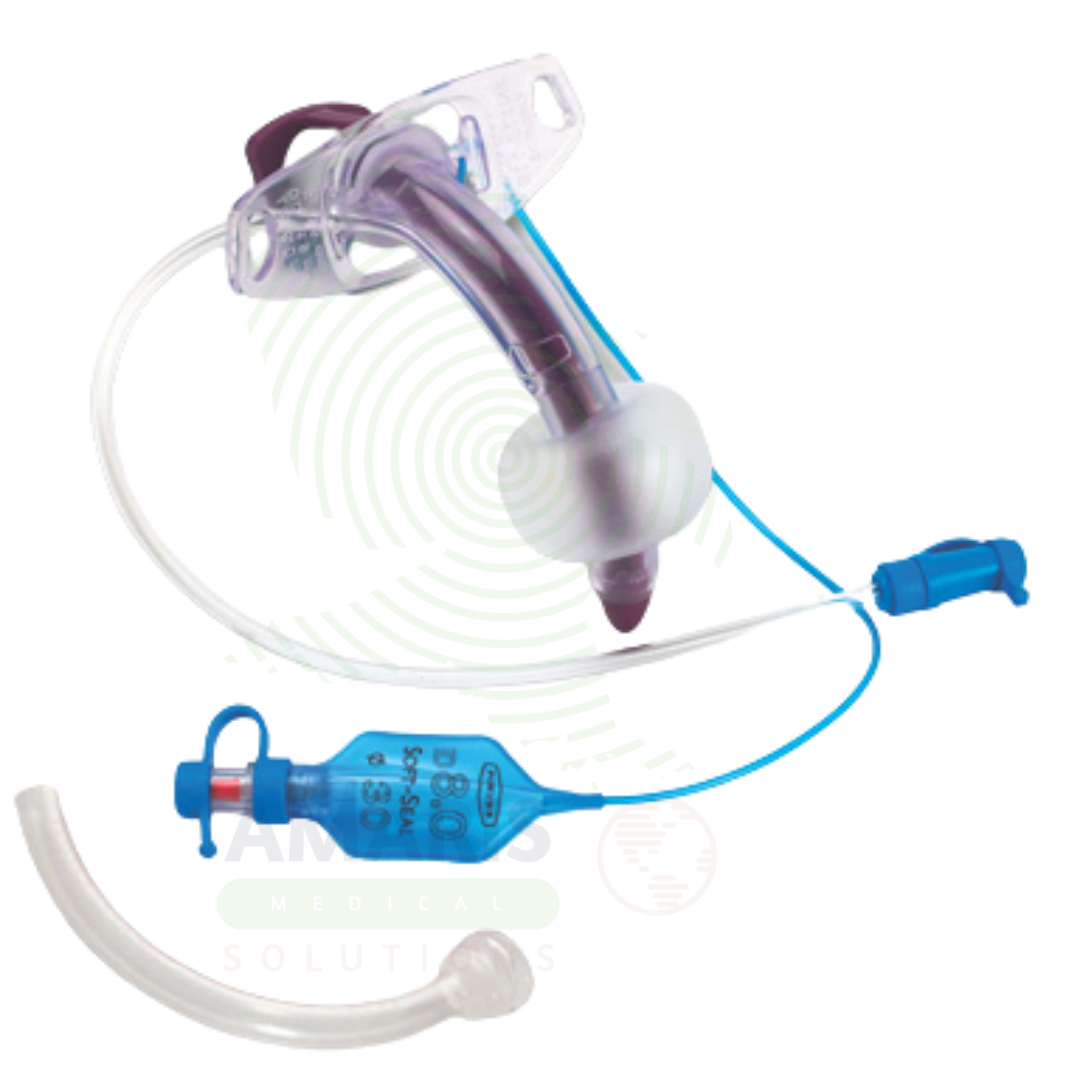

Tracheostomy Tube
$1.00
WhatsApp Order
A Tracheostomy Tube is a curved, sterile medical device inserted through a surgical opening in the trachea to establish and maintain a secure airway for patients requiring long-term mechanical ventilation, upper airway obstruction management, or effective secretion clearance. Constructed from medical-grade PVC, silicone, or polyurethane, these tubes feature an outer cannula, removable inner cannula for patency maintenance, and a high-volume, low-pressure cuff to prevent aspiration and enable positive pressure ventilation. Available in pediatric through adult sizes with fenestrated options for speech, tracheostomy tubes are essential devices in intensive care units, long-term care facilities, and home care settings. For the clinician, they provide stable airway access that facilitates mechanical ventilation, weaning, and rehabilitation. For the patient, a tracheostomy tube enables improved comfort, mobility, communication, and quality of life compared to prolonged endotracheal intubation.
Description
Tracheostomy Tube
PRIMARY CLINICAL & DIAGNOSTIC USES
1. Establishment and Maintenance of a Surgical Airway
-
Primary Use: Provides a secure, patent airway through a surgically created opening in the trachea (stoma) for patients who require long-term mechanical ventilation, have upper airway obstruction, or cannot maintain a natural airway.
-
How it helps: For the surgeon, intensivist, and respiratory therapist, the tracheostomy tube creates a reliable, stable airway that bypasses upper airway obstructions—enabling safe mechanical ventilation, effective airway clearance, and liberation from prolonged endotracheal intubation. For the patient, a tracheostomy tube provides a secure airway that allows for communication, oral intake, and mobility that is not possible with an oral or nasal endotracheal tube.
2. Facilitation of Mechanical Ventilation
-
Primary Use: Serves as the interface between the patient and mechanical ventilator, delivering oxygen and positive pressure ventilation directly into the trachea for patients who require prolonged respiratory support.
-
How it helps: For the critical care physician and respiratory therapist, the cuffed tracheostomy tube enables effective delivery of mechanical ventilation with reduced risk of tube displacement compared to endotracheal tubes—allowing for more stable, long-term respiratory support. For the patient requiring prolonged ventilation, the tracheostomy tube improves comfort, reduces sedation needs, and facilitates weaning from the ventilator.
3. Protection of the Lower Airway from Aspiration
-
Primary Use: Provides a cuffed seal within the trachea to prevent aspiration of oral secretions, gastric contents, and other foreign material into the lower respiratory tract.
-
How it helps: For the clinician managing patients with swallowing dysfunction, impaired consciousness, or neuromuscular weakness, the inflated cuff of the tracheostomy tube creates a barrier that protects the lungs from aspiration pneumonia—a leading cause of morbidity and mortality in these patient populations. For the patient, this protection reduces the risk of life-threatening respiratory infections and allows for continued care without aspiration-related complications.
4. Facilitation of Airway Clearance and Secretion Management
-
Primary Use: Provides direct access to the trachea for suctioning of secretions, enabling effective clearance of mucus and debris that the patient cannot clear independently.
-
How it helps: For the nurse and respiratory therapist, the tracheostomy tube allows direct, sterile suctioning of the lower airways—removing secretions that would otherwise accumulate, obstruct airflow, and lead to atelectasis or pneumonia. For the patient, effective secretion management improves breathing comfort, reduces work of breathing, and decreases the risk of respiratory complications.
SECONDARY & SUPPORTIVE USES
1. Weaning from Prolonged Mechanical Ventilation: Used to transition patients from full ventilator support to spontaneous breathing, facilitating liberation from mechanical ventilation through speaking valves and weaning protocols.
2. Speech and Communication: When used with a speaking valve or cuff deflation, allows patients to exhale air through the vocal cords, enabling verbal communication during tracheostomy.
3. Oral Nutrition and Swallowing: Allows patients to resume oral intake when safe, as the tracheostomy tube does not interfere with the esophagus, enabling normal swallowing function.
4. Patient Mobility and Rehabilitation: Enables patient mobility, participation in physical therapy, and transfer to rehabilitation facilities—activities that are difficult with oral endotracheal tubes.
5. Bronchoscopy and Pulmonary Procedures: Provides a stable access port for bronchoscopy, lavage, and other pulmonary diagnostic and therapeutic procedures.
6. Home Ventilation and Community Living: Allows patients requiring chronic ventilatory support to be discharged home, enabling community living and improved quality of life.
7. Laryngectomy and Head and Neck Surgery: Used as a temporary or permanent airway following laryngectomy or other head and neck surgical procedures.
8. Pediatric and Neonatal Airway Management: Smaller tracheostomy tubes used in children and infants with congenital airway abnormalities, subglottic stenosis, or prolonged ventilation needs.
9. Emergency Surgical Airway: Used in emergency cricothyroidotomy and tracheostomy procedures when conventional airway management is impossible.
10. Tracheal Dilatation and Stenting: Used in conjunction with tracheal dilatation procedures and as a conduit for tracheal stent placement.
KEY PRODUCT FEATURES
1. BASIC IDENTIFICATION ATTRIBUTES
-
Device Type: A curved tube inserted through a surgical opening in the trachea to establish and maintain a patent airway, facilitate mechanical ventilation, and enable secretion management.
-
Designation: Tracheostomy Tube, Trach Tube, Cuffed Tracheostomy Tube, Uncuffed Tracheostomy Tube, Fenestrated Tracheostomy Tube, Disposable Tracheostomy Tube, Reusable Tracheostomy Tube, Pediatric Tracheostomy Tube.
-
Key Components:
o Outer Cannula: Main tube that remains in the stoma; maintains airway patency.
o Inner Cannula: Removable, disposable inner tube that can be cleaned or replaced to maintain patency.
o Cuff: Inflatable balloon that seals the trachea to prevent aspiration and enable positive pressure ventilation.
o Pilot Balloon: External balloon that indicates cuff inflation pressure.
o Flange (Neck Plate): Flat plate that rests against the patient's neck; allows securement with tracheostomy ties.
o Obturator: Insertion guide used to facilitate initial placement of the tracheostomy tube.
2. TECHNICAL & PERFORMANCE PROPERTIES
-
Materials: Medical-grade polyvinyl chloride (PVC), silicone, polyurethane, or stainless steel.
-
Sizes: Pediatric (0-9) and adult (4-12) sizes based on inner diameter in millimeters; Shiley sizing system (4-8) also used.
-
Cuff Types: High-volume, low-pressure cuff to minimize tracheal wall pressure and reduce risk of tracheal injury.
-
Fenestrations: Some tubes have openings (fenestrations) above the cuff to allow airflow through vocal cords for speech.
-
Radiopaque Line: Radiopaque strip for radiographic identification of tube position.
-
Sterility: Sterile, single-use for disposable models; reusable models require sterilization between uses.
-
Latex-Free: Manufactured without natural rubber latex.
3. PHYSICAL & OPERATIONAL PROPERTIES
-
Construction: Curved anatomical shape to conform to tracheal anatomy; smooth, rounded edges to minimize tissue trauma.
-
Flange Design: Adjustable or fixed flange for secure stabilization.
-
Inner Cannula: Disposable or reusable inner cannula that locks in place to prevent accidental dislodgment.
-
Cuff Inflation: Pilot balloon with one-way valve for cuff inflation and pressure monitoring.
-
Packaging: Individually wrapped sterile packaging; some models include obturator and accessories.
4. SAFETY & COMPLIANCE ATTRIBUTES
-
Regulatory Status: Class II medical device requiring 510(k) clearance.
-
FDA Compliance: Compliant with FDA Quality System Regulations.
-
ISO Standards: Compliant with ISO 5366 (Tracheostomy tubes standards).
-
Cuff Pressure: High-volume, low-pressure cuffs minimize tracheal wall pressure (<30 cmH2O recommended).
-
Radiopaque: Radiopaque line visible on chest x-ray for position verification.
-
Latex-Free: Standard in all medical-grade tracheostomy tubes.
5. STORAGE & HANDLING ATTRIBUTES
-
Storage: Store in a clean, dry location at room temperature; protect from heat, moisture, and direct sunlight.
-
Shelf Life: Typically 3-5 years from date of manufacture; check expiration date before use.
-
Sterility: Do not use if package is opened, torn, or damaged.
-
Inner Cannula Care: Disposable inner cannulas: discard per protocol; reusable inner cannulas: clean and sterilize between uses.
-
Replacement: Routine tube replacement per facility protocol (typically every 30-90 days for stable airways).
6. LABORATORY & CLINICAL APPLICATIONS
-
Primary Application: Establishment and maintenance of a surgical airway for patients requiring long-term mechanical ventilation, upper airway obstruction, or inability to manage secretions.
-
Clinical Role: Essential device in intensive care units, long-term acute care hospitals, rehabilitation facilities, and home care for patients with chronic respiratory failure, neuromuscular disease, spinal cord injury, head and neck cancer, and congenital airway abnormalities.
SAFETY HANDLING PRECAUTIONS
1. SAFETY PRECAUTIONS
-
Tube Patency: Maintain inner cannula patency; clean or replace immediately if secretions occlude the tube.
-
Cuff Pressure: Monitor cuff pressure regularly; maintain between 20-30 cmH2O to prevent aspiration while minimizing tracheal injury.
-
Securementation: Secure tube with tracheostomy ties; maintain one finger-width between ties and neck to prevent accidental decannulation.
-
Emergency Equipment: Keep obturator and spare tracheostomy tube (same size and one size smaller) at bedside at all times.
-
Suctioning: Use sterile suctioning technique; pre-oxygenate if indicated; limit suction passes to 10-15 seconds.
-
Accidental Decannulation: If tube becomes dislodged, attempt replacement with obturator; if unsuccessful, maintain airway with bag-valve-mask and call for emergency assistance.
-
Humidification: Provide adequate humidification to prevent mucus plugging and tube occlusion.
-
Stoma Care: Clean stoma site daily; assess for signs of infection, skin breakdown, or granulation tissue.
2. FIRST AID MEASURES
-
Tube Occlusion: If tube becomes occluded, attempt to suction; if unsuccessful, remove inner cannula; if still occluded, replace entire tube immediately.
-
Accidental Decannulation: If tube is dislodged, insert obturator into replacement tube; attempt to reinsert; if unable to pass, cover stoma, provide bag-valve-mask ventilation, and call for emergency assistance.
-
Cuff Rupture: If cuff fails, tube may still function for ventilation; monitor for air leak and aspiration; replace tube when clinically appropriate.
-
Bleeding: If bleeding from stoma or airway occurs, apply gentle pressure; if significant bleeding, maintain airway and call for emergency assistance.
3. FIRE FIGHTING MEASURES
-
Flammability: PVC and silicone materials are combustible; oxygen-enriched environments increase fire risk.
-
Extinguishing Media: Use water, foam, dry chemical, or CO₂ for fire involving tube materials.
-
Fire Response: Disconnect oxygen source if safe; remove or cover tube to prevent ignition.
Related products
Defibrillator Monitor
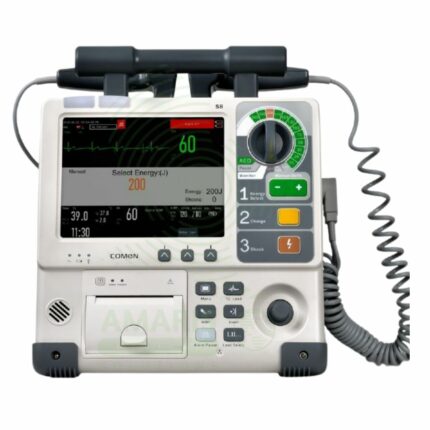
The Defibrillator Monitor is a critical, portable life-support device that combines continuous patient monitoring with immediate defibrillation and pacing capabilities. It is the frontline tool for managing cardiac arrest (through defibrillation) and unstable arrhythmias (through synchronized cardioversion or pacing) in emergency departments, during patient transport, and for hospital code teams. Essential for safe operation are rigorous daily self-tests, correct pad placement, and the strict protocol of clearing all personnel before delivering a shock. Its integrated monitoring of ECG, SpO2, and NIBP allows for comprehensive patient assessment at the point of greatest need.
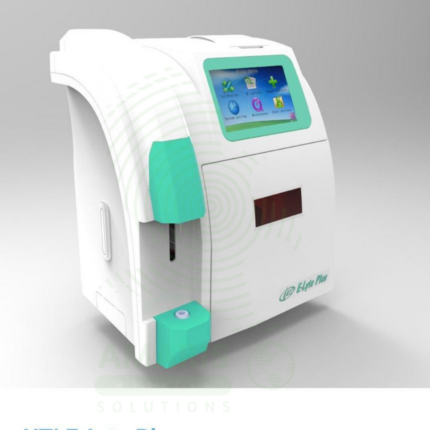
E-lyte Plus Advanced Electrolyte Analyzer
The E-lyte Plus Advanced Electrolyte Analyzer is a fully automated, microprocessor-controlled benchtop electrolyte analyzer that uses Ion Selective Electrode (ISE) technology for simultaneous measurement of potassium (K+), sodium (Na+), chloride (Cl-), ionized calcium (Ca++), pH, and lithium (Li+) in whole blood, serum, plasma, and urine samples . With up to six electrodes installed simultaneously, test times of 30-40 seconds, and an optional 21-position autosampler, the system delivers rapid, high-throughput electrolyte profiling in emergency, critical care, and routine laboratory settings .
The system features a 7-inch color LCD touchscreen with user-friendly interface, fast-access menus, and real-time result review . Quality control includes automatic ISE calibration, 3-level QC with Levey-Jennings charting, and automatic QC correction . The analyzer stores 8,000 test results, includes an integrated thermal printer, offers RS-232 connectivity for LIS integration, and supports optional barcode reader for sample ID entry .
For the emergency physician and critical care specialist, the E-lyte Plus provides rapid (30-40 second) sodium, potassium, chloride, and ionized calcium results essential for diagnosing life-threatening electrolyte disturbances—hyponatremia (seizures, coma), hyperkalemia (cardiac arrest), hypocalcemia (tetany, laryngospasm), and acid-base disorders via anion gap calculation. For the psychiatrist, lithium measurement enables therapeutic drug monitoring for bipolar disorder patients, preventing lithium toxicity (tremor, seizures, coma) while ensuring therapeutic efficacy. For the nephrologist and endocrinologist, comprehensive electrolyte panels support diagnosis of adrenal insufficiency (Addison's disease: hyponatremia, hyperkalemia), hyperaldosteronism (Conn's syndrome: hypokalemia), and primary hyperparathyroidism (hypercalcemia). For the patient, accurate, stat electrolyte results guide life-saving interventions—electrolyte replacement for dehydration, insulin and bicarbonate for diabetic ketoacidosis, dialysis for severe hyperkalemia, and calcium and calcitriol for post-thyroidectomy hypocalcemia—preventing fatal arrhythmias, seizures, coma, and respiratory failure.
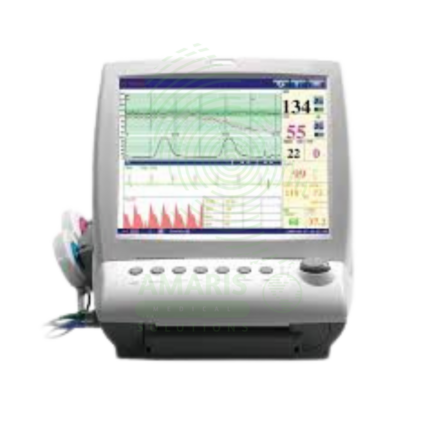
Fetal & Maternal Monitor
A Fetal & Maternal Monitor is an electronic monitoring system that simultaneously records fetal heart rate (via external ultrasound or internal scalp electrode), uterine contractions (via external tocodynamometer or intrauterine pressure catheter), and maternal vital signs (blood pressure, heart rate, oxygen saturation). Used for antepartum and intrapartum fetal assessment, non-stress tests, contraction stress tests, and monitoring of high-risk pregnancies including gestational diabetes, hypertensive disorders, and multiple gestations. Features high-resolution display, continuous paper recording, alarm systems for fetal distress, and data storage for medical records. External monitoring is non-invasive for routine use; internal monitoring provides more accurate data but requires ruptured membranes and cervical dilation. Class II medical device requiring FDA clearance and qualified interpretation of fetal heart rate patterns. Essential for assessing fetal well-being and guiding obstetric interventions.
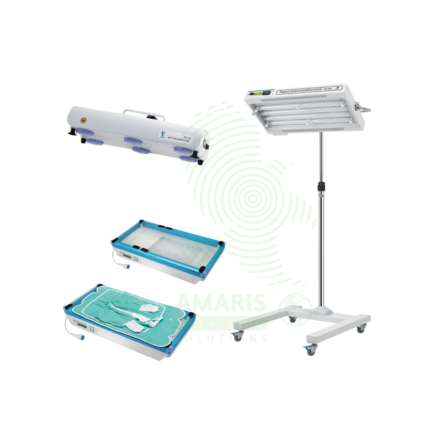
Neonatal Jaundice Treatment Device
A Neonatal Jaundice Treatment Device (phototherapy unit) is a Class II medical device that delivers therapeutic blue light (450-470 nm) to treat hyperbilirubinemia in newborns, preventing bilirubin-induced neurological damage (kernicterus). Available as overhead units (mobile stands with LED or fluorescent lamps), fiberoptic systems (Biliblanket) with illuminated pads placed against the infant's skin, and combination systems for intensive therapy. Irradiance ranges from 10-50+ µW/cm²/nm at treatment distance. LED units offer specific wavelength output, minimal heat, long life (10,000-50,000 hours), and energy efficiency. Treatment indications follow AAP hour-specific nomograms based on gestational age, birth weight, postnatal age, and risk factors. Essential safety requirements include opaque eye shields to protect neonatal retinas, temperature monitoring to prevent hyperthermia, hydration maintenance, and regular irradiance verification. Used in hospital NICUs, newborn nurseries, and (select devices) home care settings for mild jaundice. Critical for preventing permanent neurological sequelae of untreated severe neonatal jaundice.
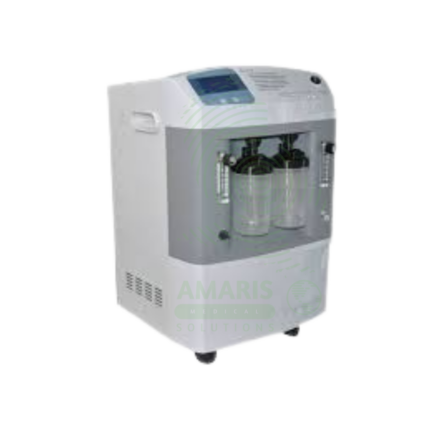
Oxygen Concentrator
An Oxygen Concentrator is a Class II medical device that delivers 90-95% pure supplemental oxygen to patients with chronic hypoxemia using pressure swing adsorption (PSA) technology to concentrate oxygen from room air. Available as stationary/home units (10-30 kg, 0.5-10 L/min continuous flow) for long-term oxygen therapy (LTOT) and portable/ambulatory units (1-10 kg, 0.5-3 L/min pulse-dose or continuous flow) for active patients requiring mobility. Features include oxygen purity monitoring with alarms, digital flow control, hour meters, washable filters, and (for portable units) rechargeable batteries, FAA approval for travel, and pulse-dose delivery to conserve oxygen. Primary clinical indications include COPD, pulmonary fibrosis, cystic fibrosis, and other chronic respiratory conditions with resting, exertional, or nocturnal hypoxemia (PaO2 ≤55 mmHg or SpO2 ≤88%). Essential for home-based oxygen therapy, enabling patients to maintain independence, reduce hospitalizations, and improve quality of life. Critical safety precautions include NO SMOKING in the oxygen environment, keeping away from heat sources and open flames, proper electrical safety, regular filter cleaning, and having backup oxygen for power outages.
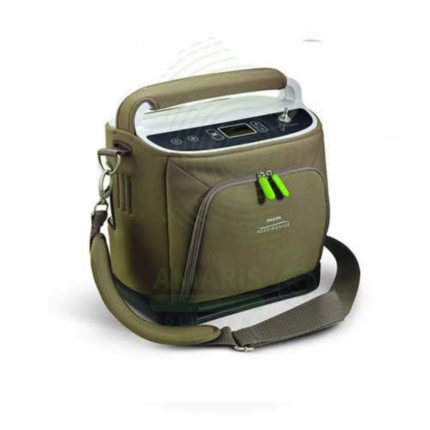
Portable Oxygen Concentrator
A Portable Oxygen Concentrator (POC) is a lightweight, battery-powered device that delivers oxygen via pulse dose technology, enabling active, mobile lifestyles for patients with chronic lung disease. By providing oxygen on-demand with each breath, it maximizes battery efficiency and portability, allowing users to travel, exercise, and socialize freely. It is a prescription-only device that requires careful titration to match a patient's needs during activity and is not a substitute for a stationary concentrator used at home and during sleep. Key considerations include FAA approval for air travel, battery life management, and understanding its specific use case as an ambulatory aid, not a primary oxygen source.
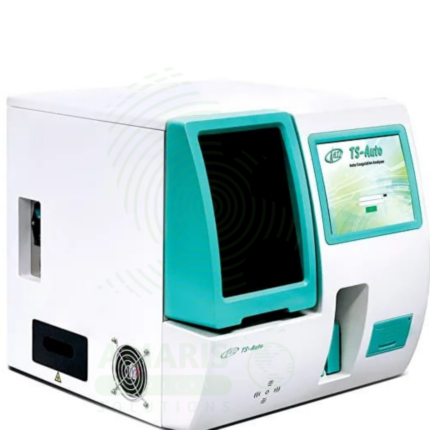
TS-Auto Automated Coagulation Analyzer
The TS-Auto Automated Coagulation Analyzer is a fully automated, multi-channel benchtop coagulation analyzer using dual magnetic bead electromechanical clot detection technology to measure PT (prothrombin time), APTT (activated partial thromboplastin time), TT (thrombin time), and FIB (fibrinogen) in citrated plasma and serum samples . With a test range of 3-999 seconds, repeatability of <3% CV, and multiple independent channels for simultaneous testing, the analyzer delivers rapid, reliable coagulation profiles for preoperative risk assessment, anticoagulant therapy monitoring, and bleeding disorder diagnosis .
The TS-Auto features a large LCD display, built-in thermal printer, reagent and sample pre-warming positions maintained at 37°C ±1°C, open reagent system compatible with any manufacturer's reagents, and electronic linked pipette with auto-start trigger for hands-free operation . Calibration curve storage for multiple parameters, 12-month QC data storage for PT, APTT, TT, FIB with dot chart display, RS-232 connectivity for LIS integration, and multi-unit result reporting (sec, %, g/L, mg/dL, IU/mL, %-INR, Ratio, Ratio-INR) ensure laboratory standards compliance .
For the anesthesiologist and hematologist, the TS-Auto delivers preoperative coagulation screening to identify high-risk surgical bleeding, INR monitoring for warfarin dose titration in atrial fibrillation and mechanical heart valve patients, APTT monitoring for heparin therapy, fibrinogen quantification for DIC diagnosis, and factor assays for inherited bleeding disorders (hemophilia A/B, factor deficiencies) . For the patient, accurate coagulation testing enables early detection of bleeding disorders before surgery, safe anticoagulation to prevent stroke and hemorrhage, diagnosis of DIC in critical illness, and appropriate factor replacement for hemophilia—preventing catastrophic bleeding, thrombotic complications, and improving survival across surgical, cardiac, and emergency care settings .