Dermatoscope and Magnifiers
 Diagnostic Kits
 Vital Signs Monitors
 Stethoscopes and Accessories
 Otoscopes, Ophthalmoscopes, and Retinoscopes
 Reflex Hammers and Neurological Tools
 Scales and Measuring Devices
 Spirometers and Pulmonary Function Tests
 Electrosurgical Units and Accessories
 Cutting Instruments
 Grasping and Holding Instruments
 Hemostatic Instruments
 Specialized Surgical Sets
 Single-Use Procedure Trays and Packs
 Surgical Drapes, Gowns, and Covers
 Tissue Unifying Instruments
 Radiation Protection
 X-Ray Machines and Accessories
 Ultrasound Systems and Probes
 MRI and CT Scanners
 Radiology Consumables
 Bone Densitometers
 Fluoroscopy Equipment
 Imaging Tables and Positioning Aids
 Microscopes and Accessories
 Centrifuges and Separators
 Analyzers
 Incubators and Ovens
 Pipettes, Dispensers, and Lab Glassware
 Refrigerators, Freezers, and Storage Units
 Lab Consumables
 Sterilizers and Autoclaves for Lab Use
 Multi-Parameter Monitors
 Ventilators and Respiratory Support Devices
 Defibrillators and AEDs
 Infusion Pumps and IV Systems
 Patient Warmers and Cooling Devices
 Central Monitoring Stations
 Accessories
 Anesthesia Machines and Workstations
 Oxygen Concentrators and Delivery Systems
 Nebulizers and Inhalers
 CPAP/BiPAP Machines
 Airway Management
 Anesthesia Masks, Circuits, and Bags
 Humidifiers and Heaters
 Respiratory Therapy Accessories
 First Aid Kits and Cabinets
 Emergency Resuscitation Equipment
 Trauma Supplies
 Emergency Carts and Crash Carts
 Burn Care Products
 Bleeding Control
 Automated External Defibrillators (AEDs)
 Transport and Evacuation
 Wheelchairs and Accessories
 Walkers, Crutches, and Canes
 Prosthetics and Orthotics
 Physical Therapy Equipment
 Transfer Devices
 Bathroom Safety
 Orthopedic Traction and Tables
 Hot/Cold Therapy Packs and Units
 Beds and Mattresses
 Chairs and Stools
 Tables
 Cabinets and Storage
 Privacy Screens & Curtains
 Stands and Racks
 Linens and Textiles
 Lighting
 Autoclaves and Sterilizers
 Ultrasonic Cleaners
 Disinfectant Solutions and Wipes
 Sterilization Pouches, Wraps, and Indicators
 Instrument Trays and Containers
 UV and Ozone Disinfection Devices
 Washer Disinfectors
 Wound Care
 Gloves
 Masks and Respirators
 Catheters and Tubing
 Swabs, Applicators, and Sponges
 Incontinence Products
 Personal Protective Equipment (PPE)
 Dental Chairs and Units
 Handpieces and Burs
 Instruments
 Consumables
 Sterilization for Dental Use
 Orthodontic Supplies
 Endodontic Tools
 Slit Lamps and Tonometers
 Lensometers and Phoropters
 Ophthalmic Surgical Instruments
 Eyewear Frames and Lenses
 Contact Lens Supplies
 Vision Testing Charts and Devices
 Eye Care Consumables
 Laser Systems for Eye Care
 ENT Exam Chairs and Tables
 Endoscopes
 Audiometers and Hearing Tests
 ENT Instruments
 Nasal and Throat Packs
 Hearing Aids and Accessories
 Otology Supplies
 Fetal Dopplers and Monitors
 Delivery Beds and Tables
 Gynecological Instruments
 Neonatal Incubators and Warmers
 Breast Pumps and Accessories
 Contraceptive Devices
 Maternity Supports and Pads
 Neonatal Consumables
 Cystoscopes and Urethroscopes
 Dialysis Machines and Supplies
 Urological Catheters and Bags
 Lithotripters
 Prostate Treatment Devices
 Urinary Incontinence Products
 Kidney Stone Management Tools
 Consumables & Disposables
 EEG and EMG Machines
 Neurosurgical Instruments
 Nerve Stimulators
 Headrests and Positioning Aids
 Lumbar Puncture Kits
 Seizure Monitoring Devices
 Consumables
 Rehabilitation for Neurological Conditions
 ECG Machines and Accessories
 Holter Monitors
 Stress Test Systems
 Pacemakers and Defibrillator Accessories
 Vascular Access Devices
 Cardiac Catheters and Guidewires
 Blood Flow Meters
 Consumables
 Orthopedic Instruments
 Casts, Splints, and Padding
 Joint Replacement Supplies
 Prosthetic Limbs and Components
 Bone Grafts and Substitutes
 Traction Devices
 Orthopedic Braces and Supports
 Rehabilitation Aids for Orthopedics
 Home Oxygen Therapy
 Hospital Beds for Home Use
 Mobility Aids
 Bathroom and Daily Living Aids
 Wound Care for Home
 Monitoring Devices
 Enteral Feeding Pumps and Tubes
 Hand Sanitizers and Dispensers
 Face Shields and Goggles
 Isolation Gowns and Suits
 Biohazard Waste Containers
 Air Purifiers and HEPA Filters
 Surface Disinfectants
 Sharps Containers
 Protective Barriers
 Cardiovascular & Endurance Training
 Strength Training & Weightlifting
 Functional Training & Core Conditioning
 Physical Therapy & Rehabilitation
 Sports & Outdoor Recreation
 Gym Flooring & Facility Equipment
 Fitness Monitoring & Accessories
 Kids & Novelties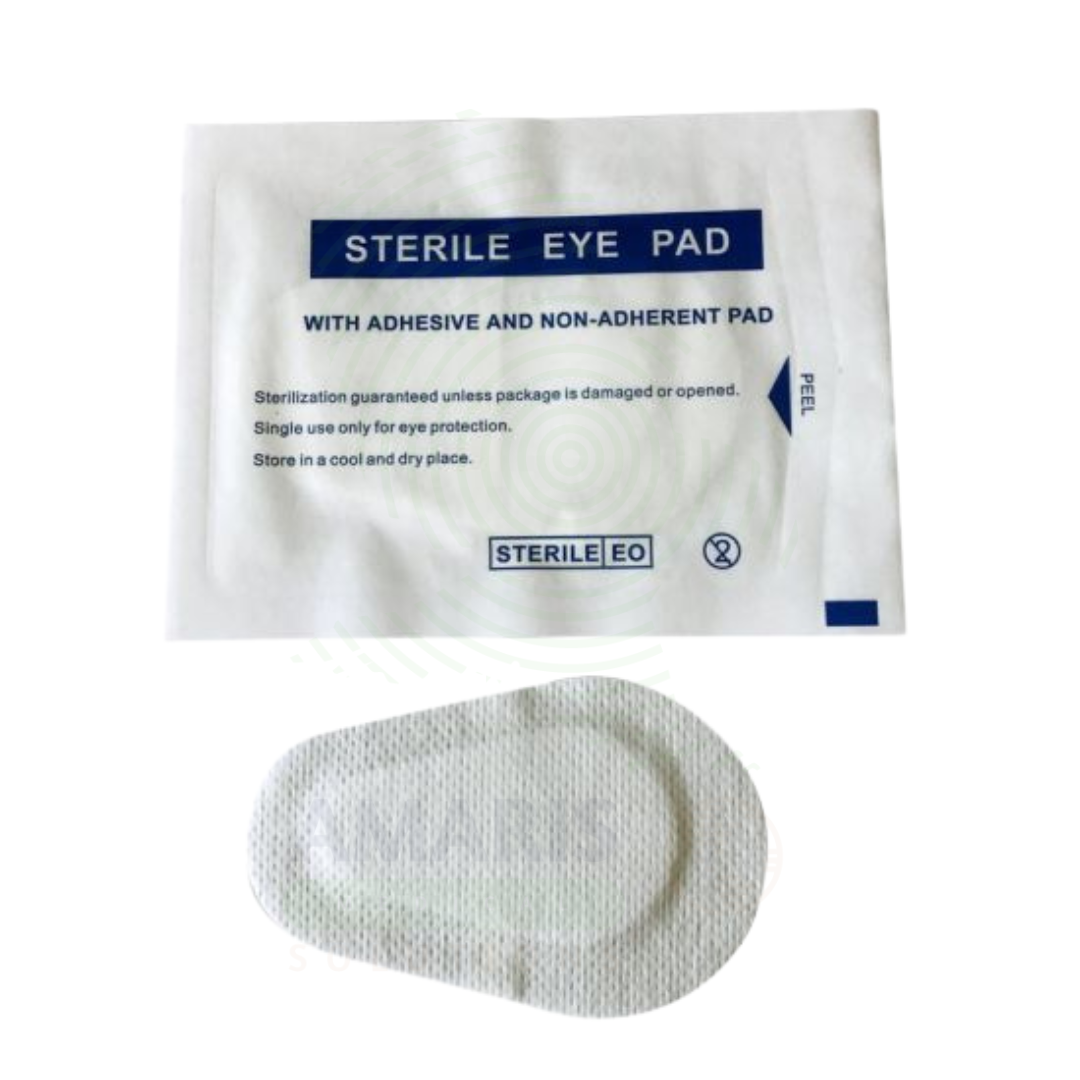
Eye Pads
$1.00
WhatsApp Order
Eye Pads are sterile or non-sterile, single-use, soft, conformable absorbent pads designed specifically for application over the closed eyelid and periorbital region. Constructed from absorbent cotton, rayon, or low-linting non-woven synthetic fibers, they provide cushioning, gentle pressure distribution, and fluid absorption for postoperative eye protection, corneal abrasion management, exposure keratopathy prevention, and periorbital trauma care. Available in standard and pressure-rated thicknesses, with or without integrated adhesive tape tabs, and in sterile (surgical/postoperative) or non-sterile (minor injury/comfort) grades. Critical safety imperatives include absolute contraindication of direct application to an open or ruptured globe, meticulous lint-free construction to prevent corneal foreign body, and single-use-only protocol. An indispensable ophthalmic consumable in surgical, emergency, and outpatient eye care.
Description
Eye Pads
PRIMARY CLINICAL & DIAGNOSTIC USES
1. Post-Operative Eye Protection and Immobilization
-
Primary Use: Protects and immobilizes the eye following ophthalmic surgery, including cataract extraction, corneal transplant, glaucoma filtration surgery, retinal detachment repair, and strabismus correction, maintaining gentle pressure on the closed eyelid, reducing postoperative edema and hemorrhage, and preventing inadvertent rubbing or trauma during initial healing.
-
How it helps: For the ophthalmologist and ophthalmic surgical team, the eye pad is the final step in protecting their delicate surgical work—providing a soft, sterile barrier that keeps the eyelid closed, absorbs minor drainage, and reminds the patient to avoid touching or rubbing the surgical site. For the patient emerging from eye surgery, the pad provides comfort and security, protecting their healing eye from accidental trauma and environmental exposure during the critical early recovery period.
2. Corneal Abrasion and Foreign Body Management
-
Primary Use: Applied to provide comfort and promote epithelial healing following corneal abrasions, corneal foreign body removal, or corneal ulceration, keeping the eyelid closed to reduce blinking friction and exposure, which accelerates corneal re-epithelialization.
-
How it helps: For the emergency physician, ophthalmologist, and optometrist managing a painful corneal injury, the eye pad provides immediate relief and promotes healing—splinting the eyelid closed to stop the painful rubbing of the lid against the injured cornea with each blink, creating a moist environment that supports epithelial cell migration. For the patient with a corneal abrasion, patching the eye means dramatic pain relief and faster healing, allowing them to return to normal activities sooner.
3. Eye Shield and Pressure Bandage Base
-
Primary Use: Serves as a soft, conformable dressing beneath rigid eye shields or pressure patches, distributing pressure evenly across the orbital rim and preventing direct contact between the shield and the delicate periorbital tissues.
-
How it helps: For the clinician applying a protective eye shield after surgery or injury, the underlying eye pad provides essential cushioning—distributing the shield’s pressure evenly around the bony orbit, preventing pressure points on the delicate eyelid skin, and absorbing any minor drainage. For the patient wearing an eye shield, the soft pad underneath makes the device comfortable to wear for extended periods.
4. Protection of the Unconscious or Anesthetized Patient
-
Primary Use: Prevents corneal abrasions and exposure keratopathy in patients who are unconscious, sedated, pharmacologically paralyzed, or under general anesthesia by maintaining eyelid closure and protecting the cornea from desiccation and incidental trauma.
-
How it helps: For the anesthesiologist and critical care nurse, taping an eye pad over the closed eyelids of a sedated or anesthetized patient is a simple but essential preventive measure—keeping the eyes closed to prevent corneal drying, protecting them from accidental abrasion during positioning or procedures, and preventing the devastating complication of exposure keratopathy. For the unconscious patient who cannot protect themselves, the eye pad provides essential protection that prevents lifelong visual impairment.
5. Management of Facial Nerve Paralysis
-
Primary Use: Used in patients with facial nerve palsy who cannot voluntarily close the affected eyelid, protecting the cornea from exposure, drying, and ulceration, often in conjunction with lubricants and moisture chambers.
-
How it helps: For the neurologist and ophthalmologist managing a patient with Bell’s palsy, stroke, or tumor-related facial paralysis, the eye pad becomes a critical tool for corneal protection—keeping the eye closed to prevent drying, maintaining a moist environment that preserves corneal health, and preventing the ulceration that can lead to vision loss. For the patient who cannot blink or close their eye, proper padding means their cornea stays healthy while they await nerve recovery.
6. Treatment of Black Eye
-
Primary Use: Provides comfort, gentle compression, and protection following blunt trauma to the orbit, while also serving as an absorbent dressing for any associated lacerations or abrasions.
-
How it helps: For the emergency provider and primary care physician managing a patient with periorbital trauma, an eye pad applied over the closed eyelid provides comfort and protection—absorbing any bloody drainage, providing gentle compression to reduce swelling, and protecting the injured area from further trauma. For the patient with a traumatic black eye, the pad offers comfort and a visible sign that their injury is being properly cared for.
SECONDARY & SUPPORTIVE USES
1. Eyelid Surgery Support: Applied following blepharoplasty, ectropion or entropion repair, or lid laceration repair to provide gentle compression, absorb minor oozing, and protect suture lines. For the patient after eyelid surgery, the pad protects the surgical site during initial healing.
2. Dye Injection and Minor Procedure Dressing: Used as a dressing following fluorescein angiography, botulinum toxin injection for blepharospasm, or minor excisional procedures on the eyelids or periorbital skin. For the patient after these procedures, a simple eye pad provides comfort and protection.
3. Contact Lens-Related Complications: Applied for symptomatic relief and corneal protection following removal of a retained contact lens, management of contact lens-induced corneal abrasion, or severe giant papillary conjunctivitis. For the contact lens wearer with complications, eye pad therapy promotes healing.
4. Pediatric Ophthalmic Examination: May be used to occlude the stronger eye during amblyopia assessment or patching therapy. For the child undergoing treatment for lazy eye, occlusion therapy with patches helps strengthen the weaker eye.
5. Temporary Occlusion for Diplopia Management: Occasionally used as a temporary measure to alleviate double vision in acute settings pending definitive diagnosis and management. For the patient with sudden onset diplopia, temporary patching provides relief while diagnostic evaluation proceeds.
KEY PRODUCT FEATURES
1. BASIC IDENTIFICATION ATTRIBUTES
-
Product Type: A sterile or non-sterile, single-use, soft, conformable pad designed specifically for application over the closed eyelid and periorbital region.
-
Designation: Defined by material composition, shape/contour, sterility status, and specialized features.
-
Core Components:
-
Absorbent Core: Multiple layers of cotton, rayon, or non-woven cellulose fibers providing cushioning and fluid absorption.
-
Outer Wrapper (select models): Non-woven fabric covering containing the core and providing a smooth, non-linting patient contact surface.
-
Tape Tabs / Securement Strips: Integrated adhesive strips for direct fixation to the forehead and cheek without separate tape.
-
-
Core Variants:
-
Standard Eye Pad: Oval or kidney-shaped; cotton-filled; non-sterile or sterile.
-
Pressure Eye Pad: Thicker, denser construction; used for postoperative pressure dressings.
-
Non-Woven Eye Pad: Synthetic fiber construction; reduced linting; hypoallergenic.
-
Eye Pad with Tape Tabs: Integrated adhesive strips; eliminates need for separate tape; single-handed application.
-
Pediatric Eye Pad: Smaller dimensions; child-friendly designs.
-
Sterile Eye Pad: Individually wrapped, terminally sterilized; for postoperative and surgical use.
-
2. TECHNICAL & PERFORMANCE PROPERTIES
-
Absorbency: Capacity to absorb blood, serous fluid, and ophthalmic ointments/exudates. Measured as fluid retention per gram of material. Must wick fluid away from skin and incision lines.
-
Cushioning / Pressure Distribution: Ability to distribute applied pressure (from patches, shields, or tape) evenly across the orbital rim and bony orbit, preventing focal pressure on the globe itself.
-
Conformability: Must contour precisely to the curved periorbital anatomy, fitting within the orbital rim and maintaining contact with the closed eyelid without gapping or bunching.
-
Lint Resistance / Low Linting: Critical property. Eye pads must not shed fibers, dust, or particulate matter into the eye, corneal surface, or surgical incision. Lint causes foreign body sensation, corneal abrasion, and delayed healing.
-
Breathability: Air permeability to prevent moisture accumulation and maceration of the thin periorbital skin.
-
Hypoallergenicity: Must be free of common sensitizers; non-irritating to sensitive periorbital skin.
3. PHYSICAL & OPERATIONAL PROPERTIES
-
Dimensions (Standard Adult):
-
Length: 2.5-3 inches (65-75 mm)
-
Width: 2-2.5 inches (50-65 mm)
-
Thickness: 0.25-0.5 inches (6-12 mm)
-
-
Shape: Elliptical / oval / kidney bean-shaped; contoured to fit orbital contour. Narrower at nasal bridge; wider at lateral canthus.
-
Material Composition:
-
Cotton Filling: 100% absorbent cotton; soft, conformable, economical. Higher lint potential.
-
Rayon/Cellulose Blend: Good absorbency; lower cost.
-
Non-Woven Polyester: Reduced linting; synthetic; hypoallergenic.
-
Outer Wrap: Non-woven fabric (polyester, polypropylene); smooth, non-adherent surface.
-
-
Tape Tabs: Two integrated adhesive strips (horizontal or vertical orientation); paper backing removed for application. Medical-grade acrylic or hypoallergenic adhesive.
-
Packaging:
-
Bulk: 100-500 pads per carton; non-sterile; individually wrapped in paper or poly bags.
-
Sterile: Individually sealed in sterile peel-pouches; gamma irradiated or ethylene oxide sterilized.
-
Procedure Trays: Included in ophthalmic surgical procedure packs and dressing change kits.
-
4. SAFETY & COMPLIANCE ATTRIBUTES
-
Regulatory Standards:
-
FDA Classification: Class I medical device (low risk).
-
ISO 15223-1: Symbols for medical device labeling.
-
ASTM D3577: Not directly applicable; referenced for absorbent fiber performance.
-
CE Marking: Required for European market.
-
-
Biocompatibility: All skin-contact materials must meet ISO 10993 standards for cytotoxicity, sensitization, and irritation. Hypoallergenic formulations preferred.
-
Latex-Free: All components manufactured without natural rubber latex. Mandatory for ophthalmic use due to high risk of latex allergy in healthcare settings and patients with spina bifida/myelomeningocele.
-
Sterility: Sterile pads required for postoperative and surgical applications; terminally sterilized with sterility assurance level (SAL) of 10⁻⁶.
-
Non-Pyrogenic: Certified free of endotoxins (sterile surgical grades).
5. STORAGE & HANDLING ATTRIBUTES
-
Storage: Store in original packaging in a cool, dry environment. Protect from moisture, humidity, dust, and physical damage.
-
Shelf Life: Non-sterile: Indefinite if stored properly. Sterile: Typically 3-5 years from sterilization date. Expiration date printed on each sterile package.
-
Package Inspection (Sterile Pads): Before use, inspect individual sterile packaging for any signs of compromise: tears, punctures, moisture ingress, or damage to sterile barrier. Do not use it if integrity is questionable.
-
Single-Use Protocol: Eye pads are strictly single-use devices. They must be discarded after one application. Never reuse an eye pad. Reuse is associated with:
-
Cross-contamination and infection.
-
Lint shedding and corneal foreign body.
-
Loss of structural integrity and cushioning.
-
Bioburden accumulation.
-
-
Patient Dedication: In hospital settings, partially used boxes of non-sterile eye pads should be dedicated to single-patient use to prevent cross-contamination.
6. LABORATORY & CLINICAL APPLICATIONS
-
Primary Application: An essential ophthalmic consumable used in preoperative, postoperative, and emergency eye care across hospital surgical suites, outpatient surgery centers, emergency departments, ophthalmology clinics, and optometry offices.
-
Selection Criteria:
-
Procedure/Injury Type: Postoperative (sterile, pressure-rated); corneal abrasion (sterile, lint-free); periorbital ecchymosis (non-sterile, comfort).
-
Sterility Requirement: Surgical/postoperative = sterile; non-invasive/injury = non-sterile acceptable.
-
Securement Preference: Integrated tape tabs vs. separate tape.
-
Patient Sensitivity: Hypoallergenic/non-woven for adhesive-sensitive or atopic patients.
-
-
Application Technique (Postoperative/Pressure Patch):
-
Apply ophthalmic ointment as prescribed.
-
Gently close the eyelid.
-
Place one to two eye pads horizontally over the closed lid, contoured to the orbital rim.
-
Apply strips of hypoallergenic tape from mid-forehead to cheek, angled to match orbital contour.
-
Apply sufficient tension to maintain gentle eyelid closure without exerting pressure on the globe.
-
Confirm patient comfort and ability to open the opposite eye.
-
Document eye patched and time of application.
SAFETY HANDLING PRECAUTIONS
1. SAFETY PRECAUTIONS
-
Never Apply Directly to Open Globe (Most Important): Eye pads are for application over closed eyelids only. Never apply an eye pad directly to an open globe, perforating injury, or suspected ruptured globe. Direct pressure on an open globe expels intraocular contents and causes permanent blindness. Suspected open globes require rigid eye shield (not eye pad) and immediate ophthalmologic consultation.
-
Pressure Patch Precautions: Pressure patching creates a closed, warm, moist environment that may promote microbial growth. Do not patch an infected eye (bacterial conjunctivitis, endophthalmitis) unless specifically directed by ophthalmology. Monitor patched eye for increasing pain, which may indicate infection or rising intraocular pressure.
-
Monocular Vision Safety: Patients with one eye patched have no depth perception and significantly restricted visual field. Counsel patients not to drive, operate machinery, or engage in activities requiring binocular vision. Ensure safe ambulation with assistance.
-
Corneal Abrasion Patching: Routine patching of simple corneal abrasions is no longer universally recommended; many studies show no benefit and potential delay healing compared to topical NSAIDs. Follow current evidence-based guidelines.
-
Check for Contact Lens: Before patching an eye with suspected abrasion or foreign body, ensure contact lens has been removed. Patching over a retained contact lens causes severe corneal infection and ulceration.
-
Tape Allergy: Monitor periorbital skin for erythema, blistering, or pruritus indicating adhesive allergy. Discontinue use and substitute with hypoallergenic tape or tape-free eye pad.
-
Do Not Occlude Opposite Eye: Ensure patch does not extend across nasal bridge to obstruct vision in the unaffected eye.
-
Pediatric Precautions: Eye patches in children create high risk of occlusion amblyopia if worn continuously for extended periods. Follow ophthalmology instructions precisely. Use pediatric-specific smaller pads.
-
Sharps Safety: Eye pads themselves are not sharps; however, they are frequently used in conjunction with needles for ophthalmic anesthesia. Ensure all sharps are discarded appropriately.
2. FIRST AID MEASURES
-
Corneal Abrasion from Lint/Foreign Body: If patient reports new foreign body sensation, sharp pain, or photophobia after eye pad removal, suspect retained lint or displaced foreign body. Immediate slit lamp examination required. Remove any visible particulate with a moistened sterile cotton-tipped applicator.
-
Patch-Related Skin Injury: If periorbital skin shows signs of adhesive stripping, blistering, or denudement, discontinue taping. Cleanse gently with water or saline. Apply petrolatum-based ophthalmic ointment to the affected area. Consider silicone tape alternatives.
-
Suspected Open Globe: Do not remove eye pad if already applied. Do not apply pressure. Apply rigid eye shields without pressure. Keep patient NPO. Elevate head of bed. Prevent straining, coughing, vomiting. Arrange emergency ophthalmologic transport.
-
Increasing Pain Under Patch: Remove patch immediately and examine eye. May indicate corneal abrasion extension, ulceration, infection (endophthalmitis), or elevated intraocular pressure (angle-closure glaucoma, postoperative). Obtain emergency ophthalmology consultation.
3. FIRE FIGHTING MEASURES
-
Flammability: Cotton, rayon, and non-woven polyester materials are readily combustible.
-
Extinguishing Media: Use water, foam, CO₂, or dry chemical powder as appropriate for the surrounding fire.
Related products
First Aid Kit
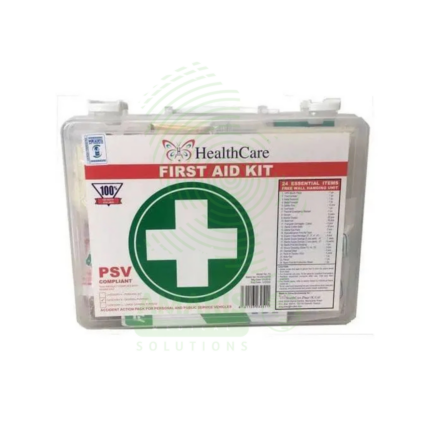
A First Aid Kit is an organized collection of medical supplies and equipment for providing initial care in emergency situations, available in various sizes and configurations for home, workplace, vehicle, travel, and specialized applications. Kits range from personal pouches (0.5-2 L) to comprehensive workplace cabinets (5-35 L) with soft-sided bags, hard cases, or wall-mounted containers. Contents are typically organized to meet regional standards (ANSI/ISEA Z308.1, CSA Z1220, BS 8599, DIN 13157/13169) and include wound care supplies (bandages, gauze, tape), antiseptics, burn care, eye care, emergency items (CPR mask, cold packs, foil blanket), instruments (scissors, tweezers), and PPE (gloves). Class A kits provide minimum supplies for low-hazard workplaces; Class B kits offer expanded quantities for high-hazard environments. Primary clinical applications include immediate treatment of minor injuries (cuts, abrasions, burns, sprains), bleeding control, wound care, fracture immobilization, and emergency assessment. Essential safety equipment for every home, workplace, vehicle, and public facility, providing critical medical supplies until professional care arrives.
On Call Blood Sugar Strips
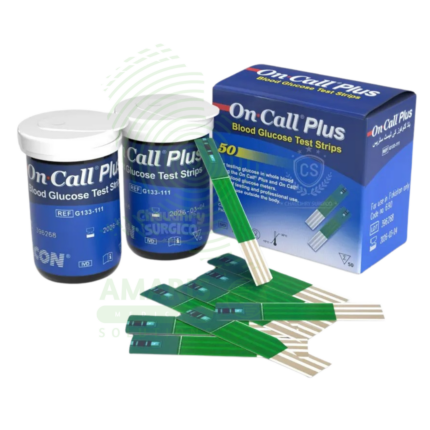
On Call Blood Sugar Strips are single-use, disposable electrochemical test strips (ISO 15197:2013 compliant) designed exclusively for use with On Call glucose meters to measure capillary blood glucose from 0.5-1.0 µL samples in 5-7 seconds. Each strip contains glucose oxidase or glucose dehydrogenase reagents that generate electrical current proportional to glucose concentration (20-600 mg/dL range). Packaging options include multi-strip vials (25-100 strips) with desiccant for daily use or individually foil-wrapped strips for travel. Strips feature no-coding automatic calibration, hematocrit compensation (20-60%), and interference resistance. Primary clinical applications include daily blood glucose testing for Type 1, Type 2, and gestational diabetes management, hypoglycemia and hyperglycemia detection, pre- and post-meal glucose assessment, and hospital point-of-care testing. Critical safety precautions include single-use only, immediate vial closure after strip removal to prevent humidity damage, storage at 2-30°C away from bathrooms and temperature extremes, never using expired strips, proper hand hygiene before testing, and disposal in sharps containers. Essential consumable for diabetes self-management when used with On Call meters.
Oxygen Mask (Adult/Infant/Paediatric)
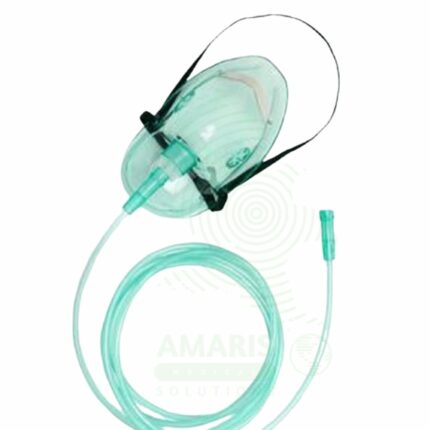
An Oxygen Mask is a disposable, single-use interface used to deliver supplemental oxygen from a medical gas supply to a patient's airways. Available in types for specific clinical needs—Simple Mask for low-flow therapy, Venturi Mask for precise FiO2 control (especially in COPD), and Non-Rebreather Mask for emergency high-flow delivery—and in sizes for adults, children, and infants. Correct selection and application, including ensuring the proper oxygen flow rate for the mask type, are essential for effective therapy and patient safety. Adherence to strict fire safety protocols is non-negotiable due to the combustion risk posed by enriched oxygen environments.
Rapid Test Kits (HIV, HBV, HCV, Malaria)
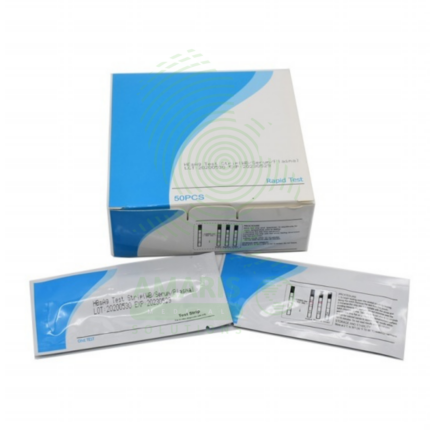
Rapid Test Kits for HIV, HBV, HCV, and Malaria are single-use, immunochromatographic devices designed for the quick, preliminary screening of these critical infectious diseases at the point of care. By detecting specific antibodies or antigens in a small blood sample (or oral fluid for some HIV tests), they provide a visual result within 15-30 minutes without the need for laboratory equipment. Their primary role is to expand access to testing in community and resource-limited settings, enabling immediate counseling, triage, and referral for confirmatory testing and treatment. As essential tools in public health, they are characterized by their simplicity, speed, and critical importance in early diagnosis and outbreak response.
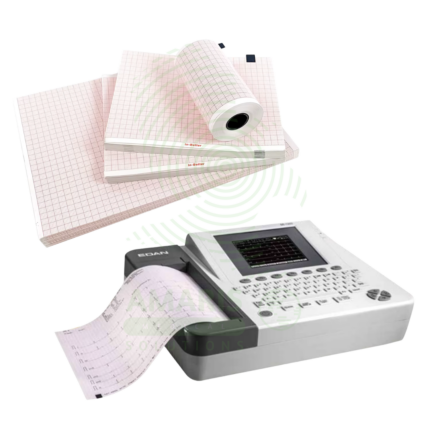
Thermal Printing Paper Roll
Thermal Printing Paper Roll is a heat-sensitive recording medium used with medical monitoring and diagnostic equipment including ECG machines, fetal monitors, ultrasound printers, and telemetry systems. The paper produces high-contrast, permanent images of physiological waveforms and data when passed over the printer's thermal head. Available in various widths, lengths, and grid patterns to match specific device requirements, it is an essential consumable for creating hard copy records for patient charts, consultation, and legal documentation. Proper storage away from light, heat, and moisture is essential to preserve image quality. BPA-free and archival-grade options are available for specific applications.
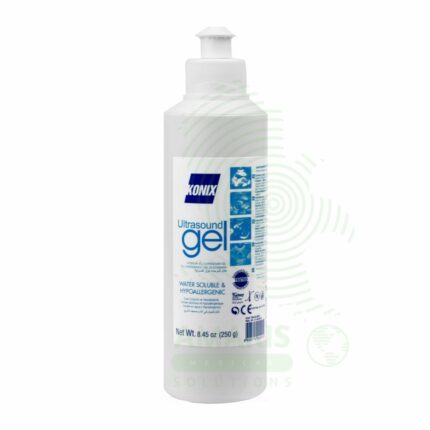
Ultrasound Gel
Ultrasound Gel is a water-based, hypoallergenic, acoustically conductive coupling medium essential for diagnostic and therapeutic ultrasound procedures. It eliminates air pockets between the transducer and skin, creating an efficient acoustic pathway for sound wave transmission and reception. Formulated to match the acoustic impedance of human tissue, it ensures high-quality imaging while providing lubrication for smooth probe movement and patient comfort. Available in standard, sterile, and hypoallergenic formulations, it is a single-use consumable critical for all ultrasound examinations. Proper storage, handling, and selection of appropriate sterile versus non-sterile formulations are essential for patient safety and image quality.
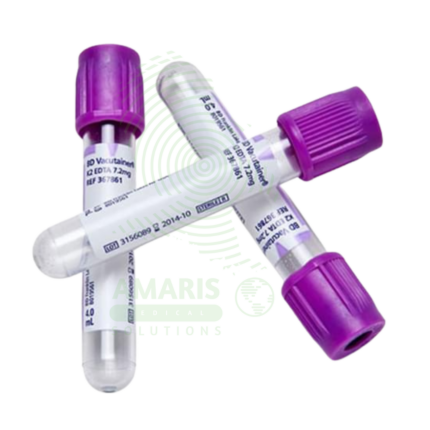
Vacutainer (EDTA/PLAIN)
Vacutainer (EDTA/PLAIN) is a sterile, evacuated blood collection tube (lavender/purple top) containing EDTA anticoagulant (K2EDTA or K3EDTA, 1.5-2.0 mg/mL blood) for hematology, blood banking, flow cytometry, and molecular diagnostics. Available in draw volumes 2-10 mL, glass or PET plastic, with color-coded stopper and sterile interior. EDTA chelates calcium, preventing coagulation while preserving cellular morphology. Primary clinical applications include complete blood count (CBC) and differential, blood typing and antibody screening (ABO/Rh, Coombs), hemoglobin A1c (HbA1c) testing, flow cytometry and immunophenotyping (CD4 counts), molecular diagnostics and PCR testing, sickle cell screening and hemoglobin electrophoresis, and parasitology (malaria smears). Critical safety precautions include filling to completion (correct blood-to-additive ratio), gentle inversion 8-10 times immediately after collection, never using for chemistry or coagulation testing, and proper disposal as biohazardous waste. Essential collection tube for hematology and immunohematology.