Dermatoscope and Magnifiers
 Diagnostic Kits
 Vital Signs Monitors
 Stethoscopes and Accessories
 Otoscopes, Ophthalmoscopes, and Retinoscopes
 Reflex Hammers and Neurological Tools
 Scales and Measuring Devices
 Spirometers and Pulmonary Function Tests
 Electrosurgical Units and Accessories
 Cutting Instruments
 Grasping and Holding Instruments
 Hemostatic Instruments
 Specialized Surgical Sets
 Single-Use Procedure Trays and Packs
 Surgical Drapes, Gowns, and Covers
 Tissue Unifying Instruments
 Radiation Protection
 X-Ray Machines and Accessories
 Ultrasound Systems and Probes
 MRI and CT Scanners
 Radiology Consumables
 Bone Densitometers
 Fluoroscopy Equipment
 Imaging Tables and Positioning Aids
 Microscopes and Accessories
 Centrifuges and Separators
 Analyzers
 Incubators and Ovens
 Pipettes, Dispensers, and Lab Glassware
 Refrigerators, Freezers, and Storage Units
 Lab Consumables
 Sterilizers and Autoclaves for Lab Use
 Multi-Parameter Monitors
 Ventilators and Respiratory Support Devices
 Defibrillators and AEDs
 Infusion Pumps and IV Systems
 Patient Warmers and Cooling Devices
 Central Monitoring Stations
 Accessories
 Anesthesia Machines and Workstations
 Oxygen Concentrators and Delivery Systems
 Nebulizers and Inhalers
 CPAP/BiPAP Machines
 Airway Management
 Anesthesia Masks, Circuits, and Bags
 Humidifiers and Heaters
 Respiratory Therapy Accessories
 First Aid Kits and Cabinets
 Emergency Resuscitation Equipment
 Trauma Supplies
 Emergency Carts and Crash Carts
 Burn Care Products
 Bleeding Control
 Automated External Defibrillators (AEDs)
 Transport and Evacuation
 Wheelchairs and Accessories
 Walkers, Crutches, and Canes
 Prosthetics and Orthotics
 Physical Therapy Equipment
 Transfer Devices
 Bathroom Safety
 Orthopedic Traction and Tables
 Hot/Cold Therapy Packs and Units
 Beds and Mattresses
 Chairs and Stools
 Tables
 Cabinets and Storage
 Privacy Screens & Curtains
 Stands and Racks
 Linens and Textiles
 Lighting
 Autoclaves and Sterilizers
 Ultrasonic Cleaners
 Disinfectant Solutions and Wipes
 Sterilization Pouches, Wraps, and Indicators
 Instrument Trays and Containers
 UV and Ozone Disinfection Devices
 Washer Disinfectors
 Wound Care
 Gloves
 Masks and Respirators
 Catheters and Tubing
 Swabs, Applicators, and Sponges
 Incontinence Products
 Personal Protective Equipment (PPE)
 Dental Chairs and Units
 Handpieces and Burs
 Instruments
 Consumables
 Sterilization for Dental Use
 Orthodontic Supplies
 Endodontic Tools
 Slit Lamps and Tonometers
 Lensometers and Phoropters
 Ophthalmic Surgical Instruments
 Eyewear Frames and Lenses
 Contact Lens Supplies
 Vision Testing Charts and Devices
 Eye Care Consumables
 Laser Systems for Eye Care
 ENT Exam Chairs and Tables
 Endoscopes
 Audiometers and Hearing Tests
 ENT Instruments
 Nasal and Throat Packs
 Hearing Aids and Accessories
 Otology Supplies
 Fetal Dopplers and Monitors
 Delivery Beds and Tables
 Gynecological Instruments
 Neonatal Incubators and Warmers
 Breast Pumps and Accessories
 Contraceptive Devices
 Maternity Supports and Pads
 Neonatal Consumables
 Cystoscopes and Urethroscopes
 Dialysis Machines and Supplies
 Urological Catheters and Bags
 Lithotripters
 Prostate Treatment Devices
 Urinary Incontinence Products
 Kidney Stone Management Tools
 Consumables & Disposables
 EEG and EMG Machines
 Neurosurgical Instruments
 Nerve Stimulators
 Headrests and Positioning Aids
 Lumbar Puncture Kits
 Seizure Monitoring Devices
 Consumables
 Rehabilitation for Neurological Conditions
 ECG Machines and Accessories
 Holter Monitors
 Stress Test Systems
 Pacemakers and Defibrillator Accessories
 Vascular Access Devices
 Cardiac Catheters and Guidewires
 Blood Flow Meters
 Consumables
 Orthopedic Instruments
 Casts, Splints, and Padding
 Joint Replacement Supplies
 Prosthetic Limbs and Components
 Bone Grafts and Substitutes
 Traction Devices
 Orthopedic Braces and Supports
 Rehabilitation Aids for Orthopedics
 Home Oxygen Therapy
 Hospital Beds for Home Use
 Mobility Aids
 Bathroom and Daily Living Aids
 Wound Care for Home
 Monitoring Devices
 Enteral Feeding Pumps and Tubes
 Hand Sanitizers and Dispensers
 Face Shields and Goggles
 Isolation Gowns and Suits
 Biohazard Waste Containers
 Air Purifiers and HEPA Filters
 Surface Disinfectants
 Sharps Containers
 Protective Barriers
 Cardiovascular & Endurance Training
 Strength Training & Weightlifting
 Functional Training & Core Conditioning
 Physical Therapy & Rehabilitation
 Sports & Outdoor Recreation
 Gym Flooring & Facility Equipment
 Fitness Monitoring & Accessories
 Kids & Novelties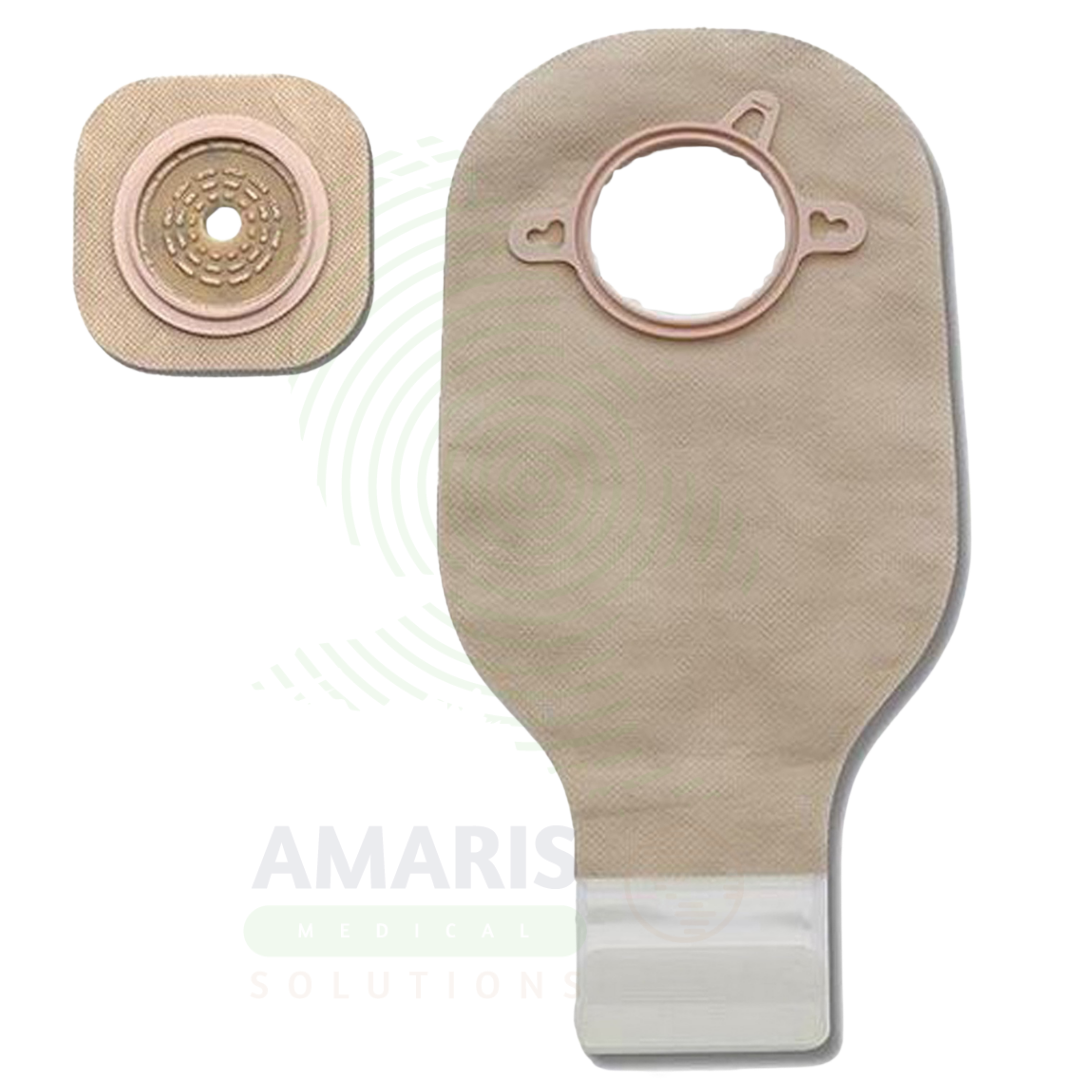
Colostomy Bags
$1.00
WhatsApp Order
Colostomy Bags are adhesive pouching systems designed for the collection and containment of fecal effluent from a surgically created colostomy stoma. Available in one-piece (integrated barrier and pouch) and two-piece (separate barrier flange and interchangeable pouches) configurations, with drainable (reusable closure) or closed-end (single-use) formats. Core components include an odor-proof multi-layer plastic pouch, hydrocolloid or silicone skin barrier with custom-cut or pre-cut aperture, charcoal gas filter for deodorization, and secure closure system. Convex barriers address flush or retracted stomas; fabric-backed pouches enhance comfort and discretion. Critical to peristomal skin health are correct aperture sizing (1-2 mm larger than stoma), prompt management of leakage, gentle adhesive removal, and meticulous skin hygiene. An indispensable quality-of-life device enabling community reintegration and dignified living for millions of ostomy patients worldwide.
Description
Colostomy Bags
PRIMARY CLINICAL & DIAGNOSTIC USES
1. Collection and Containment of Fecal Matter
-
Primary Use: Collects and contains fecal effluent from a surgically created colostomy stoma following bowel resection, diversion, or elimination of the distal colon and rectum, with the bag adhering securely to the peristomal skin via a skin barrier that provides a leak-proof seal protecting the patient’s clothing and skin from fecal contamination.
-
How it helps: For the wound ostomy continence nurse and colorectal surgeon, the colostomy bag is the essential interface between the patient and their new anatomy—providing a secure, leak-proof collection system that allows the stoma to function while protecting the surrounding skin from the corrosive effects of fecal effluent. For the patient adjusting to life with a colostomy, a properly fitted bag means they can go about their daily activities with confidence, knowing that they are protected from leakage, odor, and skin breakdown.
2. Post-Operative Colostomy Management
-
Primary Use: Essential for patients following colorectal surgery for conditions including colorectal cancer, diverticulitis, inflammatory bowel disease, traumatic bowel injury, bowel obstruction, or ischemic bowel, enabling safe healing of surgical anastomoses distal to the stoma.
-
How it helps: For the surgical team managing post-operative recovery, the colostomy bag allows the distal bowel to rest and heal without the passage of fecal material—protecting fresh anastomoses, allowing inflamed bowel to recover, and giving the patient time to heal before considering reversal. For the patient recovering from major colorectal surgery, the colostomy bag means their surgical site can heal properly while they regain strength and adjust to their new circumstances.
3. Temporary or Permanent Fecal Diversion
-
Primary Use: Serves as the primary containment system for patients with either temporary colostomies allowing distal bowel rest and healing or permanent colostomies following abdominoperineal resection, pelvic exenteration, or permanent colonic or rectal dysfunction.
-
How it helps: For the patient facing a temporary colostomy, the bag provides a manageable solution during the weeks or months until reversal surgery, allowing them to return to normal activities while their bowel heals. For the patient with a permanent colostomy, the bag becomes a lifelong companion—a device that, with proper fitting and management, allows them to live fully, work, travel, and engage in all the activities they enjoyed before surgery.
4. End Colostomy Management
-
Primary Use: Collects effluent from a single-barrel stoma created by bringing the proximal end of the divided colon through the abdominal wall, the most common configuration following abdominoperineal resection or Hartmann’s procedure.
-
How it helps: For the ostomy nurse teaching a patient with a new end colostomy, the bag selection and fitting process is critical to long-term success—finding the right system that provides security, comfort, and confidence for the patient’s specific stoma type and location. For the patient with an end colostomy, a well-fitted bag means they can trust their appliance to stay in place and function properly throughout the day.
5. Loop Colostomy Management
-
Primary Use: Collects effluent from a loop colostomy where both proximal and distal limbs are brought through a single stoma opening, typically performed for temporary fecal diversion in emergency or obstructive settings.
-
How it helps: For the surgeon creating a loop colostomy and the nurse managing it, the bag must accommodate a typically larger stoma with two openings—requiring careful cutting and fitting to ensure both limbs drain into the pouch while protecting the skin between them. For the patient with a loop colostomy awaiting reversal, proper pouching means they remain comfortable and leak-free during the weeks before takedown surgery.
6. Double-Barrel Colostomy Management
-
Primary Use: Collects effluent from two separate stoma openings, including a proximal functioning stoma and a distal mucous fistula, each requiring appropriate pouching systems.
-
How it helps: For the patient with a double-barrel colostomy, managing two separate openings presents unique challenges—often requiring two pouches or a specialized system that covers both stomas while keeping the skin between them protected. For the patient navigating this more complex arrangement, expert nursing support and the right products make daily management possible.
SECONDARY & SUPPORTIVE USES
1. Irrigation and Continent Colostomy Management: Some colostomy bags are designed to accommodate irrigation sleeves for colostomy irrigation, a technique used to achieve scheduled continence between irrigations in select patients with descending or sigmoid colostomies. For the patient who chooses irrigation, specialized bags support this approach to greater control and predictability.
2. Pediatric Colostomy Care: Smaller-sized colostomy bags and pouching systems designed for neonates, infants, and children with congenital anorectal malformations, Hirschsprung’s disease, necrotizing enterocolitis, or traumatic colonic injuries. For the smallest patients and their parents, pediatric-specific products make ostomy care manageable.
3. Odor Control and Gas Filtration: Integrated charcoal filters within the bag allow controlled release of intestinal gas while neutralizing odor, reducing social stigma and improving patient quality of life. For the patient concerned about odor in social situations, filtered bags provide confidence and peace of mind.
4. Skin Protection and Stoma Site Assessment: Transparent bags permit visual inspection of the stoma and peristomal skin without pouch removal, facilitating early detection of stoma ischemia, retraction, stenosis, prolapse, or peristomal skin complications. For the patient and nurse, being able to monitor the stoma through a clear bag means problems are caught early.
5. Drainage of Mucous Fistula: May be used to contain small-volume mucous discharge from a distal non-functioning mucous fistula segment. For the patient with a mucous fistula, a small pouch or dressing provides containment for the small amount of mucus produced.
6. Night Drainage and High-Output Collection: Some closed-end pouches may be converted to drainable systems or connected to bedside drainage bags for overnight collection in patients with high-output stomas. For the patient with high output, night drainage systems ensure uninterrupted sleep and prevent overnight leaks.
KEY PRODUCT FEATURES
1. BASIC IDENTIFICATION ATTRIBUTES
-
Product Type: A sterile or non-sterile, single-patient-use adhesive pouch system designed for the collection and containment of fecal effluent from a colostomy stoma.
-
Designation: Defined by configuration (one-piece vs. two-piece) , closure type (drainable vs. closed-end) , pre-cut vs. cut-to-fit, barrier type, and specialized features.
-
Core Components:
-
Pouch/Bag: Flexible, odor-proof plastic container for effluent collection.
-
Skin Barrier / Wafer: Adhesive hydrocolloid or pectin-based wafer that adheres to peristomal skin and protects skin from effluent.
-
Coupling Ring (Two-Piece Systems): Rigid or flexible plastic flange connecting pouch to skin barrier; allows pouch changes without removing skin barrier.
-
Closure System (Drainable Pouches): Clip, velcro-type, or integrated closure at bottom of pouch for emptying contents.
-
Charcoal Filter: Activated charcoal vent for gas deodorization and pressure release.
-
Comfort Panel / Fabric Cover: Non-woven fabric backing for comfort, breathability, and concealment under clothing.
-
Viewing Window: Transparent section for stoma visualization (opaque pouches).
-
-
Core Variants:
-
One-Piece System: Pouch and skin barrier integrated as single unit; removed and replaced entirely with each change.
-
Two-Piece System: Separate skin barrier (flange) and pouch; barrier remains in place 3-7 days; pouches changed as needed.
-
Drainable Pouch: Open-ended bottom with reusable closure; emptied multiple times per day; changed every 1-3 days.
-
Closed-End Pouch: Sealed bottom; single-use; discarded when full; changed 2-4 times daily.
-
Pre-Cut Barrier: Fixed aperture size; convenience, no cutting required.
-
Cut-to-Fit Barrier: Custom-cut aperture to match stoma size and shape.
-
Convex Barrier: Curved, rigid wafer for flush or retracted stomas; presses peristomal skin to encourage stoma protrusion.
-
Flat Barrier: Standard flat wafer for well-formed, protruding stomas.
-
Pediatric Pouch: Reduced capacity, smaller dimensions, child-friendly designs.
-
Bariatric Pouch: Larger dimensions, enhanced adhesive, reinforced support.
-
2. TECHNICAL & PERFORMANCE PROPERTIES
-
Adhesive Integrity: Must maintain a secure peristomal seal for recommended wear time (1-7 days) despite exposure to moisture, body heat, movement, and fecal effluent. Resists edge lifting and channel leakage.
-
Hydrocolloid Barrier Performance: Skin barrier absorbs moisture, swells gently, and maintains adhesive contact. Must resist erosion and breakdown from liquid stool. pH-balanced to prevent skin irritation.
-
Odor Proofing: Multi-layer EVOH (ethylene vinyl alcohol) or similar odor-barrier film prevents escape of fecal odors. Must remain odor-proof throughout the wear period.
-
Gas Filtration: Charcoal filter must vent intestinal gas continuously while preventing liquid stool leakage through filter. Filter capacity proportional to expected gas volume.
-
Wear Time: One-piece systems: 24-72 hours. Two-piece barriers: 3-7 days. Pouches (two-piece): 1-3 days. Extended wear formulations available.
-
Capacity:
-
Closed-End: 150-500 mL.
-
Drainable: 300-750 mL.
-
High-Output / Night Drainage: 750-1000 mL.
-
-
Tensile Strength: Pouch material must resist rupture under mechanical stress (filling, patient movement, accidental tugging).
-
Biocompatibility: All skin-contact materials must be hypoallergenic, non-sensitizing, and non-irritating. Meets ISO 10993 standards.
3. PHYSICAL & OPERATIONAL PROPERTIES
-
Pouch Material:
-
Multilayer Film: EVOH odor barrier sandwiched between polyethylene or polyurethane layers. Flexible, silent (reduced crinkling), transparent or opaque.
-
Fabric-Backed / Soft Cover: Non-woven polyester or textile laminate; breathable, comfortable, discreet under clothing.
-
-
Barrier Material:
-
Hydrocolloid: Pectin, gelatin, carboxymethylcellulose sodium combined with elastomers and adhesives. Absorbs moisture, swells, and maintains seal.
-
Silicone: Hypoallergenic alternative; gentle removal; reduced skin stripping.
-
-
Aperture Size:
-
Pre-Cut: 10 mm to 70 mm diameter in 5 mm increments.
-
Cut-to-Fit: Template or printed cutting guide; custom-sized.
-
Convexity Depth: Shallow (1-2 mm), medium (3-4 mm), deep (5-6 mm).
-
-
Closure Systems:
-
Integrated Velcro-Type: Built-in closure; reusable; secure.
-
Clip Closure: Removable plastic clip; economical; requires storage.
-
Roll-Up / Adhesive Tab: Pouch rolled and sealed with integrated adhesive tab.
-
-
Packaging: Sterile or non-sterile, individually sealed in foil or plastic pouches. Bulk-packed in dispensing cartons. Procedure kits include pouch, barrier, closure clip, skin prep wipes, and stoma measuring guide.
4. SAFETY & COMPLIANCE ATTRIBUTES
-
Regulatory Standards:
-
ISO 8670: Ostomy collection bags — Requirements and test methods.
-
ISO 8670-2: Ostomy collection bags — Requirements for filters.
-
ASTM F1928: Standard guide for ostomy care product selection.
-
FDA 510(k) Clearance: Required for US marketing as Class I medical device.
-
CE Marking: Required for European market.
-
-
Biocompatibility: All skin-contact materials must meet ISO 10993 standards for cytotoxicity, sensitization, irritation, and systemic toxicity.
-
Latex-Free: All components manufactured without natural rubber latex.
-
Sterility: Non-sterile (standard). Sterile pouches available for immediate postoperative use on fresh stomas (<72 hours) to prevent infection.
-
Phthalate/DEHP Compliance: Increasing regulatory mandate for non-DEHP materials, particularly for pediatric and long-term use.
-
Skin Barrier pH: Formulated to be skin-compatible (pH 5.5-7.0) to maintain acid mantle and prevent irritant dermatitis.
5. STORAGE & HANDLING ATTRIBUTES
-
Storage: Store in original, unopened packaging in a cool, dry environment. Protect from extreme temperatures, direct sunlight, and humidity. Do not freeze.
-
Shelf Life: Typically 2-3 years from date of manufacture. Expiration date printed on each package. Do not use after expiration; adhesive integrity and barrier performance cannot be guaranteed.
-
Package Inspection: Before use, inspect packaging for any signs of compromise: tears, punctures, moisture ingress. Inspect barrier for cracks, discoloration, or tackiness loss. Do not use it if integrity is questionable.
-
Single-User Protocol: Colostomy bags are single-patient-use devices. They are dedicated to a single patient for the duration of their ostomy. Never share or reuse between patients.
-
Storage of Supplies: Patients should store ostomy supplies at room temperature, away from heat sources and humidity (not in the bathroom). Rotate stock; use oldest supplies first.
6. LABORATORY & CLINICAL APPLICATIONS
-
Primary Application: The essential containment system for millions of ostomy patients worldwide, enabling dignified, hygienic management of fecal diversion following colostomy surgery. Used across acute care, long-term care, home healthcare, and community settings.
-
Selection Criteria:
-
Stoma Type: End, loop, double-barrel.
-
Stoma Characteristics: Size, shape, height (flush, protruding, retracted), location.
-
Abdomen Contour: Flat vs. convex; presence of creases, folds, scars.
-
Output Consistency: Formed stool (closed-end pouch) vs. liquid/semi-liquid (drainable pouch).
-
Patient Dexterity: One-piece (simpler) vs. two-piece (easier pouch changes); pre-cut vs. cut-to-fit.
-
Patient Preference: Transparency, fabric backing, filter type, closure style.
-
Skin Condition: Allergy history, existing peristomal skin complications.
-
-
Wear Time Optimization:
-
Proper aperture sizing (1-2 mm larger than stoma).
-
Clean, dry peristomal skin before application.
-
Skin prep wipes/alcohol-free barrier films.
-
Gentle barrier removal with adhesive remover.
-
Daily inspection and prompt management of leakage.
-
SAFETY HANDLING PRECAUTIONS
1. SAFETY PRECAUTIONS
-
Peristomal Skin Integrity (Most Important): The skin under the barrier is vulnerable to irritant dermatitis from fecal effluent leakage, allergic contact dermatitis from barrier components, and moisture-associated skin damage. Prevention is critical:
-
Ensure the aperture is correctly sized (no skin exposed to stool).
-
Change the barrier promptly if leakage occurs; never reinforce with tape.
-
Use barrier rings/paste to fill creases and irregularities.
-
Clean peristomal skin gently with water and soft cloth; avoid soaps with oils/lotions.
-
Pat dry completely before the new barrier application.
-
Consider convex barriers for flush or retracted stomata.
-
-
Aperture Sizing: Aperture must be cut to exact stoma size (1-2 mm larger). Too large: peristomal skin exposed to effluent → severe irritant dermatitis, denudement, pain. Too small: constricts stoma → trauma, bleeding, ischemia, stenosis.
-
Filter Care: Do not immerse filter in water or allow liquid stool to cover filter; renders filter non-functional and may cause leakage. Position pouch such that stool collects away from the filter (gravity).
-
Pouch Emptying Technique: Empty drainable pouch when ⅓ to ½ full. Excess weight pulls on the barrier, compromising the seal and causing leakage. Support pouch during emptying. Clean closure mechanism thoroughly after each emptying.
-
Gas Deodorization: Charcoal filters neutralize odor. If the filter becomes saturated or occluded, use deodorant drops or sprays in the pouch. Report persistent excessive gas to WOC nurse; may indicate dietary issues or bacterial overgrowth.
-
Adhesive Remover: Use alcohol-free, silicone-based adhesive remover wipes or spray to gently lift the barrier. Never pull or rip barrier off skin; causes mechanical stripping of stratum corneum, pain, and skin breakdown.
-
Nutrition and Hydration: Dietary management significantly impacts ostomy output. High-fiber foods bulk stool; low-fiber foods loosen stool. Adequate hydration prevents constipation. Odor-producing foods (eggs, fish, onions, garlic) can be moderated.
-
Activity and Support: Colostomy bags are designed for normal daily activities including showering, swimming, and exercise. Use an ostomy belt or support garment for high-impact activities. Empty pouch before swimming.
-
Pregnancy and Weight Fluctuation: Stoma size and abdominal contour change with pregnancy and significant weight fluctuation. Re-measure stoma and reassess product fit regularly. Use cut-to-fit or adjustable barriers.
-
Psychosocial Support: Ostomy surgery has a profound psychological impact. Refer to WOC nurse and ostomy support groups. Encourage open communication about body image, intimacy, and quality of life concerns.
2. FIRST AID MEASURES
-
Peristomal Skin Denudement: Red, weeping, painful skin from effluent exposure. Discontinue current barrier. Apply ostomy powder to weeping areas, brush off excess, and apply alcohol-free barrier film. May require hydrofiber or foam dressings under the barrier. Consult a WOC nurse.
-
Allergic Contact Dermatitis: Well-demarcated, pruritic, erythematous rash corresponding to barrier contact area. Discontinue causative products. Patch test alternative barriers. Consider silicone-based barriers. Topical corticosteroids (prescribed) may be required.
-
Fungal (Candida) Infection: Papular, pruritic rash with satellite lesions; beefy red appearance. Apply topical antifungal powder (nystatin, clotrimazole) at each pouch change. Keep skin dry. Consult a WOC nurse.
-
Stomal Bleeding: Minor bleeding from stoma margin is common with friction (pouch removal). Apply gentle pressure with dry gauze. If bleeding is persistent, profuse, or from within the stoma, evaluate for ischemia, trauma, varices, or recurrence of disease.
-
Severe Leakage and Pouch Failure: Remove soiled pouch and barrier. Clean and dry peristomal skin completely. Apply a new appropriately sized barrier and pouch. If recurrent, re-measure stoma and reassess product selection.
-
Bowel Obstruction: Cramping abdominal pain, nausea, vomiting, absent or watery high-output stool, abdominal distension. Patients may continue to pass gas initially. NPO, obtain surgical consultation immediately. Do not insert anything into your stomach.
3. FIRE FIGHTING MEASURES
-
Flammability: Plastic pouch materials (polyethylene, polyurethane, EVOH) and hydrocolloid barriers are combustible.
-
Extinguishing Media: Use water, foam, CO₂, or dry chemical powder as appropriate for the surrounding fire. Burning plastic produces toxic smoke; use self-contained breathing apparatus (SCBA) in enclosed spaces.
Related products
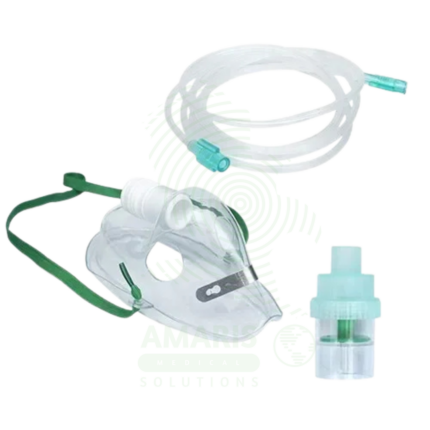
Adult & Pediatric Nebulizer Kit
An Adult & Pediatric Nebulizer Kit is a complete set of patient-contact components required for aerosol medication delivery, including a nebulizer cup, connecting tubing, and both an adult mouthpiece and a pediatric mask (or universal fit). Designed for use with a compressor, it provides the delivery circuit for treating asthma, COPD, and other respiratory conditions. Available in disposable (single-patient-use) formats for infection control in clinics or reusable formats for home care, its proper use, coupled with rigorous cleaning for reusable kits, is essential for effective therapy and preventing respiratory infections. The kit's universal connectors ensure compatibility with standard compressors.
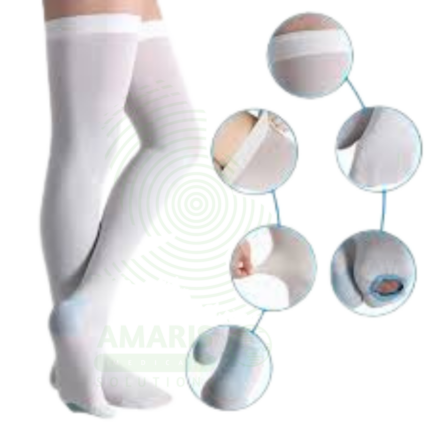
Anti-Embolic Compression Stockings
Anti-Embolic Compression Stockings are medical-grade elastic stockings designed to prevent Deep Vein Thrombosis (DVT) in non-ambulatory, surgical, or medically ill patients. By delivering graduated external pressure—tightest at the ankle and decreasing up the leg—they enhance venous blood flow and reduce stasis, a key factor in clot formation. They are a cornerstone of mechanical thromboprophylaxis in hospitals. Correct sizing based on precise leg measurements is critical for both efficacy and safety, as improper fit can lead to complications or failure of prophylaxis. Daily skin assessment and adherence to wearing guidelines are essential components of safe use.
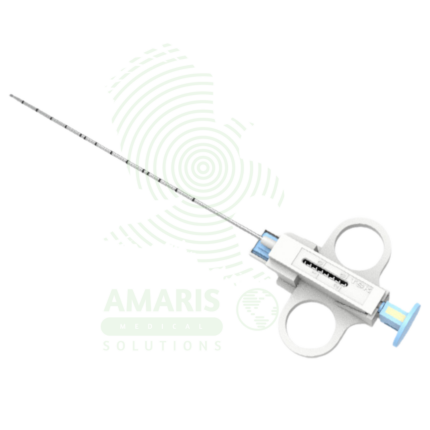
Biopsy Needles
Biopsy Needles are sterile, single-use precision medical devices designed to obtain tissue or cellular specimens from internal organs, masses, and lesions for histopathological or cytological diagnosis. Available in core biopsy (automatic spring-loaded, semi-automatic, vacuum-assisted, coaxial) and fine needle aspiration configurations, with gauges ranging from 14G-27G and lengths from 6-25 cm. Core biopsy needles obtain intact tissue cores preserving histological architecture; FNA needles aspirate cellular material for cytological evaluation. Specialized variants include bone marrow biopsy needles (Jamshidi, Illinois), echogenic-tip needles for ultrasound guidance, and MRI-compatible needles (nitinol, titanium). Critical safety requirements include strict image guidance for non-palpable lesions, verification of coagulation status, adherence to single-use protocols, and immediate post-procedure monitoring for complications (hemorrhage, pneumothorax, organ injury). An indispensable tool in interventional radiology, oncology, and minimally invasive diagnosis.
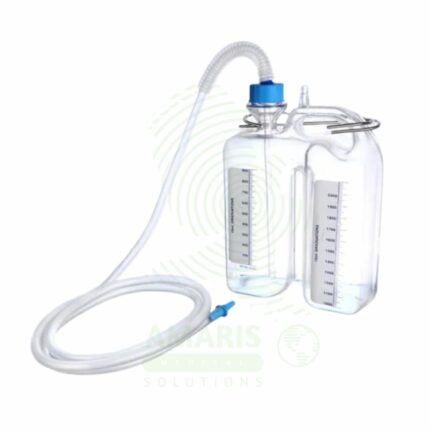
Chest Bottle
A Chest Bottle (Underwater Seal Drainage System) is a three-chamber disposable device used to drain air and fluid from the pleural space via a chest tube. Its critical component is a water seal chamber that acts as a one-way valve, preventing air from re-entering the chest while allowing drainage. It is used to treat pneumothorax, hemothorax, and pleural effusions, and is mandatory post-thoracic surgery. The system must always be kept upright and below the patient's chest level. It provides essential clinical information through tidaling in the water seal (indicating tube patency and lung expansion) and bubbling (indicating an air leak), making it both a therapeutic and diagnostic tool.
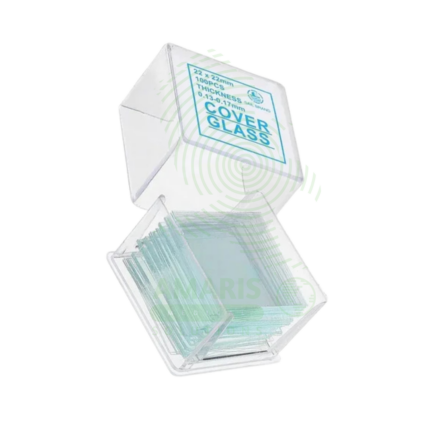
Cover Glass
Cover Glass (coverslips) are thin, transparent glass or plastic squares (e.g., 18×18 mm, 22×22 mm) or rectangles (22×30 mm, 24×50 mm) used to cover specimens on microscope slides for microscopic examination. Available in thickness No. 1 (0.13-0.16 mm) and No. 1.5 (0.16-0.19 mm) for optimal microscopy. Made from optical glass with high light transmission (>90%), refractive index 1.52 matching immersion oil. Packaged in boxes of 100-1000, interleaved with paper to prevent scratching. Primary clinical applications include covering blood films for manual differential counts and malaria diagnosis, wet mount preparations of urine sediment and vaginal secretions, histopathology and cytology slides, Gram-stained bacterial smears, semen analysis, KOH preparations for fungal elements, and India ink preparations for Cryptococcus. Critical safety precautions include handling with forceps (sharp edges), disposing of broken coverslips in sharps containers, avoiding fingerprints on optical surface, and proper disposal of biohazard-contaminated coverslips. Essential consumable in every clinical laboratory performing microscopy.
Glucosics Blood Sugar Sticks
Glucosics Blood Sugar Sticks are single-use, disposable electrochemical test sticks (ISO 15197:2013 compliant) designed exclusively for use with Glucosics glucose meters to measure capillary blood glucose from 0.5-1.0 µL samples in 5-7 seconds. Each stick contains glucose oxidase or glucose dehydrogenase reagents that generate electrical current proportional to glucose concentration (20-600 mg/dL range). Packaging options include multi-stick vials (25-100 sticks) with desiccant for daily use or individually foil-wrapped sticks for travel. Sticks feature no-coding automatic calibration, hematocrit compensation (20-60%), and interference resistance. Primary clinical applications include daily blood glucose testing for Type 1, Type 2, and gestational diabetes management, hypoglycemia and hyperglycemia detection, pre- and post-meal glucose assessment, and hospital point-of-care testing. Critical safety precautions include single-use only, immediate vial closure after stick removal to prevent humidity damage, storage at 2-30°C away from bathrooms and temperature extremes, never using expired sticks, proper hand hygiene before testing, and disposal in sharps containers. Essential consumable for diabetes self-management when used with Glucosics meters.
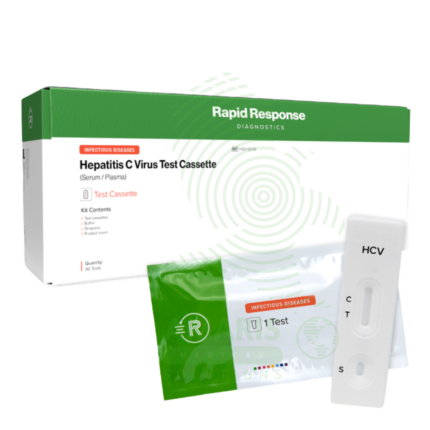
Hepatitis C Test Kit
The Hepatitis C Test Kit is an in vitro diagnostic device for the detection of Hepatitis C virus antibodies or RNA in human blood, serum, or plasma samples. Available in rapid, laboratory immunoassay, and molecular formats, it screens for HCV infection, confirms active infection with RNA testing, and monitors treatment response. With high sensitivity and specificity exceeding 99%, it is essential for identifying infected individuals, linking them to curative direct-acting antiviral therapy, and confirming cure. Essential applications include risk-based screening of high-risk populations, birth cohort screening of baby boomers, evaluation of acute hepatitis, management of occupational exposures, and monitoring of antiviral therapy that can cure over 95% of infections. All patient samples must be handled with universal precautions, and positive antibody results require confirmatory testing.