Dermatoscope and Magnifiers
 Diagnostic Kits
 Vital Signs Monitors
 Stethoscopes and Accessories
 Otoscopes, Ophthalmoscopes, and Retinoscopes
 Reflex Hammers and Neurological Tools
 Scales and Measuring Devices
 Spirometers and Pulmonary Function Tests
 Electrosurgical Units and Accessories
 Cutting Instruments
 Grasping and Holding Instruments
 Hemostatic Instruments
 Specialized Surgical Sets
 Single-Use Procedure Trays and Packs
 Surgical Drapes, Gowns, and Covers
 Tissue Unifying Instruments
 Radiation Protection
 X-Ray Machines and Accessories
 Ultrasound Systems and Probes
 MRI and CT Scanners
 Radiology Consumables
 Bone Densitometers
 Fluoroscopy Equipment
 Imaging Tables and Positioning Aids
 Microscopes and Accessories
 Centrifuges and Separators
 Analyzers
 Incubators and Ovens
 Pipettes, Dispensers, and Lab Glassware
 Refrigerators, Freezers, and Storage Units
 Lab Consumables
 Sterilizers and Autoclaves for Lab Use
 Multi-Parameter Monitors
 Ventilators and Respiratory Support Devices
 Defibrillators and AEDs
 Infusion Pumps and IV Systems
 Patient Warmers and Cooling Devices
 Central Monitoring Stations
 Accessories
 Anesthesia Machines and Workstations
 Oxygen Concentrators and Delivery Systems
 Nebulizers and Inhalers
 CPAP/BiPAP Machines
 Airway Management
 Anesthesia Masks, Circuits, and Bags
 Humidifiers and Heaters
 Respiratory Therapy Accessories
 First Aid Kits and Cabinets
 Emergency Resuscitation Equipment
 Trauma Supplies
 Emergency Carts and Crash Carts
 Burn Care Products
 Bleeding Control
 Automated External Defibrillators (AEDs)
 Transport and Evacuation
 Wheelchairs and Accessories
 Walkers, Crutches, and Canes
 Prosthetics and Orthotics
 Physical Therapy Equipment
 Transfer Devices
 Bathroom Safety
 Orthopedic Traction and Tables
 Hot/Cold Therapy Packs and Units
 Beds and Mattresses
 Chairs and Stools
 Tables
 Cabinets and Storage
 Privacy Screens & Curtains
 Stands and Racks
 Linens and Textiles
 Lighting
 Autoclaves and Sterilizers
 Ultrasonic Cleaners
 Disinfectant Solutions and Wipes
 Sterilization Pouches, Wraps, and Indicators
 Instrument Trays and Containers
 UV and Ozone Disinfection Devices
 Washer Disinfectors
 Wound Care
 Gloves
 Masks and Respirators
 Catheters and Tubing
 Swabs, Applicators, and Sponges
 Incontinence Products
 Personal Protective Equipment (PPE)
 Dental Chairs and Units
 Handpieces and Burs
 Instruments
 Consumables
 Sterilization for Dental Use
 Orthodontic Supplies
 Endodontic Tools
 Slit Lamps and Tonometers
 Lensometers and Phoropters
 Ophthalmic Surgical Instruments
 Eyewear Frames and Lenses
 Contact Lens Supplies
 Vision Testing Charts and Devices
 Eye Care Consumables
 Laser Systems for Eye Care
 ENT Exam Chairs and Tables
 Endoscopes
 Audiometers and Hearing Tests
 ENT Instruments
 Nasal and Throat Packs
 Hearing Aids and Accessories
 Otology Supplies
 Fetal Dopplers and Monitors
 Delivery Beds and Tables
 Gynecological Instruments
 Neonatal Incubators and Warmers
 Breast Pumps and Accessories
 Contraceptive Devices
 Maternity Supports and Pads
 Neonatal Consumables
 Cystoscopes and Urethroscopes
 Dialysis Machines and Supplies
 Urological Catheters and Bags
 Lithotripters
 Prostate Treatment Devices
 Urinary Incontinence Products
 Kidney Stone Management Tools
 Consumables & Disposables
 EEG and EMG Machines
 Neurosurgical Instruments
 Nerve Stimulators
 Headrests and Positioning Aids
 Lumbar Puncture Kits
 Seizure Monitoring Devices
 Consumables
 Rehabilitation for Neurological Conditions
 ECG Machines and Accessories
 Holter Monitors
 Stress Test Systems
 Pacemakers and Defibrillator Accessories
 Vascular Access Devices
 Cardiac Catheters and Guidewires
 Blood Flow Meters
 Consumables
 Orthopedic Instruments
 Casts, Splints, and Padding
 Joint Replacement Supplies
 Prosthetic Limbs and Components
 Bone Grafts and Substitutes
 Traction Devices
 Orthopedic Braces and Supports
 Rehabilitation Aids for Orthopedics
 Home Oxygen Therapy
 Hospital Beds for Home Use
 Mobility Aids
 Bathroom and Daily Living Aids
 Wound Care for Home
 Monitoring Devices
 Enteral Feeding Pumps and Tubes
 Hand Sanitizers and Dispensers
 Face Shields and Goggles
 Isolation Gowns and Suits
 Biohazard Waste Containers
 Air Purifiers and HEPA Filters
 Surface Disinfectants
 Sharps Containers
 Protective Barriers
 Cardiovascular & Endurance Training
 Strength Training & Weightlifting
 Functional Training & Core Conditioning
 Physical Therapy & Rehabilitation
 Sports & Outdoor Recreation
 Gym Flooring & Facility Equipment
 Fitness Monitoring & Accessories
 Kids & Novelties
Tissue Flowstation Workstation
$1.00
WhatsApp Order
A Tissue Flowstation Workstation is an automated tissue processor that performs fixation, dehydration, clearing, and paraffin infiltration of tissue specimens for histopathological examination. Designed for high-volume histology laboratories, it ensures consistent processing quality, reduces manual handling, and minimizes turnaround time. Programmable protocols accommodate diverse tissue types, while integrated ventilation and safety features protect laboratory personnel from chemical exposure.
Description
Tissue Flowstation Workstation
PRIMARY CLINICAL & DIAGNOSTIC USES
1. Automated Tissue Processing for Histology
-
Primary Use: Provides automated processing of tissue specimens through fixation, dehydration, clearing, and paraffin infiltration. The tissue flowstation streamlines the critical steps between tissue collection and embedding, ensuring consistent, high-quality processing for histopathological examination.
-
How it helps: For the histotechnologist and laboratory manager, the tissue flowstation automates the labor-intensive process of tissue processing—reducing manual handling, minimizing errors, and ensuring consistent results across batches. For the patient, consistent, high-quality tissue processing ensures that the pathologist receives well-preserved specimens for accurate diagnosis.
2. Continuous Workflow for High-Volume Laboratories
-
Primary Use: Designed for continuous, high-throughput processing in busy histology laboratories. Multiple processing stations allow simultaneous handling of multiple batches, reducing turnaround time for biopsy results.
-
How it helps: For the laboratory, continuous processing capability increases throughput and reduces waiting times—enabling faster reporting of pathology results. For the patient, this means shorter waiting times for biopsy results and quicker initiation of treatment.
3. Reagent Management and Quality Control
-
Primary Use: Automated reagent management systems monitor reagent usage, track reagent life, and prompt for replacement when needed. This ensures consistent processing quality and prevents degradation of reagents that could compromise tissue preservation.
-
How it helps: For the histotechnologist, automated reagent management reduces the risk of processing errors due to expired or contaminated reagents—ensuring consistent quality across specimens. For the patient, proper reagent management ensures that tissue specimens are optimally preserved for accurate diagnosis.
4. Programmable Processing Protocols
-
Primary Use: Allows programming of customized processing protocols for different tissue types (e.g., routine biopsies, fatty tissues, decalcified bone). Multiple protocol storage enables rapid switching between different processing requirements.
-
How it helps: For the laboratory, programmable protocols enable optimized processing for diverse specimen types—ensuring that delicate tissues receive gentle processing while tough tissues receive adequate infiltration. For the patient, this means that all specimens, regardless of tissue type, are processed optimally for accurate diagnosis.
5. Ventilation and Safety Features
-
Primary Use: Integrated ventilation systems manage fumes from processing reagents (xylene, alcohol, formalin), protecting laboratory personnel from chemical exposure. Safety features include spill containment and emergency shut-off.
-
How it helps: For the laboratory worker, integrated ventilation reduces exposure to hazardous chemicals—improving workplace safety and reducing long-term health risks. For the laboratory, this ensures compliance with occupational health and safety regulations.
SECONDARY & SUPPORTIVE USES
1. Research Applications: Automated tissue processing for research specimens.
2. Frozen Section Backup: Processing of tissues for frozen section backup.
3. Immunohistochemistry Preparation: Processing of tissues for IHC and special stains.
4. Molecular Pathology: Processing of tissues for molecular testing.
5. Veterinary Pathology: Automated processing of animal tissue specimens.
6. Teaching and Training: Used in histotechnology training programs.
KEY PRODUCT FEATURES
1. BASIC IDENTIFICATION ATTRIBUTES
-
Device Type: An automated tissue processing system for fixation, dehydration, clearing, and paraffin infiltration of tissue specimens.
-
Designation: Tissue Flowstation Workstation, Tissue Processor, Automated Tissue Processor, Histology Processor.
-
Key Components:
-
Processing Stations: Multiple reagent baths for processing steps.
-
Rotating Carousel: Moves tissue baskets through reagent stations.
-
Control Panel: Programmable interface for processing protocols.
-
Reagent Management: Automated monitoring and tracking.
-
Ventilation System: Fume extraction for chemical safety.
-
Heated Paraffin Stations: For infiltration and embedding.
-
Spill Containment: Safety features for reagent spills.
-
2. TECHNICAL & PERFORMANCE PROPERTIES
-
Capacity: 50-300 cassettes per batch depending on model.
-
Processing Stations: 10-20 reagent stations plus paraffin.
-
Processing Time: 4-12 hours depending on protocol.
-
Temperature Control: Heated paraffin stations (55-65°C).
-
Vacuum/Pressure: Optional vacuum and pressure for infiltration.
-
Reagent Tracking: Automatic monitoring of reagent usage and life.
-
Protocol Storage: 10-100 programmable protocols.
3. PHYSICAL & OPERATIONAL PROPERTIES
-
Construction: Durable, chemical-resistant materials.
-
Dimensions: Freestanding or benchtop units.
-
Controls: Touchscreen interface with protocol management.
-
Ventilation: Integrated fume extraction system.
-
Portability: Stationary installation.
4. SAFETY & COMPLIANCE ATTRIBUTES
-
Regulatory Status: Class I or Class II medical device.
-
Chemical Safety: Ventilation system for xylene, alcohol, formalin fumes.
-
Electrical Safety: Compliant with electrical safety standards.
-
Spill Containment: Integrated spill trays and containment.
-
Emergency Shut-Off: Quick stop for safety.
5. STORAGE & HANDLING ATTRIBUTES
-
Storage: Stored in a histology laboratory.
-
Cleaning: Regular cleaning of reagent baths and carousels.
-
Reagent Replacement: Scheduled replacement per manufacturer guidelines.
-
Maintenance: Regular calibration; filter replacement.
6. LABORATORY & CLINICAL APPLICATIONS
-
Primary Application: Automated tissue processing for histopathology.
-
Clinical Role: Essential equipment in histology laboratories and pathology departments.
SAFETY HANDLING PRECAUTIONS
1. SAFETY PRECAUTIONS
-
Chemical Exposure: Use appropriate PPE; ensure ventilation is operational.
-
Reagent Handling: Follow safety protocols for xylene, alcohol, and formalin.
-
Spill Response: Follow facility protocol for chemical spills.
-
Electrical Safety: Ensure proper grounding; keep away from water.
2. FIRST AID MEASURES
-
Chemical Exposure: If reagent contacts skin or eyes, rinse thoroughly; seek medical attention if irritation persists.
-
Inhalation: If fumes are inhaled, move to fresh air; seek medical attention if respiratory distress occurs.
-
Electrical Shock: If shock occurs, disconnect power; seek medical attention.
3. FIRE FIGHTING MEASURES
-
Flammability: Reagents (alcohol, xylene) are flammable; electrical components may pose fire risk.
-
Extinguishing Media: For chemical fire, use alcohol-resistant foam or CO₂; for electrical fire, use CO₂ or dry chemical.
Related products
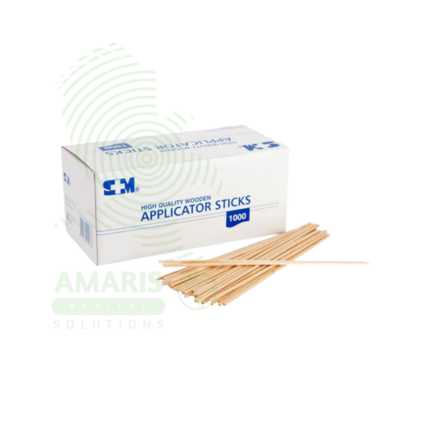
Applicator Sticks
Applicator Sticks are single-use medical devices with absorbent tips (cotton, rayon, flocked polyester) on wood, plastic, or paper shafts for collecting clinical specimens (throat, nasal, wound, cervical, urethral, rectal) for microbiological culture, rapid testing, and molecular diagnostics. Sterile individually wrapped or non-sterile bulk formats. Flocked swabs provide >90% specimen release for PCR testing. Primary applications include specimen collection for infection diagnosis, wound care and antiseptic application, gynecological sampling (Pap smears, STI testing), eye/ear specimen collection, laboratory slide preparation, and forensic evidence collection. Critical precautions include single-use only, sterile technique, proper collection method, and biohazard disposal. Essential consumable in all clinical settings.
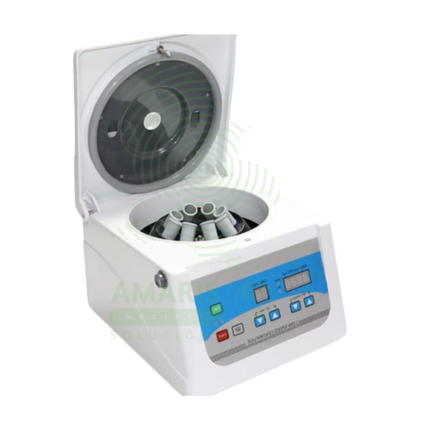
Electric Centrifuge
An Electric Centrifuge is a Class I medical device that uses rapid rotation to separate fluids of different densities, essential in clinical laboratories for processing blood, urine, and other biological specimens. Available in benchtop, refrigerated, microcentrifuge, hematocrit, and high-speed models with fixed-angle, swinging-bucket, or vertical rotors. Speed range 1,000-30,000+ RPM with RCF up to 65,000+ x g. Features include brushless induction motor, digital controls, imbalance detection, lid lock safety, and programmable protocols. Primary clinical applications include separation of serum/plasma for chemistry and hematology testing, urine sediment analysis for microscopy, platelet-rich plasma (PRP) preparation for regenerative medicine, concentration of bacteria for microbiology, cytology fluid analysis, blood banking, and molecular biology sample processing. Critical safety precautions include proper balancing of loads (weight matching), use of sealed rotors for biohazardous samples, regular rotor inspection for corrosion or cracks, never exceeding maximum rated speed, and never opening lid during operation. Essential equipment in clinical, research, and teaching laboratories.
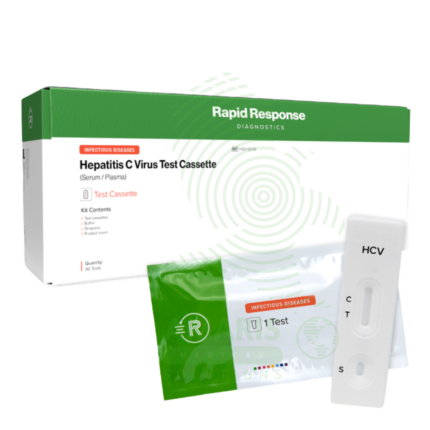
Hepatitis C Test Kit
The Hepatitis C Test Kit is an in vitro diagnostic device for the detection of Hepatitis C virus antibodies or RNA in human blood, serum, or plasma samples. Available in rapid, laboratory immunoassay, and molecular formats, it screens for HCV infection, confirms active infection with RNA testing, and monitors treatment response. With high sensitivity and specificity exceeding 99%, it is essential for identifying infected individuals, linking them to curative direct-acting antiviral therapy, and confirming cure. Essential applications include risk-based screening of high-risk populations, birth cohort screening of baby boomers, evaluation of acute hepatitis, management of occupational exposures, and monitoring of antiviral therapy that can cure over 95% of infections. All patient samples must be handled with universal precautions, and positive antibody results require confirmatory testing.
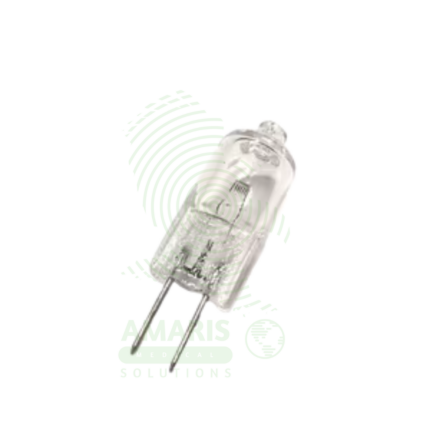
Microscope Bulb
A Microscope Bulb is a specialized halogen or LED lamp that serves as the essential illumination source for clinical and laboratory microscopes. Providing the bright, stable, and color-corrected light required for diagnostic visualization of specimens, it is a critical consumable component. Its technical specifications—voltage, wattage, base type, and filament alignment—must precisely match the microscope model. Proper handling (using gloves to avoid oil contamination) and adherence to safety protocols (allowing cooling, disconnecting power) are crucial for safe replacement and optimal bulb lifespan. Maintaining spares is vital to prevent operational downtime in diagnostic laboratories.
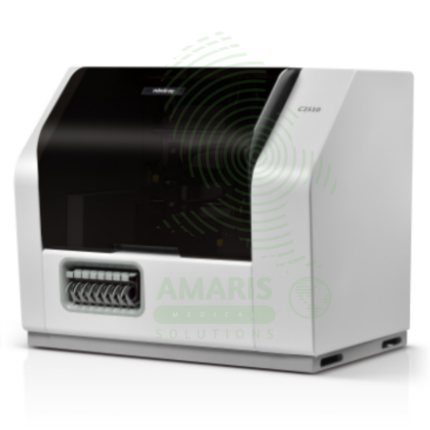
PRECIL Series
The PRECIL Series, originally developed by Beijing Precil and now associated with Mindray, comprises specialized coagulation analyzers and hemorheology analyzers for clinical laboratory testing. Coagulation analyzers measure PT, APTT, fibrinogen, TT, D-dimer, factor assays, and thrombophilia markers for diagnosing bleeding disorders, monitoring anticoagulant therapy, and assessing liver function. Hemorheology analyzers measure whole blood viscosity, plasma viscosity, erythrocyte aggregation, and deformability for evaluating hyperviscosity syndromes, sickle cell disease, diabetes, and cardiovascular disorders. The series includes specialized cleaning solutions and reagents (such as PLS cleaner) for maintaining analyzer performance and ensuring accurate results. Features include automated sample processing, color touchscreen interface, LIS connectivity, and comprehensive quality control programs. Primary clinical applications include coagulation testing for preoperative assessment, anticoagulant monitoring, DIC diagnosis, thrombophilia workup, and hemorheology assessment for conditions affecting blood flow. Essential laboratory instrumentation for hematology, coagulation, and specialized testing in hospital laboratories, reference laboratories, and research facilities.
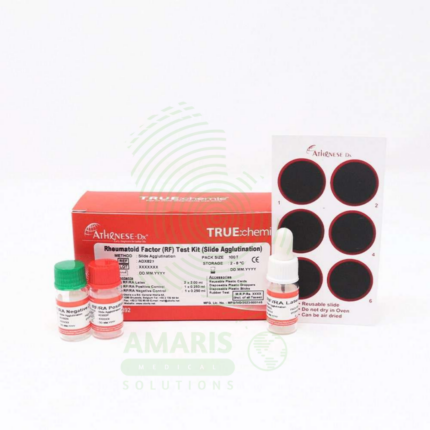
Rheumatoid factor
Rheumatoid Factor (RF) testing is a quantitative or semi-quantitative serological assay (nephelometry, turbidimetry, latex agglutination, or ELISA) for detecting autoantibodies against the Fc portion of immunoglobulin G, primarily of the IgM isotype. RF is a key marker in the ACR/EULAR classification criteria for rheumatoid arthritis, with sensitivity 60-80% and specificity 70-90%. Test requires serum samples; results reported in IU/mL (reference <15-20 IU/mL) or titer. Primary clinical applications include diagnosis and classification of rheumatoid arthritis, prognostic assessment (high-titer RF correlates with severe, erosive disease), differential diagnosis of inflammatory arthritis, monitoring disease activity, diagnosis of Sjögren's syndrome, evaluation of mixed cryoglobulinemia (hepatitis C-associated), and assessment of other autoimmune and chronic inflammatory conditions. Critical safety precautions include awareness of false positives (other autoimmune diseases, chronic infections, healthy elderly), false negatives (seronegative RA 20-30%), need for clinical correlation, and anti-CCP antibody testing to improve diagnostic accuracy. Essential test for rheumatology practice, autoimmune disease evaluation, and differential diagnosis of inflammatory arthritis.
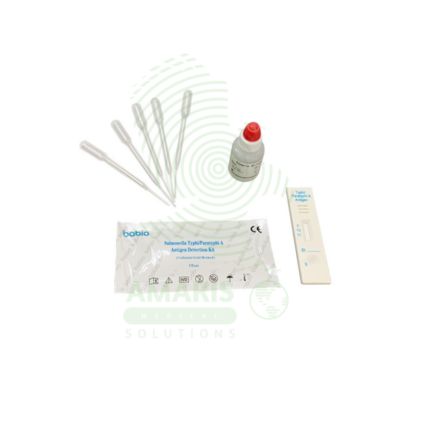
Salmonella Typhi Test Peratop
The Salmonella typhi test peratop is a CE-marked rapid immunochromatographic assay for qualitative detection of IgG and IgM antibodies to Salmonella enterica serotype Typhi in human serum, plasma, or whole blood, providing results in 15-20 minutes. The test uses recombinant S. typhi antigens immobilized on a membrane to capture specific antibodies, with separate lines for IgG and IgM interpretation. The kit includes individually foil-wrapped test cassettes, sample diluent, disposable pipettes, and package insert. Primary clinical applications include rapid diagnosis of typhoid fever in endemic regions (Indian subcontinent, Southeast Asia, Africa, South America), differentiation of acute (IgM positive) from past infection (IgG only), outbreak investigation and control, screening in febrile patients, travel medicine assessment, antibiotic stewardship, and maternal/child health in endemic areas. Critical safety precautions include proper specimen handling (universal precautions), quality control verification, awareness of window period (repeat testing if early infection suspected), and clinical correlation of results. Essential rapid test for typhoid fever diagnosis in resource-limited and endemic settings.