Dermatoscope and Magnifiers
 Diagnostic Kits
 Vital Signs Monitors
 Stethoscopes and Accessories
 Otoscopes, Ophthalmoscopes, and Retinoscopes
 Reflex Hammers and Neurological Tools
 Scales and Measuring Devices
 Spirometers and Pulmonary Function Tests
 Electrosurgical Units and Accessories
 Cutting Instruments
 Grasping and Holding Instruments
 Hemostatic Instruments
 Specialized Surgical Sets
 Single-Use Procedure Trays and Packs
 Surgical Drapes, Gowns, and Covers
 Tissue Unifying Instruments
 Radiation Protection
 X-Ray Machines and Accessories
 Ultrasound Systems and Probes
 MRI and CT Scanners
 Radiology Consumables
 Bone Densitometers
 Fluoroscopy Equipment
 Imaging Tables and Positioning Aids
 Microscopes and Accessories
 Centrifuges and Separators
 Analyzers
 Incubators and Ovens
 Pipettes, Dispensers, and Lab Glassware
 Refrigerators, Freezers, and Storage Units
 Lab Consumables
 Sterilizers and Autoclaves for Lab Use
 Multi-Parameter Monitors
 Ventilators and Respiratory Support Devices
 Defibrillators and AEDs
 Infusion Pumps and IV Systems
 Patient Warmers and Cooling Devices
 Central Monitoring Stations
 Accessories
 Anesthesia Machines and Workstations
 Oxygen Concentrators and Delivery Systems
 Nebulizers and Inhalers
 CPAP/BiPAP Machines
 Airway Management
 Anesthesia Masks, Circuits, and Bags
 Humidifiers and Heaters
 Respiratory Therapy Accessories
 First Aid Kits and Cabinets
 Emergency Resuscitation Equipment
 Trauma Supplies
 Emergency Carts and Crash Carts
 Burn Care Products
 Bleeding Control
 Automated External Defibrillators (AEDs)
 Transport and Evacuation
 Wheelchairs and Accessories
 Walkers, Crutches, and Canes
 Prosthetics and Orthotics
 Physical Therapy Equipment
 Transfer Devices
 Bathroom Safety
 Orthopedic Traction and Tables
 Hot/Cold Therapy Packs and Units
 Beds and Mattresses
 Chairs and Stools
 Tables
 Cabinets and Storage
 Privacy Screens & Curtains
 Stands and Racks
 Linens and Textiles
 Lighting
 Autoclaves and Sterilizers
 Ultrasonic Cleaners
 Disinfectant Solutions and Wipes
 Sterilization Pouches, Wraps, and Indicators
 Instrument Trays and Containers
 UV and Ozone Disinfection Devices
 Washer Disinfectors
 Wound Care
 Gloves
 Masks and Respirators
 Catheters and Tubing
 Swabs, Applicators, and Sponges
 Incontinence Products
 Personal Protective Equipment (PPE)
 Dental Chairs and Units
 Handpieces and Burs
 Instruments
 Consumables
 Sterilization for Dental Use
 Orthodontic Supplies
 Endodontic Tools
 Slit Lamps and Tonometers
 Lensometers and Phoropters
 Ophthalmic Surgical Instruments
 Eyewear Frames and Lenses
 Contact Lens Supplies
 Vision Testing Charts and Devices
 Eye Care Consumables
 Laser Systems for Eye Care
 ENT Exam Chairs and Tables
 Endoscopes
 Audiometers and Hearing Tests
 ENT Instruments
 Nasal and Throat Packs
 Hearing Aids and Accessories
 Otology Supplies
 Fetal Dopplers and Monitors
 Delivery Beds and Tables
 Gynecological Instruments
 Neonatal Incubators and Warmers
 Breast Pumps and Accessories
 Contraceptive Devices
 Maternity Supports and Pads
 Neonatal Consumables
 Cystoscopes and Urethroscopes
 Dialysis Machines and Supplies
 Urological Catheters and Bags
 Lithotripters
 Prostate Treatment Devices
 Urinary Incontinence Products
 Kidney Stone Management Tools
 Consumables & Disposables
 EEG and EMG Machines
 Neurosurgical Instruments
 Nerve Stimulators
 Headrests and Positioning Aids
 Lumbar Puncture Kits
 Seizure Monitoring Devices
 Consumables
 Rehabilitation for Neurological Conditions
 ECG Machines and Accessories
 Holter Monitors
 Stress Test Systems
 Pacemakers and Defibrillator Accessories
 Vascular Access Devices
 Cardiac Catheters and Guidewires
 Blood Flow Meters
 Consumables
 Orthopedic Instruments
 Casts, Splints, and Padding
 Joint Replacement Supplies
 Prosthetic Limbs and Components
 Bone Grafts and Substitutes
 Traction Devices
 Orthopedic Braces and Supports
 Rehabilitation Aids for Orthopedics
 Home Oxygen Therapy
 Hospital Beds for Home Use
 Mobility Aids
 Bathroom and Daily Living Aids
 Wound Care for Home
 Monitoring Devices
 Enteral Feeding Pumps and Tubes
 Hand Sanitizers and Dispensers
 Face Shields and Goggles
 Isolation Gowns and Suits
 Biohazard Waste Containers
 Air Purifiers and HEPA Filters
 Surface Disinfectants
 Sharps Containers
 Protective Barriers
 Cardiovascular & Endurance Training
 Strength Training & Weightlifting
 Functional Training & Core Conditioning
 Physical Therapy & Rehabilitation
 Sports & Outdoor Recreation
 Gym Flooring & Facility Equipment
 Fitness Monitoring & Accessories
 Kids & Novelties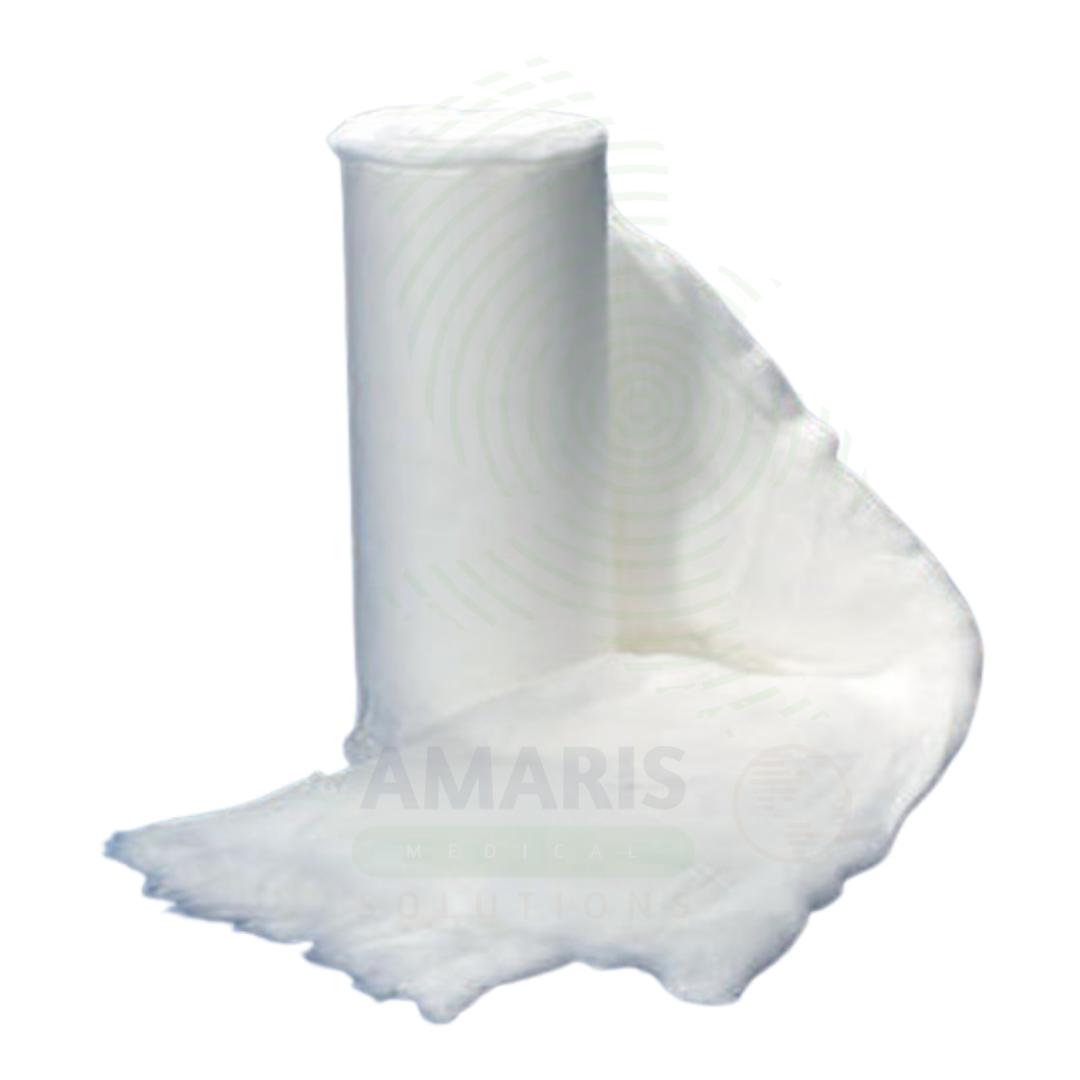
Cotton Wool
$1.00
WhatsApp Order
Cotton Wool is purified, absorbent cotton fiber used for wound cleansing, medication application, fluid absorption, and specimen collection in healthcare settings. Available in various forms including balls, rolls, swabs, and pellets, it is an essential consumable for hospitals, clinics, dental offices, and laboratories.
Description
Cotton Wool
PRIMARY CLINICAL & DIAGNOSTIC USES
1. Wound Cleansing and Preparation
-
Primary Use: Used for cleaning wounds, applying antiseptic solutions, and preparing the skin before procedures. The soft, absorbent fibers allow gentle cleansing without causing trauma to delicate tissues.
-
How it helps: For the nurse and wound care clinician, cotton wool provides a gentle, absorbent tool for wound preparation—allowing for thorough cleaning while minimizing tissue trauma. For the patient, this means wounds are cleaned effectively with minimal discomfort.
2. Application of Topical Medications and Antiseptics
-
Primary Use: Used to apply topical medications, antiseptics, and skin preparations to intact skin, wounds, and mucous membranes. The absorbent fibers hold solutions effectively and allow controlled application.
-
How it helps: For the healthcare provider, cotton wool provides a convenient applicator for topical agents—ensuring even, controlled application. For the patient, this means medications and antiseptics are applied efficiently without waste or mess.
3. Absorption of Blood and Body Fluids
-
Primary Use: Provides high absorbency for soaking up blood, exudate, and other body fluids during procedures, wound care, and specimen collection.
-
How it helps: For the clinical team, cotton wool’s absorbent properties allow rapid absorption of fluids during procedures—maintaining a clear field and containing fluids. For the patient, this means procedures can be performed efficiently with better visualization.
4. Dental and Oral Care
-
Primary Use: Used in dental procedures for moisture control, application of topical anesthetics, and placement in extraction sockets for hemostasis. Cotton wool rolls and pellets are essential for maintaining a dry field during dental treatments.
-
How it helps: For the dentist and dental hygienist, cotton wool provides a versatile tool for moisture control and medication application—enabling precise, effective dental care. For the patient, this means more comfortable, successful dental procedures.
5. Specimen Collection and Microbiology
-
Primary Use: Used to collect and transport specimens for microbiological analysis, including wound swabs, throat swabs, and other diagnostic samples. Sterile cotton swabs are essential for obtaining uncontaminated specimens.
-
How it helps: For the laboratory technician and clinician, sterile cotton swabs provide a reliable method for specimen collection—ensuring accurate diagnostic results. For the patient, this means proper specimen collection leads to accurate diagnosis and appropriate treatment.
SECONDARY & SUPPORTIVE USES
1. Cosmetic and Skincare: Used for applying toners, removing makeup, and gentle facial cleansing.
2. Instrument Cleaning: Used to clean and dry delicate instruments and equipment.
3. Padding and Cushioning: Provides soft padding under splints, casts, and medical devices to prevent pressure injuries.
4. Spill Containment: Used to absorb small spills of liquids in clinical settings.
5. Patient Hygiene: Used for perineal care, oral care, and general patient hygiene.
6. Pharmacy Compounding: Used in pharmaceutical compounding for cleaning and preparation.
KEY PRODUCT FEATURES
1. BASIC IDENTIFICATION ATTRIBUTES
-
Product Type: Purified, absorbent cotton fiber used for medical and clinical applications.
-
Designation: Cotton Wool, Absorbent Cotton, Purified Cotton, Medical Cotton, Cotton Balls.
-
Forms:
-
Cotton Balls: Pre-formed balls for general use.
-
Cotton Rolls: Continuous rolls for larger applications.
-
Cotton Swabs: Sterile swabs on sticks for specimen collection.
-
Cotton Pellets: Small compressed balls for precise application.
-
-
Key Components:
-
Cotton Fiber: Purified, absorbent cotton.
-
Packaging: Sterile or non-sterile packaging.
-
2. TECHNICAL & PERFORMANCE PROPERTIES
-
Absorbency: High absorbency for fluids.
-
Purity: Purified, free from impurities and contaminants.
-
Sterility: Sterile options available for wound care and specimen collection.
-
Lint-Free: Low-lint options available.
-
Material: 100% cotton; biodegradable.
-
Latex-Free: Naturally latex-free.
3. PHYSICAL & OPERATIONAL PROPERTIES
-
Construction: Soft, flexible fibers.
-
Absorption Rate: Rapid fluid absorption.
-
Packaging: Available in various sizes and packaging configurations.
-
Portability: Lightweight for easy storage and transport.
4. SAFETY & COMPLIANCE ATTRIBUTES
-
Regulatory Status: Class I medical device.
-
Biocompatibility: Materials safe for skin contact.
-
Sterility: Validated sterilization process for sterile products.
-
Purity: Meets pharmacopoeia standards for purified cotton.
5. STORAGE & HANDLING ATTRIBUTES
-
Storage: Store in a clean, dry location; protect from moisture.
-
Sterility Maintenance: For sterile products, do not use it if the package is opened or damaged.
-
Shelf Life: 2-5 years depending on packaging.
-
Disposal: Dispose as medical waste if contaminated.
6. LABORATORY & CLINICAL APPLICATIONS
-
Primary Application: Wound care, medication application, and specimen collection.
-
Clinical Role: Essential consumable in hospitals, clinics, dental offices, and laboratories.
SAFETY HANDLING PRECAUTIONS
1. SAFETY PRECAUTIONS
-
Sterile Use: Use sterile cotton for wound care and specimen collection.
-
Lint Control: Use low-lint cotton for procedures where lint contamination is a concern.
-
Proper Disposal: Dispose of contaminated cotton in appropriate waste containers.
-
Storage: Store in a clean, dry location to maintain integrity.
2. FIRST AID MEASURES
-
Foreign Body: If cotton fibers enter a wound, remove gently with sterile forceps.
-
Allergic Reaction: If allergic reaction occurs, discontinue use; seek medical attention.
3. FIRE FIGHTING MEASURES
-
Flammability: Cotton is highly combustible.
-
Extinguishing Media: Use water, foam, or CO₂ as appropriate for surrounding materials.
Related products
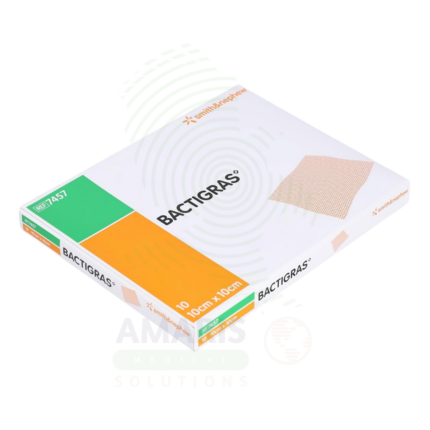
Bactigras Pack
Bactigras pack is a sterile, antiseptic-impregnated paraffin tulle gras dressing manufactured by Smith & Nephew. It consists of an open-weave leno cotton gauze impregnated with white soft paraffin BP containing chlorhexidine acetate BP 0.5% w/w. This combination provides a soothing, low-adherent primary wound dressing that releases broad-spectrum antiseptic activity against gram-positive and gram-negative bacteria, including MRSA, while allowing exudate to drain freely into a secondary absorbent dressing. For the clinician, Bactigras offers a reliable, ready-to-use solution for preventing and treating infection in minor burns, scalds, lacerations, abrasions, donor/recipient graft sites, and ulcerative wounds. For the patient, the low-adherent paraffin base ensures pain-free dressing changes, while the antiseptic component protects against infection, promoting faster healing and reducing complications. Available in multiple sizes from 5cm x 5cm to 10cm x 40cm, each dressing is individually wrapped and sterile.
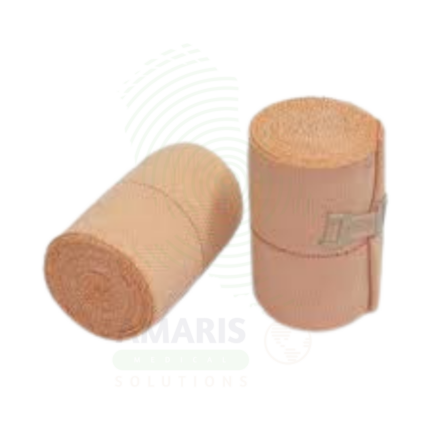
Medical Crepe
Medical Crepe is a lightweight, conformable, woven cotton bandage designed for securing wound dressings, providing light compression, and supporting injured joints and limbs. Featuring a characteristic crepe weave with limited stretch, this breathable bandage conforms to body contours without restricting circulation—making it ideal for wrapping around limbs, joints, and irregular surfaces. Available in widths from 5cm to 20cm and standard 4.5-meter lengths, medical crepe is a versatile, non-sterile bandage used across clinical settings. For the clinician, it provides reliable dressing retention and gentle support for sprains, strains, and soft tissue swelling. For the patient, medical crepes offer comfortable, non-irritating bandaging that allows natural movement while protecting healing tissues and reducing pain.
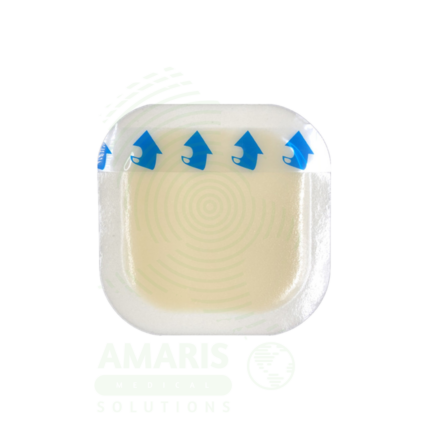
Normal Hydrocolloid Dressing (With Border)
A Normal Hydrocolloid Dressing (With Border) is a sterile, self-adhesive wound dressing consisting of a hydrocolloid matrix (containing gel-forming agents such as sodium carboxymethylcellulose, pectin, and gelatin) applied to a waterproof yet breathable polyurethane backing, with an extended hypoallergenic adhesive border for secure fixation . Specifically indicated for light to moderately exuding wounds, this dressing is used for the management of pressure ulcers (Stage II-IV), venous leg ulcers, diabetic foot ulcers, superficial burns (first and second degree), donor sites, post-operative surgical wounds, abrasions, and traumatic wounds .
Upon contact with wound exudate, the hydrocolloid particles absorb fluid and swell, forming a cohesive, opaque gel that maintains a moist microenvironment over the wound bed. This moist environment prevents desiccation of epidermal cells, facilitates autolytic debridement, supports granulation tissue formation, and prevents the dressing from adhering to the wound, significantly reducing pain during dressing changes and minimizing trauma to newly formed tissue . The bordered, self-adhesive design eliminates the need for secondary taping, and special shapes (square, rectangular, concave for heels/elbows, and sacral for the coccyx) are available for secure fixation on challenging anatomical locations .
The dressing remains in place for up to 7 days depending on exudate levels, reducing the frequency of dressing changes, lowering material costs, and minimising disturbance to the healing wound . The waterproof outer layer allows patients to shower and bathe without removing the dressing, and the dressing can be cut to size for irregular wounds . For the clinician, this dressing offers a proven, cost-effective, and versatile solution for managing a wide range of chronic and acute wounds through established moist wound healing principles. For the patient, it provides secure, comfortable, waterproof protection, reduced pain during dressing changes, and the convenience of extended wear, supporting uninterrupted daily activities and promoting faster, cosmetically favourable healing.
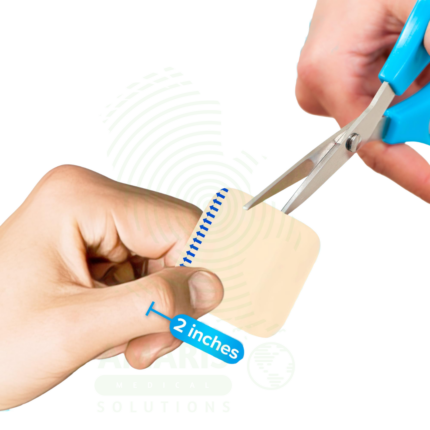
Normal Hydrocolloid Dressing (Without Border)
A Normal Hydrocolloid Dressing (Without Border) is a sterile, adhesive, wafer-type wound dressing composed of a hydrocolloid matrix (containing gel-forming agents such as carboxymethylcellulose, gelatin, and pectin) applied to a breathable polyurethane carrier film . Specifically indicated for low to moderately exuding partial to full-thickness wounds—including pressure ulcers (Stage 1-4), venous leg ulcers, diabetic foot ulcers, donor sites, superficial burns (1st and 2nd degree), postoperative wounds, and skin abrasions—this dressing promotes healing through moist wound therapy principles .
Upon contact with wound exudate, the hydrocolloid particles absorb fluid and swell, forming a cohesive, opaque gel (visible as a "healing capsule") that maintains a moist microenvironment, prevents desiccation of epidermal cells, and facilitates autolytic debridement . The waterproof polyurethane backing provides a protective barrier against external contaminants, including bacteria and water, while remaining breathable to allow moisture vapor transmission. The borderless design allows the dressing to be cut to size for irregular wound shapes .
The dressing is designed for extended wear, remaining in place for 3 to 7 days depending on wound type and exudate level, which reduces the frequency of dressing changes, minimizes trauma to the wound bed, and lowers healthcare costs . The beveled edges minimize rolling and edge lift, extending wear time even in high-friction areas .
For the wound care nurse and clinician, the Normal Hydrocolloid Dressing (Without Border) provides a versatile, cost-effective, and evidence-based solution for managing a wide range of acute and chronic wounds through the established benefits of moist wound healing. For the patient, this dressing offers effective exudate management, pain reduction during dressing changes, waterproof protection during bathing, and improved cosmetic outcomes due to reduced scabbing and scarring .
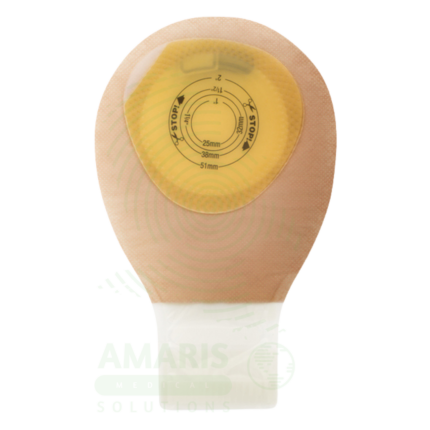
One piece Ostomy bag (Pediatrics) – Velcro type for Child (Drainable)
The One piece Ostomy bag (Pediatrics) - Velcro type for Child (Drainable) is a disposable, single-unit medical appliance specifically designed for the collection and management of intestinal effluent (stool) following ileostomy or colostomy surgery in children . This pediatric-specific ostomy system combines a soft, gentle hydrocolloid skin barrier and a collection pouch into a seamless, one-piece design, featuring a Velcro (hook-and-loop) closure at the drainage end for easy, hygienic emptying by parents, caregivers, or older children .
The pediatric drainable pouch is significantly shorter than adult models (typically 6.5-8 inches in length, 300-400 mL capacity) and features a cut-to-fit skin barrier (typically 15-40mm diameter) that accommodates the stomas of growing children . The soft hydrocolloid adhesive is specially formulated for sensitive pediatric skin, providing secure fixation while allowing atraumatic removal without causing skin tears or irritation .
Constructed with multi-layer, odor-proof film and covered with soft, breathable, non-rustling non-woven fabric, the pouch includes an integrated low-profile activated charcoal filter that allows flatus to escape while containing odor, preventing visible "ballooning" that can be distressing for school-aged children . Many pediatric pouches feature child-friendly designs—teddy bear prints, animal themes, or koala comfort panels—along with a "split back" fabric design that allows caregivers to inspect the stoma without removing the pouch .
The Velcro-type drainable design allows caregivers or older children to empty the pouch 4-6 times daily without changing the entire appliance . This reduces skin trauma from frequent full changes, lowers supply costs, and enables more normal daily routines for the child and family. The simple Velcro closure is easy for parents to learn and for older children to operate independently, supporting the child's growing autonomy and successful hospital-to-home transition after pediatric ostomy surgery.
For the pediatric surgeon and stoma care nurse, the pediatric one-piece drainable system simplifies post-operative management for children with congenital anomalies (imperforate anus, Hirschsprung's disease), necrotizing enterocolitis (NEC), inflammatory bowel disease, or traumatic bowel injury requiring temporary or permanent fecal diversion . For the child and family, this appliance provides security, skin protection, dignity, and the opportunity for full participation in age-appropriate activities—including play, school, swimming, and sports—with minimal disruption to daily life .
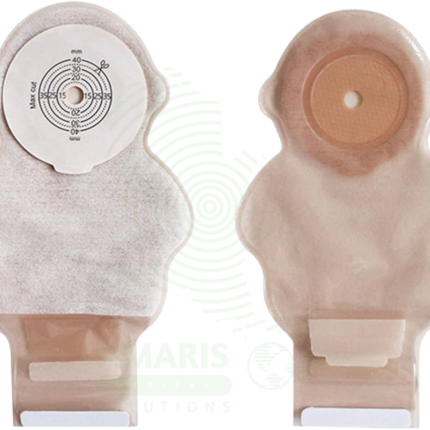
One piece Ostomy bag (Pediatrics) – Velcro type for infant (Drainable)
The One piece Ostomy bag (Pediatrics) - Velcro type for infant (Drainable) is a disposable, single-unit medical appliance specifically designed for the collection and management of intestinal effluent (stool) following ileostomy or colostomy surgery in infants and young children . This pediatric-specific ostomy system combines a soft, gentle hydrocolloid skin barrier and a collection pouch into a seamless, one-piece design, featuring a Velcro (hook-and-loop) closure at the drainage end for easy, hygienic emptying by parents or caregivers .
The pediatric drainable pouch is significantly smaller than adult models (neonatal capacity approximately 190 mL) and features a cut-to-fit skin barrier (typically 10-40mm diameter) that accommodates the tiny stomas of infants and growing children . The soft hydrocolloid adhesive is specially formulated for fragile, sensitive pediatric skin, providing secure fixation while allowing atraumatic removal without causing skin tears or irritation .
Constructed with multi-layer, 100% odor-proof film and covered with soft, breathable, non-rustling non-woven fabric, the pouch includes an integrated low-profile activated charcoal filter that allows flatus to escape while containing odor, preventing visible "ballooning" and "pancaking" that can be distressing for older children . Many pediatric pouches feature child-friendly designs—teddy bear prints, animal themes, or cartoon patterns—along with a "split back" fabric design that allows caregivers to inspect the stoma without removing the pouch .
The Velcro-type drainable design allows caregivers to empty the pouch 4-6 times daily without changing the entire appliance . This reduces skin trauma from frequent full changes, lowers supply costs, and enables more normal daily routines for the child and family. The simple Velcro closure is easy for parents to learn and manage, supporting successful hospital-to-home transition after pediatric ostomy surgery .
For the pediatric surgeon and stoma care nurse, the pediatric one-piece drainable system simplifies post-operative management for infants with congenital anomalies (imperforate anus, Hirschsprung's disease), necrotizing enterocolitis (NEC), or traumatic bowel injury requiring temporary or permanent fecal diversion . For the child and family, this appliance provides security, skin protection, dignity, and the opportunity for full participation in age-appropriate activities—including play, school, swimming, and sports—with minimal disruption to daily life .
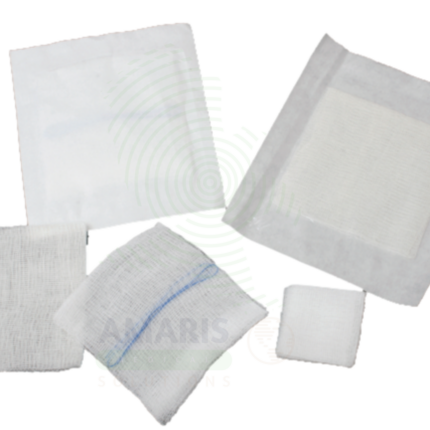
Sterile Gauze Sponges
Sterile Gauze Sponges are single-use, absorbent textile products used for wound cleansing, fluid absorption, wound packing, and barrier protection in medical and surgical settings. Available in woven 100% cotton or non-woven fabric, these sponges come in various sizes from 2x2 inches to 8x8 inches, with ply counts ranging from 2-ply to 16-ply depending on absorbency requirements. Sterilized by ethylene oxide or gamma irradiation, they are supplied in individually wrapped sterile packages to maintain sterility until point of use. X-ray detectable options with radiopaque thread are available for surgical applications to prevent retained sponge incidents. For the clinician, sterile gauze sponges provide reliable, consistent performance for wound management, surgical preparation, and post-operative care. For the patient, they support optimal wound healing by maintaining a clean environment, absorbing excess fluid, and protecting the wound from contamination.