Dermatoscope and Magnifiers
 Diagnostic Kits
 Vital Signs Monitors
 Stethoscopes and Accessories
 Otoscopes, Ophthalmoscopes, and Retinoscopes
 Reflex Hammers and Neurological Tools
 Scales and Measuring Devices
 Spirometers and Pulmonary Function Tests
 Electrosurgical Units and Accessories
 Cutting Instruments
 Grasping and Holding Instruments
 Hemostatic Instruments
 Specialized Surgical Sets
 Single-Use Procedure Trays and Packs
 Surgical Drapes, Gowns, and Covers
 Tissue Unifying Instruments
 Radiation Protection
 X-Ray Machines and Accessories
 Ultrasound Systems and Probes
 MRI and CT Scanners
 Radiology Consumables
 Bone Densitometers
 Fluoroscopy Equipment
 Imaging Tables and Positioning Aids
 Microscopes and Accessories
 Centrifuges and Separators
 Analyzers
 Incubators and Ovens
 Pipettes, Dispensers, and Lab Glassware
 Refrigerators, Freezers, and Storage Units
 Lab Consumables
 Sterilizers and Autoclaves for Lab Use
 Multi-Parameter Monitors
 Ventilators and Respiratory Support Devices
 Defibrillators and AEDs
 Infusion Pumps and IV Systems
 Patient Warmers and Cooling Devices
 Central Monitoring Stations
 Accessories
 Anesthesia Machines and Workstations
 Oxygen Concentrators and Delivery Systems
 Nebulizers and Inhalers
 CPAP/BiPAP Machines
 Airway Management
 Anesthesia Masks, Circuits, and Bags
 Humidifiers and Heaters
 Respiratory Therapy Accessories
 First Aid Kits and Cabinets
 Emergency Resuscitation Equipment
 Trauma Supplies
 Emergency Carts and Crash Carts
 Burn Care Products
 Bleeding Control
 Automated External Defibrillators (AEDs)
 Transport and Evacuation
 Wheelchairs and Accessories
 Walkers, Crutches, and Canes
 Prosthetics and Orthotics
 Physical Therapy Equipment
 Transfer Devices
 Bathroom Safety
 Orthopedic Traction and Tables
 Hot/Cold Therapy Packs and Units
 Beds and Mattresses
 Chairs and Stools
 Tables
 Cabinets and Storage
 Privacy Screens & Curtains
 Stands and Racks
 Linens and Textiles
 Lighting
 Autoclaves and Sterilizers
 Ultrasonic Cleaners
 Disinfectant Solutions and Wipes
 Sterilization Pouches, Wraps, and Indicators
 Instrument Trays and Containers
 UV and Ozone Disinfection Devices
 Washer Disinfectors
 Wound Care
 Gloves
 Masks and Respirators
 Catheters and Tubing
 Swabs, Applicators, and Sponges
 Incontinence Products
 Personal Protective Equipment (PPE)
 Dental Chairs and Units
 Handpieces and Burs
 Instruments
 Consumables
 Sterilization for Dental Use
 Orthodontic Supplies
 Endodontic Tools
 Slit Lamps and Tonometers
 Lensometers and Phoropters
 Ophthalmic Surgical Instruments
 Eyewear Frames and Lenses
 Contact Lens Supplies
 Vision Testing Charts and Devices
 Eye Care Consumables
 Laser Systems for Eye Care
 ENT Exam Chairs and Tables
 Endoscopes
 Audiometers and Hearing Tests
 ENT Instruments
 Nasal and Throat Packs
 Hearing Aids and Accessories
 Otology Supplies
 Fetal Dopplers and Monitors
 Delivery Beds and Tables
 Gynecological Instruments
 Neonatal Incubators and Warmers
 Breast Pumps and Accessories
 Contraceptive Devices
 Maternity Supports and Pads
 Neonatal Consumables
 Cystoscopes and Urethroscopes
 Dialysis Machines and Supplies
 Urological Catheters and Bags
 Lithotripters
 Prostate Treatment Devices
 Urinary Incontinence Products
 Kidney Stone Management Tools
 Consumables & Disposables
 EEG and EMG Machines
 Neurosurgical Instruments
 Nerve Stimulators
 Headrests and Positioning Aids
 Lumbar Puncture Kits
 Seizure Monitoring Devices
 Consumables
 Rehabilitation for Neurological Conditions
 ECG Machines and Accessories
 Holter Monitors
 Stress Test Systems
 Pacemakers and Defibrillator Accessories
 Vascular Access Devices
 Cardiac Catheters and Guidewires
 Blood Flow Meters
 Consumables
 Orthopedic Instruments
 Casts, Splints, and Padding
 Joint Replacement Supplies
 Prosthetic Limbs and Components
 Bone Grafts and Substitutes
 Traction Devices
 Orthopedic Braces and Supports
 Rehabilitation Aids for Orthopedics
 Home Oxygen Therapy
 Hospital Beds for Home Use
 Mobility Aids
 Bathroom and Daily Living Aids
 Wound Care for Home
 Monitoring Devices
 Enteral Feeding Pumps and Tubes
 Hand Sanitizers and Dispensers
 Face Shields and Goggles
 Isolation Gowns and Suits
 Biohazard Waste Containers
 Air Purifiers and HEPA Filters
 Surface Disinfectants
 Sharps Containers
 Protective Barriers
 Cardiovascular & Endurance Training
 Strength Training & Weightlifting
 Functional Training & Core Conditioning
 Physical Therapy & Rehabilitation
 Sports & Outdoor Recreation
 Gym Flooring & Facility Equipment
 Fitness Monitoring & Accessories
 Kids & Novelties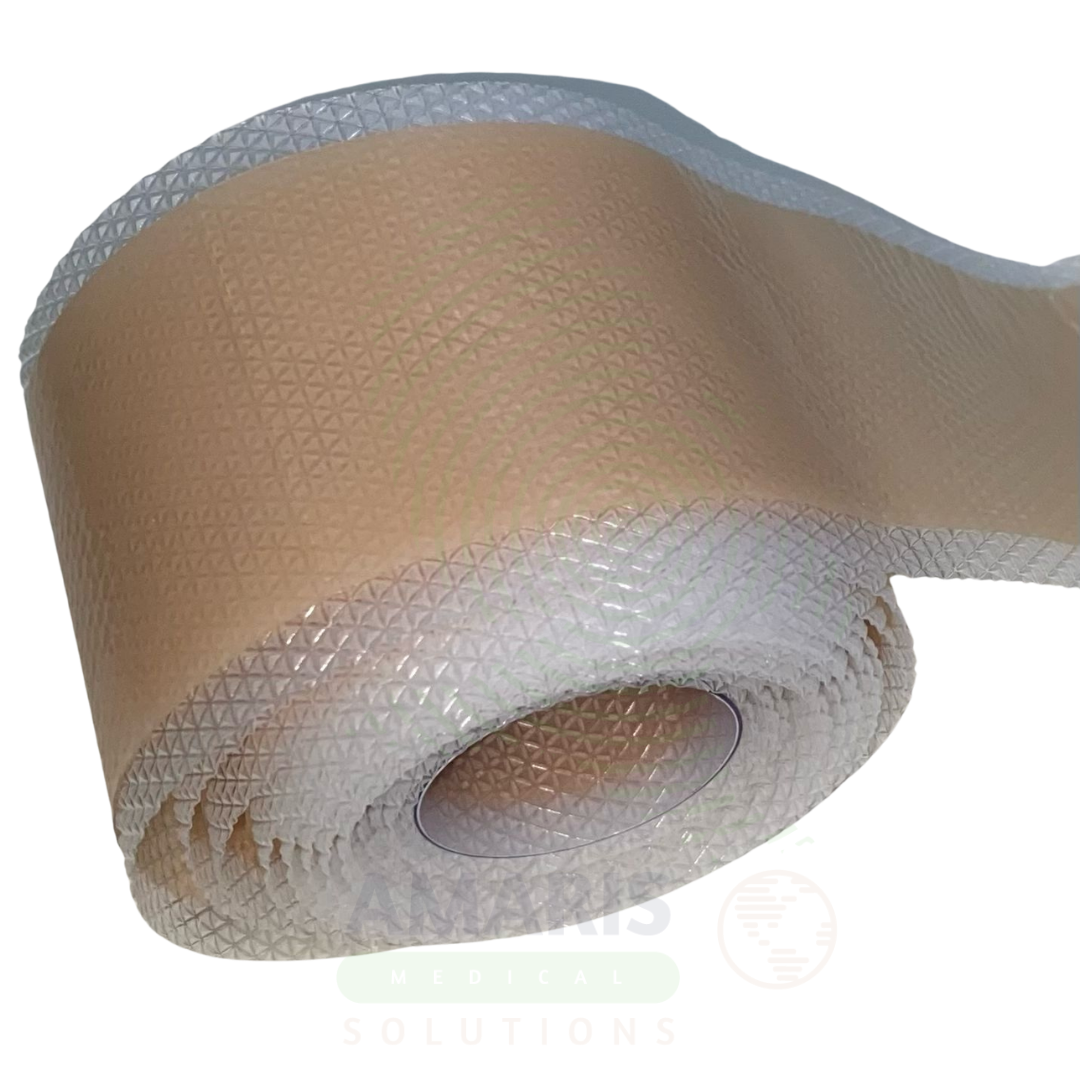
Silicone Scar Gel Sheet
$1.00
WhatsApp Order
Silicone Scar Gel Sheets are sterile or non-sterile, self-adhering, semi-occlusive medical-grade silicone polymer sheets applied directly to healed surgical incisions, traumatic wounds, and burns for the prevention and treatment of hypertrophic scars and keloids. The primary mechanism of action is hydration/occlusion: reducing transepidermal water loss from the scar surface, downregulating fibroblast activity, and promoting normalized collagen deposition. Available in various thicknesses (0.3-3.0 mm), dimensions, and adhesive configurations, with reusable sheets typically worn 12-24 hours daily for 2-6 months. Clinical evidence demonstrates significant reduction in scar height, erythema, pruritus, and pliability, with an excellent safety profile and minimal contraindications. First-line, evidence-based, non-invasive scar therapy recommended by international guidelines. Absolute contraindication is application to open, unhealed wounds.
Description
Silicone Scar Gel Sheet
PRIMARY CLINICAL & DIAGNOSTIC USES
1. Prevention and Treatment of Hypertrophic Scars and Keloids
-
Primary Use: Prevents the formation of and reduces the appearance of raised, red, thickened scars resulting from surgery, trauma, burns, or acne, creating an optimal healing environment that flattens, softens, and fades scars while relieving associated symptoms of itching and discomfort.
-
How it helps: For the plastic surgeon, dermatologist, and wound care specialist, silicone scar sheets are the gold standard non-invasive intervention for scar management—providing a simple, effective method to modulate the healing process, reduce excessive collagen deposition, and improve both functional and cosmetic outcomes. For the patient healing from surgery, burn, or injury, silicone sheets applied during the critical remodeling phase mean their scar has the best chance to heal flat, soft, and inconspicuous rather than raised, red, and itchy.
2. Post-Surgical Scar Management
-
Primary Use: Applied to surgical incisions following wound closure and epithelialization to minimize scar formation after procedures including cesarean section, joint replacement, cardiothoracic surgery, thyroidectomy, facelifts, and general dermatologic surgery.
-
How it helps: For the surgeon and their patient, silicone scar sheets offer a way to optimize the final appearance of surgical incisions—transforming a potentially unsightly scar into a finer, paler, less noticeable line that better blends with surrounding skin. For the patient who has undergone a procedure with cosmetic implications, from a facelift to a cesarean section, using silicone sheets post-operatively can significantly improve satisfaction with the final result.
3. Burn Scar Rehabilitation
-
Primary Use: Used in the management of both acute and chronic burn scars to improve scar pliability, reduce contracture formation, and enhance functional and cosmetic outcomes in burn survivors.
-
How it helps: For the burn surgeon and rehabilitation team, silicone scar sheets are essential tools in the long-term care of burn survivors—applied to healing burns to maintain flexibility, reduce the tightness that limits movement, and improve the cosmetic appearance of scars that would otherwise be disfiguring. For the burn survivor, regular use of silicone sheets can mean the difference between supple, functional skin and tight, contracting scars that limit motion and cause discomfort.
4. Pediatric Scar Therapy
-
Primary Use: Safe, non-invasive option for scar management in pediatric patients following surgery, burns, or traumatic injuries, with high safety profile and absence of systemic effects.
-
How it helps: For the pediatric surgeon and parents of a child with scars, silicone sheets offer a gentle, well-tolerated intervention that children can wear without discomfort—improving the appearance of scars from congenital anomaly repairs, traumatic injuries, or burn reconstruction without the need for more invasive treatments. For the growing child, early intervention with silicone sheets can prevent scar contractures that might otherwise affect growth and function.
5. Acne Scar Improvement
-
Primary Use: Applied to atrophic or hypertrophic acne scars on the face and trunk to improve texture, color, and overall scar appearance through sustained hydration and collagen remodeling.
-
How it helps: For the dermatologist and aesthetic medicine practitioner, silicone scar sheets provide a non-invasive option for patients troubled by the aftermath of severe acne—softening the texture of depressed scars, flattening raised ones, and improving overall skin appearance without injections, lasers, or surgery. For the patient whose confidence has been affected by acne scarring, silicone sheets offer a path to smoother, more even skin.
6. Traumatic Scar Management
-
Primary Use: Reduces scarring from lacerations, abrasions, animal bites, and other traumatic wounds following complete epithelialization.
-
How it helps: For the emergency physician and primary care provider managing patients with traumatic wounds, prescribing silicone sheets for scar management after healing can significantly improve the cosmetic outcome of injuries that might otherwise leave unsightly reminders. For the patient who has suffered a facial laceration, a dog bite, or a deep abrasion, silicone sheets offer hope that their scar will heal less noticeably.
SECONDARY & SUPPORTIVE USES
1. Symptom Relief of Pruritus and Pain: Provides significant relief from scar-associated itching and discomfort through occlusion and hydration of the stratum corneum, calming nerve endings and reducing inflammatory mediators. For the patient with an itchy, uncomfortable scar, silicone sheets provide welcome relief.
2. Scar Discoloration Improvement: Reduces both erythema and hyperpigmentation in maturing scars, promoting more cosmetically acceptable color matching with surrounding skin. For the patient with a red or dark scar, silicone sheets help it fade to a more natural tone.
3. Contracture Prevention: Maintains scar flexibility and pliability, reducing the risk of joint contractures when applied across scars overlying flexion creases. For the patient with a scar across a joint, silicone sheets help maintain range of motion.
4. Skin Graft and Donor Site Management: Applied to both grafted areas and donor sites following healing to optimize cosmetic outcomes and reduce graft hypertrophy. For the patient who has undergone skin grafting, silicone sheets improve both the graft and the site from which it was taken.
5. Prevention of Recurrence Following Keloid Excision: Used post-operatively following surgical excision of keloids to significantly reduce recurrence rates when combined with other treatment modalities. For the patient prone to keloid formation, silicone sheets offer the best chance of preventing recurrence after excision.
6. Radiation Dermatitis Management: Emerging application in the management of chronic radiation-induced skin fibrosis and scarring in oncology patients. For the cancer survivor with radiation-damaged skin, silicone sheets offer potential for improvement.
KEY PRODUCT FEATURES
1. BASIC IDENTIFICATION ATTRIBUTES
-
Product Type: A sterile or non-sterile, self-adhering, semi-occlusive sheet composed of medical-grade silicone polymer, designed for repeated, extended wear directly over healed scars.
-
Designation: Defined by silicone type, thickness, adhesive backing, durability/reusability, and specialized features.
-
Core Components:
-
Silicone Elastomer Sheet: Cross-linked polydimethylsiloxane (PDMS) or other medical-grade silicone polymer.
-
Adhesive Layer (select models): Pressure-sensitive silicone adhesive for secure, non-irritating attachment.
-
Backing Layer (select models): Reinforcing membrane or fabric backing to enhance durability and handling.
-
Liner: Removable protective film covering adhesive surface prior to application.
-
-
Core Variants:
-
Self-Adhesive Silicone Sheet: Integrated silicone adhesive; adheres directly to skin without additional tape; reusable for 2-4 weeks with proper care.
-
Non-Adhesive Silicone Sheet: Requires fixation with tape or compression garments; less common.
-
Thin/Ultra-Thin Sheet (0.3-1.0 mm): For facial scars, pediatric use, or areas requiring maximum conformability.
-
Standard Thickness Sheet (1.5-3.0 mm): For trunk, extremities, and high-tension areas; greater durability and sustained hydration.
-
Pre-Cut Shapes/Strips: Rectangular, square, or anatomically contoured shapes for specific applications (C-section, sternotomy, joint).
-
Cut-to-Size Sheets: Large sheets trimmed to custom dimensions.
-
Silicone Gel (Alternative Formulation): Topical gel formulation; dries to form invisible silicone film; for facial or visible areas where sheeting is impractical.
-
2. TECHNICAL & PERFORMANCE PROPERTIES
-
Mechanism of Action (Evidence-Based):
-
Hydration / Occlusion: Primary mechanism. The silicone sheet creates a semi-occlusive barrier, reducing transepidermal water loss (TEWL) from the scar surface. Hydrated stratum corneum downregulates fibroblast activity and collagen production, reducing scar hypertrophy.
-
Temperature Regulation: Increases scar surface temperature by 1-2°C, potentially enhancing collagenase activity and remodeling.
-
Static Electricity: Silicone sheet generates static electrical field; may influence collagen alignment and deposition.
-
Pressure: Provides mild, sustained pressure on scar tissue (particularly with thicker sheets and compression garments).
-
Cytokine Modulation: Reduces levels of pro-fibrotic cytokines (TGF-β1, TGF-β2) in scar tissue.
-
-
Water Vapor Transmission Rate (WVTR): Optimal silicone dressings maintain WVTR of 10-30 g/m²/h, providing sufficient occlusion for scar hydration without maceration of surrounding skin.
-
Tensile Strength / Durability: Ability to withstand daily wear, friction from clothing, and repeated removal/reapplication without tearing, fraying, or losing adhesive integrity. Reusable sheets typically maintain performance for 2-4 weeks.
-
Adhesive Integrity: Pressure-sensitive silicone adhesive must:
-
Secure sheet firmly to skin during wear (including sleep, bathing, exercise).
-
Release cleanly without trauma to scar or surrounding skin.
-
Leave no adhesive residue.
-
Maintain tack through multiple reapplication cycles.
-
-
Conformability: Must closely adhere to skin contours, including convex (joints, chin), concave (sternum, medial canthus), and highly mobile surfaces, without lifting, rolling, or gapping.
-
Hypoallergenicity: Medical-grade silicone is biologically inert, non-immunogenic, and non-sensitizing. Silicone adhesive is gentler than acrylic adhesives; suitable for sensitive skin and pediatric use.
3. PHYSICAL & OPERATIONAL PROPERTIES
-
Material: 100% medical-grade silicone elastomer (polydimethylsiloxane, PDMS). May contain silica filler for reinforcement. No latex, no phthalates, no plasticizers.
-
Thickness: Range 0.3 mm (ultra-thin, facial) to 3.0 mm (high-compression, trunk/extremities).
-
Dimensions (Sheets/Strips):
-
Standard Sheets: 3 cm × 12 cm, 4 cm × 12 cm, 6 cm × 12 cm, 10 cm × 18 cm, 15 cm × 20 cm.
-
Pre-Cut Strips: 2 cm × 15 cm, 3 cm × 15 cm (C-section, sternotomy).
-
Large Sheets: up to 20 cm × 30 cm (burn scars, large surface areas).
-
-
Color: Transparent, translucent, or flesh-toned. Some products tinted for reduced visibility.
-
Tactile Properties: Soft, pliable, smooth surface. Mimics skin-like texture.
-
Washability: Reusable sheets must tolerate gentle daily cleansing with mild soap and water; air dry; reapply. Maintain adhesive performance through multiple wash cycles.
-
Packaging: Sterile or non-sterile, individually sealed in peel-pouches or rigid trays. Multi-packs available.
4. SAFETY & COMPLIANCE ATTRIBUTES
-
Regulatory Standards:
-
FDA Classification: Class I medical device (510(k) exempt) for scar management.
-
ISO 10993: Biocompatibility testing (cytotoxicity, sensitization, irritation).
-
ASTM D3577: Not directly applicable; reference standards for silicone elastomers.
-
CE Marking: Required for European market (Class I).
-
Health Canada MDL: Class I medical device license.
-
-
Biocompatibility: Medical-grade silicone has over 50 years of safe use in implantable and topical medical devices. Meets ISO 10993 standards for skin contact devices. Non-cytotoxic, non-sensitizing, non-irritating.
-
Latex-Free: 100% silicone; no natural rubber latex components.
-
Phthalate/DEHP-Free: Silicone contains no phthalate plasticizers.
-
Sterility: Available sterile (surgical/postoperative acute care) and non-sterile (outpatient/home use). Sterile sheets terminally sterilized via gamma irradiation or ethylene oxide.
-
Hypoallergenic: Suitable for patients with adhesive allergies, eczema, atopic dermatitis, and sensitive skin.
5. STORAGE & HANDLING ATTRIBUTES
-
Storage: Store in original packaging in a cool, dry environment. Protect from direct sunlight, extreme temperatures, and moisture. Do not freeze.
-
Shelf Life: Typically 2-3 years from date of manufacture. Expiration date printed on each package. Do not use after expiration; adhesive integrity and material performance cannot be guaranteed.
-
Package Inspection: Before use, inspect packaging for any signs of compromise: tears, punctures, moisture ingress. Inspect sheet for discoloration, tackiness loss, or surface defects. Do not use it if integrity is questionable.
-
Single-Patient-Use / Reuse Protocol: Silicone scar sheets are single-patient-use, multi-use devices. A single sheet is intended to be worn daily and reused by the same patient for 2-4 weeks (depending on product and wear schedule). Never share sheets between patients.
-
Cleaning and Maintenance (Critical for Reusable Sheets):
-
Daily Cleaning: Remove sheet. Wash gently with mild, fragrance-free soap and lukewarm water. Rinse thoroughly. Air dry on a clean surface or pat dry with lint-free cloth. Do not use paper towels (lint, adhesion interference).
-
Storage Between Uses: Store clean, dry sheet on provided liner or in clean container. Protect from dust, lint, and contaminants.
-
Adhesive Restoration: Some products recommend brief water rinse and air drying to restore tack.
-
Replace When: Sheet no longer adheres, becomes tacky/sticky, loses integrity, or per manufacturer interval (typically 2-4 weeks).
-
-
Wear Schedule: Initiate use 2-3 weeks post-surgery/wound closure (after complete epithelialization, no scab, no open area). Begin with 2-4 hours daily, gradually increasing to 12-24 hours daily. Optimal results require a minimum of 12 hours/day for 2-6 months.
6. LABORATORY & CLINICAL APPLICATIONS
-
Primary Application: First-line, evidence-based, non-invasive therapy for the prevention and treatment of hypertrophic scars and keloids. Recommended by international scar management guidelines (International Advisory Panel on Scar Management, 2002, 2014).
-
Clinical Evidence: Multiple randomized controlled trials and meta-analyses demonstrate:
-
Significant reduction in scar height, redness, pliability, and symptoms.
-
30-70% improvement in scar appearance scores (VSS, POSAS, VAS).
-
Effective for both prevention (prophylactic use) and treatment (established scars).
-
Equivalent or superior efficacy to pressure therapy, intralesional corticosteroids, and other topical agents.
-
-
Selection Criteria:
-
Scar Location: Facial/visible areas → ultra-thin, transparent, or tinted sheets; silicone gel (alternative).
-
Scar Size/Morphology: Large surface area → cut-to-size sheets; linear surgical scar → pre-cut strips; contour irregularities → thin, highly conformable sheets.
-
Patient Age/Skin Type: Pediatric, sensitive skin → hypoallergenic silicone adhesive; elderly/fragile skin → gentle adhesive, ultra-thin.
-
Activity Level: Active patients, athletes → reinforced backing, high-adhesion formulations.
-
Compliance Concerns: Transparent sheets (discreet), pre-cut shapes (convenience), daily cleaning required (patient education).
-
-
Contraindications:
-
Open wounds, unepithelialized surfaces, active infection.
-
Known hypersensitivity to silicone (extremely rare).
-
Non-healed surgical incisions (intact closure with staples/sutures acceptable; no scab).
-
SAFETY HANDLING PRECAUTIONS
1. SAFETY PRECAUTIONS
-
Do Not Apply to Open Wounds (Most Important): Silicone scar sheets are for closed, healed, epithelialized skin only. Application to open wounds, raw surfaces, or unhealed incisions causes tissue maceration, delayed healing, and infection risk. Wait until the wound is fully closed (typically 2-3 weeks post-surgery; no scab, no drainage).
-
Skin Tolerance Monitoring: Although silicone is hypoallergenic, occlusion may cause transient erythema, itching, or miliaria (heat rash) in susceptible individuals. Remove sheet if persistent irritation develops. Allow skin to rest 12-24 hours before reapplication. Consider ultra-thin sheet or silicone gel alternatives.
-
Adhesive Skin Stripping: Repeated removal of strongly adherent sheets may cause mechanical stripping of stratum corneum, particularly in elderly or fragile skin. Use gentle adhesive formulations; remove slowly at low angle; consider non-adhesive sheets with tape/compression fixation.
-
Hygiene and Infection Control: Reusable sheets must be cleaned daily to prevent bacterial colonization and odor. Do not share sheets between patients or family members. Discard sheet if visibly soiled or malodorous.
-
Pediatric Safety: Safe for children; ensure supervision to prevent ingestion or aspiration. Use ultra-thin sheets for pediatric facial scars. Monitor for skin irritation.
-
Sun Exposure: Silicone sheets provide no UV protection. Healed scars are highly susceptible to hyperpigmentation with sun exposure. Advise patients to use broad-spectrum sunscreen (SPF 30+) over sheet or on scar when sheet is not worn.
-
Concomitant Therapies: May be used concurrently with compression garments, silicone gel, intralesional corticosteroids, or laser therapy. Apply sheet over compression garment; apply gel under sheet (check product compatibility).
-
Pregnancy and Lactation: Topical silicone has no systemic absorption; considered safe during pregnancy and breastfeeding.
2. FIRST AID MEASURES
-
Skin Irritation / Allergic Contact Dermatitis (Rare): Discontinue use immediately. Cleanse skin gently with water and mild soap. Apply fragrance-free emollient. If severe or persistent, consider topical hydrocortisone (short-term) and consult a dermatologist.
-
Maceration / Overhydration: White, wrinkled, overly hydrated skin under sheet. Remove sheet, allow skin to air dry completely (12-24 hours). Reapply with reduced wear time (4-6 hours daily, gradually increase). Consider ultra-thin sheets with higher WVTR.
-
Adhesion to Healing Wound (Inappropriate Use): If sheet inadvertently applied to non-epithelialized surface, soak with sterile saline for 10-15 minutes to gently release. Do not pull. Cleanse wounds appropriately. Reassess wound healing status.
-
Eye Contact: If a sheet accidentally contacts the eye, rinse immediately with copious water for 15 minutes. Seek medical attention if irritation persists.
3. FIRE FIGHTING MEASURES
-
Flammability: Silicone elastomer is combustible but flame-retardant; burns slowly with minimal smoke, producing silicon dioxide, carbon dioxide, and water vapor. Minimal toxic off-gassing.
-
Extinguishing Media: Use water, foam, CO₂, or dry chemical powder as appropriate for the surrounding fire.
Related products
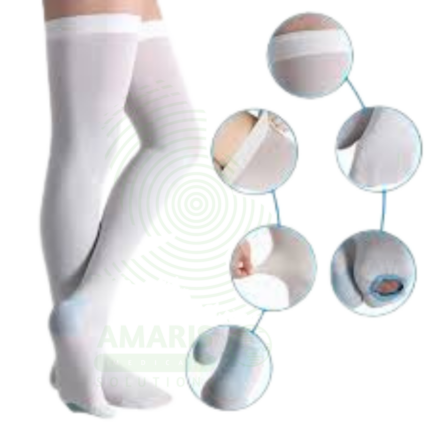
Anti-Embolic Compression Stockings
Anti-Embolic Compression Stockings are medical-grade elastic stockings designed to prevent Deep Vein Thrombosis (DVT) in non-ambulatory, surgical, or medically ill patients. By delivering graduated external pressure—tightest at the ankle and decreasing up the leg—they enhance venous blood flow and reduce stasis, a key factor in clot formation. They are a cornerstone of mechanical thromboprophylaxis in hospitals. Correct sizing based on precise leg measurements is critical for both efficacy and safety, as improper fit can lead to complications or failure of prophylaxis. Daily skin assessment and adherence to wearing guidelines are essential components of safe use.
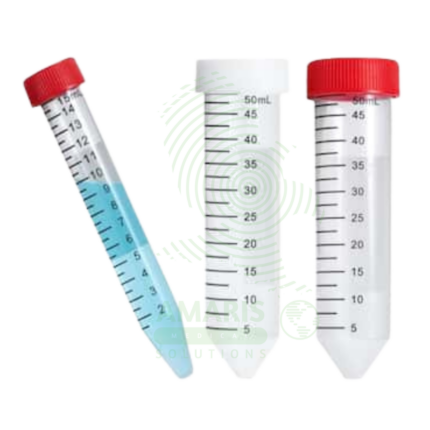
Centrifuge Tubes
Centrifuge Tubes are specialized disposable containers (polypropylene) designed to withstand high centrifugal forces (up to 30,000 x g) for separating biological fluids based on density. Available in microcentrifuge sizes (0.2-2.0 mL), conical tubes (15 mL, 50 mL), and larger volumes (100-500 mL). Features include leak-proof screw caps with O-rings (conical tubes), snap caps (microcentrifuge tubes), graduated volume markings, writing areas, and sterile/non-sterile options. Certified RNase/DNase-free, pyrogen-free, and autoclavable. Primary clinical applications include blood component separation (serum/plasma), urine sediment preparation, microbiology sample concentration, molecular biology (DNA/RNA extraction), cell culture processing, protein/enzyme analysis, and viral load testing. Critical safety precautions include never exceeding maximum RCF rating, proper balancing by weight, secure cap tightening, inspection for cracks, and disposal as biohazardous waste. Essential consumable in every clinical, research, and industrial laboratory.
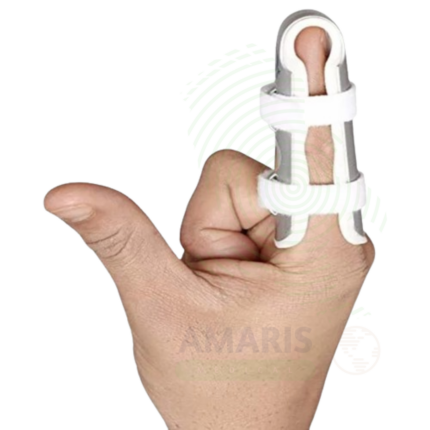
Finger Cot
A Finger Cot is a small, finger-shaped protective covering used to protect minor finger wounds, diabetic ulcers, surgical incisions, and amputation stumps, as well as to provide barrier protection for healthcare workers and laboratory personnel. Made from latex, nitrile, vinyl, or silicone, it provides a comfortable, secure fit while protecting the finger from contamination, moisture, friction, and irritants. Available in various sizes, materials, and sterile or non-sterile versions. Latex-free options are available for individuals with latex allergy.
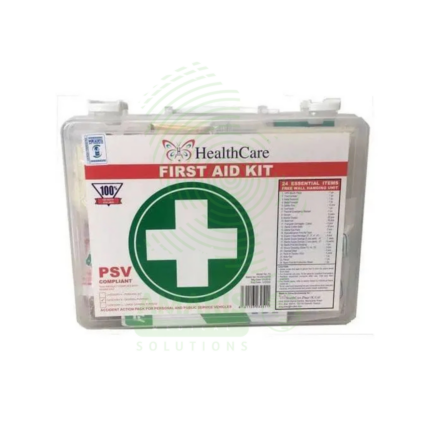
First Aid Kit
A First Aid Kit is an organized collection of medical supplies and equipment for providing initial care in emergency situations, available in various sizes and configurations for home, workplace, vehicle, travel, and specialized applications. Kits range from personal pouches (0.5-2 L) to comprehensive workplace cabinets (5-35 L) with soft-sided bags, hard cases, or wall-mounted containers. Contents are typically organized to meet regional standards (ANSI/ISEA Z308.1, CSA Z1220, BS 8599, DIN 13157/13169) and include wound care supplies (bandages, gauze, tape), antiseptics, burn care, eye care, emergency items (CPR mask, cold packs, foil blanket), instruments (scissors, tweezers), and PPE (gloves). Class A kits provide minimum supplies for low-hazard workplaces; Class B kits offer expanded quantities for high-hazard environments. Primary clinical applications include immediate treatment of minor injuries (cuts, abrasions, burns, sprains), bleeding control, wound care, fracture immobilization, and emergency assessment. Essential safety equipment for every home, workplace, vehicle, and public facility, providing critical medical supplies until professional care arrives.
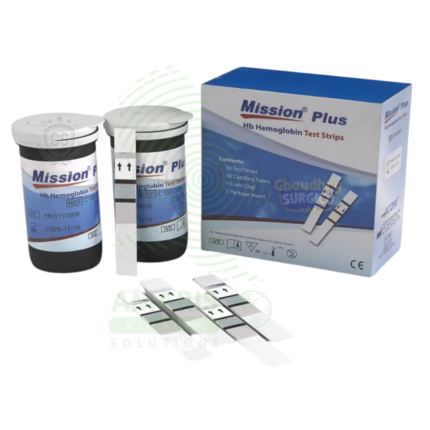
Mission plus strips
Mission Plus Strips are single-use, disposable electrochemical test strips (ISO 15197:2013 compliant) designed exclusively for use with Mission Plus glucose meters to measure capillary blood glucose from 0.5-1.0 µL samples in 5-7 seconds. Each strip contains glucose oxidase or glucose dehydrogenase reagents that generate electrical current proportional to glucose concentration (20-600 mg/dL range). Packaging options include multi-strip vials (25-100 strips) with desiccant for daily use or individually foil-wrapped strips for travel. Strips feature no-coding automatic calibration, hematocrit compensation (20-60%), and interference resistance. Primary clinical applications include daily blood glucose testing for Type 1, Type 2, and gestational diabetes management, hypoglycemia and hyperglycemia detection, pre- and post-meal glucose assessment, and hospital point-of-care testing. Critical safety precautions include single-use only, immediate vial closure after strip removal to prevent humidity damage, storage at 2-30°C away from bathrooms and temperature extremes, never using expired strips, proper hand hygiene before testing, and disposal in sharps containers. Essential consumable for diabetes self-management when used with Mission Plus meters.
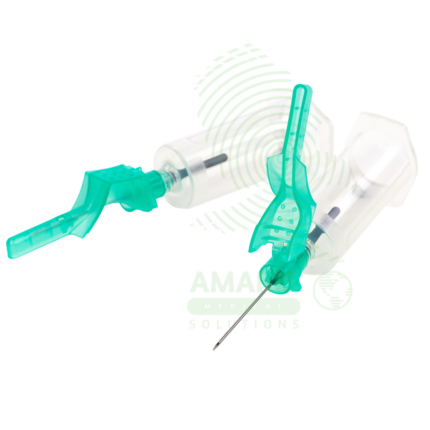
SAFE SERIES Blood Collection Needles
The SAFE SERIES (AM-SAFE) by Beijing Precil (Mindray subsidiary) is a comprehensive line of safety-engineered blood collection devices designed to prevent accidental needlestick injuries in healthcare workers. The series includes venous blood collection needles (AM-SAFE-V), standard safety needles (AM-SAFE1), winged infusion sets/butterfly needles (AM-SAFE2), high-gauge thin-wall needles for fragile veins (AM-SAFE3), premium coated needles for enhanced patient comfort (AM-GOLD), and nurse-friendly one-handed safety variants (AM-NURSE). All devices incorporate integral safety mechanisms that shield the contaminated needle immediately after withdrawal, complying with OSHA Needlestick Safety and Prevention Act requirements. Available in various gauges (18G-25G) and configurations for routine venipuncture, difficult vein access, pediatric/geriatric patients, and frequent blood draws. Sterile, single-use, latex-free, and color-coded for easy gauge identification. Essential safety devices for blood collection in hospitals, clinics, laboratories, and home healthcare settings.
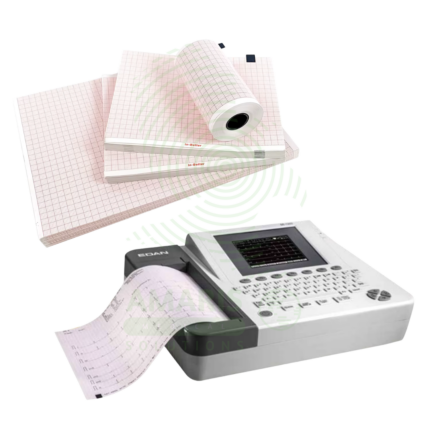
Thermal Printing Paper Roll
Thermal Printing Paper Roll is a heat-sensitive recording medium used with medical monitoring and diagnostic equipment including ECG machines, fetal monitors, ultrasound printers, and telemetry systems. The paper produces high-contrast, permanent images of physiological waveforms and data when passed over the printer's thermal head. Available in various widths, lengths, and grid patterns to match specific device requirements, it is an essential consumable for creating hard copy records for patient charts, consultation, and legal documentation. Proper storage away from light, heat, and moisture is essential to preserve image quality. BPA-free and archival-grade options are available for specific applications.