Dermatoscope and Magnifiers
 Diagnostic Kits
 Vital Signs Monitors
 Stethoscopes and Accessories
 Otoscopes, Ophthalmoscopes, and Retinoscopes
 Reflex Hammers and Neurological Tools
 Scales and Measuring Devices
 Spirometers and Pulmonary Function Tests
 Electrosurgical Units and Accessories
 Cutting Instruments
 Grasping and Holding Instruments
 Hemostatic Instruments
 Specialized Surgical Sets
 Single-Use Procedure Trays and Packs
 Surgical Drapes, Gowns, and Covers
 Tissue Unifying Instruments
 Radiation Protection
 X-Ray Machines and Accessories
 Ultrasound Systems and Probes
 MRI and CT Scanners
 Radiology Consumables
 Bone Densitometers
 Fluoroscopy Equipment
 Imaging Tables and Positioning Aids
 Microscopes and Accessories
 Centrifuges and Separators
 Analyzers
 Incubators and Ovens
 Pipettes, Dispensers, and Lab Glassware
 Refrigerators, Freezers, and Storage Units
 Lab Consumables
 Sterilizers and Autoclaves for Lab Use
 Multi-Parameter Monitors
 Ventilators and Respiratory Support Devices
 Defibrillators and AEDs
 Infusion Pumps and IV Systems
 Patient Warmers and Cooling Devices
 Central Monitoring Stations
 Accessories
 Anesthesia Machines and Workstations
 Oxygen Concentrators and Delivery Systems
 Nebulizers and Inhalers
 CPAP/BiPAP Machines
 Airway Management
 Anesthesia Masks, Circuits, and Bags
 Humidifiers and Heaters
 Respiratory Therapy Accessories
 First Aid Kits and Cabinets
 Emergency Resuscitation Equipment
 Trauma Supplies
 Emergency Carts and Crash Carts
 Burn Care Products
 Bleeding Control
 Automated External Defibrillators (AEDs)
 Transport and Evacuation
 Wheelchairs and Accessories
 Walkers, Crutches, and Canes
 Prosthetics and Orthotics
 Physical Therapy Equipment
 Transfer Devices
 Bathroom Safety
 Orthopedic Traction and Tables
 Hot/Cold Therapy Packs and Units
 Beds and Mattresses
 Chairs and Stools
 Tables
 Cabinets and Storage
 Privacy Screens & Curtains
 Stands and Racks
 Linens and Textiles
 Lighting
 Autoclaves and Sterilizers
 Ultrasonic Cleaners
 Disinfectant Solutions and Wipes
 Sterilization Pouches, Wraps, and Indicators
 Instrument Trays and Containers
 UV and Ozone Disinfection Devices
 Washer Disinfectors
 Wound Care
 Gloves
 Masks and Respirators
 Catheters and Tubing
 Swabs, Applicators, and Sponges
 Incontinence Products
 Personal Protective Equipment (PPE)
 Dental Chairs and Units
 Handpieces and Burs
 Instruments
 Consumables
 Sterilization for Dental Use
 Orthodontic Supplies
 Endodontic Tools
 Slit Lamps and Tonometers
 Lensometers and Phoropters
 Ophthalmic Surgical Instruments
 Eyewear Frames and Lenses
 Contact Lens Supplies
 Vision Testing Charts and Devices
 Eye Care Consumables
 Laser Systems for Eye Care
 ENT Exam Chairs and Tables
 Endoscopes
 Audiometers and Hearing Tests
 ENT Instruments
 Nasal and Throat Packs
 Hearing Aids and Accessories
 Otology Supplies
 Fetal Dopplers and Monitors
 Delivery Beds and Tables
 Gynecological Instruments
 Neonatal Incubators and Warmers
 Breast Pumps and Accessories
 Contraceptive Devices
 Maternity Supports and Pads
 Neonatal Consumables
 Cystoscopes and Urethroscopes
 Dialysis Machines and Supplies
 Urological Catheters and Bags
 Lithotripters
 Prostate Treatment Devices
 Urinary Incontinence Products
 Kidney Stone Management Tools
 Consumables & Disposables
 EEG and EMG Machines
 Neurosurgical Instruments
 Nerve Stimulators
 Headrests and Positioning Aids
 Lumbar Puncture Kits
 Seizure Monitoring Devices
 Consumables
 Rehabilitation for Neurological Conditions
 ECG Machines and Accessories
 Holter Monitors
 Stress Test Systems
 Pacemakers and Defibrillator Accessories
 Vascular Access Devices
 Cardiac Catheters and Guidewires
 Blood Flow Meters
 Consumables
 Orthopedic Instruments
 Casts, Splints, and Padding
 Joint Replacement Supplies
 Prosthetic Limbs and Components
 Bone Grafts and Substitutes
 Traction Devices
 Orthopedic Braces and Supports
 Rehabilitation Aids for Orthopedics
 Home Oxygen Therapy
 Hospital Beds for Home Use
 Mobility Aids
 Bathroom and Daily Living Aids
 Wound Care for Home
 Monitoring Devices
 Enteral Feeding Pumps and Tubes
 Hand Sanitizers and Dispensers
 Face Shields and Goggles
 Isolation Gowns and Suits
 Biohazard Waste Containers
 Air Purifiers and HEPA Filters
 Surface Disinfectants
 Sharps Containers
 Protective Barriers
 Cardiovascular & Endurance Training
 Strength Training & Weightlifting
 Functional Training & Core Conditioning
 Physical Therapy & Rehabilitation
 Sports & Outdoor Recreation
 Gym Flooring & Facility Equipment
 Fitness Monitoring & Accessories
 Kids & Novelties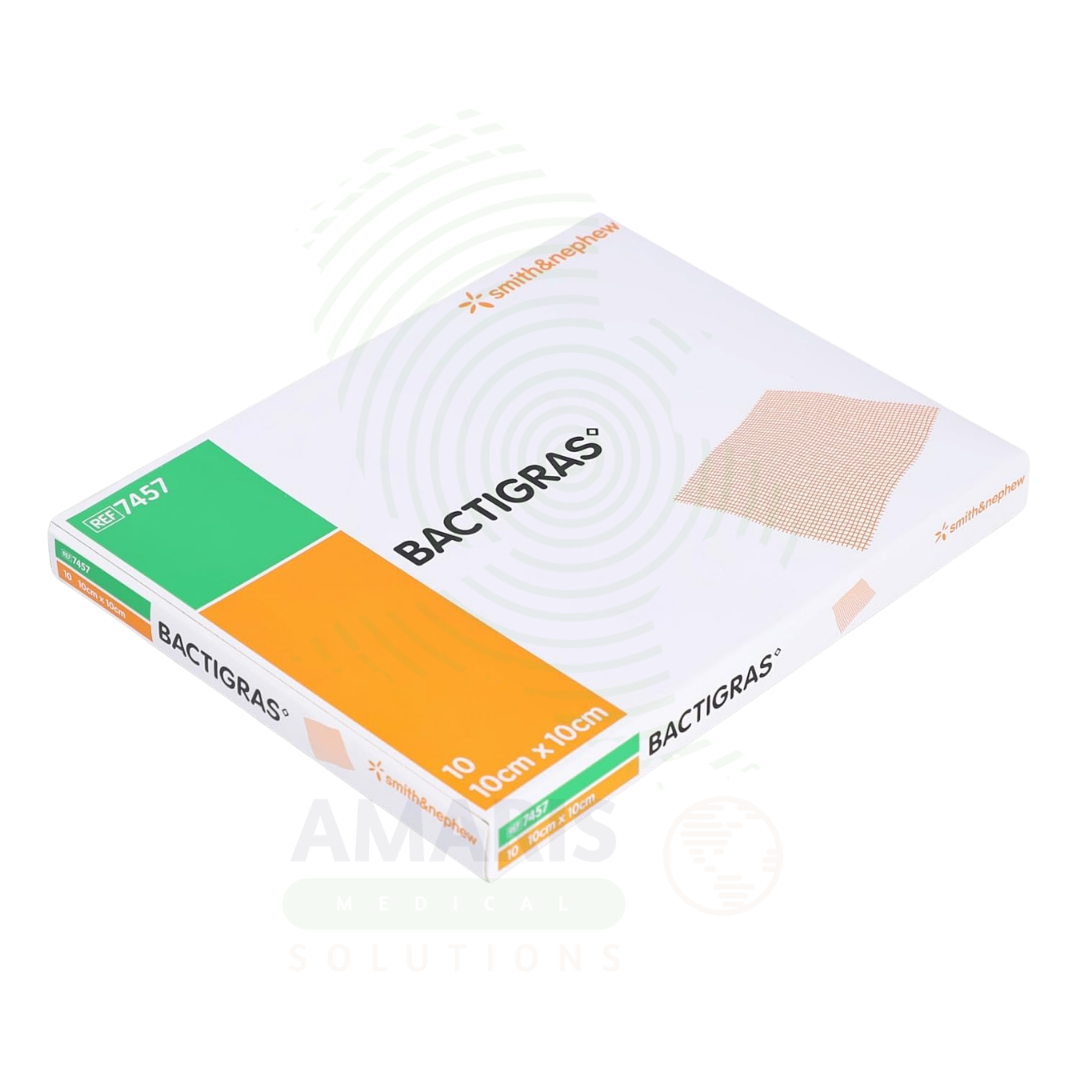
Bactigras Pack
$1.00
WhatsApp Order
Bactigras pack is a sterile, antiseptic-impregnated paraffin tulle gras dressing manufactured by Smith & Nephew. It consists of an open-weave leno cotton gauze impregnated with white soft paraffin BP containing chlorhexidine acetate BP 0.5% w/w. This combination provides a soothing, low-adherent primary wound dressing that releases broad-spectrum antiseptic activity against gram-positive and gram-negative bacteria, including MRSA, while allowing exudate to drain freely into a secondary absorbent dressing. For the clinician, Bactigras offers a reliable, ready-to-use solution for preventing and treating infection in minor burns, scalds, lacerations, abrasions, donor/recipient graft sites, and ulcerative wounds. For the patient, the low-adherent paraffin base ensures pain-free dressing changes, while the antiseptic component protects against infection, promoting faster healing and reducing complications. Available in multiple sizes from 5cm x 5cm to 10cm x 40cm, each dressing is individually wrapped and sterile.
Description
Bactigras Pack
PRIMARY CLINICAL & DIAGNOSTIC USES
1. Prevention of Infection in Wounds at Risk
-
Primary Use: Provides a sterile, antiseptic-impregnated paraffin gauze dressing that releases chlorhexidine acetate to prevent bacterial colonization and infection in wounds susceptible to contamination.
-
How it helps: For the wound care clinician and surgeon, Bactigras delivers a proven antiseptic agent directly to the wound site—reducing the risk of infection in wounds that are clean but at risk, such as post-surgical incisions, donor sites, and traumatic wounds. For the patient, this antimicrobial protection lowers the likelihood of wound infection, which can delay healing, increase pain, and lead to more serious complications requiring additional treatment.
2. Treatment of Already Infected Wounds
-
Primary Use: Used as an adjunct to systemic antibiotic therapy for the topical management of already infected wounds, helping to reduce bacterial burden at the wound surface.
-
How it helps: For the clinician managing infected wounds, Bactigras provides targeted topical antisepsis that works alongside systemic antibiotics—addressing surface bacteria that may not be fully eradicated by oral or intravenous therapy alone. For the patient, this combined approach enhances infection control, potentially shortening the duration of infection and reducing the need for more aggressive interventions.
3. Protection of Minor Burns and Scalds
-
Primary Use: Provides a soothing, low-adherent dressing for minor burns and scalds, protecting the injured area while reducing the risk of secondary infection.
-
How it helps: For the emergency department clinician and primary care physician, Bactigras offers a sterile, non-irritating dressing that conforms to burn surfaces without sticking—allowing for comfortable wound inspection and dressing changes. For the patient with a minor burn, the soft paraffin base soothes the injured area while the antiseptic component protects against infection, reducing pain and promoting faster healing.
4. Management of Skin Loss Wounds
-
Primary Use: Used for lacerations, abrasions, donor sites, recipient graft sites, and other wounds involving skin loss where a non-adherent, antiseptic primary dressing is indicated.
-
How it helps: For the surgeon and wound care specialist, Bactigras serves as a primary wound contact layer that protects delicate granulating tissue while allowing exudate to pass through to a secondary absorbent dressing. For the patient, the low-adherent paraffin coating means dressing changes are less painful, and the antiseptic component reduces infection risk during the vulnerable healing phase.
SECONDARY & SUPPORTIVE USES
1. Protection of Graft Sites: Used to protect donor and recipient graft sites following skin grafting procedures, providing a non-adherent layer that preserves graft integrity.
2. Management of Leg Ulcers and Pressure Injuries: Used as a primary dressing for leg ulcers and pressure injuries where infection risk is present or anticipated.
3. Management of Secondary Skin Infections: Applied to infected skin conditions such as infected eczema, dermatitis, and herpes zoster lesions.
4. Post-Operative Wound Coverage: Used following minor surgical procedures requiring a sterile, antiseptic primary dressing.
5. First Aid for Minor Injuries: Included in first aid kits for managing minor cuts, grazes, and abrasions in community and home settings.
6. Under Compression Therapy: Used as a primary wound contact layer beneath compression bandages for venous leg ulcer management.
7. Pediatric Wound Care: Used for children with minor burns, cuts, and abrasions, providing gentle, non-adherent protection.
8. Diabetic Foot Ulcer Management: Used as part of wound care protocols for diabetic foot ulcers where infection prevention is critical.
9. Skin Tear Management: Provides gentle protection for skin tears in elderly patients with fragile skin.
KEY PRODUCT FEATURES
1. BASIC IDENTIFICATION ATTRIBUTES
-
Device Type: A sterile, antiseptic-impregnated paraffin tulle gras dressing consisting of an open-weave leno gauze impregnated with soft paraffin containing chlorhexidine acetate.
-
Designation: Bactigras, Antiseptic Paraffin Gauze Dressing, Medicated Tulle Gras, Chlorhexidine-Impregnated Dressing, Bactigras Pack, Antiseptic Gauze Dressing.
-
Key Components:
o Gauze Base: Open-weave leno weave cotton gauze that resists fraying when cut.
o Paraffin Impregnation: White soft paraffin BP that provides a soothing, low-adherent coating.
o Antiseptic Agent: Chlorhexidine Acetate BP 0.5% w/w with broad-spectrum antibacterial activity.
o Packaging: Individually wrapped, sterile, foil-laminated peel-pouch.
2. TECHNICAL & PERFORMANCE PROPERTIES
-
Active Ingredient: Chlorhexidine Acetate BP 0.5% w/w.
-
Base: White soft paraffin BP.
-
Gauze Material: Leno weave cotton gauze with interlocking threads to prevent fraying.
-
Antimicrobial Spectrum: Active against a wide range of gram-positive and gram-negative bacteria, including MRSA; inactive against spores, fungi, and viruses.
-
Sterility: Sterile; individually sealed in foil-laminated packs.
-
Sizes Available: 5cm x 5cm, 10cm x 10cm, 10cm x 30cm, 10cm x 40cm, 15cm x 20cm.
-
Pack Sizes: Available in packs of 1, 3, 5, 10, or 50 individually wrapped dressings.
-
Low-Adherent: Paraffin coating prevents dressing from sticking to the wound bed.
-
Exudate Management: Open weave allows exudate to pass through to a secondary absorbent dressing.
3. PHYSICAL & OPERATIONAL PROPERTIES
-
Construction: Thin, flexible gauze that conforms to wound contours.
-
Appearance: Translucent, paraffin-saturated gauze.
-
Cutting: Can be cut to size without fraying due to leno weave construction.
-
Packaging: Individually wrapped sterile dressing in a peel-open foil pouch.
-
Application: Applied directly to the wound as a primary dressing; requires secondary absorbent dressing over it.
-
Wear Time: Typically changed daily or as clinically indicated; up to 7 days for some applications.
4. SAFETY & COMPLIANCE ATTRIBUTES
-
Regulatory Status: Class II medical device requiring 510(k) clearance.
-
Manufacturer: Smith & Nephew.
-
Sterility: Sterile; sterility maintained until package is opened.
-
Contraindications: Do not use on wounds covering more than 10% of total body surface area; do not use in patients with known hypersensitivity to chlorhexidine.
-
Precautions: Do not use oxidizing wound cleaning agents, soap, other anionic materials, or potassium iodide.
-
Pregnancy Category: Category B (animal studies show no fetal risk; no controlled human studies available).
-
Latex-Free: Contains no natural rubber latex.
5. STORAGE & HANDLING ATTRIBUTES
-
Storage: Store below 30°C (86°F) in a cool, dry place; protect from direct sunlight and moisture.
-
Shelf Life: Typically 3-5 years from date of manufacture; check expiration date before use.
-
Sterility Maintenance: Do not use it if the package is opened, torn, wet, or damaged.
-
Single-Use Only: Intended for single patient, single use only; do not re-sterilize or reuse.
6. LABORATORY & CLINICAL APPLICATIONS
-
Primary Application: Topical prevention and treatment of wound infection in minor burns, scalds, lacerations, abrasions, skin loss wounds, donor/recipient graft sites, and ulcerative wounds.
-
Clinical Role: Essential primary wound dressing in emergency departments, burn units, operating rooms, wound care centers, dermatology practices, and home healthcare for infection-prone wounds.
SAFETY HANDLING PRECAUTIONS
1. SAFETY PRECAUTIONS
-
Body Surface Area Limitation: Do not use wounds covering more than 10% of total body surface area due to potential systemic absorption of chlorhexidine.
-
Allergy Screening: Confirm patient has no known hypersensitivity to chlorhexidine before use.
-
Wound Cleaning: Clean wound thoroughly before applying Bactigras; remove any previous dressing residue.
-
Secondary Dressing: Always cover Bactigras with an appropriate secondary absorbent dressing to manage exudate and secure placement.
-
Application: Apply directly to the wound surface with the smooth side facing the wound if applicable; do not stretch.
-
Change Frequency: Change dressing daily or as clinically indicated; more frequent changes may be needed for heavily exuding wounds.
-
Monitoring: Monitor for signs of allergic reaction (rash, itching, redness, difficulty breathing); discontinue use immediately if reaction occurs.
-
Do Not Use With: Avoid using oxidizing agents, soaps, or other anionic materials that may inactivate chlorhexidine.
-
Pediatric Use: Safe for use in children under medical supervision; adhere to body surface area limitation.
2. FIRST AID MEASURES
-
Allergic Reaction: If signs of hypersensitivity occur (rash, itching, swelling, difficulty breathing), remove dressing immediately, clean area, and seek medical attention.
-
Adherence to Wound: If dressing adheres to wound bed (unusual with paraffin base), moisten with sterile saline before removal to prevent tissue trauma.
-
Systemic Effects: If used on large wounds (>10% body surface area) and signs of chlorhexidine toxicity occur, remove dressing and seek medical evaluation.
3. FIRE FIGHTING MEASURES
-
Flammability: Paraffin-impregnated gauze is highly flammable; contains soft paraffin which is combustible.
-
Extinguishing Media: Use water, foam, dry chemical, or CO₂ for fire involving dressings.
-
Fire Response: Keep away from open flames, sparks, and high-heat sources; do not smoke near stored dressings. In oxygen-enriched environments, dressings may ignite more readily.
Related products
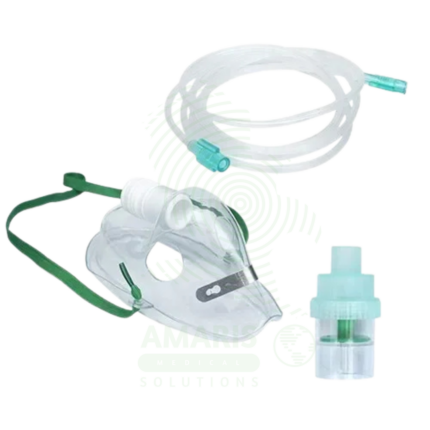
Adult & Pediatric Nebulizer Kit
An Adult & Pediatric Nebulizer Kit is a complete set of patient-contact components required for aerosol medication delivery, including a nebulizer cup, connecting tubing, and both an adult mouthpiece and a pediatric mask (or universal fit). Designed for use with a compressor, it provides the delivery circuit for treating asthma, COPD, and other respiratory conditions. Available in disposable (single-patient-use) formats for infection control in clinics or reusable formats for home care, its proper use, coupled with rigorous cleaning for reusable kits, is essential for effective therapy and preventing respiratory infections. The kit's universal connectors ensure compatibility with standard compressors.
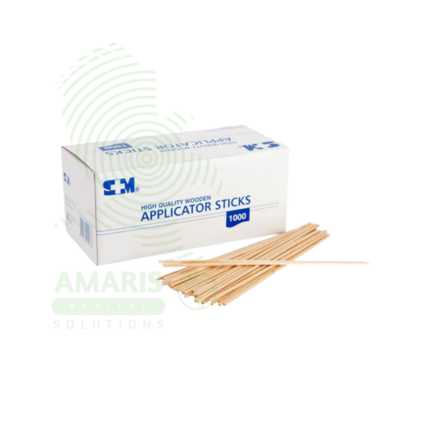
Applicator Sticks
Applicator Sticks are single-use medical devices with absorbent tips (cotton, rayon, flocked polyester) on wood, plastic, or paper shafts for collecting clinical specimens (throat, nasal, wound, cervical, urethral, rectal) for microbiological culture, rapid testing, and molecular diagnostics. Sterile individually wrapped or non-sterile bulk formats. Flocked swabs provide >90% specimen release for PCR testing. Primary applications include specimen collection for infection diagnosis, wound care and antiseptic application, gynecological sampling (Pap smears, STI testing), eye/ear specimen collection, laboratory slide preparation, and forensic evidence collection. Critical precautions include single-use only, sterile technique, proper collection method, and biohazard disposal. Essential consumable in all clinical settings.
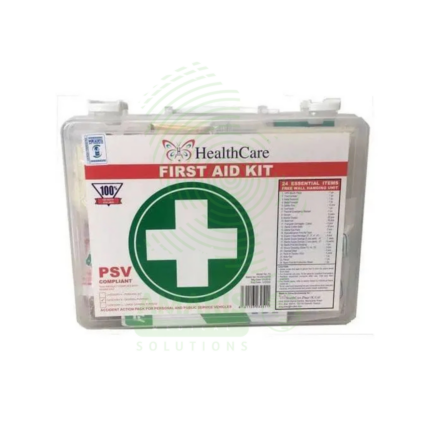
First Aid Kit
A First Aid Kit is an organized collection of medical supplies and equipment for providing initial care in emergency situations, available in various sizes and configurations for home, workplace, vehicle, travel, and specialized applications. Kits range from personal pouches (0.5-2 L) to comprehensive workplace cabinets (5-35 L) with soft-sided bags, hard cases, or wall-mounted containers. Contents are typically organized to meet regional standards (ANSI/ISEA Z308.1, CSA Z1220, BS 8599, DIN 13157/13169) and include wound care supplies (bandages, gauze, tape), antiseptics, burn care, eye care, emergency items (CPR mask, cold packs, foil blanket), instruments (scissors, tweezers), and PPE (gloves). Class A kits provide minimum supplies for low-hazard workplaces; Class B kits offer expanded quantities for high-hazard environments. Primary clinical applications include immediate treatment of minor injuries (cuts, abrasions, burns, sprains), bleeding control, wound care, fracture immobilization, and emergency assessment. Essential safety equipment for every home, workplace, vehicle, and public facility, providing critical medical supplies until professional care arrives.
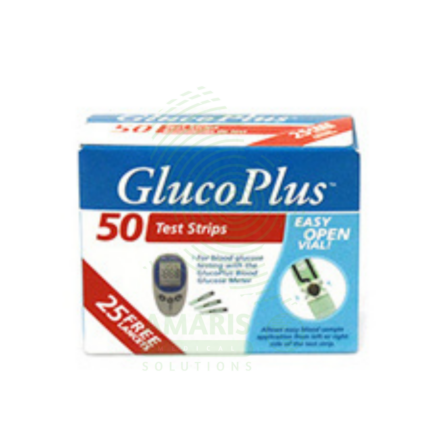
Glucosics Blood Sugar Sticks
Glucosics Blood Sugar Sticks are single-use, disposable electrochemical test sticks (ISO 15197:2013 compliant) designed exclusively for use with Glucosics glucose meters to measure capillary blood glucose from 0.5-1.0 µL samples in 5-7 seconds. Each stick contains glucose oxidase or glucose dehydrogenase reagents that generate electrical current proportional to glucose concentration (20-600 mg/dL range). Packaging options include multi-stick vials (25-100 sticks) with desiccant for daily use or individually foil-wrapped sticks for travel. Sticks feature no-coding automatic calibration, hematocrit compensation (20-60%), and interference resistance. Primary clinical applications include daily blood glucose testing for Type 1, Type 2, and gestational diabetes management, hypoglycemia and hyperglycemia detection, pre- and post-meal glucose assessment, and hospital point-of-care testing. Critical safety precautions include single-use only, immediate vial closure after stick removal to prevent humidity damage, storage at 2-30°C away from bathrooms and temperature extremes, never using expired sticks, proper hand hygiene before testing, and disposal in sharps containers. Essential consumable for diabetes self-management when used with Glucosics meters.
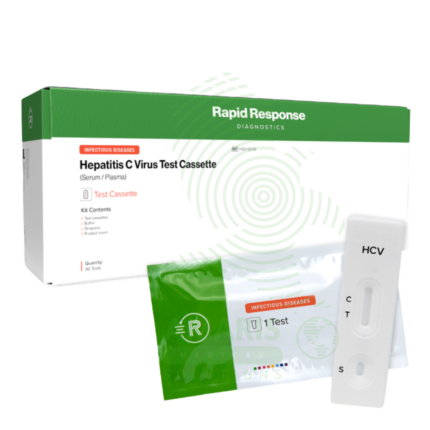
Hepatitis C Test Kit
The Hepatitis C Test Kit is an in vitro diagnostic device for the detection of Hepatitis C virus antibodies or RNA in human blood, serum, or plasma samples. Available in rapid, laboratory immunoassay, and molecular formats, it screens for HCV infection, confirms active infection with RNA testing, and monitors treatment response. With high sensitivity and specificity exceeding 99%, it is essential for identifying infected individuals, linking them to curative direct-acting antiviral therapy, and confirming cure. Essential applications include risk-based screening of high-risk populations, birth cohort screening of baby boomers, evaluation of acute hepatitis, management of occupational exposures, and monitoring of antiviral therapy that can cure over 95% of infections. All patient samples must be handled with universal precautions, and positive antibody results require confirmatory testing.
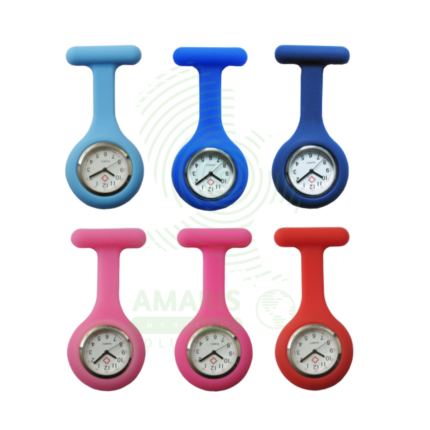
Nurse Watch
A Nurse Watch is a professional-grade analog wristwatch specifically designed for clinical use. Its hallmark is a built-in "pulsometer" scale that allows for rapid, on-the-spot calculation of a patient's heart rate by timing pulses over a short interval. Featuring a high-contrast dial with a clear sweep second hand, durable water-resistant construction, and a cleanable band, it is engineered for accuracy, legibility, and infection control in healthcare settings. It is an indispensable personal tool for nurses, enabling precise measurement of vital signs, timing of medications and procedures, and accurate clinical documentation throughout the shift.
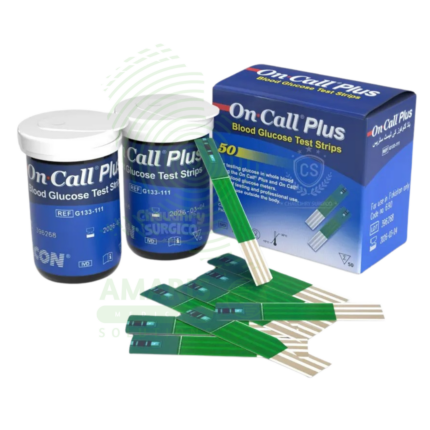
On Call Blood Sugar Strips
On Call Blood Sugar Strips are single-use, disposable electrochemical test strips (ISO 15197:2013 compliant) designed exclusively for use with On Call glucose meters to measure capillary blood glucose from 0.5-1.0 µL samples in 5-7 seconds. Each strip contains glucose oxidase or glucose dehydrogenase reagents that generate electrical current proportional to glucose concentration (20-600 mg/dL range). Packaging options include multi-strip vials (25-100 strips) with desiccant for daily use or individually foil-wrapped strips for travel. Strips feature no-coding automatic calibration, hematocrit compensation (20-60%), and interference resistance. Primary clinical applications include daily blood glucose testing for Type 1, Type 2, and gestational diabetes management, hypoglycemia and hyperglycemia detection, pre- and post-meal glucose assessment, and hospital point-of-care testing. Critical safety precautions include single-use only, immediate vial closure after strip removal to prevent humidity damage, storage at 2-30°C away from bathrooms and temperature extremes, never using expired strips, proper hand hygiene before testing, and disposal in sharps containers. Essential consumable for diabetes self-management when used with On Call meters.