Dermatoscope and Magnifiers
 Diagnostic Kits
 Vital Signs Monitors
 Stethoscopes and Accessories
 Otoscopes, Ophthalmoscopes, and Retinoscopes
 Reflex Hammers and Neurological Tools
 Scales and Measuring Devices
 Spirometers and Pulmonary Function Tests
 Electrosurgical Units and Accessories
 Cutting Instruments
 Grasping and Holding Instruments
 Hemostatic Instruments
 Specialized Surgical Sets
 Single-Use Procedure Trays and Packs
 Surgical Drapes, Gowns, and Covers
 Tissue Unifying Instruments
 Radiation Protection
 X-Ray Machines and Accessories
 Ultrasound Systems and Probes
 MRI and CT Scanners
 Radiology Consumables
 Bone Densitometers
 Fluoroscopy Equipment
 Imaging Tables and Positioning Aids
 Microscopes and Accessories
 Centrifuges and Separators
 Analyzers
 Incubators and Ovens
 Pipettes, Dispensers, and Lab Glassware
 Refrigerators, Freezers, and Storage Units
 Lab Consumables
 Sterilizers and Autoclaves for Lab Use
 Multi-Parameter Monitors
 Ventilators and Respiratory Support Devices
 Defibrillators and AEDs
 Infusion Pumps and IV Systems
 Patient Warmers and Cooling Devices
 Central Monitoring Stations
 Accessories
 Anesthesia Machines and Workstations
 Oxygen Concentrators and Delivery Systems
 Nebulizers and Inhalers
 CPAP/BiPAP Machines
 Airway Management
 Anesthesia Masks, Circuits, and Bags
 Humidifiers and Heaters
 Respiratory Therapy Accessories
 First Aid Kits and Cabinets
 Emergency Resuscitation Equipment
 Trauma Supplies
 Emergency Carts and Crash Carts
 Burn Care Products
 Bleeding Control
 Automated External Defibrillators (AEDs)
 Transport and Evacuation
 Wheelchairs and Accessories
 Walkers, Crutches, and Canes
 Prosthetics and Orthotics
 Physical Therapy Equipment
 Transfer Devices
 Bathroom Safety
 Orthopedic Traction and Tables
 Hot/Cold Therapy Packs and Units
 Beds and Mattresses
 Chairs and Stools
 Tables
 Cabinets and Storage
 Privacy Screens & Curtains
 Stands and Racks
 Linens and Textiles
 Lighting
 Autoclaves and Sterilizers
 Ultrasonic Cleaners
 Disinfectant Solutions and Wipes
 Sterilization Pouches, Wraps, and Indicators
 Instrument Trays and Containers
 UV and Ozone Disinfection Devices
 Washer Disinfectors
 Wound Care
 Gloves
 Masks and Respirators
 Catheters and Tubing
 Swabs, Applicators, and Sponges
 Incontinence Products
 Personal Protective Equipment (PPE)
 Dental Chairs and Units
 Handpieces and Burs
 Instruments
 Consumables
 Sterilization for Dental Use
 Orthodontic Supplies
 Endodontic Tools
 Slit Lamps and Tonometers
 Lensometers and Phoropters
 Ophthalmic Surgical Instruments
 Eyewear Frames and Lenses
 Contact Lens Supplies
 Vision Testing Charts and Devices
 Eye Care Consumables
 Laser Systems for Eye Care
 ENT Exam Chairs and Tables
 Endoscopes
 Audiometers and Hearing Tests
 ENT Instruments
 Nasal and Throat Packs
 Hearing Aids and Accessories
 Otology Supplies
 Fetal Dopplers and Monitors
 Delivery Beds and Tables
 Gynecological Instruments
 Neonatal Incubators and Warmers
 Breast Pumps and Accessories
 Contraceptive Devices
 Maternity Supports and Pads
 Neonatal Consumables
 Cystoscopes and Urethroscopes
 Dialysis Machines and Supplies
 Urological Catheters and Bags
 Lithotripters
 Prostate Treatment Devices
 Urinary Incontinence Products
 Kidney Stone Management Tools
 Consumables & Disposables
 EEG and EMG Machines
 Neurosurgical Instruments
 Nerve Stimulators
 Headrests and Positioning Aids
 Lumbar Puncture Kits
 Seizure Monitoring Devices
 Consumables
 Rehabilitation for Neurological Conditions
 ECG Machines and Accessories
 Holter Monitors
 Stress Test Systems
 Pacemakers and Defibrillator Accessories
 Vascular Access Devices
 Cardiac Catheters and Guidewires
 Blood Flow Meters
 Consumables
 Orthopedic Instruments
 Casts, Splints, and Padding
 Joint Replacement Supplies
 Prosthetic Limbs and Components
 Bone Grafts and Substitutes
 Traction Devices
 Orthopedic Braces and Supports
 Rehabilitation Aids for Orthopedics
 Home Oxygen Therapy
 Hospital Beds for Home Use
 Mobility Aids
 Bathroom and Daily Living Aids
 Wound Care for Home
 Monitoring Devices
 Enteral Feeding Pumps and Tubes
 Hand Sanitizers and Dispensers
 Face Shields and Goggles
 Isolation Gowns and Suits
 Biohazard Waste Containers
 Air Purifiers and HEPA Filters
 Surface Disinfectants
 Sharps Containers
 Protective Barriers
 Cardiovascular & Endurance Training
 Strength Training & Weightlifting
 Functional Training & Core Conditioning
 Physical Therapy & Rehabilitation
 Sports & Outdoor Recreation
 Gym Flooring & Facility Equipment
 Fitness Monitoring & Accessories
 Kids & Novelties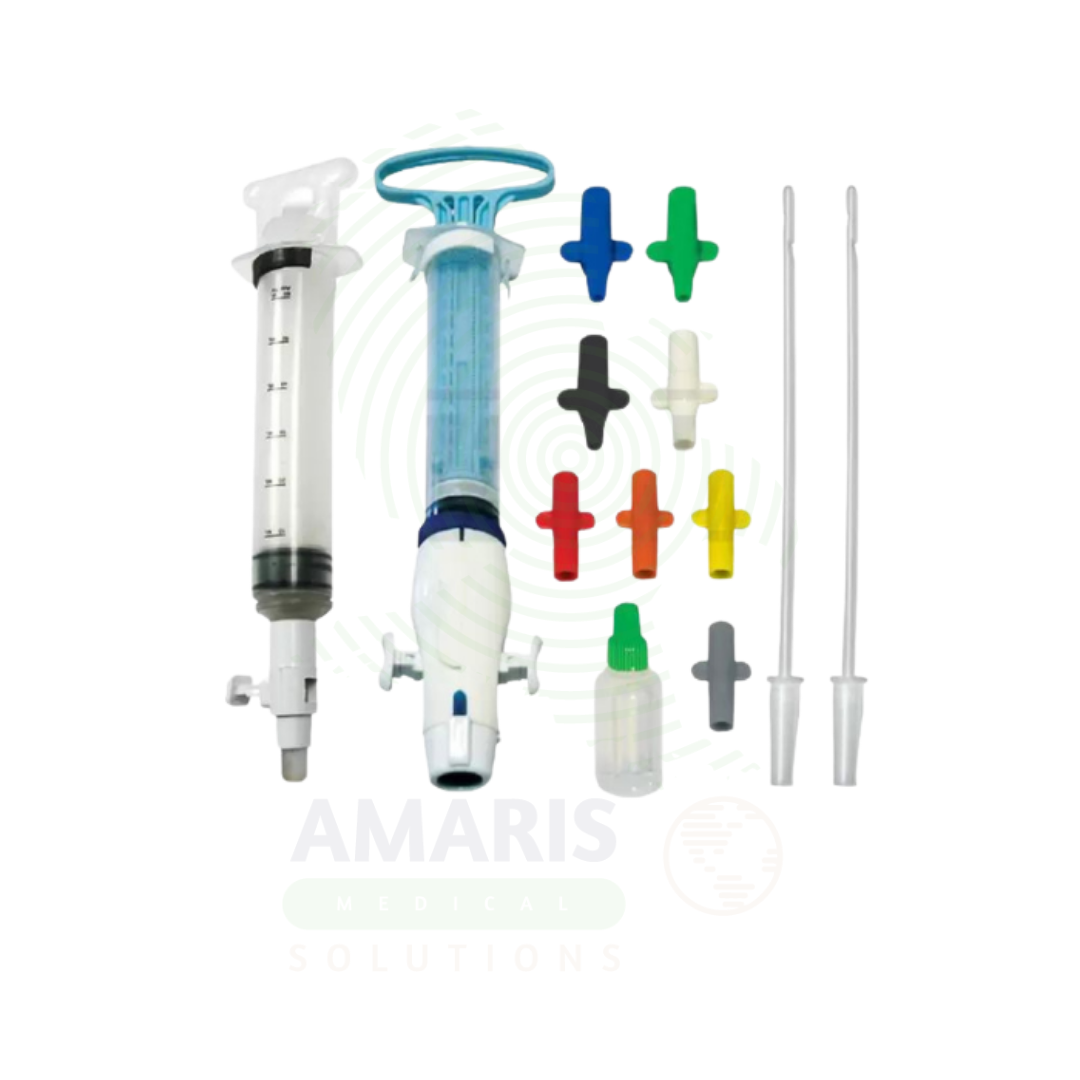
Double Valve MVA Kit
$1.00
WhatsApp Order
A Double Valve MVA Kit (Manual Vacuum Aspiration) is a sterile, hand-held uterine aspiration system designed for early pregnancy termination, incomplete miscarriage management, and endometrial biopsy procedures. The double valve mechanism allows the clinician to manually create negative pressure by retracting the plunger, with a locking feature that maintains vacuum until controlled release is desired. The kit includes a transparent collection chamber for visualizing aspirated tissue, flexible or rigid polypropylene cannulas in various sizes (4-12mm), and all necessary components for the procedure. Unlike electric suction devices, the MVA requires no electricity or wall suction, making it ideal for office-based procedures, outpatient clinics, low-resource settings, and humanitarian field operations. For the obstetrician and gynecologist, the double valve MVA provides safe, effective uterine evacuation with lower complication rates than sharp curettage. For the patient, manual vacuum aspiration offers a gentler, less painful procedure with faster recovery, reduced bleeding, and lower risk of uterine perforation.
Description
Double Valve MVA Kit
PRIMARY CLINICAL & DIAGNOSTIC USES
1. Manual Uterine Aspiration for Pregnancy Termination
-
Primary Use: Provides a hand-held, manual vacuum aspiration system for early uterine evacuation in cases of incomplete miscarriage, missed abortion, or elective termination of pregnancy up to 10-12 weeks gestation.
-
How it helps: For the obstetrician and gynecologist, the double valve MVA kit enables safe, effective uterine aspiration without the need for electricity or wall suction—making it ideal for office-based procedures, outpatient clinics, and low-resource settings. For the patient, manual vacuum aspiration offers a gentler, less painful alternative to sharp curettage, with faster recovery and lower risk of complications such as uterine perforation.
2. Management of Incomplete Miscarriage
-
Primary Use: Used to evacuate retained products of conception from the uterus following incomplete spontaneous miscarriage, preventing complications such as infection, hemorrhage, and prolonged bleeding.
-
How it helps: For the clinician managing a patient with incomplete miscarriage, the double valve MVA provides a safe, effective method for completing the miscarriage without the need for operating room facilities—enabling timely intervention that reduces patient suffering and complication risk. For the patient, timely MVA resolves symptoms of bleeding and cramping, reduces the risk of infection, and allows for faster physical and emotional recovery.
3. Treatment of Gestational Trophoblastic Disease
-
Primary Use: Used for uterine evacuation in patients diagnosed with hydatidiform mole and other forms of gestational trophoblastic disease.
-
How it helps: For the gynecologic oncologist, the double valve MVA provides controlled, gentle suction for removing molar tissue while minimizing the risk of perforation and excessive bleeding. For the patient, proper evacuation of molar pregnancy is essential for initiating appropriate follow-up and monitoring for persistent trophoblastic disease.
4. Endometrial Biopsy and Diagnostic Sampling
-
Primary Use: Used to obtain endometrial tissue samples for histologic evaluation in patients with abnormal uterine bleeding, postmenopausal bleeding, or suspected endometrial pathology.
-
How it helps: For the clinician performing diagnostic sampling, the double valve MVA provides controlled suction for obtaining adequate endometrial tissue samples—improving diagnostic yield compared to blind biopsy techniques. For the patient, the MVA allows office-based sampling that is often better tolerated than traditional dilation and curettage, avoiding the need for operating room procedures.
SECONDARY & SUPPORTIVE USES
1. Retained Products of Conception Following Delivery: Used to evacuate retained placental fragments following vaginal delivery or cesarean section.
2. Subchorionic Hematoma Evacuation: Used to drain subchorionic hematomas in selected cases when clinically indicated.
3. Uterine Cavity Assessment: Used to aspirate uterine contents for diagnostic evaluation in cases of suspected intrauterine pathology.
4. Post-Aspiration Confirmation: Double valve design allows for confirmation of uterine emptiness by observing air bubbles in the collection chamber.
5. Low-Resource and Field Settings: Ideal for use in low-resource settings, family planning clinics, and humanitarian settings where electricity or wall suction is unavailable.
6. Training and Simulation: Used in medical education to train clinicians in uterine aspiration techniques.
7. Research and Clinical Studies: Used in research protocols requiring standardized endometrial sampling.
8. Postpartum Hemorrhage Management: Used as part of uterine evacuation protocols for retained tissue contributing to postpartum hemorrhage.
KEY PRODUCT FEATURES
1. BASIC IDENTIFICATION ATTRIBUTES
-
Device Type: A hand-held, manual vacuum aspiration system using a double valve mechanism to create negative pressure for uterine evacuation and endometrial sampling.
-
Designation: Double Valve MVA Kit, Manual Vacuum Aspiration Kit, MVA Kit, Double Valve Aspirator, Manual Uterine Aspirator, Post-Aspiration Kit.
-
Key Components:
o Aspirator Handle: Hand-held, double valve suction device with locking mechanism.
o Collection Chamber: Transparent chamber for collecting aspirated tissue.
o Cannulas: Flexible or rigid polypropylene cannulas in various sizes (4-12 mm).
o Double Valve Mechanism: Allows creation of vacuum and controlled release.
o Syringe Adapter: For connection to cannula.
o Specimen Container: For tissue transport to pathology laboratory.
o Instructions: Illustrated instructions for use.
2. TECHNICAL & PERFORMANCE PROPERTIES
-
Mechanism: Double valve design creates negative pressure via manual retraction of plunger.
-
Vacuum Strength: 50-60 mmHg vacuum pressure sufficient for early pregnancy and tissue aspiration.
-
Cannula Sizes: Available in sizes from 4mm to 12mm outer diameter.
-
Cannula Type: Flexible (polypropylene) or rigid (stainless steel) options.
-
Collection Volume: 60-120 mL collection chamber capacity.
-
Material: Medical-grade plastics; latex-free.
-
Sterility: Sterile components; single-use or reusable depending on model.
-
Reusability: Single-use disposable kits or reusable aspirator with disposable cannulas.
3. PHYSICAL & OPERATIONAL PROPERTIES
-
Construction: Lightweight, hand-held design for single-handed operation.
-
Collection Chamber: Clear graduated chamber for visualizing aspirated tissue.
-
Valve Mechanism: Double valve allowing vacuum creation and controlled tissue release.
-
Cannula Markings: Depth markings on cannulas for controlled insertion.
-
Portability: No electricity or external suction required; fully portable.
-
Packaging: Sterile, sealed kit containing all components.
4. SAFETY & COMPLIANCE ATTRIBUTES
-
Regulatory Status: Class II medical device requiring 510(k) clearance.
-
FDA Compliance: Compliant with FDA Quality System Regulations.
-
Sterility: Sterile; sterility assurance level (SAL) of 10^-6.
-
Latex-Free: Manufactured without natural rubber latex.
-
Biocompatibility: Materials tested for intrauterine contact safety.
5. STORAGE & HANDLING ATTRIBUTES
-
Storage: Store in a clean, dry location at room temperature; protect from heat, moisture, and direct sunlight.
-
Shelf Life: Typically 2-3 years from date of manufacture; check expiration date before use.
-
Sterility Maintenance: Do not use if package is opened, torn, wet, or damaged.
-
Single-Use: For single-use kits, discard all components after procedure as biohazardous waste.
6. LABORATORY & CLINICAL APPLICATIONS
-
Primary Application: Manual uterine aspiration for early pregnancy termination, incomplete miscarriage management, endometrial biopsy, and gestational trophoblastic disease evacuation.
-
Clinical Role: Essential device in obstetrics and gynecology, family planning clinics, reproductive health centers, emergency departments, and low-resource settings for uterine evacuation and endometrial sampling procedures.
SAFETY HANDLING PRECAUTIONS
1. SAFETY PRECAUTIONS
-
Pre-Procedure Assessment: Confirm pregnancy location (intrauterine) before procedure; rule out ectopic pregnancy.
-
Cervical Preparation: Consider cervical preparation (misoprostol) for nulliparous or cervical stenosis patients.
-
Cannula Selection: Select appropriate cannula size for gestational age and clinical indication.
-
Ultrasound Guidance: Use ultrasound guidance when available for confirmation of complete evacuation.
-
Vacuum Confirmation: Confirm vacuum creation before insertion; double valve should lock in retracted position.
-
Gentle Insertion: Insert cannula gently through cervical os without force to prevent perforation.
-
Controlled Rotation: Rotate cannula gently during aspiration; avoid aggressive curettage.
-
Tissue Confirmation: Inspect aspirated tissue to confirm adequacy of sample or completeness of evacuation.
-
Rh Status: Check Rh status; administer Rh immunoglobulin if indicated.
-
Infection Prophylaxis: Consider prophylactic antibiotics per clinical protocol.
2. FIRST AID MEASURES
-
Uterine Perforation: If perforation is suspected, stop procedure immediately; monitor vital signs; assess for intra-abdominal bleeding; consult surgical team.
-
Excessive Bleeding: If bleeding exceeds expected (more than 500 mL), stop procedure; administer uterotonics; consider referral for higher level of care.
-
Incomplete Evacuation: If tissue remains after aspiration, consider repeat aspiration or referral for surgical management.
-
Vasovagal Response: If patient experiences bradycardia or hypotension, stop procedure; position patient supine; monitor vital signs.
3.FIRE FIGHTING MEASURES
-
Flammability: Plastic components are combustible; may melt or burn if exposed to flame or high heat.
-
Extinguishing Media: Use water, foam, dry chemical, or CO₂ for fire involving plastic materials.
-
Fire Response: No special fire hazards beyond typical combustible materials.
Related products
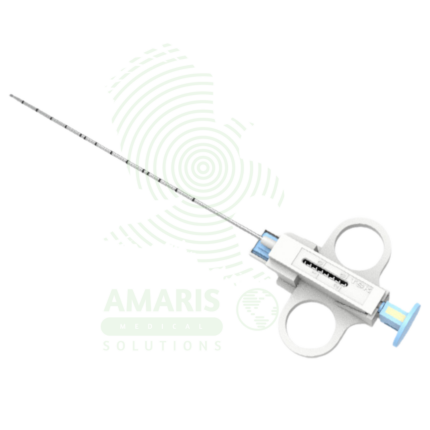
Biopsy Needles
Biopsy Needles are sterile, single-use precision medical devices designed to obtain tissue or cellular specimens from internal organs, masses, and lesions for histopathological or cytological diagnosis. Available in core biopsy (automatic spring-loaded, semi-automatic, vacuum-assisted, coaxial) and fine needle aspiration configurations, with gauges ranging from 14G-27G and lengths from 6-25 cm. Core biopsy needles obtain intact tissue cores preserving histological architecture; FNA needles aspirate cellular material for cytological evaluation. Specialized variants include bone marrow biopsy needles (Jamshidi, Illinois), echogenic-tip needles for ultrasound guidance, and MRI-compatible needles (nitinol, titanium). Critical safety requirements include strict image guidance for non-palpable lesions, verification of coagulation status, adherence to single-use protocols, and immediate post-procedure monitoring for complications (hemorrhage, pneumothorax, organ injury). An indispensable tool in interventional radiology, oncology, and minimally invasive diagnosis.
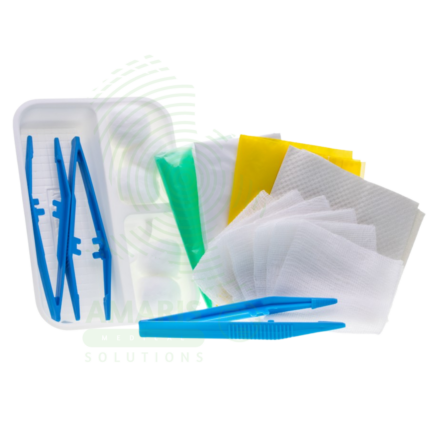
Disposable Dressing Set
A Disposable Dressing Set is a sterile, single-use convenience kit containing all components necessary for sterile wound dressing changes and minor wound care procedures. The set typically includes sterile drapes, gauze sponges, sterile gloves, antiseptic solution, cotton applicators, tape, and disposal bag. Used in hospitals, clinics, emergency departments, and home healthcare settings, it ensures consistent aseptic technique for post-operative wound care, central line dressing changes, and management of chronic wounds. Proper sterile technique and disposal are essential for safe and effective use.
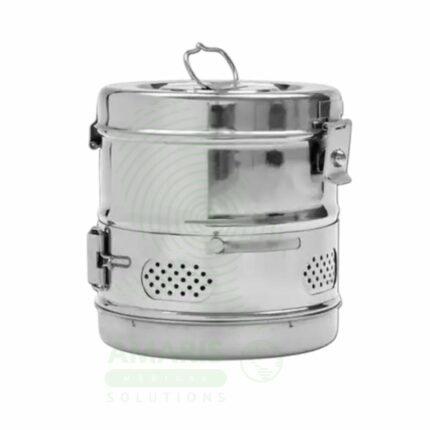
Dressing Drum
A Dressing Drum is a cylindrical, perforated metal container used for sterilizing and storing bulk quantities of dressings, gauze, and wound care supplies. The perforated design allows steam penetration during autoclave sterilization, while the hinged lid with locking mechanism maintains sterility during storage and allows aseptic dispensing. Made from stainless steel or anodized aluminum, it provides a durable, reusable solution for managing sterile supplies in operating rooms, procedure areas, and wound care clinics. Proper loading, drying, and labeling are essential for maintaining sterility and ensuring safe use.
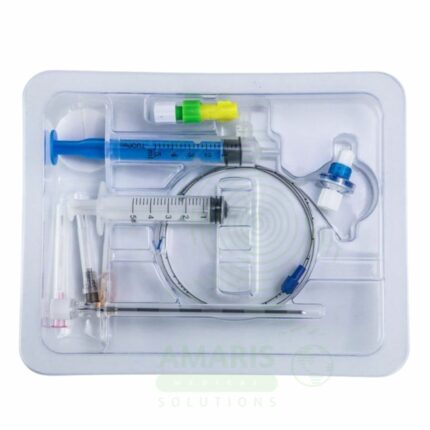
Epidural Kit
An Epidural Kit is a sterile, single-use convenience tray containing all components required for placement of an epidural catheter for regional anesthesia and analgesia. The kit includes a Tuohy-tip epidural needle, a flexible kink-resistant radiopaque catheter, loss-of-resistance syringe, and sterile drapes, preparing the procedural site for aseptic technique. Used in operating rooms, labor and delivery suites, and pain management settings, the epidural kit enables continuous administration of local anesthetics and opioids for surgical anesthesia, labor analgesia, and post-operative pain control. The loss-of-resistance technique provides tactile confirmation of correct catheter placement. Strict aseptic technique and continuous patient monitoring are essential to prevent complications including post-dural puncture headache, infection, and local anesthetic systemic toxicity.
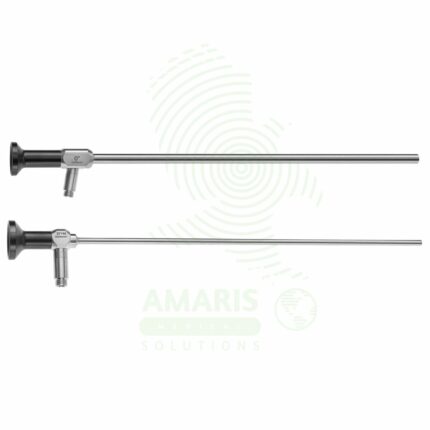
Laparoscope
A Laparoscope is a rigid, sterile optical telescope used in minimally invasive surgery to visualize the abdominal and pelvic cavities. Featuring a Hopkins rod-lens system for brilliant, high-resolution images, it comes in standard diameters (5mm, 10mm) and viewing angles (0° for straight-ahead or 30°/45° to look around structures). It connects to a high-intensity light source and a video camera system. Meticulous handling, mandatory pre-sterilization leak testing, and careful cleaning are required to maintain its integrity and prevent infection. As the primary visual conduit for the surgeon, its clarity and reliability are fundamental to the safety and success of any laparoscopic procedure.
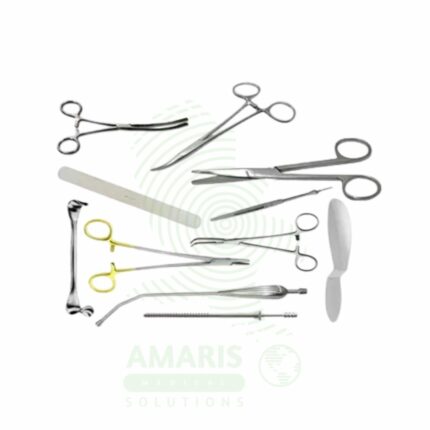
Laparotomy Set
A Laparotomy Set is a sterile instrument tray containing comprehensive instruments for abdominal surgical procedures requiring laparotomy. The set includes instruments for abdominal incision, exposure, dissection, hemostasis, and closure, supporting a wide range of intra-abdominal surgeries including exploration, bowel resection, biliary procedures, and tumor removal. Essential for general surgery, trauma surgery, and oncologic surgery operating rooms, it ensures that all necessary instruments are sterile, organized, and immediately available for safe and effective abdominal surgery.
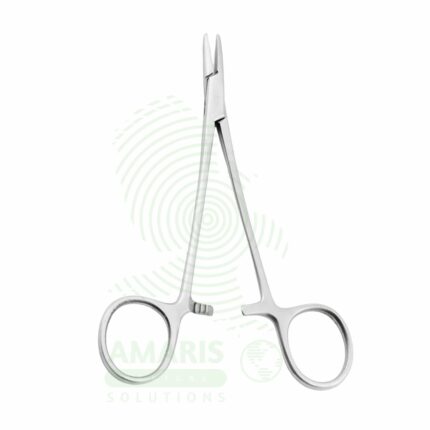
Needle Holders
Needle Holders are surgical instruments used to grasp, hold, and guide suture needles during wound closure and tissue approximation. Featuring serrated jaws with a locking ratchet mechanism, they provide secure needle control while allowing the surgeon to focus on precise suture placement. Available in various sizes and configurations including Mayo-Hegar for general surgery, Castroviejo for microsurgery, and Olsen-Hegar with integrated scissors. Made from surgical-grade stainless steel, often with tungsten carbide inserts for enhanced durability, they are essential instruments in all surgical specialties. Proper selection, handling, and regular inspection are critical for safe and effective use.