Dermatoscope and Magnifiers
 Diagnostic Kits
 Vital Signs Monitors
 Stethoscopes and Accessories
 Otoscopes, Ophthalmoscopes, and Retinoscopes
 Reflex Hammers and Neurological Tools
 Scales and Measuring Devices
 Spirometers and Pulmonary Function Tests
 Electrosurgical Units and Accessories
 Cutting Instruments
 Grasping and Holding Instruments
 Hemostatic Instruments
 Specialized Surgical Sets
 Single-Use Procedure Trays and Packs
 Surgical Drapes, Gowns, and Covers
 Tissue Unifying Instruments
 Radiation Protection
 X-Ray Machines and Accessories
 Ultrasound Systems and Probes
 MRI and CT Scanners
 Radiology Consumables
 Bone Densitometers
 Fluoroscopy Equipment
 Imaging Tables and Positioning Aids
 Microscopes and Accessories
 Centrifuges and Separators
 Analyzers
 Incubators and Ovens
 Pipettes, Dispensers, and Lab Glassware
 Refrigerators, Freezers, and Storage Units
 Lab Consumables
 Sterilizers and Autoclaves for Lab Use
 Multi-Parameter Monitors
 Ventilators and Respiratory Support Devices
 Defibrillators and AEDs
 Infusion Pumps and IV Systems
 Patient Warmers and Cooling Devices
 Central Monitoring Stations
 Accessories
 Anesthesia Machines and Workstations
 Oxygen Concentrators and Delivery Systems
 Nebulizers and Inhalers
 CPAP/BiPAP Machines
 Airway Management
 Anesthesia Masks, Circuits, and Bags
 Humidifiers and Heaters
 Respiratory Therapy Accessories
 First Aid Kits and Cabinets
 Emergency Resuscitation Equipment
 Trauma Supplies
 Emergency Carts and Crash Carts
 Burn Care Products
 Bleeding Control
 Automated External Defibrillators (AEDs)
 Transport and Evacuation
 Wheelchairs and Accessories
 Walkers, Crutches, and Canes
 Prosthetics and Orthotics
 Physical Therapy Equipment
 Transfer Devices
 Bathroom Safety
 Orthopedic Traction and Tables
 Hot/Cold Therapy Packs and Units
 Beds and Mattresses
 Chairs and Stools
 Tables
 Cabinets and Storage
 Privacy Screens & Curtains
 Stands and Racks
 Linens and Textiles
 Lighting
 Autoclaves and Sterilizers
 Ultrasonic Cleaners
 Disinfectant Solutions and Wipes
 Sterilization Pouches, Wraps, and Indicators
 Instrument Trays and Containers
 UV and Ozone Disinfection Devices
 Washer Disinfectors
 Wound Care
 Gloves
 Masks and Respirators
 Catheters and Tubing
 Swabs, Applicators, and Sponges
 Incontinence Products
 Personal Protective Equipment (PPE)
 Dental Chairs and Units
 Handpieces and Burs
 Instruments
 Consumables
 Sterilization for Dental Use
 Orthodontic Supplies
 Endodontic Tools
 Slit Lamps and Tonometers
 Lensometers and Phoropters
 Ophthalmic Surgical Instruments
 Eyewear Frames and Lenses
 Contact Lens Supplies
 Vision Testing Charts and Devices
 Eye Care Consumables
 Laser Systems for Eye Care
 ENT Exam Chairs and Tables
 Endoscopes
 Audiometers and Hearing Tests
 ENT Instruments
 Nasal and Throat Packs
 Hearing Aids and Accessories
 Otology Supplies
 Fetal Dopplers and Monitors
 Delivery Beds and Tables
 Gynecological Instruments
 Neonatal Incubators and Warmers
 Breast Pumps and Accessories
 Contraceptive Devices
 Maternity Supports and Pads
 Neonatal Consumables
 Cystoscopes and Urethroscopes
 Dialysis Machines and Supplies
 Urological Catheters and Bags
 Lithotripters
 Prostate Treatment Devices
 Urinary Incontinence Products
 Kidney Stone Management Tools
 Consumables & Disposables
 EEG and EMG Machines
 Neurosurgical Instruments
 Nerve Stimulators
 Headrests and Positioning Aids
 Lumbar Puncture Kits
 Seizure Monitoring Devices
 Consumables
 Rehabilitation for Neurological Conditions
 ECG Machines and Accessories
 Holter Monitors
 Stress Test Systems
 Pacemakers and Defibrillator Accessories
 Vascular Access Devices
 Cardiac Catheters and Guidewires
 Blood Flow Meters
 Consumables
 Orthopedic Instruments
 Casts, Splints, and Padding
 Joint Replacement Supplies
 Prosthetic Limbs and Components
 Bone Grafts and Substitutes
 Traction Devices
 Orthopedic Braces and Supports
 Rehabilitation Aids for Orthopedics
 Home Oxygen Therapy
 Hospital Beds for Home Use
 Mobility Aids
 Bathroom and Daily Living Aids
 Wound Care for Home
 Monitoring Devices
 Enteral Feeding Pumps and Tubes
 Hand Sanitizers and Dispensers
 Face Shields and Goggles
 Isolation Gowns and Suits
 Biohazard Waste Containers
 Air Purifiers and HEPA Filters
 Surface Disinfectants
 Sharps Containers
 Protective Barriers
 Cardiovascular & Endurance Training
 Strength Training & Weightlifting
 Functional Training & Core Conditioning
 Physical Therapy & Rehabilitation
 Sports & Outdoor Recreation
 Gym Flooring & Facility Equipment
 Fitness Monitoring & Accessories
 Kids & Novelties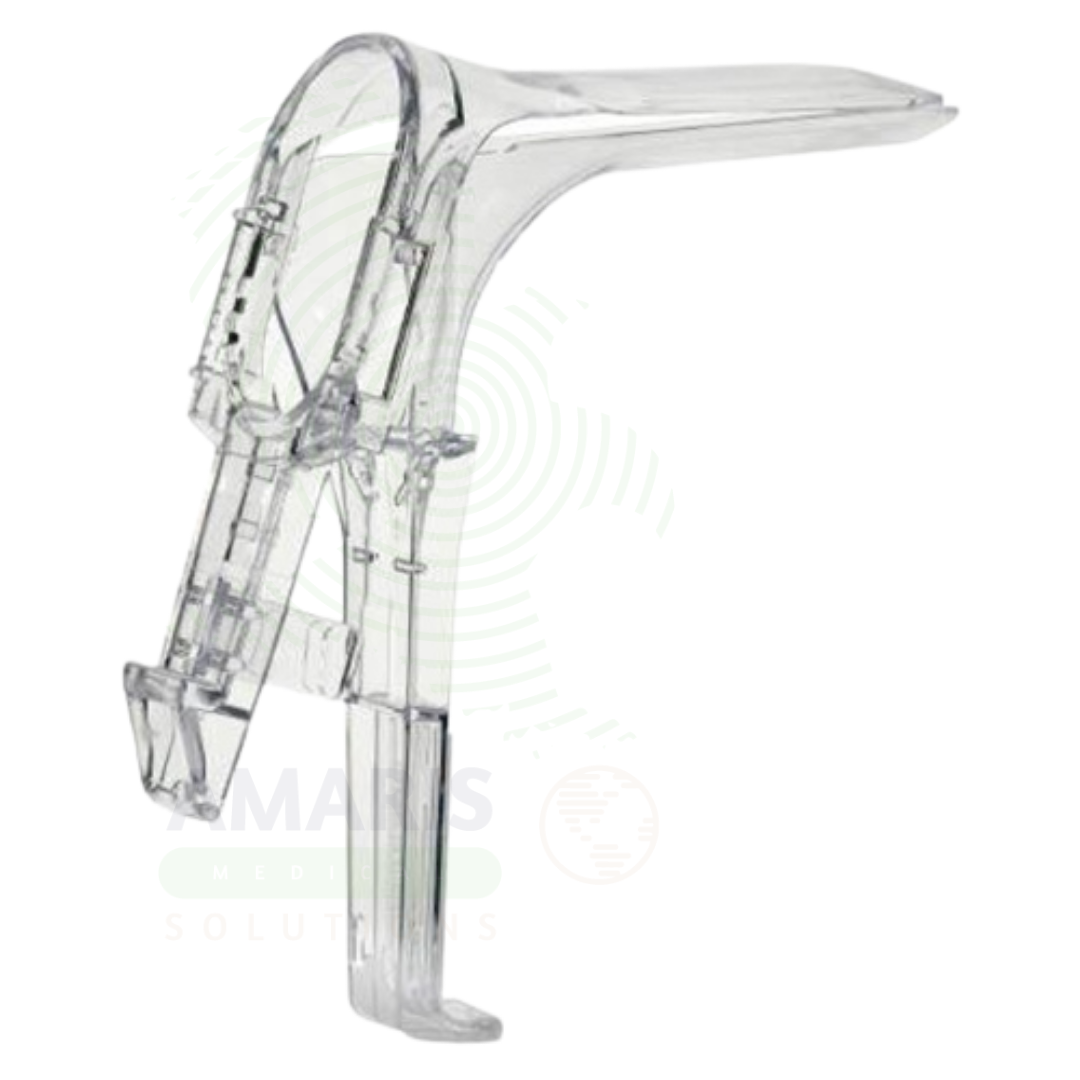

Disposable speculums
$1.00
WhatsApp Order
Disposable Speculums are sterile, single-use plastic instruments designed to gently separate the vaginal walls for visualization of the vagina and cervix during gynecologic examination and procedures. Manufactured from medical-grade polystyrene or polypropylene, these speculums feature smooth, polished blades, a ratchet locking mechanism for hands-free examination, and an ergonomic handle for clinician control. Available in multiple types (Graves, Cusco, Pederson) and sizes from extra small/pediatric to extra large, disposable speculums accommodate patients of all ages and body types. For the clinician, disposable speculums provide reliable, consistent performance for Pap smears, cervical cancer screening, specimen collection, IUD insertion, and gynecologic examination. For the patient, the single-use design eliminates any concern about cross-contamination, while the warmed, lubricated plastic construction minimizes discomfort during the examination.
Description
Disposable Speculums
PRIMARY CLINICAL & DIAGNOSTIC USES
1. Visualization of the Vagina and Cervix for Gynecologic Examination
-
Primary Use: Provides a sterile, single-use plastic instrument that gently separates the vaginal walls to allow direct visualization of the vagina and cervix for diagnostic examination and specimen collection.
-
How it helps: For the gynecologist, family physician, and nurse practitioner, the disposable speculum offers a clear, unobstructed view of the cervix—enabling accurate assessment of cervical health, identification of abnormalities, and detection of conditions such as cervical dysplasia, cervicitis, and cervical polyps. For the patient, the single-use disposable speculum eliminates any concern about cross-contamination between patients, providing peace of mind during their gynecologic examination.
2. Facilitation of Pap Smear and Cervical Cancer Screening
-
Primary Use: Creates access for obtaining cervical cell samples for Pap testing and HPV DNA analysis, enabling early detection of cervical cancer and precancerous lesions.
-
How it helps: For the clinician performing cervical cancer screening, the disposable speculum provides the necessary access to the transformation zone of the cervix—ensuring high-quality specimen collection that maximizes diagnostic accuracy. For the patient, regular screening using disposable speculums enables early detection of precancerous changes when treatment is most effective, significantly reducing the risk of developing invasive cervical cancer.
3. Collection of Vaginal and Cervical Specimens
-
Primary Use: Provides access for collecting vaginal swabs, cervical cultures, and other microbiologic specimens for diagnosis of sexually transmitted infections, bacterial vaginosis, and other vaginal conditions.
-
How it helps: For the clinician evaluating patients with vaginal discharge, pelvic pain, or suspected STIs, the disposable speculum enables direct visualization and targeted specimen collection—improving diagnostic yield and guiding appropriate antimicrobial therapy. For the patient, accurate diagnosis means timely, effective treatment and prevention of complications such as pelvic inflammatory disease.
4. Guidance for Intrauterine Device Insertion and Removal
-
Primary Use: Provides visualization of the cervix for accurate placement, adjustment, or removal of intrauterine contraceptive devices in gynecologic practice.
-
How it helps: For the clinician performing IUD insertion, the disposable speculum provides clear visualization of the cervical os—enabling precise placement of the IUD while minimizing patient discomfort and complication risk. For the patient, proper visualization ensures correct IUD placement, maximizing contraceptive efficacy and reducing the risk of expulsion or perforation.
SECONDARY & SUPPORTIVE USES
1. Endometrial Biopsy Sampling: Provides access for obtaining endometrial tissue samples for histologic evaluation in patients with abnormal uterine bleeding.
2. Placement of Vaginal and Cervical Medications: Creates access for precise placement of vaginal suppositories, cervical ripening agents, and topical medications.
3. Foreign Body Removal from Vagina: Provides visualization and access for the safe removal of retained foreign bodies such as tampons or contraceptive devices.
4. Post-Operative Evaluation: Used to visualize the cervix and vaginal cuff following gynecologic procedures to assess healing.
5. Assessment of Pelvic Organ Prolapse: Used to visualize the vaginal walls and cervix during evaluation of cystocele, rectocele, and uterine prolapse.
6. Colposcopy Guidance: Used to provide access for colposcopic examination of the cervix following abnormal Pap smear results.
7. Sexual Assault Examination: Used in forensic examinations to visualize the vaginal walls and cervix for documentation of injuries and evidence collection.
8. Pre-Procedural Assessment: Used to evaluate the cervix before gynecologic procedures including hysteroscopy, dilation and curettage, and LEEP.
9. Pediatric and Adolescent Gynecology: Smaller pediatric speculums used for examination of children and adolescents.
10. Teaching and Simulation: Used in medical education to train clinicians in speculum examination technique.
KEY PRODUCT FEATURES
1. BASIC IDENTIFICATION ATTRIBUTES
-
Device Type: A sterile, single-use plastic instrument used to gently separate the vaginal walls for visualization of the vagina and cervix during gynecologic examination and procedures.
-
Designation: Disposable Speculum, Plastic Speculum, Vaginal Speculum, Single-Use Speculum, Sterile Disposable Speculum, Gynecologic Speculum, Cusco Speculum, Graves Speculum, Pediatric Speculum.
-
Key Components:
o Blades: Two opposing plastic blades (upper and lower) that separate the vaginal walls.
o Hinge Mechanism: Allows blades to open and close smoothly.
o Handle: Extended handle for clinician grip and control.
o Locking Mechanism: Ratchet or thumb screw to hold blades in open position.
o Material: Clear or translucent medical-grade plastic.
2. TECHNICAL & PERFORMANCE PROPERTIES
-
Material: Medical-grade polystyrene, polypropylene, or acrylic.
-
Types: Graves (wider, curved blades), Cusco (narrower, straight blades), Pederson (narrower than Graves), Pediatric (smaller sizes).
-
Sizes: Extra Small (XS/Pediatric), Small, Medium, Large, Extra Large.
-
Clarity: Clear or translucent for visualization through the speculum.
-
Light Compatibility: May be compatible with headlights or have built-in light sources.
-
Sterility: Sterile; ethylene oxide or gamma irradiation sterilized.
-
Latex-Free: Manufactured without natural rubber latex.
-
Single-Use: Intended for single patient, single use only.
3. PHYSICAL & OPERATIONAL PROPERTIES
-
Construction: Smooth edges to prevent tissue trauma.
-
Locking Mechanism: Ratchet locking system for hands-free examination.
-
Smooth Finish: Polished surface for comfortable insertion and rotation.
-
Packaging: Individually wrapped sterile packaging.
-
Disposal: Discard as biohazardous waste after single use.
-
Light Source: Some models feature integrated LED light sources.
4. SAFETY & COMPLIANCE ATTRIBUTES
-
Regulatory Status: Class II medical device requiring 510(k) clearance.
-
FDA Compliance: Compliant with FDA Quality System Regulations.
-
Sterility: Sterile; sterility assurance level (SAL) of 10^-6.
-
Latex-Free: Standard in all disposable plastic speculums.
-
Biocompatibility: Materials tested for vaginal tissue contact safety.
-
Phthalate-Free: Many models are DEHP-free.
5. STORAGE & HANDLING ATTRIBUTES
-
Storage: Store in a clean, dry location at room temperature; protect from heat, moisture, and direct sunlight.
-
Shelf Life: Typically 3-5 years from date of manufacture; check expiration date before use.
-
Sterility Maintenance: Do not use it if the package is opened, torn, wet, or damaged.
-
Single-Use Only: Intended for single patient use only; do not reuse or resterilize.
6. LABORATORY & CLINICAL APPLICATIONS
-
Primary Application: Visualization and access for diagnostic examination, Pap smear collection, specimen collection, and minor gynecologic procedures.
-
Clinical Role: Essential device in obstetrics and gynecology, primary care, family medicine, emergency departments, community health clinics, family planning clinics, and women's health screening programs.
SAFETY HANDLING PRECAUTIONS
1. SAFETY PRECAUTIONS
-
Proper Size Selection: Select appropriate size for patient anatomy to minimize discomfort and tissue trauma.
-
Warming: Warm speculum to body temperature before use to reduce patient discomfort.
-
Lubrication: Use water-soluble lubricant on the outer surface of closed blades for comfortable insertion.
-
Gentle Insertion: Insert with blades closed at a 45-degree angle; rotate to horizontal position after passing introitus.
-
Gentle Opening: Open blades slowly and gently to avoid stretching or tearing vaginal tissues.
-
Locking Mechanism: Ensure locking mechanism is secure before releasing hands.
-
Visualization: Use adequate light source for proper visualization.
-
Contraindications: Avoid use in patients with acute pelvic inflammatory disease, undiagnosed vaginal bleeding, or known hypersensitivity to plastic materials.
-
Single-Use Only: Do not reuse; discard after each patient.
-
Biohazard Disposal: Dispose of used speculums in biohazard sharps or medical waste containers.
2. FIRST AID MEASURES
-
Tissue Trauma: If bleeding or tissue injury occurs during use, remove speculum gently, apply pressure if needed, evaluate extent of injury, and document.
-
Speculum Breakage: If speculum breaks during use, carefully remove all fragments; assess vaginal vault for retained pieces; consider imaging if fragments may remain.
-
Vasovagal Response: If a patient experiences dizziness, pallor, nausea, or syncope, remove speculum immediately, lower the patient's head, and monitor vital signs.
3. FIRE FIGHTING MEASURES
-
Flammability: Plastic speculums are combustible; may melt or burn if exposed to flame or high heat.
-
Extinguishing Media: Use water, foam, dry chemical, or CO₂ for fire involving plastic materials.
-
Fire Response: No special fire hazards beyond typical combustible materials.
Related products
Cusco Speculum
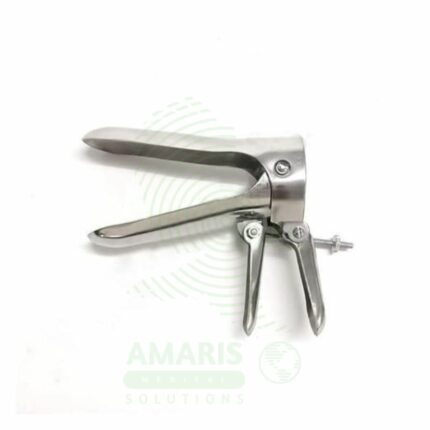
A Cusco speculum is a hinged, bivalve instrument used to separate the vaginal walls for examination of the vagina and cervix. It is the standard tool for performing Pap smears, visual diagnostics, and various gynecological procedures. Available in reusable metal or single-use plastic forms and in multiple sizes, its self-retaining lock allows for hands-free operation. Safe and effective use requires gentle insertion with lubrication, selection of the correct size, careful unlocking before removal, and strict adherence to high-level disinfection or sterilization protocols for reusable models. It is an indispensable instrument in women's health care.
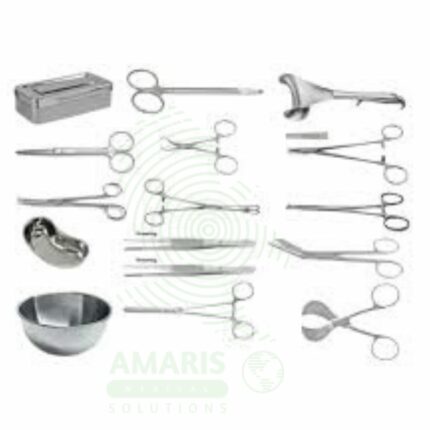
Delivery Set
A Delivery Set is a sterile instrument tray containing the instruments necessary for attending vaginal deliveries, including episiotomy, cord clamping and cutting, placental delivery, and perineal repair. Essential for labor and delivery units, birthing centers, and emergency obstetric services, it ensures that all required instruments are organized, sterile, and immediately available during the delivery process. Proper sterile technique, instrument counting, and placental inspection are critical for safe maternal and neonatal outcomes.
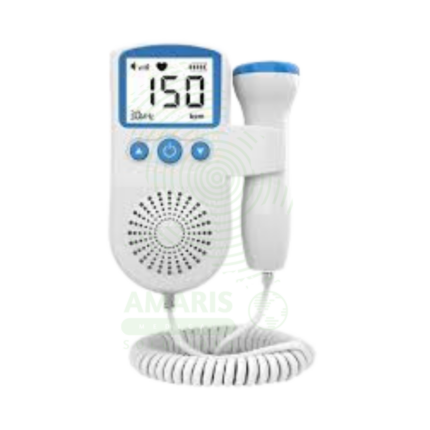
Fetoheart Sonic Aid Doppler (clinic/hospital use)
A Fetoheart Sonic Aid Doppler (Fetal Doppler) is a Class II medical ultrasound device (2-3 MHz probe) for real-time detection and audible/visual display of fetal heart rate in clinical obstetric settings from 10-12 weeks gestation. Features include handheld or tabletop console, waterproof probe, digital heart rate display (30-240 bpm), amplified speaker, headphone jack, and rechargeable battery or AC power operation. Continuous wave or pulsed wave Doppler technology with auto-correlation signal processing rejects maternal artifact. Primary clinical applications include fetal heart rate detection and monitoring during routine prenatal visits, confirmation of fetal viability in first trimester, intermittent fetal monitoring during labor, non-stress test administration, multiple gestation assessment, fetal presentation determination, and post-procedure confirmation (amniocentesis, CVS, ECV). Critical safety considerations include following ALARA principle (minimum necessary exposure), appropriate ultrasound gel use, probe pressure avoidance, infection control (probe cleaning between patients), differentiation of fetal from maternal signals, and interpretation by qualified providers. Essential equipment in outpatient obstetric clinics, hospital labor and delivery units, and prenatal care settings.
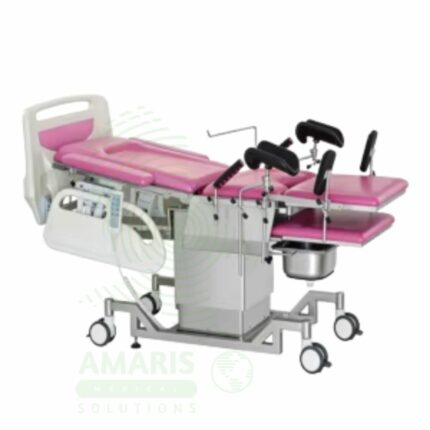
Gynecological examination couch (Parturition Bed)
A Gynecological Examination Couch (Parturition Bed) is a specialized medical couch designed for gynecologic examinations, obstetric delivery, and related procedures. Featuring adjustable backrest, removable leg sections, and adjustable stirrups for lithotomy positioning, it supports pelvic examinations, Pap smears, IUD procedures, and all stages of labor and delivery. The couch provides Trendelenburg and reverse Trendelenburg positioning, height adjustment, and fluid-resistant upholstery for easy cleaning. Essential for gynecology clinics, labor and delivery units, and women's health centers, it combines examination and delivery functions in a single versatile unit.
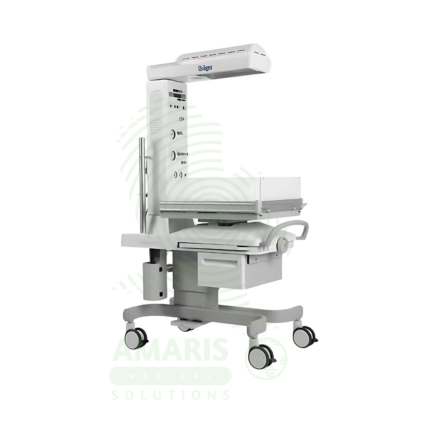
Infant radiant warmer (resuscitaire)
An Infant Radiant Warmer (Resuscitaire) is an open-bassinet, overhead radiant heating system designed for neonatal thermoregulation and resuscitation. It provides servo-controlled infrared warmth to maintain infant body temperature during the critical transition from intrauterine to extrauterine life. The integrated resuscitation platform features built-in oxygen and air sources, suction apparatus, cardiorespiratory monitoring, and storage for resuscitation equipment, ensuring all necessary tools are immediately accessible during newborn stabilization. Essential equipment for every delivery room and neonatal intensive care unit, the radiant warmer supports thermoregulation, resuscitation, and ongoing care while allowing unrestricted access to the infant. Proper temperature probe placement, pre-warming, and alarm response are critical for safe operation.
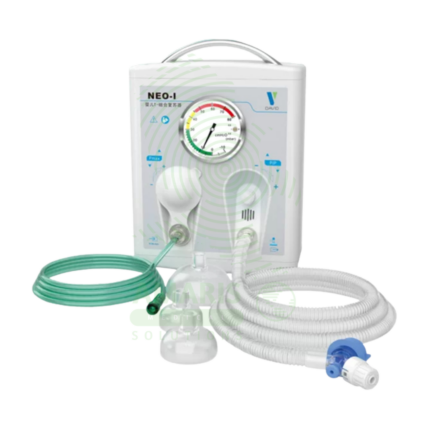
Infant T-Piece Resuscitator
An Infant T-piece Resuscitator is a Class II medical device designed for neonatal resuscitation and controlled positive pressure ventilation, delivering precise, consistent peak inspiratory pressures (PIP) and positive end-expiratory pressure (PEEP) as recommended by Neonatal Resuscitation Program (NRP) guidelines. The T-piece assembly connects to compressed air/oxygen source (5-15 L/min) with adjustable PIP (10-40 cmH₂O) and PEEP (0-10 cmH₂O) controls, built-in pressure manometer, and pressure relief valve (30-40 cmH₂O). Operator occludes port to deliver breaths (typically 40-60/min), with consistent pressures maintained regardless of technique. Essential advantages over bag-valve-mask devices include operator-independent pressure delivery, ability to provide PEEP (critical for preterm lung protection), reduced risk of barotrauma, and hands-free PEEP allowing two-handed mask seal. Primary clinical applications include delivery room resuscitation, stabilization of extremely preterm infants (<1,000 g), CPAP/PEEP delivery, meconium aspiration management, and neonatal transport ventilation. Critical safety considerations include verifying gas supply (5-15 L/min), monitoring manometer pressures, ensuring proper mask seal, observing chest rise, and titrating FiO2 to SpO2 targets. Indispensable resuscitation equipment in every delivery room, NICU, and neonatal transport setting worldwide.
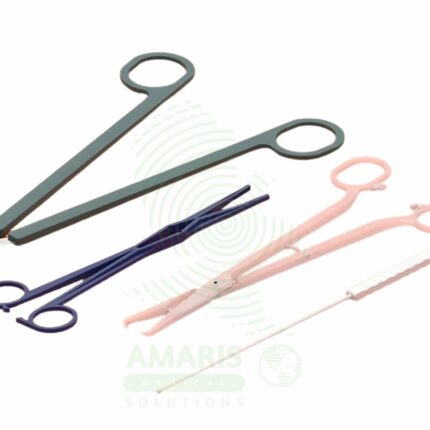
IUD Removal Set
An IUD Removal Set is a sterile instrument tray containing instruments for the safe removal of intrauterine contraceptive devices. The set includes vaginal speculum, ring forceps, tenaculum, uterine sound, IUD retrieval instruments, and cervical dilators for managing routine and complex IUD removals. Used in gynecology clinics, family planning centers, and office-based procedure suites, it supports safe removal of copper and hormonal IUDs, management of non-visible strings, and retrieval of embedded or fragmented devices. Proper technique and careful handling are essential for patient safety and successful IUD removal.