Dermatoscope and Magnifiers
 Diagnostic Kits
 Vital Signs Monitors
 Stethoscopes and Accessories
 Otoscopes, Ophthalmoscopes, and Retinoscopes
 Reflex Hammers and Neurological Tools
 Scales and Measuring Devices
 Spirometers and Pulmonary Function Tests
 Electrosurgical Units and Accessories
 Cutting Instruments
 Grasping and Holding Instruments
 Hemostatic Instruments
 Specialized Surgical Sets
 Single-Use Procedure Trays and Packs
 Surgical Drapes, Gowns, and Covers
 Tissue Unifying Instruments
 Radiation Protection
 X-Ray Machines and Accessories
 Ultrasound Systems and Probes
 MRI and CT Scanners
 Radiology Consumables
 Bone Densitometers
 Fluoroscopy Equipment
 Imaging Tables and Positioning Aids
 Microscopes and Accessories
 Centrifuges and Separators
 Analyzers
 Incubators and Ovens
 Pipettes, Dispensers, and Lab Glassware
 Refrigerators, Freezers, and Storage Units
 Lab Consumables
 Sterilizers and Autoclaves for Lab Use
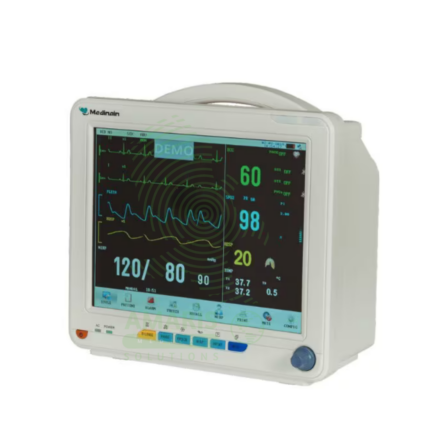
 Multi-Parameter Monitors
 Ventilators and Respiratory Support Devices
 Defibrillators and AEDs
 Infusion Pumps and IV Systems
 Patient Warmers and Cooling Devices
 Central Monitoring Stations
 Accessories
 Anesthesia Machines and Workstations
 Oxygen Concentrators and Delivery Systems
 Nebulizers and Inhalers
 CPAP/BiPAP Machines
 Airway Management
 Anesthesia Masks, Circuits, and Bags
 Humidifiers and Heaters
 Respiratory Therapy Accessories
 First Aid Kits and Cabinets
 Emergency Resuscitation Equipment
 Trauma Supplies
 Emergency Carts and Crash Carts
 Burn Care Products
 Bleeding Control
 Automated External Defibrillators (AEDs)
 Transport and Evacuation
 Wheelchairs and Accessories
 Walkers, Crutches, and Canes
 Prosthetics and Orthotics
 Physical Therapy Equipment
 Transfer Devices
 Bathroom Safety
 Orthopedic Traction and Tables
 Hot/Cold Therapy Packs and Units
 Beds and Mattresses
 Chairs and Stools
 Tables
 Cabinets and Storage
 Privacy Screens & Curtains
 Stands and Racks
 Linens and Textiles
 Lighting
 Autoclaves and Sterilizers
 Ultrasonic Cleaners
 Disinfectant Solutions and Wipes
 Sterilization Pouches, Wraps, and Indicators
 Instrument Trays and Containers
 UV and Ozone Disinfection Devices
 Washer Disinfectors
 Wound Care
 Gloves
 Masks and Respirators
 Catheters and Tubing
 Swabs, Applicators, and Sponges
 Incontinence Products
 Personal Protective Equipment (PPE)
 Dental Chairs and Units
 Handpieces and Burs
 Instruments
 Consumables
 Sterilization for Dental Use
 Orthodontic Supplies
 Endodontic Tools
 Slit Lamps and Tonometers
 Lensometers and Phoropters
 Ophthalmic Surgical Instruments
 Eyewear Frames and Lenses
 Contact Lens Supplies
 Vision Testing Charts and Devices
 Eye Care Consumables
 Laser Systems for Eye Care
 ENT Exam Chairs and Tables
 Endoscopes
 Audiometers and Hearing Tests
 ENT Instruments
 Nasal and Throat Packs
 Hearing Aids and Accessories
 Otology Supplies
 Fetal Dopplers and Monitors
 Delivery Beds and Tables
 Gynecological Instruments
 Neonatal Incubators and Warmers
 Breast Pumps and Accessories
 Contraceptive Devices
 Maternity Supports and Pads
 Neonatal Consumables
 Cystoscopes and Urethroscopes
 Dialysis Machines and Supplies
 Urological Catheters and Bags
 Lithotripters
 Prostate Treatment Devices
 Urinary Incontinence Products
 Kidney Stone Management Tools
 Consumables & Disposables
 EEG and EMG Machines
 Neurosurgical Instruments
 Nerve Stimulators
 Headrests and Positioning Aids
 Lumbar Puncture Kits
 Seizure Monitoring Devices
 Consumables
 Rehabilitation for Neurological Conditions
 ECG Machines and Accessories
 Holter Monitors
 Stress Test Systems
 Pacemakers and Defibrillator Accessories
 Vascular Access Devices
 Cardiac Catheters and Guidewires
 Blood Flow Meters
 Consumables
 Orthopedic Instruments
 Casts, Splints, and Padding
 Joint Replacement Supplies
 Prosthetic Limbs and Components
 Bone Grafts and Substitutes
 Traction Devices
 Orthopedic Braces and Supports
 Rehabilitation Aids for Orthopedics
 Home Oxygen Therapy
 Hospital Beds for Home Use
 Mobility Aids
 Bathroom and Daily Living Aids
 Wound Care for Home
 Monitoring Devices
 Enteral Feeding Pumps and Tubes
 Hand Sanitizers and Dispensers
 Face Shields and Goggles
 Isolation Gowns and Suits
 Biohazard Waste Containers
 Air Purifiers and HEPA Filters
 Surface Disinfectants
 Sharps Containers
 Protective Barriers
 Cardiovascular & Endurance Training
 Strength Training & Weightlifting
 Functional Training & Core Conditioning
 Physical Therapy & Rehabilitation
 Sports & Outdoor Recreation
 Gym Flooring & Facility Equipment
 Fitness Monitoring & Accessories
 Kids & Novelties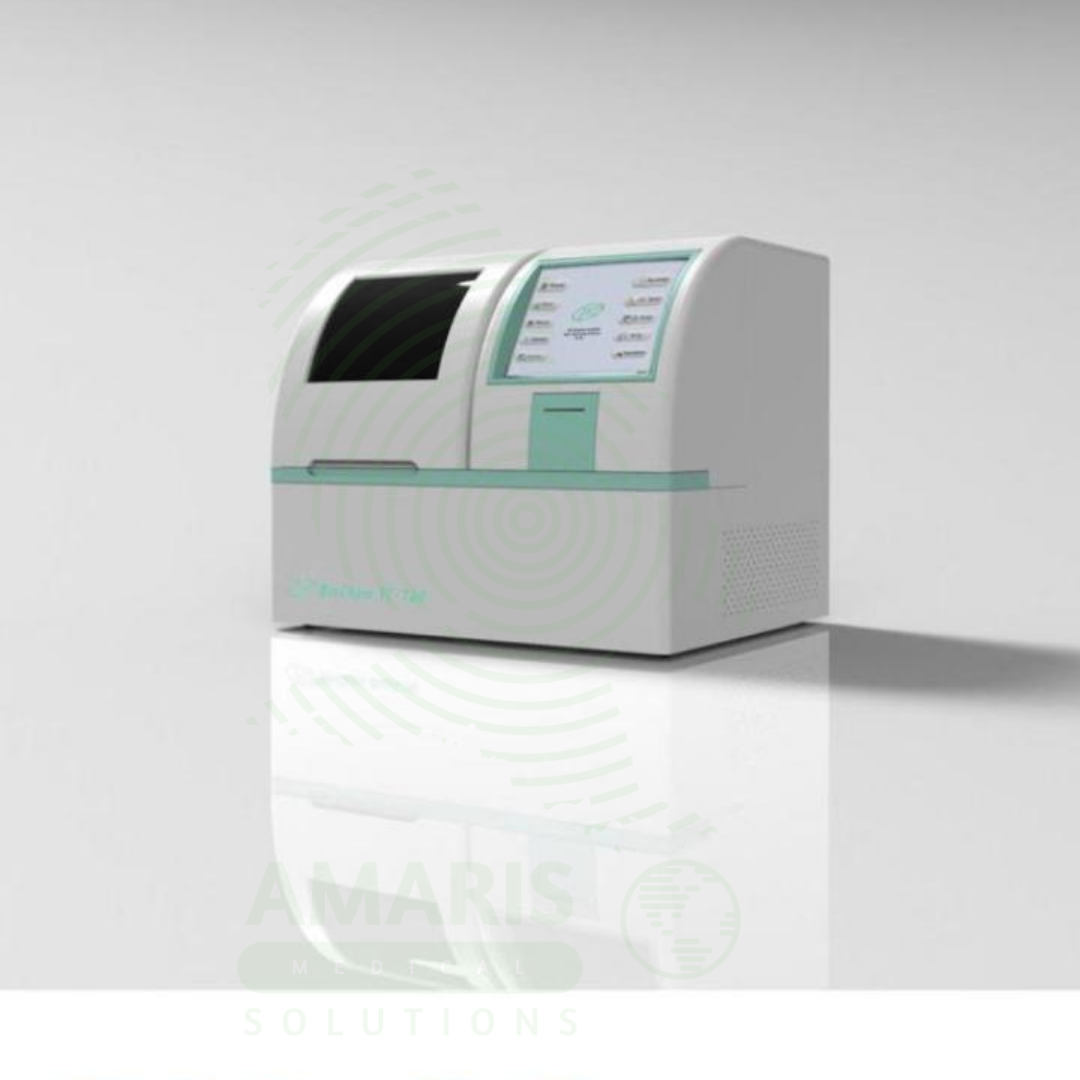

BioChem FC-120 Automated Chemistry Analyzer
WhatsApp Order
The BioChem FC-120 Automated Chemistry Analyzer is a fully automated, random access benchtop clinical chemistry analyzer designed for small to medium-volume laboratories, community hospitals, district hospitals, and reference laboratories in emerging healthcare markets . Operating at 100 tests per hour with random access capability and STAT priority function, this open reagent system delivers photometric analysis using 8 interference filters (340-670nm) and disposable cuvette technology (90 cuvettes, 9 strips of 10) that eliminates washing maintenance and cross-contamination concerns .
The analyzer features an all-in-one design with built-in 10.4-inch color touchscreen, integrated computer, thermal printer, and 100,000 test result memory . The 42-position sample rotor and 26-position reagent rotor accept primary tubes, secondary tubes, sample cups, and any commercial reagents, with liquid level detection and collision protection for safe, automatic operation . Bi-directional LIS connectivity supports seamless electronic medical record integration .
For the clinical laboratory scientist and pathologist, the BioChem FC-120 delivers accurate measurement of liver function (ALT, AST, ALP, GGT, bilirubin, total protein, albumin), renal function (urea, creatinine, uric acid), lipid profiles (total cholesterol, triglycerides, HDL, LDL, VLDL, apolipoproteins), cardiac biomarkers (CK, CK-MB, LDH, myoglobin), diabetes markers (glucose, HbA1c), inflammatory markers (CRP, RF, ASO, immunoglobulins), iron studies (iron, TIBC, ferritin), electrolytes (calcium, magnesium, phosphorus), and tumor markers (AFP) . For the patient, rapid, accurate chemistry results enable early diagnosis of hepatitis, cirrhosis, chronic kidney disease, diabetes, hyperlipidemia, pancreatitis, myocardial infarction, and inflammatory disorders—guiding appropriate medical therapy and preventing disease progression and complications.
Description
BioChem FC-120 Automated Chemistry Analyzer
PRIMARY CLINICAL & DIAGNOSTIC USES
1. Liver Function Testing (LFT) for Hepatic Disease Diagnosis
-
Primary Use: Provides a fully automated, random access benchtop chemistry analyzer with 100 tests per hour throughput, performing endpoint, two-point, and kinetic analysis of liver function parameters including ALT, AST, ALP, GGT, total bilirubin, direct bilirubin, total protein, and albumin using 8 standard wavelengths (340-670nm) .
-
How it helps: For the clinical laboratory scientist and hepatologist, the BioChem FC-120 delivers accurate measurement of hepatic enzymes and bilirubin using photometric optical technology with a 20W halogen lamp and interference filters . For the patient with suspected hepatitis, cirrhosis, fatty liver disease, or drug-induced liver injury, precise liver enzyme quantification enables early diagnosis, monitoring of disease progression, and assessment of treatment response, guiding appropriate hepatology referral and management.
2. Renal Function Testing for Chronic Kidney Disease Management
-
Primary Use: Measures renal function parameters including urea, creatinine, uric acid, and electrolytes using pre-programmed applications for all HTI reagents . Disposable cuvette technology (90 cuvettes, 9 strips of 10) eliminates washing maintenance and cross-contamination concerns .
-
How it helps: For the nephrologist and primary care physician, the BioChem FC-120’s random access capability and STAT priority function enable urgent creatinine and urea testing for emergency department patients . For the patient with chronic kidney disease, diabetes, hypertension, or acute kidney injury, accurate renal function testing supports staging of CKD, monitoring of dialysis adequacy, and early detection of nephrotoxicity from medications, enabling timely intervention to preserve renal function.
3. Lipid Profile Testing for Cardiovascular Risk Assessment
-
Primary Use: Performs comprehensive lipid panel analysis including total cholesterol, triglycerides, HDL cholesterol, LDL cholesterol, VLDL cholesterol, apolipoproteins A1, B, CII, CIII, and E for complete cardiovascular risk stratification . Supports lipoprotein and beta-2-microglobulin testing for advanced cardiac risk assessment .
-
How it helps: For the cardiologist and preventive medicine specialist, the BioChem FC-120’s simple, intuitive software with pre-loaded applications for all reagents enables lipid profiling for cardiovascular risk stratification . For the patient with hyperlipidemia, diabetes, metabolic syndrome, or established cardiovascular disease, accurate lipid profiling enables calculation of ASCVD risk scores, monitoring of statin therapy effectiveness, and lifestyle modification guidance to reduce myocardial infarction and stroke risk.
4. Comprehensive Enzyme and Substrate Testing for Multiple Clinical Indications
-
Primary Use: Performs up to 60 different assays including pancreatic enzymes (amylase, lipase), cardiac markers (CK, CK-MB, LDH), electrolytes (iron, calcium, magnesium, potassium, sodium, phosphorus, chlorine, zinc, copper), and therapeutic drug monitoring . Open reagent system with 26 reagent positions and 9 sample positions providing flexible test menu configuration .
-
How it helps: For the emergency physician, endocrinologist, and clinical chemist, the BioChem FC-120’s random access capability and STAT priority function enable urgent amylase testing for pancreatitis, troponin for myocardial infarction, and glucose for diabetic emergencies . For the patient presenting with acute abdominal pain, chest pain, or altered mental status, rapid enzyme and substrate quantification enables emergency diagnosis of pancreatitis, myocardial infarction, diabetic ketoacidosis, and electrolyte disorders—facilitating appropriate acute care and preventing life-threatening complications .
SECONDARY & SUPPORTIVE USES
1. Diabetes Screening and Glycemic Control Monitoring: Measures glucose and glycated hemoglobin (HbA1c) for diabetes diagnosis, prediabetes screening, and long-term glycemic control monitoring in diabetic patients on insulin or oral hypoglycemic agents .
2. Inflammatory and Autoimmune Disease Assessment: Quantifies C-reactive protein (CRP), rheumatoid factor (RF), anti-streptolysin O (ASO), immunoglobulins (IgG, IgA, IgM), and complement proteins for inflammatory and autoimmune disease diagnosis and activity monitoring .
3. Anemia Workup and Iron Studies: Measures serum iron, total iron-binding capacity (TIBC), ferritin, transferrin, and vitamin B12 for comprehensive iron deficiency anemia and hemochromatosis diagnosis .
4. Bone and Mineral Metabolism Testing: Quantifies calcium, phosphorus, alkaline phosphatase (ALP), and magnesium for osteoporosis, hyperparathyroidism, and metabolic bone disease diagnosis .
5. Tumor Marker Screening: Supports alpha-fetoprotein (AFP) and ferritin testing for hepatocellular carcinoma and other malignancy screening .
6. Therapeutic Drug Monitoring (TDM): Quantifies drug levels for medications with narrow therapeutic indices using the open reagent system and programmable assay parameters.
7. Small and Medium Volume Laboratory Testing: Processes 50-100 samples daily in community hospitals, district hospitals, reference laboratories, and clinic laboratories with low to moderate test volumes .
8. Emergency and STAT Testing: Provides STAT priority function for urgent clinical decisions; STAT samples interrupt routine testing and produce results fast for emergency department patients .
9. Point-of-Care and Physician Office Laboratory (POL) Testing: Compact benchtop design (640x480x510mm, 45kg) with 10.4-inch touchscreen enables decentralized testing in physician offices, urgent care centers, and clinic laboratories .
10. Electronic Medical Record Integration: Bi-directional LIS connectivity streamlines sample tracking, result reporting, and integration with hospital information systems .
11. Quality Control and Laboratory Accreditation: Built-in Levey-Jennings charting with Westgard rules, 100,000 result memory, and comprehensive QC reporting supports laboratory quality assurance programs and ISO accreditation .
12. Cardiac Biomarker Testing: Measures troponin, CK-MB, and myoglobin for acute coronary syndrome diagnosis in emergency department patients .
13. HIV/AIDS Disease Progression Monitoring: Supports immunoglobulin and total protein testing for immune status assessment in HIV patients.
14. Veterinary Diagnostic Applications: Supports biochemistry testing for companion animals, livestock, and research animals .
15. Teaching and Training Laboratory Use: Pre-loaded applications and intuitive touchscreen interface serve as educational instrument for clinical chemistry training.
KEY PRODUCT FEATURES
1. BASIC IDENTIFICATION ATTRIBUTES
-
Device Type: A fully automated, random access benchtop clinical chemistry analyzer (automatic biochemical analyzer) with STAT capability, open reagent system, and disposable cuvette technology .
-
Designation: BioChem FC-120 Automated Chemistry Analyzer, HTI BioChem FC-120, Automatic Biochemical Analyzer, Random Access Chemistry Analyzer .
-
Key Components:
-
Optical System: 20W halogen lamp with 8 interference filters at wavelengths 340, 405, 450, 510, 546, 578, 630, 670nm; optical path length 5mm .
-
Sampling System: Automatic probe with liquid level detection, collision protection, high-pressure internal and external washing, automatic liquid aspiration depth adjustment .
-
Reagent Rotor: 26 positions for reagents (up to 40mL capacity) .
-
Sample Rotor: 42 positions for samples (primary/secondary tubes, sample cups); 9 standard positions .
-
Reaction Carousel: 90 disposable cuvettes (9 strips of 10 cuvettes); reaction volume 180-600μL .
-
Incubator: Temperature control at 37°C, room temperature, or 30°C with ±0.1°C stability .
-
User Interface: 10.4-inch color touchscreen with intuitive software; pre-loaded applications for all HTI reagents .
-
Printer: Integrated thermal printer; external printer support .
-
Computer: Built-in PC with Windows-based operating system .
-
Memory: 100,000 result storage capacity .
-
Connectivity: Bi-directional LIS interface, RS-232 .
2. TECHNICAL & PERFORMANCE PROPERTIES
-
Methodology: Photometric, turbidimetric; endpoint, two-point, and kinetic analysis modes .
-
Throughput: 100 tests per hour (continuous operation) .
-
Operating Mode: Random access (discretionary access) allowing any test on any sample without batching .
-
Sample Types: Serum, plasma, whole blood, urine, cerebrospinal fluid .
-
Sample Volume: 3-45 μL in 0.1 μL increments .
-
Reagent Volume: 30-450 μL in 1 μL increments .
-
Reaction Volume: 180-600 μL .
-
Optical Path Length: 5 mm .
-
Absorbance Range: 0.01 to 3.50 B .
-
Absorbance Precision: ≤0.01 B (0.01-0.5 B range); ≤3.0% relative (0.5-3.5 B range) .
-
Wavelengths (8 filters): 340, 405, 450, 510, 546, 578, 630, 670nm .
-
Incubation Temperature: 37°C (±0.1°C), room temperature, 30°C .
-
Sample Rotor Capacity: 42 positions (up to 5 virtual disks) .
-
Reagent Rotor Capacity: 26 positions (up to 1 virtual disk) .
-
STAT Capability: Yes; STAT samples interrupt routine testing for emergency processing .
-
Calibration Modes: Factor, linear (one-point, two-point, multi-point), nonlinear (Logistic-Log 4P/5P, Exponential 5P, Polynomial 5P, Parabola, Spline) .
-
Quality Control: Levey-Jennings charting with Westgard rules; internal and external QC .
-
Result Memory: 100,000 patient results .
-
Power Requirements: 100-240V, 50/60Hz; 350VA maximum consumption .
-
Dimensions (W x D x H): 640 x 480 x 510 mm .
-
Weight: 45 kg .
-
Operating Temperature: 20-30°C .
-
Operating Humidity: ≤85% non-condensing .
-
Water Supply: Built-in container for deionized water with sensor and tubing; waste container with sensor .
3. PHYSICAL & OPERATIONAL PROPERTIES
-
Construction: All-in-one benchtop design with integrated computer, printer, and touchscreen; durable construction for daily laboratory use .
-
User Interface: 10.4-inch large color touchscreen with intuitive graphical interface; pre-loaded applications for all HTI reagents; simple enough that users can run samples right out of the box .
-
Sample Handling: 42-position sample rotor accepts primary tubes, secondary tubes, and sample cups; automatic liquid level detection prevents probe damage .
-
Reagent Handling: 26-position reagent rotor with liquid level detection; open reagent system compatible with any commercial reagents .
-
Reaction System: 90 disposable cuvettes (9 strips of 10) on reaction carousel; single-use eliminates washing maintenance and cross-contamination concerns .
-
Probe System: Automatic sample probe with collision protection (even in external situations), high-pressure internal and external washing, automatic aspiration depth adjustment .
-
STAT Function: STAT samples get priority automatically; urgent glucose for diabetic crisis, creatinine for pre-surgical clearance, troponin for chest pain in emergency department .
-
Maintenance: Disposable cuvettes eliminate cuvette washing; self-diagnostic systems and alarms ensure error-free operation .
-
Calibration: Automatic and manual calibration modes; factory calibration verification recommended annually.
-
Data Management: 100,000 result memory with patient demographics and QC data; results can be printed via integrated thermal printer or exported via LIS .
-
Connectivity: Bi-directional LIS interface for seamless integration with laboratory information systems; RS-232 serial port .
-
Self-Diagnostics: Systems continuously monitor instrument status and alert operator to potential issues .
4. SAFETY & COMPLIANCE ATTRIBUTES
-
Regulatory Status: In Vitro Diagnostic (IVD) medical device; registered in State Register No. 66945-17; verification interval 1 year .
-
Safety Certifications: CE marked; compliant with applicable international safety standards.
-
Infection Control: Disposable cuvettes eliminate cross-contamination risk; automatic probe washing reduces biohazard exposure; closed-tube sampling standard precautions .
-
Electrical Safety: Wide voltage compatibility (100-240V, 50/60Hz) for international use; Class I protection requiring grounded outlet; 350VA power consumption .
-
Operating Environment: Designed for indoor laboratory use at 20-30°C temperature, ≤85% humidity .
-
Quality Assurance: Built-in Levey-Jennings charting with Westgard rules; internal and external QC; self-diagnostic systems .
-
LIS Compliance: Bi-directional LIS connectivity for electronic result reporting and sample tracking .
5. STORAGE & HANDLING ATTRIBUTES
-
Storage: Store in clean, dry laboratory environment with temperature 20-30°C. Protect from dust, vibration, and direct sunlight.
-
Cleaning: Probe self-washing system (high-pressure internal and external). Wipe exterior with soft, damp cloth using mild detergent. Disinfect per facility protocols .
-
Replacement Parts: Consumables include disposable cuvettes (90 per run, 9 strips of 10), reagent containers (26 positions, 20-40mL capacity), sample tubes, halogen lamp (12V, 20W), 10A fuse .
-
Water Supply: Requires deionized or distilled water; built-in water container with sensor and tubing .
-
Waste Management: Built-in waste container with sensor; dispose per facility biohazard protocols .
-
Maintenance: 1-year verification interval; annual calibration verification recommended; factory-authorized service .
-
Installation: Benchtop installation requires 64 x 48 cm footprint plus clear access to sides and rear; 45kg weight ensures stable placement; requires nearby electrical outlet (100-240V, 50/60Hz); LIS connectivity via RS-232 recommended for result export.
6. LABORATORY & CLINICAL APPLICATIONS
-
Primary Application: Fully automated, random access clinical chemistry testing for liver function, renal function, lipid profiling, diabetes monitoring, cardiac biomarkers, and therapeutic drug monitoring in community hospitals, district hospitals, reference laboratories, and clinic laboratories .
-
Clinical Role: Essential diagnostic instrumentation for primary care, internal medicine, hepatology, nephrology, cardiology, endocrinology, emergency medicine, and infectious disease in emerging healthcare markets .
SAFETY HANDLING PRECAUTIONS
1. SAFETY PRECAUTIONS
-
Biohazard Exposure: Treat all samples (serum, plasma, urine, CSF) as potentially infectious; use standard precautions (gloves, lab coat, eye protection); dispose of waste per facility biohazard protocol.
-
Electrical Safety: Use a properly grounded outlet; wide voltage tolerance (100-240V, 50/60Hz) ensures safe international use; disconnect power before maintenance .
-
Reagent Handling: Use reagents as directed; open system compatible with any commercial reagents; follow SDS for each reagent; avoid skin and eye contact.
-
Sample Handling: Centrifuge samples per manufacturer guidelines; avoid hemolyzed, lipemic, or icteric specimens which may affect photometric readings.
-
Quality Control: Run QC materials per laboratory schedule; verify calibration before patient testing; do not report results if QC fails; follow Westgard rules .
-
Environmental Conditions: Operate within specified temperature (20-30°C) and humidity (≤85%) ranges for optimal photometric performance .
-
Disposable Cuvettes: Use only supplied cuvettes (90 per run, 9 strips of 10); do not reuse cuvettes .
-
Training: Only trained laboratory personnel should operate the BioChem FC-120 for clinical diagnostic applications.
2. FIRST AID MEASURES
-
Sample Exposure: Wash exposed skin immediately with soap and water; flush eyes with water for 15 minutes; follow institutional exposure management protocol.
-
Reagent Spill: Ventilate area; use absorbent materials; dispose as chemical waste per SDS.
-
Electrical Malfunction: Disconnect power immediately; do not attempt repair; contact authorized service provider.
-
QC Failure: If QC fails, repeat QC; if repeated failure, recalibrate; if persistent failure, contact technical support; do not report patient results until QC passes.
3. FIRE FIGHTING MEASURES
-
Flammability: Electrical hazard; reagents may be combustible.
-
Extinguishing Media: Use CO₂ or dry chemical extinguisher for electrical fires.
-
Fire Response: Disconnect power; use appropriate extinguisher; do not use water on electrical fire.
Related products
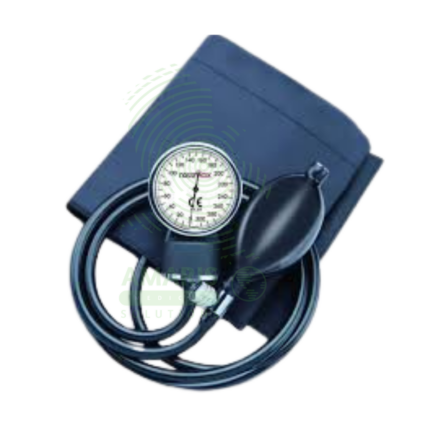
Aneroid Blood Pressure Monitor
The Aneroid Blood Pressure Monitor is a manual, mechanical sphygmomanometer used for the accurate, non-invasive measurement of arterial blood pressure. Operating on the auscultatory method, it consists of an inflatable cuff, a pump bulb with a release valve, and a calibrated dial gauge. Renowned for its reliability, durability, and independence from electrical power, it serves as a clinical gold standard and essential tool in physician offices, hospitals, and for guided home monitoring. Its accuracy is dependent on proper technique, correct cuff size, and regular calibration, making it a fundamental device for diagnosing and managing hypertension and assessing cardiovascular health.
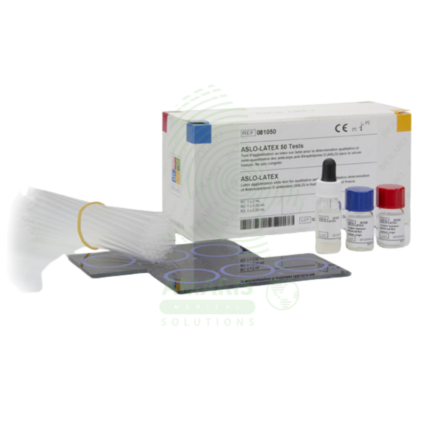
Anti-Streptol Olysin O Titer (ASOT)
Anti-Streptol Olysin O Titer (ASOT) is a quantitative or semi-quantitative serological test (latex agglutination, turbidimetry, nephelometry, or ELISA) for detecting antibodies against streptolysin O, an exotoxin produced by Group A Streptococcus. Elevated or rising titers indicate recent streptococcal infection and are essential for diagnosing post-streptococcal sequelae including acute rheumatic fever (Jones criteria) and post-streptococcal glomerulonephritis. The test requires serum samples; acute and convalescent (2-4 weeks apart) with fourfold rise confirms recent infection. Reference range typically <200-250 Todd units/mL (adults), varies by age and population. Primary clinical applications include diagnosis of Group A streptococcal infections, acute rheumatic fever evaluation, post-streptococcal glomerulonephritis diagnosis, differentiation of acute vs. past infection, evaluation of unexplained arthritis or carditis, pediatric inflammatory conditions (PANDAS), and monitoring disease activity in rheumatic fever. Critical safety precautions include proper timing of acute and convalescent samples, awareness of false negatives/positives, clinical correlation for diagnosis, and standard biohazard precautions. Essential test for rheumatology, nephrology, cardiology, and infectious disease practice.
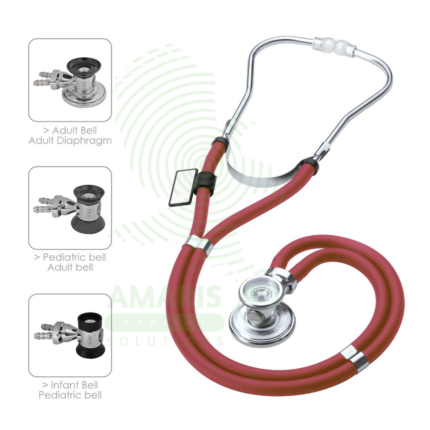
Dual Head Stethoscope
The Dual Head Stethoscope is the classic, essential acoustic diagnostic tool used by healthcare professionals worldwide. Its defining feature is a two-sided chestpiece, combining a diaphragm for high-frequency sounds (breath sounds, normal heart tones) and a bell for low-frequency sounds (heart murmurs, abnormal heart tones). Through mechanical sound conduction, it provides critical information for assessing cardiac, pulmonary, and vascular systems during physical examinations and manual blood pressure measurement. Its effectiveness relies on proper technique, a good acoustic seal, and consistent cleaning. As a fundamental symbol of medical practice, it balances functionality, durability, and affordability.
ECG Machine
An ECG Machine is a Class II medical device that records and displays the electrical activity of the heart through surface electrodes, producing an electrocardiogram for diagnosis of cardiac conditions. Standard diagnostic machines record 12 simultaneous leads (3 limb, 6 precordial, 1 ground) with frequency response 0.05-150 Hz, sampling rate 500-1,000 Hz, and high-resolution (5-10 µV) signal acquisition. Features include color touchscreen display, thermal array printer, computerized interpretation algorithms, internal memory (50-500+ ECGs), and network connectivity for EMR integration. Lead wires (AHA or IEC color coding) connect to disposable adhesive electrodes. Portable models (5-15 kg) with rechargeable batteries enable bedside and mobile use; cart-mounted units provide full diagnostic capability. Primary clinical applications include diagnosis of arrhythmias (AF, VT, bradycardia), detection of myocardial ischemia/infarction (STEMI, NSTEMI), evaluation of chest pain, preoperative cardiac risk assessment, monitoring electrolyte imbalances, assessment of chamber enlargement, and drug effect/toxicity monitoring. Essential diagnostic equipment in emergency departments, cardiology clinics, ICUs, operating rooms, and primary care settings worldwide.
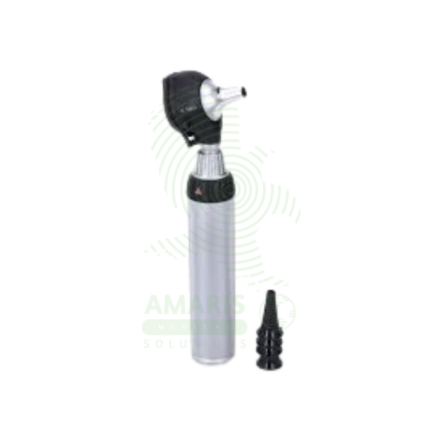
LED Otoscope
An LED Otoscope is a handheld medical device used for illuminating and magnifying the external ear canal and tympanic membrane. Featuring a bright, cool, and long-lasting LED light source, it provides superior visualization for diagnosing common conditions like ear infections, wax impaction, and perforations. Its design, incorporating a reusable handle/head and disposable specula, ensures hygiene and patient safety. As an essential tool in family medicine, pediatrics, and ENT, it enables clinicians to perform accurate otoscopic examinations and, when equipped with an insufflator, crucial pneumatic otoscopy to assess middle ear function.
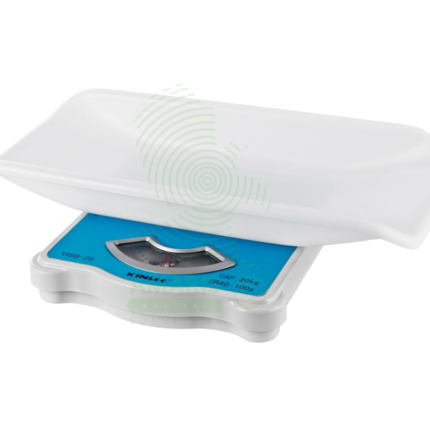
Manual Baby Weighing Scale
A Manual Baby Weighing Scale is a simple, mechanical device used to measure infant weight without the need for electricity or batteries. Operating on a spring or balance principle, it features a suspended sling or seat and a dial display. Its primary advantage is durability and portability for use in community health, outreach programs, and areas with unreliable power. While less precise than digital scales, it provides a reliable and accessible means to monitor growth trends and screen for undernutrition in resource-limited settings, making it a vital tool for basic pediatric care in the field.
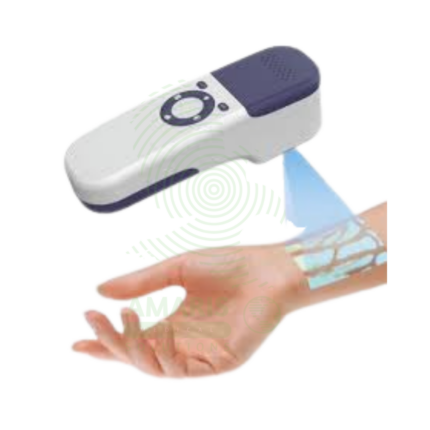
Vein Finder
A Vein Finder is a non-invasive medical imaging device that uses near-infrared light to visualize subcutaneous veins in real time and project a map of the vascular network directly onto the patient's skin. Primarily used to facilitate difficult venipuncture and IV access in challenging patient populations (pediatric, obese, elderly, dark-skinned), it enhances first-stick success rates, improves patient comfort, and reduces procedure time. As a handheld, portable aid, it complements the clinician's skill by providing clear visual guidance, making it a valuable tool in emergency rooms, operating theaters, infusion centers, and phlebotomy services.