Dermatoscope and Magnifiers
 Diagnostic Kits
 Vital Signs Monitors
 Stethoscopes and Accessories
 Otoscopes, Ophthalmoscopes, and Retinoscopes
 Reflex Hammers and Neurological Tools
 Scales and Measuring Devices
 Spirometers and Pulmonary Function Tests
 Electrosurgical Units and Accessories
 Cutting Instruments
 Grasping and Holding Instruments
 Hemostatic Instruments
 Specialized Surgical Sets
 Single-Use Procedure Trays and Packs
 Surgical Drapes, Gowns, and Covers
 Tissue Unifying Instruments
 Radiation Protection
 X-Ray Machines and Accessories
 Ultrasound Systems and Probes
 MRI and CT Scanners
 Radiology Consumables
 Bone Densitometers
 Fluoroscopy Equipment
 Imaging Tables and Positioning Aids
 Microscopes and Accessories
 Centrifuges and Separators
 Analyzers
 Incubators and Ovens
 Pipettes, Dispensers, and Lab Glassware
 Refrigerators, Freezers, and Storage Units
 Lab Consumables
 Sterilizers and Autoclaves for Lab Use
 Multi-Parameter Monitors
 Ventilators and Respiratory Support Devices
 Defibrillators and AEDs
 Infusion Pumps and IV Systems
 Patient Warmers and Cooling Devices
 Central Monitoring Stations
 Accessories
 Anesthesia Machines and Workstations
 Oxygen Concentrators and Delivery Systems
 Nebulizers and Inhalers
 CPAP/BiPAP Machines
 Airway Management
 Anesthesia Masks, Circuits, and Bags
 Humidifiers and Heaters
 Respiratory Therapy Accessories
 First Aid Kits and Cabinets
 Emergency Resuscitation Equipment
 Trauma Supplies
 Emergency Carts and Crash Carts
 Burn Care Products
 Bleeding Control
 Automated External Defibrillators (AEDs)
 Transport and Evacuation
 Wheelchairs and Accessories
 Walkers, Crutches, and Canes
 Prosthetics and Orthotics
 Physical Therapy Equipment
 Transfer Devices
 Bathroom Safety
 Orthopedic Traction and Tables
 Hot/Cold Therapy Packs and Units
 Beds and Mattresses
 Chairs and Stools
 Tables
 Cabinets and Storage
 Privacy Screens & Curtains
 Stands and Racks
 Linens and Textiles
 Lighting
 Autoclaves and Sterilizers
 Ultrasonic Cleaners
 Disinfectant Solutions and Wipes
 Sterilization Pouches, Wraps, and Indicators
 Instrument Trays and Containers
 UV and Ozone Disinfection Devices
 Washer Disinfectors
 Wound Care
 Gloves
 Masks and Respirators
 Catheters and Tubing
 Swabs, Applicators, and Sponges
 Incontinence Products
 Personal Protective Equipment (PPE)
 Dental Chairs and Units
 Handpieces and Burs
 Instruments
 Consumables
 Sterilization for Dental Use
 Orthodontic Supplies
 Endodontic Tools
 Slit Lamps and Tonometers
 Lensometers and Phoropters
 Ophthalmic Surgical Instruments
 Eyewear Frames and Lenses
 Contact Lens Supplies
 Vision Testing Charts and Devices
 Eye Care Consumables
 Laser Systems for Eye Care
 ENT Exam Chairs and Tables
 Endoscopes
 Audiometers and Hearing Tests
 ENT Instruments
 Nasal and Throat Packs
 Hearing Aids and Accessories
 Otology Supplies
 Fetal Dopplers and Monitors
 Delivery Beds and Tables
 Gynecological Instruments
 Neonatal Incubators and Warmers
 Breast Pumps and Accessories
 Contraceptive Devices
 Maternity Supports and Pads
 Neonatal Consumables
 Cystoscopes and Urethroscopes
 Dialysis Machines and Supplies
 Urological Catheters and Bags
 Lithotripters
 Prostate Treatment Devices
 Urinary Incontinence Products
 Kidney Stone Management Tools
 Consumables & Disposables
 EEG and EMG Machines
 Neurosurgical Instruments
 Nerve Stimulators
 Headrests and Positioning Aids
 Lumbar Puncture Kits
 Seizure Monitoring Devices
 Consumables
 Rehabilitation for Neurological Conditions
 ECG Machines and Accessories
 Holter Monitors
 Stress Test Systems
 Pacemakers and Defibrillator Accessories
 Vascular Access Devices
 Cardiac Catheters and Guidewires
 Blood Flow Meters
 Consumables
 Orthopedic Instruments
 Casts, Splints, and Padding
 Joint Replacement Supplies
 Prosthetic Limbs and Components
 Bone Grafts and Substitutes
 Traction Devices
 Orthopedic Braces and Supports
 Rehabilitation Aids for Orthopedics
 Home Oxygen Therapy
 Hospital Beds for Home Use
 Mobility Aids
 Bathroom and Daily Living Aids
 Wound Care for Home
 Monitoring Devices
 Enteral Feeding Pumps and Tubes
 Hand Sanitizers and Dispensers
 Face Shields and Goggles
 Isolation Gowns and Suits
 Biohazard Waste Containers
 Air Purifiers and HEPA Filters
 Surface Disinfectants
 Sharps Containers
 Protective Barriers
 Cardiovascular & Endurance Training
 Strength Training & Weightlifting
 Functional Training & Core Conditioning
 Physical Therapy & Rehabilitation
 Sports & Outdoor Recreation
 Gym Flooring & Facility Equipment
 Fitness Monitoring & Accessories
 Kids & Novelties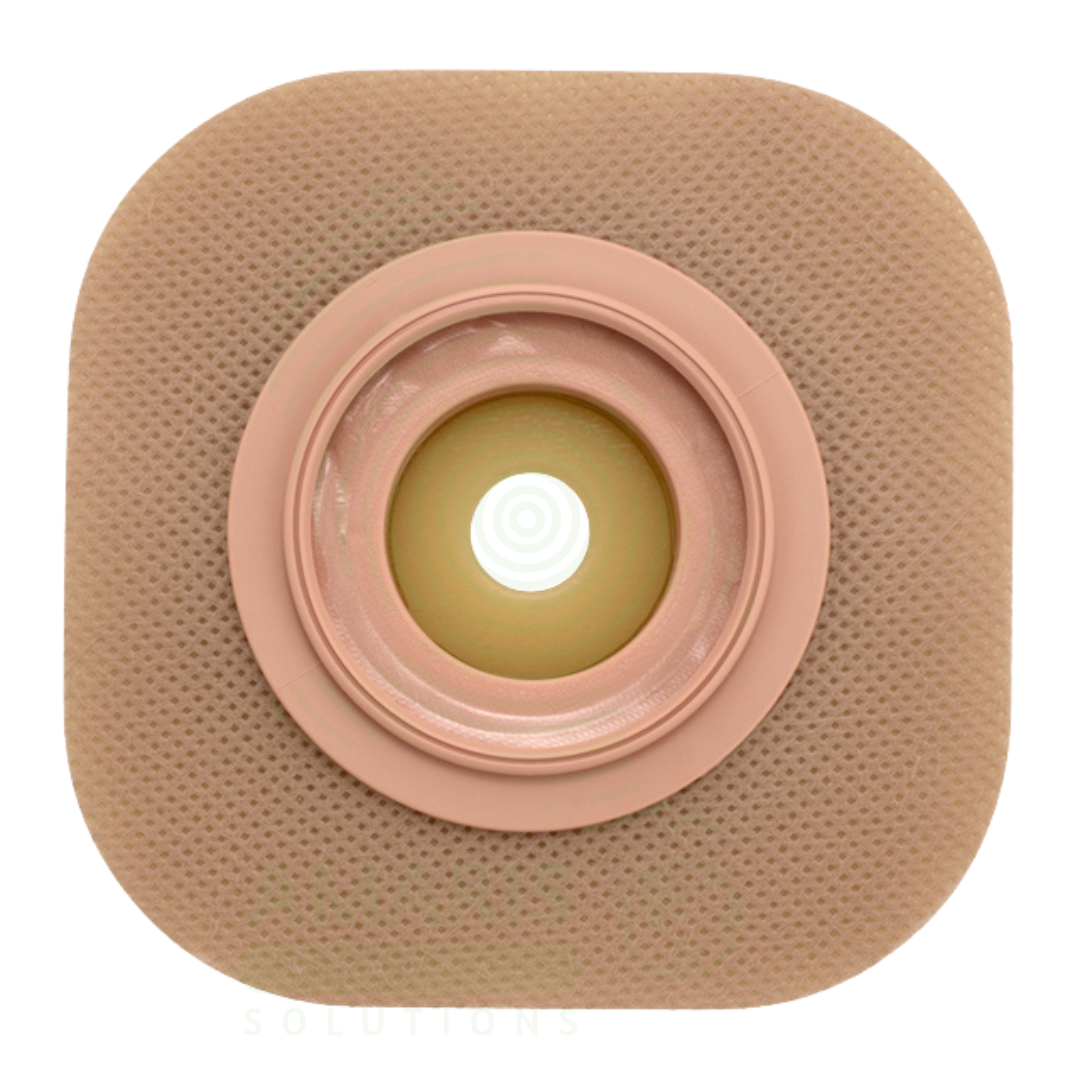

Two-piece ostomy bag – Flat ostomy baseplate
WhatsApp Order
A Two-piece ostomy bag – Flat ostomy baseplate is a non-sterile, single-use skin barrier (flange/wafer) that is part of a two-piece ostomy system. It adheres to the peristomal skin and provides a secure mechanical coupling (clip-on) for attaching a separate ostomy pouch, which can be changed multiple times without removing the baseplate . This flat-profile baseplate is indicated for patients with a normal, well-formed stoma where the peristomal skin is level with the abdomen (approximately 50% of ostomates) .
The baseplate features a medical-grade hydrocolloid adhesive that is comfortable on the skin, adherent to both dry and wet skin, and highly durable against liquid output . The cut-to-fit design allows the opening to be trimmed to match the exact stoma size (available for stoma openings from 13mm to 55mm across 45mm, 55mm, and 70mm flange sizes). The floating ring coupling allows for pouch attachment without applying pressure to the abdomen, with an audible “click” confirming secure locking .
The two-piece design offers significant clinical advantages: the baseplate remains in place for 2-3 days (reducing skin trauma) while pouches are changed as needed—making it more practical for patients who must change their pouches frequently . This system is available with a range of pouches (drainable for ileostomies, closed for colostomies, urostomy with anti-backflow valves) and can be used with ostomy belts for additional security .
For the surgeon and stoma care nurse, the two-piece flat baseplate allows for efficient post-operative management with less skin manipulation. For the patient, this appliance provides security, comfort, skin protection, and the flexibility to manage their stoma with confidence across all daily activities—work, school, swimming, sports, and travel—without fear of leakage or pouch detachment.
Description
Two-piece ostomy bag – Flat ostomy baseplate
PRIMARY CLINICAL & DIAGNOSTIC USES
1. Skin Protection and Stoma Management Following Intestinal or Urinary Diversion Surgery
-
Primary Use: Provides the skin barrier component of a two-piece ostomy system, which attaches to the peristomal skin and serves as the fixation point for a separate ostomy pouch. This system is used for the collection and management of intestinal or urinary effluent following procedures such as colostomy, ileostomy, or urostomy .
-
How it helps: For the surgeon and stoma care nurse, the two-piece system allows the baseplate to remain securely adhered to the skin for 2-3 days while pouches can be changed as needed without disturbing the skin seal . This reduces peristomal skin complications and lowers overall supply costs. For the patient, the ability to change pouches without removing the baseplate minimizes skin trauma, provides greater flexibility, and offers the security of an audible “click” confirming that the pouch is properly locked in place .
2. Protection of Peristomal Skin from Corrosive Effluent
-
Primary Use: Utilizes a medical-grade hydrocolloid adhesive layer that absorbs moisture, adheres to both dry and wet skin, and is highly durable and resistant to liquid output. It is designed for patients with a normal, well-formed stoma where the peristomal skin is level with the abdomen .
-
How it helps: For the wound ostomy and continence nurse (WOCN), the flat baseplate is indicated for patients with a regular peristomal body profile (approximately 50% of ostomates) . It provides a secure, leak-resistant seal that protects the skin from enzymatic damage, which is critical for preventing Medical Adhesive-Related Skin Injury (MARSI) and contact dermatitis. For the patient, this protection prevents painful irritation, bleeding, and itching around the stoma, directly improving quality of life and reducing the risk of hospital readmission for skin breakdown.
3. Secure Attachment for Active Lifestyles
-
Primary Use: Features a mechanical coupling system (clip-on or adhesive coupling) with a floating ring that allows the pouch to be attached and removed without applying pressure to the abdomen. The audible click confirms the system is locked in position .
-
How it helps: For the clinician and patient, the secure coupling mechanism provides peace of mind during daily activities, including work, sports, and social engagements. The floating ring design prevents uncomfortable pressure on the stoma and abdomen during wear. For the patient, this security enables full participation in an active lifestyle without fear of pouch detachment or leakage, significantly improving psychosocial well-being and confidence.
4. Customizable Fit for Individual Stoma Anatomy
-
Primary Use: The baseplate features a cut-to-fit design, allowing the clinician or patient to trim the hydrocolloid opening to match the exact size and shape of the individual stoma. Available in various flange diameters (45mm, 55mm, 70mm) to accommodate stoma openings from 13mm to 55mm .
-
How it helps: For the stoma care nurse and patient, the cut-to-fit design ensures a precise, personalized fit around the stoma—no larger than 1-2mm. An opening that is too large would expose fragile peristomal skin to corrosive effluent, leading to maceration and breakdown. For the patient, this customization allows for a secure, comfortable fit that adapts to stoma changes over time (post-operative swelling, weight fluctuations), reducing the frequency of product changes and improving long-term outcomes.
SECONDARY & SUPPORTIVE USES
1. Extended Wear for Cost-Effective Management: The baseplate is designed to remain in place for 2-3 days (standard wear) while the pouches are changed multiple times per day, reducing the number of full appliance changes, lowering material costs, and minimizing skin manipulation .
2. Integration with Night Drainage Systems: Compatible with drainable pouches that can be connected to overnight drainage bags, allowing patients with high-output ileostomies to sleep uninterrupted while the system manages continuous drainage .
3. Use with Convex Baseplates for Challenging Stomas: While the flat baseplate is for regular peristomal profiles, the two-piece system also accommodates convex baseplates (light or deep convexity) for flush or retracted stomas where the skin is below the abdomen level .
4. Compatibility with a Range of Pouches: The baseplate is designed to work with multiple pouch types, including drainable (open-ended) pouches for ileostomies, closed pouches for colostomies with formed stool, and urostomy pouches with anti-backflow valves .
5. Use with Ostomy Belts: Many two-piece systems are compatible with ostomy belts that clip onto the baseplate flange, providing additional security and support during physical activities or for patients with challenging abdominal contours .
6. Post-Operative and High-Output Management: Higher capacity pouches (up to 980 mL) are available for post-operative use and for patients with high-output ileostomies, allowing the baseplate to remain in place while the larger pouch manages increased output volumes .
7. Transparent Options for Clinical Assessment: Transparent baseplates and pouches with measuring scales are available for use in the immediate post-operative period, allowing clinicians to assess stoma health and measure output without removing the appliance .
8. Material Compatibility and Safety: Manufactured without natural rubber latex, making it safe for patients with latex allergies. Complies with ISO 8670-2 (Ostomy collection bags) and ISO 12505 (Skin barrier test methods) quality standards .
9. Single-Use, Non-Sterile Design: The baseplate is a single-use device, intended for use on clean, intact peristomal skin. It is non-sterile and should be stored in a cool, dry place .
10. Hydrocolloid Adhesive Technology: Utilizes moisture-absorbing hydrocolloid technology that is comfortable on the skin during wear, gentle upon removal, and resistant to aggressive liquid output (ileostomies/urostomies) .
KEY PRODUCT FEATURES
1. BASIC IDENTIFICATION ATTRIBUTES
-
Device Type: A non-sterile, single-use skin barrier (flange/wafer) that is part of a two-piece ostomy system. It adheres to the peristomal skin and provides a mechanical coupling mechanism (clip-on or adhesive) for attaching a separate ostomy pouch .
-
Designation: Two-piece ostomy baseplate, flat ostomy baseplate, skin barrier, flange, wafer, intestinal ostomy plate .
-
Key Components:
-
Hydrocolloid Adhesive Layer: The skin-contacting layer made of gel-forming particles (e.g., carboxymethylcellulose, pectin, gelatin) that absorbs moisture and protects the skin .
-
Mechanical Coupling (Flange): A plastic ring (typically polypropylene) that snaps or adheres to the matching ring on the ostomy pouch, providing a secure, audible lock .
-
Floating Ring: A feature that allows the pouch to be attached and removed without applying pressure to the abdomen, enhancing comfort .
-
Cut-to-Fit Membrane: The central area of the baseplate that can be trimmed to match the exact size and shape of the patient's stoma .
-
Adhesive Border: The outer edge of the hydrocolloid layer that adheres to the peristomal skin.
2. TECHNICAL & PERFORMANCE PROPERTIES
-
GMDN Term & Definition: Intestinal ostomy base plate, flat. A non-sterile device designed with a flat surface intended to be applied and adhered to peristomal skin (typically of a normal, well-formed stoma) to facilitate the correct positioning and anchorage of the flange of an intestinal ostomy bag .
-
Flange Diameters: Available in multiple sizes including 45mm, 55mm, and 70mm .
-
Cut-to-Fit Range:
-
45mm flange: cut to 13-30mm stoma opening
-
55mm flange: cut to 13-40mm stoma opening
-
70mm flange: cut to 13-55mm stoma opening
-
Skin Barrier Material: Medical-grade hydrocolloid adhesive; highly durable and resistant to liquid output; adherent to dry and wet skin; natural rubber latex free .
-
Coupling Type: Mechanical (clip-on) with audible click confirmation; available with floating ring for pressure-free attachment .
-
Baseplate Profile: Flat (designed for regular peristomal body profiles where skin is level with the abdomen) .
-
Wear Time: Standard wear; designed to remain in place for 2-3 days, depending on output volume and skin condition .
-
Flexibility: Flexible design conforms to body shape and natural movements .
-
Sterility: Non-sterile; intended for use on clean, intact peristomal skin .
-
Single-Use: Intended for single patient use only.
-
Latex-Free: Manufactured without natural rubber latex to accommodate patients with latex allergies .
3. PHYSICAL & OPERATIONAL PROPERTIES
-
Configuration: Part of a two-piece system where the baseplate and pouch are separate components that are attached via a mechanical coupling .
-
Appearance: Opaque, beige, or skin-toned wafer; may also be transparent for clinical assessment .
-
Flexibility: Flexible to conform to body contours and movement .
-
Cutability: Cut-to-fit design allows the opening to be trimmed with curved scissors to match the exact stoma size and shape .
-
Surface: The hydrocolloid adhesive is comfortable on the skin during wear and gentle upon removal .
-
Compatibility: Compatible with ostomy pouches from the same manufacturer system (drainable, closed, urostomy) .
-
Packaging: Typically supplied in boxes of 5 or 10 pieces .
-
Accessories: May be used with ostomy belts, paste, and powder.
-
Quality Standards: Compliant with ISO 8670-2 (Ostomy collection bags - Part 2: Requirements and test methods) and ISO 12505 (Skin barrier for ostomy aids - Test methods) .
4. SAFETY & COMPLIANCE ATTRIBUTES
-
Regulatory Status: Class I medical device (FDA Product Code EXB - Collector, Ostomy) .
-
Quality Standards: Complies with international ostomy standards; manufactured under quality management systems (ISO 13485). CE marked for European market.
-
Biocompatibility: Manufactured with skin-friendly, hypoallergenic, non-irritating materials; the hydrocolloid barrier is free from natural rubber latex and common sensitizers .
-
Adhesion: Adherent to both dry and wet skin; highly durable and resistant to liquid output .
-
Latex-Free: Manufactured without natural rubber latex to accommodate patients with latex allergies .
-
Storage: Store in a cool, dry place (below 25°C / 77°F recommended). Avoid exposure to direct sunlight, extreme heat, or humidity.
-
Expiration: Shelf life varies by manufacturer; check packaging for expiration date.
5. STORAGE & HANDLING ATTRIBUTES
-
Storage: Store in a cool, dry place at room temperature (below 25°C / 77°F recommended). Avoid exposure to direct sunlight, extreme heat, or humidity, which can degrade the adhesive. Keep out of reach of children.
-
Shelf Life: Check individual packaging for expiration date; typically 2-3 years from manufacture.
-
Skin Preparation: Peristomal skin must be clean, completely dry, and free of lotions, oils, powders, or adhesive residue before application to ensure proper adhesion .
-
Cutting Instructions: Use the provided stoma measuring guide to determine correct stoma size. Cut the opening no larger than 1-2 mm (1/16-1/8 inch) larger than the stoma. Use curved scissors for precise cutting .
-
Application: Remove the protective liner. Center the opening over the stoma. Press the adhesive firmly onto the skin, smoothing from the stoma outward. Warm the baseplate with body heat before applying in cool environments .
-
Pouch Attachment: Align the coupling rings and press together until an audible "click" confirms secure locking. The floating ring allows attachment without abdominal pressure .
-
Pouch Removal: To remove the pouch, gently press the release tabs on the coupling ring. The baseplate remains adhered to the skin.
-
Baseplate Removal: Gently peel the baseplate from the skin, supporting the skin with the other hand. Adhesive remover wipes may be used to facilitate removal.
-
Disposal: Discard used baseplate in general waste per local regulations. Do not flush.
6. LABORATORY & CLINICAL APPLICATIONS
-
Primary Application: Management of intestinal or urinary effluent following ostomy surgery by providing a secure, skin-protective baseplate that serves as the attachment point for ostomy pouches .
-
Clinical Role: Essential post-operative and long-term care device in colorectal surgery, urology, and home healthcare for the management of patients with a colostomy, ileostomy, or urostomy; particularly beneficial for patients who need to change pouches frequently without disturbing the skin seal .
SAFETY HANDLING PRECAUTIONS
1. SAFETY PRECAUTIONS
-
Contraindications: Do not use it on patients with known hypersensitivity to hydrocolloid components or adhesive materials.
-
Infected or Wounded Skin: Do not apply to infected, severely denuded, or wounded peristomal skin without appropriate medical evaluation.
-
Skin Preparation: Peristomal skin must be meticulously cleaned, dried, and free of lotions or barrier creams before application to ensure proper adhesion .
-
Customization: The opening must be cut to the exact size of the stoma (no larger than 1-2mm). An opening that is too large will expose fragile skin to corrosive effluent, leading to maceration, excoriation, and infection .
-
Monitor for Leaks: Inspect the baseplate frequently, especially in the early post-operative period. Change the appliance immediately if any effluent is observed leaking under the barrier to prevent skin damage.
-
Signs of Skin Breakdown: Discontinue use and consult a stoma care nurse if the peristomal skin becomes red, weepy, raw, or itchy, indicating possible fungal infection (candidiasis), contact dermatitis, or adhesive allergy.
-
Adhesive Allergy: Patients with known adhesive sensitivities should use with caution; discontinue use if signs of allergic contact dermatitis (rash, itching, blistering, spreading redness) occur.
-
Output Consistency: For patients with very liquid output (ileostomy), consider a more durable baseplate option if the standard hydrocolloid degrades quickly. For high-output stomas, a high-output pouch may be required .
-
Stoma Protrusion: The flat baseplate is indicated for patients with a normal, well-formed stoma where the peristomal skin is level with the abdomen . For flush or retracted stomas, a convex baseplate is required to provide gentle pressure and help the stoma protrude .
-
Do Not Reuse: This is a single-use device; do not attempt to wash, resterilize, or reapply a used baseplate.
2. FIRST AID MEASURES
-
Adhesive Allergy: If signs of an allergic reaction (rash, severe itching, blistering, redness spreading beyond the baseplate area) occur, remove the appliance immediately, gently cleanse the skin with mild soap and water, discontinue use of that product, and consult a clinician.
-
Peristomal Maceration: If the skin surrounding the stoma appears white, soft, or wrinkled (maceration), remove the baseplate, allow the skin to dry, and consult a stoma care nurse. Consider an alternative baseplate size, cut-to-fit size, or convexity.
-
Leakage: If a leak occurs, remove the appliance immediately, gently cleanse the skin with warm water, dry thoroughly, and apply a new baseplate and pouch.
-
Bleeding Stoma: If the stoma bleeds when cleaning or measuring (common due to high vascularity), apply gentle pressure with a clean, dry gauze pad for a few minutes. Contact a clinician if bleeding is profuse or does not stop.
-
Signs of Infection (Peristomal Skin): If the peristomal skin becomes increasingly red, swollen, warm, or produces purulent discharge, remove the baseplate, cleanse the skin, and seek medical evaluation, as this may indicate fungal or bacterial infection requiring treatment.
3. FIRE FIGHTING MEASURES
-
Flammability: The plastic coupling and hydrocolloid baseplate are combustible. Keep away from open flames and direct heat sources.
-
Extinguishing Media: Use water, foam, CO₂, or dry chemical for fires involving combustible material. The baseplate presents no special fire hazard beyond typical medical plastics.
-
Storage Warning: Do not store ostomy supplies near radiators, heating vents, or in vehicles during hot weather, as extreme heat can degrade the adhesive.
Related products
Anti-Embolic Compression Stockings
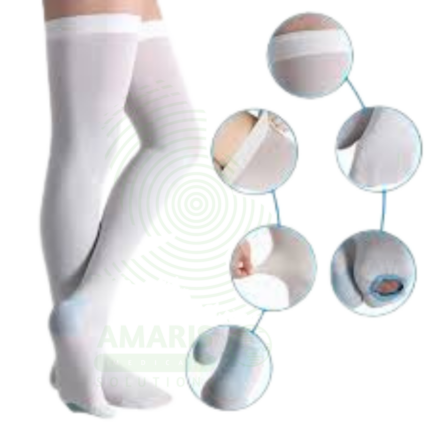
Anti-Embolic Compression Stockings are medical-grade elastic stockings designed to prevent Deep Vein Thrombosis (DVT) in non-ambulatory, surgical, or medically ill patients. By delivering graduated external pressure—tightest at the ankle and decreasing up the leg—they enhance venous blood flow and reduce stasis, a key factor in clot formation. They are a cornerstone of mechanical thromboprophylaxis in hospitals. Correct sizing based on precise leg measurements is critical for both efficacy and safety, as improper fit can lead to complications or failure of prophylaxis. Daily skin assessment and adherence to wearing guidelines are essential components of safe use.
Applicator Sticks
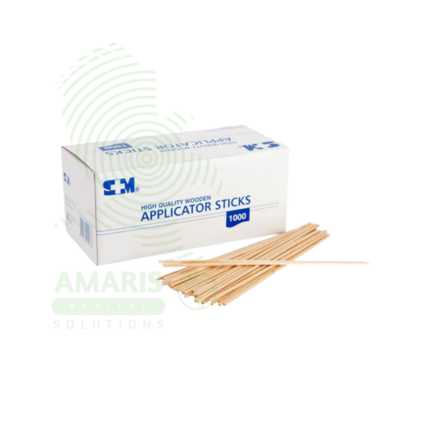
Applicator Sticks are single-use medical devices with absorbent tips (cotton, rayon, flocked polyester) on wood, plastic, or paper shafts for collecting clinical specimens (throat, nasal, wound, cervical, urethral, rectal) for microbiological culture, rapid testing, and molecular diagnostics. Sterile individually wrapped or non-sterile bulk formats. Flocked swabs provide >90% specimen release for PCR testing. Primary applications include specimen collection for infection diagnosis, wound care and antiseptic application, gynecological sampling (Pap smears, STI testing), eye/ear specimen collection, laboratory slide preparation, and forensic evidence collection. Critical precautions include single-use only, sterile technique, proper collection method, and biohazard disposal. Essential consumable in all clinical settings.
Biopsy Needles
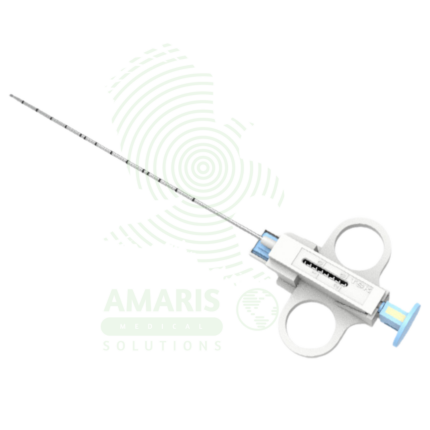
Biopsy Needles are sterile, single-use precision medical devices designed to obtain tissue or cellular specimens from internal organs, masses, and lesions for histopathological or cytological diagnosis. Available in core biopsy (automatic spring-loaded, semi-automatic, vacuum-assisted, coaxial) and fine needle aspiration configurations, with gauges ranging from 14G-27G and lengths from 6-25 cm. Core biopsy needles obtain intact tissue cores preserving histological architecture; FNA needles aspirate cellular material for cytological evaluation. Specialized variants include bone marrow biopsy needles (Jamshidi, Illinois), echogenic-tip needles for ultrasound guidance, and MRI-compatible needles (nitinol, titanium). Critical safety requirements include strict image guidance for non-palpable lesions, verification of coagulation status, adherence to single-use protocols, and immediate post-procedure monitoring for complications (hemorrhage, pneumothorax, organ injury). An indispensable tool in interventional radiology, oncology, and minimally invasive diagnosis.
Chest Bottle
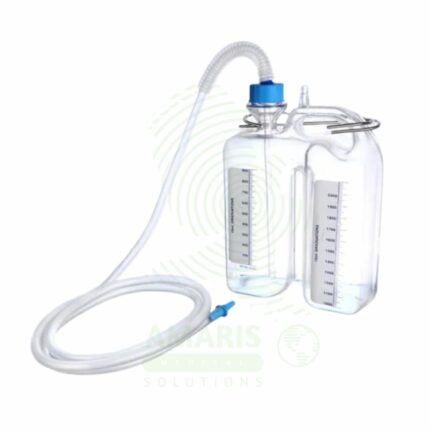
A Chest Bottle (Underwater Seal Drainage System) is a three-chamber disposable device used to drain air and fluid from the pleural space via a chest tube. Its critical component is a water seal chamber that acts as a one-way valve, preventing air from re-entering the chest while allowing drainage. It is used to treat pneumothorax, hemothorax, and pleural effusions, and is mandatory post-thoracic surgery. The system must always be kept upright and below the patient's chest level. It provides essential clinical information through tidaling in the water seal (indicating tube patency and lung expansion) and bubbling (indicating an air leak), making it both a therapeutic and diagnostic tool.
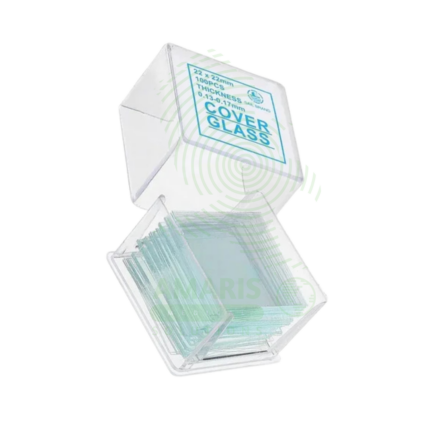
Cover Glass
Cover Glass (coverslips) are thin, transparent glass or plastic squares (e.g., 18×18 mm, 22×22 mm) or rectangles (22×30 mm, 24×50 mm) used to cover specimens on microscope slides for microscopic examination. Available in thickness No. 1 (0.13-0.16 mm) and No. 1.5 (0.16-0.19 mm) for optimal microscopy. Made from optical glass with high light transmission (>90%), refractive index 1.52 matching immersion oil. Packaged in boxes of 100-1000, interleaved with paper to prevent scratching. Primary clinical applications include covering blood films for manual differential counts and malaria diagnosis, wet mount preparations of urine sediment and vaginal secretions, histopathology and cytology slides, Gram-stained bacterial smears, semen analysis, KOH preparations for fungal elements, and India ink preparations for Cryptococcus. Critical safety precautions include handling with forceps (sharp edges), disposing of broken coverslips in sharps containers, avoiding fingerprints on optical surface, and proper disposal of biohazard-contaminated coverslips. Essential consumable in every clinical laboratory performing microscopy.
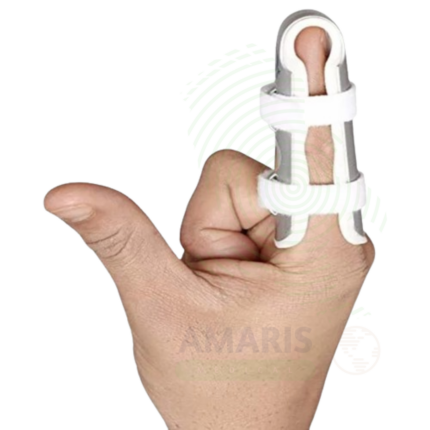
Finger Cot
A Finger Cot is a small, finger-shaped protective covering used to protect minor finger wounds, diabetic ulcers, surgical incisions, and amputation stumps, as well as to provide barrier protection for healthcare workers and laboratory personnel. Made from latex, nitrile, vinyl, or silicone, it provides a comfortable, secure fit while protecting the finger from contamination, moisture, friction, and irritants. Available in various sizes, materials, and sterile or non-sterile versions. Latex-free options are available for individuals with latex allergy.
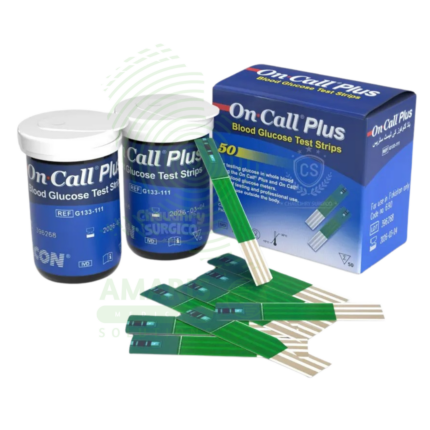
On Call Blood Sugar Strips
On Call Blood Sugar Strips are single-use, disposable electrochemical test strips (ISO 15197:2013 compliant) designed exclusively for use with On Call glucose meters to measure capillary blood glucose from 0.5-1.0 µL samples in 5-7 seconds. Each strip contains glucose oxidase or glucose dehydrogenase reagents that generate electrical current proportional to glucose concentration (20-600 mg/dL range). Packaging options include multi-strip vials (25-100 strips) with desiccant for daily use or individually foil-wrapped strips for travel. Strips feature no-coding automatic calibration, hematocrit compensation (20-60%), and interference resistance. Primary clinical applications include daily blood glucose testing for Type 1, Type 2, and gestational diabetes management, hypoglycemia and hyperglycemia detection, pre- and post-meal glucose assessment, and hospital point-of-care testing. Critical safety precautions include single-use only, immediate vial closure after strip removal to prevent humidity damage, storage at 2-30°C away from bathrooms and temperature extremes, never using expired strips, proper hand hygiene before testing, and disposal in sharps containers. Essential consumable for diabetes self-management when used with On Call meters.