Dermatoscope and Magnifiers
 Diagnostic Kits
 Vital Signs Monitors
 Stethoscopes and Accessories
 Otoscopes, Ophthalmoscopes, and Retinoscopes
 Reflex Hammers and Neurological Tools
 Scales and Measuring Devices
 Spirometers and Pulmonary Function Tests
 Electrosurgical Units and Accessories
 Cutting Instruments
 Grasping and Holding Instruments
 Hemostatic Instruments
 Specialized Surgical Sets
 Single-Use Procedure Trays and Packs
 Surgical Drapes, Gowns, and Covers
 Tissue Unifying Instruments
 Radiation Protection
 X-Ray Machines and Accessories
 Ultrasound Systems and Probes
 MRI and CT Scanners
 Radiology Consumables
 Bone Densitometers
 Fluoroscopy Equipment
 Imaging Tables and Positioning Aids
 Microscopes and Accessories
 Centrifuges and Separators
 Analyzers
 Incubators and Ovens
 Pipettes, Dispensers, and Lab Glassware
 Refrigerators, Freezers, and Storage Units
 Lab Consumables
 Sterilizers and Autoclaves for Lab Use
 Multi-Parameter Monitors
 Ventilators and Respiratory Support Devices
 Defibrillators and AEDs
 Infusion Pumps and IV Systems
 Patient Warmers and Cooling Devices
 Central Monitoring Stations
 Accessories
 Anesthesia Machines and Workstations
 Oxygen Concentrators and Delivery Systems
 Nebulizers and Inhalers
 CPAP/BiPAP Machines
 Airway Management
 Anesthesia Masks, Circuits, and Bags
 Humidifiers and Heaters
 Respiratory Therapy Accessories
 First Aid Kits and Cabinets
 Emergency Resuscitation Equipment
 Trauma Supplies
 Emergency Carts and Crash Carts
 Burn Care Products
 Bleeding Control
 Automated External Defibrillators (AEDs)
 Transport and Evacuation
 Wheelchairs and Accessories
 Walkers, Crutches, and Canes
 Prosthetics and Orthotics
 Physical Therapy Equipment
 Transfer Devices
 Bathroom Safety
 Orthopedic Traction and Tables
 Hot/Cold Therapy Packs and Units
 Beds and Mattresses
 Chairs and Stools
 Tables
 Cabinets and Storage
 Privacy Screens & Curtains
 Stands and Racks
 Linens and Textiles
 Lighting
 Autoclaves and Sterilizers
 Ultrasonic Cleaners
 Disinfectant Solutions and Wipes
 Sterilization Pouches, Wraps, and Indicators
 Instrument Trays and Containers
 UV and Ozone Disinfection Devices
 Washer Disinfectors
 Wound Care
 Gloves
 Masks and Respirators
 Catheters and Tubing
 Swabs, Applicators, and Sponges
 Incontinence Products
 Personal Protective Equipment (PPE)
 Dental Chairs and Units
 Handpieces and Burs
 Instruments
 Consumables
 Sterilization for Dental Use
 Orthodontic Supplies
 Endodontic Tools
 Slit Lamps and Tonometers
 Lensometers and Phoropters
 Ophthalmic Surgical Instruments
 Eyewear Frames and Lenses
 Contact Lens Supplies
 Vision Testing Charts and Devices
 Eye Care Consumables
 Laser Systems for Eye Care
 ENT Exam Chairs and Tables
 Endoscopes
 Audiometers and Hearing Tests
 ENT Instruments
 Nasal and Throat Packs
 Hearing Aids and Accessories
 Otology Supplies
 Fetal Dopplers and Monitors
 Delivery Beds and Tables
 Gynecological Instruments
 Neonatal Incubators and Warmers
 Breast Pumps and Accessories
 Contraceptive Devices
 Maternity Supports and Pads
 Neonatal Consumables
 Cystoscopes and Urethroscopes
 Dialysis Machines and Supplies
 Urological Catheters and Bags
 Lithotripters
 Prostate Treatment Devices
 Urinary Incontinence Products
 Kidney Stone Management Tools
 Consumables & Disposables
 EEG and EMG Machines
 Neurosurgical Instruments
 Nerve Stimulators
 Headrests and Positioning Aids
 Lumbar Puncture Kits
 Seizure Monitoring Devices
 Consumables
 Rehabilitation for Neurological Conditions
 ECG Machines and Accessories
 Holter Monitors
 Stress Test Systems
 Pacemakers and Defibrillator Accessories
 Vascular Access Devices
 Cardiac Catheters and Guidewires
 Blood Flow Meters
 Consumables
 Orthopedic Instruments
 Casts, Splints, and Padding
 Joint Replacement Supplies
 Prosthetic Limbs and Components
 Bone Grafts and Substitutes
 Traction Devices
 Orthopedic Braces and Supports
 Rehabilitation Aids for Orthopedics
 Home Oxygen Therapy
 Hospital Beds for Home Use
 Mobility Aids
 Bathroom and Daily Living Aids
 Wound Care for Home
 Monitoring Devices
 Enteral Feeding Pumps and Tubes
 Hand Sanitizers and Dispensers
 Face Shields and Goggles
 Isolation Gowns and Suits
 Biohazard Waste Containers
 Air Purifiers and HEPA Filters
 Surface Disinfectants
 Sharps Containers
 Protective Barriers
 Cardiovascular & Endurance Training
 Strength Training & Weightlifting
 Functional Training & Core Conditioning
 Physical Therapy & Rehabilitation
 Sports & Outdoor Recreation
 Gym Flooring & Facility Equipment
 Fitness Monitoring & Accessories
 Kids & Novelties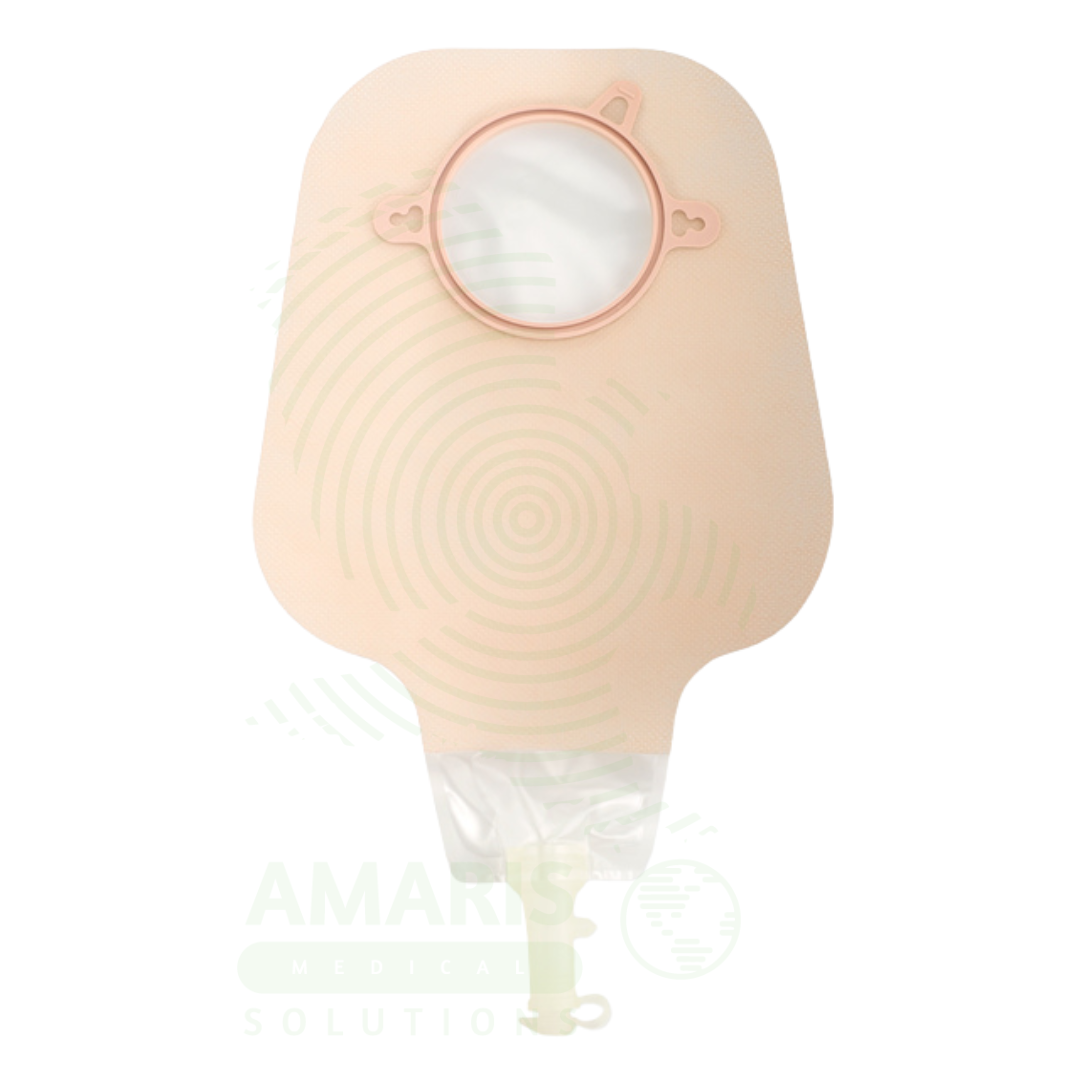

Two‑piece Ostomy Bag – Only Drainable Bag (Integrated Type)
WhatsApp Order
The Two‑piece Ostomy Bag – Only Drainable Bag (Integrated Type) is a sterile, single‑use medical appliance intended for people with a permanent or temporary stoma (ileostomy, colostomy or urostomy). Unlike one‑piece systems, the two‑piece design separates the skin barrier (wafer/baseplate) from the collection pouch. The barrier remains adhered to the peristomal skin for several days, while the drainable pouch can be emptied frequently or replaced without disturbing the barrier.
The pouch body is constructed from a multi‑layer odour‑proof and leak‑proof film, covered on the body‑side by a soft, breathable non‑woven fabric that reduces friction and perspiration. An integrated activated‑carbon filter de‑odorises intestinal gases and prevents the pouch from ballooning. The drainable tail is equipped with a built‑in closure system – available as a self‑gripping soft clamp, a Velcro‑style fastener or a tap‑style drain valve – that allows the patient to empty the pouch hygienically without removing the entire appliance. Urostomy and high‑output models also incorporate an anti‑reflux valve to prevent back‑flow of urine or liquid stool, thereby reducing the risk of ascending infection.
Because the skin barrier is changed only every 2–4 days (depending on the individual’s output and skin condition), the two‑piece system is much gentler to the peristomal skin than daily applications of a one‑piece pouch. The technique also gives the patient more flexibility: the same barrier can be used with different pouch sizes or types (drainable vs. closed). The audible “click” of the coupling flange provides a clear confirmation of a secure connection, which is especially reassuring for the patient learning to self‑manage a new ostomy.
For the surgeon, the stoma nurse and the general practitioner, the two‑piece drainable system is the standard of care for most patients with a long‑term ostomy. It supports skin health, reduces the risk of leakage and infection, and enables the patient to return to daily activities, exercise and travel with confidence. For the patient, the ability to empty the pouch several times a day without touching the adhesive and to change the pouch without peeling off the barrier dramatically improves independence, comfort and quality of life.
Description
Two‑piece Ostomy Bag – Only Drainable Bag (Integrated Type)
PRIMARY CLINICAL & DIAGNOSTIC USES
1. Long‑Term Management of Ileostomy, Colostomy or Urostomy with Frequent Pouch Changes
Primary Use: Provides a sterile, single‑use two‑piece ostomy appliance that consists of a separate skin barrier (wafer/baseplate) and a detachable drainable collection pouch with an integrated closure (Velcro‑like fastener, soft clamp or tap). It is specifically designed for individuals with a permanent or temporary stoma (ileostomy, colostomy or urostomy) who have pasty, liquid or high‑volume output and need to change the pouch frequently without disturbing the skin barrier.
How it helps: For the ostomy nurse and the patient, the two‑piece design offers a more practical and skin‑gentle routine: the skin barrier remains in place for 2–3 days (or longer, depending on the product), while the drainable pouch is detached, emptied and cleaned, or replaced as often as necessary. The integrated closure (e.g. “Roll’up” soft clamp, Velcro hook‑and‑loop system or silicone plug) forms a leak‑proof seal that is comfortable to wear and does not bulge under clothing. For the patient, this system significantly reduces the number of adhesive removals per week, lowers the risk of peristomal skin irritation that can accompany daily barrier changes, and minimises the chance of pouch overload due to the weight of the contents.
2. Collection and Management of High‑Output Ileostomy or Post‑Operative Effluent
Primary Use: Especially suited for ileostomy patients or for the immediate post‑operative phase when stoma output is high, fluid and unpredictable. A high‑output two‑piece drainable pouch provides a large‑volume collection capacity (typically 500–1000 ml) to accommodate frequent liquid‑to‑pasty output. An anti‑reflux valve integrated into the pouch prevents output from flowing back towards the stoma, which helps to protect the peristomal skin and to reduce the risk of infection.
How it helps: For the surgical team and the stoma nurse, a high‑output two‑piece system simplifies the management of ileostomy or post‑cystectomy urostomy patients during the initial weeks of recovery when output volumes are highest. The separate skin barrier stays on the skin while the pouch is exchanged, which is less intrusive and reduces the risk of damaging healing tissue or newly formed stoma mucosa. The anti‑reflux valve (sometimes called a non‑return valve) is essential for urine‑collecting pouches: it prevents urine from travelling back to the stoma and therefore reduces the risk of ascending urinary tract infections. The audible “click” when the pouch is locked onto the baseplate gives the patient and the caregiver clear tactile and auditory confirmation of a secure fit.
3. Protection of Peristomal Skin from Aggressive Output
Primary Use: For patients whose stoma output is highly liquid and/or strongly enzymatic (e.g. ileostomy or urostomy), the two‑piece system allows the skin barrier to be selected from a range of adhesives (standard, extended‑wear, aloe‑infused or convex) that best resist erosion and moisture. The drainable pouch has a flexible, low‑profile coupling ring and a soft, breathable back‑cover that reduces friction and perspiration.
How it helps: For the WOC nurse, the choice of a suitable skin barrier is paramount. In a two‑piece system the barrier can be kept in place for up to 72 hours or longer, which is much gentler to the peristomal skin than daily removal and re‑application. Extended‑wear adhesives are specifically formulated to withstand aggressive output (urine, pancreatic enzymes, bile) that would quickly break down standard adhesives. Convex barriers can be used to treat flush or retracted stomas by applying gentle pressure around the stoma, thereby reducing leakage. For the patient, a well‑fitted, durable barrier means less risk of skin excoriation, fewer urgent changes and greater overall comfort.
SECONDARY & SUPPORTIVE USES
1. Overnight drainage connection (urostomy and high‑output ileostomy): Many drainable two‑piece pouches are equipped with a universal connector that can be attached to a bedside drainage bag or a leg bag. This allows gravity drainage during the night, giving the patient uninterrupted sleep while reducing the risk of pouch overload and leakage.
2. Flexible pouch changes for active lifestyles or travel: The two‑piece design allows the patient to keep the skin barrier in place and simply snap on a clean pouch when needed. This is especially useful during physical activities, swimming or travelling, where carrying several complete one‑piece systems would be impractical.
3. Stoma irrigation – temporary protection for colostomates: Some people with a descending or sigmoid colostomy perform regular irrigation to train the bowel to empty on a schedule. After irrigation, a stoma cap or a small covering system may be used. A two‑piece drainable pouch can be adapted as a protective cover during the irrigation procedure.
4. Long‑term care in nursing homes: In assisted living facilities where ease of management by caregivers is a priority, a two‑piece drainable pouch simplifies the daily routine. The skin barrier can be left in place for several days while the pouch is emptied or replaced as necessary, reducing the number of complete system changes and lowering the risk of inadvertent skin damage.
5. Temporary post‑surgical diversion following trauma or pelvic surgery: A two‑piece drainable system is also used for temporary urinary or faecal diversion after pelvic trauma, radiation injury or complicated pelvic surgery. The ability to change the pouch without removing the barrier is particularly valuable when the peristomal area is tender or when the patient’s mobility is limited.
6. Paediatric ostomy care: Smaller‑sized two‑piece drainable pouches are available for children with congenital anomalies (e.g. bladder exstrophy, imperforate anus). The gentle adhesive and low‑profile coupling help protect delicate skin while enabling frequent pouch changes when the child is active.
7. Palliative care for advanced pelvic malignancies: For patients with advanced, inoperable pelvic cancers (cervical, prostate, bladder) that cause urinary obstruction, a diverting urostomy or colostomy may be created to relieve symptoms and improve the quality of life. The drainable two‑piece system is preferred because it is simple to manage and places less strain on the patient.
KEY PRODUCT FEATURES
1. BASIC IDENTIFICATION ATTRIBUTES
-
Device Type: A sterile, single‑use two‑piece ostomy appliance composed of a separate skin barrier (wafer/baseplate) and a detachable, drainable collection pouch.
-
Designation: Two‑piece drainage ostomy bag – integrated type; drainable two‑piece colostomy/ileostomy/urostomy pouch with integrated closure; open‑ended two‑piece pouch.
-
Key Components:
-
Pouch body: Odour‑proof, leak‑proof multi‑layer plastic film (often including a gas‑permeable breathable membrane). The film is soft, non‑rustling and covered on the patient‑side with a comfortable non‑woven fabric.
-
Skin barrier (wafer/baseplate): A separate, detachable medical‑grade hydrocolloid adhesive disc with a coupling ring (flange). The barrier may be flat or convex, standard‑wear or extended‑wear, and can be supplied pre‑cut or cut‑to‑fit.
-
Coupling mechanism: A mechanical snap‑on/‑off flange system (often a plastic locking ring) that securely connects the pouch to the skin barrier. An audible “click” confirms correct engagement.
-
Integrated closure: The drainable tail of the pouch is fitted with a built‑in closure to prevent accidental spillage. Options include a self‑gripping soft clamp (Roll’up), a Velcro‑like hook‑and‑loop fastener (e.g. EasiClose), or a tap‑style drain valve for urostomy bags.
-
Anti‑reflux valve (for urostomy and high‑output pouches): A non‑return valve integrated into the pouch to prevent back‑flow of urine or liquid stool towards the stoma, thereby reducing the risk of ascending infection.
-
Gas filter: An integrated activated‑carbon filter (often protected by a moisture‑proof membrane) that de‑odorises intestinal gases and prevents the pouch from ballooning.
-
Outlet (drainable tail): A wide‑mouth opening (typically 5–7 cm wide) that allows easy and hygienic emptying of the pouch without removing it from the barrier.
-
2. TECHNICAL & PERFORMANCE PROPERTIES
-
Capacity (volume as per ISO 8670‑2): Varies by size and manufacturer. Examples:
-
Midi (colostomy/ileostomy): 520–665 ml, depending on flange diameter.
-
Maxi (colostomy/ileostomy): 715–805 ml.
-
Urostomy pouch: typically 620–675 ml.
-
-
Flange diameters (coupling size): Common sizes are 25 mm (1″), 35 mm (1 3⁄8″), 45 mm (1 3⁄4″), 55 mm (2 3⁄16″), 65 mm (2 9⁄16″), 70 mm (2 3⁄4″) and 80 mm (3 1⁄8″). The selected barrier and pouch must have matching diameters.
-
Stoma opening (cut‑to‑fit): For most two‑piece systems the skin barrier is cut‑to‑fit by the user; the recommended opening is 1–1.5 mm larger than the stoma diameter to avoid pressure necrosis.
-
Material: Pouch – multi‑layer odour‑proof plastic film with a soft, breathable non‑woven fabric on the skin‑side. Barrier – hydrocolloid adhesive (may be aloe‑infused or formulated for extra erosion resistance). The pouch is free of natural rubber latex and phthalates (DEHP).
-
Closure types: Integrated self‑gripping soft clamp (Fold‑over/Roll’up); Velcro‑style hook‑and‑loop fastener (EasiClose); tap‑style drain valve (urostomy); traditional clip seal (available as an option).
-
Gas filter: High‑performance activated‑carbon filter; may be protected by a moisture‑repellent membrane (e.g. Moisture Protect Composition) to preserve function when the pouch is wet.
-
Sterility: Non‑sterile (clean) for general use. Intended for external application to clean, intact peristomal skin. Single‑patient, single‑use device; the pouch should be discarded after emptying (urostomy) or after one use (colostomy/ileostomy) – typically after 1–2 days of use.
-
Storage life (shelf life): 3 years when stored in a cool, dry place, away from direct sunlight and extremes of temperature.
-
Latex‑free: Yes.
-
Primary standards compliance: ISO 8670‑2 (Ostomy collection bags – Requirements and test methods); ISO 12505‑1 and ‑2 (Skin barrier test methods); CE marked (Medical Device Regulation), and registered with the FDA (Class I medical device, product code EXB for colostomy/ileostomy and EXG for urostomy).
3. PHYSICAL & OPERATIONAL PROPERTIES
-
Configuration: Two‑piece system – the skin barrier and the pouch are separate components. The barrier is first applied to the peristomal skin; the pouch is then snapped onto the barrier via a rigid or flexible plastic coupling ring.
-
Pouch appearance: Available in transparent, opaque (fabric‑covered) or “split” designs (a viewing window covered by a fabric flap). Opaque pouches increase discretion; transparent pouches allow easy monitoring of stoma colour and output volume.
-
Pouch softness and noise: The pouch film is made of a low‑rustle, soft material, and the body‑side cover is a breathable non‑woven fabric that reduces friction and perspiration.
-
Wear time (skin barrier): Standard‑wear barriers: 1–2 days; extended‑wear barriers: 2–4 days. The exact wear time depends on the individual’s skin condition, stoma output and the specific product.
-
Pouch change frequency (drainable models): The drainable pouch can be emptied several times a day without being removed. The entire pouch is usually replaced every 1–2 days (or sooner if a leak develops).
-
Outlet width: Wide‑mouth opening (e.g. 7 cm) to facilitate easy cleaning and to accommodate semi‑solid output.
-
Connector for night drainage (urostomy/high‑output pouches): A universal adapter is supplied with many urostomy and high‑output pouches; it allows the drainable outlet to be connected to a bedside drainage bag or a leg bag.
-
Belt attachment: Many two‑piece barriers have tabs or slots for a stoma belt. A belt can be used to increase the security of the barrier during physical activity or to apply gentle convex pressure.
-
Disposal: The used pouch should be emptied into a toilet. The empty pouch, together with the skin barrier (when it is removed), must be wrapped and discarded in the general household waste (not flushed).
-
Storage: Store in a cool, dry place away from direct sunlight, heating appliances and excessive moisture. Do not store near organic solvents or adhesives.
4. SAFETY & COMPLIANCE ATTRIBUTES
-
Regulatory status: Class I medical device. CE marked under the Medical Device Regulation (EU) 2017/745. Registered with the FDA as a 510(k) exempt device (Product Code EXB for colostomy/ileostomy pouches and EXG for urostomy pouches). Manufactured under ISO 13485 quality management systems.
-
Biocompatibility: The hydrocolloid adhesive is formulated to be skin‑friendly, hypoallergenic and free from common sensitisers. Aloe vera‑infused barriers are available for particularly sensitive skin.
-
Latex‑free: All components contain no natural rubber latex, making them suitable for patients with latex allergy.
-
Odour control: The multi‑layer film is certified to be 100 % odour‑proof. The integrated activated‑carbon filter de‑odorises intestinal gases and prevents pouch ballooning.
-
Back‑flow prevention (urostomy and high‑output models): An integrated anti‑reflux valve reduces the risk of ascending infection by preventing liquid output from flowing back toward the stoma.
-
Wet‑out protection for filter (MPC technology): On many drainable pouches, the carbon filter is protected by a moisture‑repellent membrane that prevents liquid from entering the filter when the patient bathes or swims. The accompanying filter sticker can be applied over the filter for additional protection during water activities.
5. STORAGE & HANDLING ATTRIBUTES
-
Storage: Keep in a clean, dry place at room temperature (15–30 °C). Protect from dust, direct sunlight and sources of high heat. The pouch should be used before the expiry date printed on the box.
-
Pre‑use preparation: Wash hands thoroughly with soap and water. Clean the peristomal skin with lukewarm water and pat it completely dry. Do not use lotions, oils or alcohol‑based wipes, as these may impair the adhesion of the barrier.
-
Cutting the barrier: Measure the stoma size with the measuring guide supplied. Cut the opening in the skin barrier 1–1.5 mm larger than the stoma diameter to ensure a comfortable fit without pressure or trauma. Scissors with curved blades are recommended.
-
Application: Remove the protective liner from the skin barrier. Apply the barrier directly onto the dry peristomal skin, centring the cut opening on the stoma. Press firmly for 30 seconds to ensure proper adhesion. Snap the pouch onto the barrier until an audible “click” is heard.
-
Emptying the drainable pouch: For ileostomy/colostomy pouches: hold the tail over the toilet, open the integrated closure, and gently squeeze the pouch to empty the contents. Clean the inside of the tail with toilet paper or a moist wipe if necessary. Fold the tail and secure the integrated closure. For urostomy pouches: open the tap‑style valve and allow the urine to drain; close the valve when finished.
-
Night drainage (urostomy/high‑output pouches): Connect the universal adapter to the drainable outlet. Attach the bedside drainage tube and ensure the drainage bag is positioned lower than the bladder to allow gravity drainage.
-
Pouch replacement (without removing the barrier): Gently unsnap the used pouch from the barrier, taking care not to pull the barrier away from the skin. Clean the coupling ring of the barrier if necessary, then snap on a fresh pouch.
-
Barrier removal: Gently peel the skin barrier away from the skin, supporting the skin with one hand as you remove the barrier. Use an adhesive remover wipe if necessary to reduce discomfort.
-
Disposal: Wrap the used pouch and/or barrier in the provided disposal bag or newspaper and place it in the general waste. Do not flush the pouch or its components.
6. LABORATORY & CLINICAL APPLICATIONS
-
Primary application: Post‑operative and long‑term management of intestinal or urinary stoma (colostomy, ileostomy, urostomy) where frequent pouch changes are required and where protection of the peristomal skin is a high priority.
-
Clinical role: An essential device in colorectal surgery, urology, oncology (post‑cystectomy), paediatric surgery and long‑term care. Indispensable for the daily independence and quality of life of patients with a permanent or temporary ostomy.
SAFETY HANDLING PRECAUTIONS
1. SAFETY PRECAUTIONS
-
Proper fit is critical for skin protection: The skin barrier opening must be cut to the correct size – no larger than 1–1.5 mm of the stoma. An opening that is too large will expose the peristomal skin to corrosive stool or urine, leading to maceration, excoriation and fungal infection.
-
Pouch change frequency: For colostomy/ileostomy, the pouch should be emptied before it becomes more than half‑full to prevent the extra weight from pulling the barrier away from the skin. For urostomy, empty the pouch when it is one‑third to one‑half full to avoid back‑pressure.
-
Monitor for signs of skin breakdown: Discontinue use and consult a stoma nurse if the peristomal skin becomes red, moist, itchy or painful. This may indicate contact dermatitis (allergy) or a fungal infection (candidiasis) requiring a different adhesive or medical treatment.
-
Do not cut the pouch outlet: The drainable outlet is pre‑formed; never attempt to enlarge the opening with scissors, as this will destroy the integrity of the closure mechanism.
-
Anti‑backflow valve integrity (urostomy/high‑output models): Do not insert any object into the anti‑reflux valve, as this can damage the one‑way mechanism and increase the risk of infection.
-
Night drainage safety: When connecting to a bedside drainage bag, ensure the tubing is not kinked and that the drainage bag is placed at a level lower than the bladder to enable gravity flow. Do not raise the bag above the level of the stoma.
-
Allergy and sensitivity: Although the materials are hypoallergenic, a small number of patients may develop contact dermatitis. If irritation occurs, discontinue use of that product and try a different brand or a barrier with a different formulation.
-
Prevent filter clogging (bathing/swimming): Cover the gas filter with the supplied filter sticker before showering or swimming. This prevents water from entering the filter and blocking its deodorising function. Remove the sticker after bathing.
-
Do not reuse: The pouch and the skin barrier are single‑use devices only. Reuse compromises sterility, adhesive performance and leak‑proof properties, and increases the risk of infection.
-
Do not flush: The pouch, its components and any wipes must not be flushed down the toilet (they will block plumbing). Dispose of them in the household waste.
-
Hydration monitoring (urostomy patients): Urostomates lose more water and electrolytes than the general population. Encourage adequate fluid intake and monitor for signs of dehydration, especially during hot weather or when output is very high.
-
Training requirement: All patients and caregivers must receive thorough instruction from a stoma nurse or other qualified healthcare professional before using a two‑piece ostomy system. This includes proper measurement and cutting of the barrier, correct application of the pouch, emptying technique, and recognition of complications.
2. FIRST AID MEASURES
-
Skin irritation or allergy: If a rash, redness or severe itching develops at the adhesive site, remove the appliance immediately. Gently cleanse the skin with warm water and pat dry. Discontinue use of that device and consult a stoma care nurse. An alternative system (e.g. a different adhesive or a one‑piece pouch) may be required.
-
Bleeding stoma: A small amount of bleeding from the stoma mucosal surface when cleaning is common. Apply gentle pressure with a clean, dry gauze pad for a few minutes. Seek medical advice if bleeding is profuse, persists for longer than 5 minutes, or if the stoma changes colour to dark purple/black.
-
Leakage or skin excoriation: If a leak occurs, remove the appliance immediately. Gently cleanse the peristomal skin with warm water (a mild pH‑balanced cleanser can be used). Dry thoroughly. Apply a skin barrier powder or protective wipe if needed, then apply a new skin barrier and pouch.
-
Signs of urinary tract infection (urostomy): If the patient develops fever, chills, flank pain, cloudy or foul‑smelling urine, or increased leakage, evaluate for urinary tract infection and consult a clinician promptly. Prompt antibiotic treatment may be needed.
-
Parastomal hernia: If a bulge appears around the stoma (especially when coughing or straining), advise the patient to consult a clinician. A hernia support belt may be required. Do not increase the size of the barrier opening; a larger opening could strangulate the hernia.
-
Pouch ballooning (gas accumulation): If the pouch inflates because the gas filter is blocked, open the drainable outlet slightly (or use the integrated gas‑release valve if present) to decompress the pouch. Identify and treat any cause of excessive gas (diet, swallowing air).
-
Clogged overnight drainage tubing: If the bedside drainage tubing becomes clogged with mucus or thick output, gently irrigate with a small amount of warm water using a bulb syringe. If clogging recurs, replace the drainage set.
3. FIRE FIGHTING MEASURES
-
Flammability: The plastic pouch and the non‑woven fabric are combustible. Keep the appliance away from open flames, cigarettes and direct heat sources. The primary fire hazard in the clinical setting is the flammable solvents that might be present; the pouch itself does not increase the hazard beyond that of other plastic medical disposables.
-
Extinguishing media: Use water, foam, CO₂ or a dry chemical extinguisher for fires involving combustible materials. The pouch presents no special fire hazard beyond typical plastics.
Related products
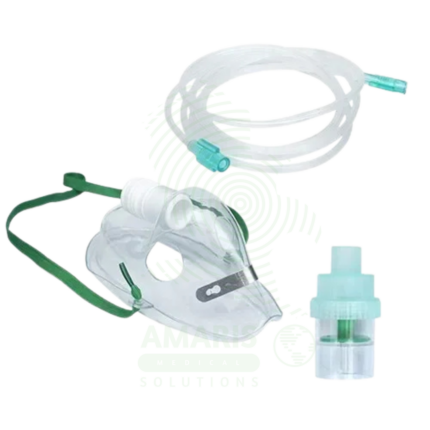
Adult & Pediatric Nebulizer Kit
An Adult & Pediatric Nebulizer Kit is a complete set of patient-contact components required for aerosol medication delivery, including a nebulizer cup, connecting tubing, and both an adult mouthpiece and a pediatric mask (or universal fit). Designed for use with a compressor, it provides the delivery circuit for treating asthma, COPD, and other respiratory conditions. Available in disposable (single-patient-use) formats for infection control in clinics or reusable formats for home care, its proper use, coupled with rigorous cleaning for reusable kits, is essential for effective therapy and preventing respiratory infections. The kit's universal connectors ensure compatibility with standard compressors.
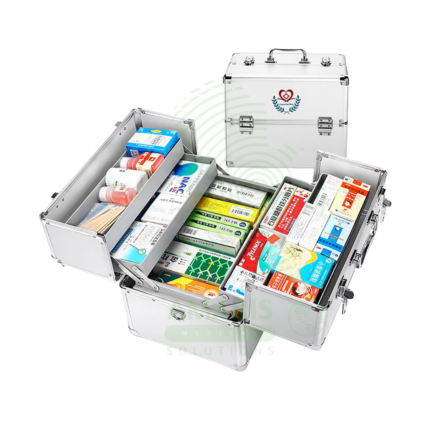
Aluminium First Aid Kit For Ambulance
An Aluminium First Aid Kit for Ambulance is a heavy-duty, weather-resistant storage case specifically designed for organizing, protecting, and securing medical supplies in emergency medical service vehicles. Constructed from 1.2-2.0 mm aluminium alloy with reinforced corners, durable latches, and rubber gaskets (IP54-IP67 rated), these cases protect contents from vibration, impact, moisture, and temperature extremes during emergency response. Available in various configurations including single compartment, multi-drawer, and clear-lid models with customizable interior dividers, elastic straps, and pouches. Designed to meet ambulance equipment mounting standards (KKK-A-1822, NFPA 1917, CEN 1789) with proper installation to withstand collision forces. Primary clinical applications include organized storage of airway management devices, bleeding control supplies, wound care materials, diagnostic equipment, emergency medications, IV supplies, splinting equipment, PPE, and obstetric supplies for BLS, ALS, and CCT ambulance services. Critical safety considerations include proper vehicle mounting to prevent projectile hazards, secure latching during transport, regular inventory management, expiration date monitoring, and decontamination after biohazard exposure. Essential equipment for organized, efficient, and safe emergency medical response.
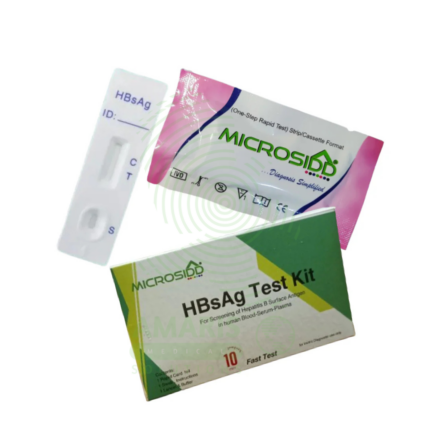
Hepatitis B Test Kit
The Hepatitis B Test Kit is an in vitro diagnostic device for the detection of Hepatitis B virus markers in human blood samples, available in rapid, ELISA, and molecular formats. It detects specific antigens (HBsAg) and antibodies (anti-HBc, anti-HBs) to diagnose acute and chronic infection, monitor treatment response, screen blood donations, and determine immunity status. With high sensitivity (>98%) and specificity (>99%), it provides results in 15 minutes to 4 hours depending on format. Essential applications include prenatal screening to prevent mother-to-child transmission, evaluation of acute hepatitis, pre-immunosuppression screening, and occupational health testing. All patient samples must be handled with universal precautions, and testing must include appropriate quality controls.
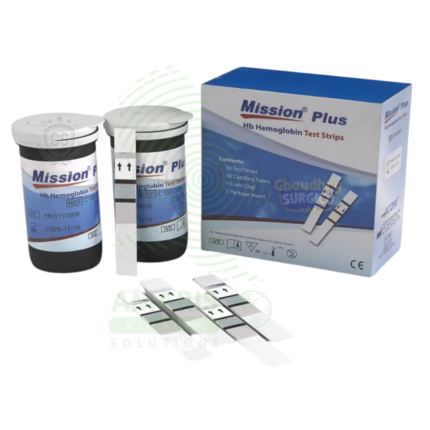
Mission plus strips
Mission Plus Strips are single-use, disposable electrochemical test strips (ISO 15197:2013 compliant) designed exclusively for use with Mission Plus glucose meters to measure capillary blood glucose from 0.5-1.0 µL samples in 5-7 seconds. Each strip contains glucose oxidase or glucose dehydrogenase reagents that generate electrical current proportional to glucose concentration (20-600 mg/dL range). Packaging options include multi-strip vials (25-100 strips) with desiccant for daily use or individually foil-wrapped strips for travel. Strips feature no-coding automatic calibration, hematocrit compensation (20-60%), and interference resistance. Primary clinical applications include daily blood glucose testing for Type 1, Type 2, and gestational diabetes management, hypoglycemia and hyperglycemia detection, pre- and post-meal glucose assessment, and hospital point-of-care testing. Critical safety precautions include single-use only, immediate vial closure after strip removal to prevent humidity damage, storage at 2-30°C away from bathrooms and temperature extremes, never using expired strips, proper hand hygiene before testing, and disposal in sharps containers. Essential consumable for diabetes self-management when used with Mission Plus meters.
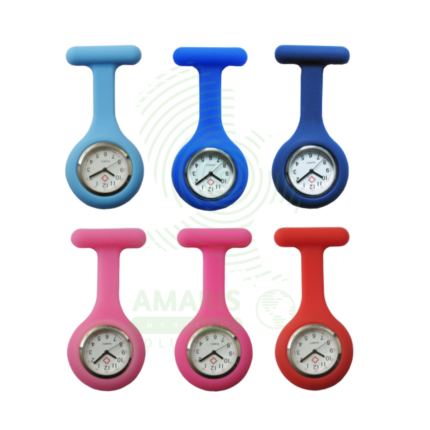
Nurse Watch
A Nurse Watch is a professional-grade analog wristwatch specifically designed for clinical use. Its hallmark is a built-in "pulsometer" scale that allows for rapid, on-the-spot calculation of a patient's heart rate by timing pulses over a short interval. Featuring a high-contrast dial with a clear sweep second hand, durable water-resistant construction, and a cleanable band, it is engineered for accuracy, legibility, and infection control in healthcare settings. It is an indispensable personal tool for nurses, enabling precise measurement of vital signs, timing of medications and procedures, and accurate clinical documentation throughout the shift.
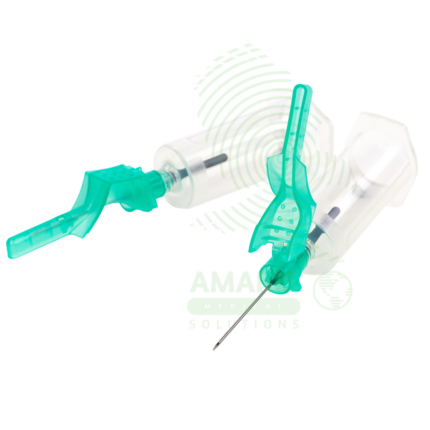
SAFE SERIES Blood Collection Needles
The SAFE SERIES (AM-SAFE) by Beijing Precil (Mindray subsidiary) is a comprehensive line of safety-engineered blood collection devices designed to prevent accidental needlestick injuries in healthcare workers. The series includes venous blood collection needles (AM-SAFE-V), standard safety needles (AM-SAFE1), winged infusion sets/butterfly needles (AM-SAFE2), high-gauge thin-wall needles for fragile veins (AM-SAFE3), premium coated needles for enhanced patient comfort (AM-GOLD), and nurse-friendly one-handed safety variants (AM-NURSE). All devices incorporate integral safety mechanisms that shield the contaminated needle immediately after withdrawal, complying with OSHA Needlestick Safety and Prevention Act requirements. Available in various gauges (18G-25G) and configurations for routine venipuncture, difficult vein access, pediatric/geriatric patients, and frequent blood draws. Sterile, single-use, latex-free, and color-coded for easy gauge identification. Essential safety devices for blood collection in hospitals, clinics, laboratories, and home healthcare settings.
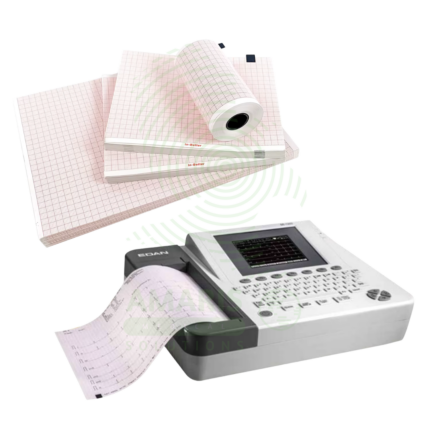
Thermal Printing Paper Roll
Thermal Printing Paper Roll is a heat-sensitive recording medium used with medical monitoring and diagnostic equipment including ECG machines, fetal monitors, ultrasound printers, and telemetry systems. The paper produces high-contrast, permanent images of physiological waveforms and data when passed over the printer's thermal head. Available in various widths, lengths, and grid patterns to match specific device requirements, it is an essential consumable for creating hard copy records for patient charts, consultation, and legal documentation. Proper storage away from light, heat, and moisture is essential to preserve image quality. BPA-free and archival-grade options are available for specific applications.