Dermatoscope and Magnifiers
 Diagnostic Kits
 Vital Signs Monitors
 Stethoscopes and Accessories
 Otoscopes, Ophthalmoscopes, and Retinoscopes
 Reflex Hammers and Neurological Tools
 Scales and Measuring Devices
 Spirometers and Pulmonary Function Tests
 Electrosurgical Units and Accessories
 Cutting Instruments
 Grasping and Holding Instruments
 Hemostatic Instruments
 Specialized Surgical Sets
 Single-Use Procedure Trays and Packs
 Surgical Drapes, Gowns, and Covers
 Tissue Unifying Instruments
 Radiation Protection
 X-Ray Machines and Accessories
 Ultrasound Systems and Probes
 MRI and CT Scanners
 Radiology Consumables
 Bone Densitometers
 Fluoroscopy Equipment
 Imaging Tables and Positioning Aids
 Microscopes and Accessories
 Centrifuges and Separators
 Analyzers
 Incubators and Ovens
 Pipettes, Dispensers, and Lab Glassware
 Refrigerators, Freezers, and Storage Units
 Lab Consumables
 Sterilizers and Autoclaves for Lab Use
 Multi-Parameter Monitors
 Ventilators and Respiratory Support Devices
 Defibrillators and AEDs
 Infusion Pumps and IV Systems
 Patient Warmers and Cooling Devices
 Central Monitoring Stations
 Accessories
 Anesthesia Machines and Workstations
 Oxygen Concentrators and Delivery Systems
 Nebulizers and Inhalers
 CPAP/BiPAP Machines
 Airway Management
 Anesthesia Masks, Circuits, and Bags
 Humidifiers and Heaters
 Respiratory Therapy Accessories
 First Aid Kits and Cabinets
 Emergency Resuscitation Equipment
 Trauma Supplies
 Emergency Carts and Crash Carts
 Burn Care Products
 Bleeding Control
 Automated External Defibrillators (AEDs)
 Transport and Evacuation
 Wheelchairs and Accessories
 Walkers, Crutches, and Canes
 Prosthetics and Orthotics
 Physical Therapy Equipment
 Transfer Devices
 Bathroom Safety
 Orthopedic Traction and Tables
 Hot/Cold Therapy Packs and Units
 Beds and Mattresses
 Chairs and Stools
 Tables
 Cabinets and Storage
 Privacy Screens & Curtains
 Stands and Racks
 Linens and Textiles
 Lighting
 Autoclaves and Sterilizers
 Ultrasonic Cleaners
 Disinfectant Solutions and Wipes
 Sterilization Pouches, Wraps, and Indicators
 Instrument Trays and Containers
 UV and Ozone Disinfection Devices
 Washer Disinfectors
 Wound Care
 Gloves
 Masks and Respirators
 Catheters and Tubing
 Swabs, Applicators, and Sponges
 Incontinence Products
 Personal Protective Equipment (PPE)
 Dental Chairs and Units
 Handpieces and Burs
 Instruments
 Consumables
 Sterilization for Dental Use
 Orthodontic Supplies
 Endodontic Tools
 Slit Lamps and Tonometers
 Lensometers and Phoropters
 Ophthalmic Surgical Instruments
 Eyewear Frames and Lenses
 Contact Lens Supplies
 Vision Testing Charts and Devices
 Eye Care Consumables
 Laser Systems for Eye Care
 ENT Exam Chairs and Tables
 Endoscopes
 Audiometers and Hearing Tests
 ENT Instruments
 Nasal and Throat Packs
 Hearing Aids and Accessories
 Otology Supplies
 Fetal Dopplers and Monitors
 Delivery Beds and Tables
 Gynecological Instruments
 Neonatal Incubators and Warmers
 Breast Pumps and Accessories
 Contraceptive Devices
 Maternity Supports and Pads
 Neonatal Consumables
 Cystoscopes and Urethroscopes
 Dialysis Machines and Supplies
 Urological Catheters and Bags
 Lithotripters
 Prostate Treatment Devices
 Urinary Incontinence Products
 Kidney Stone Management Tools
 Consumables & Disposables
 EEG and EMG Machines
 Neurosurgical Instruments
 Nerve Stimulators
 Headrests and Positioning Aids
 Lumbar Puncture Kits
 Seizure Monitoring Devices
 Consumables
 Rehabilitation for Neurological Conditions
 ECG Machines and Accessories
 Holter Monitors
 Stress Test Systems
 Pacemakers and Defibrillator Accessories
 Vascular Access Devices
 Cardiac Catheters and Guidewires
 Blood Flow Meters
 Consumables
 Orthopedic Instruments
 Casts, Splints, and Padding
 Joint Replacement Supplies
 Prosthetic Limbs and Components
 Bone Grafts and Substitutes
 Traction Devices
 Orthopedic Braces and Supports
 Rehabilitation Aids for Orthopedics
 Home Oxygen Therapy
 Hospital Beds for Home Use
 Mobility Aids
 Bathroom and Daily Living Aids
 Wound Care for Home
 Monitoring Devices
 Enteral Feeding Pumps and Tubes
 Hand Sanitizers and Dispensers
 Face Shields and Goggles
 Isolation Gowns and Suits
 Biohazard Waste Containers
 Air Purifiers and HEPA Filters
 Surface Disinfectants
 Sharps Containers
 Protective Barriers
 Cardiovascular & Endurance Training
 Strength Training & Weightlifting
 Functional Training & Core Conditioning
 Physical Therapy & Rehabilitation
 Sports & Outdoor Recreation
 Gym Flooring & Facility Equipment
 Fitness Monitoring & Accessories
 Kids & Novelties
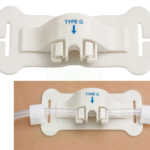
Body surface conduit fixing device – Type M
WhatsApp Order
Description
Body Surface Conduit Fixing Device – Type M
PRIMARY CLINICAL & DIAGNOSTIC USES
1. Dual-Component Design for Modular Catheter Fixation
-
Primary Use: Provides a sterile, single-use catheter fixation device featuring a two-component modular design comprising a body surface fixing seat (adhesive base) and a catheter fixing seat (removable strap mechanism), allowing independent replacement of the adhesive base while maintaining catheter securement.
-
How it helps: For the intensive care unit (ICU) nurse and vascular access specialist, the Type M device’s modular construction offers significant workflow advantages. The body surface fixing seat remains adhered to the patient’s skin while the catheter fixing seat can be detached and reattached as needed for site inspection, dressing changes, or catheter manipulation without replacing the entire device . The catheter fixing seat is composed of nylon burr material (hook-and-loop) with polypropylene plastic components, while the body surface fixing seat combines coated non-woven fabric, polyurethane film, and medical-grade pressure-sensitive adhesive . For the patient, this modular design reduces the frequency of adhesive removal from the skin, minimizing the risk of Medical Adhesive-Related Skin Injury and discomfort during prolonged catheterization.
2. Strap-Type Fixation for Adjustable Tension Control
-
Primary Use: Features a strap-type fixation mechanism (constructed from nylon burr hook-and-loop material) that allows clinicians to adjust the tension around the catheter precisely, accommodating different catheter diameters without requiring multiple device sizes.
-
How it helps: For the clinician managing patients with peripherally inserted central catheters (PICCs), midline catheters, or drainage tubes, the Type M’s adjustable strap provides superior versatility compared to fixed-size locking mechanisms. The strap can be tightened or loosened to accommodate post-procedural swelling or to adapt to catheters of varying gauges without changing the fixation device . For the patient, this adjustable tension ensures the catheter is held securely without excessive compression that could compromise flow or cause discomfort, while accommodating natural changes in limb circumference due to activity or positioning.
3. Multi-Layer Polyethylene Foam for Pressure Relief
-
Primary Use: Incorporates a polyethylene foam component positioned between the catheter and the patient’s skin, providing cushioning that prevents pressure ulcers and distributes catheter weight across a broader surface area.
-
How it helps: For the wound care nurse and long-term catheter management team, the integrated polyethylene foam layer serves as a protective barrier that absorbs shear forces and relieves pressure from the catheter hub against the skin . This design is particularly valuable for patients with diminished sensation, such as those with diabetic neuropathy, spinal cord injury, or prolonged sedation. For the patient, the foam cushioning prevents the development of pressure injuries at the catheter exit site—a common complication that can lead to pain, infection, and premature catheter removal.
4. Body Surface Fixation with Polyurethane Film Backing
-
Primary Use: The body surface fixing seat utilizes a transparent polyurethane film backing with medical-grade pressure-sensitive adhesive that provides secure skin adhesion while allowing continuous visualization of the underlying skin and catheter insertion site.
-
How it helps: For the infection control practitioner and bedside nurse, the transparent polyurethane film enables direct observation of the catheter exit site for early signs of infection (erythema, swelling, drainage, odor) without disturbing the fixation device . The coated non-woven fabric layer provides structural integrity while maintaining breathability to prevent moisture accumulation . For the patient, this transparency means daily site assessments can be performed without painful dressing removal and reapplication, reducing the frequency of adhesive-related skin trauma.
5. Dry Adhesive Application (No Liquid Adhesives Required)
-
Primary Use: The pressure-sensitive adhesive on the body surface fixing seat requires no additional liquid adhesives or skin preparations, activating immediately upon application with simple finger pressure.
-
How it helps: For the clinician performing catheter securement, the Type M’s dry adhesive application eliminates the waiting time associated with liquid skin preparations and reduces the risk of inadvertent catheter movement during adhesive drying. The medical-grade pressure-sensitive adhesive provides immediate fixation upon skin contact, following proper cleaning and drying of the application site . For the patient, this means faster, less cumbersome dressing changes and reduced exposure to solvent fumes associated with liquid adhesives.
SECONDARY & SUPPORTIVE USES
1. Peripherally Inserted Central Catheter (PICC) Securement: Used to stabilize PICC lines at the exit site on the upper arm, preventing pistoning (back-and-forth movement) that can lead to phlebitis, thrombosis, or line migration.
2. Midline Catheter Stabilization: Secures midline catheters in place for intermediate-duration intravenous therapy (1-4 weeks), reducing the risk of accidental dislodgement during arm movement and sleep.
3. Central Venous Catheter (CVC) Fixation: Anchors central lines placed in the jugular, subclavian, or femoral veins for long-term antibiotic therapy, chemotherapy, or parenteral nutrition, with modular design allowing line changes without adhesive replacement.
4. Dialysis Catheter Securement: Stabilizes tunneled and non-tunneled hemodialysis catheters exiting the chest or groin, where high blood flow rates create significant tubing torque requiring robust fixation.
5. Peritoneal Dialysis Catheter Stabilization: Secures Tenckhoff catheters at the exit site, preventing tension on the subcutaneous cuff and reducing the risk of exit-site infection and catheter migration.
6. Chest Tube and Surgical Drain Securement: Anchors thoracostomy tubes and Jackson-Pratt (JP) drains to the chest or abdomen, preventing pullout that could lead to pneumothorax or surgical site infection.
7. Epidural Catheter Fixation for Pain Management: Secures epidural catheters used for post-operative analgesia or labor pain relief, with modular design allowing site inspection without device removal.
8. Arterial Line Stabilization: Used to secure radial, brachial, or femoral arterial catheters for continuous blood pressure monitoring in critical care settings, preventing displacement that would interrupt hemodynamic monitoring.
9. Nasogastric and Orogastric Tube Securement: Affixes feeding or decompression tubes to the nose or cheek, with adjustable strap accommodating different tube sizes from 8 Fr to 18 Fr.
10. Tracheostomy Tube Stabilization: Functions as a securement device for tracheostomy tube flanges, preventing tube movement that could cause tracheal injury or accidental decannulation.
11. External Ventricular Drain (EVD) Securement: Anchors cerebral spinal fluid drainage systems, with modular design allowing zero-reference level adjustments without disturbing the adhesive base.
12. Urinary Catheter Stabilization: Secures Foley catheters to the patient’s leg, preventing urethral traction and reducing the risk of catheter-associated urinary tract infections (CAUTI).
13. Wound Vacuum-Assisted Closure (VAC) Tubing Securement: Holds negative pressure wound therapy tubing in place, preventing tension on the adhesive drape that could break the vacuum seal.
14. Pediatric Catheter Securement: Provides gentle, adjustable fixation for children with smaller vasculature and active lifestyles, where the strap-type mechanism accommodates growth and movement.
15. Neonatal Intensive Care Unit (NICU) Catheter Management: Used for securing umbilical catheters, peripherally inserted central catheters, and other small-bore lines in premature infants, with foam cushioning protecting fragile neonatal skin.
16. Geriatric Skin Protection: The polyethylene foam layer and gentle adhesive are specifically designed for use on fragile, thin, or easily damaged skin common in elderly patients, reducing the risk of skin tears.
17. Oncology Patient Line Management: Secures central lines and PICC lines for patients receiving chemotherapy, with modular design allowing site inspection for signs of infection without device removal (critical in immunocompromised patients).
18. Burn and Trauma Patient Securement: Used in patients with compromised skin integrity where traditional adhesives may cause further damage; the foam cushioning provides a protective interface between the catheter and sensitive skin.
19. Long-Term Care Facility Catheter Stabilization: Provides durable, extended-wear securement for residents with chronic indwelling catheters, with modular design reducing the frequency of dressing changes and associated skin trauma.
20. Home Healthcare Line Management: Used by visiting nurses for patients discharged with central lines, PICC lines, or drainage tubes, where the modular design simplifies at-home care and allows line changes by family caregivers under professional guidance.
21. Rehabilitation and Physical Therapy Support: Enables patients with indwelling catheters or lines to participate actively in physical therapy without fear of dislodgement, with adjustable strap accommodating limb movement.
22. Post-Surgical Drain Management (Multiple Drains): Used to secure multiple drainage tubes exiting the same surgical site, organizing and stabilizing them to prevent tangling and tension on fresh incisions.
23. Interventional Radiology Access Site Care: Fixes sheaths and dilators during interventional procedures requiring prolonged vascular access, maintaining stability without sutures.
24. Magnetic Resonance Imaging (MRI) Compatibility: The Type M device contains no ferromagnetic metal components, designed to be MRI-safe for patients requiring imaging studies with indwelling lines.
25. Emergency Department Rapid Securement: Quickly applied in trauma bays to stabilize emergency lines (chest tubes, central lines) before patient transport, with modular design facilitating later adjustments without device replacement.
26. Operating Room Post-Procedure Dressing: Applied immediately after catheter placement while the patient is still under anesthesia, ensuring secure fixation before the patient wakes and begins moving.
KEY PRODUCT FEATURES
1. BASIC IDENTIFICATION ATTRIBUTES
-
Device Type: A sterile, single-use modular catheter fixation device consisting of two separable components: a body surface fixing seat (adhesive base) and a catheter fixing seat (removable strap mechanism), designed for securing various medical conduits to the body surface.
-
Designation: Body Surface Conduit Fixing Device - Type M, M-Type Catheter Fixation Device, Catheter Fixation and Securement Device, Modular Catheter Holder, Strap-Type Catheter Stabilizer.
-
Key Components:
-
Body Surface Fixing Seat (Adhesive Base): Composed of coated non-woven fabric, transparent polyurethane film, and release paper, with medical-grade pressure-sensitive adhesive that adheres to the skin .
-
Catheter Fixing Seat (Removable Mechanism): Composed of nylon burr material (hook-and-loop) with polypropylene plastic components or nylon burr combined with polyethylene foam and medical pressure-sensitive adhesive .
-
Polyethylene Foam Layer: Integrated cushioning component positioned between the catheter and the patient's skin for pressure relief .
-
Release Liner: Silicone-coated paper protecting the adhesive surface prior to application.
-
2. TECHNICAL & PERFORMANCE PROPERTIES
-
Fixation Mechanism Type: Available in adhesive type (body surface fixation) and strap type (catheter fixation), with modular construction allowing independent replacement of components .
-
Body Surface Fixing Seat Materials: Coated non-woven fabric, polyurethane film, medical-grade pressure-sensitive adhesive, release paper; may also incorporate nylon burr material for strap-type variants .
-
Catheter Fixing Seat Materials: Nylon burr (hook-and-loop) with polypropylene plastic; some variants combine nylon burr with polyethylene foam and medical pressure-sensitive adhesive .
-
Construction: Multi-layer modular design comprising (from skin outward): release liner, pressure-sensitive adhesive, polyurethane film, coated non-woven fabric (body surface fixing seat) + nylon burr/catheter fixing seat (removable mechanism).
-
Adhesive Type: Medical-grade pressure-sensitive adhesive; dry application, no liquid adhesives required.
-
Skin Interface: Polyethylene foam provides cushioning and pressure relief at the catheter exit site .
-
Visualization: Transparent polyurethane film backing on body surface fixing seat allows continuous site inspection .
-
Adjustability: The strap-type nylon burr mechanism allows precise tension adjustment for various catheter diameters.
-
Modular Function: Catheter fixing seat can be detached and reattached from the body surface fixing seat without replacing the entire device .
-
Latex Content: Manufactured without natural rubber latex.
-
Sterility: Sterile, single-use.
-
Application Method: Body surface fixing seat applied to skin via pressure-sensitive adhesive; catheter securing seat attached via nylon burr mechanism.
3. PHYSICAL & OPERATIONAL PROPERTIES
-
Construction: Dual-component modular design allowing independent replacement and adjustment.
-
Fixation Variety: Available in adhesive type (skin fixation) and strap type (catheter fixation) configurations .
-
Flexibility: Polyurethane film backing conforms to body contours; nylon burr mechanism provides secure but adjustable catheter hold.
-
Portability: Individually packaged in sterile pouches; available in bulk boxes.
-
Adjustability: The strap-type mechanism can accommodate various catheter diameters and can be adjusted for tension without device replacement.
-
Modular Function: Catheter fixing seat may be detached and reattached from the body surface fixing seat as needed .
4. SAFETY & COMPLIANCE ATTRIBUTES
-
Regulatory Status: Medical device (Class I or Class II depending on market and specific claims).
-
Function Principle: Designed to fix medical catheters, preventing slippage and displacement, improving patient comfort and safety, and enhancing clinical nursing efficiency .
-
Application Scope: Used for fixing various medical catheters on the body surface .
-
Precautions: This product cannot replace measures such as suturing, hemostasis, skin disinfection, and drying. Requires guidance from professional medical personnel .
-
Biocompatibility: Materials are ISO 10993 tested for cytotoxicity, sensitization, and skin irritation.
-
Latex-Free: Manufactured without natural rubber latex.
5. STORAGE & HANDLING ATTRIBUTES
-
Storage: Store in a cool, dry location at room temperature; avoid exposure to direct sunlight, humidity, and extreme heat.
-
Shelf Life: Do not use after the expiration date; pay attention to the production batch number and expiration date at the sealing area .
-
Inspection: Do not use if the package is opened, torn, wet, or damaged, or if obvious damage is found .
-
Skin Preparation: Clean and dry the application site thoroughly before device application; use intact skin as much as possible .
-
Application: Select a sufficiently large size to ensure the device can firmly adhere to the skin around the wound .
-
Do Not Pull: When applying, do not pull to cause the catheter to shift, as this may damage the skin .
-
Disposal: After use, dispose of the product according to relevant regulations; do not dispose of it casually .
6. LABORATORY & CLINICAL APPLICATIONS
-
Primary Application: Fixation and stabilization of various medical catheters on the body surface, including central venous catheters, peripherally inserted central catheters, drainage tubes, arterial lines, and other percutaneous conduits .
-
Clinical Role: Essential catheter securement device in intensive care units (ICUs), operating rooms, emergency departments, oncology clinics, interventional radiology, home healthcare, and long-term care facilities for preventing catheter displacement and improving patient safety.
SAFETY HANDLING PRECAUTIONS
1. SAFETY PRECAUTIONS
-
Professional Application: This product requires guidance from professional medical personnel for proper application .
-
Not a Replacement: This device cannot replace measures such as suturing, hemostasis, skin disinfection, and drying .
-
Skin Integrity: Use intact skin as much as possible for adhesive base application; do not apply to denuded, weeping, or infected skin .
-
Avoid Tension: When applying, do not pull to cause the catheter to shift, as this may damage the skin .
-
Size Selection: Choose a sufficiently large size to ensure the device can firmly adhere to the skin around the wound .
-
Expiration Check: Do not use after the expiration date printed at the sealing area .
-
Damage Inspection: Do not use if the packaging is obviously damaged .
-
Environmental Disposal: After use, dispose of the product according to relevant regulations; do not dispose of it casually .
2. FIRST AID MEASURES
-
Allergic Reaction (Contact Dermatitis): If the skin under the adhesive base becomes red, weepy, or itchy, remove the device, cleanse the skin with mild soap and water, and consider switching to an alternative fixation device or applying a skin barrier film before future applications.
-
Skin Tear (MARSI): If removal causes skin stripping, saturate the remaining adhesive with a silicone-based medical adhesive remover, gently roll the device off (pull parallel to skin, not vertically), and apply an appropriate wound dressing to the affected area.
-
Catheter Dislodgement: If the catheter becomes partially dislodged despite the fixation device, do not attempt to re-advance it. Cover the insertion site with sterile gauze, secure the catheter in its current position, and notify the physician immediately.
3. FIRE FIGHTING MEASURES
-
Flammability: Non-woven fabric, polyurethane film, polyethylene foam, and nylon burr components are combustible; may burn if exposed to flame or high heat.
-
Extinguishing Media: Use water, foam, dry chemical, or carbon dioxide for fire involving dressing materials.
-
Fire Response: No special fire hazards beyond typical combustible medical materials.
Related products
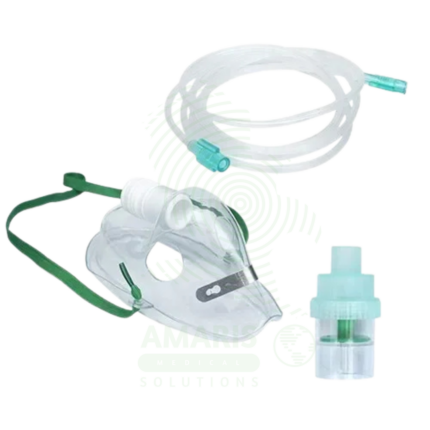
Adult & Pediatric Nebulizer Kit
An Adult & Pediatric Nebulizer Kit is a complete set of patient-contact components required for aerosol medication delivery, including a nebulizer cup, connecting tubing, and both an adult mouthpiece and a pediatric mask (or universal fit). Designed for use with a compressor, it provides the delivery circuit for treating asthma, COPD, and other respiratory conditions. Available in disposable (single-patient-use) formats for infection control in clinics or reusable formats for home care, its proper use, coupled with rigorous cleaning for reusable kits, is essential for effective therapy and preventing respiratory infections. The kit's universal connectors ensure compatibility with standard compressors.
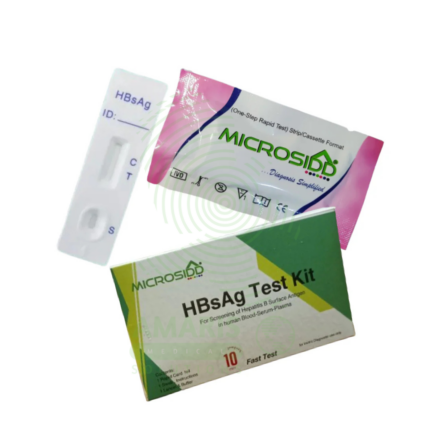
Hepatitis B Test Kit
The Hepatitis B Test Kit is an in vitro diagnostic device for the detection of Hepatitis B virus markers in human blood samples, available in rapid, ELISA, and molecular formats. It detects specific antigens (HBsAg) and antibodies (anti-HBc, anti-HBs) to diagnose acute and chronic infection, monitor treatment response, screen blood donations, and determine immunity status. With high sensitivity (>98%) and specificity (>99%), it provides results in 15 minutes to 4 hours depending on format. Essential applications include prenatal screening to prevent mother-to-child transmission, evaluation of acute hepatitis, pre-immunosuppression screening, and occupational health testing. All patient samples must be handled with universal precautions, and testing must include appropriate quality controls.
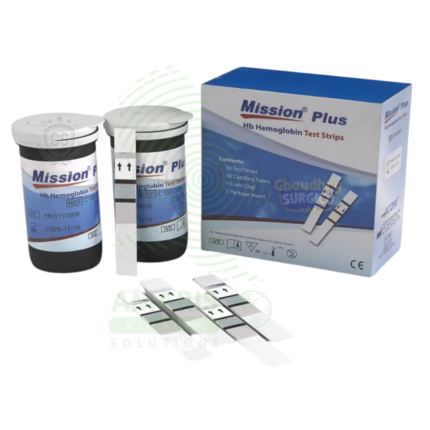
Mission plus strips
Mission Plus Strips are single-use, disposable electrochemical test strips (ISO 15197:2013 compliant) designed exclusively for use with Mission Plus glucose meters to measure capillary blood glucose from 0.5-1.0 µL samples in 5-7 seconds. Each strip contains glucose oxidase or glucose dehydrogenase reagents that generate electrical current proportional to glucose concentration (20-600 mg/dL range). Packaging options include multi-strip vials (25-100 strips) with desiccant for daily use or individually foil-wrapped strips for travel. Strips feature no-coding automatic calibration, hematocrit compensation (20-60%), and interference resistance. Primary clinical applications include daily blood glucose testing for Type 1, Type 2, and gestational diabetes management, hypoglycemia and hyperglycemia detection, pre- and post-meal glucose assessment, and hospital point-of-care testing. Critical safety precautions include single-use only, immediate vial closure after strip removal to prevent humidity damage, storage at 2-30°C away from bathrooms and temperature extremes, never using expired strips, proper hand hygiene before testing, and disposal in sharps containers. Essential consumable for diabetes self-management when used with Mission Plus meters.
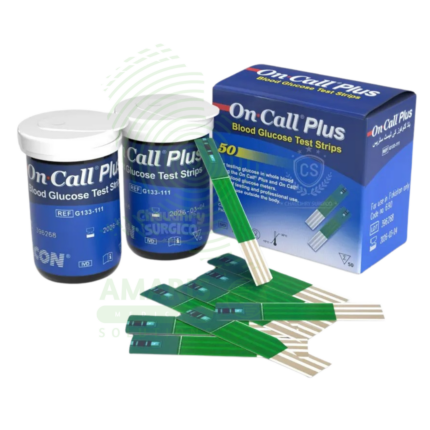
On Call Blood Sugar Strips
On Call Blood Sugar Strips are single-use, disposable electrochemical test strips (ISO 15197:2013 compliant) designed exclusively for use with On Call glucose meters to measure capillary blood glucose from 0.5-1.0 µL samples in 5-7 seconds. Each strip contains glucose oxidase or glucose dehydrogenase reagents that generate electrical current proportional to glucose concentration (20-600 mg/dL range). Packaging options include multi-strip vials (25-100 strips) with desiccant for daily use or individually foil-wrapped strips for travel. Strips feature no-coding automatic calibration, hematocrit compensation (20-60%), and interference resistance. Primary clinical applications include daily blood glucose testing for Type 1, Type 2, and gestational diabetes management, hypoglycemia and hyperglycemia detection, pre- and post-meal glucose assessment, and hospital point-of-care testing. Critical safety precautions include single-use only, immediate vial closure after strip removal to prevent humidity damage, storage at 2-30°C away from bathrooms and temperature extremes, never using expired strips, proper hand hygiene before testing, and disposal in sharps containers. Essential consumable for diabetes self-management when used with On Call meters.
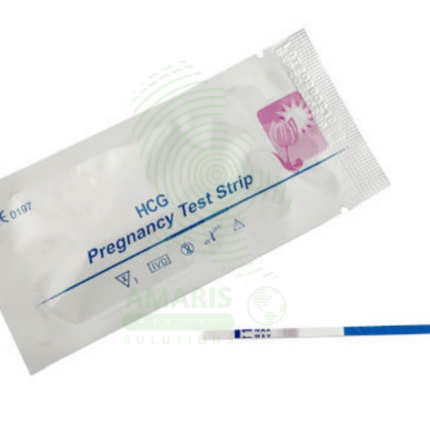
Pregnancy Test Strips
Pregnancy Test Strips are simple, dip-style lateral flow devices designed for the rapid, qualitative detection of human chorionic gonadotropin (hCG) in urine to indicate pregnancy. As the most fundamental format of home pregnancy tests, they offer high sensitivity (often from 10 mIU/mL), affordability, and a quick result within 3-5 minutes. Their ease of use makes them a widely accessible first step in pregnancy detection for personal use and clinical screening. A visible test line, even if faint, is a positive result, though confirmation with a healthcare provider is always recommended.
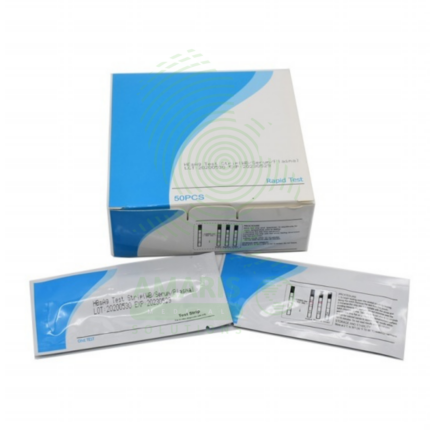
Rapid Test Kits (HIV, HBV, HCV, Malaria)
Rapid Test Kits for HIV, HBV, HCV, and Malaria are single-use, immunochromatographic devices designed for the quick, preliminary screening of these critical infectious diseases at the point of care. By detecting specific antibodies or antigens in a small blood sample (or oral fluid for some HIV tests), they provide a visual result within 15-30 minutes without the need for laboratory equipment. Their primary role is to expand access to testing in community and resource-limited settings, enabling immediate counseling, triage, and referral for confirmatory testing and treatment. As essential tools in public health, they are characterized by their simplicity, speed, and critical importance in early diagnosis and outbreak response.
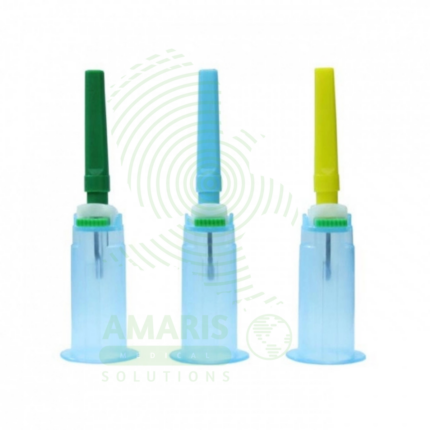
Vacutainer Needle Holder
A Vacutainer Needle Holder is a disposable plastic device (Class I/II medical device) used to securely hold double-ended blood collection needles and evacuated tubes during venipuncture, enabling safe and efficient collection of multiple blood specimens from a single venipuncture. Made from medical-grade ABS plastic or polypropylene, latex-free, approximately 12 cm length, with threaded end for needle attachment and flanged opening with flexible fingers to securely hold standard evacuated tubes (13 × 75 mm, 16 × 100 mm). Compatible with all standard double-ended needles and safety-engineered needles. Primary clinical applications include blood collection for laboratory testing (hematology, chemistry, coagulation, blood banking), multiple tube collection from single venipuncture, standardized venipuncture procedures, infection control (works with safety needles), and phlebotomy training. Critical safety precautions include single-use only (never reuse), secure needle attachment, immediate disposal of an entire unit with a needle in a sharps container, never recapping needles, and inspection for damage before use. Essential components of blood collection systems in hospitals, clinics, and laboratories.