Dermatoscope and Magnifiers
 Diagnostic Kits
 Vital Signs Monitors
 Stethoscopes and Accessories
 Otoscopes, Ophthalmoscopes, and Retinoscopes
 Reflex Hammers and Neurological Tools
 Scales and Measuring Devices
 Spirometers and Pulmonary Function Tests
 Electrosurgical Units and Accessories
 Cutting Instruments
 Grasping and Holding Instruments
 Hemostatic Instruments
 Specialized Surgical Sets
 Single-Use Procedure Trays and Packs
 Surgical Drapes, Gowns, and Covers
 Tissue Unifying Instruments
 Radiation Protection
 X-Ray Machines and Accessories
 Ultrasound Systems and Probes
 MRI and CT Scanners
 Radiology Consumables
 Bone Densitometers
 Fluoroscopy Equipment
 Imaging Tables and Positioning Aids
 Microscopes and Accessories
 Centrifuges and Separators
 Analyzers
 Incubators and Ovens
 Pipettes, Dispensers, and Lab Glassware
 Refrigerators, Freezers, and Storage Units
 Lab Consumables
 Sterilizers and Autoclaves for Lab Use
 Multi-Parameter Monitors
 Ventilators and Respiratory Support Devices
 Defibrillators and AEDs
 Infusion Pumps and IV Systems
 Patient Warmers and Cooling Devices
 Central Monitoring Stations
 Accessories
 Anesthesia Machines and Workstations
 Oxygen Concentrators and Delivery Systems
 Nebulizers and Inhalers
 CPAP/BiPAP Machines
 Airway Management
 Anesthesia Masks, Circuits, and Bags
 Humidifiers and Heaters
 Respiratory Therapy Accessories
 First Aid Kits and Cabinets
 Emergency Resuscitation Equipment
 Trauma Supplies
 Emergency Carts and Crash Carts
 Burn Care Products
 Bleeding Control
 Automated External Defibrillators (AEDs)
 Transport and Evacuation
 Wheelchairs and Accessories
 Walkers, Crutches, and Canes
 Prosthetics and Orthotics
 Physical Therapy Equipment
 Transfer Devices
 Bathroom Safety
 Orthopedic Traction and Tables
 Hot/Cold Therapy Packs and Units
 Beds and Mattresses
 Chairs and Stools
 Tables
 Cabinets and Storage
 Privacy Screens & Curtains
 Stands and Racks
 Linens and Textiles
 Lighting
 Autoclaves and Sterilizers
 Ultrasonic Cleaners
 Disinfectant Solutions and Wipes
 Sterilization Pouches, Wraps, and Indicators
 Instrument Trays and Containers
 UV and Ozone Disinfection Devices
 Washer Disinfectors
 Wound Care
 Gloves
 Masks and Respirators
 Catheters and Tubing
 Swabs, Applicators, and Sponges
 Incontinence Products
 Personal Protective Equipment (PPE)
 Dental Chairs and Units
 Handpieces and Burs
 Instruments
 Consumables
 Sterilization for Dental Use
 Orthodontic Supplies
 Endodontic Tools
 Slit Lamps and Tonometers
 Lensometers and Phoropters
 Ophthalmic Surgical Instruments
 Eyewear Frames and Lenses
 Contact Lens Supplies
 Vision Testing Charts and Devices
 Eye Care Consumables
 Laser Systems for Eye Care
 ENT Exam Chairs and Tables
 Endoscopes
 Audiometers and Hearing Tests
 ENT Instruments
 Nasal and Throat Packs
 Hearing Aids and Accessories
 Otology Supplies
 Fetal Dopplers and Monitors
 Delivery Beds and Tables
 Gynecological Instruments
 Neonatal Incubators and Warmers
 Breast Pumps and Accessories
 Contraceptive Devices
 Maternity Supports and Pads
 Neonatal Consumables
 Cystoscopes and Urethroscopes
 Dialysis Machines and Supplies
 Urological Catheters and Bags
 Lithotripters
 Prostate Treatment Devices
 Urinary Incontinence Products
 Kidney Stone Management Tools
 Consumables & Disposables
 EEG and EMG Machines
 Neurosurgical Instruments
 Nerve Stimulators
 Headrests and Positioning Aids
 Lumbar Puncture Kits
 Seizure Monitoring Devices
 Consumables
 Rehabilitation for Neurological Conditions
 ECG Machines and Accessories
 Holter Monitors
 Stress Test Systems
 Pacemakers and Defibrillator Accessories
 Vascular Access Devices
 Cardiac Catheters and Guidewires
 Blood Flow Meters
 Consumables
 Orthopedic Instruments
 Casts, Splints, and Padding
 Joint Replacement Supplies
 Prosthetic Limbs and Components
 Bone Grafts and Substitutes
 Traction Devices
 Orthopedic Braces and Supports
 Rehabilitation Aids for Orthopedics
 Home Oxygen Therapy
 Hospital Beds for Home Use
 Mobility Aids
 Bathroom and Daily Living Aids
 Wound Care for Home
 Monitoring Devices
 Enteral Feeding Pumps and Tubes
 Hand Sanitizers and Dispensers
 Face Shields and Goggles
 Isolation Gowns and Suits
 Biohazard Waste Containers
 Air Purifiers and HEPA Filters
 Surface Disinfectants
 Sharps Containers
 Protective Barriers
 Cardiovascular & Endurance Training
 Strength Training & Weightlifting
 Functional Training & Core Conditioning
 Physical Therapy & Rehabilitation
 Sports & Outdoor Recreation
 Gym Flooring & Facility Equipment
 Fitness Monitoring & Accessories
 Kids & Novelties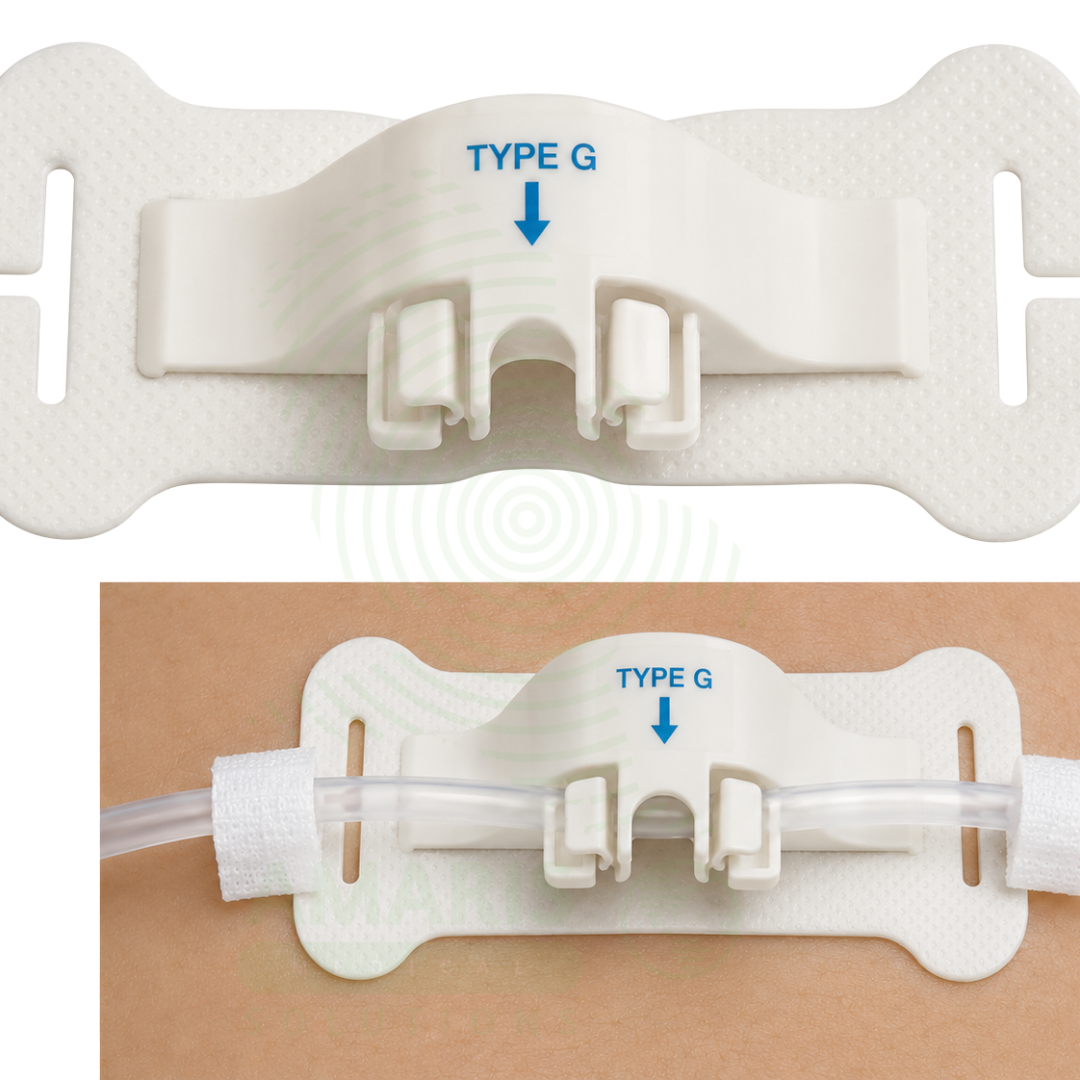
Body surface conduit fixing device – Type G
WhatsApp Order
The Body Surface Conduit Fixing Device – Type G is a Class I medical device specifically designed for the mechanical fixation of medical catheters, tubing, and drainage lines to the patient’s body surface . Operating on a strap-based mechanism, Type G devices utilize an adjustable nylon adhesive strap (often hook-and-loop/Velcro material) that wraps around the conduit rather than relying on broad adhesive patches adhered directly to the skin for the primary hold .
For the clinician and wound care nurse, Type G provides a valuable alternative to adhesive-based fixation for patients with fragile, damaged, or sensitive skin. The nylon adhesive strap is loosened, moved to the appropriate position along the catheter line, placed around the tube, and then tightened to the correct tension . This mechanical hold minimizes direct skin contact with adhesives, reducing the risk of medical adhesive-related skin injury (MARSI) while still providing a secure grip on the conduit.
For the patient, especially those with a history of dermatitis, fragile skin, or those requiring long-term catheterization, Type G offers a comfortable, breathable alternative. The use of breathable, comfortable non-woven fabric helps prevent edge warping and moisture accumulation . The strap can be periodically loosened, the skin inspected, and the device retightened without requiring a complete dressing change, preserving supplies and reducing patient discomfort. Type G devices are suitable for securing feeding tubes, drainage catheters, and central lines where a traditional adhesive securement may be contraindicated or where frequent line adjustments are necessary.
Description
Body Surface Conduit Fixing Device – Type G
PRIMARY CLINICAL & DIAGNOSTIC USES
1. Specialized Fixation with Adjustable Nylon Adhesive Strap
-
Primary Use: Provides a sterile, single-use catheter fixation device featuring an adjustable nylon adhesive strap design that allows the device to be repositioned and tensioned around the catheter without requiring adhesive contact with healthy skin.
-
How it helps: For the clinical nurse and intensive care unit (ICU) clinician, the Type G device utilizes a nylon Velcro-like strap that wraps around the conduit and adheres to itself, creating a secure, customizable hold that can be adjusted or released without removing the entire device . Unlike adhesive-based fixation devices that rely on skin contact, the Type G mechanism allows clinicians to move the fixing point along the catheter to the optimal position. For the patient, this design reduces the risk of skin irritation from adhesive materials and allows for easy readjustment if the catheter shifts, without the pain of peeling off an adhesive dressing.
2. Mechanical Fixation Replacing Adhesive Skin Contact
-
Primary Use: Designed as a mechanical catheter holder where the nylon adhesive strap directly grips the conduit, minimizing the amount of direct skin adhesion required and serving as an alternative for patients with fragile or compromised skin.
-
How it helps: For the wound care nurse and dermatology liaison, the Type G device is a valuable alternative for patients with conditions that make traditional adhesive fixation problematic, such as fragile skin, dermatitis, or known adhesive allergies. The fixing mechanism relies on the strap’s grip on the catheter itself rather than the skin’s adhesion to a patch . For the patient with sensitive skin, a history of medical adhesive-related skin injury (MARSI), or those receiving radiation therapy, Type G offers a way to securely fix medical tubing while preserving skin integrity.
3. Class I Medical Device for General Catheter Securement
-
Primary Use: The Type G device is classified as a Class I medical device, representing the lowest risk category and indicating its suitability for general-purpose external catheter fixation across multiple clinical scenarios .
-
How it helps: For the hospital procurement manager and clinician, the Class I classification signifies that Type G devices are subject to general controls and are appropriate for standard external use in securing medical conduits without specialized training beyond standard nursing practice . This classification streamlines hospital inventory management and ensures broad accessibility. For the patient, this means the device has met essential safety and effectiveness requirements for its intended use as a catheter holder.
4. Compatibility with Multiple Catheter Types
-
Primary Use: Type G devices are engineered to be compatible with a variety of medical conduits, including feeding tubes, drainage catheters, and intravenous lines, by utilizing an adjustable strap that conforms to different tube diameters.
-
How it helps: For the clinician managing a patient with multiple indwelling lines, the Type G device reduces the need to stock separate fixation devices for each tube type. The universal strap mechanism can be positioned along the catheter, allowing one device to accommodate various sizes . For the patient, this versatility ensures the correct securement device is always available at the bedside, reducing delays in stabilization when new lines are placed.
5. Breathable Non-Woven Material for Patient Comfort
-
Primary Use: Constructed with breathable, non-woven fabrics that promote air circulation, reduce moisture accumulation under the fixation site, and help prevent maceration and fungal infections.
-
How it helps: For the long-term care or rehabilitation nurse, the breathable construction of Type G devices reduces the risk of moisture-associated skin damage (MASD) often seen with occlusive dressings, particularly in warm environments or in patients who are diaphoretic. For the patient, a breathable material improves comfort during extended wear, reduces itching and the sensation of trapped heat, and supports overall skin health at the fixation site.
SECONDARY & SUPPORTIVE USES
1. Tracheal Intubation Tube Securement: The adjustable nylon strap can be used to circumferentially secure endotracheal tubes, reducing the risk of accidental extubation in mechanically ventilated patients .
2. Nasogastric and Orogastric Tube Fixation: Secures feeding or decompression tubes to the patient’s cheek or nose, preventing tube migration and reducing nasal alar pressure injury.
3. Epidural Catheter Stabilization: Anchors epidural catheters used for pain management in labor or post-operative recovery, using a strap-based mechanism that avoids direct adhesive contact.
4. Hemodialysis Catheter Securement: Stabilizes large-bore dialysis catheters, where the strap method provides robust holding power to withstand the torque generated by high flow rates.
5. Peripheral Nerve Catheter Holder: Used in regional anesthesia to secure continuous peripheral nerve block catheters (e.g., femoral, interscalene), preventing pullout during patient movement.
6. Chest Tube and Surgical Drain Securement: Holds drainage tubes in place without needing to apply adhesive directly over the fresh surgical incision or compromised periwound skin.
7. Central Venous Catheter (CVC) Stabilization: Secures central lines, allowing the fixation point to be adjusted along the catheter line to relieve tension at the insertion site.
8. Peripherally Inserted Central Catheter (PICC) Securement: Stabilizes PICC lines on the upper arm, with a strap that conforms to the limb and allows for circumferential compression adjustment.
9. Arterial Line Securement: Holds arterial lines in place, reducing the risk of displacement during patient transport or limb movement.
10. Urinary Catheter Fixation: Secures Foley catheters to the patient’s leg to prevent urethral traction and reduce the risk of catheter-associated urinary tract infection (CAUTI).
11. Wound Drainage Tube Management: Organizes and stabilizes multiple surgical drains (e.g., Jackson-Pratt, Hemovac) exiting a wound site, preventing tangling and tension.
12. External Ventricular Drain (EVD) Securement: Anchors EVD catheters, with a repositionable strap that allows for fine adjustments to the drainage system’s zero-reference level.
13. Patient-Controlled Analgesia (PCA) Line Protection: Secures PCA tubing to the patient’s gown or limb, preventing accidental dislodgement during sleep.
14. Pediatric Catheter Securement: Offers a gentle yet secure hold for children with sensitive skin, where adhesive-based devices may cause irritation or blistering.
15. Geriatric Skin Protection: Designed for elderly patients with thin, fragile skin, minimizing the use of adhesives and reducing the risk of skin tears.
16. Home Healthcare Line Management: A user-friendly option for family caregivers, as the strap mechanism is intuitive to release and re-secure for daily site inspections.
17. Rehabilitation and Physical Therapy Support: Enables patients with indwelling lines to participate in therapy without fear of dislodgement, as the strap can be periodically checked and retensioned.
18. Burn and Trauma Patient Securement: Used in patients with compromised skin integrity where traditional adhesives cannot be applied; the strap relies on mechanical compression rather than skin adhesion.
19. Pre-hospital and Emergency Department Securement: Quickly applied in trauma bays to stabilize emergency lines before patient transport, allowing for rapid adjustment as patient positioning changes.
20. Operating Room Post-Procedure Dressing: Applied immediately after line placement to provide initial stabilization, with the strap allowing for later repositioning without peeling off an adhesive base.
21. Magnetic Resonance Imaging (MRI) Compatibility: Type G devices typically contain minimal metal components, making them suitable for use in the MRI suite for patients with imaging needs.
22. Long-Term Care Facility Catheter Stabilization: Provides durable, extended-wear securement for residents with chronic indwelling catheters, with straps that can be loosened for site inspection and retightened.
23. Tracheostomy Tube Stabilization: Functions as an adjustable securement device for tracheostomy tube flanges, preventing tube movement that could cause tracheal injury or accidental decannulation.
24. Negative Pressure Wound Therapy Tubing Securement: Holds NPWT tubing in place to prevent tension on the wound drape, which could break the therapeutic vacuum seal.
KEY PRODUCT FEATURES
1. BASIC IDENTIFICATION ATTRIBUTES
-
Device Type: A sterile, single-use medical device designed for the external fixation and stabilization of medical catheters and conduits to the body surface, primarily utilizing an adjustable nylon or fabric strap.
-
Designation: Body Surface Conduit Fixing Device - Type G; G型导管固定器; Catheter Fixation Device - Type G.
-
Key Components:
-
Fixation Strap: A repositionable nylon adhesive strap (often hook-and-loop material/Velcro) designed to wrap around and secure the medical conduit .
-
Base Material: Breathable non-woven fabric may be included as part of the strap assembly or as a minimal skin contact point .
-
Adhesive Element: May utilize pressure-sensitive adhesive on certain contacting surfaces, though the primary mechanism is mechanical rather than adhesive-based .
-
Packaging: Single independent packaging; sterilized via ethylene oxide .
-
2. TECHNICAL & PERFORMANCE PROPERTIES
-
Product Classification: Class I Medical Device (lowest risk category) .
-
Fixation Mechanism: Mechanical fixation via an adjustable nylon strap/nylon velcro that wraps around the catheter, allowing for tension adjustment without adhesives.
-
Material Composition: Non-woven fabric (breathable and comfortable) ; Pressure-sensitive adhesive for any contacting surfaces ; Nylon hook-and-loop material for the adjustable strap .
-
Sterility: Sterile; single-use; sterilized by ethylene oxide .
-
Application Mode: The nylon adhesive strap is loosened, positioned around the catheter, and then tightened to the appropriate tension .
-
Latex Content: Not specified; verify product labeling for latex content.
3. PHYSICAL & OPERATIONAL PROPERTIES
-
Construction: Primarily a strap-based assembly rather than a broad adhesive patch . The construction may incorporate oval-shaped non-woven fabric to prevent edge warping .
-
Breathability: Non-woven fabric components are breathable and comfortable for prolonged wear .
-
Adjustability: High; the strap can be repositioned along the catheter to find the optimal fixation point.
-
Removability: Designed to be easily released and re-secured without damaging the device or requiring adhesive removers.
-
Portability: Individually packaged in sterile pouches.
-
Disposal: Discard as medical waste after single use.
4. SAFETY & COMPLIANCE ATTRIBUTES
-
Regulatory Status: Medical device (Class I) .
-
Sterility Assurance: Ethylene oxide sterilization ensures sterility until package is opened.
-
Durability: Designed for extended wear; pressure-sensitive adhesive paste is formulated to adhere firmly without easily detaching .
-
Edge Design: Features an oval shape to prevent edge warping and premature lifting from the skin .
-
Application Guidance: According to usage instructions, the nylon adhesive strap is loosened, moved to the appropriate position, placed around the catheter, and then tightened .
5. STORAGE & HANDLING ATTRIBUTES
-
Storage: Store in a cool, dry location; protect from humidity and direct sunlight.
-
Shelf Life: Refer to expiration date printed on individual packaging.
-
Inspection: Do not use if package is opened, torn, wet, or damaged.
-
Application Note: The specific Type G method involves loosening the nylon adhesive strap, moving the strap to the appropriate position, placing the catheter within the strap, and then tightening the strap to secure it .
-
Skin Preparation: Clean and dry the application site thoroughly before device application.
6. LABORATORY & CLINICAL APPLICATIONS
-
Primary Application: External fixation of medical catheters, drainage tubes, and conduits to the body surface in hospital, ICU, surgical, and home healthcare settings.
-
Clinical Role: Essential catheter securement accessory for reducing the risk of accidental line dislodgement, preventing catheter migration, and protecting skin integrity in patients with adhesive sensitivities.
SAFETY HANDLING PRECAUTIONS
1. SAFETY PRECAUTIONS
-
Proper Sizing: Select the appropriate width of the adhesive strap to ensure it wraps securely around the catheter without compressing the lumen.
-
Tension Adjustment: Do not overtighten the strap; excessive pressure may occlude the catheter lumen or cause patient discomfort.
-
Skin Inspection: Regularly inspect the skin beneath the non-woven fabric components for signs of irritation, maceration, or pressure injury.
-
Do Not Reuse: Intended for single patient use only; do not re-sterilize or reuse.
-
Specific Usage Method: Per manufacturer instructions, Type G devices are used by loosening the nylon adhesive strap, moving it to the appropriate position, placing the catheter inside, and fastening the strap securely .
2. FIRST AID MEASURES
-
Skin Irritation: If redness, itching, or irritation develops under the contact areas, loosen the strap to relieve pressure. If the base material is irritating, consider switching to a different fixation type.
-
Device Failure: If the strap fails to hold the catheter securely, remove the device, clean the skin, and apply a new Type G fixation device or an alternative securement method.
3. FIRE FIGHTING MEASURES
-
Flammability: Non-woven fabric and nylon strap materials are combustible; may burn if exposed to flame or high heat.
-
Extinguishing Media: Use water, foam, dry chemical, or carbon dioxide for fire involving medical waste materials.
Related products
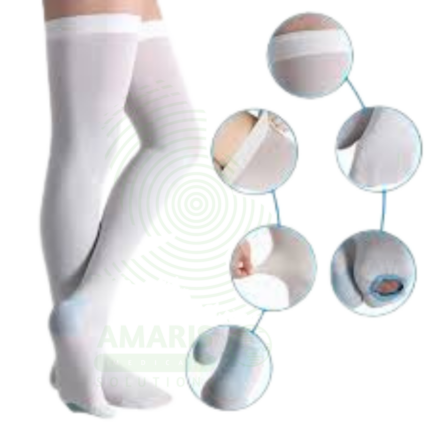
Anti-Embolic Compression Stockings
Anti-Embolic Compression Stockings are medical-grade elastic stockings designed to prevent Deep Vein Thrombosis (DVT) in non-ambulatory, surgical, or medically ill patients. By delivering graduated external pressure—tightest at the ankle and decreasing up the leg—they enhance venous blood flow and reduce stasis, a key factor in clot formation. They are a cornerstone of mechanical thromboprophylaxis in hospitals. Correct sizing based on precise leg measurements is critical for both efficacy and safety, as improper fit can lead to complications or failure of prophylaxis. Daily skin assessment and adherence to wearing guidelines are essential components of safe use.
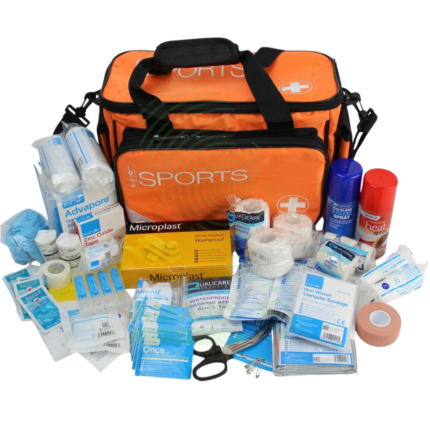
First Aid Kit For Sporting Places
A First Aid Kit for Sporting Places is a portable, organized medical kit specifically designed for the types and frequencies of injuries encountered in athletic and sporting environments. Available in various configurations including sideline kits for team use, personal sports pouches, team travel kits, and wall-mounted cabinets for gymnasiums. Constructed from ballistic nylon, polyester, ABS plastic, or aluminum with organized interior compartments, pouches, and elastic loops for rapid access to supplies. Contains sport-specific medical supplies including wound care materials, elastic bandages, instant cold packs, splinting materials, eye wash, blister care, concussion assessment tools, and personal protective equipment. Primary clinical applications include immediate treatment of common sports injuries (sprains, strains, contusions, abrasions, lacerations), concussion assessment, bleeding control, heat illness management, eye injury care, and emergency action plan implementation. Essential equipment for athletic teams, schools, fitness centers, recreational facilities, and sporting events, providing organized, accessible medical supplies for athlete safety and injury management.
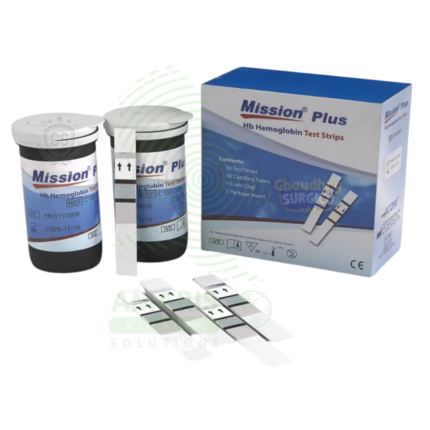
Mission plus strips
Mission Plus Strips are single-use, disposable electrochemical test strips (ISO 15197:2013 compliant) designed exclusively for use with Mission Plus glucose meters to measure capillary blood glucose from 0.5-1.0 µL samples in 5-7 seconds. Each strip contains glucose oxidase or glucose dehydrogenase reagents that generate electrical current proportional to glucose concentration (20-600 mg/dL range). Packaging options include multi-strip vials (25-100 strips) with desiccant for daily use or individually foil-wrapped strips for travel. Strips feature no-coding automatic calibration, hematocrit compensation (20-60%), and interference resistance. Primary clinical applications include daily blood glucose testing for Type 1, Type 2, and gestational diabetes management, hypoglycemia and hyperglycemia detection, pre- and post-meal glucose assessment, and hospital point-of-care testing. Critical safety precautions include single-use only, immediate vial closure after strip removal to prevent humidity damage, storage at 2-30°C away from bathrooms and temperature extremes, never using expired strips, proper hand hygiene before testing, and disposal in sharps containers. Essential consumable for diabetes self-management when used with Mission Plus meters.
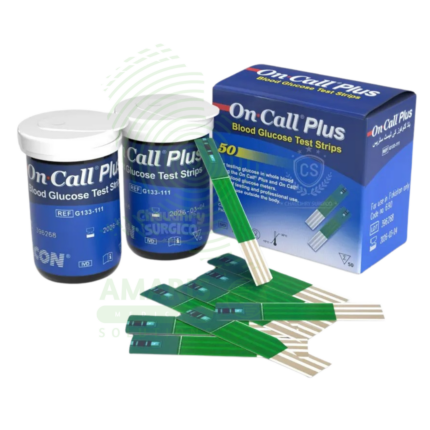
On Call Blood Sugar Strips
On Call Blood Sugar Strips are single-use, disposable electrochemical test strips (ISO 15197:2013 compliant) designed exclusively for use with On Call glucose meters to measure capillary blood glucose from 0.5-1.0 µL samples in 5-7 seconds. Each strip contains glucose oxidase or glucose dehydrogenase reagents that generate electrical current proportional to glucose concentration (20-600 mg/dL range). Packaging options include multi-strip vials (25-100 strips) with desiccant for daily use or individually foil-wrapped strips for travel. Strips feature no-coding automatic calibration, hematocrit compensation (20-60%), and interference resistance. Primary clinical applications include daily blood glucose testing for Type 1, Type 2, and gestational diabetes management, hypoglycemia and hyperglycemia detection, pre- and post-meal glucose assessment, and hospital point-of-care testing. Critical safety precautions include single-use only, immediate vial closure after strip removal to prevent humidity damage, storage at 2-30°C away from bathrooms and temperature extremes, never using expired strips, proper hand hygiene before testing, and disposal in sharps containers. Essential consumable for diabetes self-management when used with On Call meters.
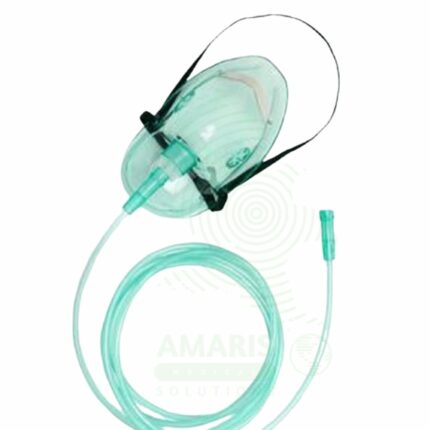
Oxygen Mask (Adult/Infant/Paediatric)
An Oxygen Mask is a disposable, single-use interface used to deliver supplemental oxygen from a medical gas supply to a patient's airways. Available in types for specific clinical needs—Simple Mask for low-flow therapy, Venturi Mask for precise FiO2 control (especially in COPD), and Non-Rebreather Mask for emergency high-flow delivery—and in sizes for adults, children, and infants. Correct selection and application, including ensuring the proper oxygen flow rate for the mask type, are essential for effective therapy and patient safety. Adherence to strict fire safety protocols is non-negotiable due to the combustion risk posed by enriched oxygen environments.
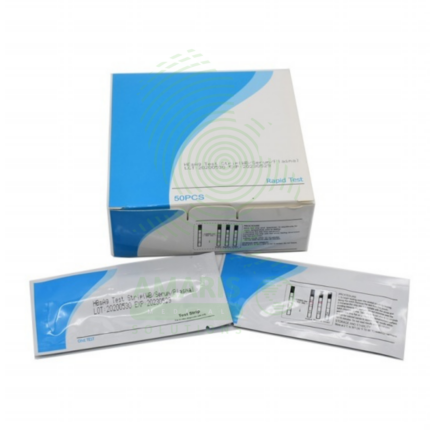
Rapid Test Kits (HIV, HBV, HCV, Malaria)
Rapid Test Kits for HIV, HBV, HCV, and Malaria are single-use, immunochromatographic devices designed for the quick, preliminary screening of these critical infectious diseases at the point of care. By detecting specific antibodies or antigens in a small blood sample (or oral fluid for some HIV tests), they provide a visual result within 15-30 minutes without the need for laboratory equipment. Their primary role is to expand access to testing in community and resource-limited settings, enabling immediate counseling, triage, and referral for confirmatory testing and treatment. As essential tools in public health, they are characterized by their simplicity, speed, and critical importance in early diagnosis and outbreak response.
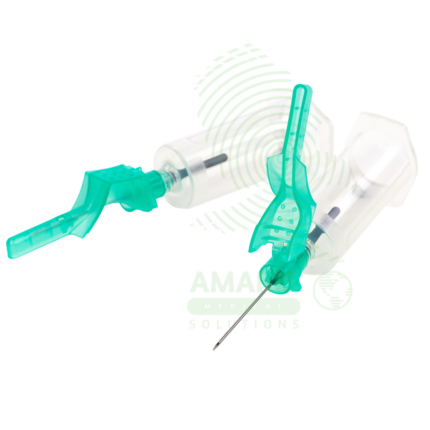
SAFE SERIES Blood Collection Needles
The SAFE SERIES (AM-SAFE) by Beijing Precil (Mindray subsidiary) is a comprehensive line of safety-engineered blood collection devices designed to prevent accidental needlestick injuries in healthcare workers. The series includes venous blood collection needles (AM-SAFE-V), standard safety needles (AM-SAFE1), winged infusion sets/butterfly needles (AM-SAFE2), high-gauge thin-wall needles for fragile veins (AM-SAFE3), premium coated needles for enhanced patient comfort (AM-GOLD), and nurse-friendly one-handed safety variants (AM-NURSE). All devices incorporate integral safety mechanisms that shield the contaminated needle immediately after withdrawal, complying with OSHA Needlestick Safety and Prevention Act requirements. Available in various gauges (18G-25G) and configurations for routine venipuncture, difficult vein access, pediatric/geriatric patients, and frequent blood draws. Sterile, single-use, latex-free, and color-coded for easy gauge identification. Essential safety devices for blood collection in hospitals, clinics, laboratories, and home healthcare settings.