Dermatoscope and Magnifiers
 Diagnostic Kits
 Vital Signs Monitors
 Stethoscopes and Accessories
 Otoscopes, Ophthalmoscopes, and Retinoscopes
 Reflex Hammers and Neurological Tools
 Scales and Measuring Devices
 Spirometers and Pulmonary Function Tests
 Electrosurgical Units and Accessories
 Cutting Instruments
 Grasping and Holding Instruments
 Hemostatic Instruments
 Specialized Surgical Sets
 Single-Use Procedure Trays and Packs
 Surgical Drapes, Gowns, and Covers
 Tissue Unifying Instruments
 Radiation Protection
 X-Ray Machines and Accessories
 Ultrasound Systems and Probes
 MRI and CT Scanners
 Radiology Consumables
 Bone Densitometers
 Fluoroscopy Equipment
 Imaging Tables and Positioning Aids
 Microscopes and Accessories
 Centrifuges and Separators
 Analyzers
 Incubators and Ovens
 Pipettes, Dispensers, and Lab Glassware
 Refrigerators, Freezers, and Storage Units
 Lab Consumables
 Sterilizers and Autoclaves for Lab Use
 Multi-Parameter Monitors
 Ventilators and Respiratory Support Devices
 Defibrillators and AEDs
 Infusion Pumps and IV Systems
 Patient Warmers and Cooling Devices
 Central Monitoring Stations
 Accessories
 Anesthesia Machines and Workstations
 Oxygen Concentrators and Delivery Systems
 Nebulizers and Inhalers
 CPAP/BiPAP Machines
 Airway Management
 Anesthesia Masks, Circuits, and Bags
 Humidifiers and Heaters
 Respiratory Therapy Accessories
 First Aid Kits and Cabinets
 Emergency Resuscitation Equipment
 Trauma Supplies
 Emergency Carts and Crash Carts
 Burn Care Products
 Bleeding Control
 Automated External Defibrillators (AEDs)
 Transport and Evacuation
 Wheelchairs and Accessories
 Walkers, Crutches, and Canes
 Prosthetics and Orthotics
 Physical Therapy Equipment
 Transfer Devices
 Bathroom Safety
 Orthopedic Traction and Tables
 Hot/Cold Therapy Packs and Units
 Beds and Mattresses
 Chairs and Stools
 Tables
 Cabinets and Storage
 Privacy Screens & Curtains
 Stands and Racks
 Linens and Textiles
 Lighting
 Autoclaves and Sterilizers
 Ultrasonic Cleaners
 Disinfectant Solutions and Wipes
 Sterilization Pouches, Wraps, and Indicators
 Instrument Trays and Containers
 UV and Ozone Disinfection Devices
 Washer Disinfectors
 Wound Care
 Gloves
 Masks and Respirators
 Catheters and Tubing
 Swabs, Applicators, and Sponges
 Incontinence Products
 Personal Protective Equipment (PPE)
 Dental Chairs and Units
 Handpieces and Burs
 Instruments
 Consumables
 Sterilization for Dental Use
 Orthodontic Supplies
 Endodontic Tools
 Slit Lamps and Tonometers
 Lensometers and Phoropters
 Ophthalmic Surgical Instruments
 Eyewear Frames and Lenses
 Contact Lens Supplies
 Vision Testing Charts and Devices
 Eye Care Consumables
 Laser Systems for Eye Care
 ENT Exam Chairs and Tables
 Endoscopes
 Audiometers and Hearing Tests
 ENT Instruments
 Nasal and Throat Packs
 Hearing Aids and Accessories
 Otology Supplies
 Fetal Dopplers and Monitors
 Delivery Beds and Tables
 Gynecological Instruments
 Neonatal Incubators and Warmers
 Breast Pumps and Accessories
 Contraceptive Devices
 Maternity Supports and Pads
 Neonatal Consumables
 Cystoscopes and Urethroscopes
 Dialysis Machines and Supplies
 Urological Catheters and Bags
 Lithotripters
 Prostate Treatment Devices
 Urinary Incontinence Products
 Kidney Stone Management Tools
 Consumables & Disposables
 EEG and EMG Machines
 Neurosurgical Instruments
 Nerve Stimulators
 Headrests and Positioning Aids
 Lumbar Puncture Kits
 Seizure Monitoring Devices
 Consumables
 Rehabilitation for Neurological Conditions
 ECG Machines and Accessories
 Holter Monitors
 Stress Test Systems
 Pacemakers and Defibrillator Accessories
 Vascular Access Devices
 Cardiac Catheters and Guidewires
 Blood Flow Meters
 Consumables
 Orthopedic Instruments
 Casts, Splints, and Padding
 Joint Replacement Supplies
 Prosthetic Limbs and Components
 Bone Grafts and Substitutes
 Traction Devices
 Orthopedic Braces and Supports
 Rehabilitation Aids for Orthopedics
 Home Oxygen Therapy
 Hospital Beds for Home Use
 Mobility Aids
 Bathroom and Daily Living Aids
 Wound Care for Home
 Monitoring Devices
 Enteral Feeding Pumps and Tubes
 Hand Sanitizers and Dispensers
 Face Shields and Goggles
 Isolation Gowns and Suits
 Biohazard Waste Containers
 Air Purifiers and HEPA Filters
 Surface Disinfectants
 Sharps Containers
 Protective Barriers
 Cardiovascular & Endurance Training
 Strength Training & Weightlifting
 Functional Training & Core Conditioning
 Physical Therapy & Rehabilitation
 Sports & Outdoor Recreation
 Gym Flooring & Facility Equipment
 Fitness Monitoring & Accessories
 Kids & Novelties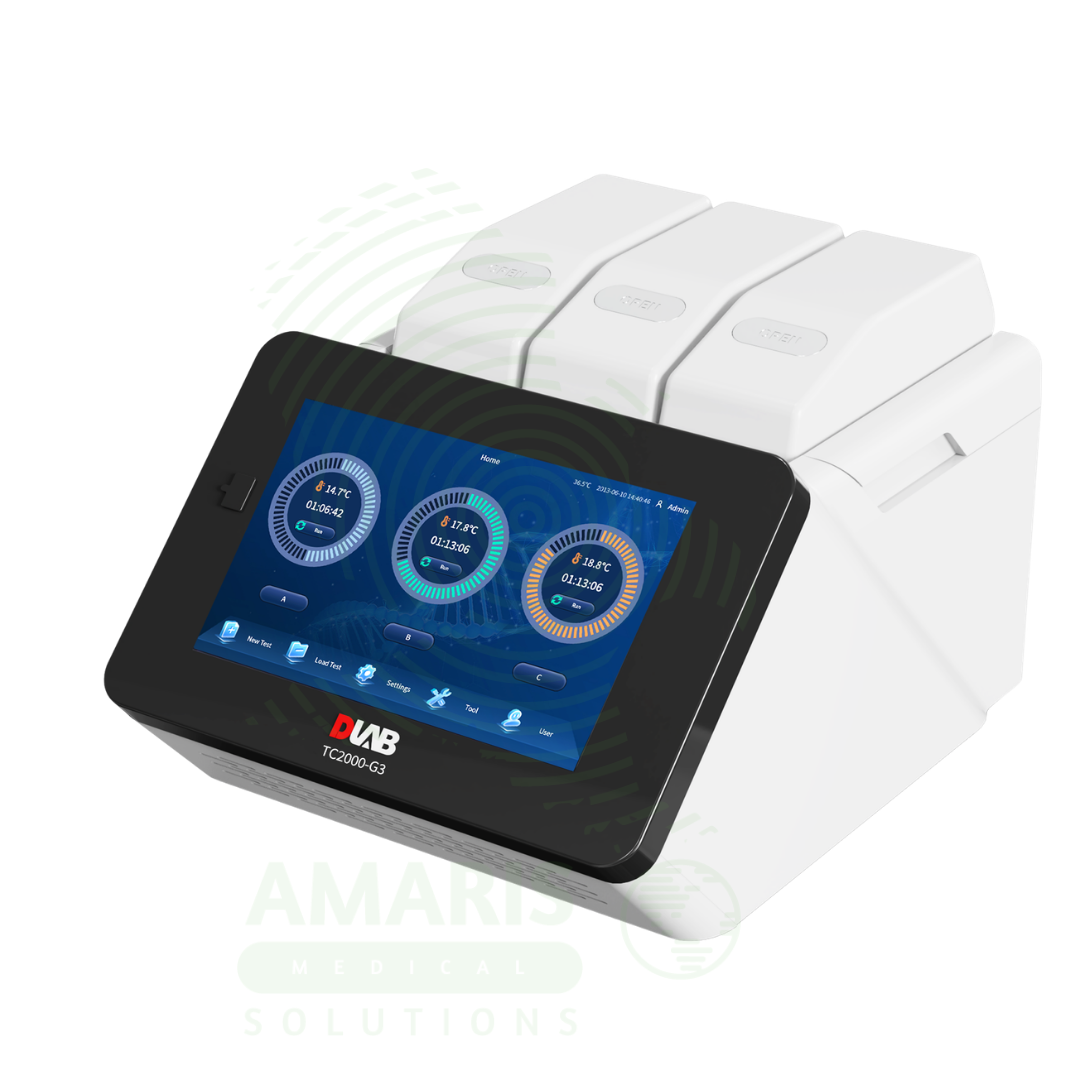

Gene Amplification Instrument (TC2000-G3)
WhatsApp Order
The Gene Amplification Instrument is a triple-block independent gradient thermal cycler featuring three separate 32-well aluminum blocks (96 total wells), each with independent temperature control, advanced Peltier heating/cooling technology (5°C/sec ramp rate), precise temperature control (±0.1°C accuracy), excellent temperature uniformity (±0.2°C at 55°C), edge temperature compensation, 10.1-inch LCD color touchscreen (1280×800), independent gradient capability (1-25°C span per block), Touchdown PCR support (-10°C to +10°C), Long PCR support (-600 sec to +600 sec), power failure protection, Wi-Fi connectivity, email notification, three-level user permission management with password protection, and independent operation logs, designed for ultra-high-throughput DNA amplification in clinical diagnostic, molecular biology, and research laboratories .
Key features include three independent 32-well aluminum blocks that can run different PCR programs simultaneously—enabling concurrent processing of up to three different patient panels (e.g., respiratory panel, bloodborne panel, gastrointestinal panel), tripling throughput while maintaining independent temperature control and gradient settings per block . The self-adaptive pressure lever hot cap for each block provides one-step lid closure (30-115°C), adaptable to different PCR tube heights . The 10.1-inch touchscreen displays real-time progress for all three blocks simultaneously via independent countdown circles .
The Gene Amplification Instrument supports standard PCR, Touchdown PCR (-10°C to +10°C) for enhanced specificity, and Long PCR (-600 sec to +600 sec) for large fragment amplification . Triple independent block gradient functionality allows simultaneous optimization of annealing temperatures for three different primer sets in a single run. Edge temperature compensation technology minimizes “edge effect” and ensures consistent amplification across all wells . Independent cavity design prevents cross-contamination between different sample types .
Three-level user permission management (guest, account authentication, administrator) with password protection ensures data security and regulatory compliance for ultra-high-throughput diagnostic laboratories . The built-in Wi-Fi module allows simultaneous control of multiple PCR instruments from one computer via LAN, with email notifications sent upon run completion . Automatic self-test at power-up detects all working modules .
For the clinical laboratory scientist and molecular biologist, the Gene Amplification Instrument supports ultra-high-throughput infectious disease detection (concurrent COVID-19, HIV, and hepatitis testing; respiratory, bloodborne, and gastrointestinal pathogen panels), triple independent genetic mutation screening, viral load monitoring, gene cloning, DNA sequencing preparation, forensic DNA analysis (STR amplification), food safety pathogen detection and GMO screening, and Touchdown/Long PCR applications .
Universal voltage (100-240V, 50/60Hz) enables use in laboratories worldwide without voltage conversion, while the moderate footprint (422 × 310 × 252 mm) and weight (11 kg) allow easy benchtop placement . The 0-105°C temperature range, 5°C/sec ramp rate, and Peltier lifespan of up to 200,000 cycles (supporting 20,000 cycles) provide rapid, reliable thermal cycling for ultra-high-throughput routine and advanced diagnostic applications . At 1500W power consumption, the G3 model provides the highest throughput capacity in the TC2000 series for maximum laboratory productivity .
For the patient undergoing infectious disease testing, genetic screening for hereditary disorders, or viral load monitoring for chronic infections, the Gene Amplification Instrument is a triple independent block design, precise temperature control, gradient optimization capability, and rapid ramp rate ensure accurate, reproducible PCR results with the fastest possible turnaround times—guiding appropriate treatment decisions across clinical infectious disease, oncology, genetics, and molecular diagnostics applications.
Description
Gene Amplification Instrument (TC2000-G3)
PRIMARY CLINICAL & DIAGNOSTIC USES
1. Triple Independent PCR for Ultra-High-Throughput Infectious Disease Testing
-
Primary Use: Provides a triple-block gradient thermal cycler with three independent 32-well aluminum blocks (96 total wells), each with independent temperature control, allowing simultaneous execution of three different PCR protocols for ultra-high-throughput infectious disease detection .
-
How it helps: For the clinical laboratory scientist and molecular biologist in high-volume diagnostic laboratories, the Gene Amplification Instrument is a triple independent block design enables concurrent processing of three different patient panels (e.g., respiratory virus panel on block one, bloodborne pathogen panel on block two, and gastrointestinal pathogen panel on block three) without sequential runs—tripling throughput and dramatically reducing turnaround time for high-volume diagnostic testing . For the patient, faster processing of ultra-high-volume diagnostic samples reduces turnaround time for critical test results (COVID-19, HIV, hepatitis, tuberculosis), enabling earlier diagnosis and treatment initiation.
2. Triple Independent Gradient Optimization for Assay Development
-
Primary Use: All three blocks feature independent gradient temperature control (30-105°C range, 1-25°C gradient span per block), allowing simultaneous optimization of annealing temperatures for three different primer sets or three different PCR protocols in a single run .
-
How it helps: For the molecular diagnostics developer and research scientist, the ability to run independent gradient protocols on each block triples assay development throughput—identifying optimal annealing temperatures for three primer sets simultaneously, reducing reagent consumption and shortening development time. Edge temperature compensation technology minimizes “edge effect” and enhances temperature uniformity across all three blocks . For the patient, faster assay development means quicker availability of new diagnostic tests for emerging infectious diseases and genetic conditions.
3. Genetic Mutation Screening for Hereditary Disorders
-
Primary Use: Used for amplification of DNA fragments from patient samples on independent blocks to detect genetic mutations associated with hereditary disorders, including β-thalassemia, sickle cell disease, cystic fibrosis, and BRCA-associated cancers, with the ability to run three different screening panels concurrently .
-
How it helps: For the clinical geneticist and molecular pathologist in high-volume genetics laboratories, the Gene Amplification Instrument is a triple independent block design enables rapid, reliable amplification of different gene regions simultaneously—facilitating detection of point mutations, insertions, deletions, and other genetic variants across multiple patient panels. Independent cavity design prevents cross-contamination between different sample types . For the patient undergoing hereditary disease screening, accurate PCR results inform genetic counseling, reproductive decision-making, and preventive healthcare measures.
4. Touchdown PCR for Enhanced Specificity
-
Primary Use: Supports Touchdown PCR programs with a range of -10°C to +10°C (temperature increment/decrement), enabling gradual decrease of annealing temperature during cycling to enhance amplification specificity .
-
How it helps: For the molecular diagnostics developer and research scientist, Touchdown PCR minimizes nonspecific amplification and primer-dimer formation—critical for detecting rare mutations, low-abundance targets, and complex clinical specimens across all three independent blocks . For the patient undergoing genetic testing for inherited disorders or oncology biomarkers, enhanced specificity reduces false-positive results, ensuring accurate diagnosis and appropriate treatment planning.
5. Power Failure Protection and Sample Safety
-
Primary Use: Features automatic power failure protection with program recovery for all three independent blocks; upon power restoration, each block automatically resumes its unfinished cycle independently, ensuring sample safety for all three running protocols .
-
How it helps: For the clinical laboratory scientist, automatic recovery for each independent block ensures that none of the three patient batches are compromised during extended runs—protecting valuable clinical specimens and preventing costly re-runs. For the patient, power failure protection ensures that critical diagnostic samples are not lost due to electrical interruptions, reducing the need for repeat specimen collection.
SECONDARY & SUPPORTIVE USES
1. Independent Reverse Transcription PCR (RT-PCR): Used with reverse transcriptase enzymes to amplify RNA targets on one, two, or all three independent blocks for detection of RNA viruses (influenza, RSV, Ebola, Zika) and gene expression analysis .
2. Independent Gene Cloning and Molecular Biology Research: Used for preparation of DNA inserts for plasmid construction, bacterial transformation, and recombinant protein expression workflows, with independent blocks allowing concurrent processing of up to three different constructs .
3. Long PCR for Large Fragment Amplification: Supports Long PCR programs with time adjustment range of -600 seconds to +600 seconds, allowing amplification of DNA fragments up to several kilobases for sequencing, mutation detection, and structural variant analysis .
4. DNA Sequencing Preparation: Amplifies target DNA regions for Sanger sequencing, next-generation sequencing (NGS) library preparation, and amplicon sequencing applications, with independent blocks enabling concurrent preparation of up to three different libraries .
5. Forensic DNA Analysis: Supports STR (short tandem repeat) amplification for human identification in forensic casework and paternity testing, with independent blocks allowing concurrent processing of multiple case samples .
6. Genotyping and SNP Detection: Used for amplification of specific gene regions to identify single nucleotide polymorphisms (SNPs) for pharmacogenetic testing and disease risk assessment, with independent blocks enabling up to three different genotyping panels simultaneously .
7. Mutagenesis and Site-Directed Mutagenesis: Supports PCR-based mutagenesis for protein engineering and functional genomics research across independent blocks .
8. Food Safety and Pathogen Detection: Used for detection of foodborne pathogens (Salmonella, Listeria, E. coli O157:H7) and GMO screening, with independent blocks enabling concurrent testing for different pathogens .
9. Agricultural and Plant Research: Supports detection of plant pathogens, genetically modified organism (GMO) screening, and marker-assisted breeding applications across independent blocks .
10. Veterinary Diagnostic Testing: Used for detection of animal pathogens (canine parvovirus, feline leukemia, avian influenza) in veterinary diagnostic laboratories, with independent blocks for different animal species or pathogen panels .
11. Environmental Microbiology: Supports detection of waterborne pathogens and microbial source tracking in environmental water quality testing, as well as analysis of microbial communities and pollutant effects on organisms .
12. Drug Discovery and Pharmaceutical Research: Used in drug discovery workflows for target validation, biomarker identification, and pharmacogenomic studies, screening drug targets and evaluating drug effects on gene expression .
13. Paleontology and Ancient DNA Research: Used for species identification, evolutionary analysis, and extinction event studies of ancient biological specimens .
14. Blood Bank Screening: Used for screening blood donations for transfusion-transmitted infections including HIV, hepatitis B, hepatitis C, and West Nile virus, with independent blocks enabling concurrent screening for different pathogens .
15. Research and Academic Laboratories: Provides essential PCR capabilities for diverse research applications in molecular biology, genetics, and biochemistry laboratories, with triple-block design maximizing throughput.
KEY PRODUCT FEATURES
1. BASIC IDENTIFICATION ATTRIBUTES
-
Device Type: A triple-block independent gradient thermal cycler (PCR instrument) with three separate 32-well aluminum blocks (96 total wells), advanced Peltier heating/cooling technology, 5°C/sec ramp rate, 10.1-inch touchscreen, Wi-Fi connectivity, independent block control for simultaneous different protocols, and power failure protection, designed for ultra-high-throughput DNA amplification in clinical diagnostics, molecular biology, and research laboratories .
-
Designation: Gene Amplification Instrument, Triple-Block Gradient PCR Thermocycler, Independent Triple 32-Well Thermal Cycler, Ultra-High-Throughput PCR Machine, DLAB Gene Amplification Instrument .
-
Key Components:
• Sample Blocks: Three independent 32-well aluminum blocks (96 total wells), each with independent temperature control; compatible with 0.2mL PCR tubes, 8-strips, and 96-well PCR plates .
• Heating/Cooling System: High-performance Peltier elements with independent heating segments for each block; up to 200,000 cycle lifespan; supports 20,000 cycles .
• Heated Lid: Self-adaptive pressure lever hot cap with adjustable temperature range 30-115°C; closes and tightens in one step, adaptable to different PCR tube heights .
• Display: 10.1-inch LCD color touchscreen with 1280×800 resolution; visual countdown circle display for real-time run progress per block .
• Communication Interfaces: USB 2.0 port, built-in Wi-Fi module for LAN connection, remote monitoring, and email notification upon completion .
• Security: Three-level user permission management with password protection; independent operation logs .
2. TECHNICAL & PERFORMANCE PROPERTIES
-
Block Configuration: Three independent 32-well aluminum blocks (96 total wells) .
-
Sample Capacity: 96 × 0.2mL PCR tubes; 12 × PCR-8 strips; 96-well PCR plates (no skirt, half-skirt, full-skirt) .
-
Temperature Range: 0-105°C (sample blocks); 30-115°C (heated lid) .
-
Temperature Control Accuracy: ±0.1°C .
-
Temperature Uniformity at 55°C: ±0.2°C .
-
Temperature Display Resolution: 0.1°C .
-
Maximum Heating/Cooling Rate: 5°C per second; variable ramp rate adjustable 0.1-5°C/sec .
-
Gradient Setting Range: 30-105°C (independent per block) .
-
Gradient Span Range: 1-25°C (enter 0 to turn off gradient) .
-
Independent Operation: Each block can run different PCR protocols simultaneously with independent temperature, gradient, and cycle settings .
-
Time Increment/Decrement Range: -600 seconds to +600 seconds (for Long PCR) .
-
Temperature Increment/Decrement Range: -10°C to +10°C (for Touchdown PCR) .
-
Program Structure: Maximum 30 steps per program, up to 199 cycles .
-
Program Storage Capacity: 20,000+ programs (via USB flash drive) .
-
Display: 10.1-inch LCD touchscreen (1280×800 resolution) .
-
Communication: USB 2.0, Wi-Fi (built-in), email notification upon completion .
-
Power Failure Protection: Yes; automatically resumes unfinished cycles upon power restoration (independent per block) .
-
User Permissions: Three-level security (guest, account authentication, administrator) with password protection .
-
4°C Hold: Unlimited time after program completion to preserve amplified products .
-
Self-Test: Automatic self-check upon power-up to detect all working modules .
-
Power Consumption: 1500W .
-
Voltage/Frequency: 100-240V, 50/60Hz (universal voltage) .
-
Dimensions (W × D × H): 422 × 310 × 252 mm .
-
Weight: 11 kg .
-
Operating Conditions: 5-40°C ambient temperature; ≤80% relative humidity .
-
Peltier Lifespan: Up to 200,000 cycles (supports 20,000 cycles) .
-
Certifications: CB, FCC, ICES, CE LVD, UKCA LVD, UKCA EMC, and cTUVus .
3. PHYSICAL & OPERATIONAL PROPERTIES
-
Construction: Sturdy benchtop housing with three independent aluminum sample blocks; high-performance Peltier elements for reliable temperature control; independent cavity design prevents cross-contamination between blocks .
-
Independent Block Operation: Three independent 32-well blocks can run different PCR programs simultaneously—each with independent temperature, gradient, cycle, and time settings; ideal for ultra-high-throughput laboratories running multiple assays concurrently .
-
Display: 10.1-inch LCD color touchscreen (1280×800) with graphical user interface; displays real-time progress for all three blocks simultaneously via independent countdown circles; intuitive menu navigation .
-
Edge Temperature Compensation: Reduces temperature variation across all three blocks, minimizing "edge effect" for consistent amplification in all wells .
-
Hot Lid Function: Self-adaptive pressure lever hot cap for each block; adjustable temperature (30-115°C); closes and tightens in one step, adaptable to different PCR tube heights .
-
Program Features: Supports program suspension, skip to next step, and power failure recovery with automatic program continuation (independent per block) .
-
Connectivity: Built-in Wi-Fi module allows simultaneous control of multiple PCR instruments from one computer via LAN; supports email notifications upon run completion; USB for data transfer and software updates .
-
Data Logging: Supports run records and abnormal event logs for each block; USB data export for program and data backup .
-
User Account Management: Three-level permission management (guest, account authentication, administrator) with password protection; independent access control for data security .
-
Language Support: Chinese and English interface options .
-
Portability: Benchtop design with moderate footprint (422 × 310 × 252 mm) and weight (11 kg) for lab benchtop placement .
-
Maintenance: Peltier elements designed for long-term durability (up to 200,000 cycles); periodic calibration recommended .
4. SAFETY & COMPLIANCE ATTRIBUTES
-
Regulatory Status: Medical device for in vitro diagnostic use; complies with international laboratory safety standards; CB, FCC, ICES, CE LVD, UKCA LVD, UKCA EMC, and cTUVus certified .
-
Safety Features: Power failure protection with automatic program recovery (independent per block); over-temperature protection; hot lid automatic operation; self-test at power-up .
-
Cross-Contamination Prevention: Independent cavity design for each block prevents cross-contamination between different sample types .
-
Data Security: Three-level user permission management (guest, account authentication, administrator) with password protection to prevent data breaches and unauthorized access; independent operation logs .
-
Electrical Safety: Universal voltage (100-240V, 50/60Hz) for international use; 1500W power consumption ; earthed power connection recommended; over-current protection.
-
Connectivity Security: Wi-Fi and USB connectivity with data encryption for secure data transfer .
-
GLP Compliance: Program storage, user authentication, run records, and abnormal logs support GLP documentation; real-time run monitoring and email notifications .
-
Data Integrity: USB storage for program and data backup; supports user-defined file system with up to 199 cycles and 30 steps per program .
-
Audit Trail: Supports abnormal event logging and run record storage for laboratory quality management .
-
Warranty: 2-year manufacturer warranty .
5. STORAGE & HANDLING ATTRIBUTES
-
Storage: Store on clean, dry, level benchtop; protect from dust and moisture; ambient temperature 5-40°C, ≤80% RH .
-
Cleaning: Wipe exterior with soft, damp cloth using neutral detergent; 70% ethanol solution may be used for surface disinfection; do not immerse in liquid; disconnect power before cleaning.
-
Inspection: Inspect power cord for damage before each use; check all three sample blocks for debris or residue; verify heated lid seal integrity for each block; run self-test at power-up .
-
Operation: Place on stable, level surface; ensure adequate ventilation; connect to appropriate power supply (100-240V); power ON; wait for self-test completion; select or create independent programs for each block; load samples into respective 32-well blocks or plates; close lids securely (one-step adaptive pressure per block); start runs; monitor progress on touchscreen for all three blocks simultaneously .
-
Independent Program Creation: Use touchscreen interface to create independent programs for block one, block two, and block three; set denaturation, annealing, and extension temperatures and times; configure cycle numbers (up to 199 cycles, 30 steps); save to USB or internal memory .
-
Gradient Programming (Independent per Block): Set gradient range (1-25°C) and temperature range (30-105°C) independently for each block; system automatically creates temperature gradient across each block for annealing optimization .
-
Touchdown PCR Programming: Configure temperature increment/decrement range (-10°C to +10°C) to gradually decrease annealing temperature for enhanced specificity .
-
Long PCR Programming: Adjust extension time (-600 seconds to +600 seconds) for amplification of long DNA fragments .
-
User Account Management: Create and manage user accounts with password protection for data security; account authentication prevents unauthorized access; administrator mode for system management .
-
Connectivity Setup: Connect to LAN via built-in Wi-Fi for multi-instrument control and remote monitoring of all three blocks; configure email notifications for run completion alerts; use USB for data transfer and software updates .
-
Power Failure Recovery: If power fails during runs, each block automatically resumes its unfinished cycle upon power restoration; samples are preserved; run progress is maintained independently per block .
-
4°C Hold: After program completion, samples are held at 4°C indefinitely to preserve amplified products .
-
Data Export: Export run records, abnormal logs, and program files via USB for quality management and documentation .
-
Spill Management: If liquid spills onto unit, disconnect power immediately, clean thoroughly with appropriate disinfectant, allow to dry before reuse.
6. LABORATORY & CLINICAL APPLICATIONS
-
Primary Application: Ultra-high-throughput, triple independent block DNA amplification via polymerase chain reaction (PCR) for infectious disease detection, genetic mutation screening, viral load monitoring, molecular cloning, DNA sequencing preparation, forensic DNA analysis, and food safety testing in clinical diagnostic, molecular biology, and research laboratories .
-
Clinical Role: Essential ultra-high-throughput molecular diagnostics equipment in clinical diagnostic laboratories, hospital molecular pathology departments, infectious disease reference laboratories, genetics laboratories, blood banks, forensic laboratories, food safety testing facilities, and research institutions performing PCR-based patient testing .
SAFETY HANDLING PRECAUTIONS
1. SAFETY PRECAUTIONS
-
Independent Block Operation: Ensure each block is programmed independently; verify that selected protocols are appropriate for the samples loaded in each respective block; utilize independent cavity design to prevent cross-contamination between different sample types .
-
Electrical Safety: Disconnect power before cleaning; do not immerse unit in liquid; keep power cord away from heat sources and sharp edges; use only properly grounded electrical outlets; ensure adequate power supply for 1500W consumption .
-
Sample Containment: Use appropriate biosafety practices when handling infectious samples; prepare samples in biosafety cabinet when indicated; seal tubes and plates to prevent aerosol generation .
-
Hot Surface Warning: Heated lids reach temperatures up to 115°C; sample blocks may become hot during operation; allow to cool before opening or handling; use caution when opening lids immediately after run completion .
-
Cross-Contamination Prevention: Use filter pipette tips; perform setup in designated pre-PCR and post-PCR areas; use UNG (uracil-N-glycosylase) for carryover prevention when indicated .
-
Ventilation: Ensure adequate ventilation; unit generates significant heat during operation (1500W); do not block ventilation openings; place in well-ventilated area .
-
Sample Tube Compatibility: Use only PCR-grade tubes, strips, or plates rated for thermal cycling; ensure proper sealing to prevent evaporation and sample loss .
-
Load Limits: Do not exceed 96-sample total capacity (32 per block); load tubes or plates symmetrically within each block for optimal thermal performance .
-
Power Requirements: Ensure electrical circuit can support 1500W power draw; use dedicated circuit if possible; avoid using extension cords .
-
Software Updates: Use official manufacturer updates only via USB; verify compatibility before updating; backup programs before updating .
-
User Account Management: Use password-protected accounts to prevent unauthorized access; maintain administrator oversight for data security .
-
Training: Only trained laboratory personnel should operate the Gene Amplification Instrument for clinical diagnostic applications.
2. FIRST AID MEASURES
-
Sample Splash: If biological sample splashes into eyes, flush with water for 15 minutes, seek medical attention; if on skin, wash with soap and water .
-
Burn: If hot lid or sample block contacts skin, cool affected area with cool running water for 15 minutes; seek medical attention for severe burns .
-
Electrical Malfunction: If unit shows signs of electrical malfunction (smoke, burning smell), disconnect power immediately; do not attempt to operate; contact service personnel .
-
Power Failure: If power fails during critical runs of 1500W unit, samples will be preserved; upon restoration, each program automatically resumes; assess sample integrity before proceeding with downstream analysis .
-
Chemical Spill: If corrosive chemicals spill on unit, disconnect power immediately, wipe with appropriate neutralizer, dry thoroughly before reconnecting power.
3. FIRE FIGHTING MEASURES
-
Flammability: Plastic housing and electrical components may burn; Peltier elements are solid-state and non-flammable .
-
Extinguishing Media: Use carbon dioxide (CO₂) or dry chemical extinguisher for electrical fires.
-
Fire Response: Unplug unit immediately; do not use water on electrical fire; evacuate area if fire cannot be quickly contained; 1500W power draw requires prompt response .
Related products
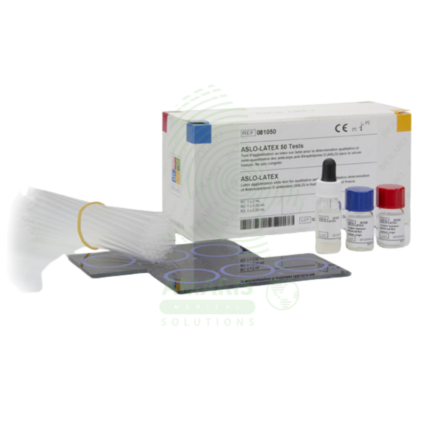
Anti-Streptol Olysin O Titer (ASOT)
Anti-Streptol Olysin O Titer (ASOT) is a quantitative or semi-quantitative serological test (latex agglutination, turbidimetry, nephelometry, or ELISA) for detecting antibodies against streptolysin O, an exotoxin produced by Group A Streptococcus. Elevated or rising titers indicate recent streptococcal infection and are essential for diagnosing post-streptococcal sequelae including acute rheumatic fever (Jones criteria) and post-streptococcal glomerulonephritis. The test requires serum samples; acute and convalescent (2-4 weeks apart) with fourfold rise confirms recent infection. Reference range typically <200-250 Todd units/mL (adults), varies by age and population. Primary clinical applications include diagnosis of Group A streptococcal infections, acute rheumatic fever evaluation, post-streptococcal glomerulonephritis diagnosis, differentiation of acute vs. past infection, evaluation of unexplained arthritis or carditis, pediatric inflammatory conditions (PANDAS), and monitoring disease activity in rheumatic fever. Critical safety precautions include proper timing of acute and convalescent samples, awareness of false negatives/positives, clinical correlation for diagnosis, and standard biohazard precautions. Essential test for rheumatology, nephrology, cardiology, and infectious disease practice.
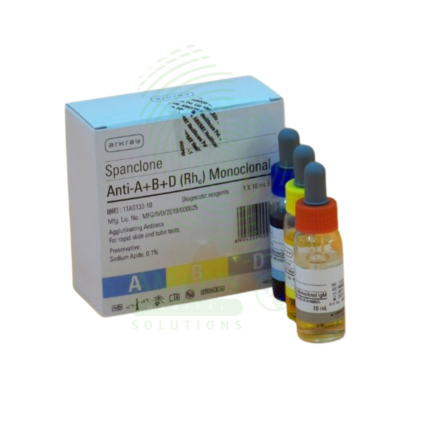
Blood Grouping kit
A Blood Grouping Kit is a Class II medical device (FDA-cleared/CE-marked) containing monoclonal antibodies (Anti-A, Anti-B, Anti-D) and control reagents for determining ABO blood group and Rh factor by agglutination method. The kit includes color-coded reagent vials, reaction cards or slides, mixing sticks, lancets, and capillary pipettes. Test time 2-5 minutes (slide method) or 15-30 minutes (tube method). Interpretation based on agglutination pattern: Anti-A positive = group A; Anti-B positive = group B; both positive = group AB; both negative = group O; Anti-D positive = Rh positive; Anti-D negative = Rh negative. Primary clinical applications include pre-transfusion compatibility testing, prenatal and neonatal testing (Rh incompatibility prevention), preoperative blood typing, blood donor screening, and emergency blood typing. Critical safety precautions include refrigerated storage (2-8°C), proper disposal of lancets in sharps containers, universal precautions for blood samples, and confirmation with reverse typing when possible. Essential kit for transfusion medicine, obstetrics, surgery, and emergency care.
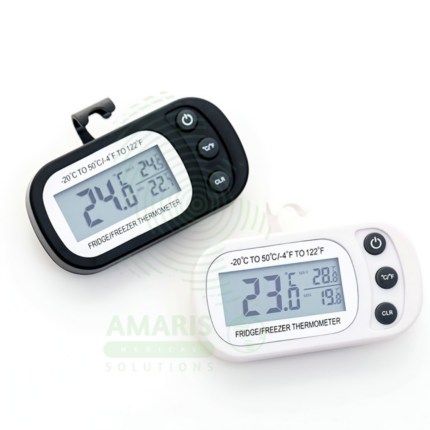
Fridge Thermometer
A Fridge Thermometer is a precision temperature monitoring device designed for continuous use inside medical and laboratory refrigerators and freezers. Its primary role is to safeguard the potency of vaccines, medications, and biological samples by ensuring storage temperatures remain within a critical specified range (e.g., +2°C to +8°C). Available in analog or digital formats, accurate models with memory functions are essential for compliance with cold chain protocols, requiring daily monitoring, logging, and regular calibration. It is a fundamental quality control tool in pharmacies, clinics, immunization centers, and laboratories.
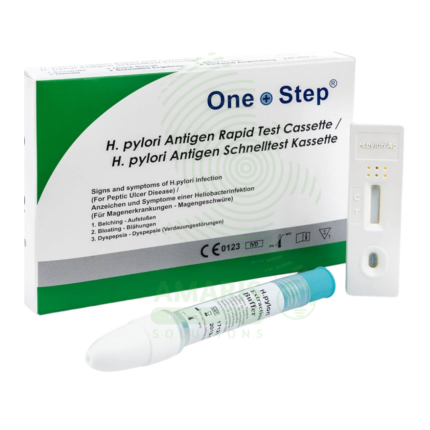
H.pylori test kits (Antigen)
H.pylori test kits (Antigen) are Class II medical devices (FDA-cleared/CE-marked) for rapid immunochromatographic or enzyme immunoassay detection of Helicobacter pylori antigens in stool specimens, enabling non-invasive diagnosis of active infection and post-treatment eradication confirmation. Test principles use monoclonal or polyclonal antibodies specific to H. pylori antigens, producing visible results in 10-20 minutes (rapid tests) or 1-2 hours (EIA). Sensitivity 90-98%, specificity 92-99% compared to gold standard methods. Primary clinical applications include rapid diagnosis of H. pylori infection in patients with dyspepsia, initial screening in uncomplicated dyspepsia (test-and-treat strategy), confirmation of active infection before therapy, post-treatment eradication confirmation (4-6 weeks after therapy), pediatric testing (preferred non-invasive method), screening in high-risk populations (family history of gastric cancer), and monitoring in patients with peptic ulcer disease or MALT lymphoma. Critical safety precautions include mandatory washout period (4 weeks off antibiotics, 2 weeks off PPIs) to avoid false negatives, proper specimen handling (universal precautions), refrigerated storage of kits (2-30°C), quality control verification, and disposal as biohazardous waste. Essential non-invasive tool for H. pylori management in gastroenterology and primary care.
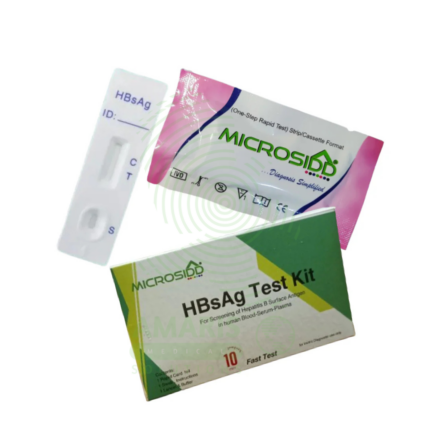
Hepatitis B Test Kit
The Hepatitis B Test Kit is an in vitro diagnostic device for the detection of Hepatitis B virus markers in human blood samples, available in rapid, ELISA, and molecular formats. It detects specific antigens (HBsAg) and antibodies (anti-HBc, anti-HBs) to diagnose acute and chronic infection, monitor treatment response, screen blood donations, and determine immunity status. With high sensitivity (>98%) and specificity (>99%), it provides results in 15 minutes to 4 hours depending on format. Essential applications include prenatal screening to prevent mother-to-child transmission, evaluation of acute hepatitis, pre-immunosuppression screening, and occupational health testing. All patient samples must be handled with universal precautions, and testing must include appropriate quality controls.
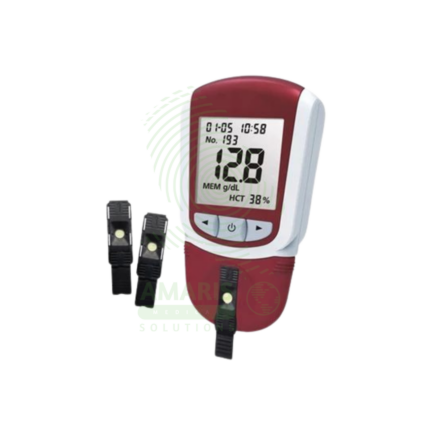
Mission Plus HB Machine
The Mission Plus HB Machine is a portable, battery-operated hemoglobin meter (Class II medical device, FDA-cleared/CE-marked) using photometric technology to measure hemoglobin concentration in capillary or venous blood within 5-15 seconds. Features include backlit LCD display, memory storage for 100-500 results, simple one-button operation, and disposable single-use cuvettes (5-20 µL sample volume). Accuracy ±0.3 g/dL compared to reference methods, measurement range 4-24 g/dL. Primary clinical applications include rapid anemia screening in outpatient clinics, preoperative assessment, antenatal care and maternal health monitoring, malaria-endemic region screening, chronic disease management (CKD, IBD, cancer), nutritional assessment and intervention programs, and blood donor screening. Critical safety precautions include single-use lancets, proper hand hygiene, correct sample application, quality control with control solutions, proper cuvette storage (protect from heat, light, humidity), and never using expired cuvettes. Essential point-of-care device for hemoglobin testing in diverse healthcare settings.
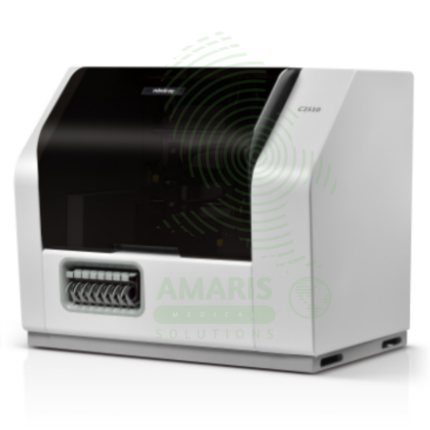
PRECIL Series
The PRECIL Series, originally developed by Beijing Precil and now associated with Mindray, comprises specialized coagulation analyzers and hemorheology analyzers for clinical laboratory testing. Coagulation analyzers measure PT, APTT, fibrinogen, TT, D-dimer, factor assays, and thrombophilia markers for diagnosing bleeding disorders, monitoring anticoagulant therapy, and assessing liver function. Hemorheology analyzers measure whole blood viscosity, plasma viscosity, erythrocyte aggregation, and deformability for evaluating hyperviscosity syndromes, sickle cell disease, diabetes, and cardiovascular disorders. The series includes specialized cleaning solutions and reagents (such as PLS cleaner) for maintaining analyzer performance and ensuring accurate results. Features include automated sample processing, color touchscreen interface, LIS connectivity, and comprehensive quality control programs. Primary clinical applications include coagulation testing for preoperative assessment, anticoagulant monitoring, DIC diagnosis, thrombophilia workup, and hemorheology assessment for conditions affecting blood flow. Essential laboratory instrumentation for hematology, coagulation, and specialized testing in hospital laboratories, reference laboratories, and research facilities.