Dermatoscope and Magnifiers
 Diagnostic Kits
 Vital Signs Monitors
 Stethoscopes and Accessories
 Otoscopes, Ophthalmoscopes, and Retinoscopes
 Reflex Hammers and Neurological Tools
 Scales and Measuring Devices
 Spirometers and Pulmonary Function Tests
 Electrosurgical Units and Accessories
 Cutting Instruments
 Grasping and Holding Instruments
 Hemostatic Instruments
 Specialized Surgical Sets
 Single-Use Procedure Trays and Packs
 Surgical Drapes, Gowns, and Covers
 Tissue Unifying Instruments
 Radiation Protection
 X-Ray Machines and Accessories
 Ultrasound Systems and Probes
 MRI and CT Scanners
 Radiology Consumables
 Bone Densitometers
 Fluoroscopy Equipment
 Imaging Tables and Positioning Aids
 Microscopes and Accessories
 Centrifuges and Separators
 Analyzers
 Incubators and Ovens
 Pipettes, Dispensers, and Lab Glassware
 Refrigerators, Freezers, and Storage Units
 Lab Consumables
 Sterilizers and Autoclaves for Lab Use
 Multi-Parameter Monitors
 Ventilators and Respiratory Support Devices
 Defibrillators and AEDs
 Infusion Pumps and IV Systems
 Patient Warmers and Cooling Devices
 Central Monitoring Stations
 Accessories
 Anesthesia Machines and Workstations
 Oxygen Concentrators and Delivery Systems
 Nebulizers and Inhalers
 CPAP/BiPAP Machines
 Airway Management
 Anesthesia Masks, Circuits, and Bags
 Humidifiers and Heaters
 Respiratory Therapy Accessories
 First Aid Kits and Cabinets
 Emergency Resuscitation Equipment
 Trauma Supplies
 Emergency Carts and Crash Carts
 Burn Care Products
 Bleeding Control
 Automated External Defibrillators (AEDs)
 Transport and Evacuation
 Wheelchairs and Accessories
 Walkers, Crutches, and Canes
 Prosthetics and Orthotics
 Physical Therapy Equipment
 Transfer Devices
 Bathroom Safety
 Orthopedic Traction and Tables
 Hot/Cold Therapy Packs and Units
 Beds and Mattresses
 Chairs and Stools
 Tables
 Cabinets and Storage
 Privacy Screens & Curtains
 Stands and Racks
 Linens and Textiles
 Lighting
 Autoclaves and Sterilizers
 Ultrasonic Cleaners
 Disinfectant Solutions and Wipes
 Sterilization Pouches, Wraps, and Indicators
 Instrument Trays and Containers
 UV and Ozone Disinfection Devices
 Washer Disinfectors
 Wound Care
 Gloves
 Masks and Respirators
 Catheters and Tubing
 Swabs, Applicators, and Sponges
 Incontinence Products
 Personal Protective Equipment (PPE)
 Dental Chairs and Units
 Handpieces and Burs
 Instruments
 Consumables
 Sterilization for Dental Use
 Orthodontic Supplies
 Endodontic Tools
 Slit Lamps and Tonometers
 Lensometers and Phoropters
 Ophthalmic Surgical Instruments
 Eyewear Frames and Lenses
 Contact Lens Supplies
 Vision Testing Charts and Devices
 Eye Care Consumables
 Laser Systems for Eye Care
 ENT Exam Chairs and Tables
 Endoscopes
 Audiometers and Hearing Tests
 ENT Instruments
 Nasal and Throat Packs
 Hearing Aids and Accessories
 Otology Supplies
 Fetal Dopplers and Monitors
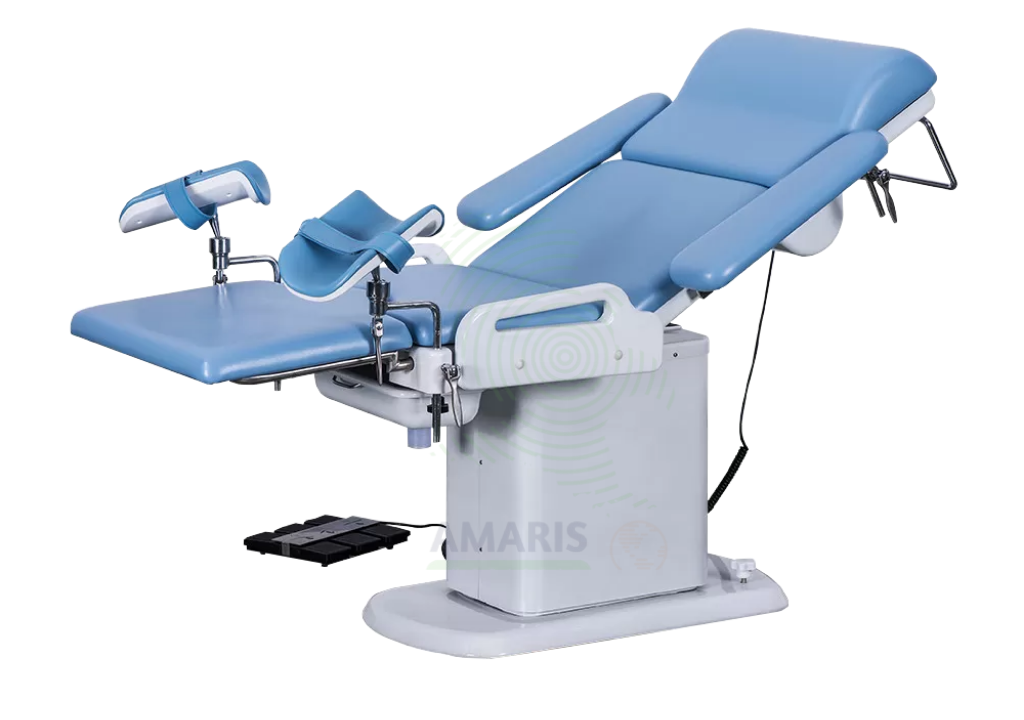
 Delivery Beds and Tables
 Gynecological Instruments
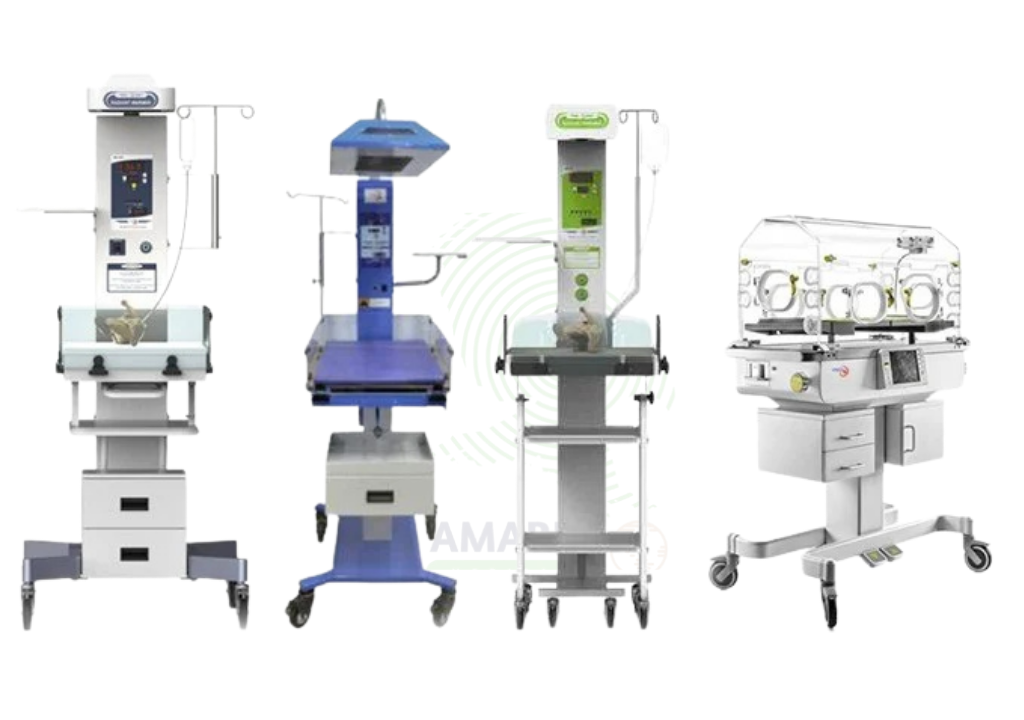
 Neonatal Incubators and Warmers
 Breast Pumps and Accessories
 Contraceptive Devices
 Maternity Supports and Pads
 Neonatal Consumables
 Cystoscopes and Urethroscopes
 Dialysis Machines and Supplies
 Urological Catheters and Bags
 Lithotripters
 Prostate Treatment Devices
 Urinary Incontinence Products
 Kidney Stone Management Tools
 Consumables & Disposables
 EEG and EMG Machines
 Neurosurgical Instruments
 Nerve Stimulators
 Headrests and Positioning Aids
 Lumbar Puncture Kits
 Seizure Monitoring Devices
 Consumables
 Rehabilitation for Neurological Conditions
 ECG Machines and Accessories
 Holter Monitors
 Stress Test Systems
 Pacemakers and Defibrillator Accessories
 Vascular Access Devices
 Cardiac Catheters and Guidewires
 Blood Flow Meters
 Consumables
 Orthopedic Instruments
 Casts, Splints, and Padding
 Joint Replacement Supplies
 Prosthetic Limbs and Components
 Bone Grafts and Substitutes
 Traction Devices
 Orthopedic Braces and Supports
 Rehabilitation Aids for Orthopedics
 Home Oxygen Therapy
 Hospital Beds for Home Use
 Mobility Aids
 Bathroom and Daily Living Aids
 Wound Care for Home
 Monitoring Devices
 Enteral Feeding Pumps and Tubes
 Hand Sanitizers and Dispensers
 Face Shields and Goggles
 Isolation Gowns and Suits
 Biohazard Waste Containers
 Air Purifiers and HEPA Filters
 Surface Disinfectants
 Sharps Containers
 Protective Barriers
 Cardiovascular & Endurance Training
 Strength Training & Weightlifting
 Functional Training & Core Conditioning
 Physical Therapy & Rehabilitation
 Sports & Outdoor Recreation
 Gym Flooring & Facility Equipment
 Fitness Monitoring & Accessories
 Kids & Novelties
💪🏥 How Rehabilitation Equipment Supports Faster Patient Recovery

Recovery doesn’t end when a patient leaves the operating room or is discharged from the hospital. In many cases, the rehabilitation phase is just as important as the treatment itself. Whether recovering from surgery, a sports injury, a stroke, or a fracture, patients often need structured therapy to regain strength, mobility, and independence. This is where rehabilitation equipment plays a vital role in modern healthcare.
From hospitals and physiotherapy clinics to rehabilitation centers and home care settings, specialized rehabilitation equipment helps patients recover more efficiently while improving comfort and overall quality of life 💙.
🧠 What is Rehabilitation Equipment?
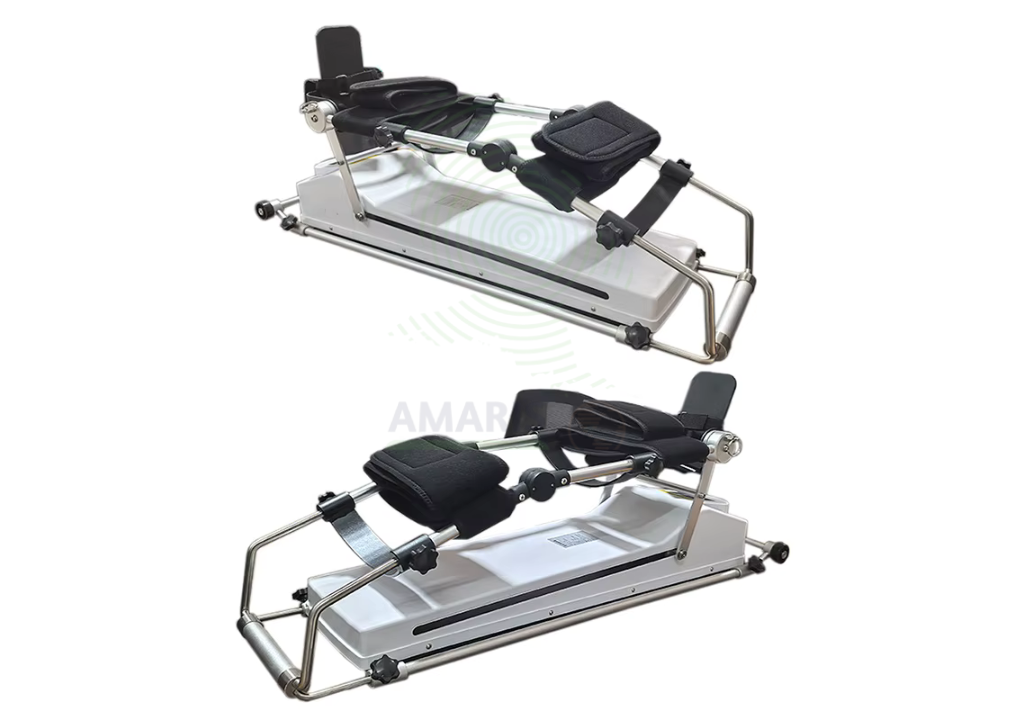
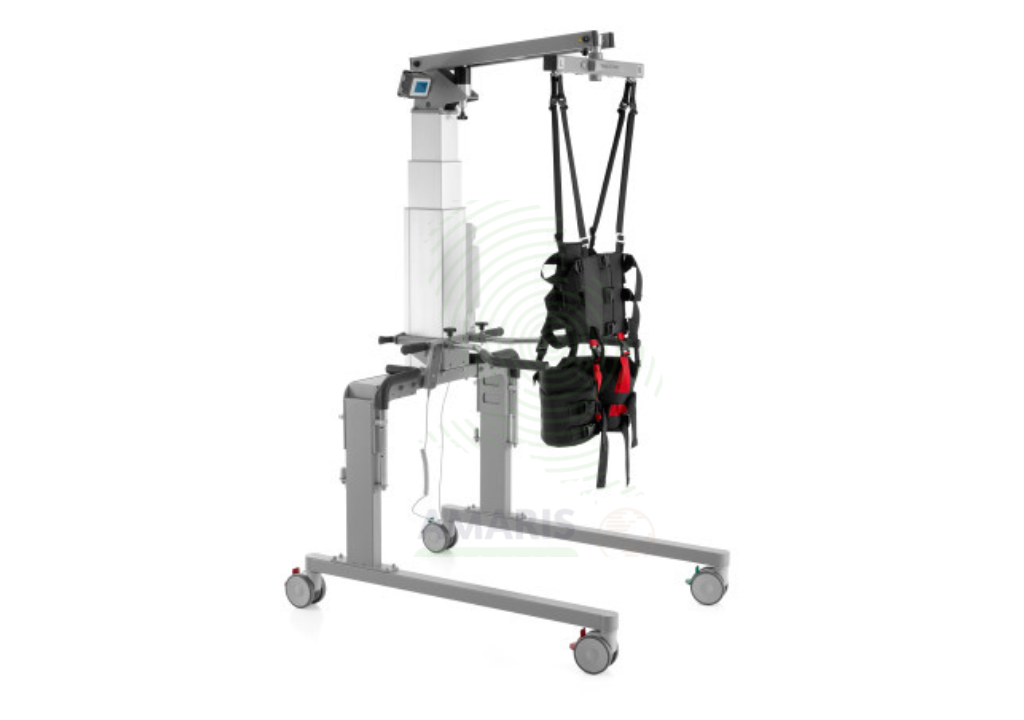
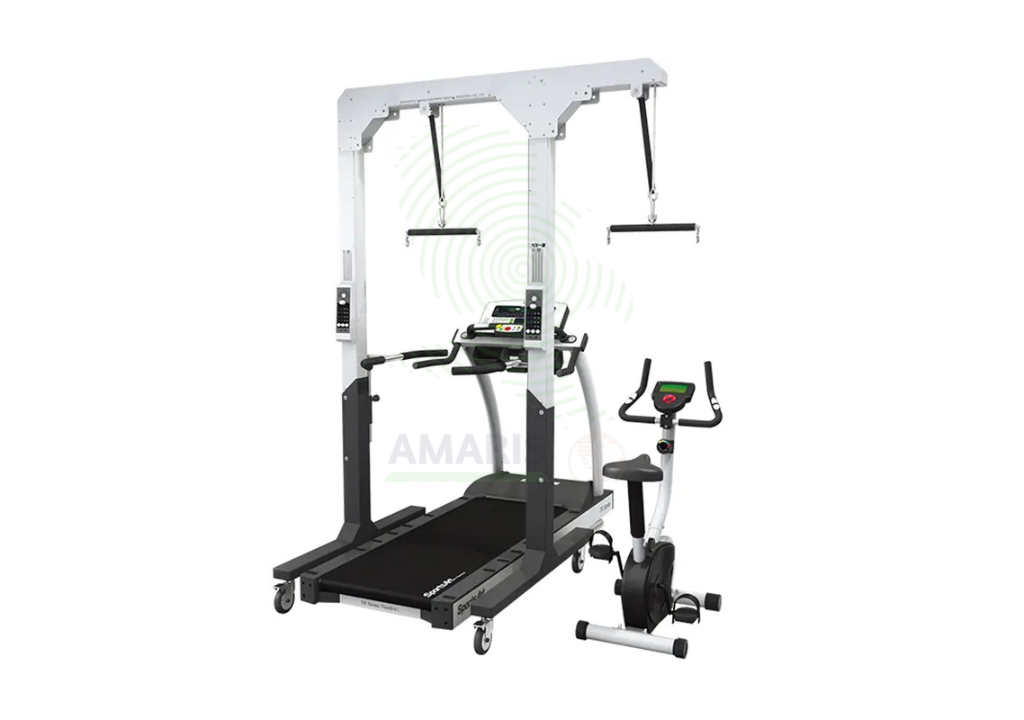
Rehabilitation equipment includes medical devices and therapeutic tools designed to help patients restore physical function, improve mobility, reduce pain, and rebuild muscle strength after illness or injury.
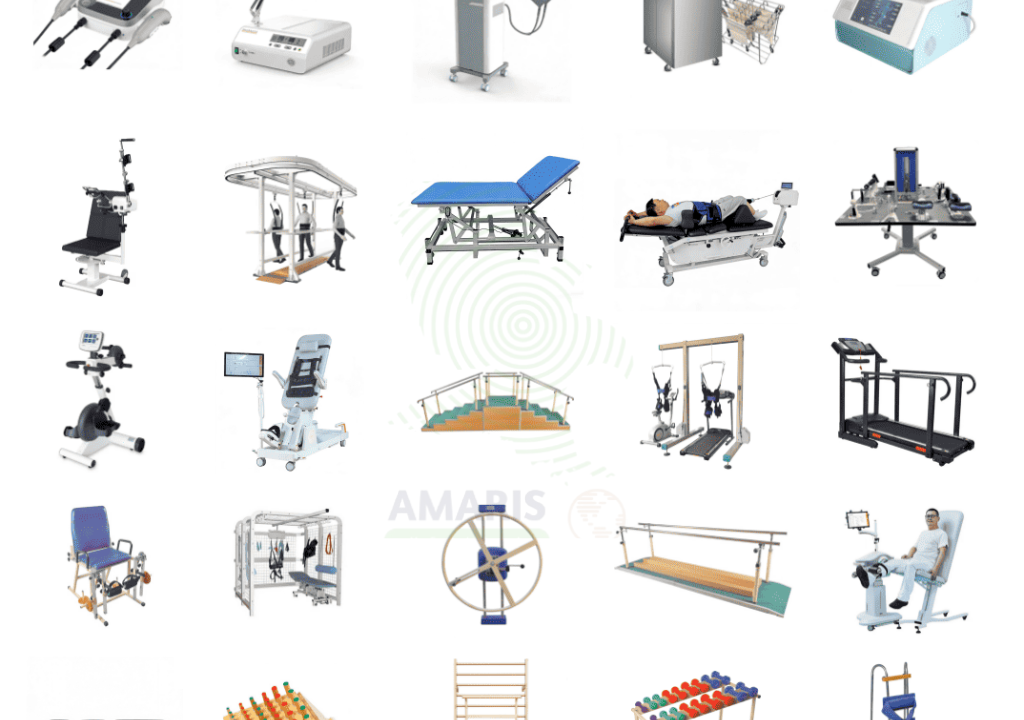
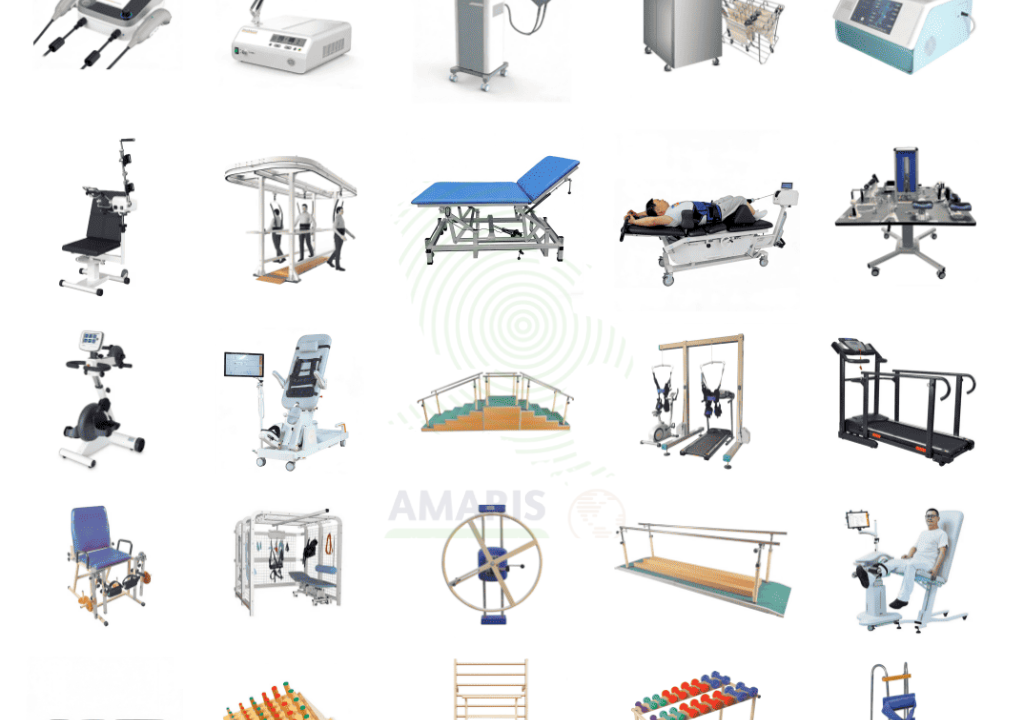
Common rehabilitation equipment includes:
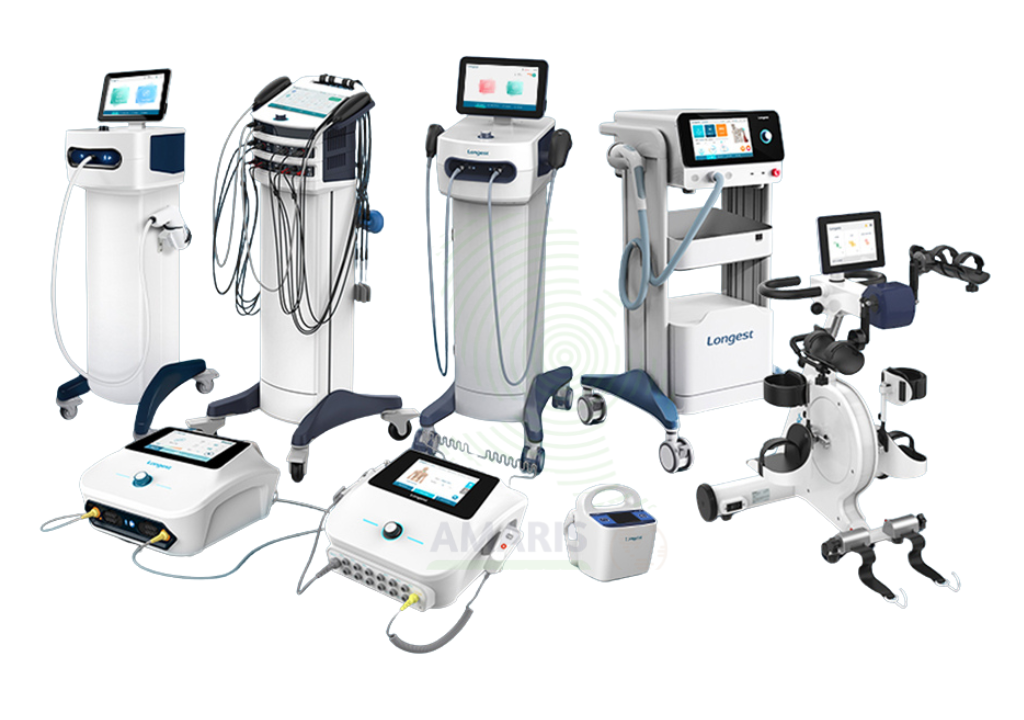
- Physiotherapy machines
- Exercise bikes and pedal exercisers
- Balance boards
- Parallel bars
- Resistance bands
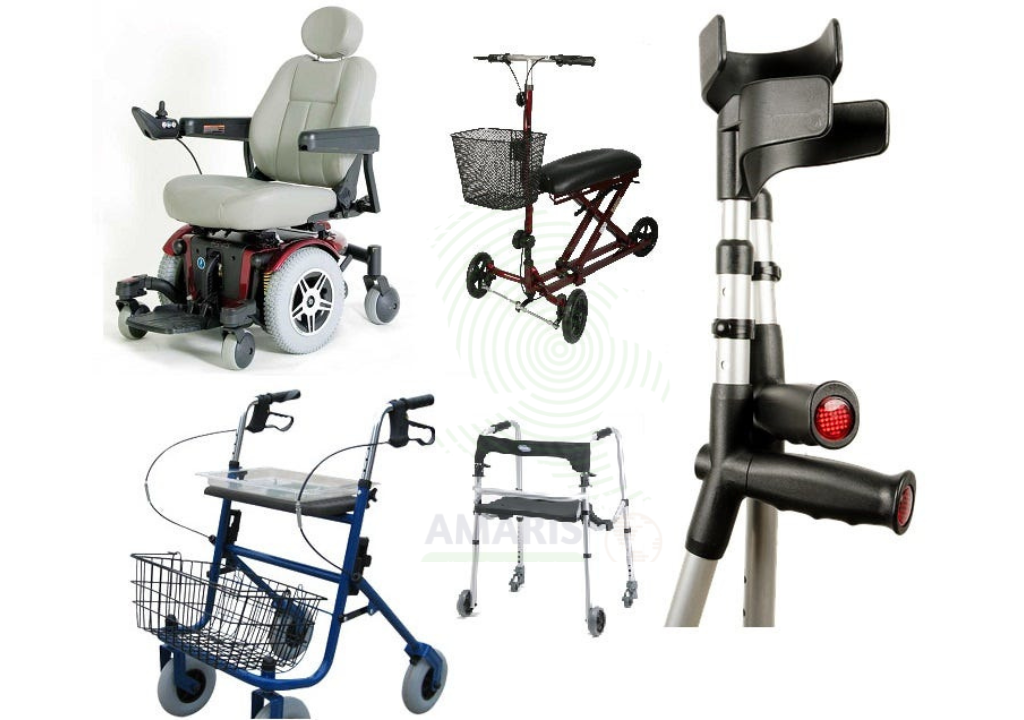
- Walking aids
- Orthopedic braces and supports
These tools are used by physiotherapists and rehabilitation specialists to create personalized recovery programs based on each patient’s needs.
⚙️ How Rehabilitation Equipment Accelerates Recovery
One of the biggest advantages of rehabilitation equipment is that it encourages safe, guided movement during recovery. Controlled exercises help restore joint flexibility, strengthen weakened muscles, and improve coordination without placing unnecessary stress on the body.
Many rehabilitation devices also allow patients to gradually increase activity levels as they heal. This progressive approach supports recovery while reducing the risk of reinjury.
Modern physiotherapy equipment can also help relieve pain, reduce inflammation, improve blood circulation, and stimulate muscles, making therapy sessions more effective and comfortable 😊.
🚑 Applications Across Different Medical Conditions
Rehabilitation equipment is used to support patients recovering from a wide range of conditions, including:
- Orthopedic injuries and fractures
- Joint replacement surgery
- Sports injuries
- Stroke rehabilitation
- Neurological disorders
- Back and neck pain
- Age-related mobility challenges
It is also widely used in post-operative rehabilitation, helping patients regain movement and return to everyday activities more quickly.
💪 Benefits for Patients and Healthcare Providers
For patients, rehabilitation equipment provides structured support throughout the recovery process. Regular therapy can improve mobility, increase strength, reduce stiffness, and restore confidence in daily activities.
For healthcare professionals, these devices allow treatment plans to be tailored to each patient’s progress. Adjustable equipment and measurable exercises make it easier to monitor improvements and modify therapy when needed.
Many rehabilitation tools are also designed for home use, allowing patients to continue their recovery between clinic visits and maintain consistent progress.
🌟 Supporting Long-Term Independence
Beyond physical recovery, rehabilitation equipment helps patients regain independence. Improved balance, coordination, and muscle strength make everyday activities such as walking, climbing stairs, and getting in and out of bed much easier.
For older adults and individuals with long-term mobility challenges, rehabilitation can also help reduce the risk of falls and improve overall quality of life.
By encouraging active participation in recovery, rehabilitation equipment empowers patients to take an important role in their own healing journey 🌍.
Final Thoughts
Rehabilitation equipment is an essential part of modern healthcare, helping patients recover faster, move more confidently, and regain their independence after illness or injury. From physiotherapy machines and balance trainers to mobility aids and orthopedic supports, these tools provide the foundation for effective rehabilitation and long-term wellness.
As healthcare continues to focus on patient-centered recovery, investing in quality rehabilitation equipment benefits both healthcare providers and the people they care for. With the right support and consistent therapy, patients can achieve stronger recoveries and return to the activities they enjoy most 💙.