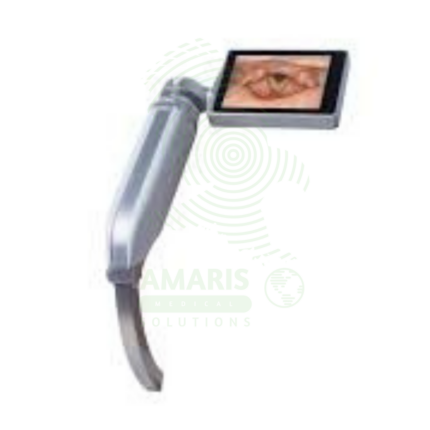
Dermatoscope and Magnifiers
 Diagnostic Kits
 Vital Signs Monitors
 Stethoscopes and Accessories
 Otoscopes, Ophthalmoscopes, and Retinoscopes
 Reflex Hammers and Neurological Tools
 Scales and Measuring Devices
 Spirometers and Pulmonary Function Tests
 Electrosurgical Units and Accessories
 Cutting Instruments
 Grasping and Holding Instruments
 Hemostatic Instruments
 Specialized Surgical Sets
 Single-Use Procedure Trays and Packs
 Surgical Drapes, Gowns, and Covers
 Tissue Unifying Instruments
 Radiation Protection
 X-Ray Machines and Accessories
 Ultrasound Systems and Probes
 MRI and CT Scanners
 Radiology Consumables
 Bone Densitometers
 Fluoroscopy Equipment
 Imaging Tables and Positioning Aids
 Microscopes and Accessories
 Centrifuges and Separators
 Analyzers
 Incubators and Ovens
 Pipettes, Dispensers, and Lab Glassware
 Refrigerators, Freezers, and Storage Units
 Lab Consumables
 Sterilizers and Autoclaves for Lab Use
 Multi-Parameter Monitors
 Ventilators and Respiratory Support Devices
 Defibrillators and AEDs
 Infusion Pumps and IV Systems
 Patient Warmers and Cooling Devices
 Central Monitoring Stations
 Accessories
 Anesthesia Machines and Workstations
 Oxygen Concentrators and Delivery Systems
 Nebulizers and Inhalers
 CPAP/BiPAP Machines
 Airway Management
 Anesthesia Masks, Circuits, and Bags
 Humidifiers and Heaters
 Respiratory Therapy Accessories
 First Aid Kits and Cabinets
 Emergency Resuscitation Equipment
 Trauma Supplies
 Emergency Carts and Crash Carts
 Burn Care Products
 Bleeding Control
 Automated External Defibrillators (AEDs)
 Transport and Evacuation
 Wheelchairs and Accessories
 Walkers, Crutches, and Canes
 Prosthetics and Orthotics
 Physical Therapy Equipment
 Transfer Devices
 Bathroom Safety
 Orthopedic Traction and Tables
 Hot/Cold Therapy Packs and Units
 Beds and Mattresses
 Chairs and Stools
 Tables
 Cabinets and Storage
 Privacy Screens & Curtains
 Stands and Racks
 Linens and Textiles
 Lighting
 Autoclaves and Sterilizers
 Ultrasonic Cleaners
 Disinfectant Solutions and Wipes
 Sterilization Pouches, Wraps, and Indicators
 Instrument Trays and Containers
 UV and Ozone Disinfection Devices
 Washer Disinfectors
 Wound Care
 Gloves
 Masks and Respirators
 Catheters and Tubing
 Swabs, Applicators, and Sponges
 Incontinence Products
 Personal Protective Equipment (PPE)
 Dental Chairs and Units
 Handpieces and Burs
 Instruments
 Consumables
 Sterilization for Dental Use
 Orthodontic Supplies
 Endodontic Tools
 Slit Lamps and Tonometers
 Lensometers and Phoropters
 Ophthalmic Surgical Instruments
 Eyewear Frames and Lenses
 Contact Lens Supplies
 Vision Testing Charts and Devices
 Eye Care Consumables
 Laser Systems for Eye Care
 ENT Exam Chairs and Tables
 Endoscopes
 Audiometers and Hearing Tests
 ENT Instruments
 Nasal and Throat Packs
 Hearing Aids and Accessories
 Otology Supplies
 Fetal Dopplers and Monitors
 Delivery Beds and Tables
 Gynecological Instruments
 Neonatal Incubators and Warmers
 Breast Pumps and Accessories
 Contraceptive Devices
 Maternity Supports and Pads
 Neonatal Consumables
 Cystoscopes and Urethroscopes
 Dialysis Machines and Supplies
 Urological Catheters and Bags
 Lithotripters
 Prostate Treatment Devices
 Urinary Incontinence Products
 Kidney Stone Management Tools
 Consumables & Disposables
 EEG and EMG Machines
 Neurosurgical Instruments
 Nerve Stimulators
 Headrests and Positioning Aids
 Lumbar Puncture Kits
 Seizure Monitoring Devices
 Consumables
 Rehabilitation for Neurological Conditions
 ECG Machines and Accessories
 Holter Monitors
 Stress Test Systems
 Pacemakers and Defibrillator Accessories
 Vascular Access Devices
 Cardiac Catheters and Guidewires
 Blood Flow Meters
 Consumables
 Orthopedic Instruments
 Casts, Splints, and Padding
 Joint Replacement Supplies
 Prosthetic Limbs and Components
 Bone Grafts and Substitutes
 Traction Devices
 Orthopedic Braces and Supports
 Rehabilitation Aids for Orthopedics
 Home Oxygen Therapy
 Hospital Beds for Home Use
 Mobility Aids
 Bathroom and Daily Living Aids
 Wound Care for Home
 Monitoring Devices
 Enteral Feeding Pumps and Tubes
 Hand Sanitizers and Dispensers
 Face Shields and Goggles
 Isolation Gowns and Suits
 Biohazard Waste Containers
 Air Purifiers and HEPA Filters
 Surface Disinfectants
 Sharps Containers
 Protective Barriers
 Cardiovascular & Endurance Training
 Strength Training & Weightlifting
 Functional Training & Core Conditioning
 Physical Therapy & Rehabilitation
 Sports & Outdoor Recreation
 Gym Flooring & Facility Equipment
 Fitness Monitoring & Accessories
 Kids & Novelties









Critical devices and tools designed to support life-saving interventions during cardiac arrest, respiratory failure, or trauma. This category includes manual resuscitators (bag-valve masks), advanced airway management devices, defibrillators (manual and AEDs), suction units, and emergency drug kits. Engineered for rapid deployment in hospitals, ambulances, and public spaces, this equipment ensures timely cardiopulmonary support, airway control, and circulation restoration to improve patient outcomes in high-stakes emergencies.
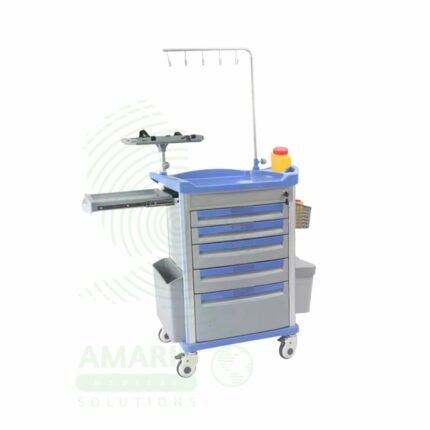
ABS Trolley (Crash Cart)
An ABS Trolley Crash Cart is a mobile, durable resuscitation station constructed from impact-resistant ABS plastic, designed for the immediate management of cardiac arrest and medical emergencies. It consolidates and organizes all essential equipment—including a defibrillator, emergency medications, airway management tools, and IV supplies—into a standardized, rapidly deployable unit following ACLS/PALS protocols. Its primary function is to eliminate treatment delays by delivering a complete set of resources directly to the patient's bedside. Rigorous daily checks and strict restocking protocols ensure it is always in a state of immediate readiness, making it a critical component of hospital safety infrastructure.
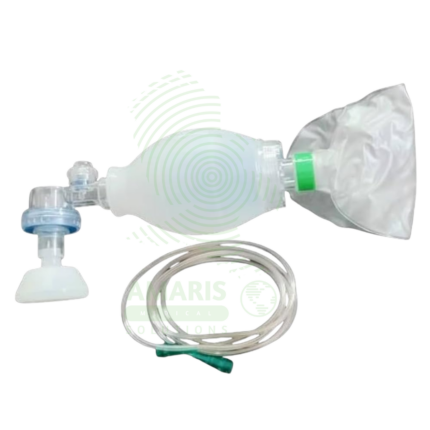
Breath Resuscitation Bag
A Breath Resuscitation Bag (manual resuscitator, bag-valve-mask) is a Class II medical device used to deliver positive-pressure ventilation to patients in respiratory arrest, cardiac arrest, or respiratory failure. Available in adult (1,500-2,000 mL), pediatric (450-750 mL), and infant/neonatal (200-350 mL) sizes with self-inflating silicone or PVC bags, one-way non-rebreathing valves, transparent cushioned masks, and oxygen reservoirs for high FiO2 delivery (90-100% with reservoir). Oxygen inlet allows connection to flow meter (10-15 L/min recommended). Pediatric/neonatal models include pressure-limiting valves (35-45 cmH2O) to prevent barotrauma. Essential for CPR (AHA guidelines: adult 10-12 breaths/min, child 12-20, infant 20-30), preoxygenation before intubation, transport ventilation, and recovery from anesthesia. Critical safety considerations include avoiding excessive ventilation pressure (prevents gastric insufflation), maintaining proper mask seal, monitoring chest rise, and having backup equipment readily available. Indispensable emergency airway equipment in hospitals, ambulances, crash carts, and emergency response kits worldwide.
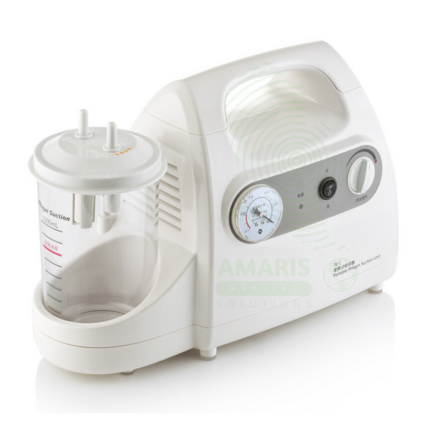
Electric Suction Machine
An Electric Suction Machine is a portable, electrically-powered medical device that generates vacuum pressure to remove fluids and secretions from a patient's airway, surgical site, or wound. It is a critical tool for maintaining a patent airway in emergency, surgical, post-operative, and chronic home care settings. The unit consists of a vacuum pump, a disposable collection canister with overflow protection, connecting tubing, and patient-end accessories. Key performance features include adjustable suction pressure, adequate airflow, and often battery backup for reliability. Strict adherence to pressure settings, suction duration, and single-use disposable components is essential for patient safety and infection control.
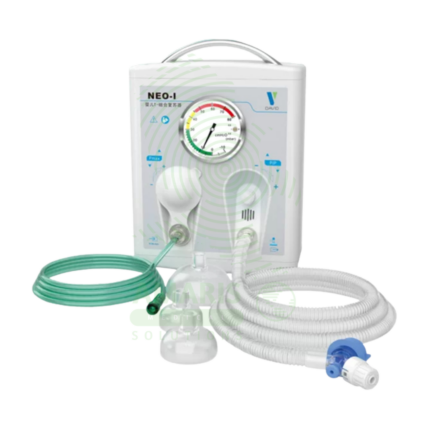
Infant T-Piece Resuscitator
An Infant T-piece Resuscitator is a Class II medical device designed for neonatal resuscitation and controlled positive pressure ventilation, delivering precise, consistent peak inspiratory pressures (PIP) and positive end-expiratory pressure (PEEP) as recommended by Neonatal Resuscitation Program (NRP) guidelines. The T-piece assembly connects to compressed air/oxygen source (5-15 L/min) with adjustable PIP (10-40 cmH₂O) and PEEP (0-10 cmH₂O) controls, built-in pressure manometer, and pressure relief valve (30-40 cmH₂O). Operator occludes port to deliver breaths (typically 40-60/min), with consistent pressures maintained regardless of technique. Essential advantages over bag-valve-mask devices include operator-independent pressure delivery, ability to provide PEEP (critical for preterm lung protection), reduced risk of barotrauma, and hands-free PEEP allowing two-handed mask seal. Primary clinical applications include delivery room resuscitation, stabilization of extremely preterm infants (<1,000 g), CPAP/PEEP delivery, meconium aspiration management, and neonatal transport ventilation. Critical safety considerations include verifying gas supply (5-15 L/min), monitoring manometer pressures, ensuring proper mask seal, observing chest rise, and titrating FiO2 to SpO2 targets. Indispensable resuscitation equipment in every delivery room, NICU, and neonatal transport setting worldwide.
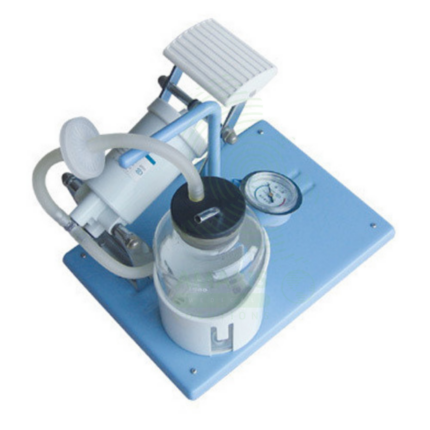
Manual Suction Machine
A Manual Suction Machine is a hand-powered medical device used to generate suction for emergency airway clearance and neonatal resuscitation. Functioning without electricity or batteries, it is the critical suction solution for pre-hospital care, field medicine, low-resource settings, and as a mandatory backup in all clinical environments. It typically consists of a collection canister, a manual pump (squeeze-bulb, lever, or syringe), and disposable patient tubing. While providing intermittent rather than continuous suction, its reliability, portability, and simplicity make it an indispensable first-response tool for removing airway obstructions and saving lives when power is not an option.
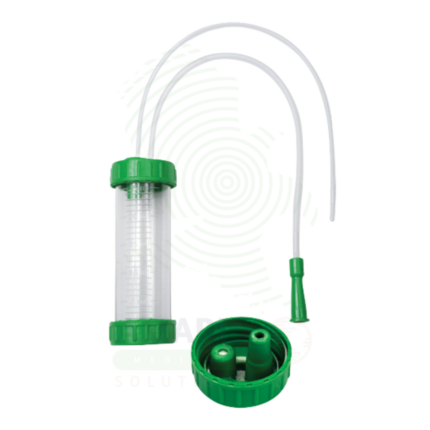
Mucus Extractor
Mucus Extractors are sterile, single-use handheld suction devices designed for the rapid clearance of secretions from the oral cavity, pharynx, and trachea, with distinct configurations for neonatal and adult populations. Neonatal/infant extractors feature soft, flexible, small-diameter tips with low suction capacity (30-60 mL) to minimize trauma to delicate airways. Adult/universal extractors (Yank Auer) are rigid, large-bore, angled devices with multiple suction eyes and high-flow capacity (150-300 mL) for rapid clearance of blood, vomitus, and thick secretions. Select models incorporate sterile specimen traps for collection of respiratory secretions for microbiological analysis. Critical safety requirements include strict limitation of suction duration (≤10 seconds; ≤5 seconds in neonates), avoidance of excessive suction pressure (neonates ≤80 mmHg), use of non-traumatic multiple-eye tips for vulnerable patients, and absolute single-use protocol. An indispensable airway device in neonatal resuscitation, pediatric care, emergency medicine, and perioperative settings.
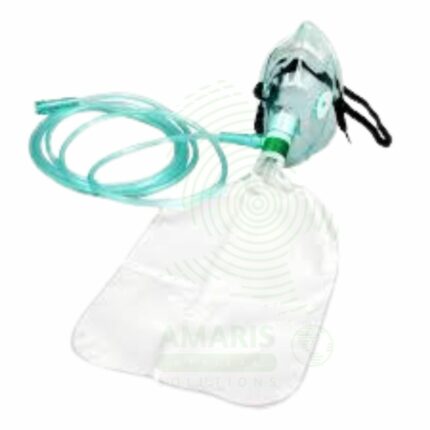
Non-Rebreathing Oxygen Mask
An Non-Rebreathing Oxygen Mask is a high-concentration oxygen delivery device designed for emergency use in critically hypoxic patients. It features a face mask with an attached reservoir bag and a system of one-way valves to prevent the rebreathing of exhaled carbon dioxide, allowing for the delivery of up to 95% FiO2. Its safe operation depends on a minimum oxygen flow of 10-15 L/min to keep the reservoir bag inflated. It is contraindicated where uncontrolled high-flow oxygen may be harmful (e.g., in some COPD patients) and carries a severe fire risk. It is a vital, immediate-intervention tool found in all emergency response settings.
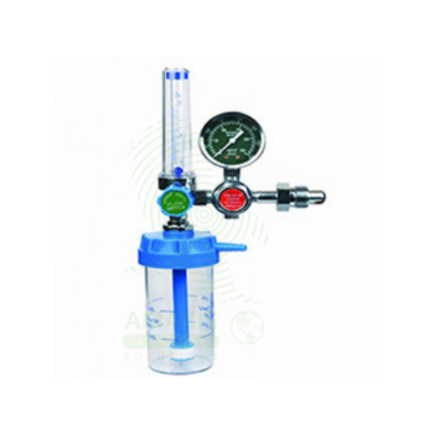
Oxygen Regulator Set
An Oxygen Regulator Set is a critical pressure control device that attaches to a medical oxygen cylinder, reducing its extremely high internal pressure to a safe, usable level and providing precise control over the flow rate delivered to the patient. Consisting of a pin-indexed yoke, high-pressure gauge, adjustable flowmeter, and safety outlet, it is the essential interface for safe oxygen delivery from cylinders in emergencies, during transport, and in home care. Its safe operation hinges on absolute adherence to oil-free handling procedures, correct connection techniques, and regular inspection for leaks or damage to prevent catastrophic oxygen-fuelled fires or equipment failure.
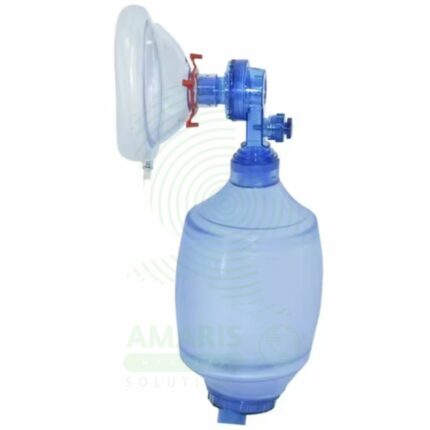
Silicone & PVC Ambubag
A Silicone & PVC Ambubag is a manual, self-inflating resuscitation bag used to provide emergency positive-pressure ventilation to non-breathing or inadequately breathing patients. As the core component of Bag-Valve-Mask (BVM) resuscitation, it is a critical, immediate-response device found in all crash carts and emergency settings. Silicone versions are durable and reusable; PVC versions are cost-effective and disposable. Effective use requires training to achieve a proper mask seal, appropriate ventilation rate and volume, and integration with oxygen supplementation. It is the fundamental tool for airway management and respiratory support prior to securing a definitive airway or accessing a mechanical ventilator.