Dermatoscope and Magnifiers
 Diagnostic Kits
 Vital Signs Monitors
 Stethoscopes and Accessories
 Otoscopes, Ophthalmoscopes, and Retinoscopes
 Reflex Hammers and Neurological Tools
 Scales and Measuring Devices
 Spirometers and Pulmonary Function Tests
 Electrosurgical Units and Accessories
 Cutting Instruments
 Grasping and Holding Instruments
 Hemostatic Instruments
 Specialized Surgical Sets
 Single-Use Procedure Trays and Packs
 Surgical Drapes, Gowns, and Covers
 Tissue Unifying Instruments
 Radiation Protection
 X-Ray Machines and Accessories
 Ultrasound Systems and Probes
 MRI and CT Scanners
 Radiology Consumables
 Bone Densitometers
 Fluoroscopy Equipment
 Imaging Tables and Positioning Aids
 Microscopes and Accessories
 Centrifuges and Separators
 Analyzers
 Incubators and Ovens
 Pipettes, Dispensers, and Lab Glassware
 Refrigerators, Freezers, and Storage Units
 Lab Consumables
 Sterilizers and Autoclaves for Lab Use
 Multi-Parameter Monitors
 Ventilators and Respiratory Support Devices
 Defibrillators and AEDs
 Infusion Pumps and IV Systems
 Patient Warmers and Cooling Devices
 Central Monitoring Stations
 Accessories
 Anesthesia Machines and Workstations
 Oxygen Concentrators and Delivery Systems
 Nebulizers and Inhalers
 CPAP/BiPAP Machines
 Airway Management
 Anesthesia Masks, Circuits, and Bags
 Humidifiers and Heaters
 Respiratory Therapy Accessories
 First Aid Kits and Cabinets
 Emergency Resuscitation Equipment
 Trauma Supplies
 Emergency Carts and Crash Carts
 Burn Care Products
 Bleeding Control
 Automated External Defibrillators (AEDs)
 Transport and Evacuation
 Wheelchairs and Accessories
 Walkers, Crutches, and Canes
 Prosthetics and Orthotics
 Physical Therapy Equipment
 Transfer Devices
 Bathroom Safety
 Orthopedic Traction and Tables
 Hot/Cold Therapy Packs and Units
 Beds and Mattresses
 Chairs and Stools
 Tables
 Cabinets and Storage
 Privacy Screens & Curtains
 Stands and Racks
 Linens and Textiles
 Lighting
 Autoclaves and Sterilizers
 Ultrasonic Cleaners
 Disinfectant Solutions and Wipes
 Sterilization Pouches, Wraps, and Indicators
 Instrument Trays and Containers
 UV and Ozone Disinfection Devices
 Washer Disinfectors
 Wound Care
 Gloves
 Masks and Respirators
 Catheters and Tubing
 Swabs, Applicators, and Sponges
 Incontinence Products
 Personal Protective Equipment (PPE)
 Dental Chairs and Units
 Handpieces and Burs
 Instruments
 Consumables
 Sterilization for Dental Use
 Orthodontic Supplies
 Endodontic Tools
 Slit Lamps and Tonometers
 Lensometers and Phoropters
 Ophthalmic Surgical Instruments
 Eyewear Frames and Lenses
 Contact Lens Supplies
 Vision Testing Charts and Devices
 Eye Care Consumables
 Laser Systems for Eye Care
 ENT Exam Chairs and Tables
 Endoscopes
 Audiometers and Hearing Tests
 ENT Instruments
 Nasal and Throat Packs
 Hearing Aids and Accessories
 Otology Supplies
 Fetal Dopplers and Monitors
 Delivery Beds and Tables
 Gynecological Instruments
 Neonatal Incubators and Warmers
 Breast Pumps and Accessories
 Contraceptive Devices
 Maternity Supports and Pads
 Neonatal Consumables
 Cystoscopes and Urethroscopes
 Dialysis Machines and Supplies
 Urological Catheters and Bags
 Lithotripters
 Prostate Treatment Devices
 Urinary Incontinence Products
 Kidney Stone Management Tools
 Consumables & Disposables
 EEG and EMG Machines
 Neurosurgical Instruments
 Nerve Stimulators
 Headrests and Positioning Aids
 Lumbar Puncture Kits
 Seizure Monitoring Devices
 Consumables
 Rehabilitation for Neurological Conditions
 ECG Machines and Accessories
 Holter Monitors
 Stress Test Systems
 Pacemakers and Defibrillator Accessories
 Vascular Access Devices
 Cardiac Catheters and Guidewires
 Blood Flow Meters
 Consumables
 Orthopedic Instruments
 Casts, Splints, and Padding
 Joint Replacement Supplies
 Prosthetic Limbs and Components
 Bone Grafts and Substitutes
 Traction Devices
 Orthopedic Braces and Supports
 Rehabilitation Aids for Orthopedics
 Home Oxygen Therapy
 Hospital Beds for Home Use
 Mobility Aids
 Bathroom and Daily Living Aids
 Wound Care for Home
 Monitoring Devices
 Enteral Feeding Pumps and Tubes
 Hand Sanitizers and Dispensers
 Face Shields and Goggles
 Isolation Gowns and Suits
 Biohazard Waste Containers
 Air Purifiers and HEPA Filters
 Surface Disinfectants
 Sharps Containers
 Protective Barriers
 Cardiovascular & Endurance Training
 Strength Training & Weightlifting
 Functional Training & Core Conditioning
 Physical Therapy & Rehabilitation
 Sports & Outdoor Recreation
 Gym Flooring & Facility Equipment
 Fitness Monitoring & Accessories
 Kids & Novelties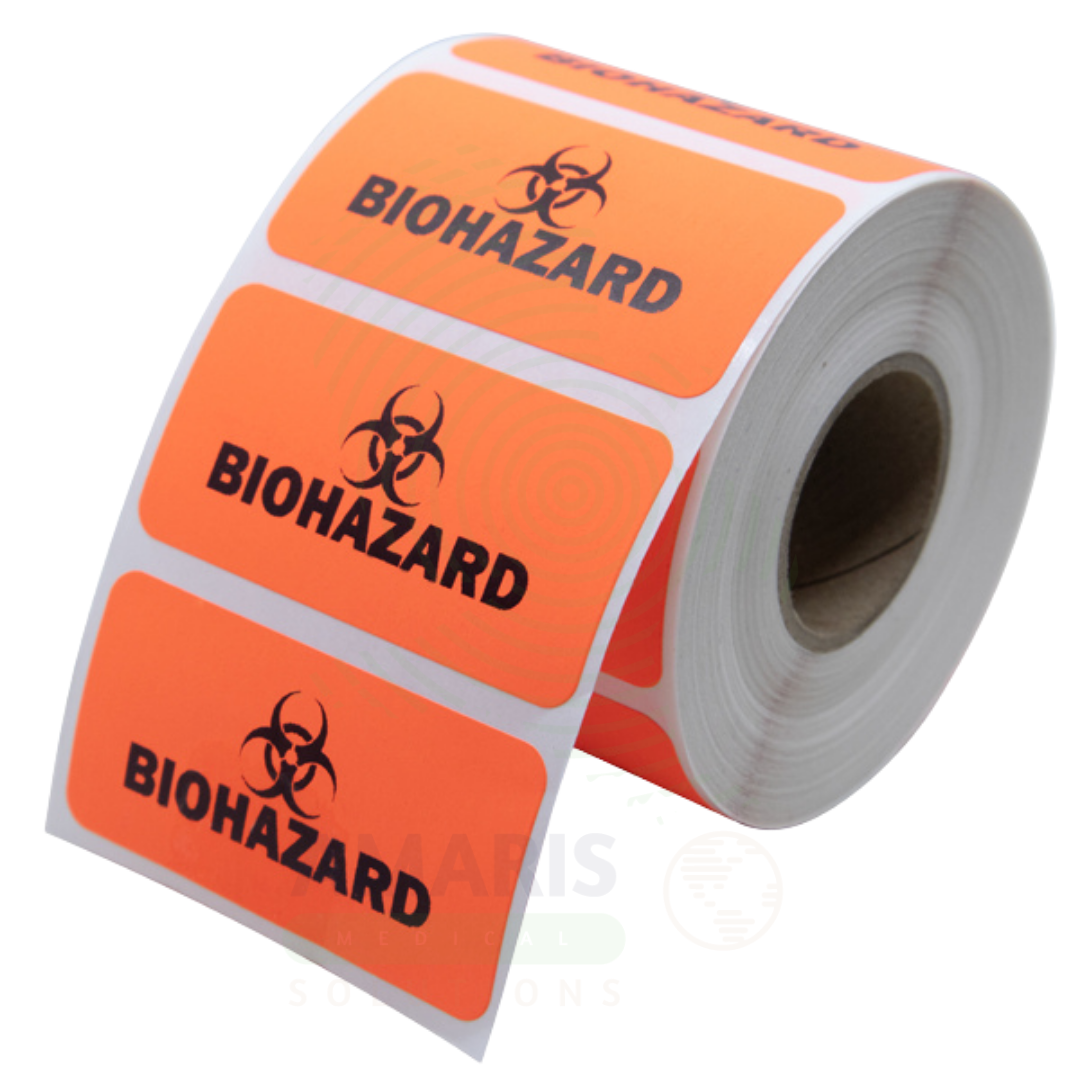
Biohazard Paper
WhatsApp Order
Biohazard Paper encompasses a range of specialty paper and non-woven medical-grade materials used for sterilization processing, biohazard containment, and infection control applications. Sterilization wrap (CSR wrap) and peel pouches serve as FDA-cleared Class II sterile barrier systems for terminal sterilization of surgical instruments and medical devices, requiring strict single-use protocols and validated performance per ISO 11607. Absorbent bench liners provide disposable, fluid-resistant work surface protection in laboratories and procedure areas. Biohazard specimen bags enable safe transport of non-liquid clinical specimens. Distinct from red biohazard waste bags (plastic film), true “biohazard paper” products are characterized by controlled porosity, microbial filtration efficiency (≥99.97%), sterilant permeability, and low-linting construction. Critical safety imperatives include absolute prohibition of sterilization wrap reuse, visual integrity inspection before use, and appropriate disposal of contaminated materials as regulated medical waste.
Description
Biohazard Paper
PRIMARY CLINICAL & DIAGNOSTIC USES
1. Containment and Disposal of Biohazardous Waste
-
Primary Use: Safely contains, collects, and disposes of solid biohazardous waste materials, including contaminated paper products, disposable drapes, gowns, gloves, laboratory consumables, and other non-sharp items that have come into contact with potentially infectious materials.
-
How it helps: For the infection control team and environmental services staff, biohazard paper provides the first line of containment for materials that could transmit disease—ensuring that contaminated items are securely wrapped, clearly identified, and safely transported for disposal. For healthcare workers, patients, and the community, proper containment in biohazard paper means that infectious materials are handled safely from point of generation to final disposal, reducing the risk of exposure and transmission.
2. Sterilization Wrap and Packaging
-
Primary Use: Used as a sterile barrier system for wrapping surgical instruments, procedure trays, and medical devices prior to steam sterilization or ethylene oxide sterilization, permitting sterilant penetration while maintaining sterility of contents after sterilization.
-
How it helps: For the sterile processing technician and operating room staff, biohazard paper wrap is the critical barrier that keeps sterilized instruments sterile—allowing steam or gas to penetrate during the cycle, then sealing out contaminants during storage and transport. For the surgical patient, every instrument wrapped in biohazard paper represents a link in the chain of sterility assurance that protects them from surgical site infection.
3. Sterile Field Creation
-
Primary Use: Utilized as disposable, single-use sterile drapes or covers for procedure tables, instrument tables, and equipment in operating rooms, procedure suites, and sterile processing areas.
-
How it helps: For the surgical team and proceduralists, sterile biohazard paper creates an instant sterile field—providing a clean, disposable surface for setting up instruments, organizing supplies, and performing procedures with confidence that the work surface is free of contaminants. For the patient undergoing a procedure, these sterile drapes mean that everything touching their surgical site comes from a clean surface.
4. Biological Indicator Carriers
-
Primary Use: Specially formulated biohazard paper serves as the carrier substrate for biological indicators used in sterilization quality assurance testing, containing live bacterial spores to verify sterilization cycle efficacy.
-
How it helps: For the sterile processing quality manager and infection control professional, biological indicators on biohazard paper provide definitive proof that sterilization cycles are working—the paper carries live spores into the sterilizer, and if they are killed, the cycle is validated. For every patient whose instruments are processed through that sterilizer, these spore tests provide assurance that sterilization was achieved.
5. Specimen Collection and Transport
-
Primary Use: Used in the form of paper bags, pouches, or wrap for the containment and transport of non-liquid, non-sharp biohazardous specimens to the laboratory, providing a breathable yet secure barrier.
-
How it helps: For the laboratory technician and specimen processor, biohazard paper bags and wraps provide safe containment for specimens during transport—preventing leakage, containing odors, and clearly identifying the contents as potentially infectious. For the laboratory worker handling specimens, proper containment in biohazard paper reduces exposure risk.
SECONDARY & SUPPORTIVE USES
1. Absorbent Bench Liners: Placed on laboratory benches, biosafety cabinet work surfaces, and procedure areas to contain spills, absorb fluids, and provide a clean, disposable work surface that can be discarded as biohazardous waste. For the laboratory worker, disposable bench liners simplify cleanup and reduce contamination risk.
2. Sterility Maintenance Pouches: Paper and plastic combination pouches for sterilizing and storing individual medical devices, instruments, and implantable hardware. For the clinician needing a single sterile instrument, peel pouches provide immediate access while maintaining sterility.
3. Chemical Indicator Integration: Biohazard paper may incorporate chemical indicator inks that change color when exposed to sterilization parameters, providing immediate visual confirmation of sterilization process completion. For the sterile processing technician, color-changing indicators provide quick verification that an item has been through a sterilization cycle.
4. Waste Segregation and Identification: Distinctive biohazard paper in red or orange with the biohazard symbol is used to clearly identify bags, liners, and containers designated for regulated medical waste, ensuring proper segregation from general waste streams. For environmental services staff, clear identification prevents dangerous mixing of waste types.
5. Infection Control Signage: Printed with biohazard symbols and precautionary warnings for use in isolation rooms, contaminated equipment labeling, and temporary barrier signage. For healthcare workers entering isolation areas, clear signage ensures proper precautions are taken.
KEY PRODUCT FEATURES
1. BASIC IDENTIFICATION ATTRIBUTES
-
Product Type: A specialty paper or non-woven material manufactured to specific performance standards for use in biohazard containment, sterilization processing, and infection control applications.
-
Designation: Defined by grade/type, sterility status, basis weight, porosity, and specialized coatings/treatments.
-
Core Variants:
-
Sterilization Wrap (CSR Wrap):
-
Medical-grade crepe paper or non-woven polypropylene.
-
Sterile barrier system for wrapped instrument trays.
-
Available in various sizes (15" × 15" to 54" × 54").
-
Disposable, single-use.
-
-
Sterilization Pouches / Peel Pouches:
-
Paper/plastic combination; paper side permits sterilant penetration; plastic side transparent for device visualization.
-
Self-sealing or heat-sealable.
-
Available in various widths (1" to 12") and lengths.
-
Chemical indicator printed on paper.
-
-
Biohazard Waste Bags / Liners:
-
Red or orange polyethylene or polypropylene film (not paper).
-
Printed with biohazard symbol and "BIOHAZARD" text.
-
Not typically paper-based. Note: True "biohazard paper" refers to sterilization wrap, bench liners, and specimen bags.
-
-
Absorbent Bench Liners:
-
Laminated paper with polyethylene backing.
-
Absorbent cellulose top layer; impervious backing.
-
White or blue; may be printed with biohazard symbols.
-
-
Biohazard Specimen Bags:
-
Paper/plastic combination bags for non-liquid specimen transport.
-
Paper section for labeling; clear plastic section for visualization.
-
Biohazard symbol pre-printed.
-
-
Chemical Indicator / Biological Indicator Carriers:
-
High-purity, additive-free paper substrate.
-
Impregnated with chemical indicator ink or inoculated with bacterial spores.
-
Precise porosity and absorbency specifications.
-
-
-
Core Components:
-
Substrate: Specialty paper (crepe, kraft, medical-grade), non-woven polypropylene, or paper/polymer laminate.
-
Coatings/Treatments: Fluid repellency, anti-static, sterilization-compatible adhesives.
-
Printing: Biohazard symbols, sterilization indicators, size markings, manufacturer identification.
-
2. TECHNICAL & PERFORMANCE PROPERTIES
-
Sterilization Barrier Performance:
-
Bacterial Filtration Efficiency (BFE): Must retain ≥99.97% of airborne bacteria (0.5-3.0 μm particles) to maintain sterility of wrapped contents during storage.
-
Pore Size: Controlled porosity (typically 0.2-0.5 μm equivalent) permits sterilant penetration while blocking microbial ingress.
-
Dryness: Must resist wicking and fluid strikethrough.
-
Drape Conformability: Sufficient flexibility to conform to instrument contours without tearing.
-
-
Sterilant Penetration and Removal:
-
Steam Permeability: Allows rapid penetration of saturated steam and complete evacuation of air and condensate.
-
Ethylene Oxide (EtO) Compatibility: Permeable to EtO gas; minimal residual EtO absorption; complete aeration.
-
Hydrogen Peroxide Gas Plasma Compatibility: Must not absorb or degrade H₂O₂; permit sterilant penetration.
-
-
Tensile Strength (Wet and Dry): Must withstand handling, wrapping, and sterilization cycles without tearing, puncturing, or delamination. Wet strength critical for steam sterilization cycles.
-
Fluid Resistance: Sterilization wrap and bench liners require hydrostatic head resistance to fluid strikethrough (≥20-30 cm H₂O). Prevents contamination of sterile fields or work surfaces.
-
Linting / Particle Shedding: Low-linting or lint-free construction essential for sterile processing and cleanroom applications. Non-woven polypropylene is preferred over paper for critical applications.
-
Chemical Compatibility: Must not absorb, adsorb, or interact with sterilant chemicals (steam, EtO, H₂O₂, peracetic acid, ozone). Must not degrade or discolor under sterilization conditions.
-
Indicator Responsiveness: Chemical indicator inks must change color reproducibly at specified sterilization parameters (time, temperature, sterilant concentration). Must be non-toxic, non-migrating.
3. PHYSICAL & OPERATIONAL PROPERTIES
-
Material Composition:
-
Medical-Grade Crepe Paper: Cellulose fibers, wet-strength resins, creped finish for extensibility. Traditional sterilization wrap. Higher linting.
-
Non-Woven Polypropylene: Spunbond-meltblown-spunbond (SMS) construction. Low-linting, high strength, fluid-resistant. Industry standard.
-
Kraft Paper: Heavy-duty paper for bench liners, waste containment.
-
Paper/Plastic Laminate: Paper + polyethylene or polyester film. For pouches, specimen bags.
-
-
Basis Weight: 40-80 g/m² (lightweight pouches) to 120-200 g/m² (heavy-duty sterilization wrap, bench liners).
-
Dimensions:
-
Sterilization Wrap: 15" × 15" to 54" × 54" (standard sizes).
-
Peel Pouches: 2" × 4" to 12" × 18" (custom sizes available).
-
Bench Liners: 20" × 24" sheets to 24" × 500' rolls.
-
Biohazard Specimen Bags: 3" × 5" to 12" × 15".
-
-
Color: White, blue, green, or orange/red (waste containment). Biohazard bags: red or orange. Sterilization wrap: blue or green (distinct from white sterile drapes).
-
Packaging: Sterile or non-sterile. Wrapped in poly bags, cartons, or dispensing boxes. Sterile wraps individually packaged; non-sterile bulk-packed.
4. SAFETY & COMPLIANCE ATTRIBUTES
-
Regulatory Standards:
-
Sterilization Wrap / Pouches:
-
ISO 11607-1: Packaging for terminally sterilized medical devices — Materials, sterile barrier systems, and packaging systems.
-
ISO 11607-2: Packaging for terminally sterilized medical devices — Validation requirements for forming, sealing, and assembly processes.
-
ASTM F1608: Standard test method for microbial ranking of porous packaging materials (exposure chamber method).
-
ASTM F1980: Standard guide for accelerated aging of sterile barrier systems for medical devices.
-
EN 868-2: Packaging materials for sterilized medical devices — Sterilization wrap.
-
EN 868-5: Packaging materials for sterilized medical devices — Heat-sealable pouches and reels.
-
FDA 510(k) Clearance: Required for Class II medical device sterilization wrap.
-
-
Biohazard Waste Containment:
-
OSHA 29 CFR 1910.1030: Bloodborne Pathogens Standard — Regulated medical waste containment requirements.
-
DOT 49 CFR 173.197: Regulated medical waste packaging requirements for transport.
-
ASTM D1709: Standard test methods for impact resistance of plastic film (for biohazard bags).
-
-
-
Sterility Assurance: Sterilization wrap and pouches are sterile barrier systems, not sterile themselves. They maintain sterility of contents after terminal sterilization. Must pass sterile barrier integrity testing per ISO 11607.
-
Biocompatibility: Indirect contact only. Must meet ISO 10993 standards for cytotoxicity, sensitization, irritation if used in patient care settings.
-
Latex-Free: All components manufactured without natural rubber latex.
-
Fluid Resistance Classification: Classified by AAMI PB70 (protective barriers) for liquid barrier performance.
-
EPA Registration: Some absorbent bench liners with antimicrobial treatments may require EPA registration.
5. STORAGE & HANDLING ATTRIBUTES
-
Storage: Store in original, unopened packaging in a cool, dry, clean environment. Protect from moisture, humidity, dust, extreme temperatures, and physical damage. Do not store near chemicals or fumes.
-
Shelf Life:
-
Sterilization Wrap/Pouches: Typically 3-5 years from date of manufacture. Expiration date printed on each package. Do not use after expiration; barrier integrity and sterilization compatibility cannot be guaranteed.
-
Bench Liners/Biohazard Bags: Indefinite if stored properly; no expiration.
-
-
Package Inspection: Before use, inspect packaging for any signs of compromise: tears, punctures, moisture ingress, or damage to sterile barrier. Do not use it if integrity is questionable.
-
Single-Use Protocol: Sterilization wrap and pouches are strictly single-use devices. Never reuse sterilization wrap. Reuse is associated with:
-
Compromised sterile barrier integrity.
-
Increased pore size and microbial penetration.
-
Linting and particle shedding.
-
Loss of fluid resistance.
-
Contamination of surgical instruments.
-
-
Storage of Sterilized Packs: Store sterilized wrapped packs in a clean, dry, dust-free environment. Rotate stock; use oldest first. Do not compress or crush wrapped packs; maintain sterile barrier integrity.
6. LABORATORY & CLINICAL APPLICATIONS
-
Primary Application (Sterilization Wrap/Pouches): The universal sterile barrier system for terminal sterilization of surgical instruments, procedure trays, and medical devices in hospital central sterile processing departments, ambulatory surgery centers, and dental offices.
-
Primary Application (Biohazard Specimen Bags): Standardized containment and transport system for non-liquid, non-sharp clinical specimens in hospital laboratories, outpatient clinics, and physician offices.
-
Primary Application (Absorbent Bench Liners): Disposable work surface cover for biosafety cabinets, laboratory benches, and procedure areas requiring fluid containment and clean/dry work surface.
-
Selection Criteria (Sterilization Wrap):
-
Sterilization Modality: Steam (autoclave), EtO, H₂O₂ gas plasma, ozone.
-
Instrument Set Size/Weight: Determines wrap size and layers (double-wrapping sequential or simultaneous).
-
Filtration Efficiency Requirement: Standard surgical instruments vs. implantable devices (enhanced barrier).
-
Cost vs. Performance: Paper (economical, higher lint) vs. non-woven polypropylene (low-lint, superior barrier).
-
-
Selection Criteria (Peel Pouches):
-
Device Size/Shape: Determines pouch width.
-
Sealing Method: Self-seal vs. heat-seal.
-
Visualization Requirement: Transparent plastic side for device identification.
-
Indicator Requirement: Internal vs. external chemical indicator.
-
-
Wrapping Techniques:
-
Sequential Wrapping: Two wraps applied one after another; inner wrap folded, outer wrap applied; four layers total. Most common.
-
-
Simultaneous Wrapping: Two wraps aligned and folded together; two layers total. Less common; requires validated technique.
SAFETY HANDLING PRECAUTIONS
1. SAFETY PRECAUTIONS
-
Do Not Reuse Sterilization Wrap (Most Important): Sterilization wrap is validated for a single sterilization cycle only. Repeated sterilization and handling degrades the sterile barrier, increases pore size, and compromises microbial filtration efficiency. Reuse is a violation of ISO 11607 standards and accreditation requirements (AAMI, JCI, DNV). Never reuse sterilization wrap.
-
Integrity Check Before Use: Inspect wrapped sterile packs for any signs of compromised integrity: tears, punctures, wetness, discoloration, compression damage, or seal failure. Do not use it if integrity is questionable. Return for reprocessing.
-
Appropriate Size Selection: Use wrap size appropriate for the instrument set. Oversized wrap increases risk of drape creep and sterility compromise. Undersized wrap results in inadequate coverage and exposed corners.
-
Peel Pouch Orientation: In steam sterilizers, position peel pouches paper-side up (plastic-side down) to facilitate steam penetration and air evacuation. In hydrogen peroxide plasma sterilizers, position pouches plastic-side up (paper-side down) per manufacturer instructions.
-
Double Pouching: Do not double-pouch (place one pouch inside another) unless specifically validated by the manufacturer. Air trapping and inadequate sterilant penetration may occur.
-
Do Not Overload Sterilizer: Overloading prevents adequate sterilant circulation, penetration, and drying. Follow sterilizer manufacturer loading specifications.
-
Biohazard Waste Segregation: Biohazard paper products contaminated with blood, body fluids, or infectious materials must be disposed of as regulated medical waste per federal, state, and local regulations. Do not discard general waste.
-
Sharps Contamination: Biohazard paper is for non-sharp waste only. Never place sharps (needles, scalpels, broken glass) in biohazard paper bags or wrap. Use puncture-resistant sharps containers.
-
Chemical Indicator Interpretation: Chemical indicators provide immediate visual confirmation of sterilization process completion, not sterility assurance. Biological indicators (spore tests) provide definitive sterility assurance. Follow facility policy for release of sterilized goods.
-
Moisture Damage: Do not use sterilization wrap that has been exposed to moisture, humidity, or water damage. Moisture compromises barrier integrity and may cause wicking of contaminants. Wet packs require reprocessing.
2. FIRST AID MEASURES
-
Chemical Indicator Ink Exposure: Non-toxic, low irritation. If skin contact occurs, wash with soap and water. If eye contact, rinse with copious water for 15 minutes. Seek medical attention if irritation persists.
-
Paper Cut / Laceration: Clean wound with soap and water. Apply antiseptic and sterile dressing. Tetanus prophylaxis per facility protocol if indicated.
-
Biohazard Exposure (Contaminated Paper): If skin or mucous membrane exposure occurs to biohazardous material via contaminated paper, immediately wash the affected area vigorously with soap and water (skin) or flush with water (eyes/mucosa). Report incident per facility bloodborne pathogen exposure protocol. Complete incident documentation. Follow post-exposure prophylaxis guidelines.
-
Inhalation of Lint/Particulates: If airborne lint or paper dust causes respiratory irritation, move to fresh air. Seek medical attention if symptoms persist (coughing, wheezing, dyspnea). Individuals with asthma or pre-existing respiratory conditions may be at increased risk.
3. FIRE FIGHTING MEASURES
-
Flammability: Paper and non-woven polypropylene materials are readily combustible. Paper/plastic laminates and polyethylene-backed bench liners are combustible.
-
Extinguishing Media: Use water, foam, CO₂, or dry chemical powder as appropriate for the surrounding fire. Burning polypropylene and polyethylene produce toxic fumes; use self-contained breathing apparatus (SCBA) in enclosed spaces.
-
Storage: Store away from open flames, electrical equipment, and ignition sources. Maintain compliance with NFPA 99 (Health Care Facilities) fire prevention standards.
Related products
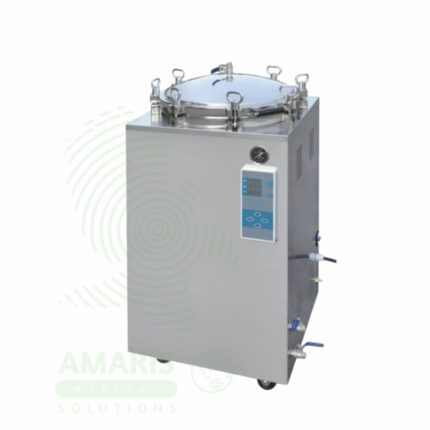
Autoclave Machine
An Autoclave Machine is a pressurized steam sterilizer used to destroy all microbial life, including resistant bacterial spores, on medical, surgical, and laboratory items. It is the most reliable method for sterilizing heat- and moisture-stable materials such as surgical instruments, wrapped packs, textiles, and laboratory media. Effective sterilization depends on the correct combination of steam, pressure, temperature, and time, validated by rigorous physical, chemical, and biological monitoring. Safe operation requires strict adherence to loading guidelines, use of appropriate cycles (especially for liquids), and extreme caution due to high heat and pressure hazards. It is an indispensable piece of capital equipment for any facility requiring guaranteed sterility.
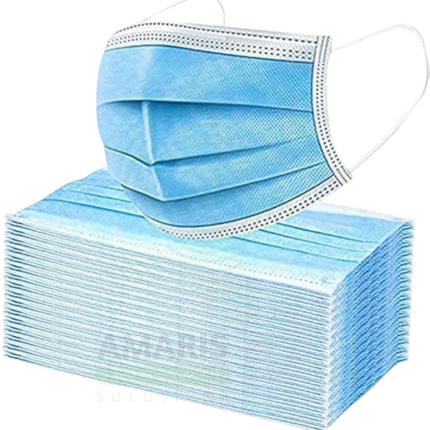
Face Masks
A Face Mask is a disposable, loose-fitting or tight-fitting (respirator) barrier device designed to cover the wearer's nose and mouth. Its primary functions are source control (to contain the wearer's respiratory secretions) and personal protection (to filter inhaled airborne particles). In healthcare, specific types—such as ASTM-rated surgical masks for sterile procedures and NIOSH-certified respirators (e.g., N95) for aerosol-generating procedures—are critical PPE for infection prevention. Correct usage, including strict single-use protocols and proper donning/doffing technique, is essential for its effectiveness in interrupting pathogen transmission.
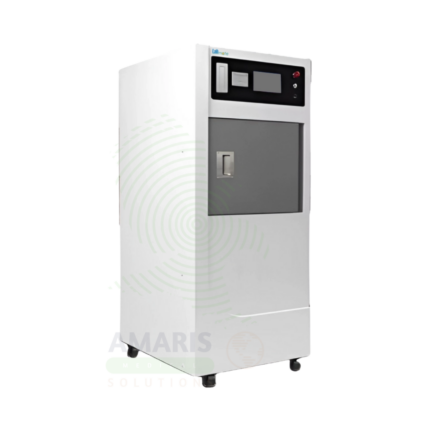
Low Temperature Plasma Sterilizer
A Low Temperature Plasma Sterilizer is a hydrogen peroxide gas plasma sterilization system designed for heat- and moisture-sensitive medical devices. Using low-temperature plasma technology, it sterilizes flexible endoscopes, laparoscopic instruments, robotic surgical instruments, and other delicate devices without damaging sensitive components. With cycle times of 28-60 minutes, it enables rapid turnaround of instrument sets for high-volume surgical services, supporting efficient operating room workflow while maintaining the highest standards of infection prevention.
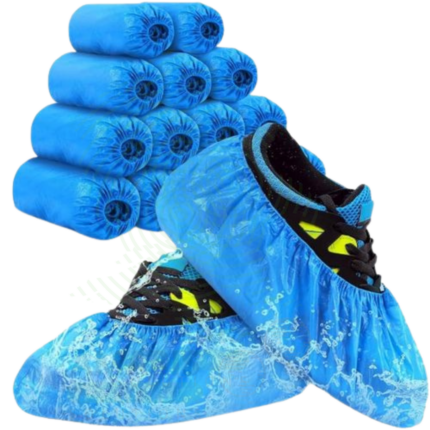
Shoe Covers
Shoe Covers are disposable, single-use over-shoe devices worn over personal or institutional footwear to prevent the transfer of dirt, dust, and microorganisms into sterile or controlled environments. Constructed from non-woven polypropylene, polyethylene, or CPE, they are a fundamental component of infection control protocols in operating rooms, cleanrooms, isolation units, and laboratories. Critical features include secure elasticized closures, slip-resistant soles, and appropriate fluid resistance for the intended setting. Strict single-use protocols and proper donning/doffing techniques are essential to maintain environmental integrity and prevent cross-contamination.
Sterilization Pouches
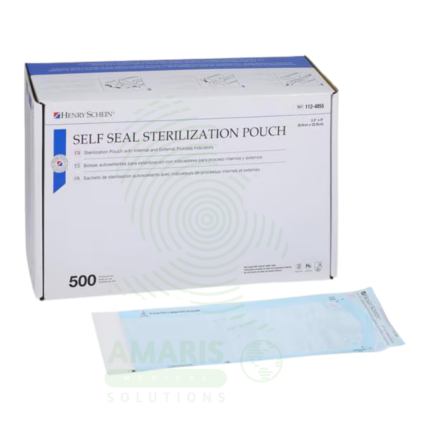
Sterilization Pouches are disposable, flexible packages used to enclose individual instruments or small sets for sterilization and to maintain their sterility until use. Constructed with a transparent plastic side for visibility and a porous paper/Tyvek side for sterilant penetration, they are sealed by the user to create a microbial barrier. Correct usage requires loading clean, dry items, creating a complete seal, labeling, and inspecting the pouch for integrity after sterilization. Any compromise (tear, wetness, broken seal) invalidates sterility. They are an essential consumable in sterile processing, enabling safe, organized, and traceable packaging for a wide range of medical devices.
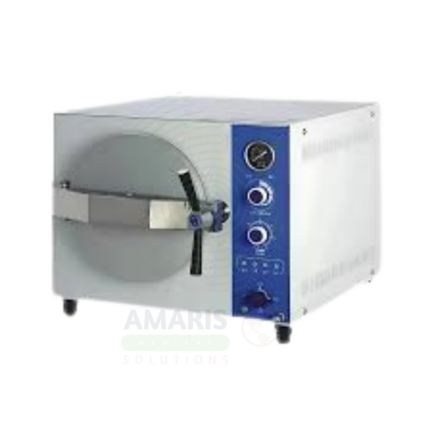
Table Top Steam Sterilizer
A Table Top Steam Sterilizer is a compact, benchtop autoclave designed for clinics, dental offices, outpatient surgery centers, and small laboratories. It provides rapid, reliable steam sterilization of unwrapped instruments, liquids, and small laboratory items using saturated steam under pressure. Essential for point-of-care sterilization, it ensures that instruments used in patient care meet the same sterility standards as those in major hospitals, supporting infection prevention in ambulatory and office-based settings.
Ultrasonic Cleaner
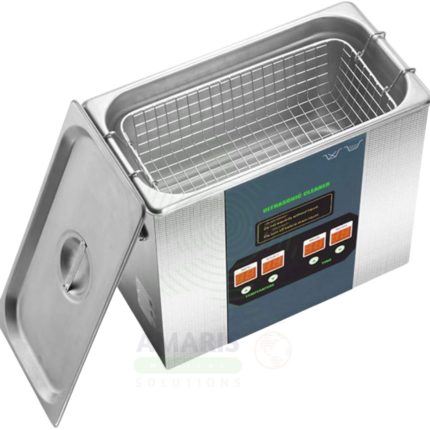
An Ultrasonic Cleaner is a cleaning device that uses high-frequency sound waves to create microscopic cavitation bubbles that remove debris, blood, tissue, and biofilm from surgical instruments, dental instruments, and laboratory glassware. Essential for instrument reprocessing, it is the critical first step before sterilization, ensuring that organic material is removed so that subsequent sterilization is effective. Used in sterile processing departments, dental practices, and laboratories, it provides thorough cleaning of complex instruments with narrow lumens, hinges, and articulating joints.