 Dermatoscope and Magnifiers
 Diagnostic Kits
 Vital Signs Monitors
 Stethoscopes and Accessories
 Otoscopes, Ophthalmoscopes, and Retinoscopes
 Reflex Hammers and Neurological Tools
 Scales and Measuring Devices
 Spirometers and Pulmonary Function Tests
 Electrosurgical Units and Accessories
 Cutting Instruments
 Grasping and Holding Instruments
 Hemostatic Instruments
 Specialized Surgical Sets
 Single-Use Procedure Trays and Packs
 Surgical Drapes, Gowns, and Covers
 Tissue Unifying Instruments
 Radiation Protection
 X-Ray Machines and Accessories
 Ultrasound Systems and Probes
 MRI and CT Scanners
 Radiology Consumables
 Bone Densitometers
 Fluoroscopy Equipment
 Imaging Tables and Positioning Aids
 Microscopes and Accessories
 Centrifuges and Separators
 Analyzers
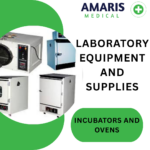 Incubators and Ovens
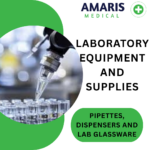 Pipettes, Dispensers, and Lab Glassware
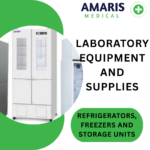 Refrigerators, Freezers, and Storage Units
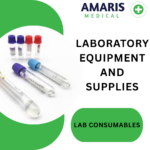 Lab Consumables
 Sterilizers and Autoclaves for Lab Use
 Multi-Parameter Monitors
 Ventilators and Respiratory Support Devices
 Defibrillators and AEDs
 Infusion Pumps and IV Systems
 Patient Warmers and Cooling Devices
 Central Monitoring Stations
 Accessories
 Anesthesia Machines and Workstations
 Oxygen Concentrators and Delivery Systems
 Nebulizers and Inhalers
 CPAP/BiPAP Machines
 Airway Management
 Anesthesia Masks, Circuits, and Bags
 Humidifiers and Heaters
 Respiratory Therapy Accessories
 First Aid Kits and Cabinets
 Emergency Resuscitation Equipment
 Trauma Supplies
 Emergency Carts and Crash Carts
 Burn Care Products
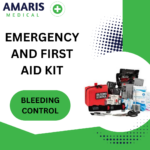 Bleeding Control
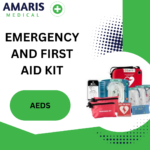 Automated External Defibrillators (AEDs)
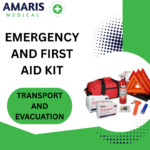 Transport and Evacuation
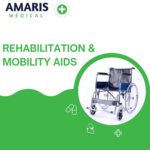
 Wheelchairs and Accessories
 Walkers, Crutches, and Canes
 Prosthetics and Orthotics
 Physical Therapy Equipment
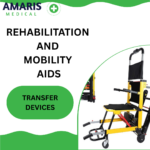 Transfer Devices
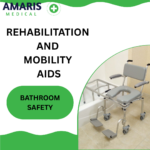 Bathroom Safety
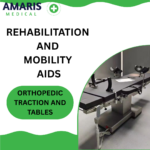 Orthopedic Traction and Tables
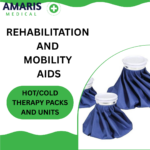 Hot/Cold Therapy Packs and Units
 Beds and Mattresses
 Chairs and Stools
 Tables
 Cabinets and Storage
 Privacy Screens & Curtains
 Stands and Racks
 Linens and Textiles
 Lighting

 Autoclaves and Sterilizers
 Ultrasonic Cleaners
 Disinfectant Solutions and Wipes
 Sterilization Pouches, Wraps, and Indicators
 Instrument Trays and Containers
 UV and Ozone Disinfection Devices
 Washer Disinfectors
 Wound Care
 Gloves
 Masks and Respirators
 Catheters and Tubing
 Swabs, Applicators, and Sponges
 Incontinence Products
 Personal Protective Equipment (PPE)
 Dental Chairs and Units
 Handpieces and Burs
 Instruments
 Consumables
 Sterilization for Dental Use
 Orthodontic Supplies
 Endodontic Tools
 Slit Lamps and Tonometers
 Lensometers and Phoropters
 Ophthalmic Surgical Instruments
 Eyewear Frames and Lenses
 Contact Lens Supplies
 Vision Testing Charts and Devices
 Eye Care Consumables
 Laser Systems for Eye Care
 ENT Exam Chairs and Tables
 Endoscopes
 Audiometers and Hearing Tests
 ENT Instruments
 Nasal and Throat Packs
 Hearing Aids and Accessories
 Otology Supplies
 Fetal Dopplers and Monitors
 Delivery Beds and Tables
 Gynecological Instruments
 Neonatal Incubators and Warmers
 Breast Pumps and Accessories
 Contraceptive Devices
 Maternity Supports and Pads
 Neonatal Consumables
 Cystoscopes and Urethroscopes
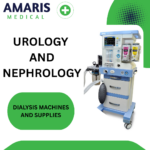
 Dialysis Machines and Supplies
 Urological Catheters and Bags
 Lithotripters
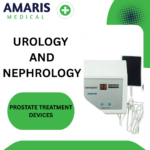 Prostate Treatment Devices
 Urinary Incontinence Products
 Kidney Stone Management Tools
 Consumables & Disposables
 EEG and EMG Machines
 Neurosurgical Instruments
 Nerve Stimulators
 Headrests and Positioning Aids
 Lumbar Puncture Kits
 Seizure Monitoring Devices
 Consumables
 Rehabilitation for Neurological Conditions
 ECG Machines and Accessories
 Holter Monitors
 Stress Test Systems
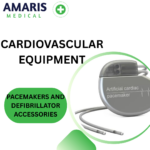 Pacemakers and Defibrillator Accessories
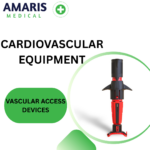 Vascular Access Devices
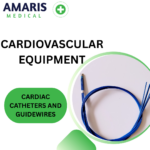 Cardiac Catheters and Guidewires
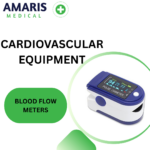 Blood Flow Meters
 Consumables

 Orthopedic Instruments
 Casts, Splints, and Padding
 Joint Replacement Supplies
 Prosthetic Limbs and Components
 Bone Grafts and Substitutes
 Traction Devices
 Orthopedic Braces and Supports
 Rehabilitation Aids for Orthopedics
 Home Oxygen Therapy
 Hospital Beds for Home Use
 Mobility Aids
 Bathroom and Daily Living Aids
 Wound Care for Home
 Monitoring Devices
 Enteral Feeding Pumps and Tubes
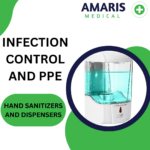 Hand Sanitizers and Dispensers
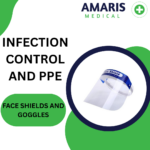 Face Shields and Goggles
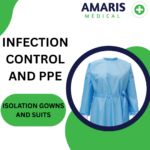 Isolation Gowns and Suits
 Biohazard Waste Containers
 Air Purifiers and HEPA Filters
 Surface Disinfectants
 Sharps Containers
 Protective Barriers
 Cardiovascular & Endurance Training
 Strength Training & Weightlifting
 Functional Training & Core Conditioning
 Physical Therapy & Rehabilitation
 Sports & Outdoor Recreation
 Gym Flooring & Facility Equipment
 Fitness Monitoring & Accessories
 Kids & Novelties
Shoe Covers
$1.00
WhatsApp Order
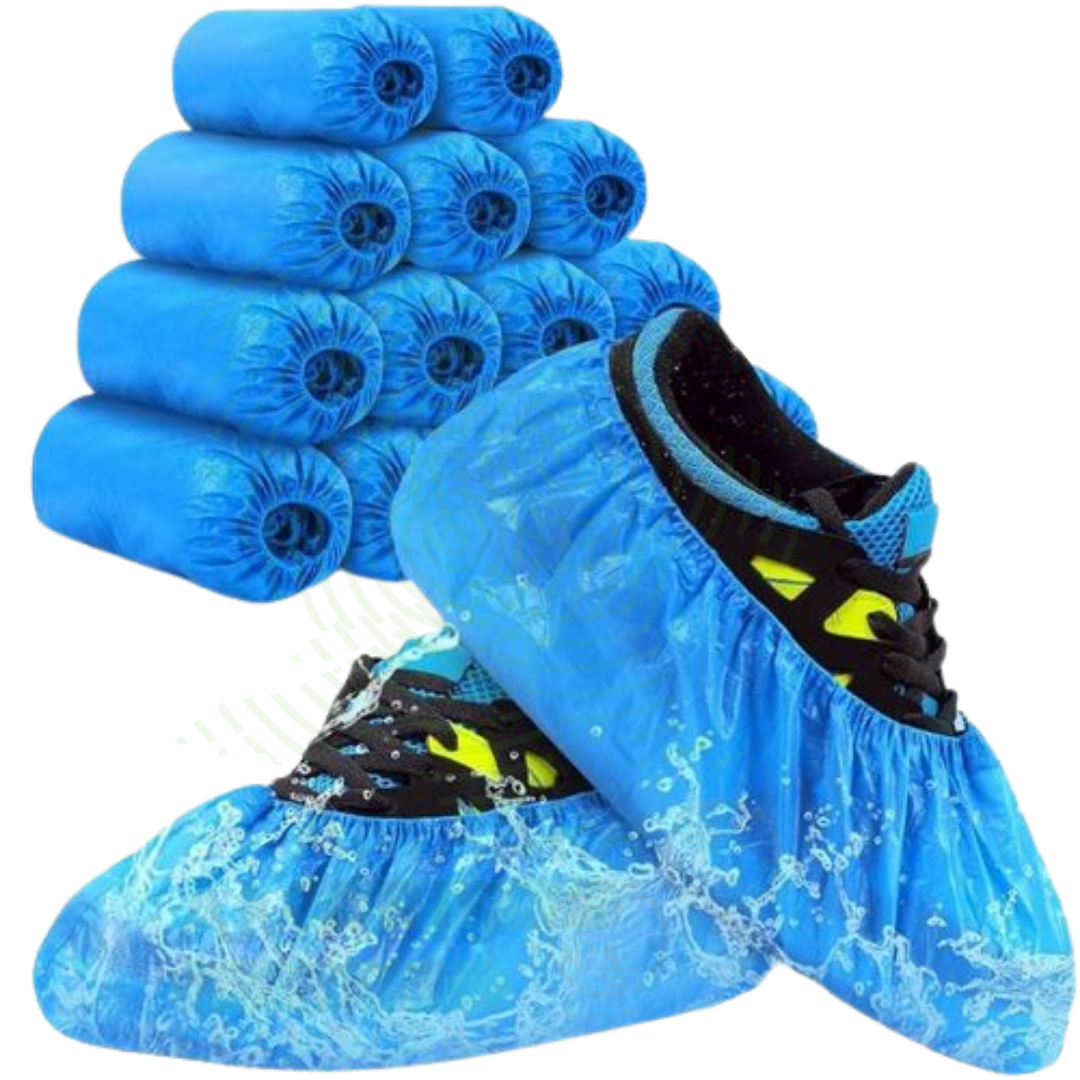
Shoe Covers are disposable, single-use over-shoe devices worn over personal or institutional footwear to prevent the transfer of dirt, dust, and microorganisms into sterile or controlled environments. Constructed from non-woven polypropylene, polyethylene, or CPE, they are a fundamental component of infection control protocols in operating rooms, cleanrooms, isolation units, and laboratories. Critical features include secure elasticized closures, slip-resistant soles, and appropriate fluid resistance for the intended setting. Strict single-use protocols and proper donning/doffing techniques are essential to maintain environmental integrity and prevent cross-contamination.
Description
Shoe Covers
PRIMARY CLINICAL & DIAGNOSTIC USES
1. Infection Prevention and Contamination Control
-
Primary Use: Acts as a barrier to prevent the transfer of dirt, dust, and microorganisms from footwear into sterile or controlled environments, ensuring that contaminants picked up on the soles of shoes do not enter the sterile field or compromise a sterile environment.
-
How it helps: For the infection preventionist and operating room manager, shoe covers are a simple but essential barrier against the introduction of environmental contaminants—trapping dirt and microbes on the soles of shoes before they can be tracked into sterile surgical fields, cleanrooms, or other controlled environments. For the patient undergoing surgery or the immunocompromised individual in protective isolation, shoe covers worn by everyone entering their environment mean one less route of potential infection.
2. Protection of Sterile Environments in Surgery
-
Primary Use: Worn by all surgical team members entering the operating room to minimize the introduction of environmental contaminants, serving as a standard component of surgical attire protocols to maintain the sterility of the perioperative environment.
-
How it helps: For the surgical team and operating room staff, shoe covers are part of the disciplined process of creating and maintaining a sterile field—ensuring that the dirt and microbes accumulated on shoes from corridors, elevators, and waiting areas are not brought into the room where a patient’s sterile tissues will be exposed. For the surgical patient, this attention to footwear hygiene contributes to the overall reduction of surgical site infection risk.
3. Protection in Isolation and Immunocompromised Patient Areas
-
Primary Use: Used by healthcare workers, visitors, and sometimes patients when entering protective isolation rooms to reduce the risk of introducing pathogens that could cause life-threatening infections.
-
How it helps: For the hematology-oncology nurse and transplant coordinator caring for patients with no immune defenses, shoe covers provide an additional layer of protection against pathogens that could be fatal—trapping organisms on footwear that might otherwise be tracked into the room of a bone marrow transplant patient or severe burn victim. For the immunocompromised patient, knowing that everyone entering their room dons clean shoe covers provides reassurance that their environment is being protected.
4. Barrier in Contaminated or High-Risk Areas
-
Primary Use: Worn when entering areas with known high bioburden or environmental contamination to prevent contamination of footwear and subsequent spread of pathogens to clean areas.
-
How it helps: For the healthcare worker entering an isolation room for a patient with a highly contagious infection, shoe covers prevent them from carrying pathogens on their shoes back out into the hallway and throughout the facility—containing contamination to the room where it belongs. For other patients and staff, this containment prevents the spread of dangerous organisms throughout the healthcare environment.
5. Pharmaceutical and Laboratory Cleanrooms
-
Primary Use: Essential PPE in pharmaceutical compounding areas, cleanrooms, and certain laboratory environments where particulate control is critical to prevent product contamination and maintain classified air quality standards.
-
How it helps: For the compounding pharmacist and laboratory technician working in controlled environments, shoe covers prevent the introduction of particulates and microbes that could contaminate sterile preparations or compromise sensitive experiments. For the patient receiving a compounded sterile medication, shoe covers worn by the pharmacy team contribute to the sterility of the product they receive.
SECONDARY & SUPPORTIVE USES
1. Protection of Flooring and Carpeting: Used in outpatient clinics, dental offices, and home healthcare visits to protect flooring from mud, water, snow, or debris brought in from outdoors, reducing housekeeping burden and maintaining a professional appearance. For the home health nurse entering a patient’s home, shoe covers show respect for the patient’s space.
2. Protection of Healthcare Worker Footwear: Shields the wearer’s shoes from soiling by blood, bodily fluids, irrigating solutions, or chemical spills encountered during procedures. For the trauma team member standing in a pool of irrigation fluid, shoe covers protect their footwear from becoming saturated with contaminated liquids.
3. Temporary Cleanroom Access: Allows personnel who are not gowned in full cleanroom attire to enter controlled environments briefly for equipment checks, deliveries, or observations. For the maintenance worker needing to adjust equipment in a cleanroom, shoe covers provide a quick solution for brief access.
4. Visitor Management in Restricted Areas: Enables visitors, vendors, or family members to enter restricted clinical or laboratory areas without compromising infection control protocols. For the family member wanting to see their loved one in a protective isolation unit, shoe covers allow safe access.
5. Post-Mortem and Mortuary Use: Worn by pathologists, mortuary staff, and funeral home personnel during autopsies and body preparation to prevent contamination of footwear and tracking of fluids outside the procedure area. For those who care for the deceased, shoe covers provide protection and containment.
KEY PRODUCT FEATURES
1. BASIC IDENTIFICATION ATTRIBUTES
-
Product Type: A disposable, single-use over-shoe device worn over personal or institutional footwear.
-
Designation: Categorized by material (non-woven polypropylene, polyethylene, CPE), closure type (elastic band, tie-string, adhesive tab), and sole style (skid-resistant, conductive, anti-static, standard).
-
Core Components: Typically consists of a bootie-shaped cover made of non-woven fabric or plastic film, an elasticized opening or drawstring to secure it around the ankle, and sometimes a reinforced sole or non-skid coating.
2. TECHNICAL & PERFORMANCE PROPERTIES
-
Fluid Resistance: Resistance to penetration by water, blood, or other fluids. Critical for surgical and high-exposure settings. Measured by hydrostatic head testing or similar standards.
-
Particulate Filtration Efficiency: For cleanroom applications, the ability to prevent shedding of particles from the shoe cover material itself and to filter particles from the shoe surface. Classified by IEST-RP-CC003 standards for controlled environments.
-
Slip Resistance: Presence of non-skid patterns, coatings, or embossing on the sole to reduce the risk of slips and falls on smooth clinical flooring. Critical safety feature often certified to ASTM F1677 or similar standards.
-
Tensile and Tear Strength: The force required to puncture or tear the material. Higher strength reduces the likelihood of breach during donning, doffing, or use.
-
Anti-Static/Conductive Properties: For operating rooms and cleanrooms with sensitive electronic equipment or explosive gases, specific shoe covers are manufactured with conductive materials to dissipate static charge.
3. PHYSICAL & OPERATIONAL PROPERTIES
-
Size and Fit: Available in universal fit, small/medium, large/x-large, or specific shoe sizes. Elasticized ankle opening must be snug enough to stay in place but not restrictive or prone to tearing.
-
Material Thickness: Ranges from lightweight spunbond polypropylene (economy, short-term use) to heavier CPE or non-woven with film laminate (high fluid resistance, extended wear).
-
Height: Standard shoe covers cover the entire shoe to the ankle. Boot-style covers extend higher up the calf for additional protection in high-splash or high-contamination environments.
-
Color Coding: Often color-coded by size, material type, or intended environment (e.g., blue for general use, green for OR, yellow for isolation) to assist with rapid identification and proper selection.
-
Packaging: Dispensed in bulk boxes (50-100 pairs), wall-mounted dispensers, or individually wrapped pairs for sterile applications or procedure-specific kits.
4. SAFETY & COMPLIANCE ATTRIBUTES
-
Regulatory Standards: Must comply with applicable standards:
-
ASTM F2407: Standard specification for surgical gowns (referenced for protective clothing, applicable to shoe covers).
-
IEST-RP-CC003: Garment system considerations for cleanrooms (for cleanroom-grade shoe covers).
-
NFPA 99: For anti-static/conductive properties in hazardous locations.
-
-
Biocompatibility: Materials in contact with skin (ankle area) must be non-irritating and hypoallergenic.
-
Latex-Free: Must be manufactured without natural rubber latex, particularly for use in latex-free healthcare environments.
-
Sterility: Available as non-sterile (standard) or individually wrapped sterile for use within the sterile field or in specific surgical protocols.
5. STORAGE & HANDLING ATTRIBUTES
-
Storage: Store in original packaging in a cool, dry environment. Protect from moisture, direct sunlight, and extreme temperatures which can degrade polymer materials.
-
Shelf Life: Typically 3-5 years from date of manufacture when stored appropriately. Expiration dates apply; expired products may have compromised material integrity.
-
Single-Use Protocol: Shoe covers are strictly single-use devices. They must be discarded after one entry into a controlled environment, when exiting a patient room or contaminated area, when soiled or wet, or upon removal. Reuse is not permitted under any circumstances.
-
Donning and Doffing Sequence: Shoe covers are typically donned after scrubs but before gowning, or as the final step before entering a controlled environment. They are removed immediately upon exiting, ideally before removing other PPE, to prevent tracking contaminants out of the area.
6. LABORATORY & CLINICAL APPLICATIONS
-
Primary Application: A fundamental component of facility-specific infection control and environmental hygiene protocols, serving as a barrier between the external environment (footwear) and the controlled clinical or laboratory environment.
-
Setting-Specific Selection: Selection is driven by the specific environment: OR and procedure areas require fluid-resistant, non-skid, sometimes anti-static properties; cleanrooms require low-particulate, low-shedding materials; general patient care areas may use basic economy covers for visitor access.
SAFETY HANDLING PRECAUTIONS
1. SAFETY PRECAUTIONS
-
Slip Hazard (Most Important): Wearing shoe covers over certain types of footwear or on specific floor surfaces can increase slip risk. Shoe covers with non-skid soles must be selected for clinical areas. Users should exercise caution, walk slowly, and avoid wet floors. Torn or worn soles must be replaced immediately.
-
Proper Fit and Securement: Loose-fitting shoe covers can cause tripping, catch on equipment, or fall off, defeating their protective purpose. Elastic must be intact and snug. Tie-string closures must be securely fastened.
-
Removal Technique: Shoe covers are considered contaminated after use. Removal should be performed by grasping the outer edge of the opening and pulling downward while stepping out, turning the cover inside out to contain contaminants. Hand hygiene must be performed immediately after removal.
-
Do Not Walk Outside Controlled Areas: Shoe covers worn in operating rooms or cleanrooms should never be worn outside these areas (e.g., to the cafeteria, outdoors). This violates infection control principles and tracks contaminants out of the controlled environment.
-
Footwear Condition: Worn, wet, or excessively soiled footwear underneath shoe covers can compromise the integrity of the cover and should be addressed separately.
2. FIRST AID MEASURES
-
Slip and Fall Injury: If a slip or fall occurs, assess for injury (sprain, fracture, head trauma). Provide standard first aid and seek medical attention as indicated. Report the incident per facility policy for environmental safety investigation.
-
Allergic Reaction: If localized irritation, redness, or itching occurs at the ankle contact area, remove shoe covers, wash the area with mild soap and water, and discontinue use of that brand/material. Seek medical advice for persistent symptoms.
3. FIRE FIGHTING MEASURES
-
Flammability: Polypropylene, polyethylene, and other polymer materials are combustible.
-
Extinguishing Media: Use water, foam, CO₂, or dry chemical powder as appropriate for the surrounding fire. Burning plastics produce toxic smoke; use self-contained breathing apparatus (SCBA) in enclosed spaces.
Related products
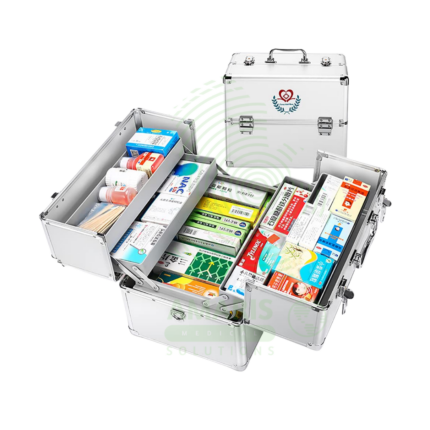
Aluminium First Aid Kit For Ambulance
An Aluminium First Aid Kit for Ambulance is a heavy-duty, weather-resistant storage case specifically designed for organizing, protecting, and securing medical supplies in emergency medical service vehicles. Constructed from 1.2-2.0 mm aluminium alloy with reinforced corners, durable latches, and rubber gaskets (IP54-IP67 rated), these cases protect contents from vibration, impact, moisture, and temperature extremes during emergency response. Available in various configurations including single compartment, multi-drawer, and clear-lid models with customizable interior dividers, elastic straps, and pouches. Designed to meet ambulance equipment mounting standards (KKK-A-1822, NFPA 1917, CEN 1789) with proper installation to withstand collision forces. Primary clinical applications include organized storage of airway management devices, bleeding control supplies, wound care materials, diagnostic equipment, emergency medications, IV supplies, splinting equipment, PPE, and obstetric supplies for BLS, ALS, and CCT ambulance services. Critical safety considerations include proper vehicle mounting to prevent projectile hazards, secure latching during transport, regular inventory management, expiration date monitoring, and decontamination after biohazard exposure. Essential equipment for organized, efficient, and safe emergency medical response.
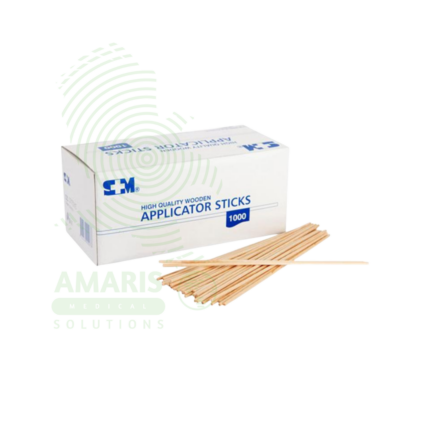
Applicator Sticks
Applicator Sticks are single-use medical devices with absorbent tips (cotton, rayon, flocked polyester) on wood, plastic, or paper shafts for collecting clinical specimens (throat, nasal, wound, cervical, urethral, rectal) for microbiological culture, rapid testing, and molecular diagnostics. Sterile individually wrapped or non-sterile bulk formats. Flocked swabs provide >90% specimen release for PCR testing. Primary applications include specimen collection for infection diagnosis, wound care and antiseptic application, gynecological sampling (Pap smears, STI testing), eye/ear specimen collection, laboratory slide preparation, and forensic evidence collection. Critical precautions include single-use only, sterile technique, proper collection method, and biohazard disposal. Essential consumable in all clinical settings.
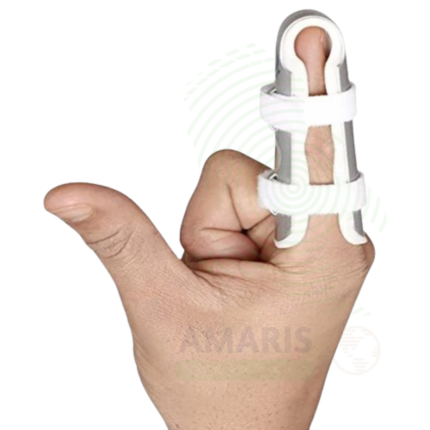
Finger Cot
A Finger Cot is a small, finger-shaped protective covering used to protect minor finger wounds, diabetic ulcers, surgical incisions, and amputation stumps, as well as to provide barrier protection for healthcare workers and laboratory personnel. Made from latex, nitrile, vinyl, or silicone, it provides a comfortable, secure fit while protecting the finger from contamination, moisture, friction, and irritants. Available in various sizes, materials, and sterile or non-sterile versions. Latex-free options are available for individuals with latex allergy.
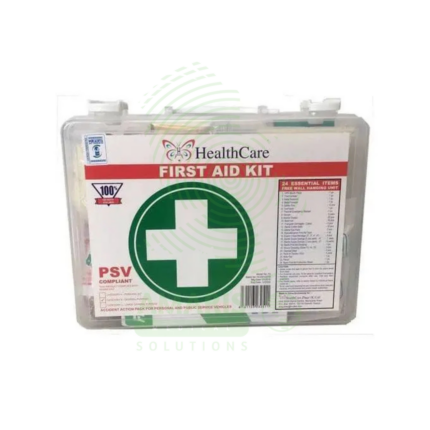
First Aid Kit
A First Aid Kit is an organized collection of medical supplies and equipment for providing initial care in emergency situations, available in various sizes and configurations for home, workplace, vehicle, travel, and specialized applications. Kits range from personal pouches (0.5-2 L) to comprehensive workplace cabinets (5-35 L) with soft-sided bags, hard cases, or wall-mounted containers. Contents are typically organized to meet regional standards (ANSI/ISEA Z308.1, CSA Z1220, BS 8599, DIN 13157/13169) and include wound care supplies (bandages, gauze, tape), antiseptics, burn care, eye care, emergency items (CPR mask, cold packs, foil blanket), instruments (scissors, tweezers), and PPE (gloves). Class A kits provide minimum supplies for low-hazard workplaces; Class B kits offer expanded quantities for high-hazard environments. Primary clinical applications include immediate treatment of minor injuries (cuts, abrasions, burns, sprains), bleeding control, wound care, fracture immobilization, and emergency assessment. Essential safety equipment for every home, workplace, vehicle, and public facility, providing critical medical supplies until professional care arrives.
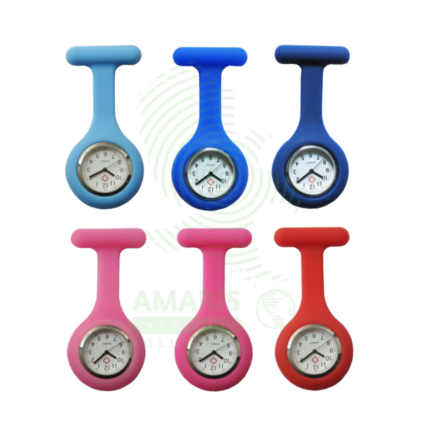
Nurse Watch
A Nurse Watch is a professional-grade analog wristwatch specifically designed for clinical use. Its hallmark is a built-in "pulsometer" scale that allows for rapid, on-the-spot calculation of a patient's heart rate by timing pulses over a short interval. Featuring a high-contrast dial with a clear sweep second hand, durable water-resistant construction, and a cleanable band, it is engineered for accuracy, legibility, and infection control in healthcare settings. It is an indispensable personal tool for nurses, enabling precise measurement of vital signs, timing of medications and procedures, and accurate clinical documentation throughout the shift.
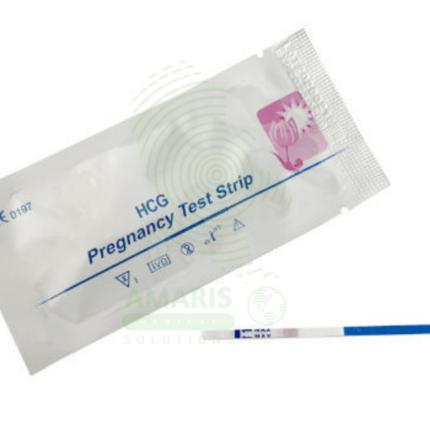
Pregnancy Test Strips
Pregnancy Test Strips are simple, dip-style lateral flow devices designed for the rapid, qualitative detection of human chorionic gonadotropin (hCG) in urine to indicate pregnancy. As the most fundamental format of home pregnancy tests, they offer high sensitivity (often from 10 mIU/mL), affordability, and a quick result within 3-5 minutes. Their ease of use makes them a widely accessible first step in pregnancy detection for personal use and clinical screening. A visible test line, even if faint, is a positive result, though confirmation with a healthcare provider is always recommended.
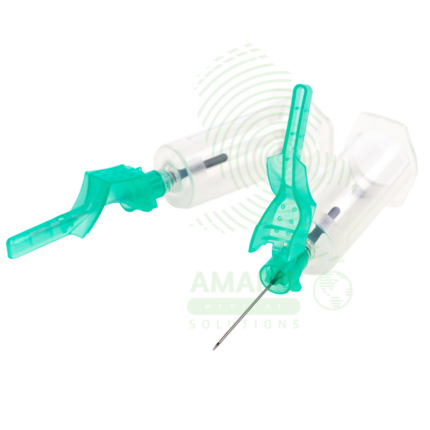
SAFE SERIES Blood Collection Needles
The SAFE SERIES (AM-SAFE) by Beijing Precil (Mindray subsidiary) is a comprehensive line of safety-engineered blood collection devices designed to prevent accidental needlestick injuries in healthcare workers. The series includes venous blood collection needles (AM-SAFE-V), standard safety needles (AM-SAFE1), winged infusion sets/butterfly needles (AM-SAFE2), high-gauge thin-wall needles for fragile veins (AM-SAFE3), premium coated needles for enhanced patient comfort (AM-GOLD), and nurse-friendly one-handed safety variants (AM-NURSE). All devices incorporate integral safety mechanisms that shield the contaminated needle immediately after withdrawal, complying with OSHA Needlestick Safety and Prevention Act requirements. Available in various gauges (18G-25G) and configurations for routine venipuncture, difficult vein access, pediatric/geriatric patients, and frequent blood draws. Sterile, single-use, latex-free, and color-coded for easy gauge identification. Essential safety devices for blood collection in hospitals, clinics, laboratories, and home healthcare settings.