Dermatoscope and Magnifiers
 Diagnostic Kits
 Vital Signs Monitors
 Stethoscopes and Accessories
 Otoscopes, Ophthalmoscopes, and Retinoscopes
 Reflex Hammers and Neurological Tools
 Scales and Measuring Devices
 Spirometers and Pulmonary Function Tests
 Electrosurgical Units and Accessories
 Cutting Instruments
 Grasping and Holding Instruments
 Hemostatic Instruments
 Specialized Surgical Sets
 Single-Use Procedure Trays and Packs
 Surgical Drapes, Gowns, and Covers
 Tissue Unifying Instruments
 Radiation Protection
 X-Ray Machines and Accessories
 Ultrasound Systems and Probes
 MRI and CT Scanners
 Radiology Consumables
 Bone Densitometers
 Fluoroscopy Equipment
 Imaging Tables and Positioning Aids
 Microscopes and Accessories
 Centrifuges and Separators
 Analyzers
 Incubators and Ovens
 Pipettes, Dispensers, and Lab Glassware
 Refrigerators, Freezers, and Storage Units
 Lab Consumables
 Sterilizers and Autoclaves for Lab Use
 Multi-Parameter Monitors
 Ventilators and Respiratory Support Devices
 Defibrillators and AEDs
 Infusion Pumps and IV Systems
 Patient Warmers and Cooling Devices
 Central Monitoring Stations
 Accessories
 Anesthesia Machines and Workstations
 Oxygen Concentrators and Delivery Systems
 Nebulizers and Inhalers
 CPAP/BiPAP Machines
 Airway Management
 Anesthesia Masks, Circuits, and Bags
 Humidifiers and Heaters
 Respiratory Therapy Accessories
 First Aid Kits and Cabinets
 Emergency Resuscitation Equipment
 Trauma Supplies
 Emergency Carts and Crash Carts
 Burn Care Products
 Bleeding Control
 Automated External Defibrillators (AEDs)
 Transport and Evacuation
 Wheelchairs and Accessories
 Walkers, Crutches, and Canes
 Prosthetics and Orthotics
 Physical Therapy Equipment
 Transfer Devices
 Bathroom Safety
 Orthopedic Traction and Tables
 Hot/Cold Therapy Packs and Units
 Beds and Mattresses
 Chairs and Stools
 Tables
 Cabinets and Storage
 Privacy Screens & Curtains
 Stands and Racks
 Linens and Textiles
 Lighting
 Autoclaves and Sterilizers
 Ultrasonic Cleaners
 Disinfectant Solutions and Wipes
 Sterilization Pouches, Wraps, and Indicators
 Instrument Trays and Containers
 UV and Ozone Disinfection Devices
 Washer Disinfectors
 Wound Care
 Gloves
 Masks and Respirators
 Catheters and Tubing
 Swabs, Applicators, and Sponges
 Incontinence Products
 Personal Protective Equipment (PPE)
 Dental Chairs and Units
 Handpieces and Burs
 Instruments
 Consumables
 Sterilization for Dental Use
 Orthodontic Supplies
 Endodontic Tools
 Slit Lamps and Tonometers
 Lensometers and Phoropters
 Ophthalmic Surgical Instruments
 Eyewear Frames and Lenses
 Contact Lens Supplies
 Vision Testing Charts and Devices
 Eye Care Consumables
 Laser Systems for Eye Care
 ENT Exam Chairs and Tables
 Endoscopes
 Audiometers and Hearing Tests
 ENT Instruments
 Nasal and Throat Packs
 Hearing Aids and Accessories
 Otology Supplies
 Fetal Dopplers and Monitors
 Delivery Beds and Tables
 Gynecological Instruments
 Neonatal Incubators and Warmers
 Breast Pumps and Accessories
 Contraceptive Devices
 Maternity Supports and Pads
 Neonatal Consumables
 Cystoscopes and Urethroscopes
 Dialysis Machines and Supplies
 Urological Catheters and Bags
 Lithotripters
 Prostate Treatment Devices
 Urinary Incontinence Products
 Kidney Stone Management Tools
 Consumables & Disposables
 EEG and EMG Machines
 Neurosurgical Instruments
 Nerve Stimulators
 Headrests and Positioning Aids
 Lumbar Puncture Kits
 Seizure Monitoring Devices
 Consumables
 Rehabilitation for Neurological Conditions
 ECG Machines and Accessories
 Holter Monitors
 Stress Test Systems
 Pacemakers and Defibrillator Accessories
 Vascular Access Devices
 Cardiac Catheters and Guidewires
 Blood Flow Meters
 Consumables
 Orthopedic Instruments
 Casts, Splints, and Padding
 Joint Replacement Supplies
 Prosthetic Limbs and Components
 Bone Grafts and Substitutes
 Traction Devices
 Orthopedic Braces and Supports
 Rehabilitation Aids for Orthopedics
 Home Oxygen Therapy
 Hospital Beds for Home Use
 Mobility Aids
 Bathroom and Daily Living Aids
 Wound Care for Home
 Monitoring Devices
 Enteral Feeding Pumps and Tubes
 Hand Sanitizers and Dispensers
 Face Shields and Goggles
 Isolation Gowns and Suits
 Biohazard Waste Containers
 Air Purifiers and HEPA Filters
 Surface Disinfectants
 Sharps Containers
 Protective Barriers
 Cardiovascular & Endurance Training
 Strength Training & Weightlifting
 Functional Training & Core Conditioning
 Physical Therapy & Rehabilitation
 Sports & Outdoor Recreation
 Gym Flooring & Facility Equipment
 Fitness Monitoring & Accessories
 Kids & Novelties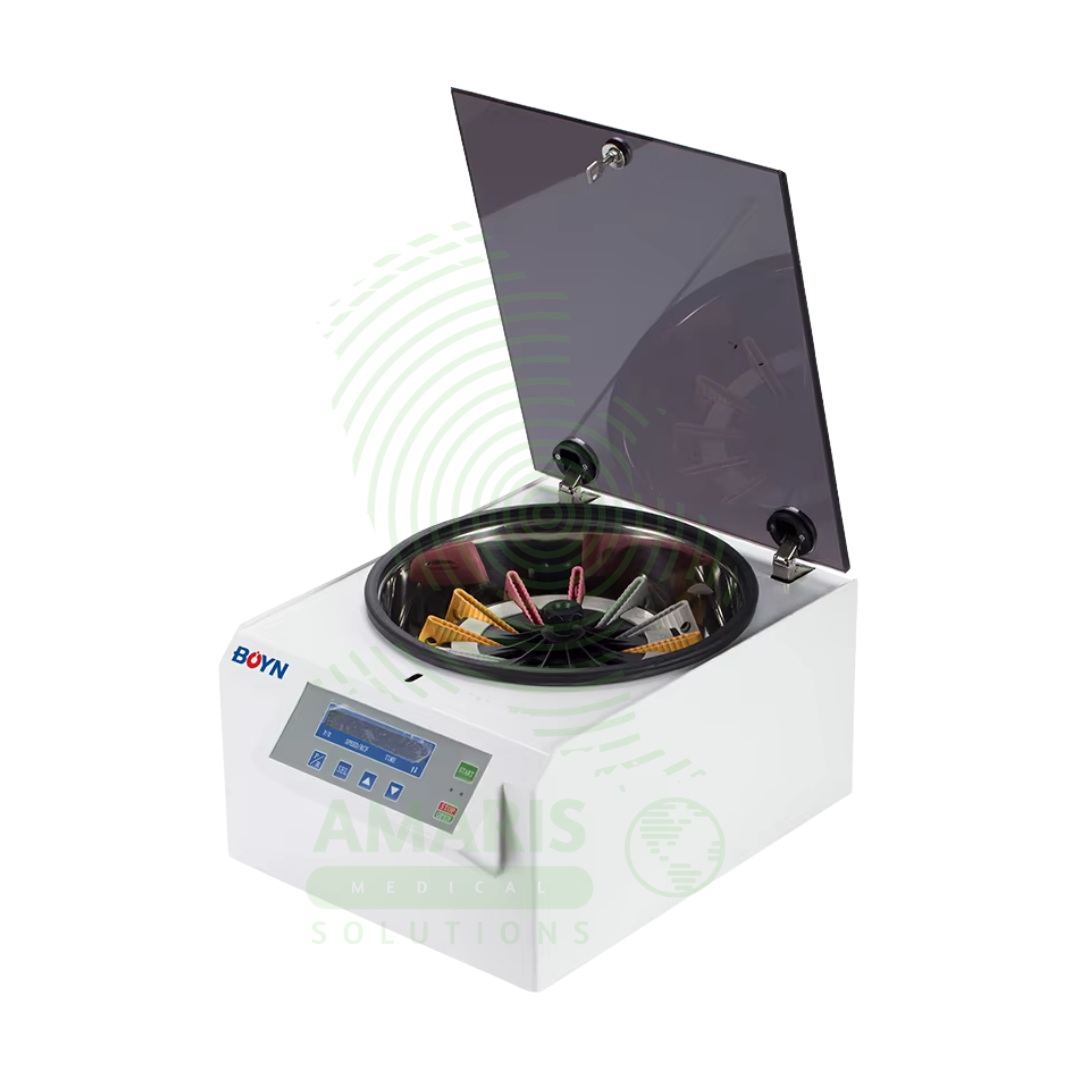
Blood ID Centrifuge
WhatsApp Order
The Blood ID Centrifuge is a specialized benchtop centrifuge designed specifically for blood banking and immunohematology applications using gel card or column agglutination technology. It is optimized for centrifuging gel cards used in ABO/Rh typing, antibody screening, cross-matching, direct and indirect antiglobulin tests (Coombs tests), and antibody identification procedures. Features include fixed-angle or swing-out rotors with specialized gel card holders, programmable cycles (speed, time, acceleration/deceleration) for different test protocols, digital display, imbalance detection, and safety lid lock. Capacity typically 6-24 gel cards per run with speeds optimized at 1,000-2,500 RPM for gel card processing. Primary clinical applications include blood typing and cross-matching in transfusion medicine, antibody identification and titer determination, direct and indirect antiglobulin testing, newborn cord blood testing, donor screening, and quality control in immunohematology. Essential equipment for hospital blood banks, donor centers, and immunohematology reference laboratories requiring standardized, reproducible gel card test results.
Description
Blood ID Centrifuge
PRIMARY CLINICAL & DIAGNOSTIC USES
1. Blood Typing and Cross-Matching in Transfusion Medicine:
-
Primary Use: The Blood ID Centrifuge is specifically designed for use in blood banking and immunohematology laboratories to perform blood typing (ABO and Rh), antibody screening, and cross-matching procedures using gel card or column agglutination technology, ensuring compatible blood products for transfusion.
-
How it helps: Protects patients receiving blood transfusions by ensuring that donor and recipient blood types are perfectly matched, preventing potentially fatal transfusion reactions that can occur with incompatible blood.
2. Gel Card and Column Agglutination Testing:
-
Primary Use: This centrifuge is optimized for centrifuging gel cards or microcolumns containing blood samples and reagent red cells or antibodies, facilitating standardized, reproducible agglutination reactions for blood group antigen and antibody detection.
-
How it helps: Provides blood bank technologists with a reliable, standardized method for detecting the subtle reactions that reveal blood type and compatibility, ensuring consistent, accurate results every time.
3 Antibody Identification and Titer Determination:
-
Primary Use: Used to centrifuge gel cards for identifying irregular antibodies (e.g., anti-Kell, anti-Duffy) and determining antibody titers in patients with potential transfusion reactions or hemolytic disease of the newborn.
-
How it helps: Identifies dangerous antibodies in a patient’s blood that could cause transfusion reactions or harm a developing baby, allowing doctors to take precautions and select compatible blood products.
4. Direct and Indirect Antiglobulin Tests (DAT/IAT):
-
Primary Use: Essential for performing direct Coombs tests (detecting antibody-coated red cells in autoimmune hemolytic anemia) and indirect Coombs tests (detecting unexpected antibodies in serum) using gel card technology.
-
How it helps: Helps diagnose autoimmune conditions where the body attacks its own red blood cells, and detects antibodies that could cause transfusion reactions or hemolytic disease of the newborn.
5. Newborn Cord Blood Testing:
-
Primary Use: Used to determine blood type and perform direct antiglobulin testing on cord blood samples from newborns at risk for hemolytic disease due to maternal-fetal blood group incompatibility.
-
How it helps: Protects newborns whose mothers have antibodies against their blood type, identifying babies at risk for jaundice and anemia so they can be monitored and treated promptly.
6. Donor Screening and Compatibility Testing:
-
Primary Use: Employed in blood donor centers to screen donor blood for unexpected antibodies and ensure compatibility with recipient blood before transfusion.
-
How it helps: Ensures that donated blood is safe and compatible before it enters the blood supply, protecting countless recipients who will depend on those donations.
7. Quality Control in Immunohematology:
-
Primary Use: Ensures standardized centrifugation conditions (time, speed, and temperature) critical for accurate and reproducible gel card test results in blood banking.
-
How it helps: Guarantees that every blood typing and cross-matching test is performed under the same optimal conditions, eliminating variables that could lead to errors and ensuring patient safety.
SECONDARY & SUPPORTIVE USES
1. Research and Immunohematology Studies: Used in research laboratories studying blood group antigens, antibodies, and transfusion medicine, contributing to scientific understanding and improved transfusion practices.
2. Reference Laboratory Testing: Essential equipment in immunohematology reference laboratories for complex antibody identification and resolution of transfusion problems, providing expert support to hospitals nationwide.
3. Prenatal Antibody Testing: Used to screen pregnant women for clinically significant antibodies that may cause hemolytic disease of the newborn, protecting babies before they are born.
4. Pre-Transfusion Compatibility Testing: Ensures safe transfusion by confirming donor-recipient compatibility in hospital blood banks, providing an additional layer of safety for patients.
5. Autologous Blood Donation Testing: Used to type and screen patients donating their own blood for elective surgery, ensuring their blood is ready and safe when needed.
6. Transfusion Reaction Investigation: Essential in investigating suspected transfusion reactions to identify incompatibility or antibody involvement, helping prevent future reactions.
7. Proficiency Testing and External Quality Assurance: Used in laboratories participating in immunohematology proficiency testing programs, ensuring ongoing quality and accuracy in blood banking.
KEY PRODUCT FEATURES
1. BASIC IDENTIFICATION ATTRIBUTES
-
Product Type: Specialized centrifuge designed specifically for blood bank and immunohematology applications using gel card or column agglutination technology.
-
Common Names: Blood Bank Centrifuge, Immunohematology Centrifuge, Gel Card Centrifuge, ID Centrifuge, Blood Typing Centrifuge.
-
Intended Use: Specifically designed for centrifuging gel cards, microcolumns, and ID cards used in blood typing, antibody screening, and cross-matching procedures.
-
Rotor Type: Fixed-angle or swing-out rotor specifically designed to accommodate gel card cassettes or ID card holders.
-
Rotor Capacity: Typically 6-24 gel cards per run depending on model.
-
Maximum Speed: 1,000-3,000 RPM (optimized for gel card centrifugation).
-
Maximum RCF: 100-1,000 x g (gel card-specific requirements).
-
Temperature Control: Some models offer ambient or controlled temperature operation.
-
Timing: Precision digital timer for reproducible centrifugation cycles.
-
Programmability: Pre-programmed cycles for specific blood bank applications (gel cards, Coombs tests, etc.).
2. TECHNICAL & PERFORMANCE PROPERTIES
-
Centrifugation Parameters Optimized for Gel Cards:
-
Typical Speed: 1,000-1,500 RPM for gel card incubation phase.
-
Typical Speed: 1,500-2,500 RPM for gel card centrifugation phase.
-
Time: 5-15 minutes depending on specific test protocol.
-
Temperature: Ambient (some models offer controlled temperature).
-
-
Rotor Design: Specialized carriers or adapters to hold gel cards securely at correct orientation.
-
Acceleration/Deceleration: Programmable rates to prevent disturbance of gel matrices.
-
Imbalance Detection: Automatic shutoff if load is unbalanced, protecting rotor and cards.
-
Lid Lock: Automatic locking during operation for safety; prevents opening while rotor spinning.
-
Program Memory: Stores multiple protocols for different test types (gel cards, Coombs, etc.).
-
Display: Digital display showing speed, time, and program status.
-
Calibration: Factory calibrated for gel card applications; field calibration verification available.
3. PHYSICAL & OPERATIONAL PROPERTIES
-
Dimensions: Compact benchtop design (approximately 30-40 cm × 40-50 cm × 30-40 cm).
-
Weight: 15-30 kg depending on model.
-
Construction: Durable ABS plastic or steel exterior; stainless steel bowl interior.
-
Display: Digital LED or LCD showing parameters and status.
-
Controls: Touchpad or membrane keypad for programming.
-
Card Holders: Interchangeable adapters for different gel card formats (Bio-Rad, Ortho, Grifols, etc.).
-
Power Requirements: 100-240 VAC, 50/60 Hz.
-
Certifications: Meets relevant safety and quality standards for medical devices.
4. SAFETY & COMPLIANCE ATTRIBUTES
-
Regulatory Status: Class I medical device (FDA, CE marked for IVD use when used with IVD applications).
-
Safety Standards: Complies with IEC 61010-2-020 for safety requirements for centrifuges.
-
Imbalance Detection: Automatic shutoff if load unbalanced, prevents damage and inaccurate results.
-
Lid Lock: Mechanical or electronic lock prevents opening while rotor spinning.
-
Emergency Lid Release: Manual release in case of power failure.
-
Biohazard Safety: Sealed rotors or buckets available for infectious samples.
-
Quality Management: Manufactured under ISO 13485 or ISO 9001 certified processes.
-
Calibration: Factory calibrated; annual calibration verification recommended.
5. STORAGE & HANDLING ATTRIBUTES
-
Storage: Store in clean, dry laboratory environment; avoid dust, humidity, and temperature extremes.
-
Installation: Place on rigid, level, non-flammable surface; ensure adequate ventilation.
-
Cleaning: Wipe exterior with mild detergent; disinfect with EPA-registered disinfectant if spills occur. Clean rotor and bowl per manufacturer instructions.
-
Rotor Care: Inspect regularly for corrosion or cracks; clean and dry after each use.
-
Calibration: Annual speed and time calibration verification recommended.
-
Maintenance: Regular preventive maintenance per manufacturer schedule.
-
Inspection: Before each use, inspect the rotor for cracks or damage; check lid lock function; verify balance.
6. LABORATORY & CLINICAL APPLICATIONS
-
Primary Application: Specialized centrifugation for gel card and column agglutination testing in blood banking and immunohematology.
-
Typical Blood Bank Protocols:
-
ABO/Rh Typing: Centrifuge gel cards containing patient red cells and typing sera.
-
Antibody Screening: Centrifuge cards containing patient serum and screening cells.
-
Cross-matching: Centrifuge cards containing donor red cells and patient serum.
-
Direct Antiglobulin Test (DAT): Centrifuge cards for detecting in vivo antibody coating.
-
Indirect Antiglobulin Test (IAT): Centrifuge cards for detecting unexpected antibodies.
-
Antibody Identification: Centrifuge multiple gel cards with panel cells.
-
-
Gel Card Types Compatible:
-
Neutral Cards: For ABO/Rh typing and antigen typing.
-
Anti-IgG Cards: For indirect and direct antiglobulin testing.
-
Anti-IgG, -C3d Cards: For enhanced DAT testing.
-
NaCl/Enzyme Cards: For enzyme-treated cell testing.
-
Dual-Screen Cards: For simultaneous antibody screening.
-
-
Limitations: Specifically designed for gel card technology; not for standard tube testing or other centrifugation applications.
SAFETY HANDLING PRECAUTIONS
1. SAFETY PRECAUTIONS
-
Balancing Loads: Always balance gel cards by weight and position. Imbalance causes poor separation, inaccurate results, and potential rotor damage.
-
Card Compatibility: Use only gel cards and adapters specified for the centrifuge; incompatible cards may break or give inaccurate results.
-
Lid Lock: Never attempt to open the lid while rotor spinning; wait for complete stop.
-
Rotor Inspection: Inspect rotors regularly for corrosion, cracks, or wear; replace immediately if damaged.
-
Biohazard Safety: Gel cards contain blood samples; handle as potentially infectious. Clean spills immediately.
-
Temperature Control: Some gel card tests require controlled temperature; verify centrifuge temperature specifications.
-
Program Verification: Ensure the correct centrifugation program is selected for a specific test type.
-
Calibration: Regular calibration verification essential for reproducible results.
-
Training: Only trained laboratory personnel should operate the centrifuge.
2. FIRST AID MEASURES
-
Gel Card Breakage During Run: Stop centrifuge immediately. Do not open the lid for 30 minutes to allow aerosol settling. Wear PPE and carefully remove broken card fragments. Disinfect rotor and bowl thoroughly.
-
Sample Spill: Contain with absorbent material; disinfect area with 10% bleach solution.
-
Electrical Malfunction: Disconnect power; do not use until serviced.
-
Eye Contact with Blood/Reagents: Flush with copious water for 15 minutes; seek medical attention.
3. FIRE FIGHTING MEASURES
-
Flammability: Plastic components combustible; metal components non-combustible.
-
Extinguishing Media: For electrical fire, use CO₂ or dry chemical (Class C) extinguisher.
-
Power Off: Disconnect power if safe to do so.
Related products
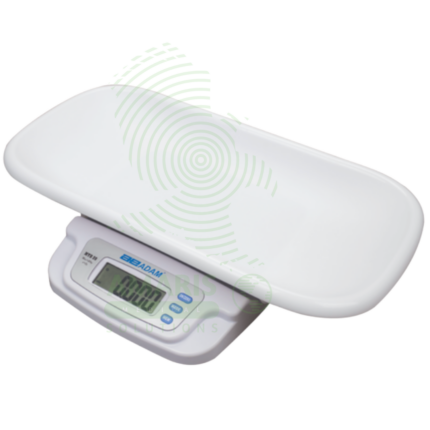
Digital Baby Weighing Scale
A Digital Baby Weighing Scale is a high-precision medical device designed exclusively for the safe and accurate measurement of infant and toddler weight. Featuring a stable, hygienic platform with gram-level precision, it is indispensable in hospitals (especially NICUs), pediatric clinics, and community health settings. Its core functions—such as hold, tare, and zeroing—ensure reliable readings even with a moving child. Accurate weight data is foundational for assessing growth, calculating medication doses, managing nutrition, and detecting early signs of health issues, making this scale a critical tool for safeguarding infant health and development.
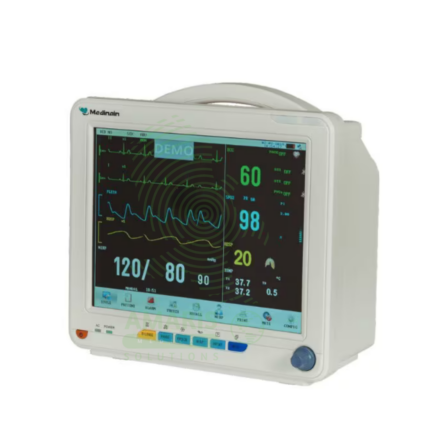
ECG Machine
An ECG Machine is a Class II medical device that records and displays the electrical activity of the heart through surface electrodes, producing an electrocardiogram for diagnosis of cardiac conditions. Standard diagnostic machines record 12 simultaneous leads (3 limb, 6 precordial, 1 ground) with frequency response 0.05-150 Hz, sampling rate 500-1,000 Hz, and high-resolution (5-10 µV) signal acquisition. Features include color touchscreen display, thermal array printer, computerized interpretation algorithms, internal memory (50-500+ ECGs), and network connectivity for EMR integration. Lead wires (AHA or IEC color coding) connect to disposable adhesive electrodes. Portable models (5-15 kg) with rechargeable batteries enable bedside and mobile use; cart-mounted units provide full diagnostic capability. Primary clinical applications include diagnosis of arrhythmias (AF, VT, bradycardia), detection of myocardial ischemia/infarction (STEMI, NSTEMI), evaluation of chest pain, preoperative cardiac risk assessment, monitoring electrolyte imbalances, assessment of chamber enlargement, and drug effect/toxicity monitoring. Essential diagnostic equipment in emergency departments, cardiology clinics, ICUs, operating rooms, and primary care settings worldwide.
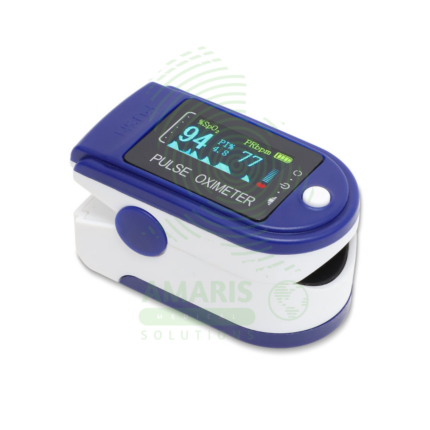
Fingertip Pulse Oximeter
A Fingertip Pulse Oximeter is a compact, non-invasive medical device that clips onto a finger to measure peripheral arterial oxygen saturation (SpO2) and pulse rate in seconds. Utilizing light-based technology, it provides critical, real-time data on respiratory and circulatory status. Its portability and ease of use make it indispensable in hospitals (from ORs to general wards), for patients managing chronic lung conditions at home, and for situational monitoring in sports or high-altitude environments. While an extremely valuable screening tool, readings must be interpreted in context, considering factors like patient movement, perfusion, and clinical symptoms.
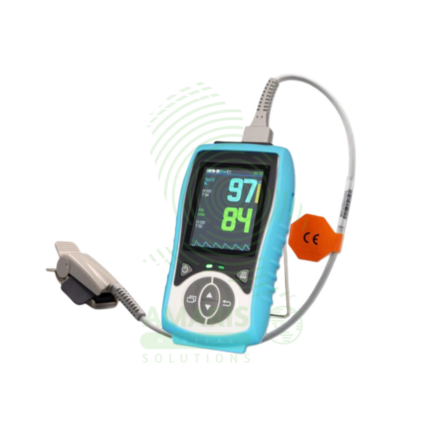
Handheld Pulse Oximeter
A Handheld Pulse Oximeter is a professional-grade, portable medical device used by healthcare providers for accurate and reliable monitoring of blood oxygen saturation (SpO2) and pulse rate. It consists of a durable, feature-rich monitor unit and separate, interchangeable sensors for use on fingers, toes, or ears. Superior to basic fingertip models, it offers advanced functions like configurable alarms, detailed plethysmograph display, trend memory, and data connectivity. Its robust design, clinical accuracy under challenging conditions (motion, low perfusion), and versatility make it an essential tool in hospitals, clinics, ambulances, and home health for patient assessment and monitoring.
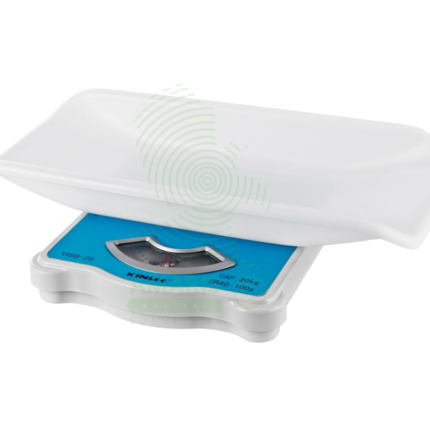
Manual Baby Weighing Scale
A Manual Baby Weighing Scale is a simple, mechanical device used to measure infant weight without the need for electricity or batteries. Operating on a spring or balance principle, it features a suspended sling or seat and a dial display. Its primary advantage is durability and portability for use in community health, outreach programs, and areas with unreliable power. While less precise than digital scales, it provides a reliable and accessible means to monitor growth trends and screen for undernutrition in resource-limited settings, making it a vital tool for basic pediatric care in the field.
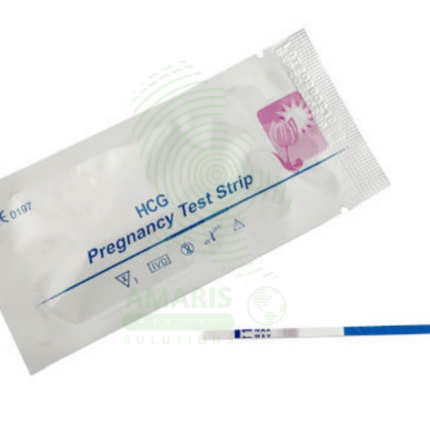
Pregnancy Test Strips
Pregnancy Test Strips are simple, dip-style lateral flow devices designed for the rapid, qualitative detection of human chorionic gonadotropin (hCG) in urine to indicate pregnancy. As the most fundamental format of home pregnancy tests, they offer high sensitivity (often from 10 mIU/mL), affordability, and a quick result within 3-5 minutes. Their ease of use makes them a widely accessible first step in pregnancy detection for personal use and clinical screening. A visible test line, even if faint, is a positive result, though confirmation with a healthcare provider is always recommended.
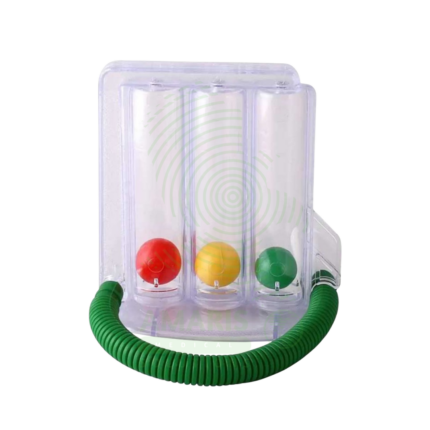
Spirometer
A Spirometer is an essential diagnostic medical device used to measure how much and how quickly air can be inhaled and exhaled by the lungs. By performing forced breathing maneuvers, it generates key parameters—primarily Forced Vital Capacity (FVC) and Forced Expiratory Volume in 1 second (FEV1)—that are fundamental for diagnosing and monitoring obstructive and restrictive lung diseases like Asthma and COPD. Requiring daily calibration and strict adherence to international standards (ATS/ERS), it provides the objective, reproducible data needed for clinical decision-making in pulmonology, primary care, occupational health, and pre-operative assessment.