Dermatoscope and Magnifiers
 Diagnostic Kits
 Vital Signs Monitors
 Stethoscopes and Accessories
 Otoscopes, Ophthalmoscopes, and Retinoscopes
 Reflex Hammers and Neurological Tools
 Scales and Measuring Devices
 Spirometers and Pulmonary Function Tests
 Electrosurgical Units and Accessories
 Cutting Instruments
 Grasping and Holding Instruments
 Hemostatic Instruments
 Specialized Surgical Sets
 Single-Use Procedure Trays and Packs
 Surgical Drapes, Gowns, and Covers
 Tissue Unifying Instruments
 Radiation Protection
 X-Ray Machines and Accessories
 Ultrasound Systems and Probes
 MRI and CT Scanners
 Radiology Consumables
 Bone Densitometers
 Fluoroscopy Equipment
 Imaging Tables and Positioning Aids
 Microscopes and Accessories
 Centrifuges and Separators
 Analyzers
 Incubators and Ovens
 Pipettes, Dispensers, and Lab Glassware
 Refrigerators, Freezers, and Storage Units
 Lab Consumables
 Sterilizers and Autoclaves for Lab Use
 Multi-Parameter Monitors
 Ventilators and Respiratory Support Devices
 Defibrillators and AEDs
 Infusion Pumps and IV Systems
 Patient Warmers and Cooling Devices
 Central Monitoring Stations
 Accessories
 Anesthesia Machines and Workstations
 Oxygen Concentrators and Delivery Systems
 Nebulizers and Inhalers
 CPAP/BiPAP Machines
 Airway Management
 Anesthesia Masks, Circuits, and Bags
 Humidifiers and Heaters
 Respiratory Therapy Accessories
 First Aid Kits and Cabinets
 Emergency Resuscitation Equipment
 Trauma Supplies
 Emergency Carts and Crash Carts
 Burn Care Products
 Bleeding Control
 Automated External Defibrillators (AEDs)
 Transport and Evacuation
 Wheelchairs and Accessories
 Walkers, Crutches, and Canes
 Prosthetics and Orthotics
 Physical Therapy Equipment
 Transfer Devices
 Bathroom Safety
 Orthopedic Traction and Tables
 Hot/Cold Therapy Packs and Units
 Beds and Mattresses
 Chairs and Stools
 Tables
 Cabinets and Storage
 Privacy Screens & Curtains
 Stands and Racks
 Linens and Textiles
 Lighting
 Autoclaves and Sterilizers
 Ultrasonic Cleaners
 Disinfectant Solutions and Wipes
 Sterilization Pouches, Wraps, and Indicators
 Instrument Trays and Containers
 UV and Ozone Disinfection Devices
 Washer Disinfectors
 Wound Care
 Gloves
 Masks and Respirators
 Catheters and Tubing
 Swabs, Applicators, and Sponges
 Incontinence Products
 Personal Protective Equipment (PPE)
 Dental Chairs and Units
 Handpieces and Burs
 Instruments
 Consumables
 Sterilization for Dental Use
 Orthodontic Supplies
 Endodontic Tools
 Slit Lamps and Tonometers
 Lensometers and Phoropters
 Ophthalmic Surgical Instruments
 Eyewear Frames and Lenses
 Contact Lens Supplies
 Vision Testing Charts and Devices
 Eye Care Consumables
 Laser Systems for Eye Care
 ENT Exam Chairs and Tables
 Endoscopes
 Audiometers and Hearing Tests
 ENT Instruments
 Nasal and Throat Packs
 Hearing Aids and Accessories
 Otology Supplies
 Fetal Dopplers and Monitors
 Delivery Beds and Tables
 Gynecological Instruments
 Neonatal Incubators and Warmers
 Breast Pumps and Accessories
 Contraceptive Devices
 Maternity Supports and Pads
 Neonatal Consumables
 Cystoscopes and Urethroscopes
 Dialysis Machines and Supplies
 Urological Catheters and Bags
 Lithotripters
 Prostate Treatment Devices
 Urinary Incontinence Products
 Kidney Stone Management Tools
 Consumables & Disposables
 EEG and EMG Machines
 Neurosurgical Instruments
 Nerve Stimulators
 Headrests and Positioning Aids
 Lumbar Puncture Kits
 Seizure Monitoring Devices
 Consumables
 Rehabilitation for Neurological Conditions
 ECG Machines and Accessories
 Holter Monitors
 Stress Test Systems
 Pacemakers and Defibrillator Accessories
 Vascular Access Devices
 Cardiac Catheters and Guidewires
 Blood Flow Meters
 Consumables
 Orthopedic Instruments
 Casts, Splints, and Padding
 Joint Replacement Supplies
 Prosthetic Limbs and Components
 Bone Grafts and Substitutes
 Traction Devices
 Orthopedic Braces and Supports
 Rehabilitation Aids for Orthopedics
 Home Oxygen Therapy
 Hospital Beds for Home Use
 Mobility Aids
 Bathroom and Daily Living Aids
 Wound Care for Home
 Monitoring Devices
 Enteral Feeding Pumps and Tubes
 Hand Sanitizers and Dispensers
 Face Shields and Goggles
 Isolation Gowns and Suits
 Biohazard Waste Containers
 Air Purifiers and HEPA Filters
 Surface Disinfectants
 Sharps Containers
 Protective Barriers
 Cardiovascular & Endurance Training
 Strength Training & Weightlifting
 Functional Training & Core Conditioning
 Physical Therapy & Rehabilitation
 Sports & Outdoor Recreation
 Gym Flooring & Facility Equipment
 Fitness Monitoring & Accessories
 Kids & Novelties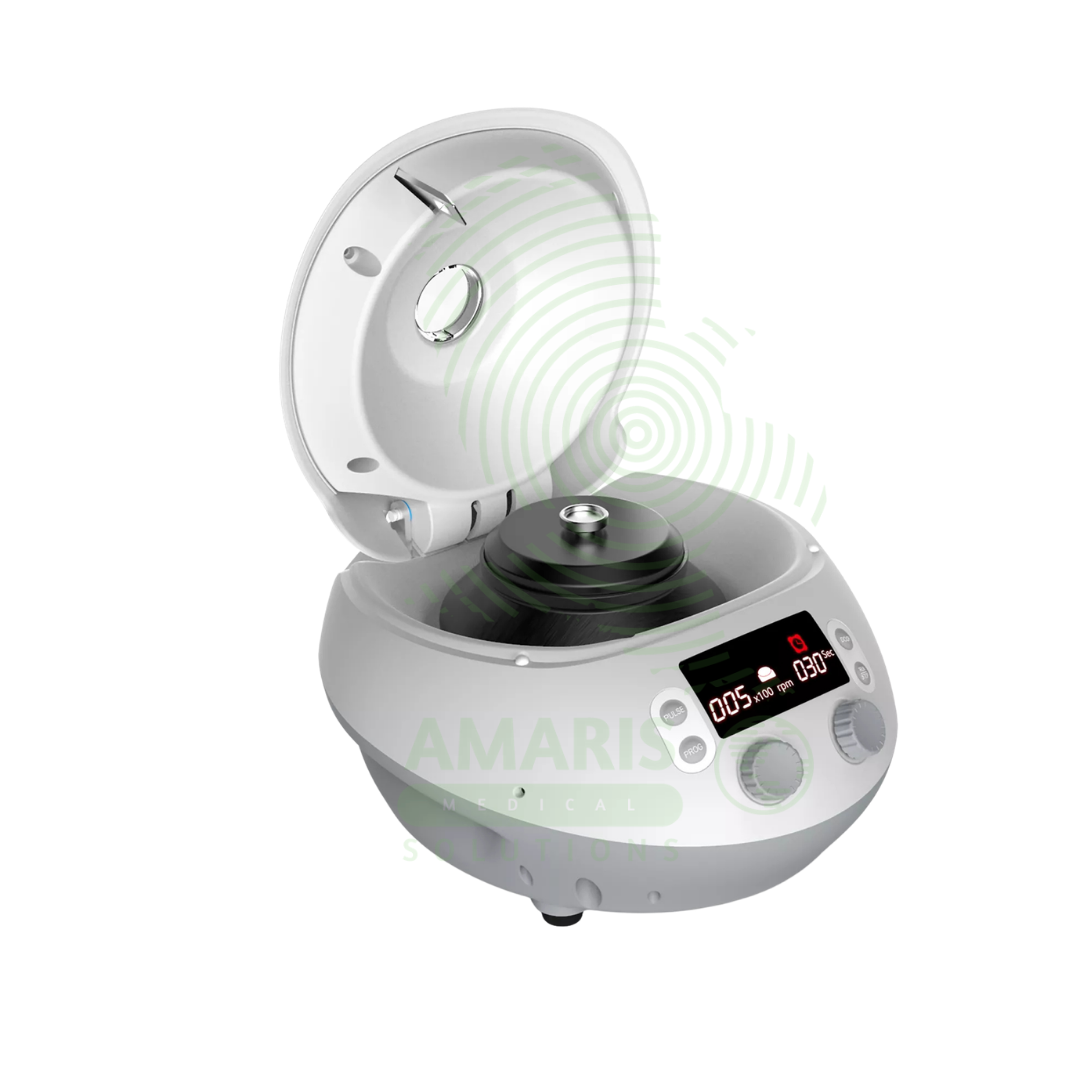
High Speed Micro Centrifuge
$1.00
WhatsApp Order
A High Speed Micro Centrifuge is a compact benchtop laboratory instrument designed for rapid separation of small-volume samples (0.2-2.0 mL) at speeds up to 30,000 RPM and RCF up to 65,000 x g. Available with fixed-angle or swinging-bucket rotors, digital controls, programmable protocols, imbalance detection, and safety lid lock. Refrigerated models maintain temperatures from -20°C to +40°C for temperature-sensitive applications. Primary clinical applications include DNA, RNA, and nucleic acid extraction for molecular diagnostics, protein precipitation and analysis for biochemistry, cell lysis and fractionation, microorganism and bacterial pelleting for microbiology, virus particle concentration, microvolume sample preparation for clinical chemistry, and rapid phase separation in extraction protocols. Essential equipment in molecular biology, clinical research, diagnostic laboratories, and biotechnology settings requiring rapid, efficient processing of small samples with high centrifugal forces.
Description
High Speed Micro Centrifuge
PRIMARY CLINICAL & DIAGNOSTIC USES
1. DNA, RNA, and Nucleic Acid Extraction:
-
Primary Use: High-speed micro centrifuges are essential for molecular biology protocols, spinning samples at high speeds to pellet nucleic acids during extraction and purification procedures for PCR, sequencing, and genetic testing applications.
-
How it helps: Enables scientists and clinicians to extract pure genetic material from cells, providing the foundation for tests that diagnose genetic disorders, identify infectious agents, and guide personalized cancer treatment.
2. Protein Precipitation and Analysis:
-
Primary Use: Used to pellet proteins and cellular debris during protein extraction, enabling purification of protein samples for Western blotting, ELISA, and other protein analysis techniques.
-
How it helps: Allows researchers to study the proteins that carry out the work of cells, helping them understand diseases at the molecular level and develop targeted therapies.
3. Cell Lysis and Fractionation:
-
Primary Use: Rapid centrifugation separates cellular components (nuclei, mitochondria, membranes) from lysed cells, enabling study of subcellular fractions in research and clinical applications.
-
How it helps: Lets scientists take cells apart to study their individual components, understanding how each part functions and what goes wrong in diseases that affect specific organelles.
4. Microorganism and Bacterial Pel letting:
-
Primary Use: Concentrates bacteria, yeast, and other microorganisms from liquid cultures or clinical specimens for downstream applications including Gram staining, culture, and molecular identification.
-
How it helps: Helps microbiology laboratories concentrate tiny amounts of bacteria from patient samples, making it easier to identify the organisms causing infections and determine the best antibiotics for treatment.
5. Phage Display and Virus Particle Concentration:
-
Primary Use: Used to pellet virus particles and bacteriophages from supernatants in virology research and diagnostic applications.
-
How it helps: Supports virology research and diagnostic testing by concentrating virus particles from large volumes, enabling their detection and study even when present in very small quantities.
6. Microvolume Sample Preparation:
-
Primary Use: Processes small volumes (0.2-2.0 mL) for various clinical laboratory applications including clinical chemistry, immunoassays, and specialized diagnostic testing.
-
How it helps: Makes it possible to perform dozens of different tests on tiny samples, which is especially important when working with precious patient samples or when only small volumes are available.
7. Rapid Phase Separation:
-
Primary Use: Separates aqueous and organic phases in extraction protocols (phenol-chloroform extractions) commonly used in molecular biology and clinical research.
-
How it helps: Quickly and cleanly separates different layers in extraction procedures, ensuring that researchers recover pure DNA, RNA, or proteins without contamination from organic solvents.
SECONDARY & SUPPORTIVE USES
1. Clinical Research Studies: Used in translational research laboratories for processing patient samples in studies of disease biomarkers and genetic variants, accelerating the translation of research discoveries into clinical practice.
2. Biotechnology and Pharmaceutical Development: Essential for drug discovery, vaccine development, and bioprocessing applications requiring rapid separation of small volumes, supporting the development of new therapies.
3. Forensic DNA Analysis: Used in forensic laboratories for DNA extraction from evidentiary samples including blood, saliva, and tissues, helping solve crimes and bring justice to victims.
4. Veterinary Diagnostic Testing: Processes samples for molecular and serological testing in veterinary medicine, helping veterinarians diagnose and treat illnesses in animals.
5. Environmental Microbiology Testing: Concentrates microorganisms from water and environmental samples for testing, monitoring environmental safety and public health.
6. Educational and Teaching Laboratories: Essential equipment for teaching molecular biology techniques in medical and graduate education, training the next generation of scientists and clinicians.
7. Quality Control in Food and Beverage Industry: Used for microbiological testing and quality assurance applications, ensuring food safety for consumers.
KEY PRODUCT FEATURES
1. BASIC IDENTIFICATION ATTRIBUTES
-
Product Type: Compact, high-speed centrifuge designed for rapid separation of small-volume samples.
-
Common Names: Microcentrifuge, High-Speed Micro Centrifuge, Benchtop Microcentrifuge, Mini Centrifuge, High-G Microcentrifuge.
-
Rotor Types:
-
Fixed-Angle Rotor: Most common; holds tubes at fixed angle (typically 45°); faster pelleting.
-
Swinging-Bucket Rotor: Buckets swing out horizontally; for gradient separations and larger volumes.
-
-
Rotor Capacity: 12-24 × 1.5/2.0 mL microcentrifuge tubes; some models accept 0.2 mL PCR tubes and 0.5 mL tubes with adapters.
-
Maximum Speed: 12,000-30,000 RPM depending on model.
-
Maximum RCF: 10,000-65,000 x g.
-
Drive System: Brushless induction motor (most modern) for quiet, maintenance-free operation.
-
Display: Digital LCD or LED showing speed/RCF, time, and program status.
-
Controls: Touchpad or rotary knob for programming.
-
Timing: Digital timer from 1-99 minutes or continuous run; some models include short-spin function.
-
Program Memory: Stores multiple protocols for frequently used applications.
-
Temperature Control: Some models offer refrigeration (4°C to ambient) for temperature-sensitive samples.
2. TECHNICAL & PERFORMANCE PROPERTIES
-
Speed Range: 500-30,000 RPM depending on model.
-
RCF Range: Up to 65,000 x g (varies by rotor and speed).
-
Acceleration/Deceleration: Programmable rates for gentle or rapid separation.
-
Imbalance Detection: Automatic shutoff if load is unbalanced, protecting rotor and motor.
-
Lid Lock: Automatic locking during operation for safety; prevents opening while rotor spinning.
-
Noise Level: 45-65 dB depending on model and speed.
-
Cooling (Refrigerated Models): -20°C to +40°C for temperature-sensitive samples.
-
Short Spin Mode: Pulse function for quick spins.
-
Rotor Recognition: Automatic rotor identification for correct speed limits.
-
Power Requirements: 100-240 VAC, 50/60 Hz.
3. PHYSICAL & OPERATIONAL PROPERTIES
-
Dimensions: 20-40 cm × 25-45 cm × 15-30 cm (compact benchtop).
-
Weight: 10-30 kg depending on model and refrigeration.
-
Construction: Durable ABS plastic or steel exterior; stainless steel bowl interior.
-
Display: Digital LCD or LED with backlight.
-
Rotor Compatibility: Fixed-angle rotors (standard) or interchangeable rotors for different tube types.
-
Tube Types: 1.5 mL, 2.0 mL microcentrifuge tubes; 0.2 mL PCR tubes; 0.5 mL tubes with adapters.
-
Accessories: Tube adapters, rotor exchange tools, spare o-rings.
-
Certifications: Meets relevant safety and quality standards.
4. SAFETY & COMPLIANCE ATTRIBUTES
-
Regulatory Status: Class I medical device (FDA, CE marked for IVD use when used with IVD applications).
-
Safety Standards: Complies with IEC 61010-2-020 for safety requirements for centrifuges.
-
Imbalance Detection: Automatic shutoff if load unbalanced, prevents damage and sample loss.
-
Lid Lock: Mechanical or electronic lock prevents opening while rotor spinning.
-
Emergency Lid Release: Manual release in case of power failure.
-
Over-speed Protection: Prevents operation above rotor's maximum rated speed.
-
Biohazard Safety: Sealed rotors or buckets available for infectious samples.
-
Quality Management: Manufactured under ISO 13485 or ISO 9001 certified processes.
5. STORAGE & HANDLING ATTRIBUTES
-
Storage: Store in a clean, dry laboratory environment; avoid dust, humidity, and temperature extremes.
-
Installation: Place on rigid, level, non-flammable surface; ensure adequate ventilation.
-
Cleaning: Wipe exterior with mild detergent; disinfect with EPA-registered disinfectant if spills occur. Clean rotor and bowl per manufacturer instructions.
-
Rotor Care: Inspect regularly for corrosion or cracks; clean and dry after each use.
-
Calibration: Annual speed and temperature (refrigerated models) calibration verification recommended.
-
Maintenance: Regular preventive maintenance per manufacturer schedule.
-
Inspection: Before each use, inspect the rotor for cracks or damage; check lid lock function; verify balance.
6. LABORATORY & CLINICAL APPLICATIONS
-
Primary Application: Rapid separation of small-volume samples (0.2-2.0 mL) for molecular biology, biochemistry, and clinical diagnostic applications.
-
Typical Protocols:
-
DNA/RNA Extraction: 12,000-16,000 x g for 1-10 minutes.
-
Protein Precipitation: 10,000-20,000 x g for 5-15 minutes.
-
Cell Pel letting: 1,000-5,000 x g for 3-10 minutes.
-
Phase Separation: 12,000-16,000 x g for 5-10 minutes.
-
Microorganism Concentration: 10,000-15,000 x g for 5-15 minutes.
-
-
Sample Compatibility:
-
Standard Microcentrifuge Tubes: 1.5 mL, 2.0 mL.
-
PCR Tubes/Strips: 0.2 mL (with adapters).
-
Cryovials: Some models accommodate smaller cryogenic vials.
-
-
Limitations: Limited to small volumes; not suitable for large-volume clinical samples (e.g., 15 mL, 50 mL tubes).
SAFETY HANDLING PRECAUTIONS
1. SAFETY PRECAUTIONS
-
Balancing Loads: Always balance tubes by weight (not just number). Opposing tubes must have the same weight ±0.1-0.5 grams. Imbalance causes damage, inaccurate results, and potential injury.
-
Tube Compatibility: Use only tubes rated for the speed and RCF generated; tubes may explode if exceeded.
-
Rotor Inspection: Inspect rotors regularly for corrosion, cracks, or white deposits (aluminum corrosion). Replace immediately if damaged.
-
Overloading: Never exceed rotor's maximum rated speed or sample volume.
-
Biohazard Safety: Use sealed rotors or sealed tubes for infectious samples. Clean spills immediately.
-
Lid Lock: Never attempt to open the lid while is rotor spinning; wait for complete stop.
-
Temperature-Sensitive Samples: Use refrigerated model or pre-chill rotor for temperature-sensitive applications.
-
Training: Only trained personnel should operate centrifuges.
-
Chemical Resistance: Ensure tubes and rotors are compatible with chemicals used (organic solvents may damage plastics).
2. FIRST AID MEASURES
-
Tube Breakage During Run: Stop centrifuge immediately. Do not open the lid for 30 minutes to allow aerosol settling. Wear PPE and carefully remove broken tube fragments. Disinfect rotor and bowl thoroughly.
-
Chemical Spill: Follow chemical spill protocol; use appropriate PPE and absorbent materials.
-
Biohazard Spill: Contain with absorbent material; disinfect area with 10% bleach solution; dispose as biohazard waste.
-
Eye Contact with Contents: Flush eyes with copious water for 15 minutes; seek medical attention.
-
Electrical Malfunction: Disconnect power; do not use until serviced.
3. FIRE FIGHTING MEASURES
-
Flammability: Electrical components and plastic parts combustible.
-
Extinguishing Media: For electrical fire, use CO₂ or dry chemical (Class C) extinguisher; water may be used for surrounding materials.
-
Power Off: Disconnect power if safe to do so.
Related products
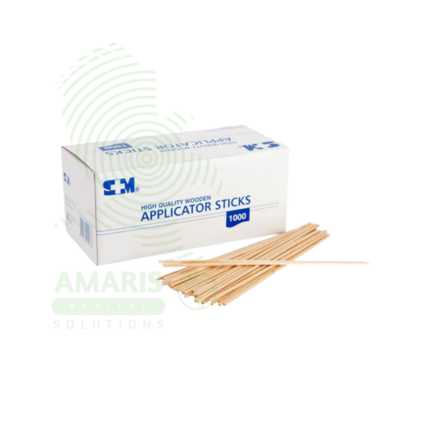
Applicator Sticks
Applicator Sticks are single-use medical devices with absorbent tips (cotton, rayon, flocked polyester) on wood, plastic, or paper shafts for collecting clinical specimens (throat, nasal, wound, cervical, urethral, rectal) for microbiological culture, rapid testing, and molecular diagnostics. Sterile individually wrapped or non-sterile bulk formats. Flocked swabs provide >90% specimen release for PCR testing. Primary applications include specimen collection for infection diagnosis, wound care and antiseptic application, gynecological sampling (Pap smears, STI testing), eye/ear specimen collection, laboratory slide preparation, and forensic evidence collection. Critical precautions include single-use only, sterile technique, proper collection method, and biohazard disposal. Essential consumable in all clinical settings.
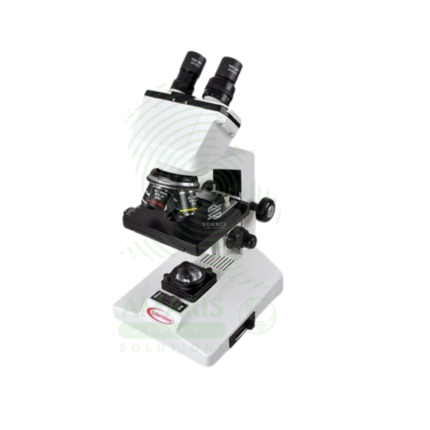
Binocular Microscope
A Binocular Microscope is a high-precision, compound optical instrument fundamental to clinical diagnostics. Featuring dual eyepieces for comfortable viewing and a suite of parfocal objective lenses (4x, 10x, 40x, 100x oil), it provides magnifications from 40x to 1000x. Its integrated LED illumination, mechanical stage, and Abbe condenser enable the detailed examination of stained blood films, tissue sections, microbiological specimens, and cytological preparations. As the primary tool for pathologists and laboratory scientists, it is indispensable for definitive diagnoses in hematology, histopathology, microbiology, and urinalysis, demanding skilled operation and meticulous maintenance for optimal performance.
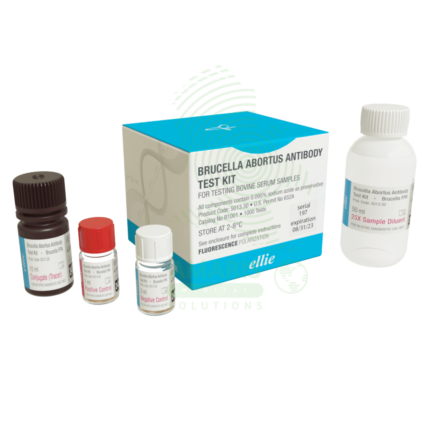
Brucella Set
A Brucella Set is a comprehensive serological test system (Class II medical device, CE-marked/FDA-cleared) for qualitative and quantitative detection of antibodies against Brucella species (B. abortus, B. melitensis, B. suis, B. canis) using multiple methodologies including tube agglutination, slide agglutination, and 2-mercaptoethanol (2-ME) testing. The set includes killed, stained Brucella antigens, positive and negative controls, dilution tubes, reaction cards, and 2-ME reagent for IgM/IgG differentiation. Diagnostic titer ≥1:160 or fourfold rise confirms brucellosis. Primary clinical applications include diagnosis of brucellosis in endemic regions (undulant fever, night sweats, arthralgia), fever of unknown origin investigation, occupational health screening in high-risk workers (veterinarians, farmers, slaughterhouse workers), diagnosis of focal complications (sacroiliitis, spondylitis, meningitis, endocarditis), treatment monitoring (fourfold decline indicates response), outbreak investigation, and public health surveillance. Critical safety precautions include handling all samples in biosafety cabinet (Brucella is highly infectious via aerosol), 2-ME reagent toxicity (use fume hood), awareness of prozone phenomenon (serial dilutions essential), cross-reactions with other Gram-negative bacteria, and mandatory reporting to public health authorities. Essential test for brucellosis diagnosis in endemic regions and occupational health settings.
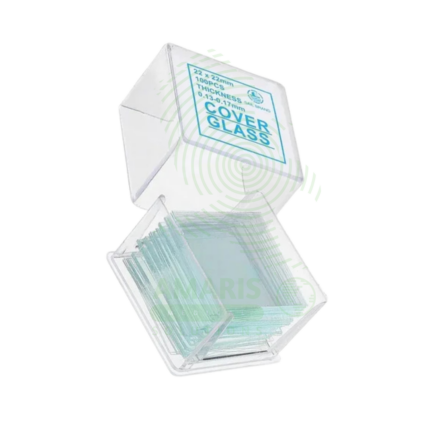
Cover Glass
Cover Glass (coverslips) are thin, transparent glass or plastic squares (e.g., 18×18 mm, 22×22 mm) or rectangles (22×30 mm, 24×50 mm) used to cover specimens on microscope slides for microscopic examination. Available in thickness No. 1 (0.13-0.16 mm) and No. 1.5 (0.16-0.19 mm) for optimal microscopy. Made from optical glass with high light transmission (>90%), refractive index 1.52 matching immersion oil. Packaged in boxes of 100-1000, interleaved with paper to prevent scratching. Primary clinical applications include covering blood films for manual differential counts and malaria diagnosis, wet mount preparations of urine sediment and vaginal secretions, histopathology and cytology slides, Gram-stained bacterial smears, semen analysis, KOH preparations for fungal elements, and India ink preparations for Cryptococcus. Critical safety precautions include handling with forceps (sharp edges), disposing of broken coverslips in sharps containers, avoiding fingerprints on optical surface, and proper disposal of biohazard-contaminated coverslips. Essential consumable in every clinical laboratory performing microscopy.
Fridge Thermometer
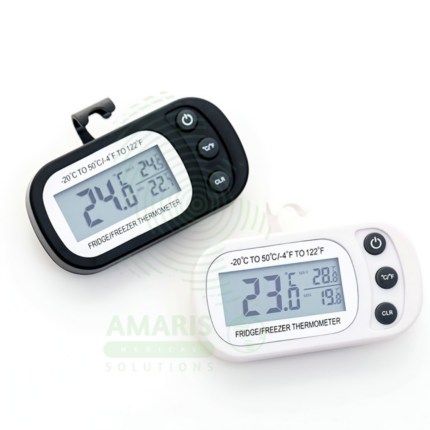
A Fridge Thermometer is a precision temperature monitoring device designed for continuous use inside medical and laboratory refrigerators and freezers. Its primary role is to safeguard the potency of vaccines, medications, and biological samples by ensuring storage temperatures remain within a critical specified range (e.g., +2°C to +8°C). Available in analog or digital formats, accurate models with memory functions are essential for compliance with cold chain protocols, requiring daily monitoring, logging, and regular calibration. It is a fundamental quality control tool in pharmacies, clinics, immunization centers, and laboratories.
H.pylori test kits (Antigen)
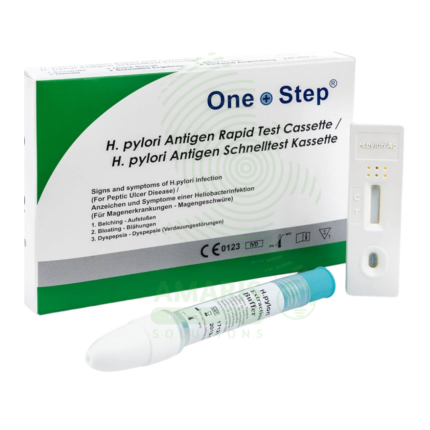
H.pylori test kits (Antigen) are Class II medical devices (FDA-cleared/CE-marked) for rapid immunochromatographic or enzyme immunoassay detection of Helicobacter pylori antigens in stool specimens, enabling non-invasive diagnosis of active infection and post-treatment eradication confirmation. Test principles use monoclonal or polyclonal antibodies specific to H. pylori antigens, producing visible results in 10-20 minutes (rapid tests) or 1-2 hours (EIA). Sensitivity 90-98%, specificity 92-99% compared to gold standard methods. Primary clinical applications include rapid diagnosis of H. pylori infection in patients with dyspepsia, initial screening in uncomplicated dyspepsia (test-and-treat strategy), confirmation of active infection before therapy, post-treatment eradication confirmation (4-6 weeks after therapy), pediatric testing (preferred non-invasive method), screening in high-risk populations (family history of gastric cancer), and monitoring in patients with peptic ulcer disease or MALT lymphoma. Critical safety precautions include mandatory washout period (4 weeks off antibiotics, 2 weeks off PPIs) to avoid false negatives, proper specimen handling (universal precautions), refrigerated storage of kits (2-30°C), quality control verification, and disposal as biohazardous waste. Essential non-invasive tool for H. pylori management in gastroenterology and primary care.
Hepatitis B Test Kit
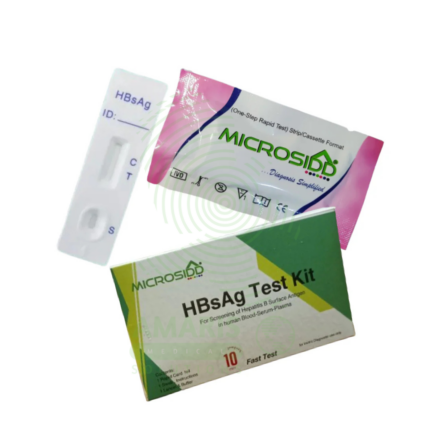
The Hepatitis B Test Kit is an in vitro diagnostic device for the detection of Hepatitis B virus markers in human blood samples, available in rapid, ELISA, and molecular formats. It detects specific antigens (HBsAg) and antibodies (anti-HBc, anti-HBs) to diagnose acute and chronic infection, monitor treatment response, screen blood donations, and determine immunity status. With high sensitivity (>98%) and specificity (>99%), it provides results in 15 minutes to 4 hours depending on format. Essential applications include prenatal screening to prevent mother-to-child transmission, evaluation of acute hepatitis, pre-immunosuppression screening, and occupational health testing. All patient samples must be handled with universal precautions, and testing must include appropriate quality controls.