Dermatoscope and Magnifiers
 Diagnostic Kits
 Vital Signs Monitors
 Stethoscopes and Accessories
 Otoscopes, Ophthalmoscopes, and Retinoscopes
 Reflex Hammers and Neurological Tools
 Scales and Measuring Devices
 Spirometers and Pulmonary Function Tests
 Electrosurgical Units and Accessories
 Cutting Instruments
 Grasping and Holding Instruments
 Hemostatic Instruments
 Specialized Surgical Sets
 Single-Use Procedure Trays and Packs
 Surgical Drapes, Gowns, and Covers
 Tissue Unifying Instruments
 Radiation Protection
 X-Ray Machines and Accessories
 Ultrasound Systems and Probes
 MRI and CT Scanners
 Radiology Consumables
 Bone Densitometers
 Fluoroscopy Equipment
 Imaging Tables and Positioning Aids
 Microscopes and Accessories
 Centrifuges and Separators
 Analyzers
 Incubators and Ovens
 Pipettes, Dispensers, and Lab Glassware
 Refrigerators, Freezers, and Storage Units
 Lab Consumables
 Sterilizers and Autoclaves for Lab Use
 Multi-Parameter Monitors
 Ventilators and Respiratory Support Devices
 Defibrillators and AEDs
 Infusion Pumps and IV Systems
 Patient Warmers and Cooling Devices
 Central Monitoring Stations
 Accessories
 Anesthesia Machines and Workstations
 Oxygen Concentrators and Delivery Systems
 Nebulizers and Inhalers
 CPAP/BiPAP Machines
 Airway Management
 Anesthesia Masks, Circuits, and Bags
 Humidifiers and Heaters
 Respiratory Therapy Accessories
 First Aid Kits and Cabinets
 Emergency Resuscitation Equipment
 Trauma Supplies
 Emergency Carts and Crash Carts
 Burn Care Products
 Bleeding Control
 Automated External Defibrillators (AEDs)
 Transport and Evacuation
 Wheelchairs and Accessories
 Walkers, Crutches, and Canes
 Prosthetics and Orthotics
 Physical Therapy Equipment
 Transfer Devices
 Bathroom Safety
 Orthopedic Traction and Tables
 Hot/Cold Therapy Packs and Units
 Beds and Mattresses
 Chairs and Stools
 Tables
 Cabinets and Storage
 Privacy Screens & Curtains
 Stands and Racks
 Linens and Textiles
 Lighting
 Autoclaves and Sterilizers
 Ultrasonic Cleaners
 Disinfectant Solutions and Wipes
 Sterilization Pouches, Wraps, and Indicators
 Instrument Trays and Containers
 UV and Ozone Disinfection Devices
 Washer Disinfectors
 Wound Care
 Gloves
 Masks and Respirators
 Catheters and Tubing
 Swabs, Applicators, and Sponges
 Incontinence Products
 Personal Protective Equipment (PPE)
 Dental Chairs and Units
 Handpieces and Burs
 Instruments
 Consumables
 Sterilization for Dental Use
 Orthodontic Supplies
 Endodontic Tools
 Slit Lamps and Tonometers
 Lensometers and Phoropters
 Ophthalmic Surgical Instruments
 Eyewear Frames and Lenses
 Contact Lens Supplies
 Vision Testing Charts and Devices
 Eye Care Consumables
 Laser Systems for Eye Care
 ENT Exam Chairs and Tables
 Endoscopes
 Audiometers and Hearing Tests
 ENT Instruments
 Nasal and Throat Packs
 Hearing Aids and Accessories
 Otology Supplies
 Fetal Dopplers and Monitors
 Delivery Beds and Tables
 Gynecological Instruments
 Neonatal Incubators and Warmers
 Breast Pumps and Accessories
 Contraceptive Devices
 Maternity Supports and Pads
 Neonatal Consumables
 Cystoscopes and Urethroscopes
 Dialysis Machines and Supplies
 Urological Catheters and Bags
 Lithotripters
 Prostate Treatment Devices
 Urinary Incontinence Products
 Kidney Stone Management Tools
 Consumables & Disposables
 EEG and EMG Machines
 Neurosurgical Instruments
 Nerve Stimulators
 Headrests and Positioning Aids
 Lumbar Puncture Kits
 Seizure Monitoring Devices
 Consumables
 Rehabilitation for Neurological Conditions
 ECG Machines and Accessories
 Holter Monitors
 Stress Test Systems
 Pacemakers and Defibrillator Accessories
 Vascular Access Devices
 Cardiac Catheters and Guidewires
 Blood Flow Meters
 Consumables
 Orthopedic Instruments
 Casts, Splints, and Padding
 Joint Replacement Supplies
 Prosthetic Limbs and Components
 Bone Grafts and Substitutes
 Traction Devices
 Orthopedic Braces and Supports
 Rehabilitation Aids for Orthopedics
 Home Oxygen Therapy
 Hospital Beds for Home Use
 Mobility Aids
 Bathroom and Daily Living Aids
 Wound Care for Home
 Monitoring Devices
 Enteral Feeding Pumps and Tubes
 Hand Sanitizers and Dispensers
 Face Shields and Goggles
 Isolation Gowns and Suits
 Biohazard Waste Containers
 Air Purifiers and HEPA Filters
 Surface Disinfectants
 Sharps Containers
 Protective Barriers
 Cardiovascular & Endurance Training
 Strength Training & Weightlifting
 Functional Training & Core Conditioning
 Physical Therapy & Rehabilitation
 Sports & Outdoor Recreation
 Gym Flooring & Facility Equipment
 Fitness Monitoring & Accessories
 Kids & Novelties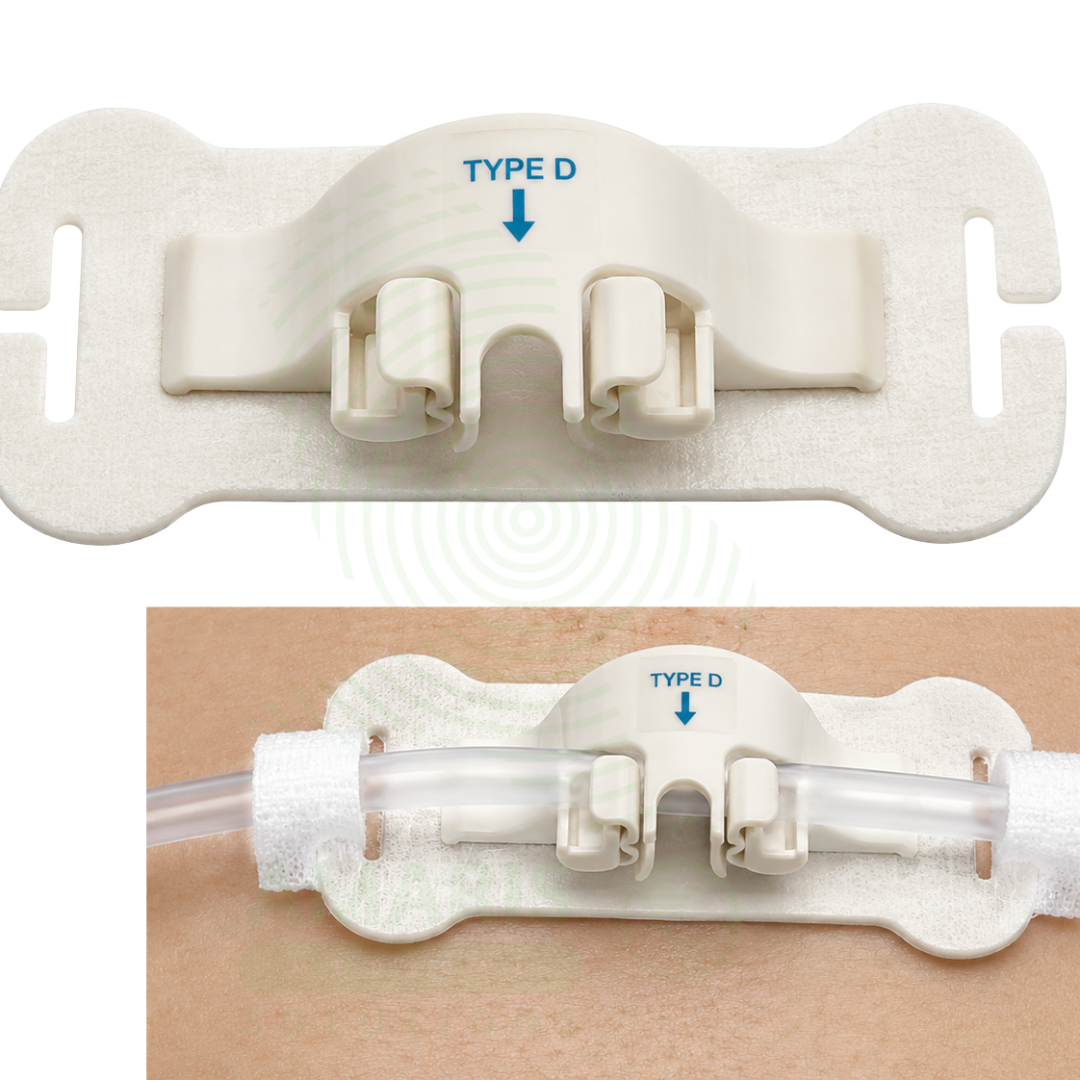
Body surface conduit fixing device – Type D
WhatsApp Order
Description
Body Surface Conduit Fixing Device – Type D
PRIMARY CLINICAL & DIAGNOSTIC USES
1. Advanced Mechanical Fixation for Large-Bore Drainage Catheters
-
Primary Use: Provides a sterile, single-use catheter fixation device featuring a specialized plastic mechanical lock (polypropylene buckle) or “airplane-type” fixation mechanism designed for securing large-bore drainage catheters (F26-F30) in thoracic and abdominal surgery patients .
-
How it helps: For the thoracic surgeon, general surgeon, and critical care nurse, the Type D device incorporates a rigid or semi-rigid mechanical clasp that snaps securely around the drainage tube, providing a positive locking action that prevents both inward migration and accidental pullout . Unlike the fabric-based wraps of Type C, the plastic buckle of Type D offers a more definitive “locked” engagement, giving clinicians audible and tactile confirmation of secure fixation. For the patient undergoing chest tube placement for pneumothorax or hemothorax, or abdominal drainage following major surgery, this advanced mechanical fixation provides superior security against dislodgement during coughing, deep breathing exercises, and early ambulation—critical activities for post-operative recovery.
2. Airplane-Type Configuration for Large Catheters
-
Primary Use: The Type D device is specifically configured for securing catheters in the F26-F30 size range , featuring an “airplane” or “butterfly” design with extended fixation wings that distribute retention forces evenly across the skin surface .
-
How it helps: For the wound care nurse and surgical team, the Type D’s “airplane-type” fixation wings provide a larger surface area for adhesive contact, ensuring the device remains securely attached even when the drainage tube is under significant tension . This design is particularly effective for obese patients or those with thick abdominal walls where standard fixation devices may fail. For the patient, the broad, low-profile wings reduce pressure points and distribute the weight of the drainage system across a wider area, minimizing discomfort during extended wear periods (typically 7-14 days for chest tubes).
3. Superior Tensile Strength for High-Risk Patient Populations
-
Primary Use: Engineered with reinforced polypropylene buckle components and high-adhesion backing materials to withstand the substantial pull forces associated with large-bore catheters (F26-F36) in active or confused patients .
-
How it helps: For the intensive care unit (ICU) nurse caring for patients with delirium, agitation, or altered mental status, the Type D device provides an extra margin of safety against accidental self-extubation of chest tubes or abdominal drains. The mechanical lock’s holding strength exceeds that of adhesive-only solutions, providing a physical barrier to dislodgement even when the patient pulls on the tubing. For the patient, this enhanced security reduces the risk of the traumatic experience of a tube being pulled out, the pain of re-insertion, and the potential complications of pneumothorax or surgical site contamination.
4. Transparent Design for Continuous Site Visualization
-
Primary Use: Constructed with transparent polyurethane film components that allow for direct visualization of the catheter insertion site, enabling early detection of infection, drainage, or skin breakdown without device removal .
-
How it helps: For the infection control practitioner and bedside nurse, the fully transparent design eliminates the need to remove or manipulate the fixation device during daily site assessments. Clinicians can observe the skin surrounding the insertion site for erythema, swelling, purulent drainage, or moisture-associated skin damage (MASD) through the clear dressing material. For the patient, this transparency means fewer painful dressing changes, reduced risk of introducing infection through unnecessary manipulation, and earlier intervention if complications arise.
5. Multi-Layer Construction with Hydrocolloid Absorption
-
Primary Use: Incorporates a multi-layer construction that includes a soft polyurethane foam pad positioned between the skin and the catheter, providing cushioning, absorbing minor drainage, and preventing pressure ulcers .
-
How it helps: For the wound care specialist and long-term catheter management team, the integrated foam or water-absorbing hydrocolloid pad wicks away moisture from the insertion site, reducing maceration and the risk of fungal or bacterial overgrowth. The cushioning effect also prevents pressure injury from the rigid catheter hub pressing into the skin for extended periods. For the patient with an indwelling chest tube or abdominal drain requiring weeks of immobilization, this added comfort layer significantly improves quality of life and prevents the development of painful pressure sores that would require additional treatment.
SECONDARY & SUPPORTIVE USES
1. Chest Tube Securement Following Thoracic Surgery: Used to anchor thoracostomy tubes (F26-F30 size range) placed for pneumothorax, hemothorax, or post-operative drainage following lung resection, ensuring the tube remains at the correct depth within the pleural space during coughing and deep breathing exercises .
2. Large-Bore Abdominal Drain Fixation: Secures surgical drains (F26-F30 placed in the abdominal cavity following bowel resection, gastric surgery, or pancreatic procedures, where high-output drainage systems create significant tubing weight and tension .
3. Urological Drainage Catheter Stabilization: Anchors large-bore nephrostomy tubes or suprapubic catheters used for urinary diversion in patients with obstructive uropathy or following urologic surgery.
4. Biliary Drain Securement: Used to stabilize percutaneous transhepatic biliary drainage (PTBD catheters placed for malignant or benign biliary obstruction, where long-term dwell times (weeks to months) are common.
5. Peritoneal Dialysis Catheter Fixation: Secures Tenckhoff or other peritoneal dialysis catheters at the exit site, preventing tension on the subcutaneous cuff and reducing the risk of exit-site infection and catheter migration.
6. Large-Bore Interventional Radiology Drain Stabilization: Anchors abscess drainage catheters (8-14 French and above placed by interventional radiology for deep abscesses, where the catheter must remain in place for extended periods.
7. External Ventricular Drain (EVD) Securement (Large-Bore Variants): Stabilizes cerebral spinal fluid drainage systems where the catheter exits the skull, ensuring the critical zero-reference level remains stable to prevent over-drainage or under-drainage.
8. Chronic Indwelling Catheter Management: Used in long-term care facilities and home healthcare for patients with permanent or semi-permanent drainage tubes requiring secure, durable fixation that withstands daily activities and sleep.
9. Bariatric Patient Catheter Fixation: Specifically designed for obese patients where thick abdominal walls and deep skin folds require larger, more robust fixation devices with extended adhesive wings.
10. Post-Mastectomy Drain Management (Large Volume): Secures surgical drains placed in the axilla or chest wall following breast cancer surgery with associated large dead spaces requiring prolonged drainage.
11. Trauma Patient Drain Securement: Used in the intensive care unit for multiply injured patients with multiple chest tubes and abdominal drains, where secure fixation is essential to prevent dislodgement during patient turning and repositioning.
12. Cardiothoracic Surgery Recovery: Anchors mediastinal and pleural drains following coronary artery bypass grafting (CABG or valve replacement surgery.
13. Hepatic Surgery Drain Stabilization: Secures drains placed after liver resection or transplantation, where post-operative bleeding risk requires reliable drain positioning for extended surveillance.
14. Colorectal Surgery Drain Management: Used to stabilize pelvic drains following low anterior resection or abdominoperineal resection, where drain dislodgement could lead to pelvic abscess formation.
15. Pediatric Large-Bore Catheter Securement (Adolescents): Provides secure fixation for chest tubes and abdominal drains in adolescent patients where activity levels are higher but adult-sized devices may still be appropriate.
16. Geriatric Skin Protection: The soft, foam-backed design is specifically engineered for use on fragile, thin, or easily damaged skin common in elderly patients with reduced dermal thickness.
17. Emergency Department Trauma Securement: Quickly applied in trauma bays to stabilize large-bore chest tubes and abdominal drains before patient transport to radiology, operating room, or intensive care unit.
18. Operating Room Post-Procedure Dressing: Applied immediately after chest tube or large drain placement while the patient is still under anesthesia, ensuring secure fixation before the patient wakes and begins moving.
19. High-Risk Patient Populations: Indicated for patients with altered mental status, delirium, or agitation who are at increased risk of self-extubation or accidental drain removal.
20. Home Healthcare Long-Term Line Management: Used by visiting nurses for patients discharged with indwelling chest tubes or abdominal drains requiring extended outpatient management.
21. Rehabilitation and Physical Therapy Support: Enables patients with large-bore drainage catheters to participate actively in physical therapy and ambulation without fear of line pullout during therapeutic exercise.
KEY PRODUCT FEATURES
1. BASIC IDENTIFICATION ATTRIBUTES
-
Device Type: A sterile, single-use catheter fixation device consisting of an adhesive base (涂胶覆膜无纺布,涂胶聚氨酯薄膜 and a mechanical lock (聚丙烯卡扣) specifically designed for securing large-bore drainage catheters (F26-F30 .
-
Designation: Body Surface Conduit Fixing Device - Type D, D型导管固定器, Airplane-Type Catheter Fixation Device, D-Type Catheter Stabilizer, Large-Bore Drain Securement Device .
-
Key Components:
-
Adhesive Base:涂覆医用压敏胶的水刺无纺布 (medical-grade pressure-sensitive adhesive-coated non-woven spunlace fabric)
-
Mechanical Lock:聚丙烯卡扣 (polypropylene buckle or snap-lock mechanism)
-
Cushion Layer:泡棉 (polyurethane foam pad providing comfort and absorption)
-
Transparent Film:聚氨酯膜 (polyurethane film for site visualization)
-
Carrier Dimensions: Product dimensions including 10.5×6.5 cm, 11.0×6.0 cm, 10.0×7.0 cm, and 11.0×10.0 cm
-
Fixation Wings: Extended "airplane" or "butterfly" design for enhanced adhesive surface area
-
2. TECHNICAL & PERFORMANCE PROPERTIES
-
Catheter Size Compatibility: Designed for F26-F30 (French) drainage catheters ; also available in sizes F26-F36 for larger applications
-
Fixation Mechanism: Positive-locking plastic buckle more secure than fabric-based wraps, providing audible and tactile engagement confirmation .
-
Construction: Multi-layer structure comprising (from skin outward): release liner, medical-grade pressure-sensitive adhesive, polyurethane film, non-woven fabric, polyurethane foam pad, and polypropylene buckle lock .
-
Adhesive Type: Medical-grade pressure-sensitive adhesive (acrylic) with high moisture vapor transmission rate.
-
Visualization: Transparent polyurethane film allows continuous site inspection through the dressing .
-
Skin Interface: Integrated foam or water-absorbing hydrocolloid pad absorbs minor drainage and reduces pressure points .
-
Tensile Strength: High, specifically engineered for large-bore catheter applications and agitated/confused patient populations.
-
Sterility: Sterile, single-use; ethylene oxide (EtO) sterilized .
-
Biocompatibility: ISO 10993 tested for cytotoxicity, sensitization, and skin irritation.
-
Latex Content: Manufactured without natural rubber latex.
-
Application Method: Peel-and-stick base application followed by snap-down mechanical lock engagement .
-
Wear Time: Designed for extended wear (7-14 days for chest tubes, longer for chronic drains) or per facility protocol.
3. PHYSICAL & OPERATIONAL PROPERTIES
-
Shape: "Airplane-type" or "butterfly" configuration with extended fixation wings .
-
Finish: Matte surface texture for reduced friction against bedding and clothing.
-
Visibility: Highly transparent to allow continuous site assessment .
-
Flexibility: The PU film backing is highly conformable to body contours, while the rigid buckle remains securely fixed.
-
Portability: Individually packaged in sterile peel-pouches.
-
Disposal: Discard as medical waste after single use.
4. SAFETY & COMPLIANCE ATTRIBUTES
-
Regulatory Status: Class II Medical Device (二类医疗器械) in China ; Class I or II in other markets depending on claims.
-
Sterilization: Ethylene oxide (EtO) sterilized; Sterility Assurance Level (SAL) of 10^-6.
-
Latex-Free: Standard in modern catheter fixation devices.
-
Biocompatibility: ISO 10993 tested for cytotoxicity, sensitization, and skin irritation.
-
Registration Numbers: Examples include 鄂械注准20202143151 (Hubei Wuhu Medical) .
5. STORAGE & HANDLING ATTRIBUTES
-
Storage: Store in a cool, dry location at room temperature (15-30°C / 59-86°F); protect from humidity, direct sunlight, and extreme heat.
-
Shelf Life: Typically 2-3 years from date of manufacture.
-
Inspection: Do not use if package is opened, torn, wet, or damaged.
-
Skin Preparation: Clean site with appropriate antiseptic (2% chlorhexidine or 70% isopropyl alcohol) and allow to dry completely before application .
-
Application Steps: Select appropriate location below drainage site, remove release paper, apply adhesive base, open fixation lock, secure conduit in channel, snap lock closed until it clicks, then gently pull catheter to verify secure hold .
-
Removal: Use medical adhesive remover if needed to prevent skin stripping; remove by gently pulling parallel to skin surface ("low and slow" technique).
6. LABORATORY & CLINICAL APPLICATIONS
-
Primary Application: Fixation and stabilization of large-bore chest tubes (F26-F30, abdominal drains, biliary drains, nephrostomy tubes, and other large-gauge percutaneous catheters to the body surface .
-
Clinical Role: Essential post-operative and critical care device in thoracic surgery, general surgery, interventional radiology, urology, intensive care units, and home healthcare for large-bore drainage catheter management.
SAFETY HANDLING PRECAUTIONS
1. SAFETY PRECAUTIONS
-
Proper Sizing: Select the correct Type D size based on catheter French size (F26-F30 or F26-F36 to ensure the mechanical lock engages properly .
-
Do Not Overtighten: The plastic buckle should engage securely without excessive force; overtightening may damage the catheter or cause patient discomfort.
-
Site Inspection: Regularly inspect the insertion site through the transparent dressing for signs of infection (erythema, swelling, purulent drainage, odor).
-
Check Lock Engagement: After application, always verify the mechanical lock has fully engaged by gently tugging on the catheter to confirm secure hold.
-
Do Not Reuse: Intended for single patient use only; do not re-sterilize or reuse.
-
Skin Integrity: Remove immediately if signs of allergic reaction (rash, itching, blistering) or skin breakdown develop under the adhesive area.
-
Foam Pad Positioning: Ensure the integrated foam pad is positioned directly between the skin and the catheter hub to prevent pressure injury.
2. FIRST AID MEASURES
-
Mechanical Lock Failure: If the plastic buckle fails to lock or disengages during use, remove the device immediately, cleanse the skin, and apply a new Type D fixation device or an alternative securement method.
-
**Allergic Reaction (Contact Dermatitis): If the skin under the adhesive base becomes red, weepy, or itchy, remove the device, cleanse the skin with mild soap and water, and consider switching to a silicone-based adhesive device or applying a skin barrier film before future applications.
-
Skin Tear (MARSI: If removal causes skin stripping, stop immediately, saturate the remaining adhesive with a silicone-based medical adhesive remover, gently roll the device off, and apply an appropriate wound dressing to the affected area.
-
Bleeding at Insertion Site: If the catheter site bleeds when the device is removed, apply sterile gauze with direct pressure for 5 minutes and assess for coagulopathy.
3. FIRE FIGHTING MEASURES
-
Flammability: Polyurethane film, non-woven fabric, and foam components are combustible; plastic buckle may melt if exposed to flame or high heat.
-
Extinguishing Media: Use water, foam, dry chemical, or carbon dioxide for fire involving dressing materials.
-
Fire Response: No special fire hazards beyond typical combustible medical materials.
Related products
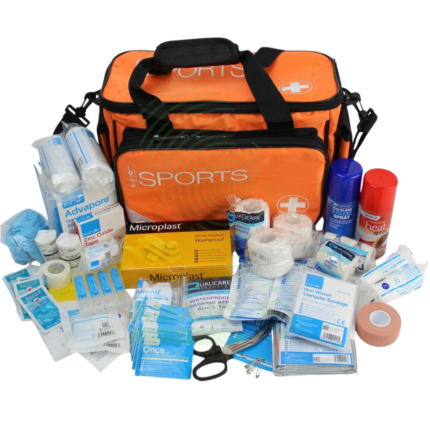
First Aid Kit For Sporting Places
A First Aid Kit for Sporting Places is a portable, organized medical kit specifically designed for the types and frequencies of injuries encountered in athletic and sporting environments. Available in various configurations including sideline kits for team use, personal sports pouches, team travel kits, and wall-mounted cabinets for gymnasiums. Constructed from ballistic nylon, polyester, ABS plastic, or aluminum with organized interior compartments, pouches, and elastic loops for rapid access to supplies. Contains sport-specific medical supplies including wound care materials, elastic bandages, instant cold packs, splinting materials, eye wash, blister care, concussion assessment tools, and personal protective equipment. Primary clinical applications include immediate treatment of common sports injuries (sprains, strains, contusions, abrasions, lacerations), concussion assessment, bleeding control, heat illness management, eye injury care, and emergency action plan implementation. Essential equipment for athletic teams, schools, fitness centers, recreational facilities, and sporting events, providing organized, accessible medical supplies for athlete safety and injury management.
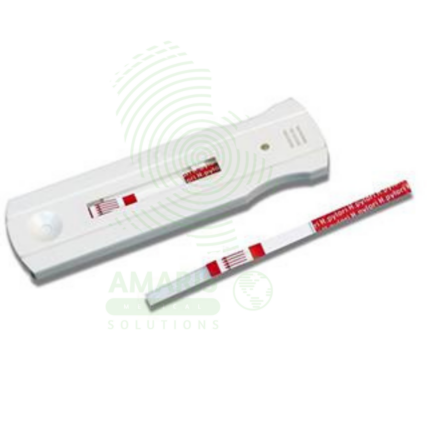
H. pylori Test Strips
H. pylori Test Strips are rapid, lateral flow immunochromatographic devices used for the qualitative detection of Helicobacter pylori antigens in human stool. As a non-invasive stool antigen test (SAT), it provides a convenient and reliable method for diagnosing active H. pylori infection and confirming eradication after therapy, with results available in under 15 minutes. Ideal for use in clinics and outpatient settings, it aids in the management of dyspepsia and peptic ulcer disease. Proper sample handling, adherence to pre-test medication restrictions, and strict biohazard precautions are essential for obtaining accurate results.
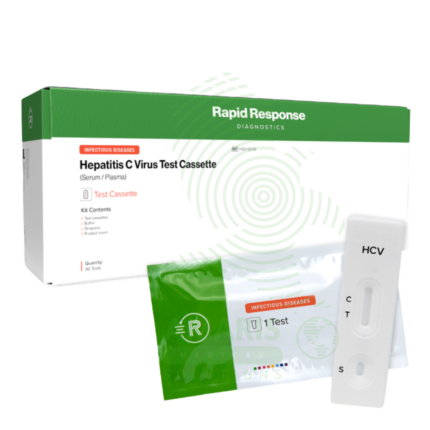
Hepatitis C Test Kit
The Hepatitis C Test Kit is an in vitro diagnostic device for the detection of Hepatitis C virus antibodies or RNA in human blood, serum, or plasma samples. Available in rapid, laboratory immunoassay, and molecular formats, it screens for HCV infection, confirms active infection with RNA testing, and monitors treatment response. With high sensitivity and specificity exceeding 99%, it is essential for identifying infected individuals, linking them to curative direct-acting antiviral therapy, and confirming cure. Essential applications include risk-based screening of high-risk populations, birth cohort screening of baby boomers, evaluation of acute hepatitis, management of occupational exposures, and monitoring of antiviral therapy that can cure over 95% of infections. All patient samples must be handled with universal precautions, and positive antibody results require confirmatory testing.
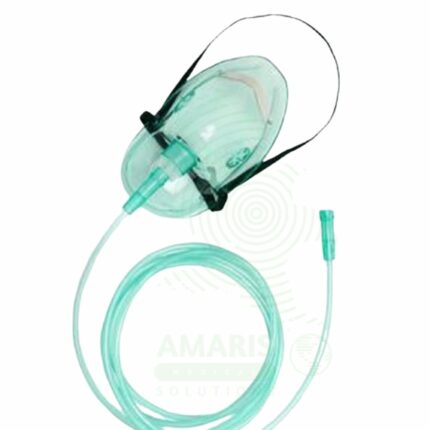
Oxygen Mask (Adult/Infant/Paediatric)
An Oxygen Mask is a disposable, single-use interface used to deliver supplemental oxygen from a medical gas supply to a patient's airways. Available in types for specific clinical needs—Simple Mask for low-flow therapy, Venturi Mask for precise FiO2 control (especially in COPD), and Non-Rebreather Mask for emergency high-flow delivery—and in sizes for adults, children, and infants. Correct selection and application, including ensuring the proper oxygen flow rate for the mask type, are essential for effective therapy and patient safety. Adherence to strict fire safety protocols is non-negotiable due to the combustion risk posed by enriched oxygen environments.
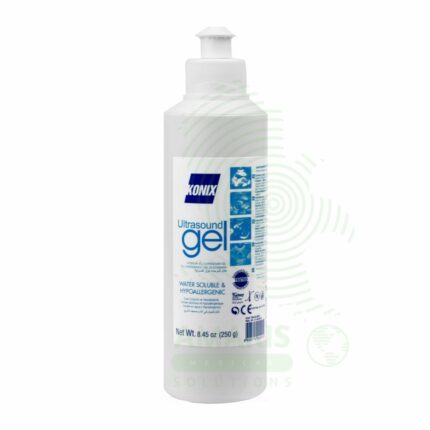
Ultrasound Gel
Ultrasound Gel is a water-based, hypoallergenic, acoustically conductive coupling medium essential for diagnostic and therapeutic ultrasound procedures. It eliminates air pockets between the transducer and skin, creating an efficient acoustic pathway for sound wave transmission and reception. Formulated to match the acoustic impedance of human tissue, it ensures high-quality imaging while providing lubrication for smooth probe movement and patient comfort. Available in standard, sterile, and hypoallergenic formulations, it is a single-use consumable critical for all ultrasound examinations. Proper storage, handling, and selection of appropriate sterile versus non-sterile formulations are essential for patient safety and image quality.
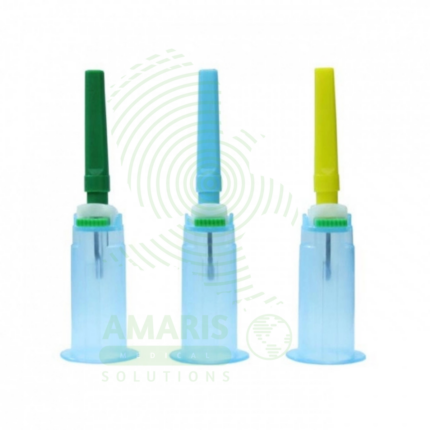
Vacutainer Needle Holder
A Vacutainer Needle Holder is a disposable plastic device (Class I/II medical device) used to securely hold double-ended blood collection needles and evacuated tubes during venipuncture, enabling safe and efficient collection of multiple blood specimens from a single venipuncture. Made from medical-grade ABS plastic or polypropylene, latex-free, approximately 12 cm length, with threaded end for needle attachment and flanged opening with flexible fingers to securely hold standard evacuated tubes (13 × 75 mm, 16 × 100 mm). Compatible with all standard double-ended needles and safety-engineered needles. Primary clinical applications include blood collection for laboratory testing (hematology, chemistry, coagulation, blood banking), multiple tube collection from single venipuncture, standardized venipuncture procedures, infection control (works with safety needles), and phlebotomy training. Critical safety precautions include single-use only (never reuse), secure needle attachment, immediate disposal of an entire unit with a needle in a sharps container, never recapping needles, and inspection for damage before use. Essential components of blood collection systems in hospitals, clinics, and laboratories.
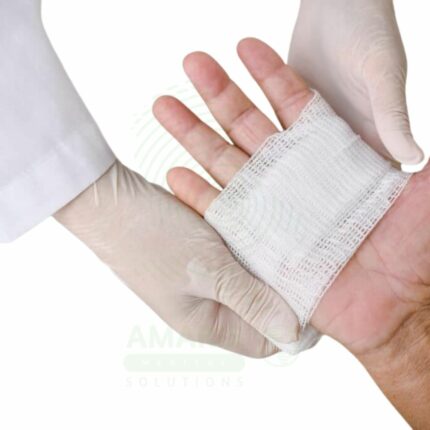
Wound Care Dressings
Wound Care Dressings are sterile or clean medical products applied directly to wounds to protect them, manage exudate, and promote an optimal moist healing environment. They are not a single product but a category encompassing various technologies—including films, hydrocolloids, foams, alginates, hydrogels, and antimicrobial versions—each designed for specific wound conditions (dry, wet, infected, necrotic). Correct selection based on a thorough wound assessment is the most critical factor for effective treatment. They are fundamental consumables used in every healthcare setting for managing acute injuries, surgical incisions, and chronic wounds like pressure injuries and leg ulcers.