Dermatoscope and Magnifiers
 Diagnostic Kits
 Vital Signs Monitors
 Stethoscopes and Accessories
 Otoscopes, Ophthalmoscopes, and Retinoscopes
 Reflex Hammers and Neurological Tools
 Scales and Measuring Devices
 Spirometers and Pulmonary Function Tests
 Electrosurgical Units and Accessories
 Cutting Instruments
 Grasping and Holding Instruments
 Hemostatic Instruments
 Specialized Surgical Sets
 Single-Use Procedure Trays and Packs
 Surgical Drapes, Gowns, and Covers
 Tissue Unifying Instruments
 Radiation Protection
 X-Ray Machines and Accessories
 Ultrasound Systems and Probes
 MRI and CT Scanners
 Radiology Consumables
 Bone Densitometers
 Fluoroscopy Equipment
 Imaging Tables and Positioning Aids
 Microscopes and Accessories
 Centrifuges and Separators
 Analyzers
 Incubators and Ovens
 Pipettes, Dispensers, and Lab Glassware
 Refrigerators, Freezers, and Storage Units
 Lab Consumables
 Sterilizers and Autoclaves for Lab Use
 Multi-Parameter Monitors
 Ventilators and Respiratory Support Devices
 Defibrillators and AEDs
 Infusion Pumps and IV Systems
 Patient Warmers and Cooling Devices
 Central Monitoring Stations
 Accessories
 Anesthesia Machines and Workstations
 Oxygen Concentrators and Delivery Systems
 Nebulizers and Inhalers
 CPAP/BiPAP Machines
 Airway Management
 Anesthesia Masks, Circuits, and Bags
 Humidifiers and Heaters
 Respiratory Therapy Accessories
 First Aid Kits and Cabinets
 Emergency Resuscitation Equipment
 Trauma Supplies
 Emergency Carts and Crash Carts
 Burn Care Products
 Bleeding Control
 Automated External Defibrillators (AEDs)
 Transport and Evacuation
 Wheelchairs and Accessories
 Walkers, Crutches, and Canes
 Prosthetics and Orthotics
 Physical Therapy Equipment
 Transfer Devices
 Bathroom Safety
 Orthopedic Traction and Tables
 Hot/Cold Therapy Packs and Units
 Beds and Mattresses
 Chairs and Stools
 Tables
 Cabinets and Storage
 Privacy Screens & Curtains
 Stands and Racks
 Linens and Textiles
 Lighting
 Autoclaves and Sterilizers
 Ultrasonic Cleaners
 Disinfectant Solutions and Wipes
 Sterilization Pouches, Wraps, and Indicators
 Instrument Trays and Containers
 UV and Ozone Disinfection Devices
 Washer Disinfectors
 Wound Care
 Gloves
 Masks and Respirators
 Catheters and Tubing
 Swabs, Applicators, and Sponges
 Incontinence Products
 Personal Protective Equipment (PPE)
 Dental Chairs and Units
 Handpieces and Burs
 Instruments
 Consumables
 Sterilization for Dental Use
 Orthodontic Supplies
 Endodontic Tools
 Slit Lamps and Tonometers
 Lensometers and Phoropters
 Ophthalmic Surgical Instruments
 Eyewear Frames and Lenses
 Contact Lens Supplies
 Vision Testing Charts and Devices
 Eye Care Consumables
 Laser Systems for Eye Care
 ENT Exam Chairs and Tables
 Endoscopes
 Audiometers and Hearing Tests
 ENT Instruments
 Nasal and Throat Packs
 Hearing Aids and Accessories
 Otology Supplies
 Fetal Dopplers and Monitors
 Delivery Beds and Tables
 Gynecological Instruments
 Neonatal Incubators and Warmers
 Breast Pumps and Accessories
 Contraceptive Devices
 Maternity Supports and Pads
 Neonatal Consumables
 Cystoscopes and Urethroscopes
 Dialysis Machines and Supplies
 Urological Catheters and Bags
 Lithotripters
 Prostate Treatment Devices
 Urinary Incontinence Products
 Kidney Stone Management Tools
 Consumables & Disposables
 EEG and EMG Machines
 Neurosurgical Instruments
 Nerve Stimulators
 Headrests and Positioning Aids
 Lumbar Puncture Kits
 Seizure Monitoring Devices
 Consumables
 Rehabilitation for Neurological Conditions
 ECG Machines and Accessories
 Holter Monitors
 Stress Test Systems
 Pacemakers and Defibrillator Accessories
 Vascular Access Devices
 Cardiac Catheters and Guidewires
 Blood Flow Meters
 Consumables
 Orthopedic Instruments
 Casts, Splints, and Padding
 Joint Replacement Supplies
 Prosthetic Limbs and Components
 Bone Grafts and Substitutes
 Traction Devices
 Orthopedic Braces and Supports
 Rehabilitation Aids for Orthopedics
 Home Oxygen Therapy
 Hospital Beds for Home Use
 Mobility Aids
 Bathroom and Daily Living Aids
 Wound Care for Home
 Monitoring Devices
 Enteral Feeding Pumps and Tubes
 Hand Sanitizers and Dispensers
 Face Shields and Goggles
 Isolation Gowns and Suits
 Biohazard Waste Containers
 Air Purifiers and HEPA Filters
 Surface Disinfectants
 Sharps Containers
 Protective Barriers
 Cardiovascular & Endurance Training
 Strength Training & Weightlifting
 Functional Training & Core Conditioning
 Physical Therapy & Rehabilitation
 Sports & Outdoor Recreation
 Gym Flooring & Facility Equipment
 Fitness Monitoring & Accessories
 Kids & Novelties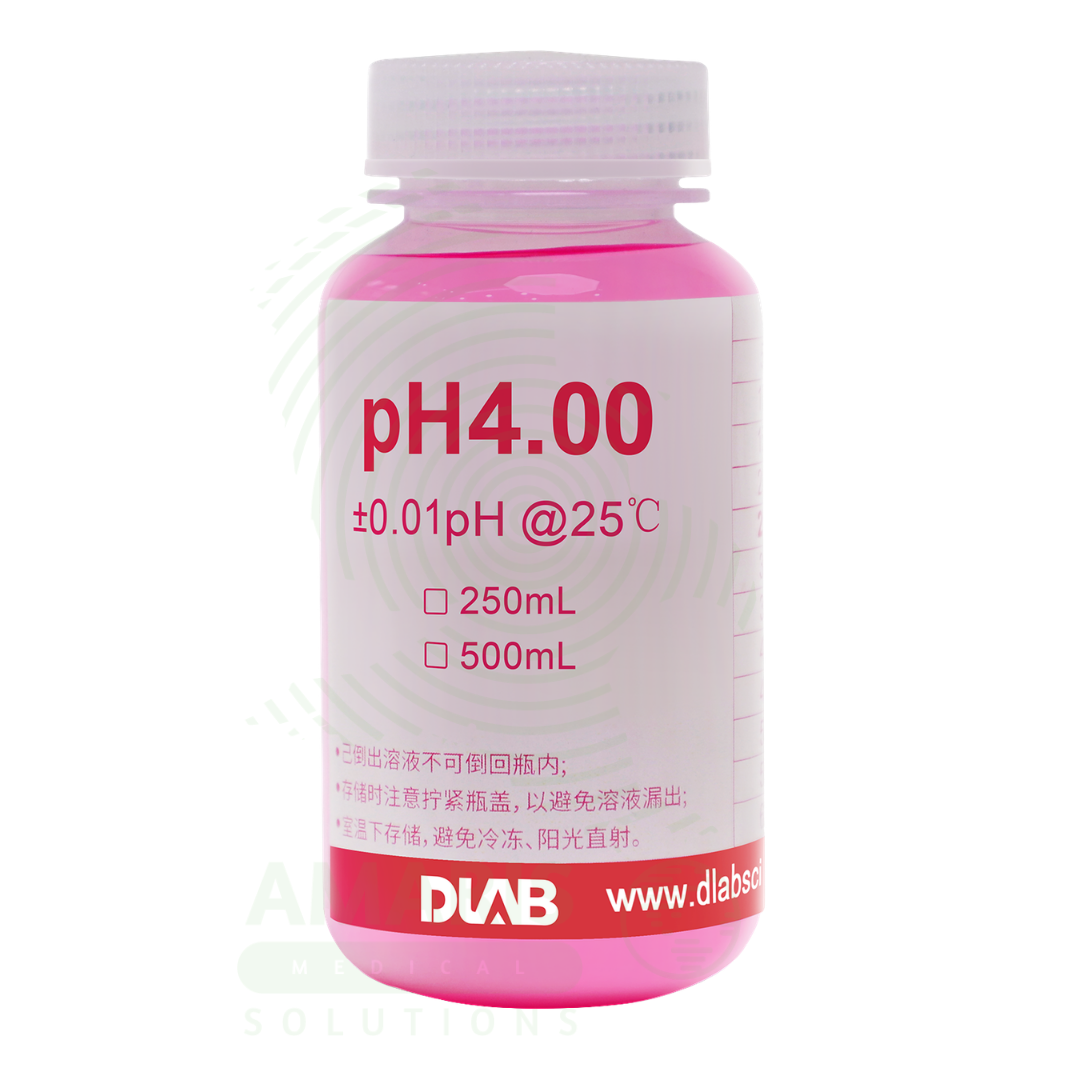

Buffer Solution (pH 4.00)
WhatsApp Order
Buffer Solution (pH 4.00) is a sterile, ready-to-use liquid reagent with a precisely known pH value of 4.00 at 25°C, specifically formulated for the calibration and quality control of pH meters, pH electrodes, and automated analyzers in clinical diagnostic and research laboratories. The solution is typically composed of 0.05M potassium hydrogen phthalate (KHC₈H₄O₄) as the active buffering agent, purified water (>98%), and a preservative to maintain solution integrity.
For the clinical laboratory scientist and medical technologist,Buffer Solution (pH 4.00) serves as the acidic calibration standard for two-point or three-point pH meter calibration (typically in conjunction with pH 6.86 and pH 9.18 buffers), ensuring accurate pH measurement of biological specimens including blood, urine, cerebrospinal fluid, and diagnostic reagents. The solution is classified as a Class I Medical Device (FDA Product Code JCC – General Purpose Reagent) and is 510(K) exempt, with traceability to NIST standards under ISO 17025 accreditation. Each batch is accompanied by a certificate of analysis detailing lot-specific pH value, measurement uncertainty, and expiration date, supporting GLP compliance for regulatory audits.
For the patient undergoing diagnostic testing for metabolic acidosis, diabetic ketoacidosis, renal tubular disorders, or other acid-base disturbances, accurate pH measurement of biological fluids—verified through proper calibration with certified pH 4.00 buffer—ensures reliable test results that guide appropriate treatment decisions across clinical chemistry, blood gas analysis, urinalysis, and pharmaceutical quality control applications. Available in various packaging formats including 30 mL sachets, 100 mL, 500 mL, and 1 L bottles, with color-coded red options for easy identification.
Description
Buffer Solution (pH 4.00)
PRIMARY CLINICAL & DIAGNOSTIC USES
1. Calibration of pH Meters for Accurate Diagnostic Testing
-
Primary Use: Provides a sterile, ready-to-use solution with a precisely known pH value of 4.00 at 25°C, used for the calibration of pH meters and pH electrodes to ensure accurate pH measurement of biological specimens and diagnostic reagents.
-
How it helps: For the clinical laboratory scientist, medical technologist, and quality control officer, the Buffer Solution (pH 4.00) serves as a primary calibration standard for the acidic range of pH measurement. It allows for two-point or three-point calibration of pH meters, typically in conjunction with pH 6.86 and pH 9.18 buffers, ensuring that instruments used for patient sample testing are accurately calibrated across the entire pH range. For the patient, accurate pH measurement of biological fluids (such as blood, urine, and cerebrospinal fluid) ensures reliable diagnosis of metabolic acidosis, alkalosis, diabetic ketoacidosis, and renal tubular disorders—conditions that require precise pH assessment for proper clinical management.
2. Verification of pH Electrode Performance
-
Primary Use: Used to verify the slope and response time of pH electrodes during routine quality control procedures, identifying electrode aging, contamination, or failure before patient sample testing.
-
How it helps: For the clinical laboratory scientist and quality assurance manager, measuring a pH 4.00 buffer solution as an external quality control standard provides objective evidence that the pH electrode is functioning within acceptable parameters. The buffer allows calculation of electrode slope percentage—an indicator of electrode health and sensitivity. For the patient, routine verification of pH electrode performance with certified buffer solutions ensures that pH measurements used for clinical decision-making are accurate, reproducible, and reliable, reducing the risk of diagnostic errors due to instrument malfunction.
3. Two-Point and Three-Point pH Calibration Protocols
-
Primary Use: Employed as the low-pH calibration point (acidic range) during two-point calibration (pH 6.86 and pH 4.00) or three-point calibration (pH 6.86, pH 4.00, and pH 9.18) of pH meters used in clinical laboratories.
-
How it helps: For the medical technologist and clinical chemist, the pH 4.00 buffer is specifically indicated for calibrating pH meters when measuring acidic samples (pH < 7.00). Using the buffer as a calibration standard corrects for the acidic portion of the electrode response curve, ensuring that measurements of patient specimens within this range are accurate. For the patient undergoing diagnostic testing for conditions that require acidic pH measurement (such as urinalysis for kidney stones or gastric analysis for acid-related disorders), proper two-point or three-point calibration using pH 4.00 buffer ensures that test results accurately reflect the patient’s clinical status.
4. Quality Control and GLP Compliance
-
Primary Use: Serves as a certified reference material for Good Laboratory Practice (GLP) compliance, with traceability to national standards such as NIST (National Institute of Standards and Technology) and IUPAC.
-
How it helps: For the laboratory quality manager and regulatory compliance officer, Buffer Solution (pH 4.00) manufactured under ISO 17025 accreditation provide documented traceability to primary reference standards. Each batch is accompanied by a certificate of analysis detailing the measured pH value, uncertainty, and expiration date, supporting regulatory compliance for GLP, CAP, CLIA, and ISO 15189 standards. For the patient, the use of certified, traceable buffer solutions in clinical laboratory quality assurance programs ensures that pH measurements used for diagnosis and treatment monitoring meet regulatory requirements for accuracy and reliability.
5. Verification of Blood Gas and Electrolyte Analyzers
-
Primary Use: Used to verify the pH channel accuracy of blood gas analyzers and electrolyte analyzers during quality control procedures in critical care settings.
-
How it helps: For the critical care laboratory scientist and point-of-care coordinator, pH 4.00 buffer solution is employed as a quality control material to verify the performance of blood gas analyzers that measure pH in arterial blood samples. The buffer helps confirm that the instrument’s pH channel is within acceptable limits before patient sample analysis. For the critically ill patient requiring arterial blood gas monitoring for assessment of respiratory failure, metabolic disorders, or acid-base balance, accurate pH measurement verified with certified buffer solutions ensures appropriate ventilator settings, medication adjustments, and clinical interventions.
SECONDARY & SUPPORTIVE USES
1. Routine Laboratory Quality Control: Used as an external quality control standard to monitor pH meter performance between calibrations, ensuring ongoing accuracy throughout the testing day.
2. Electrode Storage and Conditioning: Some pH electrodes require periodic soaking in pH 4.00 buffer to condition the glass membrane and maintain optimal response time, particularly for electrodes used in acidic sample measurement.
3. Verification of pH Test Strips and Colorimetric Methods: Used as a standard to verify the accuracy of pH test strips, pH paper, and colorimetric pH test kits used in clinical laboratories and point-of-care settings.
4. System Suitability Testing for Pharmaceutical Analysis: Employed in pharmaceutical quality control laboratories as a system suitability standard for pH measurement during drug stability testing, dissolution testing, and formulation development.
5. Validation of Automated Analyzer pH Channels: Used during installation qualification (IQ), operational qualification (OQ), and performance qualification (PQ) of automated clinical chemistry analyzers with integrated pH measurement capabilities.
6. Academic and Educational Laboratory Training: Serves as a teaching standard for training medical technology students and clinical laboratory science trainees in proper pH meter calibration and measurement techniques.
7. Research and Development pH Measurement: Used as a calibration standard in research laboratories for pH measurement during drug discovery, biomaterial development, and tissue engineering research.
8. Environmental and Water Quality Testing: Employed in hospital environmental monitoring programs to calibrate pH meters used for testing purified water, dialysis water, and wastewater discharge.
9. Food and Beverage Quality Control: Used in hospital nutrition services and food safety testing to verify pH of processed foods, beverages, and nutritional supplements.
10. Buffer Capacity Verification: Used to verify the buffer capacity of laboratory-prepared buffers and to check the performance of pH electrodes in acidic solutions.
11. Temperature Verification of pH Systems: The temperature-dependent relationship of pH 4.00 buffer (pH value changes with temperature) can be used to verify the accuracy of automatic temperature compensation (ATC) systems on pH meters.
12. Inter-Laboratory Comparison Studies: Used as a blind sample in proficiency testing and inter-laboratory comparison studies to evaluate the accuracy of pH measurements across different laboratories.
13. Custom Buffer Preparation: Employed as a starting standard for preparing custom buffer solutions with specific pH requirements for specialized diagnostic applications.
14. Troubleshooting pH Electrode Issues: Used to diagnose electrode problems by comparing the measured pH of fresh buffer to the expected value; deviation indicates electrode contamination, aging, or damage requiring maintenance or replacement.
15. Validation of pH Meter Repairs: Used after pH meter repair or maintenance to verify instrument accuracy before returning to clinical service.
KEY PRODUCT FEATURES
1. BASIC IDENTIFICATION ATTRIBUTES
-
Device Type: A sterile, ready-to-use liquid solution with a precisely known pH value of 4.00 at 25°C, used for calibration and quality control of pH measuring instruments in clinical diagnostic laboratories.
-
Designation: pH 4.00 Buffer Solution, Phthalate Buffer Solution, Acidic pH Calibration Standard, pH Buffer Reference Standard, Certified pH Buffer, pH 4.00 Calibration Buffer.
-
Key Components:
-
Active Ingredient: Potassium hydrogen phthalate (KHC₈H₄O₄) – the primary buffering agent.
-
Solvent: Purified water (>98% of solution).
-
Preservative: Methylparaben or other preservative to prevent microbial growth.
-
Color Additive: May be colorless or color-coded (e.g., red, pink, or colorless depending on manufacturer).
-
2. TECHNICAL & PERFORMANCE PROPERTIES
-
pH Value: 4.00 ± 0.01 to ± 0.05 at 25°C (depending on grade and manufacturer).
-
Concentration: Typically 0.05 M potassium hydrogen phthalate solution.
-
Boiling Point: 100°C.
-
Melting Point: 0°C.
-
Density: Approximately 1.0 g/cm³.
-
Specific Gravity: 1.0.
-
Appearance: Clear, colorless liquid or color-coded (red) liquid.
-
Odor: Odorless.
-
pH Value Temperature Dependency: pH value varies with temperature; conversion chart provided on product label.
-
Shelf Life: Typically 12-36 months depending on manufacturer and storage conditions.
-
Storage Temperature: 15-25°C (room temperature) or 2-8°C (refrigerated), depending on manufacturer specifications.
-
Traceability: Traceable to NIST Standard Reference Materials (SRMs) or PTB primary standards.
-
Accreditation: Manufactured under ISO 17025 and ISO 17034 accredited test methods.
-
Regulatory Classification: FDA Product Code JCC – General Purpose Reagent; Class I Medical Device.
-
GMDN Term Code: 42693 – pH-adjusted buffer solution IVD.
-
GMP Status: Exempt from GMP regulations when not labeled or represented as sterile.
3. PHYSICAL & OPERATIONAL PROPERTIES
-
Physical Form: Liquid with low viscosity.
-
Container Types: Available in various packaging formats including 30 mL sachets, 100 mL, 250 mL, 500 mL, 1 L, and 16 oz bottles.
-
Color Coding: Some products are color-coded red for easy identification as acidic pH buffer.
-
Ready-to-Use: No preparation or dilution required; use directly from container.
-
Temperature Sensitivity: pH value is temperature dependent; equilibrate to room temperature or measurement temperature before use.
-
Stability After Opening: Some formulations remain stable after opening, eliminating the need for single-use packaging.
-
Certificate of Analysis (CoA): Provided with each batch, including lot-specific pH value, uncertainty, and expiration date.
-
Label Information: Includes lot number, expiration date, pH value at specified temperature(s), and storage instructions.
4. SAFETY & COMPLIANCE ATTRIBUTES
-
Signal Word: WARNING.
-
Hazard Classification:
-
Skin irritation (Category 2) – Causes skin irritation.
-
Eye irritation (Category 2B) – Causes eye irritation.
-
Acute toxicity (Category 5) – May be harmful if swallowed, inhaled, or in contact with skin.
-
-
Target Organs: Not available (N.A.).
-
NFPA Rating: None established.
-
Flammability: Nonflammable, noncombustible solution.
-
Reactivity: Stable under normal storage conditions; avoid heat.
-
Incompatibilities: Avoid contact with strong oxidizing agents.
-
Storage Conditions: Store in a cool, dry location; protect from freezing and extreme temperatures.
-
Shelf Life Classification: "Fair" under normal storage conditions.
-
Regulatory Exemptions: 510(K) Exempt; GMP Exempt (except for records and complaint files) when not labeled as sterile.
5. STORAGE & HANDLING ATTRIBUTES
-
Storage: Store in a cool, dry location at room temperature (15-25°C / 59-77°F) or under refrigeration (2-8°C) per manufacturer specifications. Protect from freezing, direct sunlight, and extreme heat.
-
Shelf Life: Typically 12-36 months from date of manufacture; check expiration date on label before use.
-
Inspection: Do not use if solution appears cloudy, contains precipitate, is discolored, or if the container is damaged.
-
Temperature Equilibration: Allow buffer solution to equilibrate to room temperature or measurement temperature before use, as pH value is temperature-dependent.
-
Usage Precautions: If using small volumes, aliquot into a clean container to avoid contaminating the main stock solution.
-
Electrode Preparation: Rinse pH electrode with distilled or deionized water before immersing in buffer solution.
-
Avoid Cross-Contamination: Do not return used buffer solution to the original container.
-
Container Disposal: Dispose of empty containers according to local environmental regulations for chemical waste.
-
Spill Management: Ventilate area; contain spill with inert absorbent material; neutralize with sodium bicarbonate or calcium hydroxide; collect in sealed container.
6. LABORATORY & CLINICAL APPLICATIONS
-
Primary Application: Calibration and quality control of pH meters, pH electrodes, and automated analyzers with pH measurement capabilities in clinical diagnostic, pharmaceutical, and research laboratories.
-
Clinical Role: Essential quality control and calibration reagent in clinical chemistry laboratories, hospital laboratories, blood gas laboratories, pharmaceutical quality control labs, and research facilities for ensuring accurate pH measurement in patient sample testing.
SAFETY HANDLING PRECAUTIONS
1. SAFETY PRECAUTIONS
-
Personal Protective Equipment: Wear appropriate PPE—laboratory coat, chemical-resistant gloves (nitrile or neoprene), and safety glasses or face shield—when handling buffer solution.
-
Eye Contact: If solution contacts eyes, rinse cautiously with water for several minutes. Remove contact lenses if present and easy to do. Continue rinsing. If eye irritation persists, seek medical attention.
-
Skin Contact: Wash affected area with plenty of water. If skin irritation occurs, seek medical advice or attention.
-
Inhalation: If inhaled and feeling unwell, move to fresh air. Seek medical attention if symptoms persist.
-
Ingestion: Rinse mouth. Call a poison center or physician if feeling unwell.
-
Spill Response: Ventilate area. Contain spill with sand or other inert absorbent material. Neutralize with sodium bicarbonate or calcium hydroxide. Collect in sealed bag or container. Dispose according to local regulations.
-
Fire Fighting Measures: Use tri-class dry chemical fire extinguisher for surrounding fires; solution itself is nonflammable.
-
Storage Compatibility: Store with other buffer solutions; follow laboratory chemical storage protocols.
-
Disposal: Dispose of the product according to relevant regulations; do not dispose of it casually.
2. FIRST AID MEASURES
-
Eye Exposure: If buffer solution splashes into eyes, rinse cautiously with water for several minutes. Remove contact lenses if present and easy to do. Continue rinsing for at least 15 minutes. If irritation persists, seek medical attention.
-
Skin Exposure: If buffer solution contacts skin, wash with plenty of water. If skin irritation occurs, seek medical advice or attention.
-
Inhalation: If vapors are inhaled, move to fresh air. Seek medical attention if respiratory symptoms develop.
-
Ingestion: If swallowed, rinse mouth. Do not induce vomiting unless directed by medical personnel. Call a poison center or physician if feeling unwell.
-
Chemical Spill: If large spill occurs, contain spill, neutralize with sodium bicarbonate, and dispose according to local environmental regulations.
3. FIRE FIGHTING MEASURES
-
Flammability: Nonflammable, noncombustible solution.
-
Extinguishing Media: Use tri-class dry chemical fire extinguisher for fires involving surrounding combustible materials.
-
Fire Response: No special fire hazards beyond typical combustible materials.
Related products
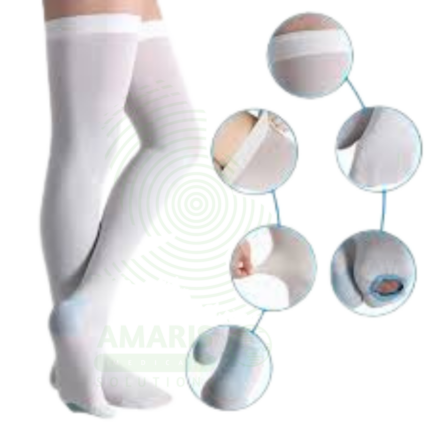
Anti-Embolic Compression Stockings
Anti-Embolic Compression Stockings are medical-grade elastic stockings designed to prevent Deep Vein Thrombosis (DVT) in non-ambulatory, surgical, or medically ill patients. By delivering graduated external pressure—tightest at the ankle and decreasing up the leg—they enhance venous blood flow and reduce stasis, a key factor in clot formation. They are a cornerstone of mechanical thromboprophylaxis in hospitals. Correct sizing based on precise leg measurements is critical for both efficacy and safety, as improper fit can lead to complications or failure of prophylaxis. Daily skin assessment and adherence to wearing guidelines are essential components of safe use.
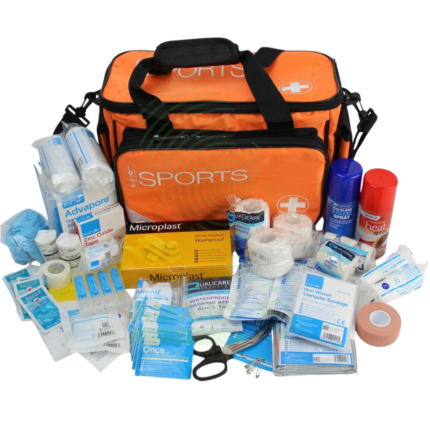
First Aid Kit For Sporting Places
A First Aid Kit for Sporting Places is a portable, organized medical kit specifically designed for the types and frequencies of injuries encountered in athletic and sporting environments. Available in various configurations including sideline kits for team use, personal sports pouches, team travel kits, and wall-mounted cabinets for gymnasiums. Constructed from ballistic nylon, polyester, ABS plastic, or aluminum with organized interior compartments, pouches, and elastic loops for rapid access to supplies. Contains sport-specific medical supplies including wound care materials, elastic bandages, instant cold packs, splinting materials, eye wash, blister care, concussion assessment tools, and personal protective equipment. Primary clinical applications include immediate treatment of common sports injuries (sprains, strains, contusions, abrasions, lacerations), concussion assessment, bleeding control, heat illness management, eye injury care, and emergency action plan implementation. Essential equipment for athletic teams, schools, fitness centers, recreational facilities, and sporting events, providing organized, accessible medical supplies for athlete safety and injury management.
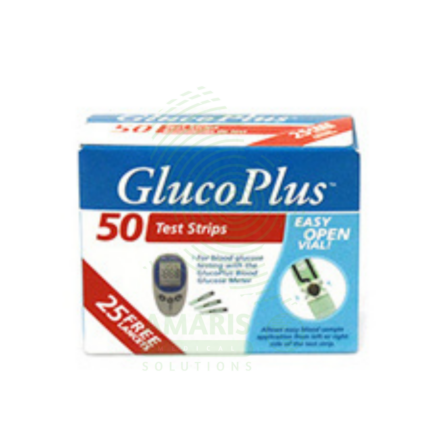
Glucosics Blood Sugar Sticks
Glucosics Blood Sugar Sticks are single-use, disposable electrochemical test sticks (ISO 15197:2013 compliant) designed exclusively for use with Glucosics glucose meters to measure capillary blood glucose from 0.5-1.0 µL samples in 5-7 seconds. Each stick contains glucose oxidase or glucose dehydrogenase reagents that generate electrical current proportional to glucose concentration (20-600 mg/dL range). Packaging options include multi-stick vials (25-100 sticks) with desiccant for daily use or individually foil-wrapped sticks for travel. Sticks feature no-coding automatic calibration, hematocrit compensation (20-60%), and interference resistance. Primary clinical applications include daily blood glucose testing for Type 1, Type 2, and gestational diabetes management, hypoglycemia and hyperglycemia detection, pre- and post-meal glucose assessment, and hospital point-of-care testing. Critical safety precautions include single-use only, immediate vial closure after stick removal to prevent humidity damage, storage at 2-30°C away from bathrooms and temperature extremes, never using expired sticks, proper hand hygiene before testing, and disposal in sharps containers. Essential consumable for diabetes self-management when used with Glucosics meters.
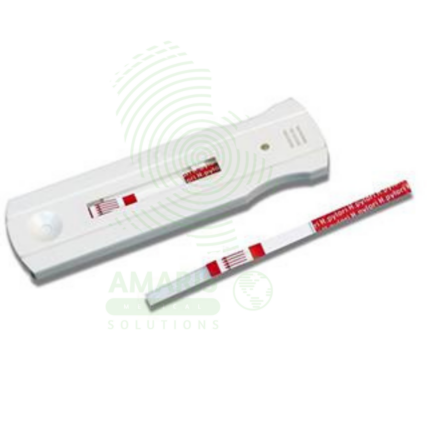
H. pylori Test Strips
H. pylori Test Strips are rapid, lateral flow immunochromatographic devices used for the qualitative detection of Helicobacter pylori antigens in human stool. As a non-invasive stool antigen test (SAT), it provides a convenient and reliable method for diagnosing active H. pylori infection and confirming eradication after therapy, with results available in under 15 minutes. Ideal for use in clinics and outpatient settings, it aids in the management of dyspepsia and peptic ulcer disease. Proper sample handling, adherence to pre-test medication restrictions, and strict biohazard precautions are essential for obtaining accurate results.
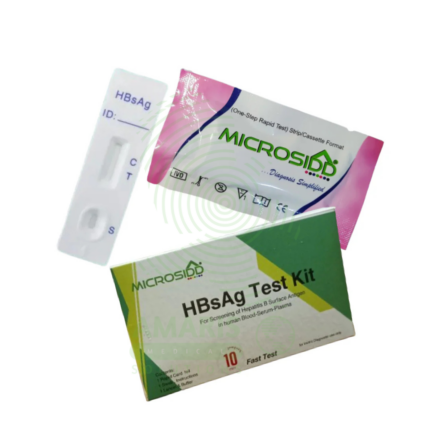
Hepatitis B Test Kit
The Hepatitis B Test Kit is an in vitro diagnostic device for the detection of Hepatitis B virus markers in human blood samples, available in rapid, ELISA, and molecular formats. It detects specific antigens (HBsAg) and antibodies (anti-HBc, anti-HBs) to diagnose acute and chronic infection, monitor treatment response, screen blood donations, and determine immunity status. With high sensitivity (>98%) and specificity (>99%), it provides results in 15 minutes to 4 hours depending on format. Essential applications include prenatal screening to prevent mother-to-child transmission, evaluation of acute hepatitis, pre-immunosuppression screening, and occupational health testing. All patient samples must be handled with universal precautions, and testing must include appropriate quality controls.
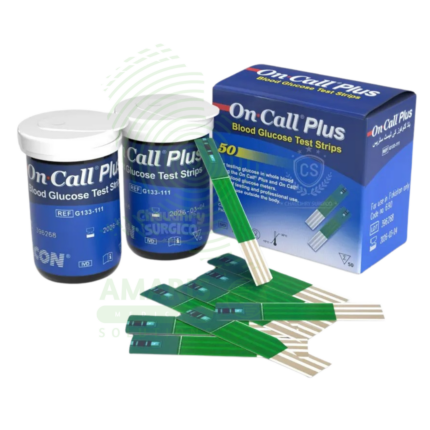
On Call Blood Sugar Strips
On Call Blood Sugar Strips are single-use, disposable electrochemical test strips (ISO 15197:2013 compliant) designed exclusively for use with On Call glucose meters to measure capillary blood glucose from 0.5-1.0 µL samples in 5-7 seconds. Each strip contains glucose oxidase or glucose dehydrogenase reagents that generate electrical current proportional to glucose concentration (20-600 mg/dL range). Packaging options include multi-strip vials (25-100 strips) with desiccant for daily use or individually foil-wrapped strips for travel. Strips feature no-coding automatic calibration, hematocrit compensation (20-60%), and interference resistance. Primary clinical applications include daily blood glucose testing for Type 1, Type 2, and gestational diabetes management, hypoglycemia and hyperglycemia detection, pre- and post-meal glucose assessment, and hospital point-of-care testing. Critical safety precautions include single-use only, immediate vial closure after strip removal to prevent humidity damage, storage at 2-30°C away from bathrooms and temperature extremes, never using expired strips, proper hand hygiene before testing, and disposal in sharps containers. Essential consumable for diabetes self-management when used with On Call meters.
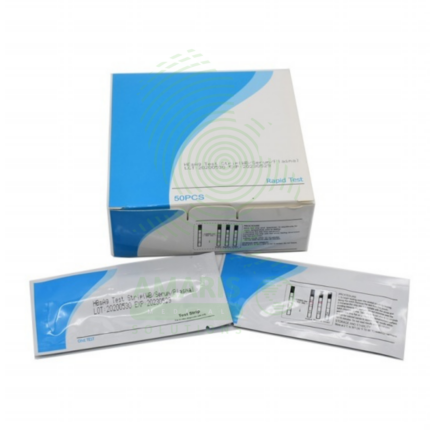
Rapid Test Kits (HIV, HBV, HCV, Malaria)
Rapid Test Kits for HIV, HBV, HCV, and Malaria are single-use, immunochromatographic devices designed for the quick, preliminary screening of these critical infectious diseases at the point of care. By detecting specific antibodies or antigens in a small blood sample (or oral fluid for some HIV tests), they provide a visual result within 15-30 minutes without the need for laboratory equipment. Their primary role is to expand access to testing in community and resource-limited settings, enabling immediate counseling, triage, and referral for confirmatory testing and treatment. As essential tools in public health, they are characterized by their simplicity, speed, and critical importance in early diagnosis and outbreak response.