Dermatoscope and Magnifiers
 Diagnostic Kits
 Vital Signs Monitors
 Stethoscopes and Accessories
 Otoscopes, Ophthalmoscopes, and Retinoscopes
 Reflex Hammers and Neurological Tools
 Scales and Measuring Devices
 Spirometers and Pulmonary Function Tests
 Electrosurgical Units and Accessories
 Cutting Instruments
 Grasping and Holding Instruments
 Hemostatic Instruments
 Specialized Surgical Sets
 Single-Use Procedure Trays and Packs
 Surgical Drapes, Gowns, and Covers
 Tissue Unifying Instruments
 Radiation Protection
 X-Ray Machines and Accessories
 Ultrasound Systems and Probes
 MRI and CT Scanners
 Radiology Consumables
 Bone Densitometers
 Fluoroscopy Equipment
 Imaging Tables and Positioning Aids
 Microscopes and Accessories
 Centrifuges and Separators
 Analyzers
 Incubators and Ovens
 Pipettes, Dispensers, and Lab Glassware
 Refrigerators, Freezers, and Storage Units
 Lab Consumables
 Sterilizers and Autoclaves for Lab Use
 Multi-Parameter Monitors
 Ventilators and Respiratory Support Devices
 Defibrillators and AEDs
 Infusion Pumps and IV Systems
 Patient Warmers and Cooling Devices
 Central Monitoring Stations
 Accessories
 Anesthesia Machines and Workstations
 Oxygen Concentrators and Delivery Systems
 Nebulizers and Inhalers
 CPAP/BiPAP Machines
 Airway Management
 Anesthesia Masks, Circuits, and Bags
 Humidifiers and Heaters
 Respiratory Therapy Accessories
 First Aid Kits and Cabinets
 Emergency Resuscitation Equipment
 Trauma Supplies
 Emergency Carts and Crash Carts
 Burn Care Products
 Bleeding Control
 Automated External Defibrillators (AEDs)
 Transport and Evacuation
 Wheelchairs and Accessories
 Walkers, Crutches, and Canes
 Prosthetics and Orthotics
 Physical Therapy Equipment
 Transfer Devices
 Bathroom Safety
 Orthopedic Traction and Tables
 Hot/Cold Therapy Packs and Units
 Beds and Mattresses
 Chairs and Stools
 Tables
 Cabinets and Storage
 Privacy Screens & Curtains
 Stands and Racks
 Linens and Textiles
 Lighting
 Autoclaves and Sterilizers
 Ultrasonic Cleaners
 Disinfectant Solutions and Wipes
 Sterilization Pouches, Wraps, and Indicators
 Instrument Trays and Containers
 UV and Ozone Disinfection Devices
 Washer Disinfectors
 Wound Care
 Gloves
 Masks and Respirators
 Catheters and Tubing
 Swabs, Applicators, and Sponges
 Incontinence Products
 Personal Protective Equipment (PPE)
 Dental Chairs and Units
 Handpieces and Burs
 Instruments
 Consumables
 Sterilization for Dental Use
 Orthodontic Supplies
 Endodontic Tools
 Slit Lamps and Tonometers
 Lensometers and Phoropters
 Ophthalmic Surgical Instruments
 Eyewear Frames and Lenses
 Contact Lens Supplies
 Vision Testing Charts and Devices
 Eye Care Consumables
 Laser Systems for Eye Care
 ENT Exam Chairs and Tables
 Endoscopes
 Audiometers and Hearing Tests
 ENT Instruments
 Nasal and Throat Packs
 Hearing Aids and Accessories
 Otology Supplies
 Fetal Dopplers and Monitors
 Delivery Beds and Tables
 Gynecological Instruments
 Neonatal Incubators and Warmers
 Breast Pumps and Accessories
 Contraceptive Devices
 Maternity Supports and Pads
 Neonatal Consumables
 Cystoscopes and Urethroscopes
 Dialysis Machines and Supplies
 Urological Catheters and Bags
 Lithotripters
 Prostate Treatment Devices
 Urinary Incontinence Products
 Kidney Stone Management Tools
 Consumables & Disposables
 EEG and EMG Machines
 Neurosurgical Instruments
 Nerve Stimulators
 Headrests and Positioning Aids
 Lumbar Puncture Kits
 Seizure Monitoring Devices
 Consumables
 Rehabilitation for Neurological Conditions
 ECG Machines and Accessories
 Holter Monitors
 Stress Test Systems
 Pacemakers and Defibrillator Accessories
 Vascular Access Devices
 Cardiac Catheters and Guidewires
 Blood Flow Meters
 Consumables
 Orthopedic Instruments
 Casts, Splints, and Padding
 Joint Replacement Supplies
 Prosthetic Limbs and Components
 Bone Grafts and Substitutes
 Traction Devices
 Orthopedic Braces and Supports
 Rehabilitation Aids for Orthopedics
 Home Oxygen Therapy
 Hospital Beds for Home Use
 Mobility Aids
 Bathroom and Daily Living Aids
 Wound Care for Home
 Monitoring Devices
 Enteral Feeding Pumps and Tubes
 Hand Sanitizers and Dispensers
 Face Shields and Goggles
 Isolation Gowns and Suits
 Biohazard Waste Containers
 Air Purifiers and HEPA Filters
 Surface Disinfectants
 Sharps Containers
 Protective Barriers
 Cardiovascular & Endurance Training
 Strength Training & Weightlifting
 Functional Training & Core Conditioning
 Physical Therapy & Rehabilitation
 Sports & Outdoor Recreation
 Gym Flooring & Facility Equipment
 Fitness Monitoring & Accessories
 Kids & Novelties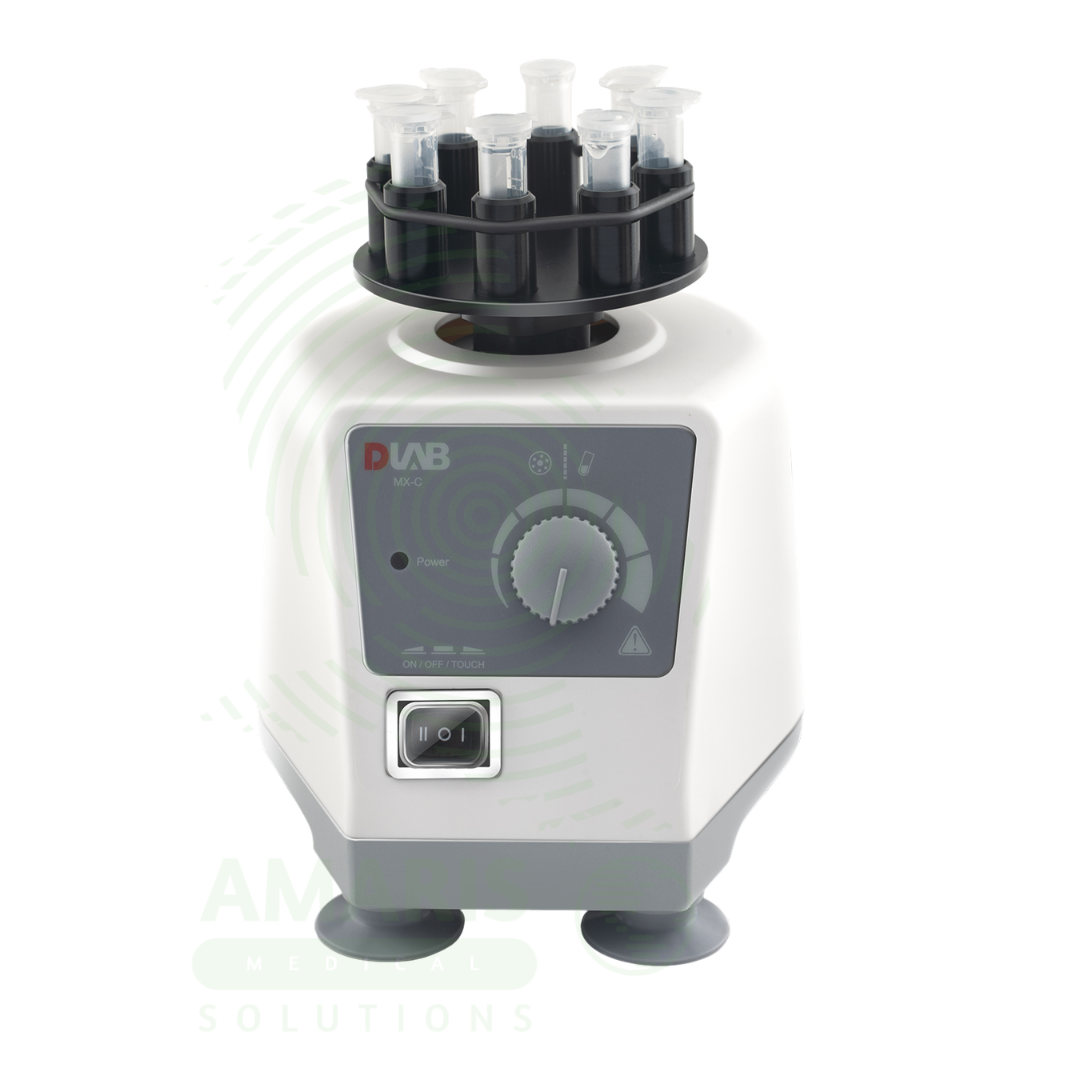

Cell Disruptor (MX-C)
WhatsApp Order
The Cell Disruptor (MX-C) is a compact, high-speed benchtop homogenizer designed for the efficient mechanical lysis of biological samples. Utilizing a 4mm orbital diameter at speeds up to 3000 rpm, it employs circumferential vortex oscillation to break down the cell walls of bacteria, yeast, algae, and fungi to release intracellular contents . With a capacity to process up to eight 2.0 mL microtubes simultaneously, it facilitates rapid, hands-free sample preparation for downstream molecular workflows .
Ideal for research and clinical laboratories, the Cell Disruptor (MX-C) ensures constant, controlled shear rates that maintain the genomic integrity of released DNA and RNA, which is crucial for accurate PCR and sequencing results . Its robust construction, easy operation, and ability to handle tough microorganisms (including Gram-positive bacteria) make it an essential tool for genomic extraction and purification .
Description
Cell Disruptor (MX-C)
PRIMARY CLINICAL & DIAGNOSTIC USES
1. High-Speed Cell Lysis for Nucleic Acid Extraction
-
Primary Use: Provides a benchtop cell disruptor that utilizes high-speed circumferential vortex and oscillation (orbital diameter 4mm) to mechanically disrupt cells, yeast, bacteria, algae, and fungi, preparing cell lysates for downstream genomic analysis .
-
How it helps: For the molecular biologist and clinical laboratory scientist, the Cell Disruptor (MX-C) processes samples at a constant, controlled shear rate, ensuring efficient lysis while safeguarding the integrity of genomic DNA and RNA. For the patient, this technology enables accurate diagnosis of infectious diseases and genetic disorders by ensuring that pathogen genomes (e.g., for PCR testing) are extracted without degradation, reducing false negatives .
2. Simultaneous Multi-Tube Sample Processing
-
Primary Use: Capable of processing up to 8 x 2.0 mL microtubes simultaneously, allowing for rapid, hands-free disruption of multiple samples in a single run .
-
How it helps: For the clinical laboratory scientist, the ability to process up to 8 samples at once dramatically increases throughput for PCR and sequencing workflows, reducing hands-on time and ensuring consistency across samples. For the patient, faster batch processing reduces laboratory turnaround times for critical diagnostic results (e.g., viral load monitoring or bacterial identification) .
3. Whole Genome Integrity Preservation
-
Primary Use: Designed to operate at a controlled shear rate that specifically targets cell walls while maintaining the structural integrity of released genomic material, preventing shearing of long DNA strands .
-
How it helps: For the molecular geneticist, maintaining high molecular weight DNA is critical for successful Whole Genome Sequencing (WGS), PCR, and downstream purification. By protecting genome integrity, the Cell Disruptor (MX-C) ensures that subsequent tests accurately reflect the patient’s true genetic makeup, which is vital for detecting large structural variants or resistance genes .
4. Yeast and Gram-Positive Bacteria Lysis
-
Primary Use: Optimized for the difficult lysis of tough microbial samples, including Gram-positive bacteria (thick peptidoglycan layer) and various yeasts/fungi (polysaccharide cell wall) .
-
How it helps: For the clinical microbiologist, efficiently breaking the cell walls of these robust organisms is often a bottleneck in diagnostics. The Cell Disruptor (MX-C) standardizes this process, ensuring consistent extraction from pathogens like Candida or Staphylococcus . For the patient, this leads to more reliable detection of bloodstream infections or urinary tract infections, enabling targeted antibiotic therapy .
5. Mechanical Bead-Based Homogenization
-
Primary Use: Employs a mechanochemical method (vortex oscillation with microbeads) to shear and disrupt cell walls physically, replacing chemical or enzymatic lysis methods that may inhibit downstream reactions .
-
How it helps: For the laboratory technician, bead-based disruption avoids the use of chaotropic agents or enzymes that can interfere with PCR or protein assays. For the patient, it ensures that the resulting lysate is “cleaner,” leading to higher purity DNA/RNA yields and more reliable test results for chronic conditions like viral hepatitis or HIV .
SECONDARY & SUPPORTIVE USES
1. RNA Purification: Used to lyse cells for downstream RNA extraction protocols, preserving RNA integrity for gene expression analysis .
2. Protein Extraction: Facilitates the release of intracellular proteins or peptides for proteomics research and biomarker discovery.
3. Soil and Fecal Sample Processing: Used for the isolation of genomic DNA from complex environmental samples (e.g., stool sample extraction for gastrointestinal pathogens) .
4. DNA and RNA Purification from Tissue: Supports the lysis of soft tissue samples homogenized in buffer for spin-column purification .
5. Fermentation Monitoring: Used for quality control in bioprocessing to monitor microbial biomass and protein expression in industrial fermentation .
6. Viral Nucleic Acid Extraction: In conjunction with specialized kits, aids in the release of viral particles from infected cell cultures or clinical specimens .
7. High-Throughput Screening: Suitable for research laboratories requiring accurate, reproducible sample preparation for genomic and proteomic screening .
8. Lysis of Algae and Spores: Used for the disruption of tough microalgae and spore-forming bacteria for research into biofuels and infectious diseases .
9. Medical Device Testing: Utilized in microbiology labs to verify sterilization efficacy by recovering bacterial endospores from test strips .
KEY PRODUCT FEATURES
1. BASIC IDENTIFICATION ATTRIBUTES
-
Device Type: A tabletop benchtop cell disruptor (laboratory homogenizer) using high-speed oscillation for mechanical lysis of biological samples .
-
Designation: Cell Disruptor, Laboratory Disruptor, MX-C, Bead Beater, Cell Crusher .
-
Key Components:
-
Head/Tray: Capacity for 8 x 2.0ml microtubes .
-
Motor: High-torque motor for 3000 rpm operation .
-
Control Interface: Analog scale for speed display (0-3000 RPM) .
-
Housing: Impact-resistant plastic body .
-
Mechanism: High-speed circumferential vortex (4mm orbital diameter) .
-
2. TECHNICAL & PERFORMANCE PROPERTIES
-
Motion Type: High-speed circumferential vortex and oscillation function .
-
Speed Range: 0 – 3,000 rpm (adjustable) .
-
Orbital Diameter: 4 mm .
-
Capacity: 8 x 2 mL microcentrifuge tubes .
-
Voltage: 200-240V / 100-120V, 50/60Hz (Universal) .
-
Power: 60W .
-
Dimensions (W×H×D): 127 × 130 × 160 mm .
-
Weight: 2.0 kg .
3. PHYSICAL & OPERATIONAL PROPERTIES
-
Construction: Compact footprint (127x130x160mm) for easy benchtop placement .
-
Display: Analog scale speed display for quick reference .
-
Operation: "Hands-free" disruption; tubes remain sealed, reducing contamination risk .
-
Durability: Engineered for constant, controlled shear rate with minimal maintenance .
4. SAFETY & COMPLIANCE ATTRIBUTES
-
Regulatory Status: General Laboratory Equipment (Class I listing for general lab use)
-
Electrical Safety: Over-voltage protection integrated; 60W low-energy consumption
-
Containment: Sealed tube tips minimize aerosol generation, reducing biohazard risk
-
Noise Level: Vibration-dampening feet reduce operational noise
5. STORAGE & HANDLING ATTRIBUTES
-
Storage: Store on a clean, dry, level benchtop.
-
Cleaning: Wipe exterior with 70% isopropyl alcohol or mild detergent. Disinfect unit after handling biohazards .
-
Operation: Ensure tubes are balanced symmetrically in the rotor to prevent wobbling.
-
Maintenance: No routine maintenance required other than external cleaning. Inspect tube holder for residue .
6. LABORATORY & CLINICAL APPLICATIONS
-
Primary Application: Lysis of cells, yeast, bacteria, spores, and tissue for extraction of DNA, RNA, and proteins .
-
Clinical Role: Essential sample preparation equipment in molecular diagnostics, microbiology, public health laboratories, and university research facilities .
SAFETY HANDLING PRECAUTIONS
1. SAFETY PRECAUTIONS
-
Sample Integrity: Do not overfill tubes; leave adequate headspace to ensure efficient bead movement and lysis .
-
General Use: Use appropriate personal protective equipment (gloves, lab coat) when handling infectious samples .
-
Electrical Safety: Do not operate if the power cord is frayed or damaged .
-
Temperature: Unit may become warm after extended use at maximum speed; allow to cool between runs .
-
Sharp Objects: The unit uses bead beating (microbeads). Do not open tubes containing beads before allowing them to settle to prevent inhalation risks .
2. FIRST AID MEASURES
-
Sample Splash: If skin is exposed to lysis buffer or lysed sample, wash immediately with soap and water; flush eyes for 15 minutes if splashed .
-
Needle Stick: Though the unit disrupts via beads, if handling sharps to prepare samples, follow institutional exposure protocols .
3. FIRE FIGHTING MEASURES
-
Flammability: Plastic housing is combustible. Use standard laboratory practices.
-
Extinguishing Media: Use Carbon Dioxide (CO₂), dry chemical, or foam for electrical fires .
Related products
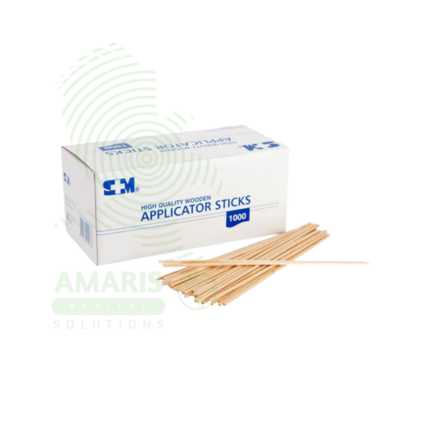
Applicator Sticks
Applicator Sticks are single-use medical devices with absorbent tips (cotton, rayon, flocked polyester) on wood, plastic, or paper shafts for collecting clinical specimens (throat, nasal, wound, cervical, urethral, rectal) for microbiological culture, rapid testing, and molecular diagnostics. Sterile individually wrapped or non-sterile bulk formats. Flocked swabs provide >90% specimen release for PCR testing. Primary applications include specimen collection for infection diagnosis, wound care and antiseptic application, gynecological sampling (Pap smears, STI testing), eye/ear specimen collection, laboratory slide preparation, and forensic evidence collection. Critical precautions include single-use only, sterile technique, proper collection method, and biohazard disposal. Essential consumable in all clinical settings.
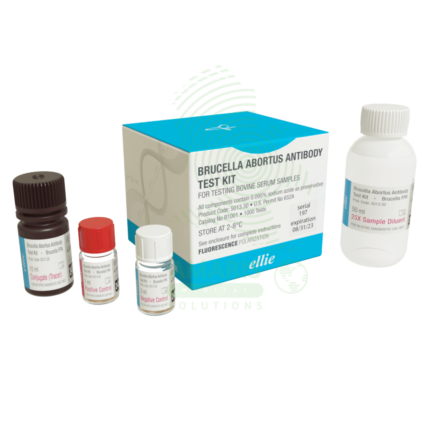
Brucella Set
A Brucella Set is a comprehensive serological test system (Class II medical device, CE-marked/FDA-cleared) for qualitative and quantitative detection of antibodies against Brucella species (B. abortus, B. melitensis, B. suis, B. canis) using multiple methodologies including tube agglutination, slide agglutination, and 2-mercaptoethanol (2-ME) testing. The set includes killed, stained Brucella antigens, positive and negative controls, dilution tubes, reaction cards, and 2-ME reagent for IgM/IgG differentiation. Diagnostic titer ≥1:160 or fourfold rise confirms brucellosis. Primary clinical applications include diagnosis of brucellosis in endemic regions (undulant fever, night sweats, arthralgia), fever of unknown origin investigation, occupational health screening in high-risk workers (veterinarians, farmers, slaughterhouse workers), diagnosis of focal complications (sacroiliitis, spondylitis, meningitis, endocarditis), treatment monitoring (fourfold decline indicates response), outbreak investigation, and public health surveillance. Critical safety precautions include handling all samples in biosafety cabinet (Brucella is highly infectious via aerosol), 2-ME reagent toxicity (use fume hood), awareness of prozone phenomenon (serial dilutions essential), cross-reactions with other Gram-negative bacteria, and mandatory reporting to public health authorities. Essential test for brucellosis diagnosis in endemic regions and occupational health settings.
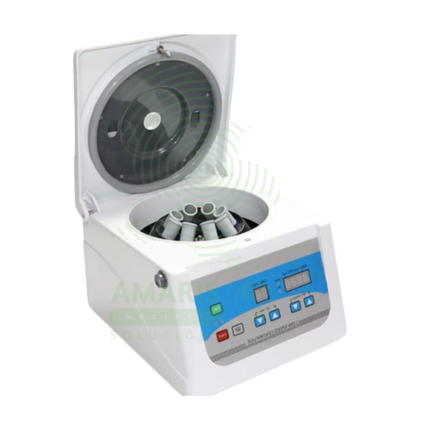
Electric Centrifuge
An Electric Centrifuge is a Class I medical device that uses rapid rotation to separate fluids of different densities, essential in clinical laboratories for processing blood, urine, and other biological specimens. Available in benchtop, refrigerated, microcentrifuge, hematocrit, and high-speed models with fixed-angle, swinging-bucket, or vertical rotors. Speed range 1,000-30,000+ RPM with RCF up to 65,000+ x g. Features include brushless induction motor, digital controls, imbalance detection, lid lock safety, and programmable protocols. Primary clinical applications include separation of serum/plasma for chemistry and hematology testing, urine sediment analysis for microscopy, platelet-rich plasma (PRP) preparation for regenerative medicine, concentration of bacteria for microbiology, cytology fluid analysis, blood banking, and molecular biology sample processing. Critical safety precautions include proper balancing of loads (weight matching), use of sealed rotors for biohazardous samples, regular rotor inspection for corrosion or cracks, never exceeding maximum rated speed, and never opening lid during operation. Essential equipment in clinical, research, and teaching laboratories.
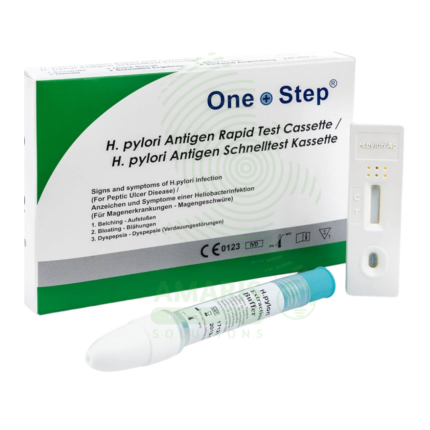
H.pylori test kits (Antigen)
H.pylori test kits (Antigen) are Class II medical devices (FDA-cleared/CE-marked) for rapid immunochromatographic or enzyme immunoassay detection of Helicobacter pylori antigens in stool specimens, enabling non-invasive diagnosis of active infection and post-treatment eradication confirmation. Test principles use monoclonal or polyclonal antibodies specific to H. pylori antigens, producing visible results in 10-20 minutes (rapid tests) or 1-2 hours (EIA). Sensitivity 90-98%, specificity 92-99% compared to gold standard methods. Primary clinical applications include rapid diagnosis of H. pylori infection in patients with dyspepsia, initial screening in uncomplicated dyspepsia (test-and-treat strategy), confirmation of active infection before therapy, post-treatment eradication confirmation (4-6 weeks after therapy), pediatric testing (preferred non-invasive method), screening in high-risk populations (family history of gastric cancer), and monitoring in patients with peptic ulcer disease or MALT lymphoma. Critical safety precautions include mandatory washout period (4 weeks off antibiotics, 2 weeks off PPIs) to avoid false negatives, proper specimen handling (universal precautions), refrigerated storage of kits (2-30°C), quality control verification, and disposal as biohazardous waste. Essential non-invasive tool for H. pylori management in gastroenterology and primary care.
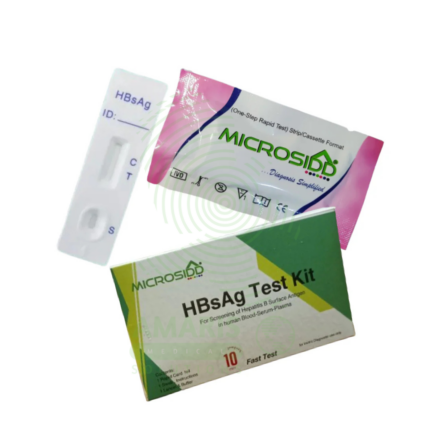
Hepatitis B Test Kit
The Hepatitis B Test Kit is an in vitro diagnostic device for the detection of Hepatitis B virus markers in human blood samples, available in rapid, ELISA, and molecular formats. It detects specific antigens (HBsAg) and antibodies (anti-HBc, anti-HBs) to diagnose acute and chronic infection, monitor treatment response, screen blood donations, and determine immunity status. With high sensitivity (>98%) and specificity (>99%), it provides results in 15 minutes to 4 hours depending on format. Essential applications include prenatal screening to prevent mother-to-child transmission, evaluation of acute hepatitis, pre-immunosuppression screening, and occupational health testing. All patient samples must be handled with universal precautions, and testing must include appropriate quality controls.
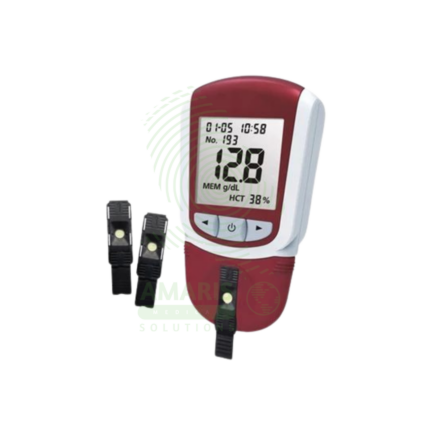
Mission Plus HB Machine
The Mission Plus HB Machine is a portable, battery-operated hemoglobin meter (Class II medical device, FDA-cleared/CE-marked) using photometric technology to measure hemoglobin concentration in capillary or venous blood within 5-15 seconds. Features include backlit LCD display, memory storage for 100-500 results, simple one-button operation, and disposable single-use cuvettes (5-20 µL sample volume). Accuracy ±0.3 g/dL compared to reference methods, measurement range 4-24 g/dL. Primary clinical applications include rapid anemia screening in outpatient clinics, preoperative assessment, antenatal care and maternal health monitoring, malaria-endemic region screening, chronic disease management (CKD, IBD, cancer), nutritional assessment and intervention programs, and blood donor screening. Critical safety precautions include single-use lancets, proper hand hygiene, correct sample application, quality control with control solutions, proper cuvette storage (protect from heat, light, humidity), and never using expired cuvettes. Essential point-of-care device for hemoglobin testing in diverse healthcare settings.
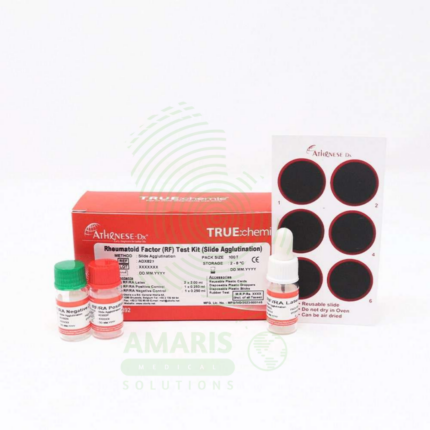
Rheumatoid factor
Rheumatoid Factor (RF) testing is a quantitative or semi-quantitative serological assay (nephelometry, turbidimetry, latex agglutination, or ELISA) for detecting autoantibodies against the Fc portion of immunoglobulin G, primarily of the IgM isotype. RF is a key marker in the ACR/EULAR classification criteria for rheumatoid arthritis, with sensitivity 60-80% and specificity 70-90%. Test requires serum samples; results reported in IU/mL (reference <15-20 IU/mL) or titer. Primary clinical applications include diagnosis and classification of rheumatoid arthritis, prognostic assessment (high-titer RF correlates with severe, erosive disease), differential diagnosis of inflammatory arthritis, monitoring disease activity, diagnosis of Sjögren's syndrome, evaluation of mixed cryoglobulinemia (hepatitis C-associated), and assessment of other autoimmune and chronic inflammatory conditions. Critical safety precautions include awareness of false positives (other autoimmune diseases, chronic infections, healthy elderly), false negatives (seronegative RA 20-30%), need for clinical correlation, and anti-CCP antibody testing to improve diagnostic accuracy. Essential test for rheumatology practice, autoimmune disease evaluation, and differential diagnosis of inflammatory arthritis.