Dermatoscope and Magnifiers
 Diagnostic Kits
 Vital Signs Monitors
 Stethoscopes and Accessories
 Otoscopes, Ophthalmoscopes, and Retinoscopes
 Reflex Hammers and Neurological Tools
 Scales and Measuring Devices
 Spirometers and Pulmonary Function Tests
 Electrosurgical Units and Accessories
 Cutting Instruments
 Grasping and Holding Instruments
 Hemostatic Instruments
 Specialized Surgical Sets
 Single-Use Procedure Trays and Packs
 Surgical Drapes, Gowns, and Covers
 Tissue Unifying Instruments
 Radiation Protection
 X-Ray Machines and Accessories
 Ultrasound Systems and Probes
 MRI and CT Scanners
 Radiology Consumables
 Bone Densitometers
 Fluoroscopy Equipment
 Imaging Tables and Positioning Aids
 Microscopes and Accessories
 Centrifuges and Separators
 Analyzers
 Incubators and Ovens
 Pipettes, Dispensers, and Lab Glassware
 Refrigerators, Freezers, and Storage Units
 Lab Consumables
 Sterilizers and Autoclaves for Lab Use
 Multi-Parameter Monitors
 Ventilators and Respiratory Support Devices
 Defibrillators and AEDs
 Infusion Pumps and IV Systems
 Patient Warmers and Cooling Devices
 Central Monitoring Stations
 Accessories
 Anesthesia Machines and Workstations
 Oxygen Concentrators and Delivery Systems
 Nebulizers and Inhalers
 CPAP/BiPAP Machines
 Airway Management
 Anesthesia Masks, Circuits, and Bags
 Humidifiers and Heaters
 Respiratory Therapy Accessories
 First Aid Kits and Cabinets
 Emergency Resuscitation Equipment
 Trauma Supplies
 Emergency Carts and Crash Carts
 Burn Care Products
 Bleeding Control
 Automated External Defibrillators (AEDs)
 Transport and Evacuation
 Wheelchairs and Accessories
 Walkers, Crutches, and Canes
 Prosthetics and Orthotics
 Physical Therapy Equipment
 Transfer Devices
 Bathroom Safety
 Orthopedic Traction and Tables
 Hot/Cold Therapy Packs and Units
 Beds and Mattresses
 Chairs and Stools
 Tables
 Cabinets and Storage
 Privacy Screens & Curtains
 Stands and Racks
 Linens and Textiles
 Lighting
 Autoclaves and Sterilizers
 Ultrasonic Cleaners
 Disinfectant Solutions and Wipes
 Sterilization Pouches, Wraps, and Indicators
 Instrument Trays and Containers
 UV and Ozone Disinfection Devices
 Washer Disinfectors
 Wound Care
 Gloves
 Masks and Respirators
 Catheters and Tubing
 Swabs, Applicators, and Sponges
 Incontinence Products
 Personal Protective Equipment (PPE)
 Dental Chairs and Units
 Handpieces and Burs
 Instruments
 Consumables
 Sterilization for Dental Use
 Orthodontic Supplies
 Endodontic Tools
 Slit Lamps and Tonometers
 Lensometers and Phoropters
 Ophthalmic Surgical Instruments
 Eyewear Frames and Lenses
 Contact Lens Supplies
 Vision Testing Charts and Devices
 Eye Care Consumables
 Laser Systems for Eye Care
 ENT Exam Chairs and Tables
 Endoscopes
 Audiometers and Hearing Tests
 ENT Instruments
 Nasal and Throat Packs
 Hearing Aids and Accessories
 Otology Supplies
 Fetal Dopplers and Monitors
 Delivery Beds and Tables
 Gynecological Instruments
 Neonatal Incubators and Warmers
 Breast Pumps and Accessories
 Contraceptive Devices
 Maternity Supports and Pads
 Neonatal Consumables
 Cystoscopes and Urethroscopes
 Dialysis Machines and Supplies
 Urological Catheters and Bags
 Lithotripters
 Prostate Treatment Devices
 Urinary Incontinence Products
 Kidney Stone Management Tools
 Consumables & Disposables
 EEG and EMG Machines
 Neurosurgical Instruments
 Nerve Stimulators
 Headrests and Positioning Aids
 Lumbar Puncture Kits
 Seizure Monitoring Devices
 Consumables
 Rehabilitation for Neurological Conditions
 ECG Machines and Accessories
 Holter Monitors
 Stress Test Systems
 Pacemakers and Defibrillator Accessories
 Vascular Access Devices
 Cardiac Catheters and Guidewires
 Blood Flow Meters
 Consumables
 Orthopedic Instruments
 Casts, Splints, and Padding
 Joint Replacement Supplies
 Prosthetic Limbs and Components
 Bone Grafts and Substitutes
 Traction Devices
 Orthopedic Braces and Supports
 Rehabilitation Aids for Orthopedics
 Home Oxygen Therapy
 Hospital Beds for Home Use
 Mobility Aids
 Bathroom and Daily Living Aids
 Wound Care for Home
 Monitoring Devices
 Enteral Feeding Pumps and Tubes
 Hand Sanitizers and Dispensers
 Face Shields and Goggles
 Isolation Gowns and Suits
 Biohazard Waste Containers
 Air Purifiers and HEPA Filters
 Surface Disinfectants
 Sharps Containers
 Protective Barriers
 Cardiovascular & Endurance Training
 Strength Training & Weightlifting
 Functional Training & Core Conditioning
 Physical Therapy & Rehabilitation
 Sports & Outdoor Recreation
 Gym Flooring & Facility Equipment
 Fitness Monitoring & Accessories
 Kids & Novelties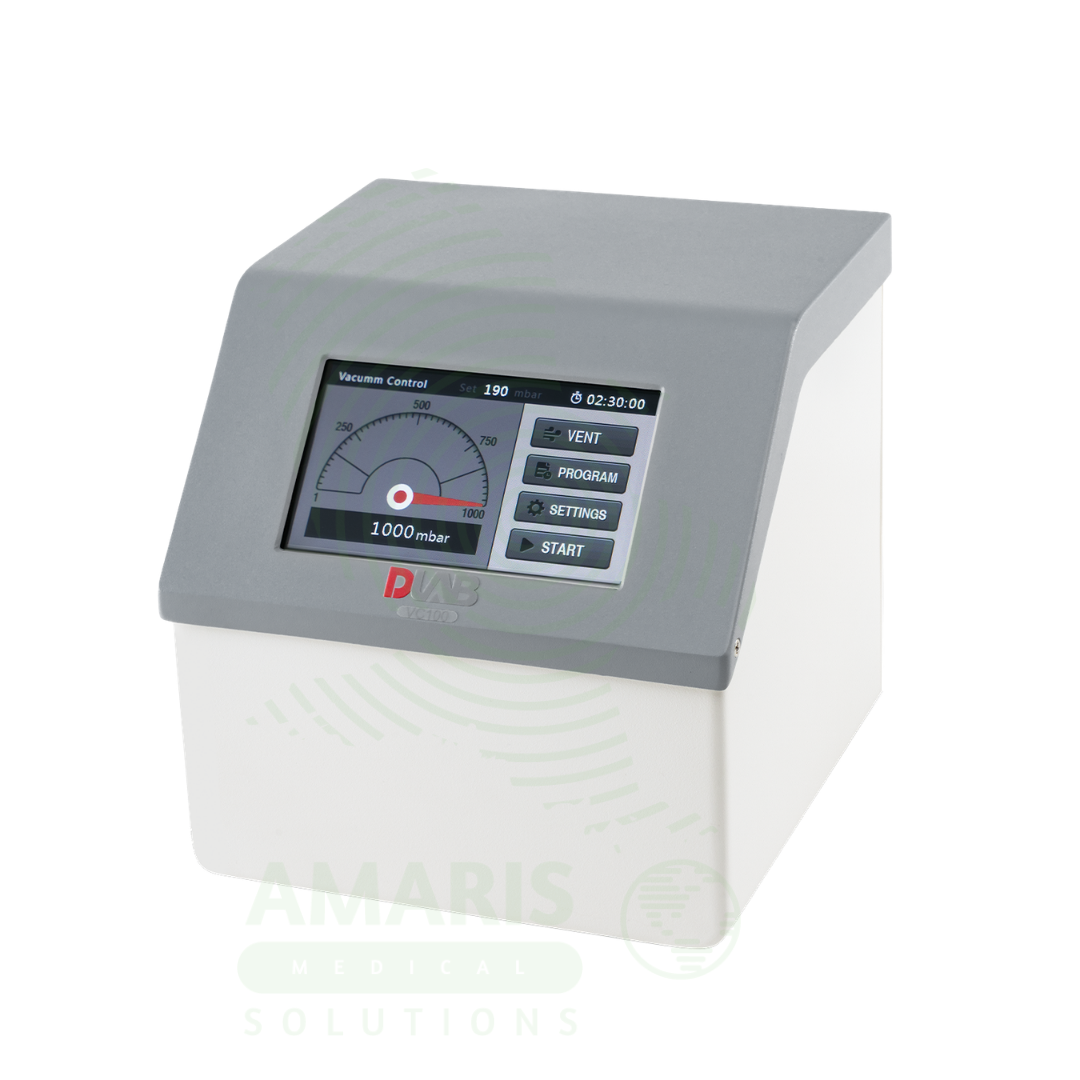

Vacuum Controller (VC100)
WhatsApp Order
The Vacuum Controller is a programmable digital unit designed to precisely measure and regulate vacuum pressure from 1 to 1000 mbar within laboratory vacuum systems . Featuring a 5-inch TFT touch screen for intuitive control, it allows researchers to switch between single-point mode for constant pressure or a multi-step program mode—storing up to 5 programs with 5 steps each—to automate complex distillation and solvent recovery processes .
Engineered for durability, all vapor-contact parts are constructed from chemically resistant PTFE, ceramic, and PP, making the Vacuum Controller suitable for harsh organic solvent applications in pharmaceutical R&D and analytical labs . The unit supports energy-saving operation by temporarily shutting off the connected vacuum pump once the set pressure is reached and features a built-in vent valve for safe system release .
Description
Vacuum Controller
PRIMARY CLINICAL & DIAGNOSTIC USES
1. Precision Vacuum Control for Rotary Evaporators in Pharmaceutical Research
-
Primary Use: Provides a digital vacuum controller with a 5-inch TFT touch screen, designed to accurately measure and regulate vacuum pressure (from 1 to 1000 mbar) within a laboratory vacuum system. It is typically used with a vacuum pump to form the automated control system of a rotary evaporator .
-
How it helps: For the pharmaceutical researcher and medicinal chemist, the VC100 eliminates manual vacuum guesswork by providing precise, stable pressure control. This ensures gentle and efficient solvent removal, prevents sample bumping, and significantly improves the reproducibility of distillation and purification processes. For the patient, this accuracy accelerates drug development and ensures the consistent quality of medications through controlled manufacturing processes.
2. Automated Multi-Step Distillation for Complex Sample Processing
-
Primary Use: Features programmable control mode that can store up to 5 programs, each containing up to 5 distinct steps. Each step allows the user to set a specific vacuum level and duration, enabling fully automated separation of solvent mixtures with different boiling points .
-
How it helps: For the analytical chemist and laboratory manager, the programmable controller automates complex workflows, such as separating a solvent mixture. It frees up valuable technician time, reduces the risk of operator error, and guarantees consistent results across multiple production batches. For the patient, this automation ensures high reproducibility in the manufacturing of pharmaceuticals and nutraceuticals, leading to reliable product quality .
3. Corrosion Resistance for Aggressive Chemical Applications
-
Primary Use: All parts of the Vacuum Controller that come into contact with steam or liquid are constructed from high-performance, chemically resistant materials including PTFE, ceramic, PP, and silicone, protecting the device from damage by organic solvents, acids, and alkalis .
-
How it helps: For the industrial chemist and quality control specialist, the robust, chemically-resistant construction ensures a long instrument lifespan and reliable performance even when working with harsh solvents commonly used in API purification and analytical chemistry. For the patient, this durability ensures the integrity of chemical processes and the purity of final products by preventing cross-contamination from degrading equipment parts.
4. Energy-Efficient Vacuum Control for Sustainable Laboratory Operation
-
Primary Use: Can be connected to control the vacuum pump’s power supply. Once the set stable vacuum degree is reached, the Vacuum Controller can temporarily shut down the pump, automatically restarting it only when the pressure falls outside the set parameters. It also features a built-in vent valve for safe system venting .
-
How it helps: For the environmental compliance officer and laboratory manager, the pump control function significantly reduces energy consumption, lowers heat generation and noise in the lab, and extends the lifespan of the vacuum pump. The one-key venting allows for the safe release of vacuum and the introduction of inert gas. For the patient and community, these features support sustainable laboratory practices and reduce the environmental footprint of pharmaceutical manufacturing.
SECONDARY & SUPPORTIVE USES
1. Vacuum Control for Vacuum Distillation and Fractionation: Used to maintain precise pressure conditions for the distillation and separation of heat-sensitive or high-boiling-point compounds without thermal degradation.
2. Solvent Recovery Systems: Automates the vacuum regulation in closed-loop solvent recovery systems, maximizing solvent reclamation efficiency and minimizing hazardous waste.
3. Chemical Synthesis and Reaction Control: Provides stable vacuum levels for chemical syntheses that require reduced pressure conditions, such as certain polymerizations or organic reactions.
4. General Purpose Laboratory Vacuum Automation: Acts as a central vacuum regulator for a variety of lab applications, providing a consistent vacuum source for multiple instruments and saving bench space from dedicated pump setups.
5. Quality Control Laboratories: Used to standardize sample preparation steps involving vacuum filtration or evaporation, ensuring repeatable conditions for QC testing of raw materials and finished products.
6. Vacuum Drying and Desiccator Control: Regulates the vacuum level in vacuum ovens or desiccators for gentle drying of heat-sensitive powders, crystals, or materials.
7. Environmental Sample Preparation: Provides precise vacuum control for the concentration of environmental extracts (soil, water, air) prior to GC-MS or HPLC analysis.
8. Pharmaceutical R&D and Formulation Testing: Precisely controls vacuum during the formulation of liposomes, nanoparticles, or other drug delivery systems that require specific pressure parameters.
9. GLP-Compliant Data Management: The programmable and digital nature of the controller supports the generation of reproducible, traceable data for compliance with Good Laboratory Practice standards.
10. Biotechnology Process Development: Used in lab-scale bioprocessing to control vacuum during the concentration of bioreactor harvests or purification of biological molecules.
KEY PRODUCT FEATURES
1. BASIC IDENTIFICATION ATTRIBUTES
-
Device Type: A digital, programmable vacuum controller (measurement and control unit) for laboratory vacuum systems, featuring a touch screen interface and chemically resistant components .
-
Designation: VC100 Vacuum Controller, DLAB Vacuum Controller, Programmable Vacuum Regulator, Digital Vacuum Control Unit, Rotary Evaporator Controller .
-
Key Components:
o Display: 5-inch TFT touch screen for intuitive control and monitoring .
o Sensor: Internal pressure sensor with overload protection up to 1500 mbar .
o Control Unit: Microprocessor-based controller for single-point and multi-step programming .
o Wetted Materials: PTFE, ceramic, PP, and silicone for high chemical resistance .
o Connections: 8mm connector diameter for vacuum lines; power input and output for pump control .
o Vent Valve: Built-in valve for system venting and inert gas introduction .
2. TECHNICAL & PERFORMANCE PROPERTIES
-
Vacuum Setting & Measurement Range: 1 – 1000 mbar .
-
Control Modes: Single-point control mode, Programmed control mode (5 programs, each up to 5 steps) .
-
Sensor Overload Pressure: 1500 mbar .
-
Display: 5-inch TFT touch screen .
-
Materials (Vapor Contact): PTFE, PP, silicone, ceramics .
-
Connector Diameter: 8 mm .
-
Pump Compatibility: Suitable for vacuum pumps with power ≤400W (50Hz) or ≤500W (60Hz) .
-
Power: 600W .
-
Voltage/Frequency: 110-240V, 50/60Hz .
-
Overall Dimensions (W×D×H): 189 × 207 × 193 mm .
-
Weight: 4.0 kg .
-
Operating Environment: 10℃ to 40℃, ≤80% RH .
3. PHYSICAL & OPERATIONAL PROPERTIES
-
Construction: Compact, benchtop unit with a robust housing and a 5-inch TFT touch screen interface .
-
Control System: Features two modes: "Single-point" for constant vacuum and "Program" for multi-step automated distillation .
-
Corrosion Resistance: Critical internal pathways are made of PTFE and ceramic, ensuring resistance to organic solvents, acids, and bases .
-
Energy Efficiency: Includes a power output socket for the vacuum pump. The controller can shut down the pump once the target vacuum is reached, saving energy and reducing wear .
-
Operation: VENT: A dedicated touch button allows for quick, one-key venting of the system with air or inert gas .
-
Portability: Small footprint (approx. 189×207mm) is ideal for crowded laboratory benches .
4. SAFETY & COMPLIANCE ATTRIBUTES
-
Regulatory Status: Laboratory equipment; not a medical device for patient diagnosis but essential for pharmaceutical and analytical research and quality control .
-
Safety Features: Ground protection (requires properly grounded socket) ; built-in vent valve for safe pressure equalization ; sensor overload protection up to 1500 mbar .
-
Chemical Safety: Use of PTFE and ceramic in all wetted parts prevents corrosion and ensures long-term chemical safety .
-
Electrical Safety: Universal voltage compatibility (110-240V, 50/60Hz) with a 600W power rating . Instructions specify a maximum compatible pump power to prevent overload .
-
Operational Safety: Designed for indoor use in controlled laboratory environments (schools, labs, factories) .
5. STORAGE & HANDLING ATTRIBUTES
-
Storage: Store in a clean, dry environment within the permissible temperature range (10℃ to 40℃). Excessive dust or humidity should be avoided.
-
Cleaning: Keep the instrument dry and clean. Use a soft, dry cloth to clean the exterior. Do not allow solvents to penetrate the internal electronics .
-
Installation: Place the unit on a stable, well-ventilated surface away from flammable materials. Ensure the label voltage matches the mains supply and the socket is properly grounded .
-
Maintenance: Perform regular checks to ensure the unit and connections are dry; proper maintenance extends service life .
-
Calibration: The unit is factory-calibrated. The user manual provides instructions for instrument configuration and password-protected settings (default password 6666) for advanced adjustments .
6. LABORATORY & CLINICAL APPLICATIONS
-
Primary Application: Precise regulation of vacuum levels for automated solvent removal, distillation, evaporation, and sample concentration in pharmaceutical R&D, analytical testing, and nutraceutical manufacturing .
-
Clinical Role: Not used for direct patient diagnosis; serves as a critical support instrument in pharmaceutical manufacturing and clinical research laboratories where reproducible sample preparation and solvent recovery are required.
SAFETY HANDLING PRECAUTIONS
1. SAFETY PRECAUTIONS
-
AUTHORIZED USE: The instrument is designed for controlling the vacuum level of gas mediums in laboratories. Only use genuine DLAB parts to ensure safety and performance .
-
ELECTRICAL SAFETY: Ensure the main power socket is properly grounded before connecting the device .
-
TRAINING: Only trained staff should operate this product .
-
POWER COMPATIBILITY: When connecting a vacuum pump, ensure its power rating is ≤400W (50Hz) or ≤500W (60Hz) to avoid overloading the VC100's power output .
-
CHEMICAL COMPATIBILITY: While the wetted parts are highly resistant, always verify that the media being passed through the controller is compatible with PTFE, PP, silicone, and ceramics .
-
VENTILATION: Operate in a well-ventilated area, especially when working with volatile or hazardous solvents, to prevent the buildup of harmful vapors.
-
MAINTENANCE: Keep the instrument dry to prevent electrical shorts and maintain operational integrity .
2. FIRST AID MEASURES
-
Chemical Exposure: If a hazardous solvent vapor leaks from the system due to a malfunction, ventilate the area immediately. Provide fresh air and seek medical attention if inhalation causes respiratory distress.
-
Electrical Shock: If the device malfunctions and an electrical shock occurs, disconnect the power immediately. Seek medical attention for any electrical injury.
3. FIRE FIGHTING MEASURES
-
Flammability: The device is an electrical component and can be an ignition source for flammable solvents. Do not operate near open containers of flammable materials.
-
Extinguishing Media: For a fire involving the electrical unit, use carbon dioxide (CO₂) or a dry chemical extinguisher. Do not use water.
-
Fire Response: Disconnect the main power supply immediately if a fire breaks out in the vicinity. Evacuate the area if a solvent-based fire cannot be immediately controlled.
Related products
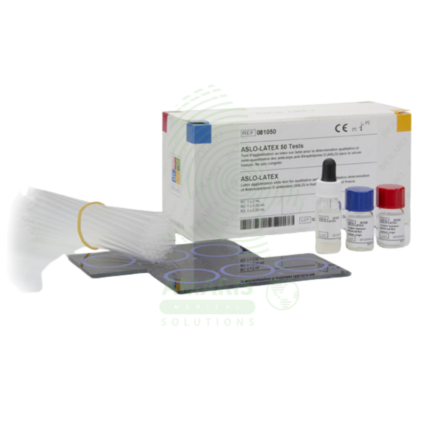
Anti-Streptol Olysin O Titer (ASOT)
Anti-Streptol Olysin O Titer (ASOT) is a quantitative or semi-quantitative serological test (latex agglutination, turbidimetry, nephelometry, or ELISA) for detecting antibodies against streptolysin O, an exotoxin produced by Group A Streptococcus. Elevated or rising titers indicate recent streptococcal infection and are essential for diagnosing post-streptococcal sequelae including acute rheumatic fever (Jones criteria) and post-streptococcal glomerulonephritis. The test requires serum samples; acute and convalescent (2-4 weeks apart) with fourfold rise confirms recent infection. Reference range typically <200-250 Todd units/mL (adults), varies by age and population. Primary clinical applications include diagnosis of Group A streptococcal infections, acute rheumatic fever evaluation, post-streptococcal glomerulonephritis diagnosis, differentiation of acute vs. past infection, evaluation of unexplained arthritis or carditis, pediatric inflammatory conditions (PANDAS), and monitoring disease activity in rheumatic fever. Critical safety precautions include proper timing of acute and convalescent samples, awareness of false negatives/positives, clinical correlation for diagnosis, and standard biohazard precautions. Essential test for rheumatology, nephrology, cardiology, and infectious disease practice.
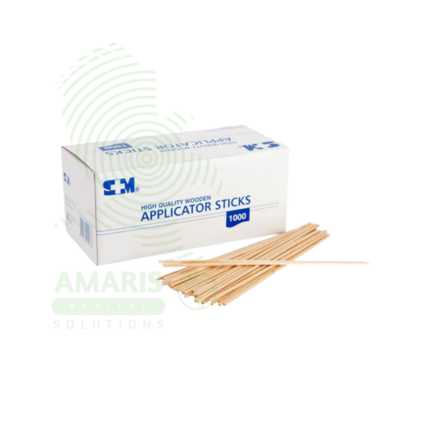
Applicator Sticks
Applicator Sticks are single-use medical devices with absorbent tips (cotton, rayon, flocked polyester) on wood, plastic, or paper shafts for collecting clinical specimens (throat, nasal, wound, cervical, urethral, rectal) for microbiological culture, rapid testing, and molecular diagnostics. Sterile individually wrapped or non-sterile bulk formats. Flocked swabs provide >90% specimen release for PCR testing. Primary applications include specimen collection for infection diagnosis, wound care and antiseptic application, gynecological sampling (Pap smears, STI testing), eye/ear specimen collection, laboratory slide preparation, and forensic evidence collection. Critical precautions include single-use only, sterile technique, proper collection method, and biohazard disposal. Essential consumable in all clinical settings.
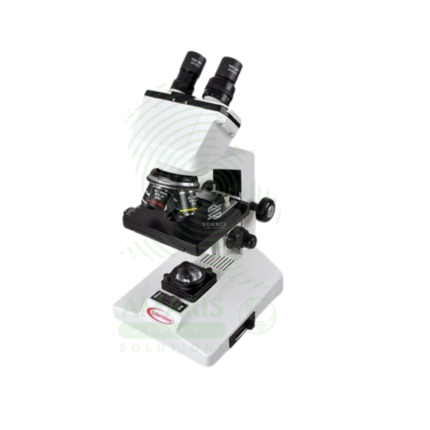
Binocular Microscope
A Binocular Microscope is a high-precision, compound optical instrument fundamental to clinical diagnostics. Featuring dual eyepieces for comfortable viewing and a suite of parfocal objective lenses (4x, 10x, 40x, 100x oil), it provides magnifications from 40x to 1000x. Its integrated LED illumination, mechanical stage, and Abbe condenser enable the detailed examination of stained blood films, tissue sections, microbiological specimens, and cytological preparations. As the primary tool for pathologists and laboratory scientists, it is indispensable for definitive diagnoses in hematology, histopathology, microbiology, and urinalysis, demanding skilled operation and meticulous maintenance for optimal performance.
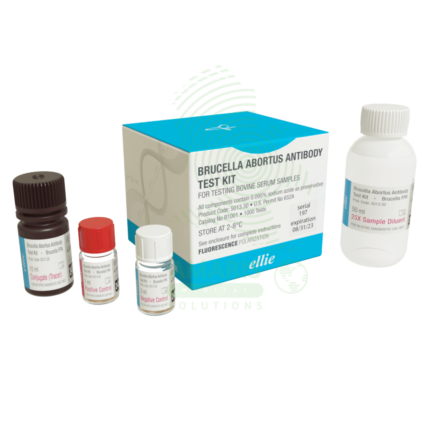
Brucella Set
A Brucella Set is a comprehensive serological test system (Class II medical device, CE-marked/FDA-cleared) for qualitative and quantitative detection of antibodies against Brucella species (B. abortus, B. melitensis, B. suis, B. canis) using multiple methodologies including tube agglutination, slide agglutination, and 2-mercaptoethanol (2-ME) testing. The set includes killed, stained Brucella antigens, positive and negative controls, dilution tubes, reaction cards, and 2-ME reagent for IgM/IgG differentiation. Diagnostic titer ≥1:160 or fourfold rise confirms brucellosis. Primary clinical applications include diagnosis of brucellosis in endemic regions (undulant fever, night sweats, arthralgia), fever of unknown origin investigation, occupational health screening in high-risk workers (veterinarians, farmers, slaughterhouse workers), diagnosis of focal complications (sacroiliitis, spondylitis, meningitis, endocarditis), treatment monitoring (fourfold decline indicates response), outbreak investigation, and public health surveillance. Critical safety precautions include handling all samples in biosafety cabinet (Brucella is highly infectious via aerosol), 2-ME reagent toxicity (use fume hood), awareness of prozone phenomenon (serial dilutions essential), cross-reactions with other Gram-negative bacteria, and mandatory reporting to public health authorities. Essential test for brucellosis diagnosis in endemic regions and occupational health settings.
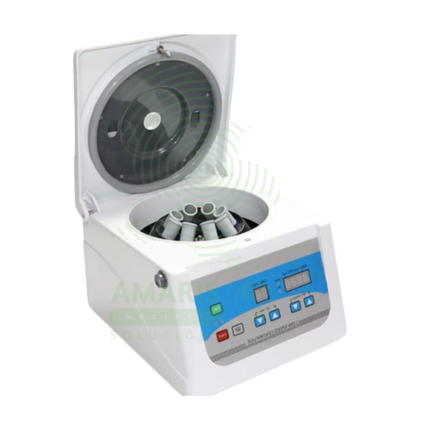
Electric Centrifuge
An Electric Centrifuge is a Class I medical device that uses rapid rotation to separate fluids of different densities, essential in clinical laboratories for processing blood, urine, and other biological specimens. Available in benchtop, refrigerated, microcentrifuge, hematocrit, and high-speed models with fixed-angle, swinging-bucket, or vertical rotors. Speed range 1,000-30,000+ RPM with RCF up to 65,000+ x g. Features include brushless induction motor, digital controls, imbalance detection, lid lock safety, and programmable protocols. Primary clinical applications include separation of serum/plasma for chemistry and hematology testing, urine sediment analysis for microscopy, platelet-rich plasma (PRP) preparation for regenerative medicine, concentration of bacteria for microbiology, cytology fluid analysis, blood banking, and molecular biology sample processing. Critical safety precautions include proper balancing of loads (weight matching), use of sealed rotors for biohazardous samples, regular rotor inspection for corrosion or cracks, never exceeding maximum rated speed, and never opening lid during operation. Essential equipment in clinical, research, and teaching laboratories.
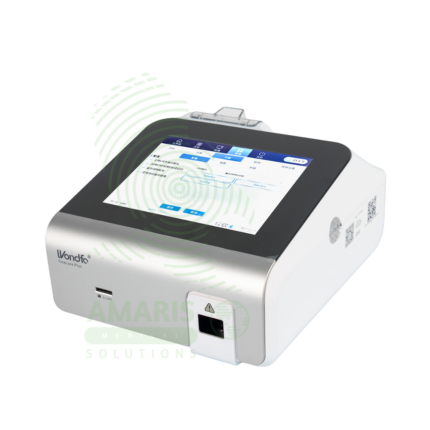
Finecare Analyzer
The Finecare Analyzer is a Class II medical device (FDA-cleared, CE-marked) fluorescence immunoassay system manufactured by Wondfo Biotech for quantitative detection of cardiac markers (troponin I, CK-MB, myoglobin), inflammatory markers (CRP, procalcitonin), thyroid hormones (TSH, FT3, FT4), diabetes markers (HbA1c), reproductive hormones (LH, FSH, prolactin), tumor markers (AFP, CEA, PSA), and infectious disease markers. Features include time-resolved fluorescence technology, color touchscreen interface, built-in printer (select models), USB/Ethernet connectivity, and internal rechargeable battery for portable use. Test time 3-15 minutes, sample volume 50-100 µL (whole blood, serum, plasma). Primary clinical applications include rapid diagnosis of acute myocardial infarction in chest pain patients, early detection of sepsis and bacterial infections, thyroid disorder diagnosis and monitoring, long-term glycemic control assessment in diabetes, fertility and reproductive health evaluation, cancer screening and surveillance, and infectious disease testing in endemic and clinical settings. Critical safety precautions include proper test cartridge storage (2-8°C), regular quality control, biohazard safety protocols, and operator training. Essential point-of-care testing system for hospitals, clinics, and remote healthcare facilities requiring rapid, quantitative results.
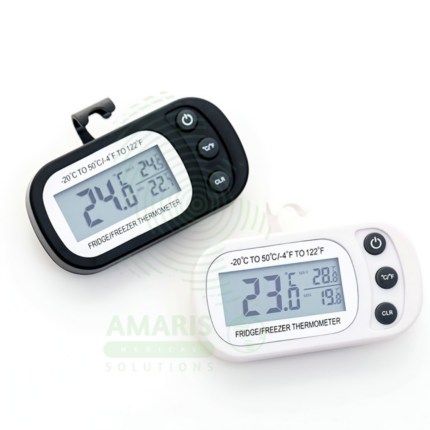
Fridge Thermometer
A Fridge Thermometer is a precision temperature monitoring device designed for continuous use inside medical and laboratory refrigerators and freezers. Its primary role is to safeguard the potency of vaccines, medications, and biological samples by ensuring storage temperatures remain within a critical specified range (e.g., +2°C to +8°C). Available in analog or digital formats, accurate models with memory functions are essential for compliance with cold chain protocols, requiring daily monitoring, logging, and regular calibration. It is a fundamental quality control tool in pharmacies, clinics, immunization centers, and laboratories.