Dermatoscope and Magnifiers
 Diagnostic Kits
 Vital Signs Monitors
 Stethoscopes and Accessories
 Otoscopes, Ophthalmoscopes, and Retinoscopes
 Reflex Hammers and Neurological Tools
 Scales and Measuring Devices
 Spirometers and Pulmonary Function Tests
 Electrosurgical Units and Accessories
 Cutting Instruments
 Grasping and Holding Instruments
 Hemostatic Instruments
 Specialized Surgical Sets
 Single-Use Procedure Trays and Packs
 Surgical Drapes, Gowns, and Covers
 Tissue Unifying Instruments
 Radiation Protection
 X-Ray Machines and Accessories
 Ultrasound Systems and Probes
 MRI and CT Scanners
 Radiology Consumables
 Bone Densitometers
 Fluoroscopy Equipment
 Imaging Tables and Positioning Aids
 Microscopes and Accessories
 Centrifuges and Separators
 Analyzers
 Incubators and Ovens
 Pipettes, Dispensers, and Lab Glassware
 Refrigerators, Freezers, and Storage Units
 Lab Consumables
 Sterilizers and Autoclaves for Lab Use
 Multi-Parameter Monitors
 Ventilators and Respiratory Support Devices
 Defibrillators and AEDs
 Infusion Pumps and IV Systems
 Patient Warmers and Cooling Devices
 Central Monitoring Stations
 Accessories
 Anesthesia Machines and Workstations
 Oxygen Concentrators and Delivery Systems
 Nebulizers and Inhalers
 CPAP/BiPAP Machines
 Airway Management
 Anesthesia Masks, Circuits, and Bags
 Humidifiers and Heaters
 Respiratory Therapy Accessories
 First Aid Kits and Cabinets
 Emergency Resuscitation Equipment
 Trauma Supplies
 Emergency Carts and Crash Carts
 Burn Care Products
 Bleeding Control
 Automated External Defibrillators (AEDs)
 Transport and Evacuation
 Wheelchairs and Accessories
 Walkers, Crutches, and Canes
 Prosthetics and Orthotics
 Physical Therapy Equipment
 Transfer Devices
 Bathroom Safety
 Orthopedic Traction and Tables
 Hot/Cold Therapy Packs and Units
 Beds and Mattresses
 Chairs and Stools
 Tables
 Cabinets and Storage
 Privacy Screens & Curtains
 Stands and Racks
 Linens and Textiles
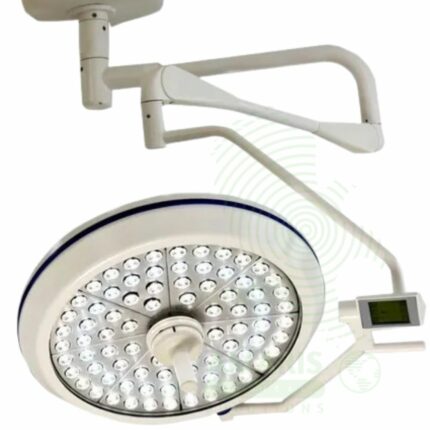
 Lighting
 Autoclaves and Sterilizers
 Ultrasonic Cleaners
 Disinfectant Solutions and Wipes
 Sterilization Pouches, Wraps, and Indicators
 Instrument Trays and Containers
 UV and Ozone Disinfection Devices
 Washer Disinfectors
 Wound Care
 Gloves
 Masks and Respirators
 Catheters and Tubing
 Swabs, Applicators, and Sponges
 Incontinence Products
 Personal Protective Equipment (PPE)
 Dental Chairs and Units
 Handpieces and Burs
 Instruments
 Consumables
 Sterilization for Dental Use
 Orthodontic Supplies
 Endodontic Tools
 Slit Lamps and Tonometers
 Lensometers and Phoropters
 Ophthalmic Surgical Instruments
 Eyewear Frames and Lenses
 Contact Lens Supplies
 Vision Testing Charts and Devices
 Eye Care Consumables
 Laser Systems for Eye Care
 ENT Exam Chairs and Tables
 Endoscopes
 Audiometers and Hearing Tests
 ENT Instruments
 Nasal and Throat Packs
 Hearing Aids and Accessories
 Otology Supplies
 Fetal Dopplers and Monitors
 Delivery Beds and Tables
 Gynecological Instruments
 Neonatal Incubators and Warmers
 Breast Pumps and Accessories
 Contraceptive Devices
 Maternity Supports and Pads
 Neonatal Consumables
 Cystoscopes and Urethroscopes
 Dialysis Machines and Supplies
 Urological Catheters and Bags
 Lithotripters
 Prostate Treatment Devices
 Urinary Incontinence Products
 Kidney Stone Management Tools
 Consumables & Disposables
 EEG and EMG Machines
 Neurosurgical Instruments
 Nerve Stimulators
 Headrests and Positioning Aids
 Lumbar Puncture Kits
 Seizure Monitoring Devices
 Consumables
 Rehabilitation for Neurological Conditions
 ECG Machines and Accessories
 Holter Monitors
 Stress Test Systems
 Pacemakers and Defibrillator Accessories
 Vascular Access Devices
 Cardiac Catheters and Guidewires
 Blood Flow Meters
 Consumables
 Orthopedic Instruments
 Casts, Splints, and Padding
 Joint Replacement Supplies
 Prosthetic Limbs and Components
 Bone Grafts and Substitutes
 Traction Devices
 Orthopedic Braces and Supports
 Rehabilitation Aids for Orthopedics
 Home Oxygen Therapy
 Hospital Beds for Home Use
 Mobility Aids
 Bathroom and Daily Living Aids
 Wound Care for Home
 Monitoring Devices
 Enteral Feeding Pumps and Tubes
 Hand Sanitizers and Dispensers
 Face Shields and Goggles
 Isolation Gowns and Suits
 Biohazard Waste Containers
 Air Purifiers and HEPA Filters
 Surface Disinfectants
 Sharps Containers
 Protective Barriers
 Cardiovascular & Endurance Training
 Strength Training & Weightlifting
 Functional Training & Core Conditioning
 Physical Therapy & Rehabilitation
 Sports & Outdoor Recreation
 Gym Flooring & Facility Equipment
 Fitness Monitoring & Accessories
 Kids & Novelties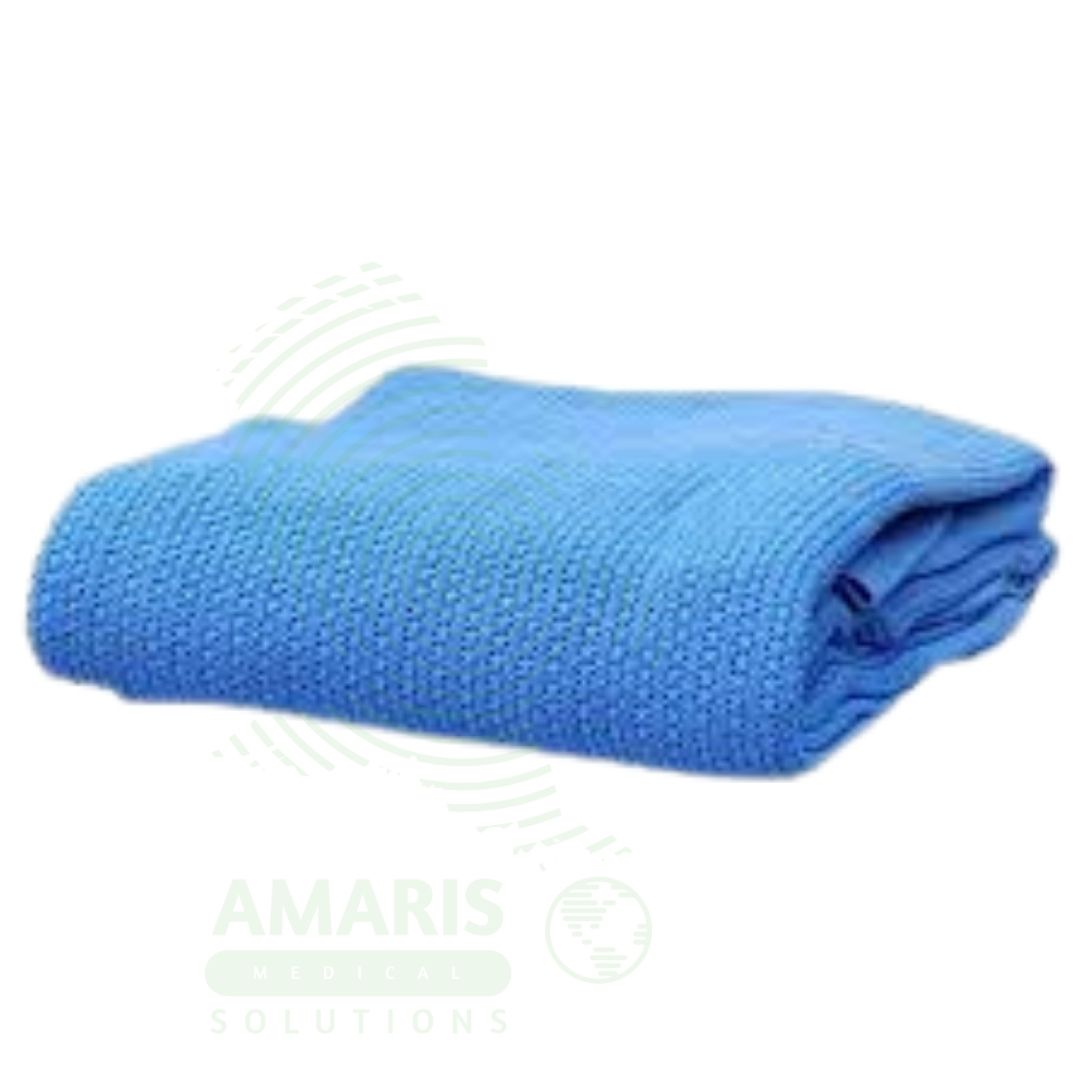
Cellular Blankets
WhatsApp Order
Cellular Blankets are lightweight, breathable blankets with a distinctive honeycomb knit structure. Primarily used in healthcare for patient warmth and thermal regulation, they work by trapping insulating air within their cells while allowing moisture to escape, preventing overheating and sweating. Available in reusable (cotton/polyester) or disposable forms, they are essential for maintaining patient comfort, dignity, and temperature stability in wards, recovery areas, and during transport. Their safety depends on strict adherence to single-patient use and proper high-temperature laundering for reusable versions.
Description
Cellular Blankets
PRIMARY CLINICAL & DIAGNOSTIC USES
1. Patient Thermal Regulation and Warmth
-
Definitive Use: Provides lightweight, breathable insulation for patients in hospital beds, chairs, or during transport to maintain a comfortable body temperature and prevent hypothermia, particularly for elderly, frail, or sedated patients who have impaired thermoregulation.
-
How it helps: For the nursing staff and care team, the cellular blanket offers a simple, effective tool for keeping patients warm without the risk of overheating—its open weave allows excess heat to escape while trapping just enough warmth for comfort. For the elderly patient whose body struggles to maintain temperature, or the frail patient who feels constantly cold in the air-conditioned hospital environment, the gentle warmth of a cellular blanket provides comfort, reduces shivering, and supports the body’s natural healing processes.
2. Post-Operative Warming and Shivering Management
-
Primary Use: Used in Post-Anesthesia Care Units and recovery areas to gently warm patients emerging from anesthesia, who are prone to hypothermia and postoperative shivering, without causing overheating due to the blanket’s breathable structure.
-
How it helps: For the PACU nurse monitoring patients as they emerge from anesthesia, the cellular blanket provides immediate, accessible warming that can be layered or removed as the patient’s temperature stabilizes. For the patient waking from surgery, disoriented and often violently shivering from anesthesia-induced hypothermia, the warm, breathable blanket wrapped around them provides comfort, stops the distressing shivering, and helps their body return to normal function.
3. Infection Control Barrier as a Disposable Cover
-
Primary Use: Single-use cellular blankets are employed as a hygienic barrier to cover patients, stretchers, or examination couches, preventing direct contact with potentially contaminated surfaces and protecting the patient’s own clothing during procedures or transfers.
-
How it helps: For the infection control team and environmental services staff, disposable cellular blankets provide an immediate, effective barrier that can be discarded after use, eliminating the need for laundering and reducing cross-contamination risk. For the patient being transferred through emergency department hallways, placed on an examination table, or awaiting a procedure, the clean blanket beneath or over them provides reassurance that they are protected from surfaces touched by countless others.
SECONDARY & SUPPORTIVE USES
1. Pressure and Weight Distribution for Limb Support: Can be folded or rolled to provide soft, malleable support and positioning for limbs or to offload pressure from bony prominences in a gentle manner. For the patient with an elevated ankle, a carefully placed folded blanket provides comfortable support that conforms to the limb; for the nurse, it offers an immediately available positioning aid when specialized devices are not at hand.
2. Patient Dignity and Privacy: Used to respectfully cover patients during examinations, transfers, or while in waiting areas, providing a sense of modesty and comfort. For the patient who feels exposed and vulnerable in a hospital gown, the simple act of being covered with a warm blanket restores a measure of dignity and humanity to an otherwise impersonal clinical experience.
3. Protective Padding During Patient Transfers: Placed between a patient’s limbs or between the patient and a hard surface during lateral transfers, cellular blankets reduce friction and protect the skin from damaging shear forces. For the immobilized patient being moved from bed to stretcher, this padding means their fragile skin is protected from the tears and abrasions that can lead to pressure injuries.
4. Thermal Insulation for Medical Equipment: Occasionally used to loosely cover and maintain the temperature of IV fluid bags or blood products being administered. For the hypothermic trauma patient receiving cold blood products, even the minimal insulation of a wrapped blanket can help prevent further temperature drop while more active warming measures are initiated.
5. Neonatal Care: Specially sized, lightweight cellular blankets are used in neonatal units to swaddle or cover premature and newborn infants, providing gentle warmth that minimizes the risk of overheating due to their excellent breathability. For the tiniest patients, whose immature skin and temperature regulation systems require special consideration, a cellular blanket provides gentle warmth without the risk of overheating—wrapping them in comfort while their bodies continue to develop outside the womb.
KEY PRODUCT FEATURES
1. BASIC IDENTIFICATION ATTRIBUTES
-
Product Type: A lightweight blanket characterized by a loose, open-hole "honeycomb" or "cellular" knit structure.
-
Core Design: Made from cotton, polyester, or a blend, woven into a pattern that creates small, open cells or holes throughout the fabric. This structure traps warm air while allowing moisture vapor to escape.
-
Key Components:
-
Fabric: The cellular knit material itself.
-
Edging: Typically a bound or hemmed edge to prevent fraying.
-
Layers: Usually a single layer. "Double cellular" blankets have two layers of fabric for added warmth.
-
2. TECHNICAL & PERFORMANCE PROPERTIES
-
Thermal Regulation: The cellular structure provides insulation by trapping body-warmed air in the cells, while the open holes allow excess heat and perspiration to escape, preventing overheating and moisture buildup (condensation).
-
Breathability: Extremely high breathability and moisture vapor permeability compared to solid-weave blankets, reducing the risk of patient sweating and associated skin maceration.
-
Weight: Very lightweight, minimizing pressure on the patient, which is crucial for those with fragile skin or at risk of pressure injuries.
-
Washability: Designed to withstand repeated industrial laundering at high temperatures (for reusable versions) without losing its structure or thermal properties.
3. PHYSICAL & OPERATIONAL PROPERTIES
-
Material: Cotton: Highly breathable, absorbent, and comfortable but heavier when wet and slower to dry. Polyester: Dries quickly, is less absorbent, and is more durable but can feel less natural. Blends: Combine properties.
-
Construction: Knitted (often on a Raschel knitting machine) to form the distinct cellular pattern. Not woven.
-
Sizes: Comes in various sizes from infant/neonatal to large adult/bed-sized.
4. SAFETY & COMPLIANCE ATTRIBUTES
-
Flammability Standards: Must comply with hospital fire safety standards (e.g., BS 5722, NFPA 701) for textiles, often requiring inherent or treated flame retardancy.
-
Hypoallergenic: Should be made from low-lint, non-irritating materials suitable for patients with sensitive skin or allergies.
-
Infection Control: Reusable blankets must withstand high-temperature washing (e.g., 71°C/160°F for at least 3 minutes) to eliminate pathogens. Disposable versions are single-use.
5. STORAGE & HANDLING ATTRIBUTES
-
Storage: Clean blankets should be stored in a dry, clean cupboard or linen cart, protected from dust and pests.
-
Cleaning & Disinfection (Reusable): Must be laundered in an accredited healthcare laundry facility using a thermal or chemical disinfection cycle per local standards after each patient use. Cannot be effectively disinfected by wiping.
-
Maintenance: Inspect for tears, holes, or worn thin areas. Damaged blankets should be condemned as they lose thermal efficiency and can be a infection control risk or snag on equipment.
6. LABORATORY & CLINICAL APPLICATIONS
-
Primary Application: A fundamental patient comfort item and basic thermal management tool used across all inpatient and many outpatient settings. It is considered an essential component of the patient's immediate environment for promoting comfort, dignity, and basic physiological stability.
SAFETY HANDLING PRECAUTIONS
1. SAFETY PRECAUTIONS
-
Infection Transmission: Never share a blanket between patients without proper laundering. A used blanket is considered contaminated.
-
Overheating Risk: While breathable, excessive layering of multiple blankets can still lead to overheating, especially in febrile or pediatric patients. Monitor patient comfort.
-
Trip/Fall Hazard: Ensure blankets do not drape onto the floor where they can become a tripping hazard for patients or staff.
-
Contamination During Use: If a blanket becomes soiled with body fluids, it should be removed immediately and replaced with a clean one to prevent cross-contamination and skin damage to the patient.
-
Loose Fibers: Low-quality blankets may shed lint, which is a concern in sterile environments like operating rooms or for patients with respiratory conditions.
2. FIRST AID MEASURES
-
Thermal Injury: If a patient shows signs of hypothermia (uncontrolled shivering, cold skin) despite blanket use, initiate active warming protocols (e.g., forced air warmer). If signs of hyperthermia occur, remove blankets and investigate for fever or infection.
-
Allergic Reaction: If a patient develops a rash or itching, remove the blanket. Provide symptomatic relief and document the reaction to avoid future use of similar material.
3. FIRE FIGHTING MEASURES
-
Flammability: Even flame-retardant textiles will burn in a developed fire. Cotton and polyester are combustible.
-
Extinguishing Media: Use water, foam, or CO₂. Smothering a small blanket fire is also effective.
Related products
Foldable Ward Screen
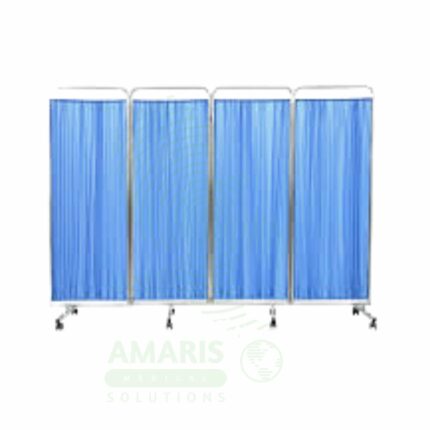
A Foldable Ward Screen is a portable, folding partition used to create instant visual privacy around a patient's bed or procedure area in multi-bed hospital wards, emergency departments, and clinics. Typically consisting of three hinged opaque panels, it provides dignity during examinations and personal care, aids in infection control by creating temporary barriers, and helps manage the clinical environment. Its free-standing, foldable design allows for easy deployment, storage, and cleaning, making it a fundamental piece of non-clinical equipment for patient-centered care in shared spaces.
Laparoscopic Accessories
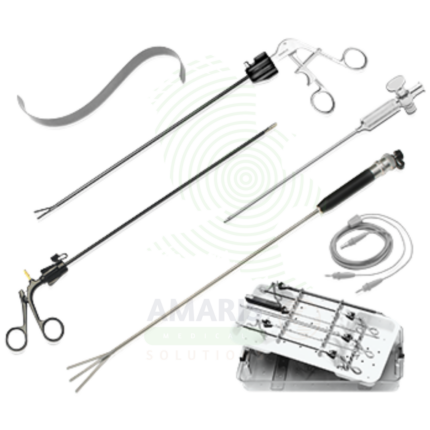
Laparoscopic accessories encompass a range of ancillary equipment and supplies essential for minimally invasive surgery, including cleaning brushes, sterilization containers, insufflation tubing, instrument storage systems, and single-use protective covers. These accessories support instrument care, procedural efficiency, and infection control, ensuring that laparoscopic instruments remain in optimal condition and that procedures run smoothly. Essential for operating rooms, sterile processing departments, and surgical suites.
Overbed Table
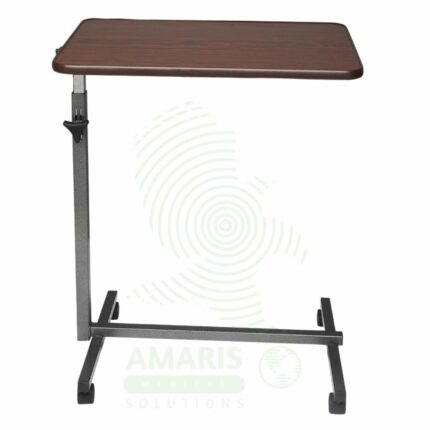
An Overbed Table is a mobile, height-adjustable table on a wheeled base, featuring a swing-arm that allows its surface to be positioned over a patient's bed or chair. Its primary function is to provide a stable, convenient surface for in-bed dining, recreational activities, and personal organization, significantly enhancing comfort and independence for bedridden or mobility-limited patients. It also serves as a versatile utility table for nursing procedures and holding supplies at the bedside. Its adjustable, lockable design makes it an essential piece of patient-centered furniture in hospitals, nursing homes, and rehabilitation facilities.
Portable Examination Light (LED/Halogen)
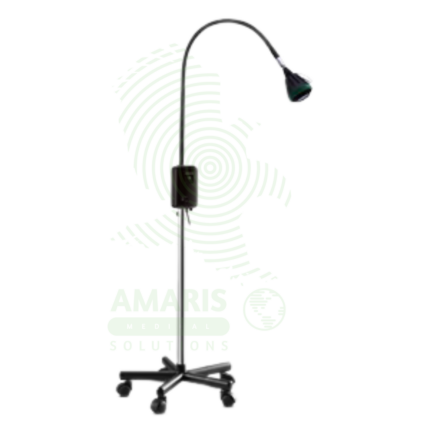
A Portable Examination Light (LED/Halogen) is a mobile, adjustable light source designed for clinical examinations, minor procedures, and wound assessment. LED models offer energy efficiency, long bulb life, and cool operation; halogen models provide high intensity with warm color temperature. The flexible gooseneck or articulating arm allows precise positioning to illuminate examination sites without shadows. Used in examination rooms, procedure rooms, emergency departments, and home healthcare settings, it provides the focused illumination needed for accurate assessment and safe procedures.
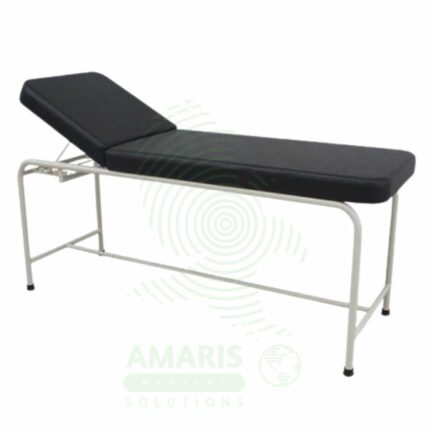
Resin Coated Examination Table
The Resin Coated Examination Table is a heavy-duty, non-upholstered medical table designed for maximum infection control and durability. Its seamless, hard plastic resin surface is impervious to fluids and resistant to damage from sharp instruments and harsh chemicals, allowing for aggressive cleaning and disinfection. It is the ideal platform for minor surgical procedures, gynecological exams, and high-throughput clinical settings where hygiene and longevity are prioritized over padded comfort. Patient comfort is provided through the use of disposable paper sheets or thin pads.
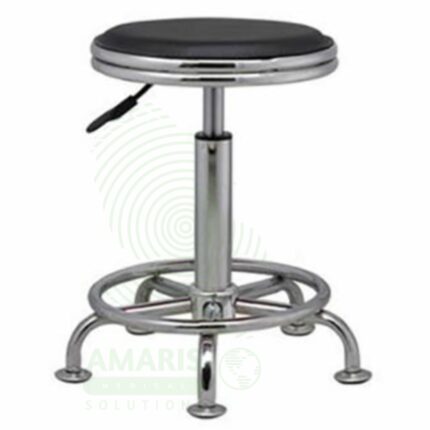
Revolving Stool
A Revolving Stool is a height-adjustable, rotating seat on a stable multi-leg base, designed for dynamic clinical and laboratory work environments. It provides healthcare professionals with stable, ergonomic seating that allows for effortless 360-degree rotation and small positional adjustments without standing. This is essential for procedures requiring precision and frequent changes in reach, such as dentistry, minor surgery, microscopy, and laboratory analysis. Its key features include smooth rotation, easy height adjustment, and a stable, often mobile, base to support prolonged, task-focused work while promoting proper posture and reducing fatigue.
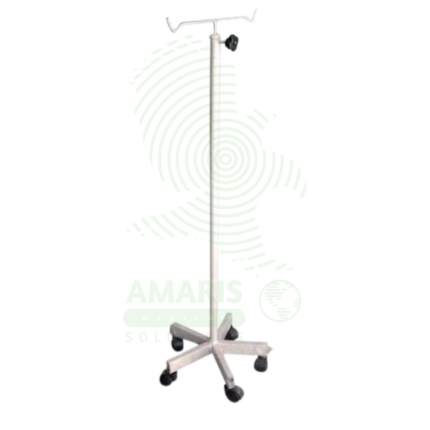
Stainless Steel Drip Stand
A Stainless Steel Drip Stand is a mobile, height-adjustable pole on a wheeled base, designed to securely hold intravenous fluid bags, blood products, and infusion pumps. Its primary function is to provide the necessary height for gravity-fed IV therapy and to serve as a stable transport system for infusions during patient mobility. Constructed from durable, corrosion-resistant stainless steel for easy cleaning and long-term use in hospitals and clinics, it is an indispensable piece of equipment for the safe and organized delivery of intravenous medications and fluids.