Dermatoscope and Magnifiers
 Diagnostic Kits
 Vital Signs Monitors
 Stethoscopes and Accessories
 Otoscopes, Ophthalmoscopes, and Retinoscopes
 Reflex Hammers and Neurological Tools
 Scales and Measuring Devices
 Spirometers and Pulmonary Function Tests
 Electrosurgical Units and Accessories
 Cutting Instruments
 Grasping and Holding Instruments
 Hemostatic Instruments
 Specialized Surgical Sets
 Single-Use Procedure Trays and Packs
 Surgical Drapes, Gowns, and Covers
 Tissue Unifying Instruments
 Radiation Protection
 X-Ray Machines and Accessories
 Ultrasound Systems and Probes
 MRI and CT Scanners
 Radiology Consumables
 Bone Densitometers
 Fluoroscopy Equipment
 Imaging Tables and Positioning Aids
 Microscopes and Accessories
 Centrifuges and Separators
 Analyzers
 Incubators and Ovens
 Pipettes, Dispensers, and Lab Glassware
 Refrigerators, Freezers, and Storage Units
 Lab Consumables
 Sterilizers and Autoclaves for Lab Use
 Multi-Parameter Monitors
 Ventilators and Respiratory Support Devices
 Defibrillators and AEDs
 Infusion Pumps and IV Systems
 Patient Warmers and Cooling Devices
 Central Monitoring Stations
 Accessories
 Anesthesia Machines and Workstations
 Oxygen Concentrators and Delivery Systems
 Nebulizers and Inhalers
 CPAP/BiPAP Machines
 Airway Management
 Anesthesia Masks, Circuits, and Bags
 Humidifiers and Heaters
 Respiratory Therapy Accessories
 First Aid Kits and Cabinets
 Emergency Resuscitation Equipment
 Trauma Supplies
 Emergency Carts and Crash Carts
 Burn Care Products
 Bleeding Control
 Automated External Defibrillators (AEDs)
 Transport and Evacuation
 Wheelchairs and Accessories
 Walkers, Crutches, and Canes
 Prosthetics and Orthotics
 Physical Therapy Equipment
 Transfer Devices
 Bathroom Safety
 Orthopedic Traction and Tables
 Hot/Cold Therapy Packs and Units
 Beds and Mattresses
 Chairs and Stools
 Tables
 Cabinets and Storage
 Privacy Screens & Curtains
 Stands and Racks
 Linens and Textiles
 Lighting
 Autoclaves and Sterilizers
 Ultrasonic Cleaners
 Disinfectant Solutions and Wipes
 Sterilization Pouches, Wraps, and Indicators
 Instrument Trays and Containers
 UV and Ozone Disinfection Devices
 Washer Disinfectors
 Wound Care
 Gloves
 Masks and Respirators
 Catheters and Tubing
 Swabs, Applicators, and Sponges
 Incontinence Products
 Personal Protective Equipment (PPE)
 Dental Chairs and Units
 Handpieces and Burs
 Instruments
 Consumables
 Sterilization for Dental Use
 Orthodontic Supplies
 Endodontic Tools
 Slit Lamps and Tonometers
 Lensometers and Phoropters
 Ophthalmic Surgical Instruments
 Eyewear Frames and Lenses
 Contact Lens Supplies
 Vision Testing Charts and Devices
 Eye Care Consumables
 Laser Systems for Eye Care
 ENT Exam Chairs and Tables
 Endoscopes
 Audiometers and Hearing Tests
 ENT Instruments
 Nasal and Throat Packs
 Hearing Aids and Accessories
 Otology Supplies
 Fetal Dopplers and Monitors
 Delivery Beds and Tables
 Gynecological Instruments
 Neonatal Incubators and Warmers
 Breast Pumps and Accessories
 Contraceptive Devices
 Maternity Supports and Pads
 Neonatal Consumables
 Cystoscopes and Urethroscopes
 Dialysis Machines and Supplies
 Urological Catheters and Bags
 Lithotripters
 Prostate Treatment Devices
 Urinary Incontinence Products
 Kidney Stone Management Tools
 Consumables & Disposables
 EEG and EMG Machines
 Neurosurgical Instruments
 Nerve Stimulators
 Headrests and Positioning Aids
 Lumbar Puncture Kits
 Seizure Monitoring Devices
 Consumables
 Rehabilitation for Neurological Conditions
 ECG Machines and Accessories
 Holter Monitors
 Stress Test Systems
 Pacemakers and Defibrillator Accessories
 Vascular Access Devices
 Cardiac Catheters and Guidewires
 Blood Flow Meters
 Consumables
 Orthopedic Instruments
 Casts, Splints, and Padding
 Joint Replacement Supplies
 Prosthetic Limbs and Components
 Bone Grafts and Substitutes
 Traction Devices
 Orthopedic Braces and Supports
 Rehabilitation Aids for Orthopedics
 Home Oxygen Therapy
 Hospital Beds for Home Use
 Mobility Aids
 Bathroom and Daily Living Aids
 Wound Care for Home
 Monitoring Devices
 Enteral Feeding Pumps and Tubes
 Hand Sanitizers and Dispensers
 Face Shields and Goggles
 Isolation Gowns and Suits
 Biohazard Waste Containers
 Air Purifiers and HEPA Filters
 Surface Disinfectants
 Sharps Containers
 Protective Barriers
 Cardiovascular & Endurance Training
 Strength Training & Weightlifting
 Functional Training & Core Conditioning
 Physical Therapy & Rehabilitation
 Sports & Outdoor Recreation
 Gym Flooring & Facility Equipment
 Fitness Monitoring & Accessories
 Kids & Novelties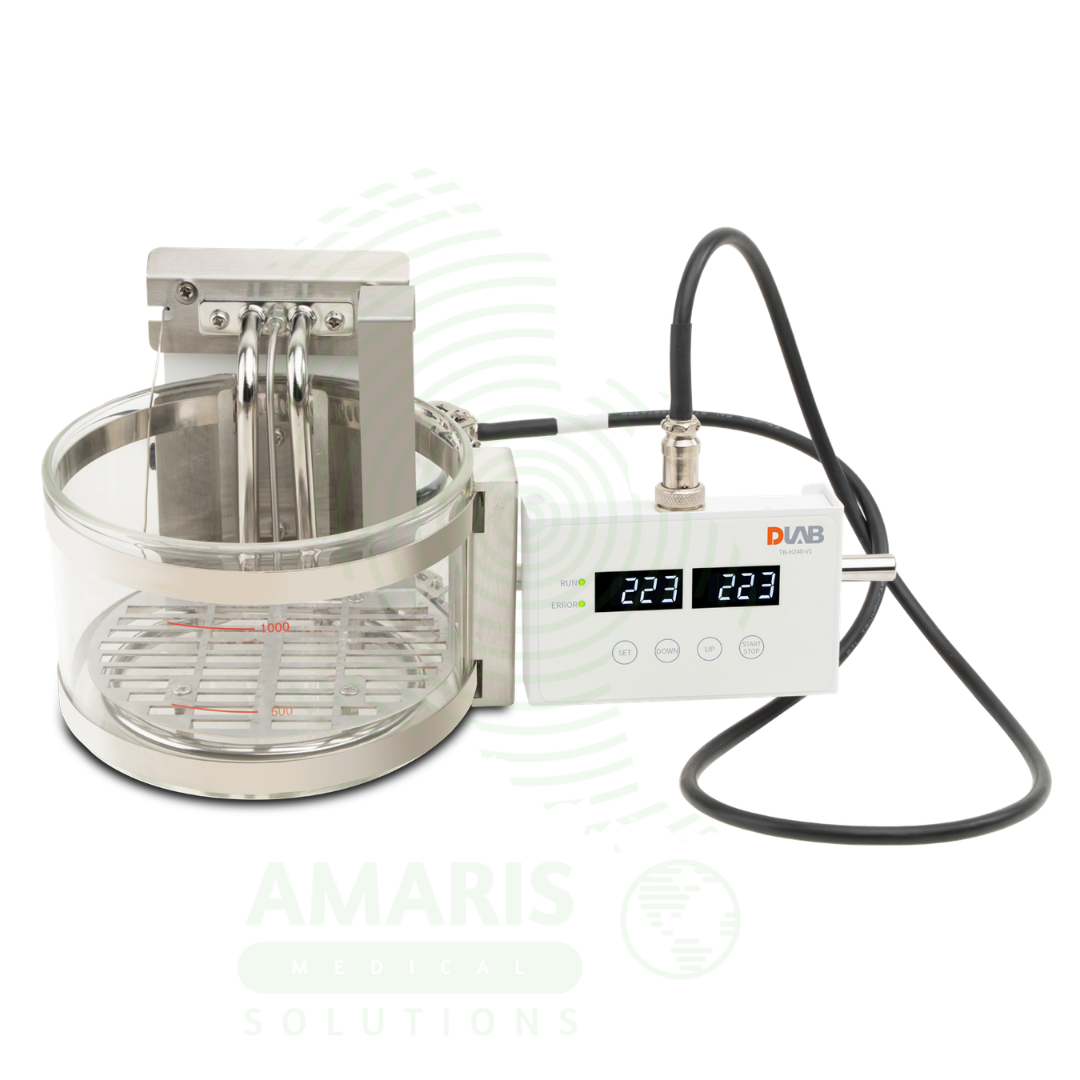

Constant Temperature Bath (TB-H240-V1)
WhatsApp Order
The DLAB Constant Temperature Bath (TB-H240-V1) is a precision bench‑top instrument engineered for accurate, stable, and uniform heating in clinical diagnostics, pharmaceutical quality control, analytical chemistry, and academic research. Featuring a 1 L transparent glass bath (Ø150 × 100 mm), a heating range of 25–240 °C, ±0.5 °C temperature control accuracy, and a 0.1 °C temperature display resolution, this constant‑temperature bath provides an isothermal environment for water‑based or oil‑based heating applications.
Every Constant Temperature Bath (TB-H240-V1) is equipped with an intelligent PID temperature controller, a high‑efficiency heating element (350 W heating power, 360 W total power), a PT1000 external temperature sensor port (±0.2 °C accuracy), and a remote-control panel (detachable up to 1 m cable length) for safe operation in fume hoods and confined spaces. The borosilicate glass bath allows direct observation of samples without disturbing the experiment, while the protective guard prevents glassware from tipping and shields the user from the heating element.
Key user‑focused safety features include over‑temperature protection (280 °C cutoff), overcurrent protection, grounding protection, and a temperature self‑calibration function (user‑accessible). The IP21‑rated housing provides basic splash and dust protection. The unit is TÜV‑certified (CE, cTUVus, FCC), meets IEC/EN 61010‑1 safety standards for laboratory electrical equipment, and is manufactured under ISO 9001 and ISO 13485 quality management systems.
With a compact footprint (310 × 220 mm), a low weight (2.2 kg), and universal power supply (100–240 V, 50/60 Hz), the TB‑H240‑V1 is easy to integrate into any clinical or research bench‑top workflow. The instrument is backed by a 2‑year manufacturer’s warranty.
For the clinical laboratory scientist, pharmaceutical QC chemist, and research scientist, the Constant Temperature Bath (TB-H240-V1) delivers precise, stable, and observable heating required for ELISA incubation, coagulation testing, enzyme activity assays, sample digestion, dissolution testing, and general‑purpose medium heating. For the patient, the reliable performance of this constant‑temperature bath ensures that diagnostic tests and pharmaceutical products are accurate, reproducible and processed efficiently, directly supporting effective clinical decision‑making, appropriate treatment selection, and patient safety.
Description
Constant Temperature Bath (TB-H240-V1)
PRIMARY CLINICAL & DIAGNOSTIC USES
1. High‑Precision Heating for Clinical and Analytical Laboratory Applications
Primary Use: Provides a constant temperature bath with a transparent glass bath (Ø150 × 100 mm), high‑efficiency heating elements, and LED temperature display, used for precise and uniform heating of samples, reagents, and biological specimens in clinical chemistry, pharmaceutical research, and analytical laboratories. It features a 1 L bath capacity, a heating temperature range of 25–240 °C, ±0.5 °C temperature control accuracy (0.1 °C display resolution), a 360 W heating system, and an intelligent PID temperature controller for rapid, stable heating. An optional PT1000 external temperature sensor (±0.2 °C accuracy) is available for direct sample temperature monitoring.
How it helps: For the clinical laboratory scientist and pharmaceutical researcher, the Constant Temperature Bath (TB-H240-V1) PID control ensures uniform heating and rapid ramp‑up to the set temperature, reducing waiting time for daily sample processing. The transparent glass bath provides unobstructed visual monitoring of the sample vessel or specimen, allowing the operator to detect colour changes, dissolution, or precipitation without disturbing the experiment. The 1 L bath capacity is ideal for routine clinical laboratory workflows, accommodating standard beakers, test tubes, and small reaction vessels. For the patient, consistent and reproducible sample heating supports accurate diagnostic test results, directly enabling reliable clinical decision‑making.
2. Controlled Incubation for Temperature‑Sensitive Clinical Assays
Primary Use: Used for the controlled incubation of patient serum, plasma, urine, and other biological fluids at precise, stable temperatures during immunoassay (ELISA), coagulation testing, and enzyme activity workflows. The unit can be used as a stand‑alone bath or optionally combined with a magnetic stirrer (e.g., DLAB MS‑S) to improve temperature uniformity across the entire bath volume for applications requiring exact temperature control.
How it helps: For the clinical chemistry technologist and immunology specialist, the ±0.5 °C temperature stability (±0.2 °C with external PT1000 sensor) ensures that temperature‑sensitive reactions—such as antigen‑antibody binding in ELISA, clotting factor assays, and enzyme kinetic measurements—are performed under optimal, repeatable thermal conditions. The remote operation capability (controller can be separated from the main unit up to 1 m) is particularly useful when the instrument is placed in a fume hood or a confined space; the controller can be operated safely from a convenient bench location, reducing the risk of burns or exposure to fumes. For the patient, stable, reliable incubation conditions support accurate results for infectious disease serology, autoimmune markers, and coagulation profiles, leading to appropriate clinical management.
3. Digestion and Sample Preparation for Trace Element Analysis
Primary Use: Enables the controlled heating and digestion of biological specimens (whole blood, serum, urine, tissue homogenates) or environmental samples (water, soil, sludge) in strong acids or organic solvents at temperatures up to 240 °C, prior to trace element analysis by atomic absorption spectroscopy (AAS) or inductively coupled plasma mass spectrometry (ICP‑MS).
How it helps: For the trace element analyst, the mineral oil‑filled or water‑filled bath (user selects the filling medium) provides a uniform, isothermal environment for acid digestion of organic matrices without hot spots that could cause incomplete or variable digestion. The bath can operate up to 240 °C, suitable for a wide range of digestion protocols for trace metals in biological and environmental samples (blood lead, urine cadmium, mercury speciation, etc.). The built‑in safety features (over‑temperature protection at 280 °C, overcurrent protection, grounding protection) ensure safe operation during prolonged open‑vessel digestions. For the patient undergoing heavy metal screening or nutritional monitoring, accurate and complete digestion of samples directly supports correct diagnosis and treatment.
4. Glass Vessel and Medium Preparation for Clinical Microbiology
Primary Use: Used for the safe, uniform heating of microbiological culture media, nutrient agars, and reagents in glass vessels (beakers, flasks) prior to dispensing, autoclaving, or use in downstream testing. The transparent bath allows the operator to monitor media clarity, dissolution, and temperature without opening the vessel.
How it helps: For the clinical microbiology technologist, the 1 L glass bath can accommodate a 500 mL beaker of molten agar or broth, maintaining it at a stable pouring temperature (e.g., 45 °C) for extended periods without hot spots that could degrade heat‑sensitive media components. The transparent glass construction permits direct observation of the media’s state and any settling or precipitation. An optional stirrer can be added to homogenise the bath fluid or to stir the medium inside the vessel, ensuring uniform temperature and nutrient distribution. For the patient, properly prepared culture media support the reliable detection and identification of bacterial and fungal pathogens from clinical specimens, guiding appropriate antimicrobial therapy.
SECONDARY & SUPPORTIVE USES
1. General‑purpose heating for chemical and industrial applications: Provides stable, uniform heating for a wide range of chemical synthesis, solvent processing, and material testing applications in petrochemical, dye, pigment, additive, fibre, polymer, food, and functional‑molecule research – achieving high‑temperature performance up to 240 °C.
2. Temperature calibration and instrument verification: Serves as a stable reference temperature source for calibrating laboratory thermometers, thermocouples, and other temperature sensors across the 25–240 °C range, with a temperature display accuracy of 0.1 °C.
3. Quality control dissolution and stability testing for pharmaceutical development: Heats pharmaceutical samples in dissolution vessels or stability test chambers for accelerated stability studies and dissolution testing, with the ±0.5 °C temperature stability (±0.2 °C with external sensor) meeting pharmacopoeial harmonisation requirements for small‑volume dissolution media.
4. Dye, pigment, and additive development in textile and materials science: Heats dye solutions and pigment suspensions in the glass bath, allowing the operator to observe colour development, dissolution, and reaction progress through the transparent glass wall, supporting quality control and formulation optimisation in the textile, paint, and additive industries.
5. Heating of small‑volume reaction vessels for academic research: Accommodates standard round‑bottom flasks, beakers, test tubes, and other small‑volume vessels, providing a constant‑temperature environment for organic synthesis, reaction scoping, and kinetic studies in university chemistry, biology, and clinical laboratory science courses.
6. Water and wastewater sample conditioning for environmental analysis: Prepares water, sludge, and industrial wastewater samples for nutrient, contaminant, and microbial analysis by heating to the required extraction or preservation temperature, with the glass bath ensuring corrosion‑resistant performance with a wide range of aqueous sample matrices.
KEY PRODUCT FEATURES
1. BASIC IDENTIFICATION ATTRIBUTES
-
Device Type: A constant‑temperature, bench‑top water/oil bath with a transparent glass bath and PID control.
-
Designation: TB‑H240‑V1 Constant Temperature Bath; DLAB TB‑H240‑V1 Constant Temperature Bath.
-
Catalogue Number: 5038230212.
-
Key Components:
-
Transparent glass bath (Ø150 × 100 mm) – allows direct observation of samples.
-
LED digital temperature display (0.1 °C display resolution).
-
Intelligent PID temperature controller.
-
High‑efficiency heating element and precision temperature sensor.
-
Detachable remote control panel (up to 1 m separation).
-
Protective guard for vessels (prevents tipping and direct contact with heating element).
-
Over‑temperature protection (280 °C cutoff) and overcurrent protection.
-
Grounding protection (safe electrical design).
-
PT1000 external temperature sensor port.
-
IP21‑rated housing.
-
Temperature self‑calibration and factory reset functions.
-
2. TECHNICAL & PERFORMANCE PROPERTIES
-
Bath type: Water bath (up to ~95 °C) or oil bath (up to 240 °C) – user selects filling medium.
-
Bath dimensions: Ø150 × 100 mm.
-
Bath capacity: 1 L.
-
Bath material: Transparent glass (thermally resistant).
-
Temperature range: 25 °C to 240 °C.
-
Temperature control accuracy: ±0.5 °C (heated liquids).
-
Temperature display: LED digital display.
-
Temperature display resolution: 0.1 °C.
-
External temperature sensor: Optional PT1000 probe (±0.2 °C control accuracy).
-
Over‑temperature protection: Auto cutoff at 280 °C.
-
Power: 360 W total; 350 W heating power.
-
Voltage: 100–120 V / 200–240 V, 50/60 Hz (universal input).
-
Remote operation: Detachable control unit (maximum cable length 1 m).
-
Protection class: IP21 (protection against solids >12.5 mm and vertically falling water drops).
-
Dimensions (L × W × H): 310 × 220 × 135 mm.
-
Weight: 2.2 kg.
-
Operating conditions: IP21 (5–40 °C), ≤80 % RH.
-
Safety features: Over‑temperature protection, overcurrent protection, grounding protection, temperature self‑calibration, factory reset.
-
Certifications: CE, TÜV (cTUVus), FCC (meets IEC/EN 61010‑1 safety standards for laboratory electrical equipment).
3. PHYSICAL & OPERATIONAL PROPERTIES
-
Construction: Compact benchtop design with a transparent glass bath and a powder‑coated metal housing; compatible with a wide range of laboratory vessels (beakers, round‑bottom flasks, test tubes).
-
Bath: Transparent borosilicate glass bath (Ø150 mm, 100 mm deep). The glass construction is chemically resistant to many solvents (and to oils when used as an oil bath) and provides excellent visibility for monitoring experiments.
-
Display & Operation: LED digital display shows set temperature and actual temperature clearly. Simple, intuitive controls with temperature self‑calibration and factory reset functions. The remote control panel can be detached (up to 1 m cable length) for safe operation in fume hoods or confined spaces.
-
Heating Technology: Intelligent PID feedback control with high‑quality heating elements and temperature sensors, ensuring rapid, uniform heating and excellent temperature stability across the entire bath volume.
-
Safety Functions:
-
Over‑temperature protection: Activates at 280 °C; the machine stops heating and displays an error message if overheating or sensor failure occurs.
-
Overcurrent protection: If a short circuit is detected, the power supply is automatically cut off to ensure operator safety.
-
Grounding protection: Built‑in grounding fault protection ensures safe operation, even in humid or spill‑prone laboratory environments.
-
Protective guard: A transparent or metal guard protects the user from accidental contact with the hot bath, heating element, or glassware; it also stabilises containers (beakers, flasks, test tubes) to prevent them from tipping over.
-
Temperature self‑calibration: The unit can be calibrated by the user to correct for minor temperature deviations and maintain measurement accuracy over time.
-
-
Magnetic Stirrer Option: The TB‑H240‑V1 can be fitted with an optional magnetic stirrer (e.g., DLAB MS‑S) to improve temperature uniformity within the bath, ensuring that every part of the vessel is exposed to the same stable temperature; this also effectively reduces temperature gradients, which is particularly useful for applications where the vessel itself is not being directly agitated.
-
Accessories: The unit is supplied with an external PT1000 temperature sensor, a protective guard, and a universal power cord.
-
Application Fields: Ideal for pharmaceutical research, chemical synthesis, polymer development, dye and pigment testing, petrochemical applications, academic research, and quality control laboratories.
-
Warranty: 2‑year manufacturer’s warranty (standard DLAB policy).
4. SAFETY & COMPLIANCE ATTRIBUTES
-
Regulatory Status: General laboratory equipment for in vitro diagnostic (IVD) use; manufactured under ISO 9001 and ISO 13485; certified to CE, cTUVus, FCC, meeting IEC/EN 61010‑1 safety standards.
-
Over‑temperature Protection: Independent over‑temperature cut‑off at 280 °C; prevents runaway heating, fire hazards, and sample destruction – even if the primary PID control circuit fails.
-
Overcurrent Protection: If a short circuit occurs, the power supply is automatically cut off to ensure operator safety.
-
Grounding Protection: Built‑in grounding fault protection ensures safe operation, even in humid or spill‑prone environments.
-
Protective Guard: The supplied vessel guard prevents accidental tipping of glassware and blocks direct contact with the heating tube.
-
IP21 Protection Class: The housing provides protection against solid foreign objects >12.5 mm and vertically falling water drops (basic splash protection); suitable for routine clinical and research environments.
-
Chemical Safety: The borosilicate glass bath is resistant to many chemicals and solvents. However, always consider the intended preparation (water or oil) and refer to the SDS of the chemicals being processed when filling the bath.
-
Fire Safety: Metal housing, glass bath, and over‑temperature protection provide good fire protection and heat dissipation.
-
Quality Assurance: Each instrument is factory‑calibrated; the user can perform self‑calibration using an external reference thermometer. The unit is supplied with a calibration certificate and is backed by a 2‑year manufacturer’s warranty.
5. STORAGE & HANDLING ATTRIBUTES
-
Storage: Store the instrument in a clean, dry, dust‑free environment at room temperature (15–30 °C) when not in use. Cover the glass bath to prevent dust accumulation.
-
Installation: Place the instrument on a stable, level, non‑flammable laboratory benchtop away from flammable materials, volatile solvents and sources of vibration. Allow at least 10 cm clearance on all sides for heat dissipation. Position the instrument so that the controller can be easily operated and the bath can be monitored during use.
-
Cleaning: Unplug the unit and allow the glass bath to cool completely before cleaning. Wipe the glass bath and metal housing with a soft, damp cloth using a mild laboratory detergent or 70 % isopropyl alcohol. Do not use abrasive cleaners or metal scouring pads, which may scratch the glass.
-
Pre‑use inspection: Before each use, inspect the power cord and plug for any damage. Ensure the glass bath is clean, dry, and free of cracks. Verify the correct heating medium (water or oil) is filled to the recommended level. Check the condition of the protective guard and that the optional stirrer (if used) is clean and dry.
-
Filling the bath: Fill the glass bath with the appropriate heating medium (distilled water for water baths; high‑temperature oil for oil baths) to the indicated fill level. Never operate the unit without sufficient heating medium inside the bath, as this may cause the heating element to overheat and activate the over‑temperature protection. Always consider the chemical compatibility of the medium with the sample vessels.
-
Operation – General: Place the sample vessel (e.g., a beaker or round‑bottom flask) into the bath, ensuring it is stable (use the protective guard if needed). Connect the optional PT1000 sensor for direct sample temperature control. Set the desired temperature via the control panel. The unit will begin heating; the LED display will show the actual temperature.
-
Operation – Remote Control: If the instrument is placed in a fume hood or a confined space, detach the controller and place it on a convenient bench location (maximum cable length 1 m). This allows safe operation without needing to reach into the hot bath or fume hood.
-
Use with Optional Magnetic Stirrer: For applications requiring improved bath temperature uniformity, install an optional magnetic stirrer (e.g., DLAB MS‑S) below or beside the bath. This will agitate the bath liquid, preventing thermal gradients and speeding up heat equilibration.
-
Cooling down: After use, turn off the power and allow the bath to cool completely. Cooling time may be 30–60 minutes, depending on the operating temperature. Do not attempt to move, clean, or store the unit until the bath has cooled to a safe temperature.
-
Temperature self‑calibration: To maintain accuracy, perform temperature self‑calibration periodically following the manufacturer‘s instructions. Use a calibrated external reference thermometer to compare with the bath’s actual temperature, then adjust the internal offset accordingly.
-
Periodic verification: Verify the temperature accuracy periodically using a calibrated external thermometer. If deviation exceeds the ±0.5 °C specification, perform a self‑calibration or consult the manufacturer’s service guidelines.
-
Warranty: The instrument carries a 2‑year manufacturer’s warranty (in most regions).
6. LABORATORY & CLINICAL APPLICATIONS
-
Primary Application: General‑purpose, constant‑temperature heating for clinical diagnostics (incubation of ELISA plates, coagulation testing, enzyme assays), pharmaceutical quality control (dissolution and stability testing), analytical chemistry (sample preparation), food and feed testing, environmental analysis, and academic research laboratories where precise heating up to 240 °C and transparent bath observation are required.
-
Clinical Role: A versatile, essential bench‑top instrument for hospital and clinical chemistry laboratories, immunology laboratories (ELISA incubation), coagulation labs, pharmaceutical QC facilities, food and water testing laboratories, educational institutions, and R&D facilities. Critical for diagnostic test preparation (serum, plasma, urine), sample incubation, and quality control workflows where accurate, stable temperature control and bath transparency for visual monitoring are mandatory.
SAFETY HANDLING PRECAUTIONS
1. SAFETY PRECAUTIONS
-
Burn Hazard: The glass bath, heating tube, metal housing, and any vessels placed inside the bath can reach very high temperatures (up to 240 °C during normal operation or higher and can remain hot for an extended period after the power is turned off). Do not touch the glass bath, the metal housing, the heating tube, the protective guard, or any vessels inside the bath during or immediately after use. When the required temperature is above 60 °C, be careful not to touch the surface of the constant temperature bath to avoid burning your hands. Use heat‑resistant gloves and suitable tongs or clamps when inserting or removing vessels. Allow the unit to cool completely (the LED display will show a safe temperature) before cleaning or storing.
-
Fire Hazard: Do not operate the TB‑H240‑V1 near flammable materials, volatile solvents, combustible gases, or paper products. The instrument must not be used to heat flammable, explosive or volatile substances. Never heat a bath fluid above its flash point. Keep the work area clear of flammable substances. Do not leave the instrument running unattended for long periods without verifying that it is functioning correctly. In case of fire, use a class ABC dry chemical fire extinguisher or carbon dioxide (CO₂) extinguisher; do not use water on electrical fires.
-
Severe Burn Hazard – Additional Precautions for Hot Surfaces & Splashes: When the bath is running at high temperatures (e.g., above 150 °C, or when the bath is heated to the boiling point of water), do not lean over the glass bath without suitable face protection; escaping steam or hot oil splashes during sample handling can cause serious injury to the face, eyes and upper body. Use appropriate personal protective equipment (PPE) such as a full‑face shield, insulated gauntlet gloves and a laboratory coat, especially when you are adding samples to a hot bath or adjusting vessels inside the bath.
-
Use of Protective Guard: The bath is supplied with a protective guard mounted on a stand. Always keep the protective guard in place when the instrument is in use. The guard prevents direct contact between the heating vessel and the heating tube, reducing the risk of burns or breakage. It also helps stabilise beakers and other containers, making them less likely to tip over.
-
Electrical Hazards – Always Connect to a Grounded Outlet & Avoid Water Ingress into the Electrical Compartment: Ensure the power socket is a three‑hole type with a functioning ground (earth) connection, and that the socket is compatible with the instrument‘s plug (grounding protection). Check the power cord and plug regularly for damage. Do not operate the instrument with wet hands or if the power cord is frayed. During filling, operation or cleaning, never allow water or other liquid to enter the electrical control compartment (the electronic part of the housing); ingress of liquid into the electronic area can cause short‑circuits, electric shock or fire. If liquid spills over the top rim of the glass bath, immediately turn off the main power, disconnect the instrument, allow the liquid to drain away from the electrical housing and dry the affected area before investigating further.
-
Electrical Hazards – Short‑Circuit Protection Works with a Proper Ground (Earthing) System: The TB‑H240‑V1 is equipped with an over‑current protection circuit that disconnects power in the event of a short‑circuit and also includes a safe grounding fault protection design. However, for these safety features to operate correctly, the laboratory wall outlet must be properly earthed (grounded). Do not use a two‑pin plug adapter that defeats the ground pin; failure to use a properly earthed supply may result in electric shock.
-
Electrical Hazards – Risk of Electric Shock from Damaged Immersion Heater: The heating element is located inside the glass bath. Over time, the glass or the protective cover of the heating element can become cracked by accidental impact. If you see any crack, liquid ingress into the heating element compartment, or the instrument trips the circuit breaker repeatedly, stop using the instrument immediately and disconnect it from the mains. Do not attempt to touch the bath liquid while the unit is still connected to the power supply; instead, have the unit inspected and repaired by a qualified electrical technician.
-
Electrical Hazards – General Laboratory Electrical Safety: When using any electrical laboratory heating device (hotplates, heating mantles, water baths or constant temperature baths), strictly prevent the risk of electric shock by keeping cables away from sources of water, ensuring that the socket and the plug are dry, and never opening the rear or side cover of the instrument while the power is connected. Do not operate the instrument in a high‑humidity environment (>80 % RH) or in a location where condensation can form on the electrical parts.
-
General – Understand the Instrument Before Use: Read the product manual and these safety precautions carefully before the first use. Ensure that all laboratory personnel who will operate the Constant Temperature Bath (TB-H240-V1) have been trained in its correct and safe operation. If there is any doubt about the correct procedure, ask a senior staff member or the instrument supplier.
-
Fill the Bath With Appropriate Medium Before Switching on the Heater: Always fill the bath with the correct heating medium (water for water bath operation; oil for oil bath operation) to the recommended level before turning on the heating function [2†L13-L14][4†L5-L9][13†L11][14†L6-L8]. Never operate the instrument without sufficient heating medium, as this will cause the heating element to overheat (dry heating) and may damage the heater, melt internal plastic parts, crack the glass bath or even start a fire. Refill the bath promptly if the liquid level drops due to evaporation.
-
Electrical Hazards – Over‑Temperature Protection Works within Rated Limits: The TB‑H240‑V1 has an over‑temperature protection that stops heating at 280 °C. This protection is a safety backup; it is not an invitation to run the bath continuously at extreme temperatures. When setting the temperature, keep the set point well below the flash point of the heating medium being used. For example, if the manufacturer recommends a maximum recommended operating temperature for an oil bath of 200 °C, do not set the unit above that level even though the electronic control can be set higher.
-
Avoid Damage to the Glass Bath: The transparent glass bath allows easy observation of samples, but it is still a glass vessel. Do not drop heavy metal objects into the bath or hit the glass wall with hard tools. When placing beakers or flasks inside the bath, lower them gently. If the glass bath becomes cracked or chipped, stop using the instrument immediately – a cracked bath may fail completely when heated, spilling hot liquid over the bench and possibly onto the operator.
-
Electrical Hazards – Heating Element Leakage Protection (Grounding) is Essential: Because the heating element is immersed in the bath fluid, the manufacturer has incorporated a safe grounding design and over‑current protection to reduce the risk of electric shock. However, if you notice any sensation of electric current when touching the bath fluid (which should not happen when the instrument is working correctly), turn off the power immediately, disconnect the mains plug, and arrange for inspection and repair by a qualified electrical engineer.
-
Maintain the Correct Liquid Level – Water Evaporates During Use: During prolonged operation at high temperatures, the bath liquid will evaporate slowly. Check the liquid level every 1‑2 hours and top up with the same type of liquid (distilled water for water baths; the same oil type for oil baths) as necessary. Never allow the liquid level to drop so low that the heating element becomes exposed – always keep the heating element fully immersed in the bath medium to prevent overheating and damage. For water baths, refill with distilled water, not tap water, to avoid salt build‑up on the heating element.
-
Use Distilled or Deionised Water to Reduce Scale Formation: For water bath operation, use distilled or deionised water whenever possible, not tap water. Tap water contains minerals that will gradually deposit on the heating element and on the glass bath wall as scale. Scale reduces heating efficiency, shortens the life of the heating element, and makes the glass bath difficult to clean. Change the water regularly (at least once per week) to keep the bath clean and to inhibit the growth of microorganisms.
-
Corrosion Protection – Use Only Compatible Bath Media (Water or Oil): The Constant Temperature Bath (TB-H240-V1) is designed for use with purified water as a water bath or with clean, non‑corrosive oils as an oil bath (depending on the intended application). Do not use seawater, aggressive salt solutions, strong acids, strong alkalis or corrosive solvents as the bath medium. If such aggressive solutions must be heated, the corrosive liquid should be placed inside a sealed, chemically resistant vessel that is then immersed in the water or oil bath, not poured directly into the glass bath.
-
Ventilation and Good Clearance: Set up the instrument in a spacious area on a stable, clean, non‑slip, dry and fire‑resistant surface. Allow at least 20 cm clearance between the instrument and nearby walls or other equipment to ensure adequate air circulation and heat dissipation. Do not cover the top of the instrument except with the supplied protective guard. Do not block any ventilation openings in the housing.
-
Working in a Fume Hood: If you heat chemicals that release toxic or corrosive fumes, or if you work with volatile organic solvents, place the TB‑H240‑V1 inside a properly functioning fume hood. The instrument can be operated with the control panel detached from the main unit; the control panel can be placed up to 1 m away, outside the fume hood, so that the operator can set and monitor the temperature without being exposed to fumes. Never breathe chemical vapours from the heated bath directly.
-
Over‑Temperature Protection (Instrument): The Constant Temperature Bath (TB-H240-V1) is equipped with an over‑temperature protection device that stops heating and displays an error message when the bath temperature reaches 280 °C. This prevents the heater from running away if the primary temperature control fails. However, do not rely solely on this feature; always set a realistic temperature for your application and never leave the instrument running unsupervised for long periods at high temperatures unless a separate independent temperature safety controller is also in place.
-
Electrical Hazard – Resetting the Over‑Temperature Protection: If the bath overheats and the over‑temperature protection trips, the unit will stop heating and show an error message. Before restarting the instrument, disconnect it from the mains, allow the bath to cool completely, check that the bath is filled with the correct level of heating medium, repair any fault that caused the overheating, and only then reconnect the power. Do not repeatedly reset the thermal cut‑out without correcting the underlying cause of the overheating.
-
Use an External PT1000 Sensor for More Accurate Sample Temperature Control: For applications where the actual temperature of the sample inside a vessel is critical, connect the optional PT1000 external temperature sensor. Insert the sensor probe into the sample vessel and secure it with the appropriate clamp. Never allow the sensor wire to touch the hot glass bath or the heating element directly, as this may melt the insulation and cause measurement errors, sensor failure or electrical short‑circuit.
-
Use of Cover / Lid: To reduce evaporation and to help the bath reach higher temperatures more quickly, use the appropriate cover or lid, if available. Do not seal the bath completely unless the lid is designed for that purpose, as pressure build‑up could crack the glass bath.
-
Cleaning and Maintenance: Before cleaning, unplug the instrument and allow the bath to cool to a safe temperature. Drain the bath medium (water or oil) and dispose of it according to local environmental regulations. Clean the glass bath and the metal surfaces with a soft, damp cloth and a mild laboratory detergent. Do not use abrasive cleaners, metal scouring pads, or strong solvents that could scratch the glass or damage the paint. Do not immerse the electrical control panel or the main housing in water or any other liquid. Always disconnect the power supply before any cleaning or maintenance procedure.
-
Periodic Decontamination of the Water Bath (Microbiological Safety): When the instrument is used for water‑based applications, it may become contaminated with microorganisms over time, especially when the bath is operated at low to moderate temperatures (e.g., 37 °C). To reduce microbial growth, drain and refill the bath with fresh distilled water at least once per week. For more thorough decontamination, heat the bath to 90 °C and hold for 30 minutes at least once a week, then drain, rinse and refill.
-
Use PPE (Personal Protective Equipment): When working with the instrument, wear appropriate personal safety guards to avoid the risk of burns from hot surfaces, splashing and evaporation of liquids, and exposure to toxic or combustible gases. This includes heat‑resistant gloves, safety glasses or a face shield, and a laboratory coat. When handling acid or base solutions inside the bath, wear chemical‑resistant gloves and eye protection, and handle the solutions as soon as possible to avoid prolonged exposure to air.
-
Avoid Using the Bath as a General‑Purpose Container: Do not heat samples directly in the glass bath unless the samples are chemically compatible with the bath medium and are placed in appropriate secondary containers (e.g., beakers, flasks or test tubes that are stable and resistant to the temperature being used). Direct heating of aggressive chemicals (strong acids, bases, or organic solvents) inside the bath without a secondary container may corrode the glass or damage the heating element and poses a risk of chemical exposure.
-
Do Not Move the Instrument While Hot: Never move or transport the TB‑H240‑V1 while it is hot or while the bath contains hot liquid. Moving the instrument when hot may cause burns, spillage of hot liquid or damage to the glass bath. If the instrument must be relocated, first turn off the power, allow the bath to cool completely (ensure the temperature display shows a safe ambient‑like temperature), drain the bath medium, and then move the unit carefully.
-
Do Not Exceed the Maximum Permissible Operating Temperature of the Bath Medium: For water bath operation, the practical temperature limit is approximately 95 °C (just below boiling). For oil bath operation, different oils have different maximum safe operating temperatures. Always select an oil that is designed for use in laboratory oil baths and that has a flash point well above the intended working temperature. Do not heat any bath fluid beyond its safe working range.
-
Do Not Use the Bath for Pyrophoric or Moisture‑Sensitive Reactions: This constant temperature bath is not suitable for reactions that are pyrophoric (ignite spontaneously in air) or that are extremely sensitive to moisture. Do not use the bath for such hazardous reactions, as the bath’s open construction could allow air or moisture to reach the reaction mixture and cause fire or explosion.
-
Potential Fire Risk from Cooking Off the Bath Dry (Scaled Deposits / Burned Oil): If a water bath is run for many weeks without cleaning, mineral deposits can form on the heating element even if distilled water is used. If the bath is then operated with the heating element partially covered by dry, porous scale, the scale can become very hot (dry heating) and ignite nearby combustible materials. Similarly, if an oil bath is run at high temperature for a very long period without changing the oil, the oil can break down, form a carbonaceous residue, and eventually ignite. To avoid this, clean the bath and change the bath medium (water or oil) regularly according to the schedule in the maintenance section.
-
Electrical Hazard – Wetting of the Detachable Control Panel: The controller can be detached from the main bath unit and operated up to 1 m away via an extension cable. If the controller is placed on the bench near the bath, take care not to spill liquid onto the controller. Liquid ingress into the controller can cause electrical shorts and may lead to electric shock or erratic behaviour of the instrument. Do not place the controller directly on a wet surface.
-
Mains Supply Voltage Must Match the Instrument Rating: Before connecting the instrument to the mains supply, check that the voltage printed on the rating plate (on the back of the main unit) agrees with the local line voltage. Operation at the wrong voltage can damage the heating element, the control board and the safety circuits, and creates a risk of overheating or electric shock. Plug the instrument into a socket that provides the correct rated voltage (100 V, 120 V, 200 V, 220 V, 230 V or 240 V, depending on the unit you have purchased). The supply voltage must be within ±10 % of the rated value.
-
Do Not Attempt to Repair the Instrument Yourself: The TB‑H240‑V1 contains no user‑serviceable parts inside the housing. Do not remove the outer cover or tamper with the internal wiring, sensors or heating element. In case of malfunction, contact a qualified service technician or the manufacturer‘s authorised service centre.
-
Do Not Use the Instrument With a Three‑to‑Two‑Pin “Cheater” Plug: The instrument is supplied with a three‑pin plug that includes a ground pin. For safety, always connect this plug to a properly grounded three‑pin socket. Do not remove the ground pin or use an adapter that defeats the ground connection, as this will disable the unit’s built‑in grounding fault protection and increase the risk of electric shock.
-
Do Not Place the TB‑H240‑V1 on an Unstable or Porous Work Surface: The instrument should be placed on a stable, level, non‑flammable and heat‑resistant laboratory benchtop that is free of cracks or porous materials that could absorb spilled hot oil. A heavy laboratory bench or a chemical‑resistant countertop is suitable. Do not place the bath on a wooden table without a protective, non‑flammable mat, as a serious spill of hot oil could ignite the wood.
-
Electrical Hazard – Damaged Power Cord: Frequently inspect the power cord for damage such as cuts, fraying, melting or exposed copper conductors. If the power cord is damaged, stop using the instrument immediately. The power cord must be replaced by a qualified technician using an identical or equivalent cord set approved for the instrument’s power rating. Do not “repair” a damaged cord with insulating tape – this is not safe.
-
General – This Instrument is Not for Direct Clinical Diagnostic Use (In Vitro Diagnostic Medical Device): The TB‑H240‑V1 Constant Temperature Bath is a general laboratory instrument. According to the manufacturer, this instrument has not been registered with the relevant medical device regulatory authority for use as an in vitro diagnostic medical device. Use it for research and general laboratory sample preparation only; do not rely on it as a certified medical diagnostic device without appropriate local qualification.
2. FIRST AID MEASURES
-
Burn from Hot Surface: If skin contacts the hot glass bath, heating tube, protective guard, metal housing, or any hot vessel that was inside the bath, immediately cool the burn area with cool (not cold) running water for at least 15 minutes. Do not apply ice directly to the burn. Remove any jewellery or constrictive items from the affected area. Cover the burn with a sterile, non‑adhesive dressing. Seek medical attention for large‑area burns (larger than the palm of the hand), deep burns (white or charred appearance), or burns causing blistering. For burns on the face, hands, feet, or genitals, seek immediate medical attention.
-
Hot Liquid Spill (Water or Oil): If hot water or oil spills onto the skin or clothing, immediately remove any clothing that is soaked with the hot liquid (use scissors to cut away clothing if necessary). Flush the affected skin area with cool running water for at least 15 minutes. Do not attempt to wipe off solidified hot oil, as this can tear the skin. Seek medical evaluation for any significant thermal burn.
-
Chemical Spill into the Bath: If a hazardous chemical spills into the bath liquid and the liquid remains hot, do not reach into the bath to retrieve the broken vessel. Turn off the power, allow the bath to cool to a safe temperature, then follow your laboratory‘s spill procedure for that chemical, using appropriate protective equipment (chemical‑resistant gloves, apron, face shield). Refer to the Safety Data Sheet (SDS) for the specific chemical involved.
-
Chemical Splash to Eyes: If a heated chemical sample or bath medium splashes into the eyes, immediately flush the eyes with copious amounts of cool water or sterile saline for at least 15 minutes. Hold the eyelids open to ensure thorough rinsing. Remove contact lenses if present and easily removable. Seek immediate medical attention. Do not attempt to neutralise the chemical in the eye.
-
Chemical Splash to Skin: Remove contaminated clothing immediately. Flush the affected skin area with cool running water for at least 15 minutes. Do not rub or scrub. Seek medical evaluation for chemical burns or if irritation persists. Refer to the Safety Data Sheet (SDS) for the specific chemical involved.
-
Inhalation of Vapours or Fumes: If vapours from the heated bath medium or from a chemical sample inside the bath are inhaled, move the affected person to fresh air immediately. Keep the person warm and at rest. If breathing is difficult, administer oxygen if trained. If breathing stops, perform CPR. Seek immediate medical attention.
-
Electrical Shock: If an electrical shock incident occurs, disconnect power at the circuit breaker before attempting to assist the victim. Do not touch the victim until the power is disconnected. Once safe, assess the victim for responsiveness and breathing. Call emergency medical services immediately. Perform CPR if trained and necessary. Seek medical evaluation for all electrical shock victims, even if symptoms appear mild.
-
Fire: If a fire occurs on or near the TB‑H240‑V1, immediately turn off the power at the mains (if it can be done safely) and use a class ABC dry chemical fire extinguisher or carbon dioxide (CO₂) extinguisher. Do not use water on electrical fires. Evacuate the immediate area if the fire cannot be immediately controlled. Call emergency services.
-
Broken Glass Bath Injury: If the glass bath cracks and breaks, hot liquid may spill onto the bench and onto the operator. If glass shards cut the skin, treat as a sharps injury: allow the wound to bleed freely, wash with soap and water for 15 minutes, apply antiseptic and a sterile bandage, and seek medical attention if the cut is deep or if there is any possibility of contamination with biological or chemical agents. Turn off the power before cleaning up broken glass.
3. FIRE FIGHTING MEASURES
-
Flammability: The primary fire hazard with the TB‑H240‑V1 is the flammable heating medium (e.g., certain oils) or the flammable chemicals being heated inside vessels that are placed in the bath. The metal housing and the glass bath are non‑combustible, but the power cord and plastic components inside the control panel can burn.
-
Extinguishing Media: Use carbon dioxide (CO₂), dry chemical (ABC class), or alcohol‑resistant foam extinguishers for fires involving the electrical components or flammable bath media. Do not use water on electrical fires.
-
Fire Response: Immediately disconnect power to the instrument at the mains circuit breaker if safe to do so. Evacuate the immediate area. Use an appropriate fire extinguisher for small, contained fires. For larger fires, evacuate the laboratory and call emergency services. Do not attempt to extinguish a fire if not trained or if the fire is spreading rapidly.
-
Special Protective Equipment for Firefighters: Firefighters should wear self‑contained breathing apparatus (SCBA) and full structural firefighting gear (including gloves, boots, helmet, and turnout coat) when fighting fires in laboratory settings, as combustion products may include toxic fumes from burning plastics, chemicals, and electrical components.
Related products
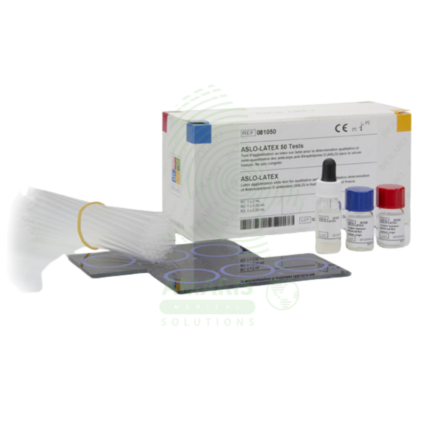
Anti-Streptol Olysin O Titer (ASOT)
Anti-Streptol Olysin O Titer (ASOT) is a quantitative or semi-quantitative serological test (latex agglutination, turbidimetry, nephelometry, or ELISA) for detecting antibodies against streptolysin O, an exotoxin produced by Group A Streptococcus. Elevated or rising titers indicate recent streptococcal infection and are essential for diagnosing post-streptococcal sequelae including acute rheumatic fever (Jones criteria) and post-streptococcal glomerulonephritis. The test requires serum samples; acute and convalescent (2-4 weeks apart) with fourfold rise confirms recent infection. Reference range typically <200-250 Todd units/mL (adults), varies by age and population. Primary clinical applications include diagnosis of Group A streptococcal infections, acute rheumatic fever evaluation, post-streptococcal glomerulonephritis diagnosis, differentiation of acute vs. past infection, evaluation of unexplained arthritis or carditis, pediatric inflammatory conditions (PANDAS), and monitoring disease activity in rheumatic fever. Critical safety precautions include proper timing of acute and convalescent samples, awareness of false negatives/positives, clinical correlation for diagnosis, and standard biohazard precautions. Essential test for rheumatology, nephrology, cardiology, and infectious disease practice.
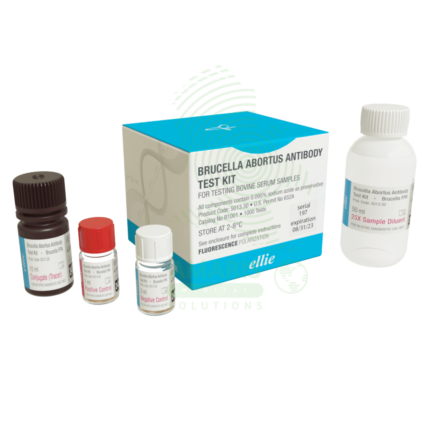
Brucella Set
A Brucella Set is a comprehensive serological test system (Class II medical device, CE-marked/FDA-cleared) for qualitative and quantitative detection of antibodies against Brucella species (B. abortus, B. melitensis, B. suis, B. canis) using multiple methodologies including tube agglutination, slide agglutination, and 2-mercaptoethanol (2-ME) testing. The set includes killed, stained Brucella antigens, positive and negative controls, dilution tubes, reaction cards, and 2-ME reagent for IgM/IgG differentiation. Diagnostic titer ≥1:160 or fourfold rise confirms brucellosis. Primary clinical applications include diagnosis of brucellosis in endemic regions (undulant fever, night sweats, arthralgia), fever of unknown origin investigation, occupational health screening in high-risk workers (veterinarians, farmers, slaughterhouse workers), diagnosis of focal complications (sacroiliitis, spondylitis, meningitis, endocarditis), treatment monitoring (fourfold decline indicates response), outbreak investigation, and public health surveillance. Critical safety precautions include handling all samples in biosafety cabinet (Brucella is highly infectious via aerosol), 2-ME reagent toxicity (use fume hood), awareness of prozone phenomenon (serial dilutions essential), cross-reactions with other Gram-negative bacteria, and mandatory reporting to public health authorities. Essential test for brucellosis diagnosis in endemic regions and occupational health settings.
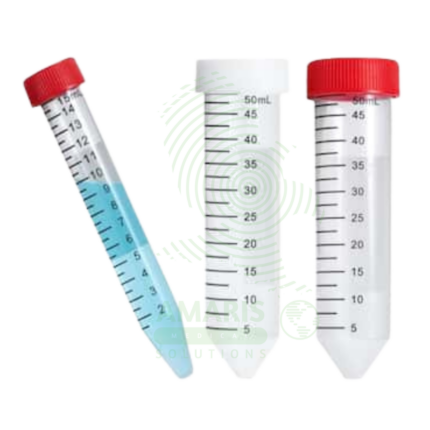
Centrifuge Tubes
Centrifuge Tubes are specialized disposable containers (polypropylene) designed to withstand high centrifugal forces (up to 30,000 x g) for separating biological fluids based on density. Available in microcentrifuge sizes (0.2-2.0 mL), conical tubes (15 mL, 50 mL), and larger volumes (100-500 mL). Features include leak-proof screw caps with O-rings (conical tubes), snap caps (microcentrifuge tubes), graduated volume markings, writing areas, and sterile/non-sterile options. Certified RNase/DNase-free, pyrogen-free, and autoclavable. Primary clinical applications include blood component separation (serum/plasma), urine sediment preparation, microbiology sample concentration, molecular biology (DNA/RNA extraction), cell culture processing, protein/enzyme analysis, and viral load testing. Critical safety precautions include never exceeding maximum RCF rating, proper balancing by weight, secure cap tightening, inspection for cracks, and disposal as biohazardous waste. Essential consumable in every clinical, research, and industrial laboratory.
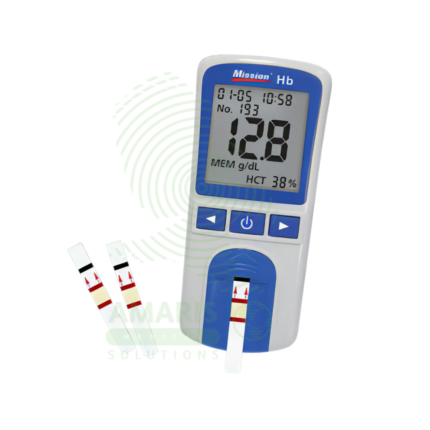
Hemoglobin Meter
A Hemoglobin Meter is a Class II medical device (FDA-cleared, CE-marked) for quantitative point-of-care measurement of hemoglobin concentration in capillary or venous blood, providing results in 5-60 seconds from a 5-20 µL sample. The meter uses photometric, electrochemical, or conductivity technology to measure hemoglobin, with accuracy ±0.3-0.5 g/dL compared to reference methods. Features include backlit LCD display, memory storage for 100-1000 results, USB/Bluetooth connectivity for data transfer, and compatibility with single-use disposable cuvettes or test strips. Primary clinical applications include anemia screening and diagnosis (WHO criteria), preoperative assessment and surgical planning, antenatal care and maternal health monitoring, malaria-endemic region screening, chronic disease management (CKD, IBD, cancer), nutritional assessment and intervention programs, and blood donor screening. Critical safety precautions include single-use lancets, proper hand hygiene, correct sample application, quality control with control solutions, proper cuvette storage (protect from heat, light, humidity), and never using expired cuvettes. Essential point-of-care device for hemoglobin testing in hospitals, clinics, community health programs, and blood donation centers.
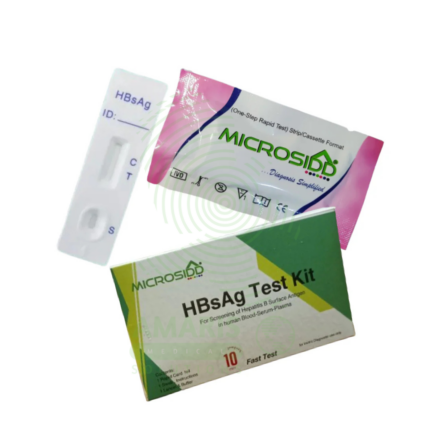
Hepatitis B Test Kit
The Hepatitis B Test Kit is an in vitro diagnostic device for the detection of Hepatitis B virus markers in human blood samples, available in rapid, ELISA, and molecular formats. It detects specific antigens (HBsAg) and antibodies (anti-HBc, anti-HBs) to diagnose acute and chronic infection, monitor treatment response, screen blood donations, and determine immunity status. With high sensitivity (>98%) and specificity (>99%), it provides results in 15 minutes to 4 hours depending on format. Essential applications include prenatal screening to prevent mother-to-child transmission, evaluation of acute hepatitis, pre-immunosuppression screening, and occupational health testing. All patient samples must be handled with universal precautions, and testing must include appropriate quality controls.

Hepatitis C Test Kit
The Hepatitis C Test Kit is an in vitro diagnostic device for the detection of Hepatitis C virus antibodies or RNA in human blood, serum, or plasma samples. Available in rapid, laboratory immunoassay, and molecular formats, it screens for HCV infection, confirms active infection with RNA testing, and monitors treatment response. With high sensitivity and specificity exceeding 99%, it is essential for identifying infected individuals, linking them to curative direct-acting antiviral therapy, and confirming cure. Essential applications include risk-based screening of high-risk populations, birth cohort screening of baby boomers, evaluation of acute hepatitis, management of occupational exposures, and monitoring of antiviral therapy that can cure over 95% of infections. All patient samples must be handled with universal precautions, and positive antibody results require confirmatory testing.
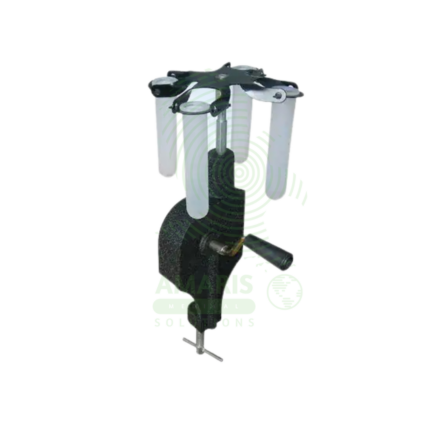
Manual Centrifuge
A Manual Centrifuge (hand-powered) is a non-electric mechanical device for separating fluids based on density, designed for use in field clinics, remote health posts, and developing world settings where electricity is unavailable or unreliable. Operated by hand crank, pull-cord, or foot pedal, achieving speeds of 1,000-4,000 RPM and RCF up to 1,500 x g. Accepts standard blood collection tubes (2-5 mL), microhematocrit tubes, and small centrifuge tubes. Primary clinical applications include separation of serum/plasma for basic diagnostic testing, urine sediment concentration for microscopy, microhematocrit determination for anemia screening, concentration of parasites for malaria and other vector-borne disease diagnosis, field epidemiology and outbreak investigation, veterinary medicine in rural settings, and teaching in resource-limited institutions. Critical safety precautions include meticulous balancing of tubes by weight (absolutely essential), never exceeding maximum rated speed, using appropriate PPE (no aerosol containment), regular inspection of gears and rotor for wear, and proper training of operators. Essential equipment for basic laboratory capabilities in low-resource and field settings.