Dermatoscope and Magnifiers
 Diagnostic Kits
 Vital Signs Monitors
 Stethoscopes and Accessories
 Otoscopes, Ophthalmoscopes, and Retinoscopes
 Reflex Hammers and Neurological Tools
 Scales and Measuring Devices
 Spirometers and Pulmonary Function Tests
 Electrosurgical Units and Accessories
 Cutting Instruments
 Grasping and Holding Instruments
 Hemostatic Instruments
 Specialized Surgical Sets
 Single-Use Procedure Trays and Packs
 Surgical Drapes, Gowns, and Covers
 Tissue Unifying Instruments
 Radiation Protection
 X-Ray Machines and Accessories
 Ultrasound Systems and Probes
 MRI and CT Scanners
 Radiology Consumables
 Bone Densitometers
 Fluoroscopy Equipment
 Imaging Tables and Positioning Aids
 Microscopes and Accessories
 Centrifuges and Separators
 Analyzers
 Incubators and Ovens
 Pipettes, Dispensers, and Lab Glassware
 Refrigerators, Freezers, and Storage Units
 Lab Consumables
 Sterilizers and Autoclaves for Lab Use
 Multi-Parameter Monitors
 Ventilators and Respiratory Support Devices
 Defibrillators and AEDs
 Infusion Pumps and IV Systems
 Patient Warmers and Cooling Devices
 Central Monitoring Stations
 Accessories
 Anesthesia Machines and Workstations
 Oxygen Concentrators and Delivery Systems
 Nebulizers and Inhalers
 CPAP/BiPAP Machines
 Airway Management
 Anesthesia Masks, Circuits, and Bags
 Humidifiers and Heaters
 Respiratory Therapy Accessories
 First Aid Kits and Cabinets
 Emergency Resuscitation Equipment
 Trauma Supplies
 Emergency Carts and Crash Carts
 Burn Care Products
 Bleeding Control
 Automated External Defibrillators (AEDs)
 Transport and Evacuation
 Wheelchairs and Accessories
 Walkers, Crutches, and Canes
 Prosthetics and Orthotics
 Physical Therapy Equipment
 Transfer Devices
 Bathroom Safety
 Orthopedic Traction and Tables
 Hot/Cold Therapy Packs and Units
 Beds and Mattresses
 Chairs and Stools
 Tables
 Cabinets and Storage
 Privacy Screens & Curtains
 Stands and Racks
 Linens and Textiles
 Lighting
 Autoclaves and Sterilizers
 Ultrasonic Cleaners
 Disinfectant Solutions and Wipes
 Sterilization Pouches, Wraps, and Indicators
 Instrument Trays and Containers
 UV and Ozone Disinfection Devices
 Washer Disinfectors
 Wound Care
 Gloves
 Masks and Respirators
 Catheters and Tubing
 Swabs, Applicators, and Sponges
 Incontinence Products
 Personal Protective Equipment (PPE)
 Dental Chairs and Units
 Handpieces and Burs
 Instruments
 Consumables
 Sterilization for Dental Use
 Orthodontic Supplies
 Endodontic Tools
 Slit Lamps and Tonometers
 Lensometers and Phoropters
 Ophthalmic Surgical Instruments
 Eyewear Frames and Lenses
 Contact Lens Supplies
 Vision Testing Charts and Devices
 Eye Care Consumables
 Laser Systems for Eye Care
 ENT Exam Chairs and Tables
 Endoscopes
 Audiometers and Hearing Tests
 ENT Instruments
 Nasal and Throat Packs
 Hearing Aids and Accessories
 Otology Supplies
 Fetal Dopplers and Monitors
 Delivery Beds and Tables
 Gynecological Instruments
 Neonatal Incubators and Warmers
 Breast Pumps and Accessories
 Contraceptive Devices
 Maternity Supports and Pads
 Neonatal Consumables
 Cystoscopes and Urethroscopes
 Dialysis Machines and Supplies
 Urological Catheters and Bags
 Lithotripters
 Prostate Treatment Devices
 Urinary Incontinence Products
 Kidney Stone Management Tools
 Consumables & Disposables
 EEG and EMG Machines
 Neurosurgical Instruments
 Nerve Stimulators
 Headrests and Positioning Aids
 Lumbar Puncture Kits
 Seizure Monitoring Devices
 Consumables
 Rehabilitation for Neurological Conditions
 ECG Machines and Accessories
 Holter Monitors
 Stress Test Systems
 Pacemakers and Defibrillator Accessories
 Vascular Access Devices
 Cardiac Catheters and Guidewires
 Blood Flow Meters
 Consumables
 Orthopedic Instruments
 Casts, Splints, and Padding
 Joint Replacement Supplies
 Prosthetic Limbs and Components
 Bone Grafts and Substitutes
 Traction Devices
 Orthopedic Braces and Supports
 Rehabilitation Aids for Orthopedics
 Home Oxygen Therapy
 Hospital Beds for Home Use
 Mobility Aids
 Bathroom and Daily Living Aids
 Wound Care for Home
 Monitoring Devices
 Enteral Feeding Pumps and Tubes
 Hand Sanitizers and Dispensers
 Face Shields and Goggles
 Isolation Gowns and Suits
 Biohazard Waste Containers
 Air Purifiers and HEPA Filters
 Surface Disinfectants
 Sharps Containers
 Protective Barriers
 Cardiovascular & Endurance Training
 Strength Training & Weightlifting
 Functional Training & Core Conditioning
 Physical Therapy & Rehabilitation
 Sports & Outdoor Recreation
 Gym Flooring & Facility Equipment
 Fitness Monitoring & Accessories
 Kids & Novelties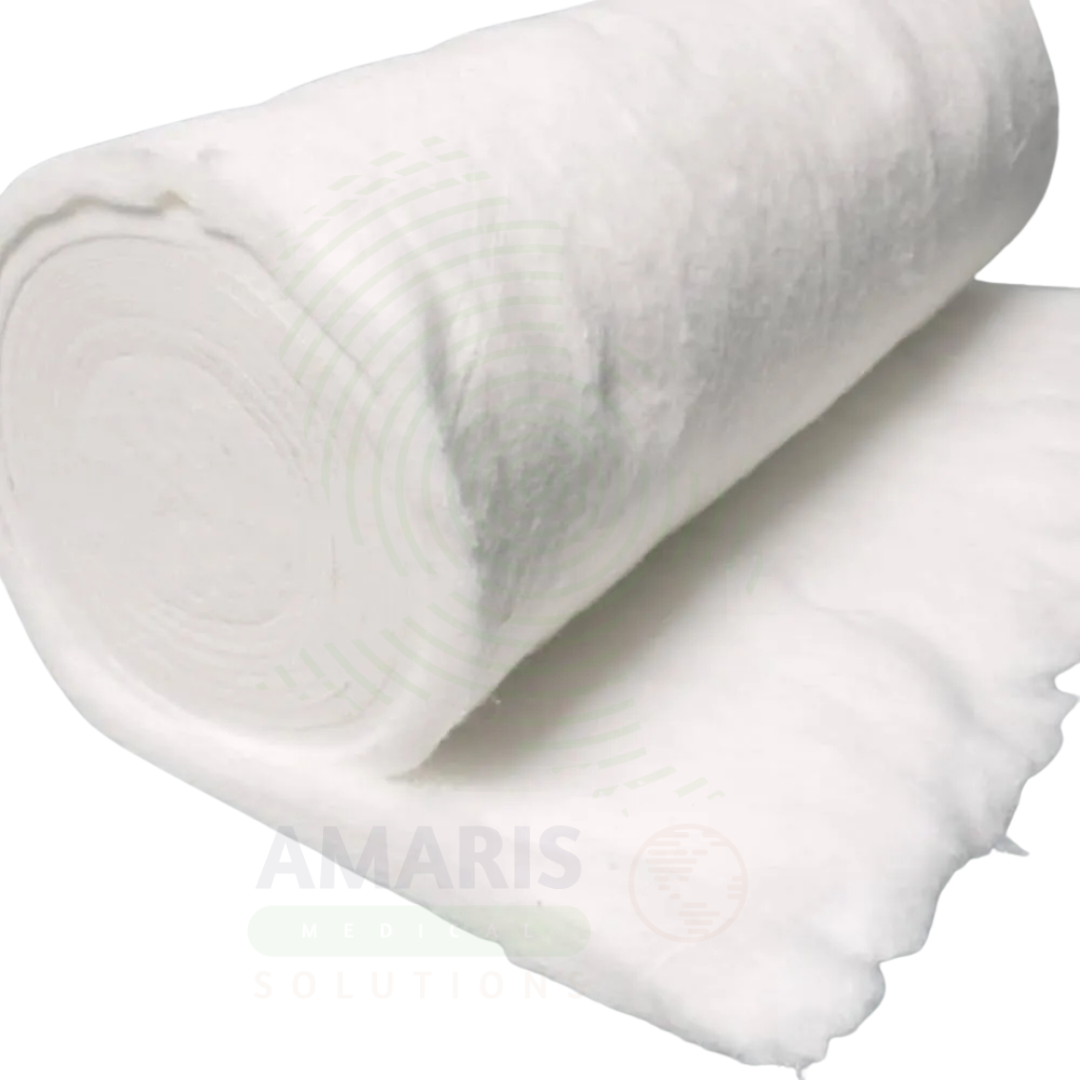
Cotton Rolls
WhatsApp Order
Cotton Rolls are sterile or non-sterile, single-use cylinders of 100% purified, highly absorbent cotton, most commonly used in dentistry for moisture control and oral isolation. Placed in the buccal vestibule or sublingually, they absorb saliva and blood, creating a dry operative field essential for adhesive restorations, impressions, and minor surgical procedures. Standard dimensions are 1.5 inches in length and 0.5 inches in diameter, with jumbo, pediatric, tapered, and banded variants available. Critical performance properties include high absorbency (20-25x fluid weight), wet strength, and low-linting. Sterile rolls are required for surgical procedures contacting open wounds. Strict single-use protocol and careful count/retrieval are mandatory to prevent aspiration hazards. An indispensable, high-volume consumable in dental practice.
Description
Cotton Rolls
PRIMARY CLINICAL & DIAGNOSTIC USES
1. Moisture Control and Isolation in Dentistry
-
Primary Use: Absorbs saliva and moisture from the oral cavity during dental procedures, with cotton rolls placed in the buccal vestibule or sublingually to create a dry field essential for successful adhesive dentistry, accurate impression-taking, and application of topical anesthetics or fluorides.
-
How it helps: For the dentist and dental hygienist, cotton rolls transform a wet, saliva-filled field into a dry, workable surface—absorbing moisture that would otherwise compromise composite bonding, dilute etching agents, or wash away sealants before they can set. For the patient undergoing dental treatment, cotton rolls mean their restorations will last longer, their impressions will be accurate, and their overall dental experience will be more comfortable and successful.
2. Saliva Absorption During Dental Examinations
-
Primary Use: Placed strategically to manage salivary flow, improving visualization of the operative field and patient comfort during routine examinations and prophylaxes.
-
How it helps: For the dental professional performing an examination or cleaning, cotton rolls placed in strategic locations keep saliva from pooling and obscuring the view—allowing for thorough inspection of tooth surfaces, accurate detection of caries, and effective scaling and polishing. For the patient, this means a more efficient appointment with better visualization of any developing problems.
3. Gingival Retraction and Tissue Management
-
Primary Use: Positioned to gently displace gingival tissue away from the tooth structure, providing access to subgingival margins for crown and bridge preparation, impression-taking, and cementation procedures.
-
How it helps: For the restorative dentist preparing a tooth for a crown or bridge, cotton rolls placed in the gingival sulcus gently push the gum tissue aside—exposing the critical margin where tooth meets restoration, ensuring that impressions capture this vital area accurately, and facilitating proper cementation. For the patient receiving a crown, proper tissue management means a better-fitting restoration with healthier surrounding gums.
4. Protection of Oral Soft Tissues
-
Primary Use: Acts as a physical barrier to protect the buccal mucosa, lips, and tongue from accidental injury by dental instruments, rotary burs, or chemical agents during operative procedures.
-
How it helps: For the dentist working with high-speed handpieces and sharp instruments, cotton rolls placed strategically provide a protective buffer between the instrument and soft tissues—preventing accidental burs from catching the cheek, shielding the tongue from sharp edges, and absorbing chemical agents that could irritate sensitive mucosa. For the patient, this protection means less post-operative discomfort and fewer accidental injuries during treatment.
5. Interim Dressing or Pressure Application
-
Primary Use: Used in oral surgery to apply gentle pressure to extraction sites for initial hemostasis, or placed over surgical wounds to absorb minor oozing and protect the site temporarily.
-
How it helps: For the oral surgeon and dental provider performing extractions or minor surgery, a cotton roll placed over the extraction site provides gentle, localized pressure that promotes clot formation and controls initial bleeding—giving the patient something to bite on that absorbs blood while the clot forms. For the patient after an extraction, biting on a cotton roll helps control bleeding and provides a sense of security during the immediate post-operative period.
SECONDARY & SUPPORTIVE USES
1. Wound Packing and Absorbent Layer in Minor Procedures: In general medicine and first aid, sterile cotton rolls are used for packing small wounds, sinuses, or cavities to absorb exudate and maintain drainage patency. For the patient with a small abscess or draining wound, cotton roll packing provides gentle wicking and keeps the wound open for drainage.
2. Cushioning and Padding Beneath Splints or Casts: Provides soft, conformable padding between rigid orthopedic devices and the skin to prevent pressure ulcers and friction injuries. For the patient in a splint or cast, proper padding means the device does not become a source of skin breakdown.
3. Specimen Collection: Used to absorb and collect fluid specimens for microbiological or chemical analysis. For the clinician needing to collect a sample of wound exudate or oral fluid, a sterile cotton roll provides an absorbent collection medium.
4. Cleaning and Drying Small Surfaces: Employed in medical device maintenance and laboratory settings for cleaning and drying delicate instruments, optics, or small surfaces due to its high absorbency and low-lint properties. For the technician cleaning sensitive equipment, cotton rolls provide gentle, effective cleaning without scratching or leaving lint.
5. Cosmetic and Personal Care Applications: Used in clinical aesthetics for applying or removing topical products, absorbing excess oils, or as a barrier during facial treatments. For the aesthetician and client, cotton rolls provide a gentle, disposable tool for various skincare applications.
KEY PRODUCT FEATURES
1. BASIC IDENTIFICATION ATTRIBUTES
-
Product Type: A compressed or loosely rolled cylinder of absorbent cotton fibers, typically 100% purified cotton, used primarily for moisture control in clinical settings .
-
Designation: Defined by length, diameter, sterility status, and fiber composition .
-
Core Composition:
-
100% Purified Cotton: Long-staple, bleached, highly absorbent cotton fibers .
-
Cotton/Rayon Blend: Sometimes blended with rayon for increased absorbency and reduced linting .
-
Synthetic Fiber Cores: Some products feature a non-absorbent synthetic core to maintain rigidity when wet, with absorbent cotton outer layer .
-
-
Physical Forms:
-
Standard Dental Rolls: Cylindrical, approximately 1.5 inches (38 mm) in length, 0.5 inches (12 mm) in diameter .
-
Jumbo/Large Rolls: Extended length (3-6 inches) for greater absorbency or larger oral cavities .
-
Pediatric Rolls: Smaller diameter and length for pediatric patients .
-
Endodontic Rolls: Tapered or pointed tips for accessing confined spaces .
-
Banded Rolls: Cotton roll with an embedded non-absorbent string or band for easy retrieval when saturated .
-
2. TECHNICAL & PERFORMANCE PROPERTIES
-
Absorbency Capacity: The primary performance metric. Measured as grams of fluid absorbed per gram of material. High-quality purified cotton absorbs 20-25 times its weight in water. Must rapidly wick and retain saliva and blood without disintegrating .
-
Wet Strength: The ability to maintain structural integrity when saturated. Low-quality cotton rolls collapse, shred, or disintegrate when wet, leaving fibers in the mouth and losing isolation effectiveness .
-
Lint-Free/Low-Linting: Critical property. Cotton rolls must not shed fibers into the oral cavity, surgical site, or onto dental instruments. Fibers can:
-
Contaminate dental restorations, compromising adhesion .
-
Become embedded in wounds, causing foreign body reactions .
-
Interfere with a set of impression materials .
-
Be aspirated or ingested by the patient .
-
-
pH Neutrality: Must be chemically inert and pH neutral. Acidic or alkaline residues can irritate oral mucosa or interfere with dental materials .
-
Compressibility and Conformability: Should be sufficiently compressible to fit comfortably into the buccal vestibule yet resilient enough to maintain position and exert gentle retentive force .
3. PHYSICAL & OPERATIONAL PROPERTIES
-
Dimensions (Standard Dental Roll):
-
Length: 1.5 inches (38 mm) .
-
Diameter: 0.5 inches (12 mm) .
-
Available in 1.5", 3", 6" lengths; 0.5", 0.75" diameters .
-
-
Packaging Formats:
-
Bulk: 2000-5000 rolls per box, non-sterile, for high-volume clinical use .
-
Dispensing Systems: Pop-up or gravity-feed dispensers for one-at-a-time retrieval .
-
Sterile: Individually wrapped in sterile peel pouches for surgical and implant procedures .
-
Procedure Kits: Pre-packaged with other disposable items in dental procedure trays .
-
-
Color Coding: Sometimes color-coded (e.g., blue, pink) for easy identification of size, sterility status, or to improve visualization on the white field of dental operative trays .
4. SAFETY & COMPLIANCE ATTRIBUTES
-
Regulatory Standards:
-
USP <661>: Physicochemical tests for plastic materials (if applicable to packaging) .
-
ISO 11135/11137: Sterilization validation (for sterile products) .
-
FDA Classification: Class I medical device (low risk) .
-
CE Marking: Required for European market .
-
-
Biocompatibility: 100% purified cotton is naturally biocompatible, non-irritating, and non-sensitizing. Must meet ISO 10993 standards for skin and mucosal contact .
-
Latex-Free: 100% cotton is naturally latex-free. The manufacturing process must ensure no cross-contamination with latex proteins .
-
Sterility Levels:
-
Non-Sterile: Acceptable for routine dental procedures on intact mucosa .
-
Sterile: Required for surgical procedures (extractions, implant placement, periodontal surgery) where the roll contacts an open wound or surgical site. Sterilized via ethylene oxide (EtO) or gamma irradiation. Sterility assurance level (SAL) of 10⁻⁶ .
-
-
Pesticide and Chemical Residue: Purified cotton must be processed to remove pesticides, herbicides, waxes, and other natural contaminants. Meets USP purified cotton standards .
-
Chlorine/bleach Residue: Bleaching processes must ensure complete removal of chlorine residues to prevent mucosal irritation .
5. STORAGE & HANDLING ATTRIBUTES
-
Storage: Store in original packaging in a cool, dry environment. Protect from moisture, dust, and contaminants. Humidity causes cotton to absorb atmospheric moisture, reducing absorbency and promoting mold growth .
-
Shelf Life: Non-sterile cotton rolls: Indefinite if stored properly. Sterile cotton rolls: Typically 3-5 years from sterilization date. Expiration date printed on each sterile package .
-
Package Inspection (Sterile Rolls): Before use, inspect individual sterile packaging for any signs of compromise: tears, punctures, moisture ingress, or damage to sterile barrier. Do not use it if integrity is questionable .
-
Single-Use Protocol: Cotton rolls are single-use devices. They must be discarded after a single patient encounter. Never reuse a cotton roll on the same patient or between patients. Reuse is associated with:
-
Cross-contamination and infection transmission .
-
Loss of structural integrity and absorbency .
-
Shedding of fibers and particulate contamination .
-
Biofilm accumulation .
-
6. LABORATORY & CLINICAL APPLICATIONS
-
Primary Application: An indispensable, high-volume consumable in dentistry, used in virtually every restorative, preventive, and surgical procedure requiring moisture control. Second only to gloves in frequency of use .
-
Selection Criteria:
-
Procedure Type: Non-surgical vs. surgical (determines sterility requirement) .
-
Patient Age/Size: Standard vs. pediatric rolls .
-
Moisture Volume: Jumbo rolls for excessive salivation or prolonged procedures .
-
Access Difficulty: Endodontic/tapered rolls for confined spaces .
-
Retention Requirement: Banded rolls for easy retrieval in posterior regions .
-
-
Placement Technique:
-
Buccal Vestibule: One roll placed between cheek and maxillary/mandibular molars .
-
Sublingual: One or two rolls placed under the tongue to control submandibular/sublingual salivary flow .
-
Bilateral: Rolls placed on both left and right sides for comprehensive isolation .
-
-
With Evacuator: Often used in combination with high-volume saliva ejector for complete moisture control .
SAFETY HANDLING PRECAUTIONS
1. SAFETY PRECAUTIONS
-
Prevention of Aspiration or Ingestion (Most Important): Cotton rolls must be placed securely and counted before and after procedures. Never leave cotton rolls unattended in the oral cavity. Saturated rolls can become dislodged and migrate toward the oropharynx, posing a serious aspiration or choking hazard .
-
Use cotton roll holders or forceps for placement and retrieval .
-
Maintain clear visualization of all rolls throughout the procedure .
-
Perform final count verification before dismissing the patient .
-
Consider banded rolls (with retrieval string) for high-risk patients or posterior placement .
-
-
Do Not Obstruct the Airway: Never pack the oropharynx or block the airway. Rolls should be placed in the vestibule, not deep into the oral cavity .
-
Change When Saturated: Saturated cotton rolls lose absorbency and may begin to wick moisture back onto the operative field. Replace with fresh, dry rolls as needed during lengthy procedures .
-
Avoid Direct Contact with Unset Dental Materials: Moisture from cotton rolls can contaminate uncured composite resins, glass ionomers, or impression materials, compromising material properties and clinical outcomes .
-
Assess for Allergic Reaction: True cotton allergy is extremely rare. However, residual chemicals from processing (bleaches, starches) may cause contact irritation in sensitive individuals. Discontinue use and substitute with hypoallergenic alternatives if irritation occurs .
-
Do Not Use as Primary Wound Packing in Deep Wounds: Cotton fibers can adhere to granulating tissue and shed into the wound bed, causing foreign body reactions. Use dedicated non-adherent or impregnated gauze for deep wound packing .
2. FIRST AID MEASURES
-
Aspiration/Choking: If a patient inhales or chokes on a cotton roll, follow standard emergency airway protocols: encourage coughing, perform abdominal thrusts (Heimlich maneuver) if airway is obstructed, and activate emergency medical services immediately. Maintain high suspicion if a cotton roll is unaccounted for .
-
Ingestion: If a cotton roll is swallowed, it will typically pass through the gastrointestinal tract without incident. Patients should be advised to monitor for abdominal pain, vomiting, or signs of obstruction. Radiographic evaluation is not required unless symptoms develop .
-
Mucosal Irritation: If localized erythema or discomfort occurs at the placement site, remove the roll, rinse the area with water, and discontinue use of that product. Symptoms typically resolve spontaneously .
3. FIRE FIGHTING MEASURES
-
Flammability: Cotton is readily combustible. Dry cotton rolls ignite easily and burn rapidly .
-
Extinguishing Media: Use water, foam, CO₂, or dry chemical powder as appropriate for the surrounding fire .
-
Storage: Store away from open flames, electrosurgical units, lasers, and other ignition sources in clinical environments .
Related products
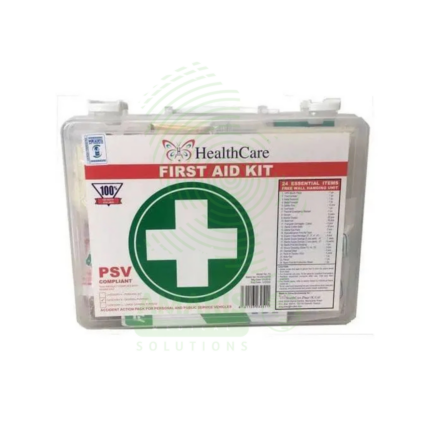
First Aid Kit
A First Aid Kit is an organized collection of medical supplies and equipment for providing initial care in emergency situations, available in various sizes and configurations for home, workplace, vehicle, travel, and specialized applications. Kits range from personal pouches (0.5-2 L) to comprehensive workplace cabinets (5-35 L) with soft-sided bags, hard cases, or wall-mounted containers. Contents are typically organized to meet regional standards (ANSI/ISEA Z308.1, CSA Z1220, BS 8599, DIN 13157/13169) and include wound care supplies (bandages, gauze, tape), antiseptics, burn care, eye care, emergency items (CPR mask, cold packs, foil blanket), instruments (scissors, tweezers), and PPE (gloves). Class A kits provide minimum supplies for low-hazard workplaces; Class B kits offer expanded quantities for high-hazard environments. Primary clinical applications include immediate treatment of minor injuries (cuts, abrasions, burns, sprains), bleeding control, wound care, fracture immobilization, and emergency assessment. Essential safety equipment for every home, workplace, vehicle, and public facility, providing critical medical supplies until professional care arrives.
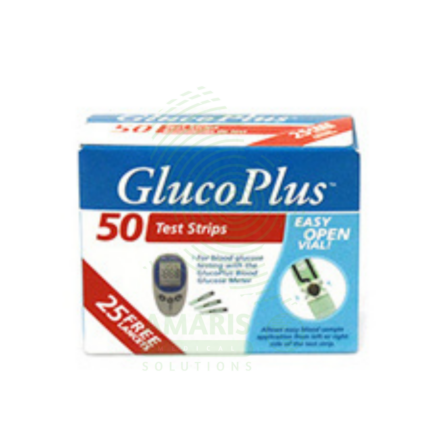
Glucosics Blood Sugar Sticks
Glucosics Blood Sugar Sticks are single-use, disposable electrochemical test sticks (ISO 15197:2013 compliant) designed exclusively for use with Glucosics glucose meters to measure capillary blood glucose from 0.5-1.0 µL samples in 5-7 seconds. Each stick contains glucose oxidase or glucose dehydrogenase reagents that generate electrical current proportional to glucose concentration (20-600 mg/dL range). Packaging options include multi-stick vials (25-100 sticks) with desiccant for daily use or individually foil-wrapped sticks for travel. Sticks feature no-coding automatic calibration, hematocrit compensation (20-60%), and interference resistance. Primary clinical applications include daily blood glucose testing for Type 1, Type 2, and gestational diabetes management, hypoglycemia and hyperglycemia detection, pre- and post-meal glucose assessment, and hospital point-of-care testing. Critical safety precautions include single-use only, immediate vial closure after stick removal to prevent humidity damage, storage at 2-30°C away from bathrooms and temperature extremes, never using expired sticks, proper hand hygiene before testing, and disposal in sharps containers. Essential consumable for diabetes self-management when used with Glucosics meters.

Hepatitis C Test Kit
The Hepatitis C Test Kit is an in vitro diagnostic device for the detection of Hepatitis C virus antibodies or RNA in human blood, serum, or plasma samples. Available in rapid, laboratory immunoassay, and molecular formats, it screens for HCV infection, confirms active infection with RNA testing, and monitors treatment response. With high sensitivity and specificity exceeding 99%, it is essential for identifying infected individuals, linking them to curative direct-acting antiviral therapy, and confirming cure. Essential applications include risk-based screening of high-risk populations, birth cohort screening of baby boomers, evaluation of acute hepatitis, management of occupational exposures, and monitoring of antiviral therapy that can cure over 95% of infections. All patient samples must be handled with universal precautions, and positive antibody results require confirmatory testing.
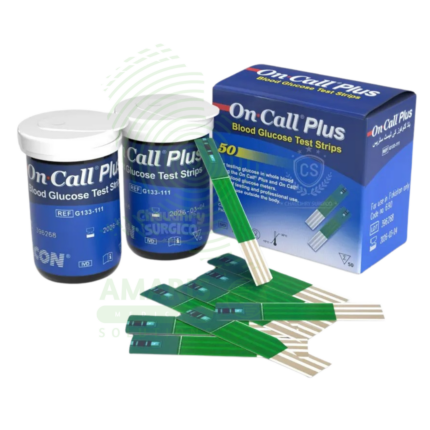
On Call Blood Sugar Strips
On Call Blood Sugar Strips are single-use, disposable electrochemical test strips (ISO 15197:2013 compliant) designed exclusively for use with On Call glucose meters to measure capillary blood glucose from 0.5-1.0 µL samples in 5-7 seconds. Each strip contains glucose oxidase or glucose dehydrogenase reagents that generate electrical current proportional to glucose concentration (20-600 mg/dL range). Packaging options include multi-strip vials (25-100 strips) with desiccant for daily use or individually foil-wrapped strips for travel. Strips feature no-coding automatic calibration, hematocrit compensation (20-60%), and interference resistance. Primary clinical applications include daily blood glucose testing for Type 1, Type 2, and gestational diabetes management, hypoglycemia and hyperglycemia detection, pre- and post-meal glucose assessment, and hospital point-of-care testing. Critical safety precautions include single-use only, immediate vial closure after strip removal to prevent humidity damage, storage at 2-30°C away from bathrooms and temperature extremes, never using expired strips, proper hand hygiene before testing, and disposal in sharps containers. Essential consumable for diabetes self-management when used with On Call meters.
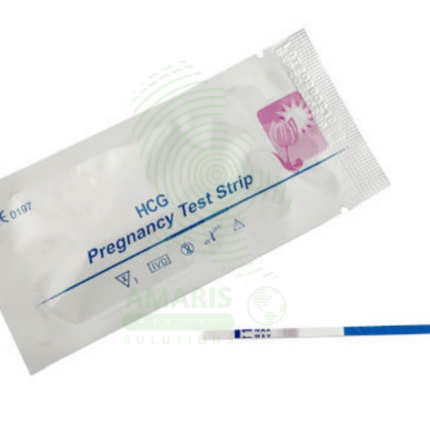
Pregnancy Test Strips
Pregnancy Test Strips are simple, dip-style lateral flow devices designed for the rapid, qualitative detection of human chorionic gonadotropin (hCG) in urine to indicate pregnancy. As the most fundamental format of home pregnancy tests, they offer high sensitivity (often from 10 mIU/mL), affordability, and a quick result within 3-5 minutes. Their ease of use makes them a widely accessible first step in pregnancy detection for personal use and clinical screening. A visible test line, even if faint, is a positive result, though confirmation with a healthcare provider is always recommended.
Thermal Printing Paper Roll
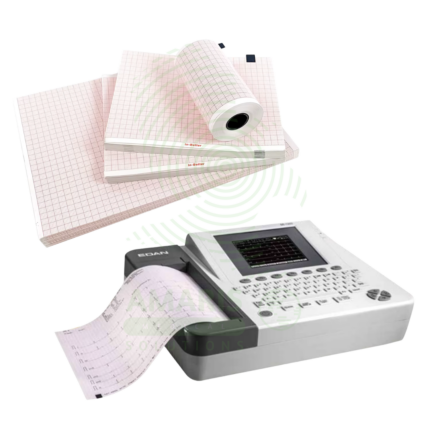
Thermal Printing Paper Roll is a heat-sensitive recording medium used with medical monitoring and diagnostic equipment including ECG machines, fetal monitors, ultrasound printers, and telemetry systems. The paper produces high-contrast, permanent images of physiological waveforms and data when passed over the printer's thermal head. Available in various widths, lengths, and grid patterns to match specific device requirements, it is an essential consumable for creating hard copy records for patient charts, consultation, and legal documentation. Proper storage away from light, heat, and moisture is essential to preserve image quality. BPA-free and archival-grade options are available for specific applications.
Ultrasound Gel
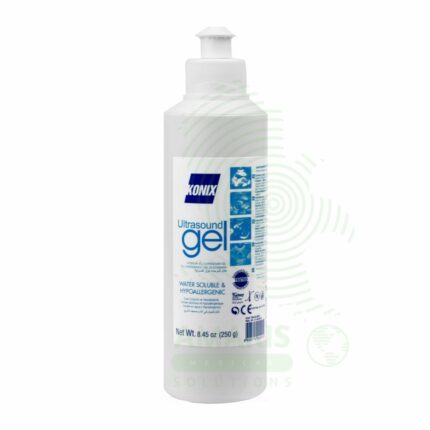
Ultrasound Gel is a water-based, hypoallergenic, acoustically conductive coupling medium essential for diagnostic and therapeutic ultrasound procedures. It eliminates air pockets between the transducer and skin, creating an efficient acoustic pathway for sound wave transmission and reception. Formulated to match the acoustic impedance of human tissue, it ensures high-quality imaging while providing lubrication for smooth probe movement and patient comfort. Available in standard, sterile, and hypoallergenic formulations, it is a single-use consumable critical for all ultrasound examinations. Proper storage, handling, and selection of appropriate sterile versus non-sterile formulations are essential for patient safety and image quality.