Dermatoscope and Magnifiers
 Diagnostic Kits
 Vital Signs Monitors
 Stethoscopes and Accessories
 Otoscopes, Ophthalmoscopes, and Retinoscopes
 Reflex Hammers and Neurological Tools
 Scales and Measuring Devices
 Spirometers and Pulmonary Function Tests
 Electrosurgical Units and Accessories
 Cutting Instruments
 Grasping and Holding Instruments
 Hemostatic Instruments
 Specialized Surgical Sets
 Single-Use Procedure Trays and Packs
 Surgical Drapes, Gowns, and Covers
 Tissue Unifying Instruments
 Radiation Protection
 X-Ray Machines and Accessories
 Ultrasound Systems and Probes
 MRI and CT Scanners
 Radiology Consumables
 Bone Densitometers
 Fluoroscopy Equipment
 Imaging Tables and Positioning Aids
 Microscopes and Accessories
 Centrifuges and Separators
 Analyzers
 Incubators and Ovens
 Pipettes, Dispensers, and Lab Glassware
 Refrigerators, Freezers, and Storage Units
 Lab Consumables
 Sterilizers and Autoclaves for Lab Use
 Multi-Parameter Monitors
 Ventilators and Respiratory Support Devices
 Defibrillators and AEDs
 Infusion Pumps and IV Systems
 Patient Warmers and Cooling Devices
 Central Monitoring Stations
 Accessories
 Anesthesia Machines and Workstations
 Oxygen Concentrators and Delivery Systems
 Nebulizers and Inhalers
 CPAP/BiPAP Machines
 Airway Management
 Anesthesia Masks, Circuits, and Bags
 Humidifiers and Heaters
 Respiratory Therapy Accessories
 First Aid Kits and Cabinets
 Emergency Resuscitation Equipment
 Trauma Supplies
 Emergency Carts and Crash Carts
 Burn Care Products
 Bleeding Control
 Automated External Defibrillators (AEDs)
 Transport and Evacuation
 Wheelchairs and Accessories
 Walkers, Crutches, and Canes
 Prosthetics and Orthotics
 Physical Therapy Equipment
 Transfer Devices
 Bathroom Safety
 Orthopedic Traction and Tables
 Hot/Cold Therapy Packs and Units
 Beds and Mattresses
 Chairs and Stools
 Tables
 Cabinets and Storage
 Privacy Screens & Curtains
 Stands and Racks
 Linens and Textiles
 Lighting
 Autoclaves and Sterilizers
 Ultrasonic Cleaners
 Disinfectant Solutions and Wipes
 Sterilization Pouches, Wraps, and Indicators
 Instrument Trays and Containers
 UV and Ozone Disinfection Devices
 Washer Disinfectors
 Wound Care
 Gloves
 Masks and Respirators
 Catheters and Tubing
 Swabs, Applicators, and Sponges
 Incontinence Products
 Personal Protective Equipment (PPE)
 Dental Chairs and Units
 Handpieces and Burs
 Instruments
 Consumables
 Sterilization for Dental Use
 Orthodontic Supplies
 Endodontic Tools
 Slit Lamps and Tonometers
 Lensometers and Phoropters
 Ophthalmic Surgical Instruments
 Eyewear Frames and Lenses
 Contact Lens Supplies
 Vision Testing Charts and Devices
 Eye Care Consumables
 Laser Systems for Eye Care
 ENT Exam Chairs and Tables
 Endoscopes
 Audiometers and Hearing Tests
 ENT Instruments
 Nasal and Throat Packs
 Hearing Aids and Accessories
 Otology Supplies
 Fetal Dopplers and Monitors
 Delivery Beds and Tables
 Gynecological Instruments
 Neonatal Incubators and Warmers
 Breast Pumps and Accessories
 Contraceptive Devices
 Maternity Supports and Pads
 Neonatal Consumables
 Cystoscopes and Urethroscopes
 Dialysis Machines and Supplies
 Urological Catheters and Bags
 Lithotripters
 Prostate Treatment Devices
 Urinary Incontinence Products
 Kidney Stone Management Tools
 Consumables & Disposables
 EEG and EMG Machines
 Neurosurgical Instruments
 Nerve Stimulators
 Headrests and Positioning Aids
 Lumbar Puncture Kits
 Seizure Monitoring Devices
 Consumables
 Rehabilitation for Neurological Conditions
 ECG Machines and Accessories
 Holter Monitors
 Stress Test Systems
 Pacemakers and Defibrillator Accessories
 Vascular Access Devices
 Cardiac Catheters and Guidewires
 Blood Flow Meters
 Consumables
 Orthopedic Instruments
 Casts, Splints, and Padding
 Joint Replacement Supplies
 Prosthetic Limbs and Components
 Bone Grafts and Substitutes
 Traction Devices
 Orthopedic Braces and Supports
 Rehabilitation Aids for Orthopedics
 Home Oxygen Therapy
 Hospital Beds for Home Use
 Mobility Aids
 Bathroom and Daily Living Aids
 Wound Care for Home
 Monitoring Devices
 Enteral Feeding Pumps and Tubes
 Hand Sanitizers and Dispensers
 Face Shields and Goggles
 Isolation Gowns and Suits
 Biohazard Waste Containers
 Air Purifiers and HEPA Filters
 Surface Disinfectants
 Sharps Containers
 Protective Barriers
 Cardiovascular & Endurance Training
 Strength Training & Weightlifting
 Functional Training & Core Conditioning
 Physical Therapy & Rehabilitation
 Sports & Outdoor Recreation
 Gym Flooring & Facility Equipment
 Fitness Monitoring & Accessories
 Kids & Novelties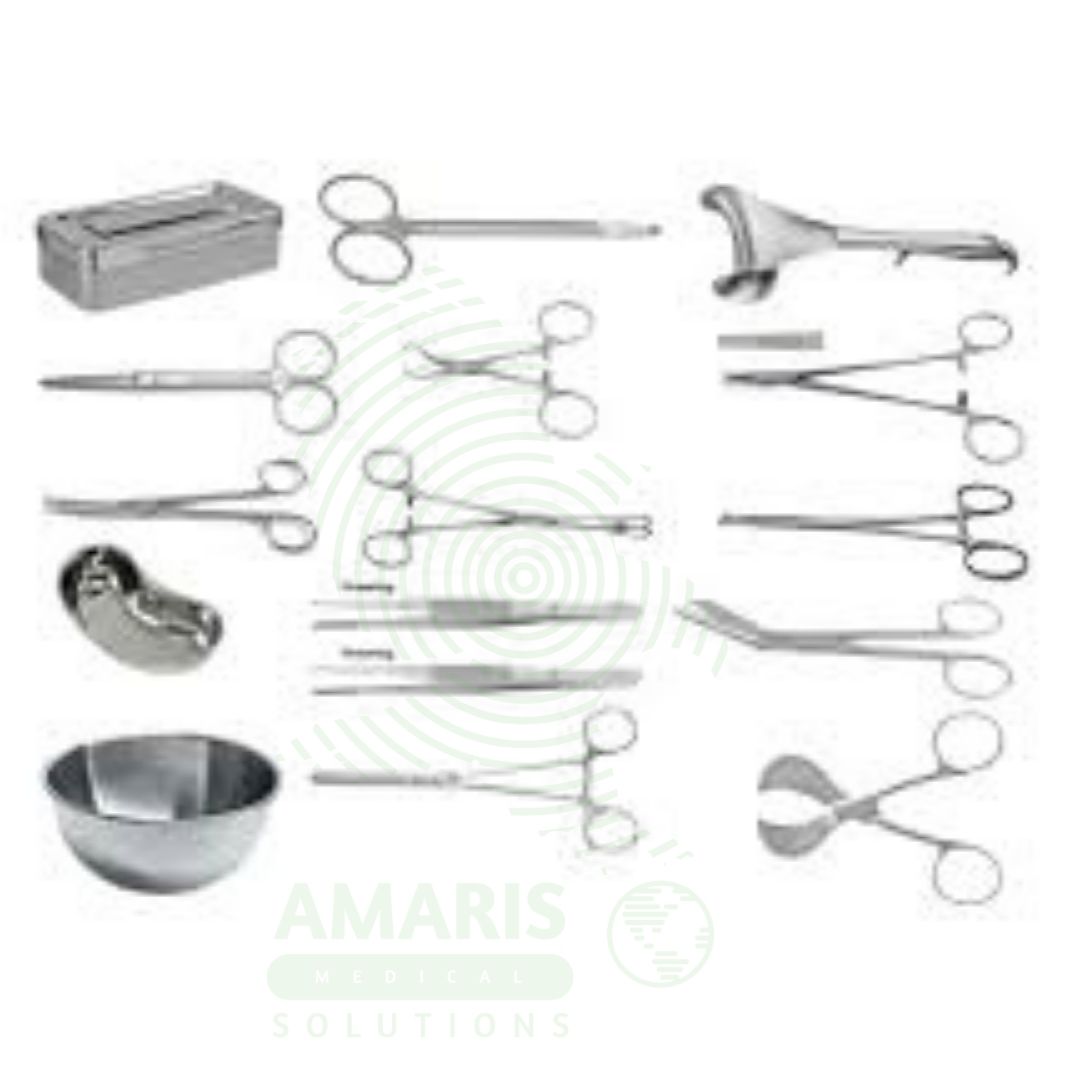

Delivery Set
WhatsApp Order
A Delivery Set is a sterile instrument tray containing the instruments necessary for attending vaginal deliveries, including episiotomy, cord clamping and cutting, placental delivery, and perineal repair. Essential for labor and delivery units, birthing centers, and emergency obstetric services, it ensures that all required instruments are organized, sterile, and immediately available during the delivery process. Proper sterile technique, instrument counting, and placental inspection are critical for safe maternal and neonatal outcomes.
Description
Delivery Set
PRIMARY CLINICAL & DIAGNOSTIC USES
1. Instrumentation for Vaginal Delivery
-
Primary Use: Provides a sterile, organized set of instruments necessary for attending vaginal deliveries, including episiotomy, cord clamping and cutting, placental delivery, and perineal repair. The set ensures that all required instruments are immediately available during the delivery process.
-
How it helps: For the obstetrician, midwife, and labor and delivery nurse, the delivery set provides a complete, sterile instrument tray that is ready when needed—ensuring that instruments are organized, sterile, and immediately accessible during the critical moments of delivery. For the mother, this means that all necessary instruments are available for a safe delivery, and if episiotomy or repair is needed, the instruments are ready without delay.
2. Episiotomy and Perineal Repair
-
Primary Use: Contains specialized scissors for performing episiotomy when indicated, as well as needle holders, forceps, and suture materials for repairing episiotomy incisions and perineal lacerations following delivery.
-
How it helps: For the clinician attending the delivery, having episiotomy scissors and repair instruments immediately available means that if an episiotomy is needed to expedite delivery or prevent severe tearing, the procedure can be performed promptly and safely. For the mother, proper repair instruments ensure that any lacerations or episiotomy incisions are closed accurately, promoting optimal healing.
3. Umbilical Cord Management
-
Primary Use: Contains sterile instruments for clamping and cutting the umbilical cord after delivery, including cord clamps and scissors, allowing for safe separation of the infant from the placenta.
-
How it helps: For the delivery team, having cord clamps and scissors readily available ensures that the umbilical cord can be clamped and cut safely and promptly after delivery, preventing blood loss and allowing for immediate newborn assessment. For the newborn, proper cord management with sterile instruments reduces the risk of cord stump infection and ensures safe transition to extrauterine life.
4. Placental Delivery and Inspection
-
Primary Use: Includes instruments and supplies for assisting with placental delivery, including a basin for placenta inspection, to ensure complete placental expulsion and assess for any retained fragments that could cause postpartum hemorrhage.
-
How it helps: For the clinician managing the third stage of labor, having a basin and instruments for placental inspection ensures that the placenta can be examined for completeness, reducing the risk of retained placental fragments and postpartum hemorrhage. For the mother, complete placental delivery reduces the risk of postpartum bleeding and infection.
5. Neonatal Resuscitation Support
-
Primary Use: May include components for initial newborn care including bulb syringe or suction for airway clearance, providing immediate respiratory support for the newborn if needed.
-
How it helps: For the delivery team, having suction equipment immediately available ensures that the newborn’s airway can be cleared promptly if meconium or secretions are present, supporting the infant’s transition to breathing. For the newborn, immediate airway clearance when needed reduces the risk of respiratory complications.
SECONDARY & SUPPORTIVE USES
1. Cesarean Section Preparation: While a separate set is typically used for Cesarean sections, some delivery sets may contain components used as backup instruments.
2. Postpartum Hemorrhage Management: Contains instruments that may be used in managing postpartum hemorrhage, including forceps and instruments for uterine exploration.
3. Instrument Count and Inventory: Used for standardizing instrument counts in labor and delivery units, ensuring all instruments are accounted for before and after delivery.
4. Emergency Obstetric Care: Essential for emergency obstetric services, ensuring that a complete set of instruments is available for unexpected deliveries in emergency departments or urgent care settings.
5. Training and Education: Used in obstetrics training programs for teaching delivery techniques, episiotomy, and perineal repair.
6. Out-of-Hospital Births: Used in birthing centers and for planned home births where a complete, sterile instrument set is required.
KEY PRODUCT FEATURES
1. BASIC IDENTIFICATION ATTRIBUTES
-
Device Type: A sterile, single-use or reusable instrument tray containing the instruments needed for vaginal delivery, episiotomy, cord management, and perineal repair.
-
Designation: Delivery Set, Obstetric Delivery Set, Vaginal Delivery Tray, Episiotomy Tray, Delivery Instrument Set.
-
Key Components:
-
Episiotomy Scissors: Mayo or other specialized scissors for performing episiotomy.
-
Needle Holders: For suturing episiotomy and perineal lacerations.
-
Suture Materials: Absorbable sutures (chromic, polyglactin) for perineal repair.
-
Tissue Forceps: Adson or other tissue forceps for grasping tissue during repair.
-
Sponge Forceps: For holding gauze sponges during cleaning and preparation.
-
Cord Clamps: Sterile clamps for clamping umbilical cord.
-
Umbilical Scissors: For cutting umbilical cord.
-
Basin: For placenta inspection.
-
Bulb Syringe or Suction: For newborn airway clearance.
-
Sterile Drapes: Fenestrated drapes for creating sterile fields.
-
Gauze Sponges: For cleaning and absorbing fluids.
-
Speculum: For visualization if needed (some sets).
-
2. TECHNICAL & PERFORMANCE PROPERTIES
-
Sterility: Gamma irradiated or ethylene oxide sterilized (single-use); reusable sets require sterilization before each use.
-
Instrument Quality: Surgical-grade stainless steel instruments.
-
Tray Configuration: Instruments organized in procedure-specific layout.
-
Suture Materials: Absorbable sutures appropriate for perineal tissue.
3. PHYSICAL & OPERATIONAL PROPERTIES
-
Packaging: Sterile packaging with easy-open design; reusable sets stored in instrument wrap.
-
Portability: Compact for storage in labor and delivery units.
-
Instrument Identification: Instruments clearly identifiable for count and inventory.
4. SAFETY & COMPLIANCE ATTRIBUTES
-
Regulatory Status: Class II medical device regulated by FDA.
-
Sterility Assurance: Validated sterilization process for single-use sets.
-
Instrument Safety: Instruments designed for intended obstetric use.
5. STORAGE & HANDLING ATTRIBUTES
-
Storage: Store in clean, dry location; ready for emergency use.
-
Sterility Maintenance: For single-use, do not use it if the package is opened, damaged, or wet.
-
Expiration: Check expiration date before use; do not use after expiration.
-
Reusable Sets: Reusable instruments must be thoroughly cleaned, inspected, and sterilized after each use.
6. LABORATORY & CLINICAL APPLICATIONS
-
Primary Application: Instrumentation for vaginal delivery, episiotomy, cord management, and perineal repair.
-
Clinical Role: Essential equipment in labor and delivery units, birthing centers, and emergency obstetric services.
SAFETY HANDLING PRECAUTIONS
1. SAFETY PRECAUTIONS
-
Sterile Technique: Maintain sterile technique when opening and using set.
-
Instrument Count: Count all instruments before and after delivery; ensure all accounted for.
-
Proper Disposal: Single-use sets disposed of as regulated medical waste after use.
-
Inspection: Inspect instruments before use; do not use damaged instruments.
-
Suture Selection: Select appropriate suture material and size for perineal repair.
-
Episiotomy Indication: Perform episiotomy only when indicated; avoid routine episiotomy.
-
Placenta Inspection: Inspect placenta for completeness after delivery.
2. FIRST AID MEASURES
-
Needlestick Injury: If needlestick occurs during repair, follow institutional sharps injury protocol.
-
Contamination: If a sterile set becomes contaminated, discard and use a new set.
3. FIRE FIGHTING MEASURES
-
Flammability: Plastic components and drapes are combustible; suture materials may burn.
-
Extinguishing Media: Use water, foam, or CO₂ as appropriate for surrounding materials.
Related products
Cusco Speculum
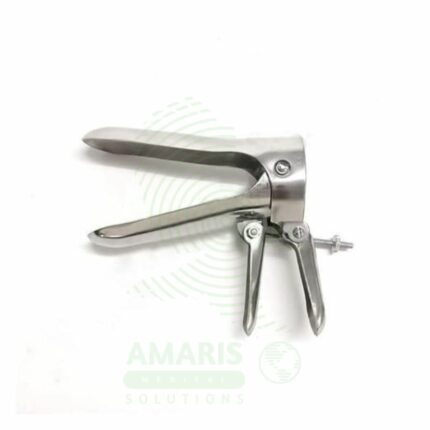
A Cusco speculum is a hinged, bivalve instrument used to separate the vaginal walls for examination of the vagina and cervix. It is the standard tool for performing Pap smears, visual diagnostics, and various gynecological procedures. Available in reusable metal or single-use plastic forms and in multiple sizes, its self-retaining lock allows for hands-free operation. Safe and effective use requires gentle insertion with lubrication, selection of the correct size, careful unlocking before removal, and strict adherence to high-level disinfection or sterilization protocols for reusable models. It is an indispensable instrument in women's health care.
Delivery Bed
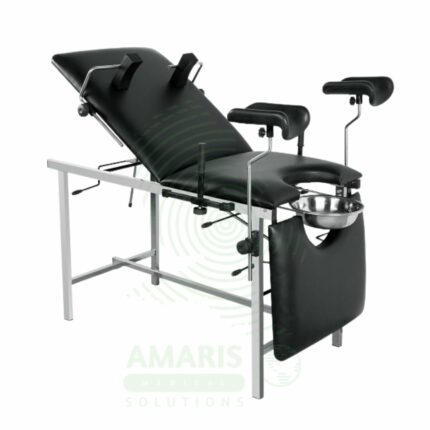
A Delivery Bed is a sophisticated, electrically powered hospital bed specifically engineered for labor, delivery, and obstetric surgeries. It transforms from a comfortable labor bed into a delivery platform with lithotomy positioning and finally into a fully functional surgical table, often integrating a newborn resuscitation station. Its core functions are to ensure optimal, safe positioning for the mother, provide ergonomic access for the clinical team, and facilitate integrated monitoring and emergency care for both mother and newborn. Robust, adjustable, and designed for stringent infection control, it is the central piece of equipment in any modern obstetrical unit.
Fetal & Maternal Monitor
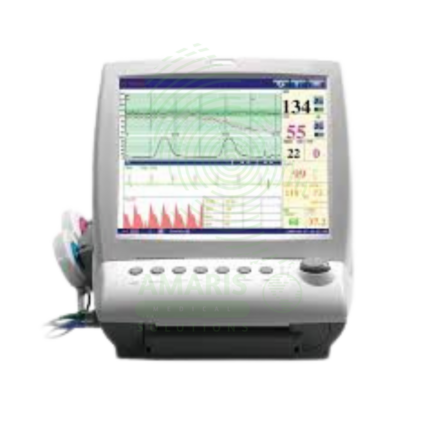
A Fetal & Maternal Monitor is an electronic monitoring system that simultaneously records fetal heart rate (via external ultrasound or internal scalp electrode), uterine contractions (via external tocodynamometer or intrauterine pressure catheter), and maternal vital signs (blood pressure, heart rate, oxygen saturation). Used for antepartum and intrapartum fetal assessment, non-stress tests, contraction stress tests, and monitoring of high-risk pregnancies including gestational diabetes, hypertensive disorders, and multiple gestations. Features high-resolution display, continuous paper recording, alarm systems for fetal distress, and data storage for medical records. External monitoring is non-invasive for routine use; internal monitoring provides more accurate data but requires ruptured membranes and cervical dilation. Class II medical device requiring FDA clearance and qualified interpretation of fetal heart rate patterns. Essential for assessing fetal well-being and guiding obstetric interventions.
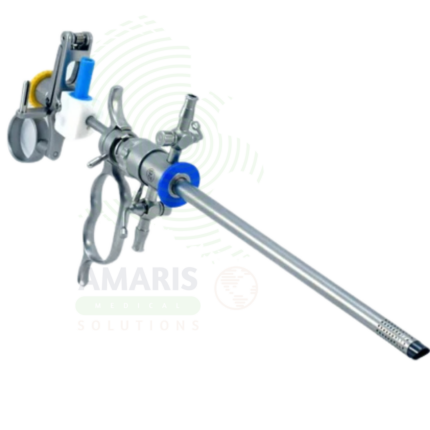
Hysteroscope
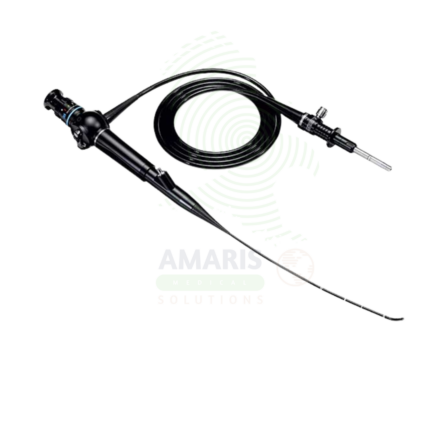
A Hysteroscope is a specialized endoscope used for visualization and treatment of the uterine cavity. Diagnostic hysteroscopy provides direct examination of the endometrium for evaluation of abnormal bleeding, infertility, and recurrent pregnancy loss. Operative hysteroscopy enables minimally invasive treatment of polyps, fibroids, adhesions, and uterine septa through the natural orifice of the cervix. Essential for gynecology and reproductive medicine, hysteroscopy offers accurate diagnosis and effective treatment with preservation of fertility and rapid recovery.

Infant Hanging Scale
An Infant Hanging Scale is a Class II medical device (mechanical spring/balance or digital load cell) designed for accurate weight measurement of neonates and infants up to 2-3 years (capacity 10-25 kg, accuracy ±5-10 g) using a suspended sling or pan. Features include soft, washable fabric sling with head support and leg openings, tare function to zero out sling weight, mechanical dial or backlit digital display, hold function for active infants, test-weighing mode for breastfeeding assessment (digital models), and portable carrying case. Primary clinical applications include newborn weight monitoring in hospital nurseries (detecting excessive weight loss), NICU daily weights (tracking growth, calculating fluids), breastfeeding adequacy assessment (test-weighing), pediatric outpatient and well-child visits, home healthcare and visiting nurse services, malnutrition screening in developing world, and research studies requiring precise infant weights. Critical safety considerations include secure hanging from sturdy support (never ceiling tiles), thorough sling inspection before each use, proper infant positioning with head support, tare verification with sling attached, never leaving infants unattended, and strict infection control with clean sling per patient. Essential equipment for accurate infant growth monitoring and nutritional assessment in all healthcare settings serving pediatric populations.
Infant radiant warmer (resuscitaire)
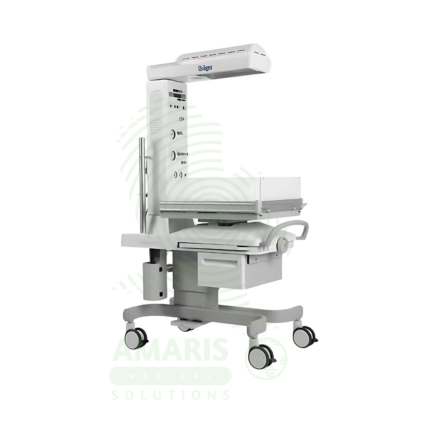
An Infant Radiant Warmer (Resuscitaire) is an open-bassinet, overhead radiant heating system designed for neonatal thermoregulation and resuscitation. It provides servo-controlled infrared warmth to maintain infant body temperature during the critical transition from intrauterine to extrauterine life. The integrated resuscitation platform features built-in oxygen and air sources, suction apparatus, cardiorespiratory monitoring, and storage for resuscitation equipment, ensuring all necessary tools are immediately accessible during newborn stabilization. Essential equipment for every delivery room and neonatal intensive care unit, the radiant warmer supports thermoregulation, resuscitation, and ongoing care while allowing unrestricted access to the infant. Proper temperature probe placement, pre-warming, and alarm response are critical for safe operation.
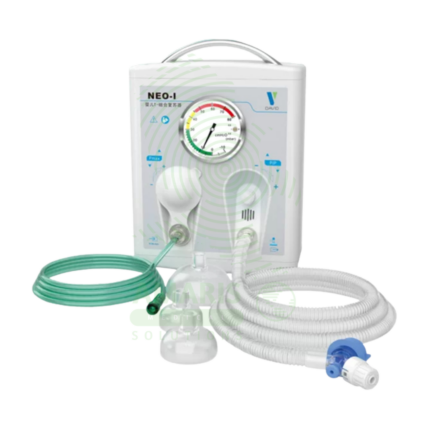
Infant T-Piece Resuscitator
An Infant T-piece Resuscitator is a Class II medical device designed for neonatal resuscitation and controlled positive pressure ventilation, delivering precise, consistent peak inspiratory pressures (PIP) and positive end-expiratory pressure (PEEP) as recommended by Neonatal Resuscitation Program (NRP) guidelines. The T-piece assembly connects to compressed air/oxygen source (5-15 L/min) with adjustable PIP (10-40 cmH₂O) and PEEP (0-10 cmH₂O) controls, built-in pressure manometer, and pressure relief valve (30-40 cmH₂O). Operator occludes port to deliver breaths (typically 40-60/min), with consistent pressures maintained regardless of technique. Essential advantages over bag-valve-mask devices include operator-independent pressure delivery, ability to provide PEEP (critical for preterm lung protection), reduced risk of barotrauma, and hands-free PEEP allowing two-handed mask seal. Primary clinical applications include delivery room resuscitation, stabilization of extremely preterm infants (<1,000 g), CPAP/PEEP delivery, meconium aspiration management, and neonatal transport ventilation. Critical safety considerations include verifying gas supply (5-15 L/min), monitoring manometer pressures, ensuring proper mask seal, observing chest rise, and titrating FiO2 to SpO2 targets. Indispensable resuscitation equipment in every delivery room, NICU, and neonatal transport setting worldwide.