Dermatoscope and Magnifiers
 Diagnostic Kits
 Vital Signs Monitors
 Stethoscopes and Accessories
 Otoscopes, Ophthalmoscopes, and Retinoscopes
 Reflex Hammers and Neurological Tools
 Scales and Measuring Devices
 Spirometers and Pulmonary Function Tests
 Electrosurgical Units and Accessories
 Cutting Instruments
 Grasping and Holding Instruments
 Hemostatic Instruments
 Specialized Surgical Sets
 Single-Use Procedure Trays and Packs
 Surgical Drapes, Gowns, and Covers
 Tissue Unifying Instruments
 Radiation Protection
 X-Ray Machines and Accessories
 Ultrasound Systems and Probes
 MRI and CT Scanners
 Radiology Consumables
 Bone Densitometers
 Fluoroscopy Equipment
 Imaging Tables and Positioning Aids
 Microscopes and Accessories
 Centrifuges and Separators
 Analyzers
 Incubators and Ovens
 Pipettes, Dispensers, and Lab Glassware
 Refrigerators, Freezers, and Storage Units
 Lab Consumables
 Sterilizers and Autoclaves for Lab Use
 Multi-Parameter Monitors
 Ventilators and Respiratory Support Devices
 Defibrillators and AEDs
 Infusion Pumps and IV Systems
 Patient Warmers and Cooling Devices
 Central Monitoring Stations
 Accessories
 Anesthesia Machines and Workstations
 Oxygen Concentrators and Delivery Systems
 Nebulizers and Inhalers
 CPAP/BiPAP Machines
 Airway Management
 Anesthesia Masks, Circuits, and Bags
 Humidifiers and Heaters
 Respiratory Therapy Accessories
 First Aid Kits and Cabinets
 Emergency Resuscitation Equipment
 Trauma Supplies
 Emergency Carts and Crash Carts
 Burn Care Products
 Bleeding Control
 Automated External Defibrillators (AEDs)
 Transport and Evacuation
 Wheelchairs and Accessories
 Walkers, Crutches, and Canes
 Prosthetics and Orthotics
 Physical Therapy Equipment
 Transfer Devices
 Bathroom Safety
 Orthopedic Traction and Tables
 Hot/Cold Therapy Packs and Units
 Beds and Mattresses
 Chairs and Stools
 Tables
 Cabinets and Storage
 Privacy Screens & Curtains
 Stands and Racks
 Linens and Textiles
 Lighting
 Autoclaves and Sterilizers
 Ultrasonic Cleaners
 Disinfectant Solutions and Wipes
 Sterilization Pouches, Wraps, and Indicators
 Instrument Trays and Containers
 UV and Ozone Disinfection Devices
 Washer Disinfectors
 Wound Care
 Gloves
 Masks and Respirators
 Catheters and Tubing
 Swabs, Applicators, and Sponges
 Incontinence Products
 Personal Protective Equipment (PPE)
 Dental Chairs and Units
 Handpieces and Burs
 Instruments
 Consumables
 Sterilization for Dental Use
 Orthodontic Supplies
 Endodontic Tools
 Slit Lamps and Tonometers
 Lensometers and Phoropters
 Ophthalmic Surgical Instruments
 Eyewear Frames and Lenses
 Contact Lens Supplies
 Vision Testing Charts and Devices
 Eye Care Consumables
 Laser Systems for Eye Care
 ENT Exam Chairs and Tables
 Endoscopes
 Audiometers and Hearing Tests
 ENT Instruments
 Nasal and Throat Packs
 Hearing Aids and Accessories
 Otology Supplies
 Fetal Dopplers and Monitors
 Delivery Beds and Tables
 Gynecological Instruments
 Neonatal Incubators and Warmers
 Breast Pumps and Accessories
 Contraceptive Devices
 Maternity Supports and Pads
 Neonatal Consumables
 Cystoscopes and Urethroscopes
 Dialysis Machines and Supplies
 Urological Catheters and Bags
 Lithotripters
 Prostate Treatment Devices
 Urinary Incontinence Products
 Kidney Stone Management Tools
 Consumables & Disposables
 EEG and EMG Machines
 Neurosurgical Instruments
 Nerve Stimulators
 Headrests and Positioning Aids
 Lumbar Puncture Kits
 Seizure Monitoring Devices
 Consumables
 Rehabilitation for Neurological Conditions
 ECG Machines and Accessories
 Holter Monitors
 Stress Test Systems
 Pacemakers and Defibrillator Accessories
 Vascular Access Devices
 Cardiac Catheters and Guidewires
 Blood Flow Meters
 Consumables
 Orthopedic Instruments
 Casts, Splints, and Padding
 Joint Replacement Supplies
 Prosthetic Limbs and Components
 Bone Grafts and Substitutes
 Traction Devices
 Orthopedic Braces and Supports
 Rehabilitation Aids for Orthopedics
 Home Oxygen Therapy
 Hospital Beds for Home Use
 Mobility Aids
 Bathroom and Daily Living Aids
 Wound Care for Home
 Monitoring Devices
 Enteral Feeding Pumps and Tubes
 Hand Sanitizers and Dispensers
 Face Shields and Goggles
 Isolation Gowns and Suits
 Biohazard Waste Containers
 Air Purifiers and HEPA Filters
 Surface Disinfectants
 Sharps Containers
 Protective Barriers
 Cardiovascular & Endurance Training
 Strength Training & Weightlifting
 Functional Training & Core Conditioning
 Physical Therapy & Rehabilitation
 Sports & Outdoor Recreation
 Gym Flooring & Facility Equipment
 Fitness Monitoring & Accessories
 Kids & Novelties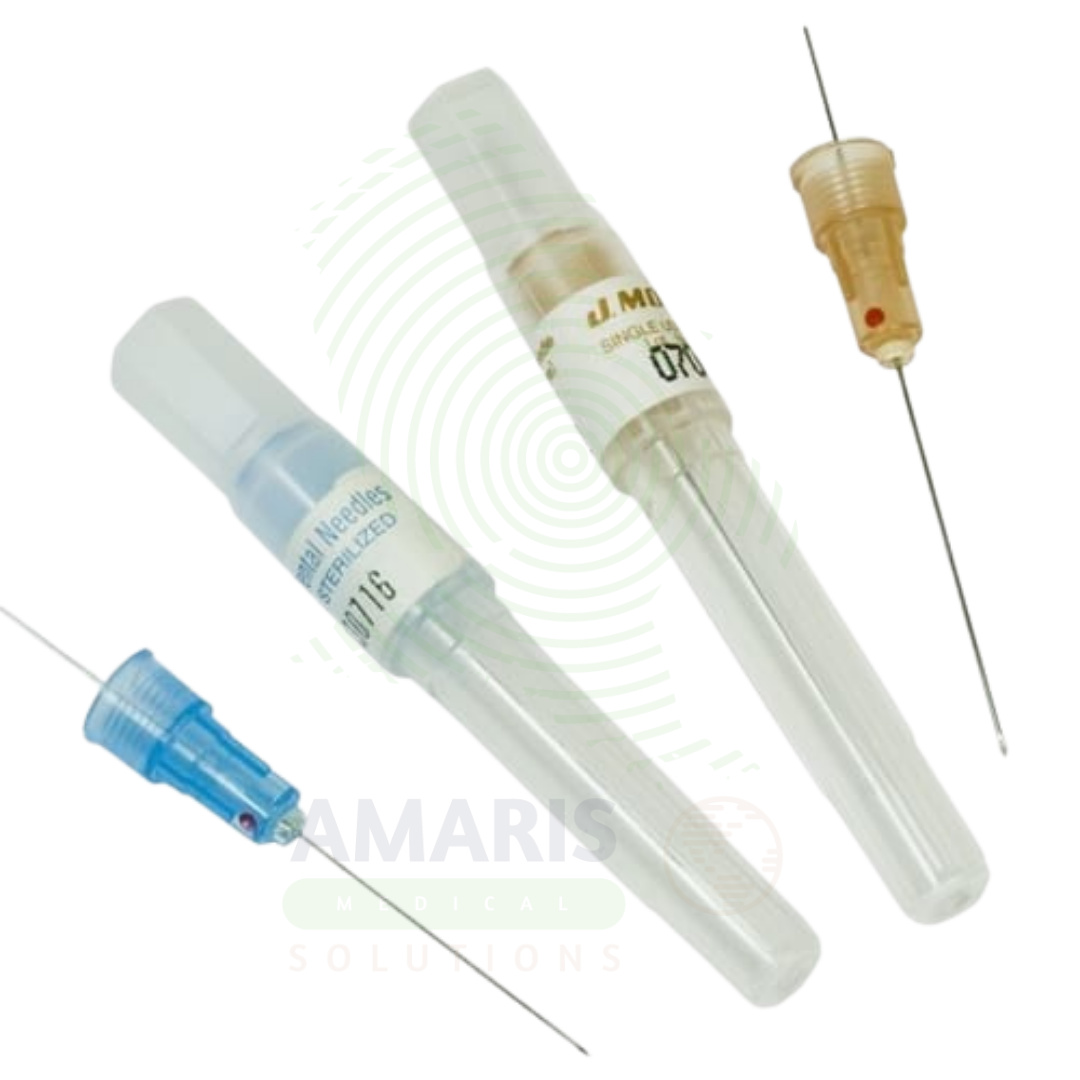
Dental Needles
$1.00
WhatsApp Order
Dental Needles are sterile, single-use hypodermic needles specifically designed for the administration of local anesthesia in dentistry. Characterized by their gauge (diameter) and length, they are selected to target specific nerves (e.g., long 27G for mandibular blocks, short 30G for infiltrations). Their primary functions are to penetrate oral tissue precisely, allow for aspiration to ensure safe extravascular placement, and deliver anesthetic solution. As sharps, their safe handling and immediate disposal in a designated container are paramount to prevent needlestick injuries and cross-contamination, making them a critical safety-focused consumable in dental practice.
Description
Dental Needles
PRIMARY CLINICAL & DIAGNOSTIC USES
1. Administration of Local Anesthesia
-
Primary Use: Penetrates oral mucosa and tissue to deliver local anesthetic solution from a cartridge into the precise anatomical location required for nerve block or infiltration anesthesia, enabling painless dental procedures.
-
How it helps: For the dentist and oral surgeon, dental needles provide the precision and sharpness needed to deliver anesthetic directly to target nerves with minimal tissue trauma—ensuring rapid onset and profound anesthesia. For the patient, a sharp, well-designed needle means a smooth, comfortable injection with minimal discomfort and anxiety.
2. Achieving Specific Nerve Blocks
-
Primary Use: Different lengths and gauges are selected to reach target nerves, with long needles for inferior alveolar nerve blocks and short needles for infiltration or supraperiosteal injections.
-
How it helps: For the clinician, having a range of needle lengths and gauges allows precise selection for each procedure—ensuring the needle reaches the target nerve while minimizing patient discomfort. For the patient, the right needle selection means effective anesthesia with fewer injection attempts and reduced post-injection soreness.
3. Aspiration
-
Primary Use: Used to withdraw back into the cartridge to check if the needle tip is within a blood vessel before injecting anesthetic, a critical safety step to prevent intravascular injection and potential systemic toxicity.
-
How it helps: For the dentist, aspiration provides a vital safety check before anesthetic deposition—reducing the risk of intravascular injection, systemic toxicity, and adverse reactions. For the patient, this safety step ensures that anesthesia is delivered safely, minimizing the risk of complications such as tachycardia, dizziness, or cardiovascular events.
4. Irrigation and Delivery of Other Solutions
-
Primary Use: Can be used to irrigate sockets post-extraction or to deliver other medicaments (e.g., antibiotics, hemostatic agents) into specific sites.
-
How it helps: For the oral surgeon and dentist, dental needles provide a precise delivery system for irrigating extraction sites and placing medicaments directly at the treatment site—enhancing healing and reducing post-operative complications. For the patient, this targeted delivery supports faster healing and reduces the risk of dry socket or post-extraction infection.
5. Drainage of Abscesses
-
Primary Use: A large-gauge needle may be used for incision and drainage of a dental abscess as part of emergency treatment.
-
How it helps: For the emergency dentist and oral surgeon, a large-gauge needle provides immediate access for draining purulent material from a dental abscess—relieving pressure, reducing pain, and initiating resolution of the infection. For the patient suffering from the severe pain of a dental abscess, drainage provides rapid relief and begins the healing process.
SECONDARY & SUPPORTIVE USES
1. Taking Biopsy Samples: In oral surgery, needles (often larger gauge) can be used for fine-needle aspiration of soft tissue lesions. For the clinician, this provides a minimally invasive diagnostic option; for the patient, it means biopsy can be performed with a needle rather than a scalpel.
2. Suture Removal: The sharp tip can be used to lift and cut sutures during removal. For the dental professional, this provides a convenient tool for suture removal; for the patient, it ensures clean, comfortable suture removal.
3. Veterinary Dentistry: Used identically in veterinary practice for dental procedures on animals. For the veterinarian, dental needles provide the same precision and safety; for the animal patient, it enables pain-free dental care.
KEY PRODUCT FEATURES
1. BASIC IDENTIFICATION ATTRIBUTES
-
Type: A sterile, single-use, hollow hypodermic needle designed for attachment to a dental syringe.
-
Designation: Dental Injection Needle.
-
Key Specifications:
-
Gauge (G): The diameter of the needle. A lower gauge number means a larger diameter.
-
25-Gauge: Common standard, good balance of strength and patient comfort.
-
27-Gauge: Thinner, often used for palatal injections or in pediatric patients where a smaller diameter is preferred for comfort.
-
30-Gauge: Very thin, used for superficial infiltrations where minimal discomfort is key.
-
23-Gauge: Larger, used where deflection through dense tissue is a concern or for aspiration of fluids.
-
-
Length: Measured from hub to tip.
-
Short (10-20mm): For infiltration injections and supraperiosteal injections in maxillary and mandibular anterior regions.
-
Long (32-35mm): For deep nerve blocks (e.g., inferior alveolar nerve block, posterior superior alveolar nerve block).
-
-
2. TECHNICAL & PERFORMANCE PROPERTIES
-
Construction: Made of medical-grade stainless steel. Consists of:
-
Hub: The plastic (usually polypropylene) end that attaches securely to the dental syringe (typically a Luer-Lok or screw-on fitting).
-
Shaft: The long, hollow metal tube.
-
Bevel: The slanted, sharp tip. Long bevel needles are sharper and penetrate with less resistance but may be more likely to deflect. Short bevel needles are stronger and deflect less but may cause more tissue tearing.
-
-
Lubrication: Often coated with a medical-grade silicone lubricant to reduce penetration force and patient discomfort.
-
Sterility: Individually packaged and sterilized, typically by ethylene oxide (EtO) or gamma radiation.
3. PHYSICAL & OPERATIONAL PROPERTIES
-
Packaging: Individually packed in a rigid plastic sheath or blister within a sterile peel-pack.
-
Syringe Compatibility: Designed to fit standard dental aspirating syringes.
-
Single-Use: Must be used for one patient only and discarded immediately after use in a sharps container.
4. SAFETY & COMPLIANCE ATTRIBUTES
-
Regulatory Status: Class II medical device.
-
Sharps Safety: A critical safety device. Must be disposed of in a puncture-resistant, labeled sharps container immediately after use to prevent needlestick injuries.
-
Biocompatibility: Must be non-toxic and non-pyrogenic.
-
Sterility Assurance: Must be sterile and non-pyrogenic.
5. STORAGE & HANDLING ATTRIBUTES
-
Storage: Store in a cool, dry place. Keep in original packaging until ready for use.
-
Shelf Life: Has an expiration date. Do not use expired needles.
-
Inspection: Visually inspect before use. Do not use it if the packaging is damaged, the needle is bent, or the lubricant appears non-uniform.
6. LABORATORY & CLINICAL APPLICATIONS
-
Primary Application: An essential, single-use consumable in every dental operatory for the administration of local anesthesia.
-
Workflow: Selected by the dentist based on procedure and anatomy, attached to a loaded syringe immediately before administration.
SAFETY HANDLING PRECAUTIONS
1. SAFETY PRECAUTIONS
-
Sharps Injury Prevention (CRITICAL): Never recap a used needle. Engage the safety sheath (if present) using a one-handed scoop technique or immediately discard the unsheathed needle into a sharps container. Use a neutral zone for instrument transfer.
-
Aseptic Technique: Maintain sterility. Do not touch the needle shaft or allow it to contact non-sterile surfaces before injection.
-
Needle Bending: Do not bend the needle to change its angle. Use the correct needle path and re-angle the syringe if necessary.
-
Breakage Prevention: Do not insert the needle to the hub, especially in areas where sudden patient movement is possible (e.g., mandibular blocks). Leave a few millimeters visible to facilitate retrieval if rare breakage occurs.
-
Proper Gauge Selection: Using an overly thin needle (e.g., 30G) for a deep block may increase the risk of deflection or breakage.
2. FIRST AID MEASURES
-
Needlestick Injury: Immediately wash the wound with soap and running water. Do not suck the wound. Report the incident immediately to the supervisor/occupational health for follow-up (risk assessment, post-exposure prophylaxis for bloodborne pathogens like HBV, HCV, HIV).
-
Needle Breakage (Rare): Remain calm. Instruct the patient not to move. If a fragment is visible and easily accessible, remove it with a magnet or forceps. If not, stabilize the patient and refer for surgical retrieval. The fragment will typically remain inert.
-
Tissue Injury from Needle: Manage bleeding with pressure. Monitor for signs of infection.
3. FIRE FIGHTING MEASURES
-
Flammability: The plastic hub and packaging are combustible.
-
Extinguishing Media: Use water, foam, or CO₂ as appropriate for the surrounding fire.
Related products
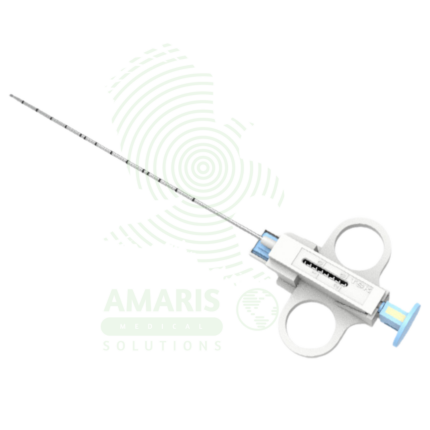
Biopsy Needles
Biopsy Needles are sterile, single-use precision medical devices designed to obtain tissue or cellular specimens from internal organs, masses, and lesions for histopathological or cytological diagnosis. Available in core biopsy (automatic spring-loaded, semi-automatic, vacuum-assisted, coaxial) and fine needle aspiration configurations, with gauges ranging from 14G-27G and lengths from 6-25 cm. Core biopsy needles obtain intact tissue cores preserving histological architecture; FNA needles aspirate cellular material for cytological evaluation. Specialized variants include bone marrow biopsy needles (Jamshidi, Illinois), echogenic-tip needles for ultrasound guidance, and MRI-compatible needles (nitinol, titanium). Critical safety requirements include strict image guidance for non-palpable lesions, verification of coagulation status, adherence to single-use protocols, and immediate post-procedure monitoring for complications (hemorrhage, pneumothorax, organ injury). An indispensable tool in interventional radiology, oncology, and minimally invasive diagnosis.
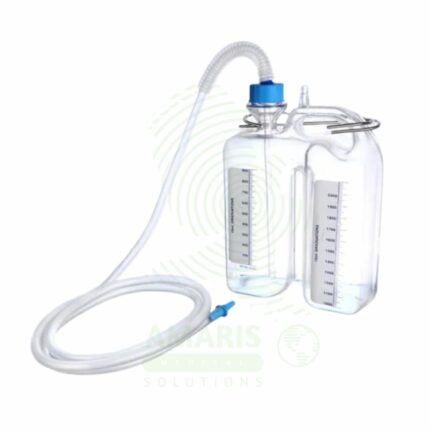
Chest Bottle
A Chest Bottle (Underwater Seal Drainage System) is a three-chamber disposable device used to drain air and fluid from the pleural space via a chest tube. Its critical component is a water seal chamber that acts as a one-way valve, preventing air from re-entering the chest while allowing drainage. It is used to treat pneumothorax, hemothorax, and pleural effusions, and is mandatory post-thoracic surgery. The system must always be kept upright and below the patient's chest level. It provides essential clinical information through tidaling in the water seal (indicating tube patency and lung expansion) and bubbling (indicating an air leak), making it both a therapeutic and diagnostic tool.
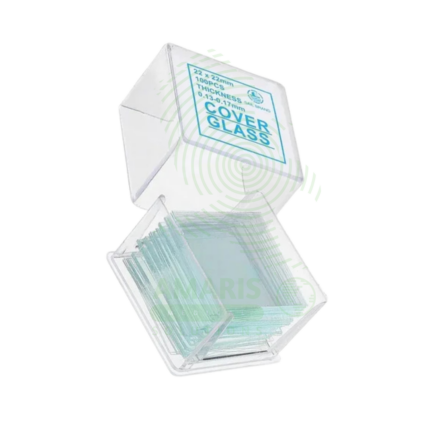
Cover Glass
Cover Glass (coverslips) are thin, transparent glass or plastic squares (e.g., 18×18 mm, 22×22 mm) or rectangles (22×30 mm, 24×50 mm) used to cover specimens on microscope slides for microscopic examination. Available in thickness No. 1 (0.13-0.16 mm) and No. 1.5 (0.16-0.19 mm) for optimal microscopy. Made from optical glass with high light transmission (>90%), refractive index 1.52 matching immersion oil. Packaged in boxes of 100-1000, interleaved with paper to prevent scratching. Primary clinical applications include covering blood films for manual differential counts and malaria diagnosis, wet mount preparations of urine sediment and vaginal secretions, histopathology and cytology slides, Gram-stained bacterial smears, semen analysis, KOH preparations for fungal elements, and India ink preparations for Cryptococcus. Critical safety precautions include handling with forceps (sharp edges), disposing of broken coverslips in sharps containers, avoiding fingerprints on optical surface, and proper disposal of biohazard-contaminated coverslips. Essential consumable in every clinical laboratory performing microscopy.
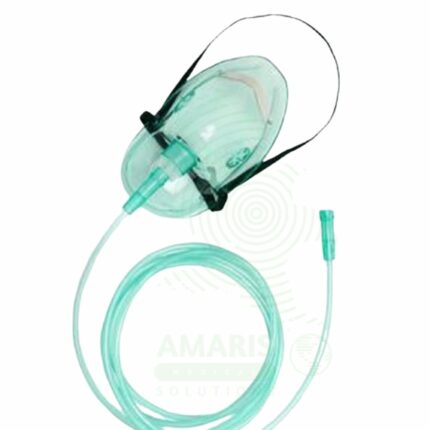
Oxygen Mask (Adult/Infant/Paediatric)
An Oxygen Mask is a disposable, single-use interface used to deliver supplemental oxygen from a medical gas supply to a patient's airways. Available in types for specific clinical needs—Simple Mask for low-flow therapy, Venturi Mask for precise FiO2 control (especially in COPD), and Non-Rebreather Mask for emergency high-flow delivery—and in sizes for adults, children, and infants. Correct selection and application, including ensuring the proper oxygen flow rate for the mask type, are essential for effective therapy and patient safety. Adherence to strict fire safety protocols is non-negotiable due to the combustion risk posed by enriched oxygen environments.
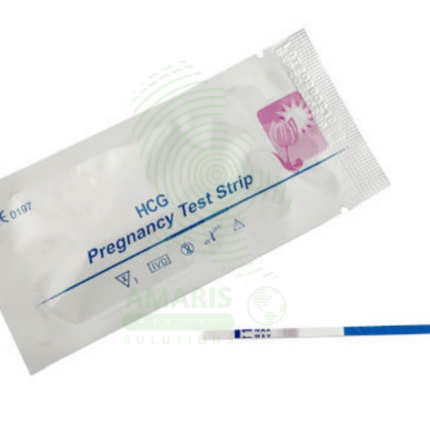
Pregnancy Test Strips
Pregnancy Test Strips are simple, dip-style lateral flow devices designed for the rapid, qualitative detection of human chorionic gonadotropin (hCG) in urine to indicate pregnancy. As the most fundamental format of home pregnancy tests, they offer high sensitivity (often from 10 mIU/mL), affordability, and a quick result within 3-5 minutes. Their ease of use makes them a widely accessible first step in pregnancy detection for personal use and clinical screening. A visible test line, even if faint, is a positive result, though confirmation with a healthcare provider is always recommended.
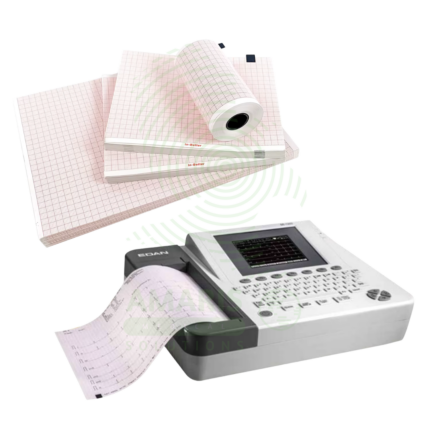
Thermal Printing Paper Roll
Thermal Printing Paper Roll is a heat-sensitive recording medium used with medical monitoring and diagnostic equipment including ECG machines, fetal monitors, ultrasound printers, and telemetry systems. The paper produces high-contrast, permanent images of physiological waveforms and data when passed over the printer's thermal head. Available in various widths, lengths, and grid patterns to match specific device requirements, it is an essential consumable for creating hard copy records for patient charts, consultation, and legal documentation. Proper storage away from light, heat, and moisture is essential to preserve image quality. BPA-free and archival-grade options are available for specific applications.
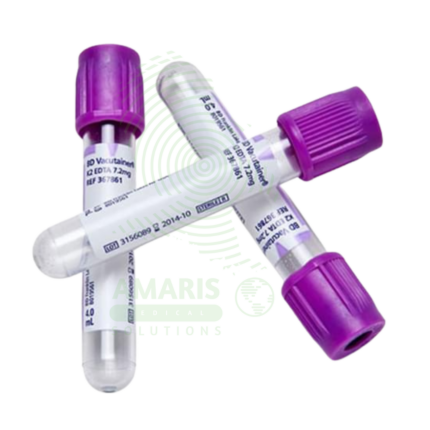
Vacutainer (EDTA/PLAIN)
Vacutainer (EDTA/PLAIN) is a sterile, evacuated blood collection tube (lavender/purple top) containing EDTA anticoagulant (K2EDTA or K3EDTA, 1.5-2.0 mg/mL blood) for hematology, blood banking, flow cytometry, and molecular diagnostics. Available in draw volumes 2-10 mL, glass or PET plastic, with color-coded stopper and sterile interior. EDTA chelates calcium, preventing coagulation while preserving cellular morphology. Primary clinical applications include complete blood count (CBC) and differential, blood typing and antibody screening (ABO/Rh, Coombs), hemoglobin A1c (HbA1c) testing, flow cytometry and immunophenotyping (CD4 counts), molecular diagnostics and PCR testing, sickle cell screening and hemoglobin electrophoresis, and parasitology (malaria smears). Critical safety precautions include filling to completion (correct blood-to-additive ratio), gentle inversion 8-10 times immediately after collection, never using for chemistry or coagulation testing, and proper disposal as biohazardous waste. Essential collection tube for hematology and immunohematology.